Bursa · Organised zones, the free zone and Gemlik Bay

Asset tracking in Bursa: moulds, racks and tools across the organised zones

Spatial Map shows where tagged equipment, moulds, returnable racks and other assets are on a live 3D map of each building, using the reads and positions your RFID and BLE systems already produce. Asset tracking in Bursa is shaped by the province’s industrial geography: 17 organised industrial zones, a free zone and a bay on the Marmara coast, with automotive-supplier and textile plants in between. The assets that cause trouble are the ones that travel: moulds, dies and returnable racks that leave one plant and have to come back.

No credit card. Runs in the browser. Pro is $60/month for up to 4 facilities. Book a demo

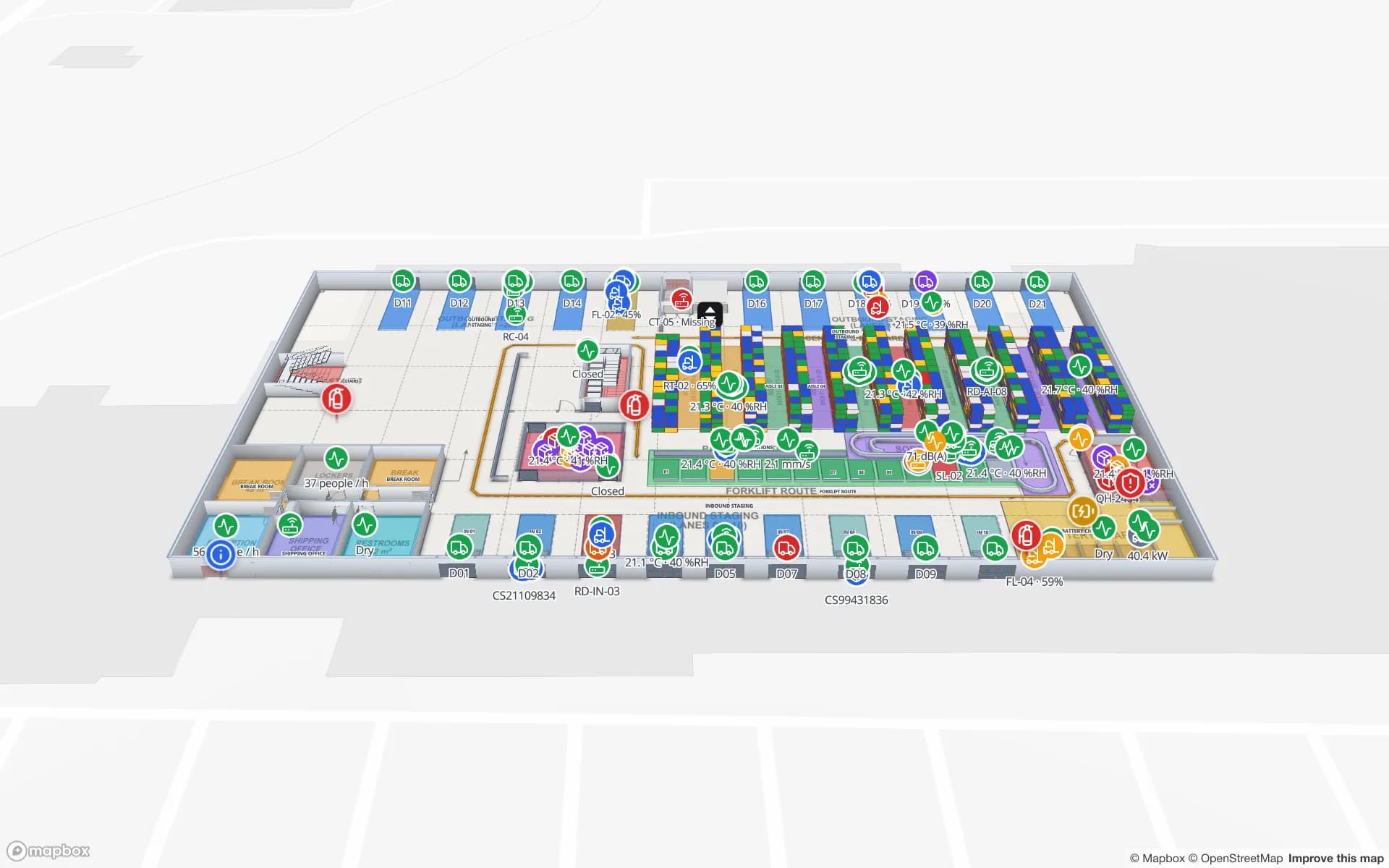
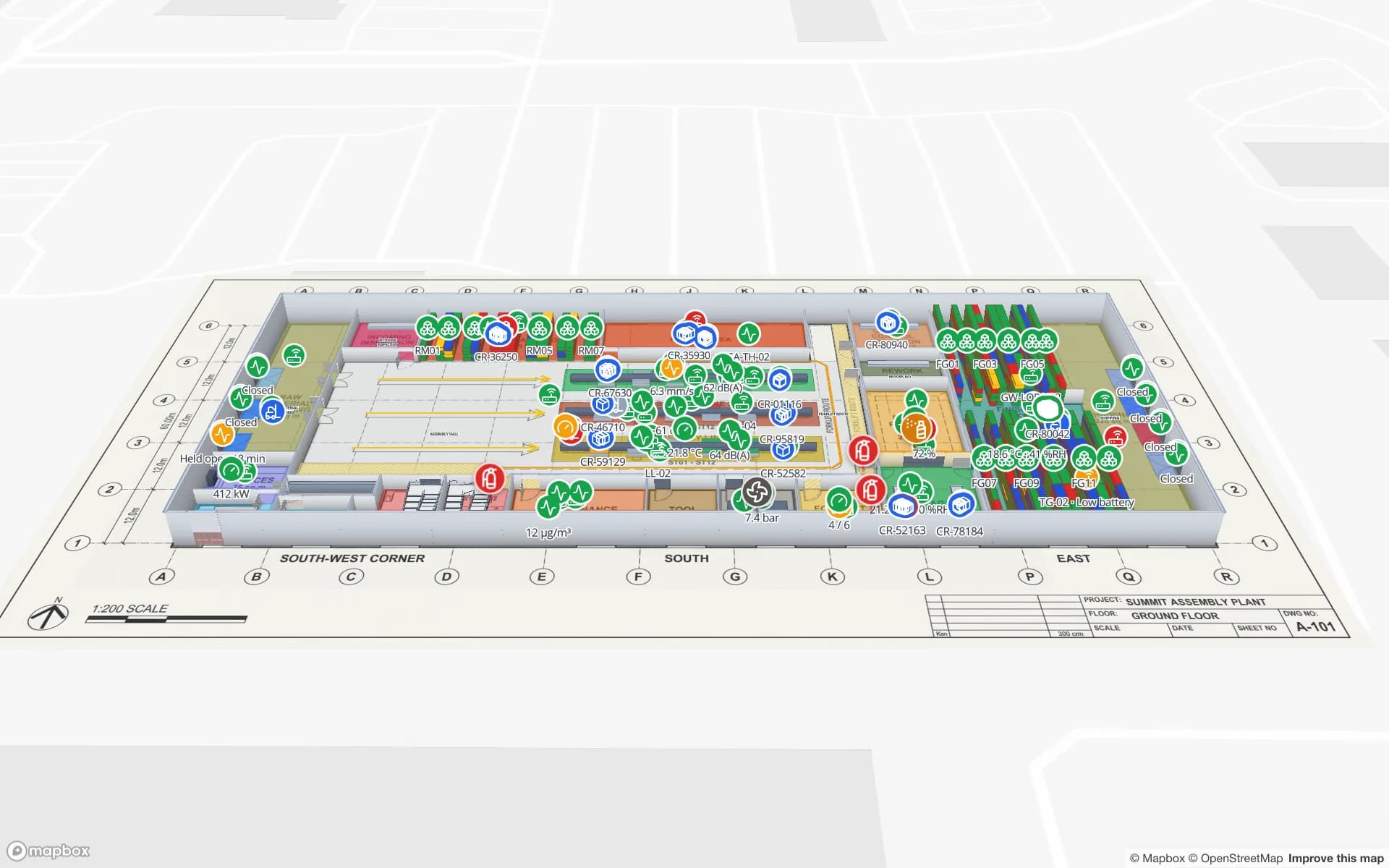
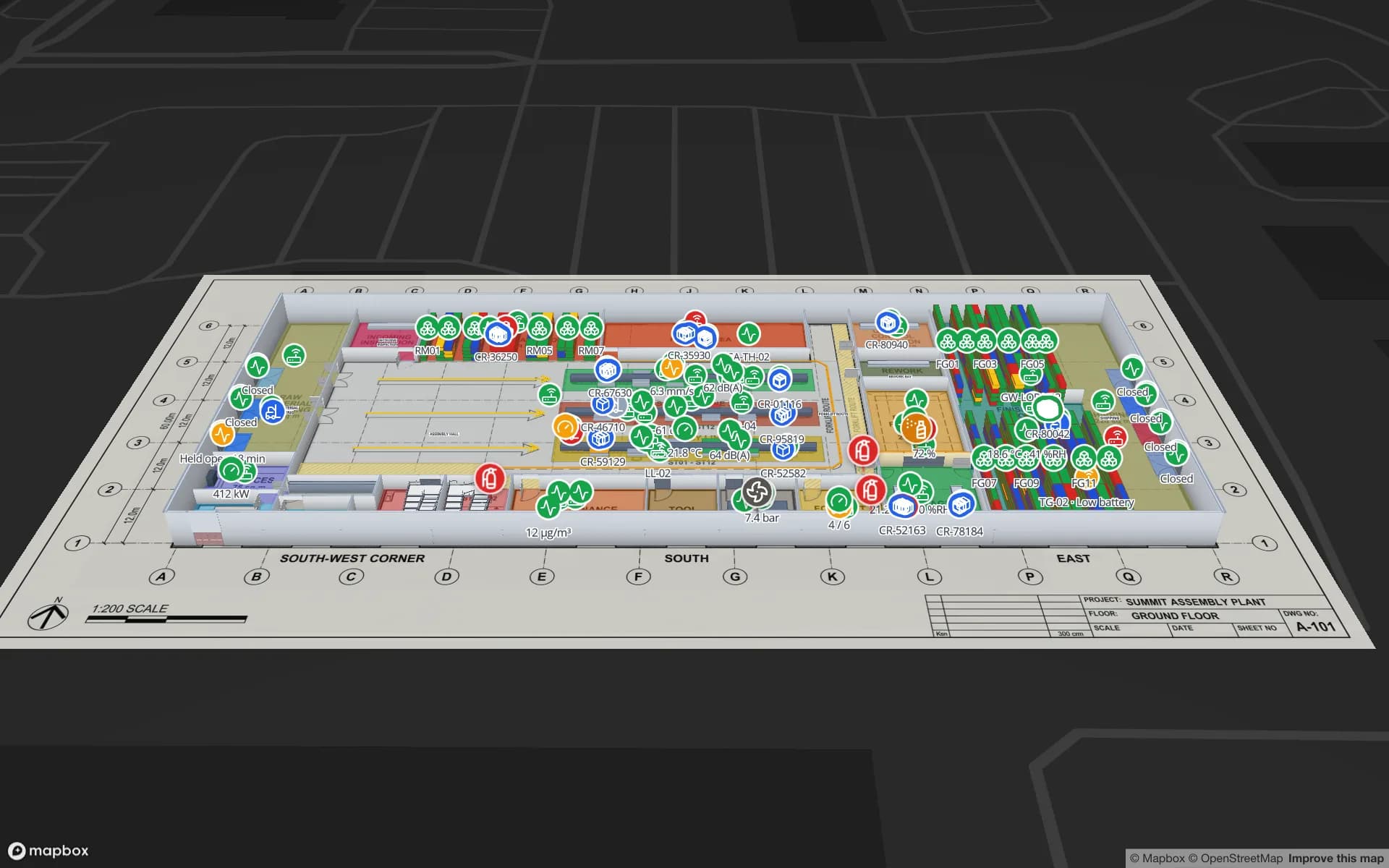
Summit Assembly Plant, a assembly plant demo, in the Spatial Map 3D viewer with live device markers
Summit Assembly Plant
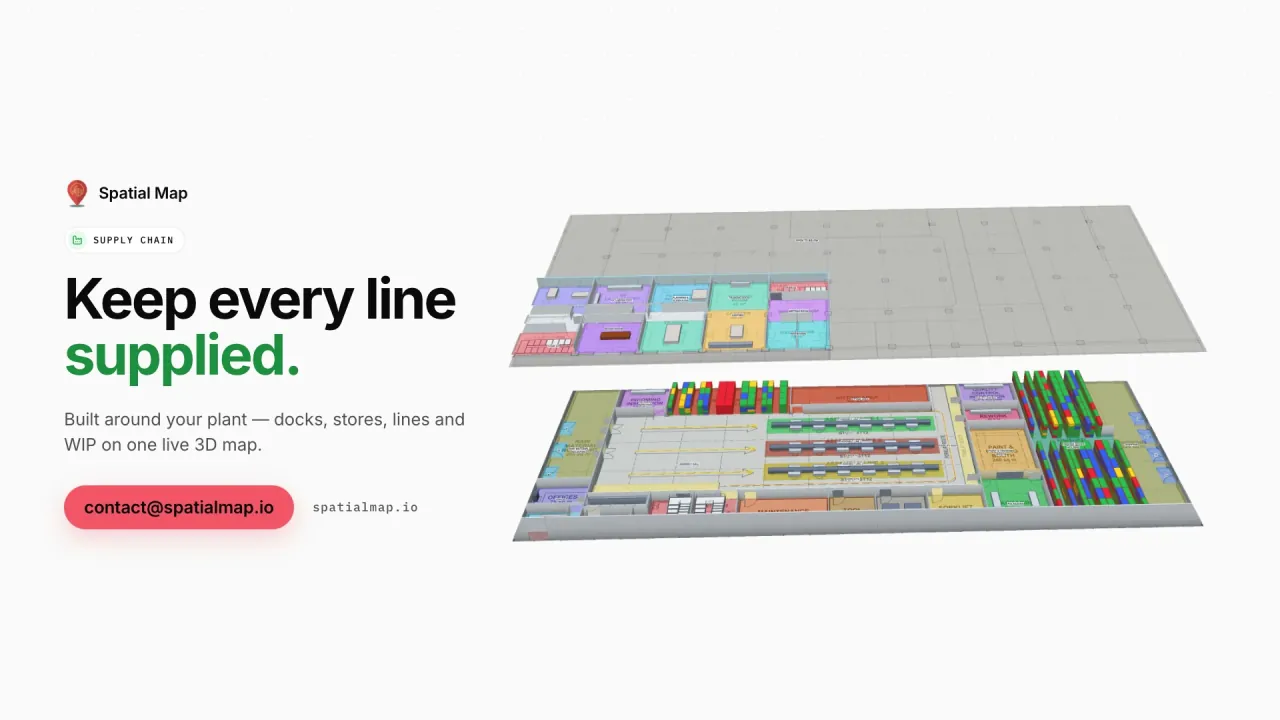
Summit Assembly Plant, a demo plant: WIP carriers between workstations, 867 raw-material and finished-goods rack locations, and the receiving and shipping docks.
Rack locations in the Summit assembly-plant demo
867
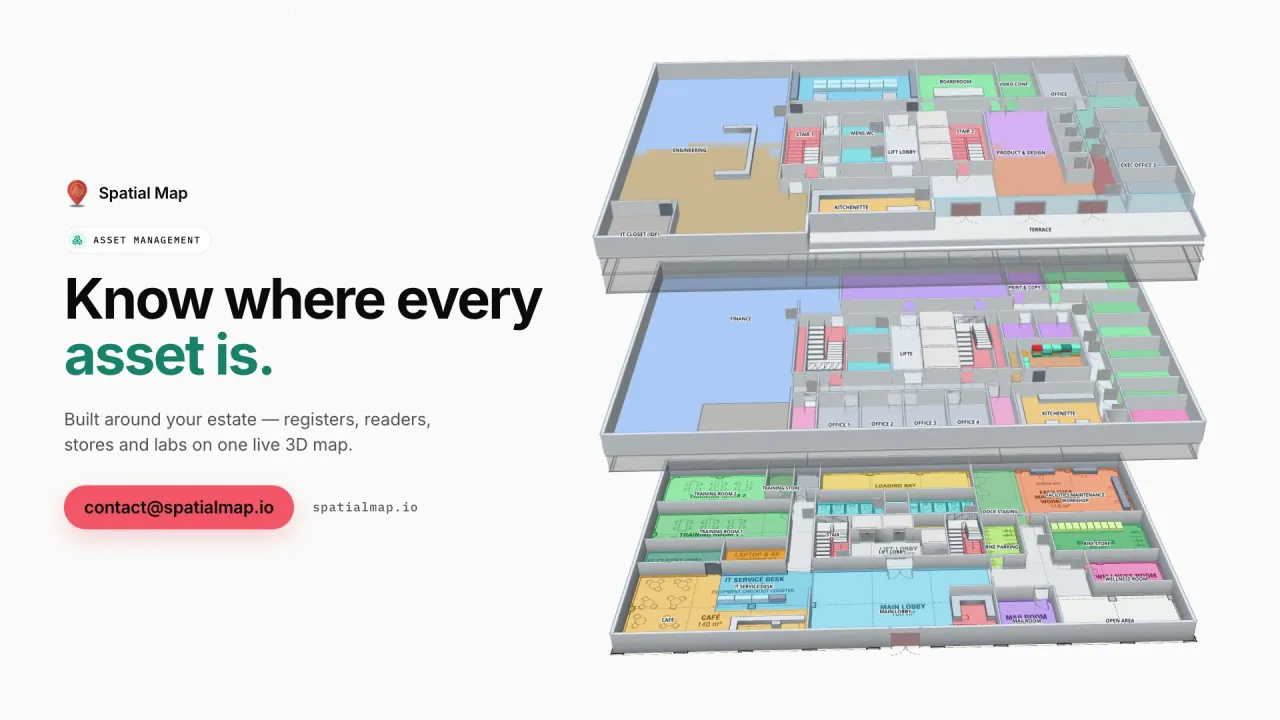
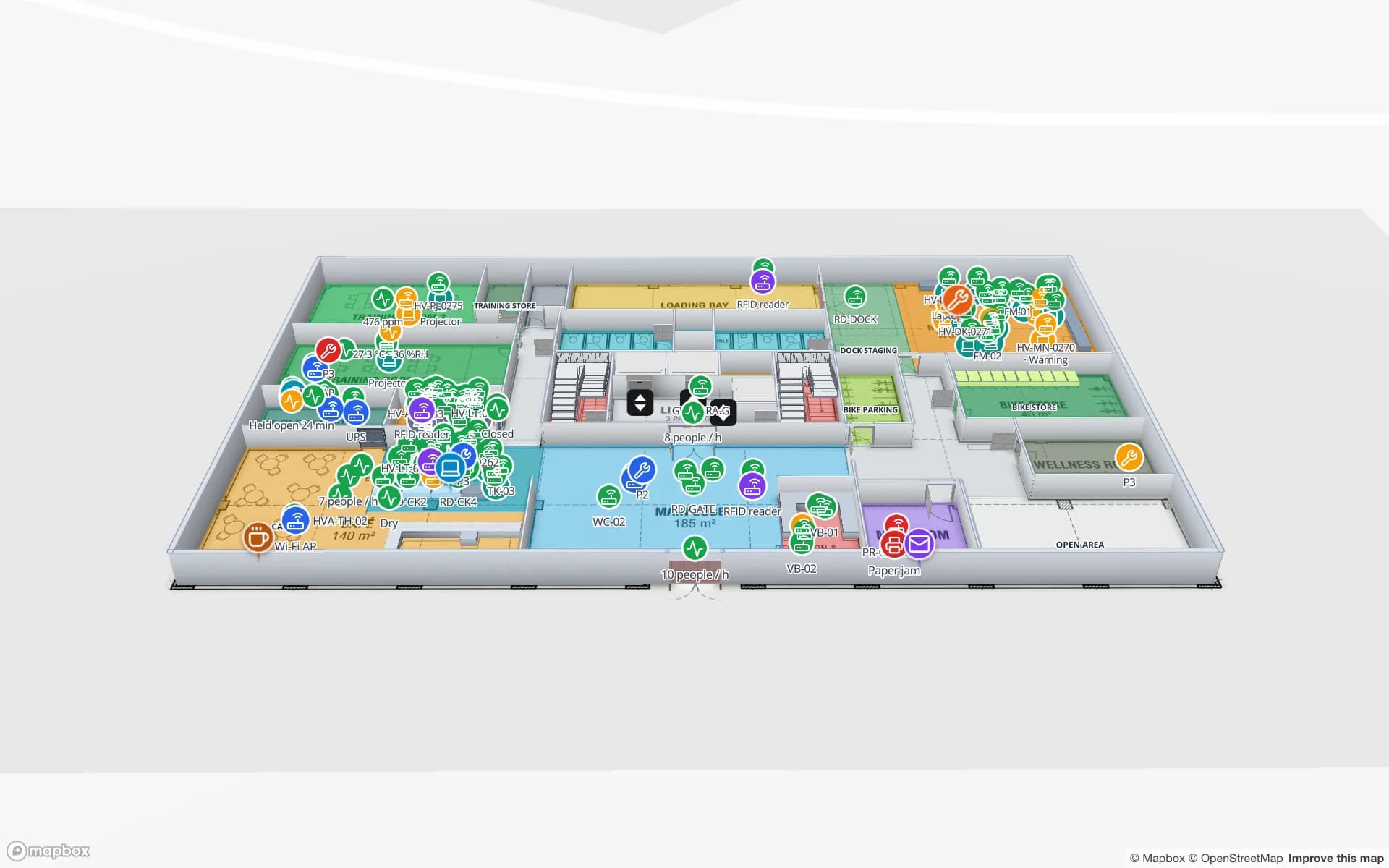
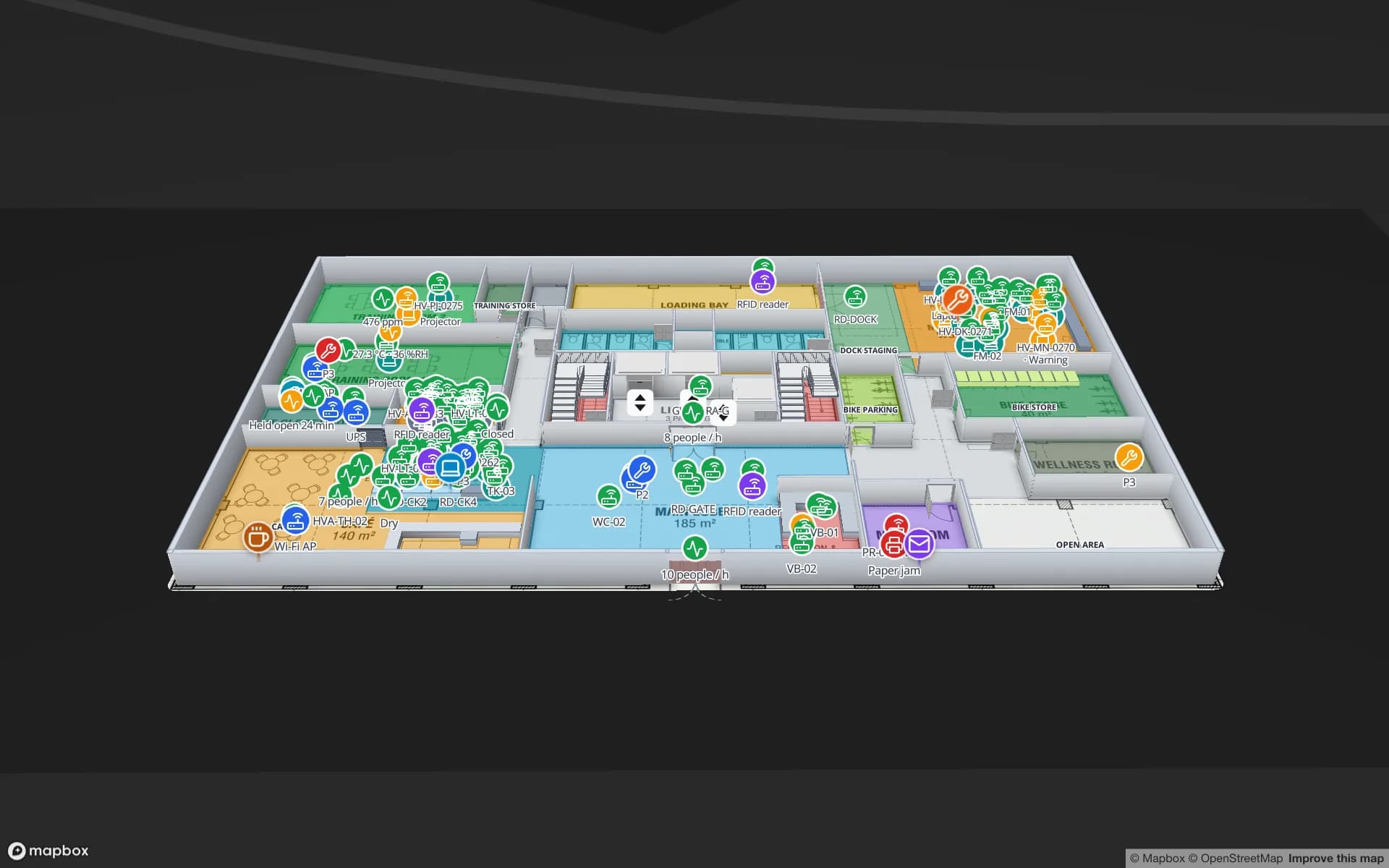
Floors in the Harborview office demo, with checkout and stores
3
Write API requests per key, with bulk upsert
60/min
Free trial, up to 5 facilities, no card
7 days

Seventeen organised zones, and the first of them

The Bursa Chamber of Commerce and Industry (BTSO) counts 17 organised industrial zones with legal-entity status in the province, on a page updated in January 2026. The oldest, the Bursa Organised Industrial Zone in Nilüfer, is described by BTSO as the first of its kind in the country and dates from the early 1960s. The chamber’s pages and industry guides describe automotive parts producers and textile and food industries as long established in the zones.

Seventeen zones mean many plants of a similar kind, working as suppliers to each other and to assembly plants elsewhere. Spatial Map keeps each plant as a facility in one workspace, so a toolroom manager sees the same equipment register whichever plant holds it. Group a customer’s plants in a solution and give them a read-only link, with an expiry date and floors and layers chosen by you.
Moulds, dies and returnable racks: the assets that travel

A supplier’s expensive assets are rarely the machines; they are the tools that move between machine, toolroom, repairer and customer: injection moulds, press dies, gauges and fixtures, plus the returnable racks and totes that carry parts to the customer and back. When a mould is not where the schedule says, the line stops, and the first hour is spent looking for it.

Keep the register as a table (tag ID, owner, home store, status) and draw the plant so each machine bay, toolroom and quarantine rack is an area. RFID tags read at the toolroom door, or BLE tags with gateways named after those areas, tell your system where each tool is. The map shows its last-seen area, a style rule colours tools that are overdue for return, and the History player replays where one has been. RFID tool tracking covers the crib pattern, and the BLE guide explains gateway placement. Spatial Map does not compute positions from BLE signal strength itself; your gateway software reports a room or zone and the map shows it.

The Bursa Free Zone and the technology zone

The Bursa Free Zone was set up by BTSO in 1998 and began commercial operations in May 2001 on 825,000 square metres, near the port and the motorway. TEKNOSAB, BTSO’s technology organised industrial zone, has a logistics technopark that the chamber describes as one of the largest logistics hubs of the South Marmara region. Both are places where goods change hands: inbound components, finished parts, packaging, and the racks that carry them.

Spatial Map does not hold customs records. What it shows is where a rack or pallet physically is and how long it has been there. A count rule raises an in-app alert when a returnable-rack pool at a customer’s dock falls below its minimum, and Show on map takes a supervisor to the shortfall. The Eastport demo shows dock doors, yard slots and pallets, and RFID warehouse management covers staging lanes.

Gemlik Bay and the road to the Marmara

Gemlik, on its own bay of the Sea of Marmara about 30 km north-west of Bursa, holds the container, general-cargo and ro-ro ports serving the city. Parts and finished goods go there by truck, and so do empty racks coming back the other way. For a supplier, the useful picture is which rack pools are at the plant, which are in transit and which are at the customer.

You do not need RFID to start. Upload a CSV or Excel list of racks or moulds with their last known location as a table, draw the plant’s stores as areas, and update the table from your ERP or from a handheld count; the post on CSV bin inventory to a live rack map shows the steps for racks. Later RFID reads or BLE gateways update the same table. Your developers can post rows through the table write API.

Services for teams in Bursa

Bursa teams tend to follow this order:

Also served nearby

The same approach covers Nilüfer, Osmangazi, İnegöl, Mudanya and Gemlik, and the plants and warehouses along the roads between them and towards Kocaeli. Nothing needs to be installed at any of them: the map opens in a browser.

How Spatial Map does it

Building a Bursa asset map

  1. 01

    Load the asset register

    Upload a CSV or Excel list of moulds, dies and racks with tag IDs, owners and home locations as a table.

  2. 02

    Map the stores and lines

    Import the plant plan, align it, and draw toolrooms, machine bays and quarantine areas, named like your gateways and readers.

  3. 03

    Connect reads and positions

    RFID middleware, BLE gateways and your ERP post rows via the write API or a polled REST endpoint.

  4. 04

    Add overdue and silence rules

    In-app alerts for tools overdue at a repairer, rack pools below their minimum and tags that stop reporting.

Where Bursa teams track assets

Moulds, dies and gauges

Toolroom check-out, last-seen area and overdue tools coloured on the plan.

Returnable racks and totes

Racks at the plant, in transit and at the customer, with a count against each pool.

WIP carriers between stations

Which carrier is at which workstation, and where parts are piling up.

Spare parts and consumables

Bin-level stock from your ERP, with the rack grid coloured by what each bin holds.

See it on real demo facilities

Fictional names, real floor plans, live sensors, RFID, BLE tags and gateways — open any of them in the browser.

All 13 demo facilities

Asset tracking in Bursa — questions we get

Often RFID at the toolroom door, where a mould is checked out and back in, and BLE for the few high-value items you want to find between reads. Spatial Map shows either, as long as your system sends a tag ID with a read point, zone or position.

No. Start with the rack pools that go missing, or tag only on dispatch and let the customer’s return count update the table. The map shows whatever your table says; tags only make it more automatic.

Yes. Each plant is a facility in one workspace, and a single table can hold the whole register with a plant column. Group a customer’s plants in a solution and give them a read-only link limited to the floors and layers you choose.

Yes. They can push rows to a table through the write API (HTTPS, bearer API key, bulk upsert, 60 requests per minute per key), or let Spatial Map poll a REST endpoint. CSV and Excel uploads work too.

Not yet. The app is available in English, Arabic, Chinese, French, German and Spanish, and each user picks their own. Tool names, plant areas and report titles you write can be in Turkish.

No. Spatial Map is sold online and our team works with customers in Türkiye remotely, by video call and through the contact form. There are no local resellers or partners.

In US dollars, the same worldwide: a 7-day free trial for up to 5 facilities with no card, then Pro at $60 a month or $600 a year for up to 4 facilities. Larger estates are quoted as custom services.

Track one shared-tool pool first.

Start the free trial and open the Harborview demo, or send us your mould or rack list and the plan of a plant through the contact form.