Medina (Madinah) · hotel back of house, city logistics and new districts

RFID tracking in Medina for hotel linen, fixed assets and city logistics

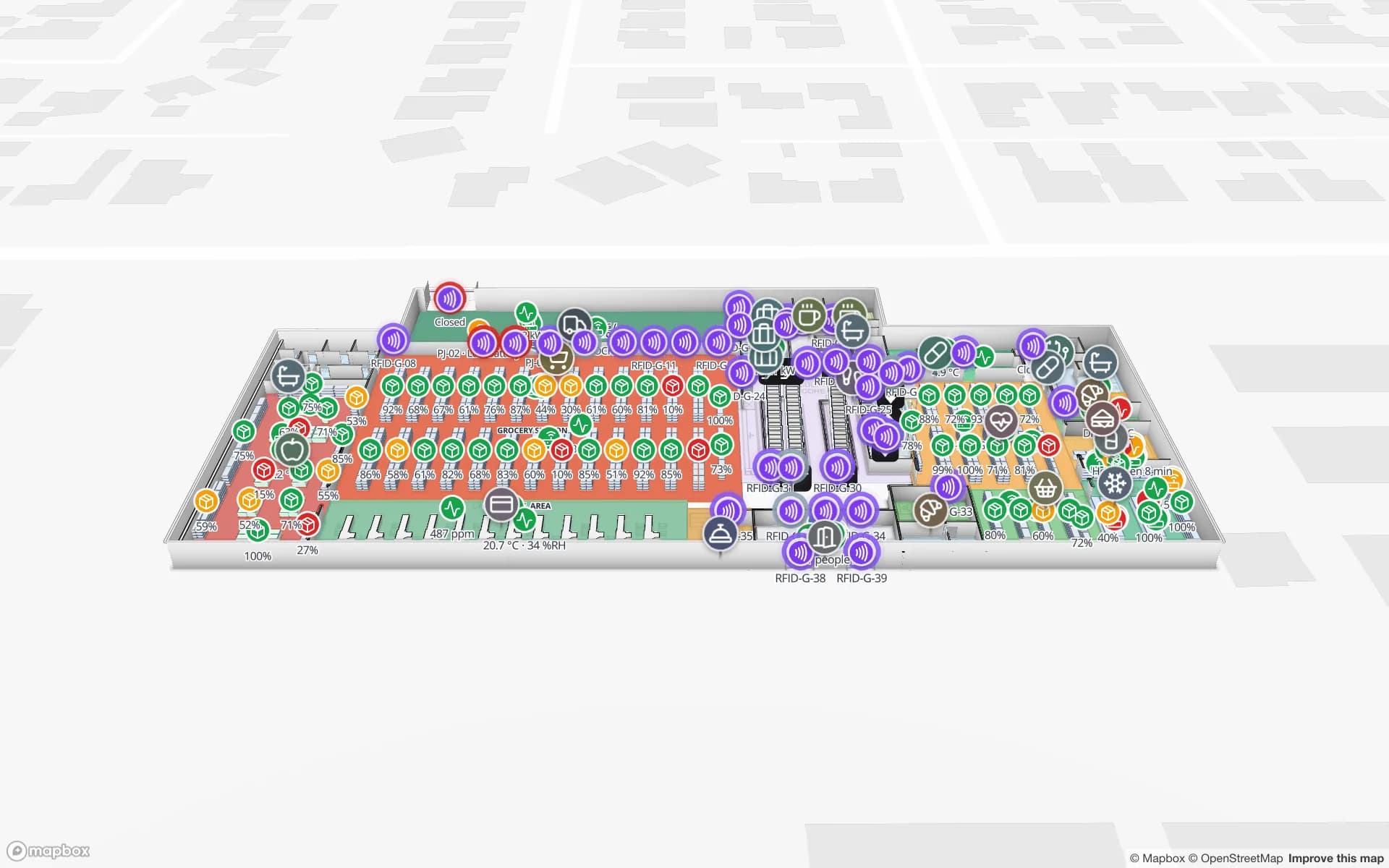
Spatial Map places RFID reads on a live 3D map of the store, laundry, warehouse or hotel floor where they happen, using the readers and middleware you choose. RFID tracking in Medina (also written Madinah) is mostly a back-of-house story: linen and uniforms that circulate between rooms and laundries, fixed assets in new buildings, and a fast-growing city logistics sector. It covers private and commercial buildings only; Spatial Map is not a system for the city, its public spaces or any official programme.

No credit card. Runs in the browser. Pro is $60/month for up to 4 facilities. Book a demo

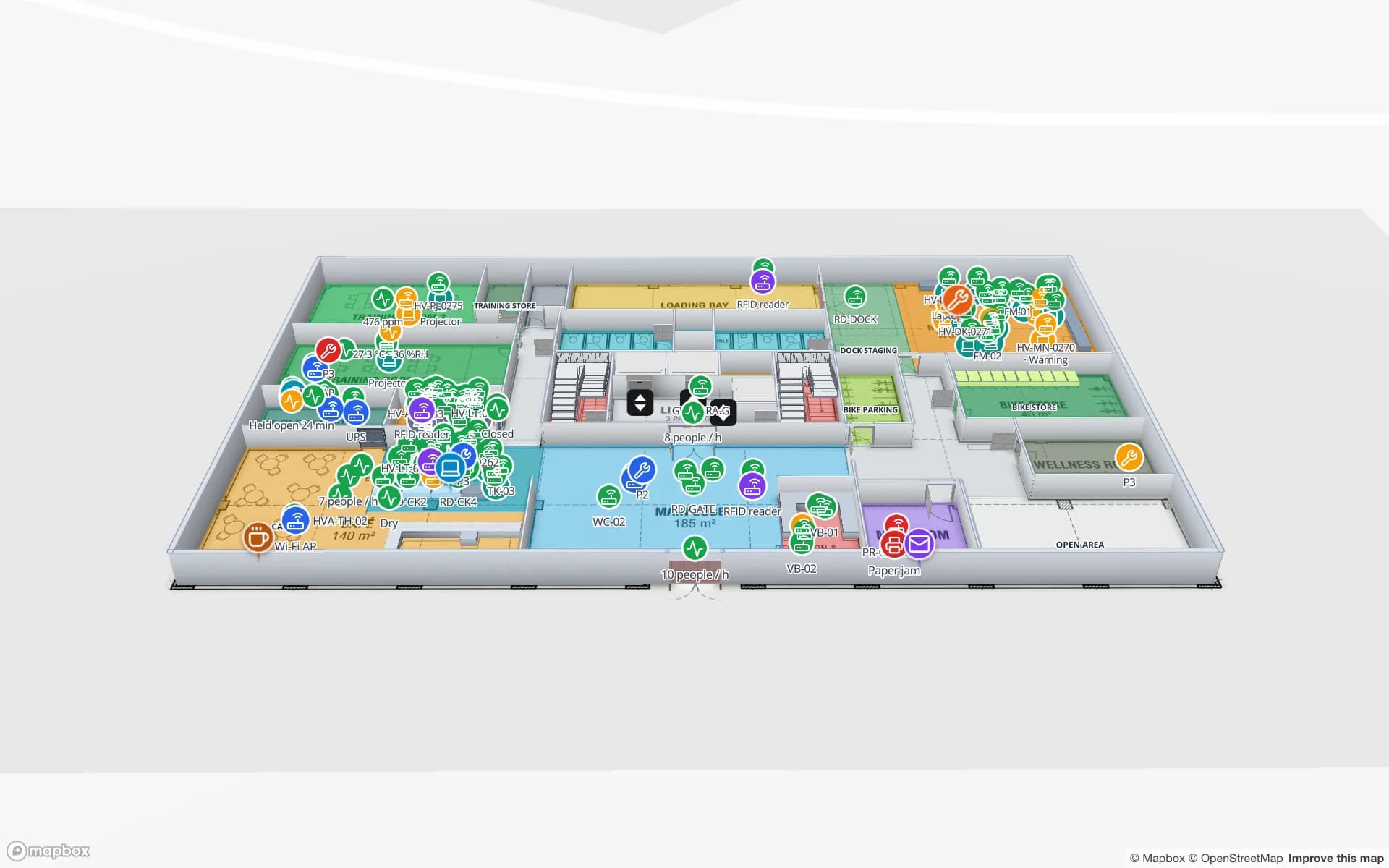
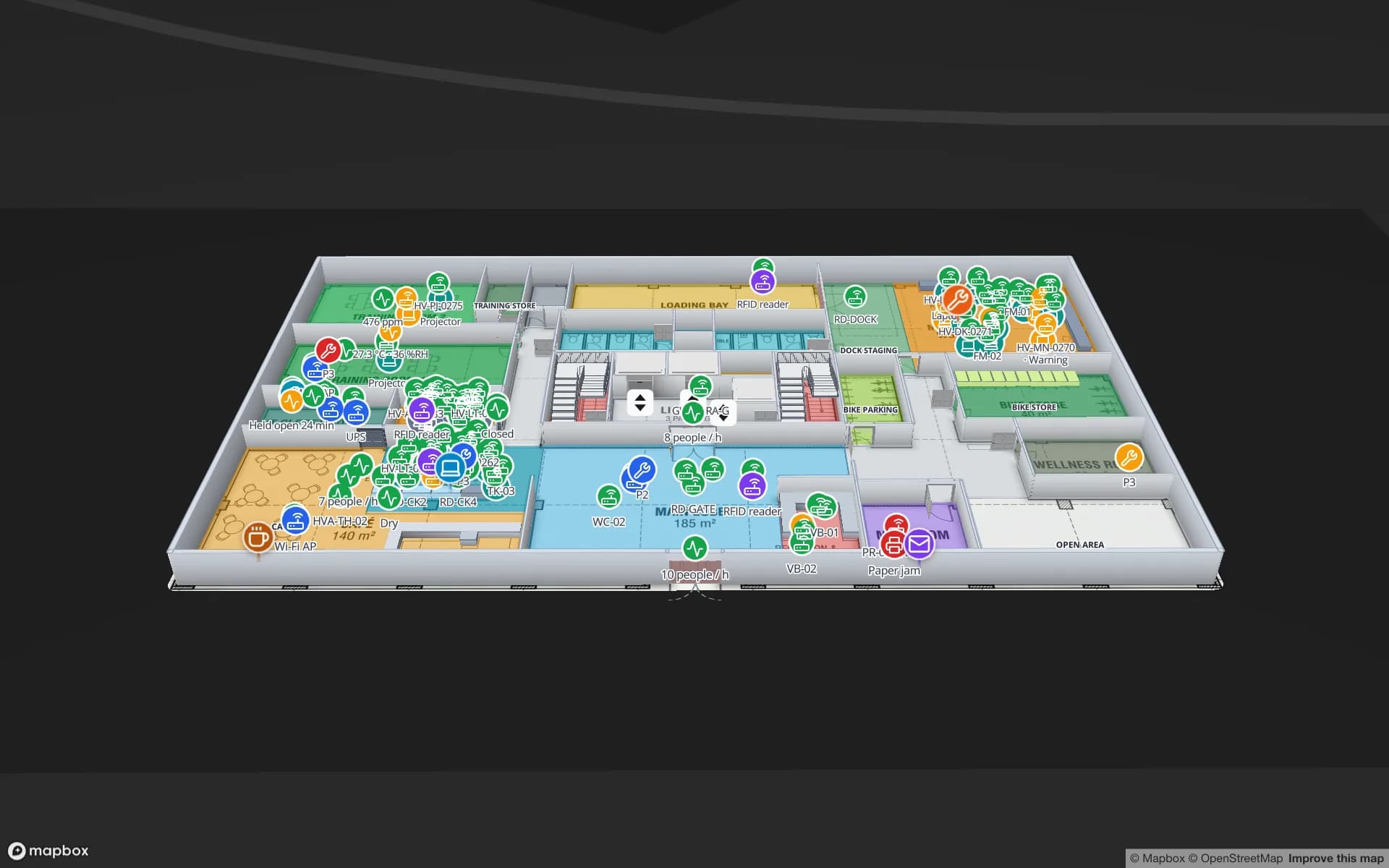
Harborview Corporate Campus — Building A, a corporate office building demo, in the Spatial Map 3D viewer with live device markers
Harborview Corporate Campus — Building A
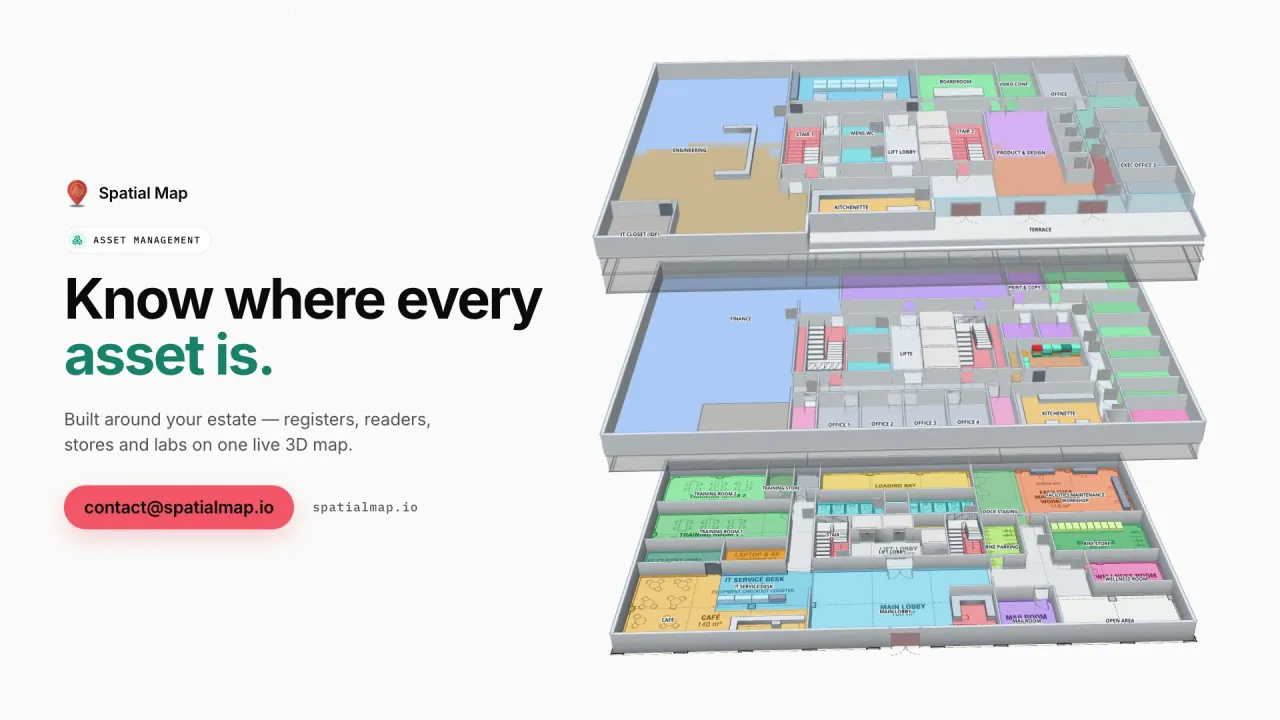
Harborview Corporate Campus, a demo three-floor building: asset register, stores and spares, equipment check-out and work orders on one plan.
Floors in the Harborview demo
3
RFID pallets in the Eastport cross-dock demo
1,180
How often alert rules are checked, with alerts shown in the app
15 s
Free trial, up to 5 facilities, no card
7 days

Linen and uniforms: the stock that moves every day

A report from the Madinah Chamber of Commerce and Industry, covered by Arab News in July 2025, put growth of the region’s hotel sector at 42 % year on year in 2024. Behind every new room is a linen cycle: sheets and towels go to the laundry, come back, wait in a store, and are pushed out to floor pantries. The usual losses are quiet ones: carts that sit in the wrong place, par levels that run short on one floor while another overflows.

Tag textiles with laundry-rated RFID tags, read them at the laundry door, the linen store and the floor pantries, and the map shows how many items sit in each. A rule using “number of matching items” against a par level raises an in-app alert when a pantry runs low. Whether a tag survives your wash cycle is the tag vendor’s question, so test it on your own linen first; the post on RFID tags for metal, liquids and apparel lists what to check. Spatial Map only receives the reads.


Fixed assets in new buildings

New hotels and commercial buildings arrive with thousands of items to count: furniture, equipment, IT, kitchen kit. An RFID handheld walk-through, floor by floor, gives each tagged asset a last-seen room; the map shows the result on the floor plan and lists what was not found. See RFID asset management for the pattern.

The Harborview demo shows an asset register, equipment check-out, stores and spares and work orders on three floors. Facilities teams use the same map after opening, to find the item that left its store without a record.

City logistics: registrations that tripled

The same chamber report says transport and storage firms in the commercial registry grew from 970 in 2019 to 2,817 by the end of 2024, which it calls 190 % growth. It lists three airports, a highway network linking five regions, the Haramain High-Speed Railway and two ports, one commercial and one industrial, among the region’s infrastructure.

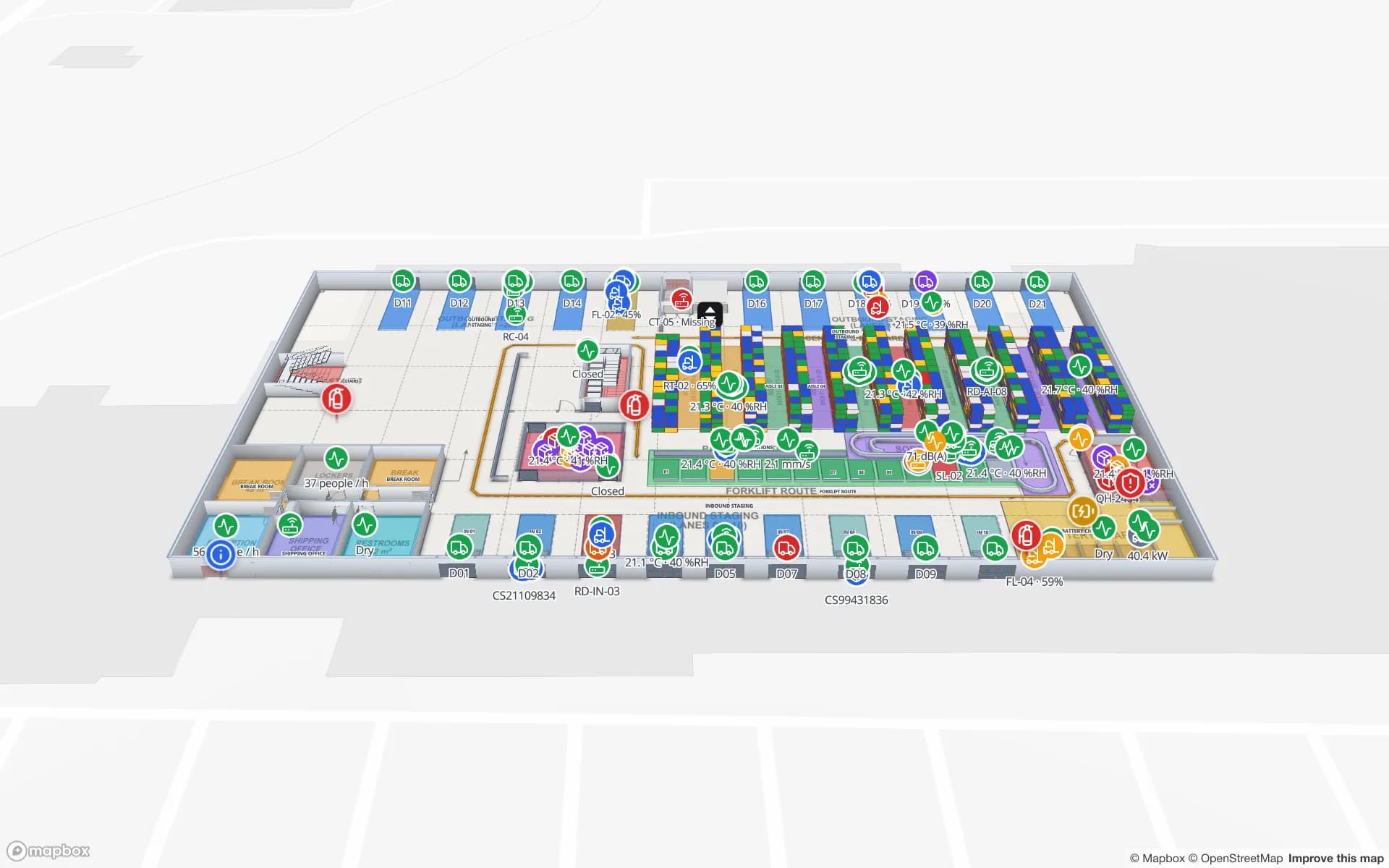
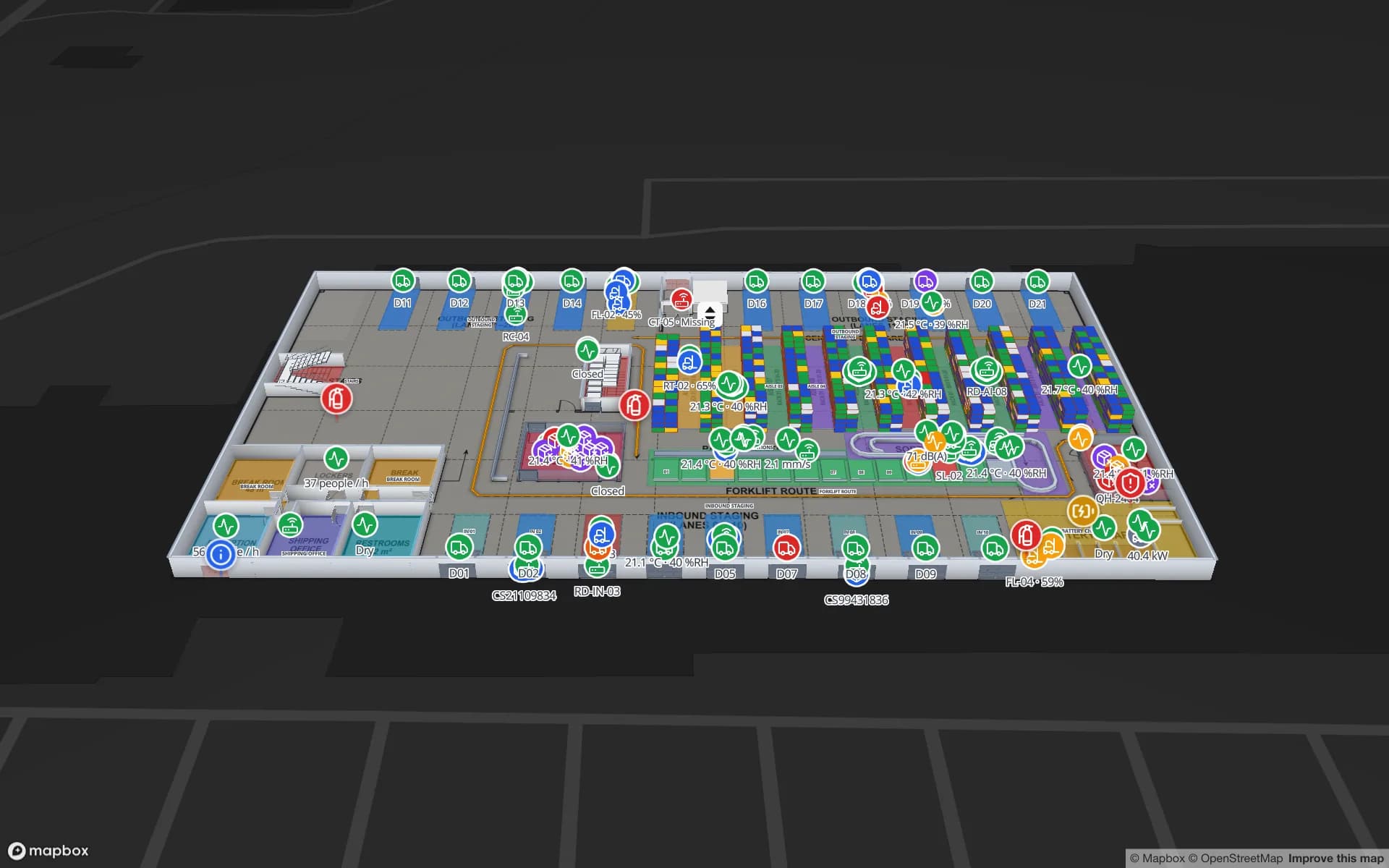
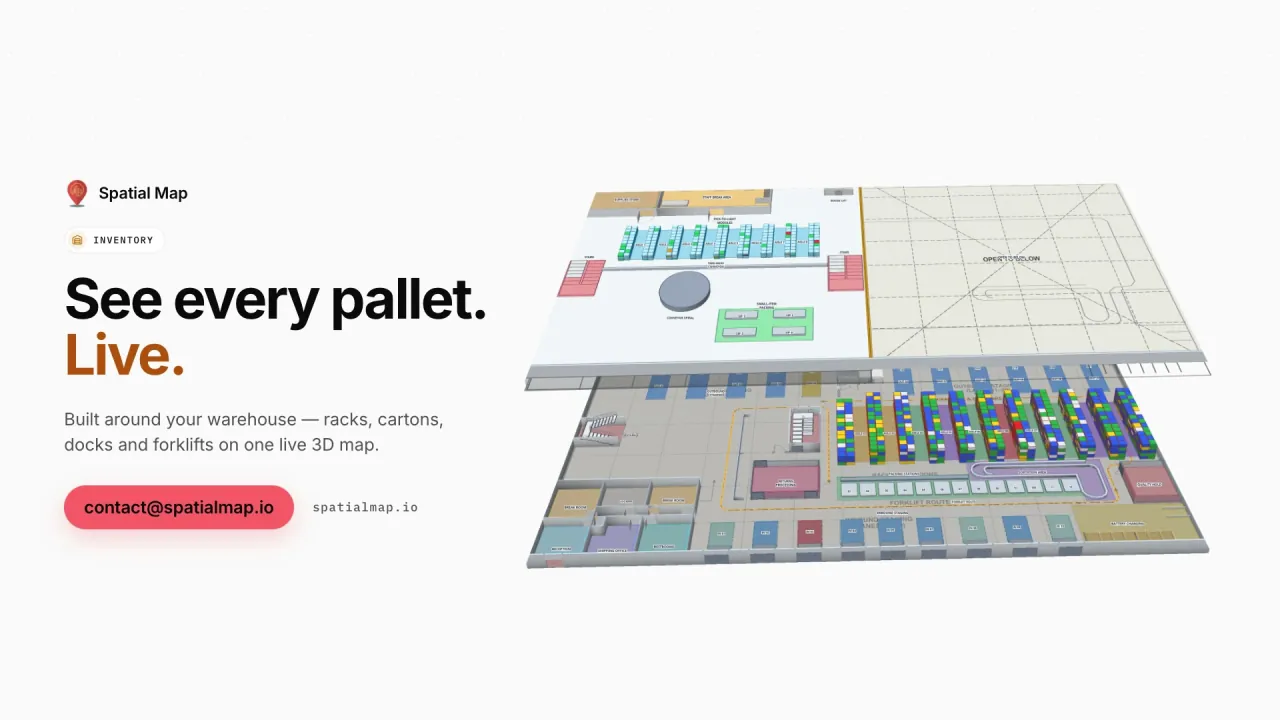
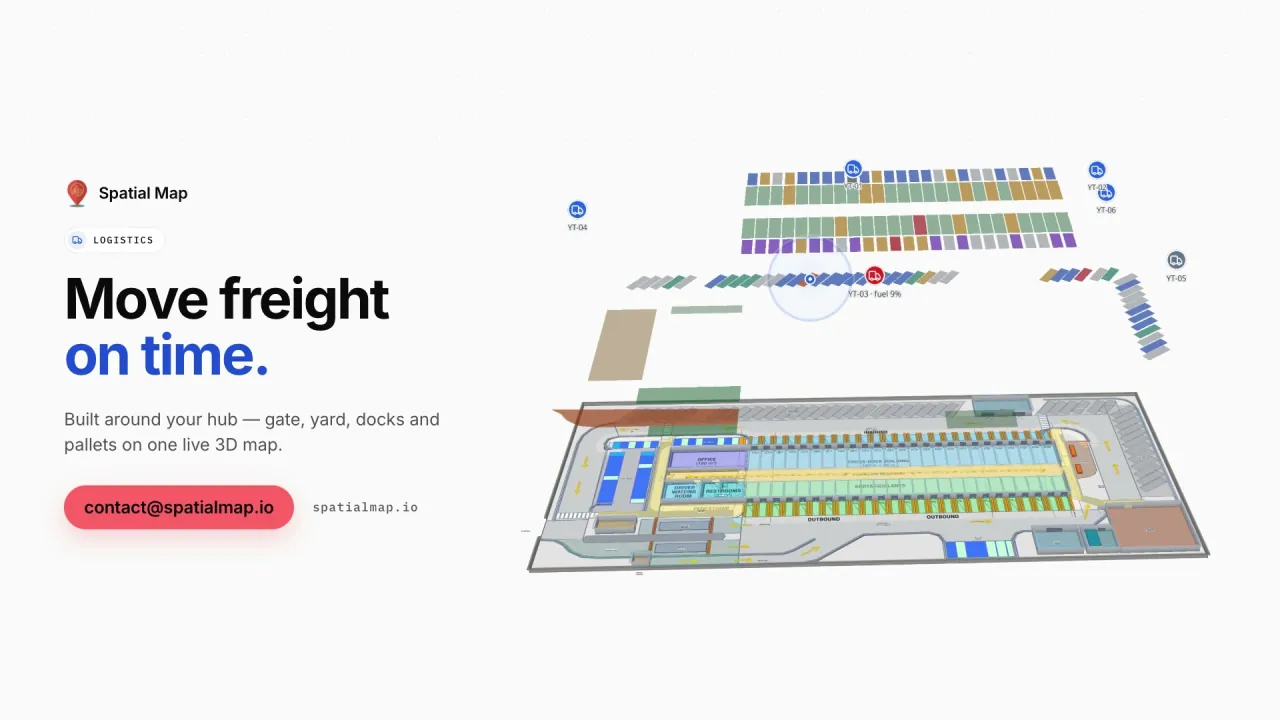
More logistics firms means more warehouses and cross-docks that serve the city’s hotels, shops and building sites. For those sites the map shows dock doors, yard slots and RFID pallets at the lane where they were last read, as in the Eastport demo with 50 dock doors and 1,180 RFID pallets. Spatial Map does not connect to any registry or authority; it shows what your own reads say.

New districts and a larger airport

Medina’s growth is planned. The chamber counted about 213 projects worth over SR210 billion in the first quarter of 2025, on more than 15 million square metres of investment land, and a Haramain station serves the economic-city development announced in 2006 with a focus on knowledge industries. In June 2024 the airport announced an expansion for 17 million passengers a year by 2028, including a new three-level domestic terminal of 39,000 square metres.

Large new buildings are the best moment to put an RFID plan on a map: the drawings are fresh and reader positions are being decided anyway. Name each portal and reader on the plan the way your middleware names it, and a read arrives already placed. A contractor or tenant that runs its own equipment in a building like that can have its own facility and its own view.

Services for teams in Medina

Where Medina teams usually start depends on the business:

Also served nearby

The same approach covers the wider Madinah region, including Yanbu and AlUla. Nothing needs to be installed at any of them: the map opens in a browser.

How Spatial Map does it

A Medina RFID project, step by step

  1. 01

    Map the store and the floors

    Upload the plan of the laundry, linen store or warehouse, let AI Map draft the floor, and name read points like your middleware.

  2. 02

    Test the tags on your own goods

    Run a short trial with your own linen or assets before ordering at scale.

  3. 03

    Send reads in batches

    Middleware posts batched reads to a table over HTTPS, or exposes a REST endpoint that Spatial Map polls.

  4. 04

    Set par and silence rules

    In-app alerts for pantries below par and readers that stop reporting.

Where RFID starts in Medina

Hotel linen and consumables

Counts by laundry, store and floor pantry, with alerts below par.

Fixed-asset registers in new buildings

Last-seen room per asset and a list of what was not found.

City logistics warehouses

Dock doors, yard slots and RFID pallets by lane.

Retail and supplies stores

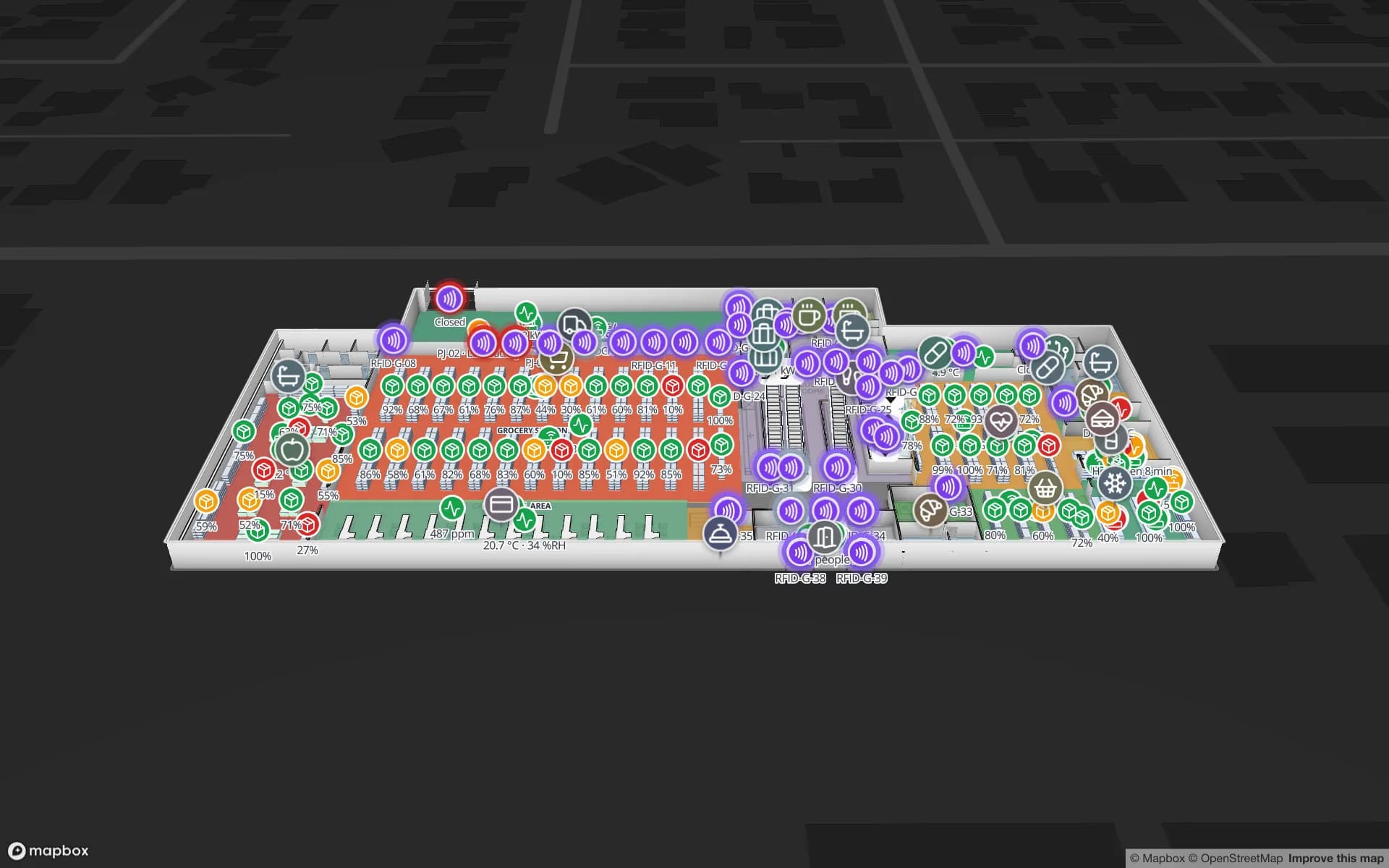
Item-level RFID across floors of a multi-level store.

See it on real demo facilities

Fictional names, real floor plans, live sensors, RFID, BLE tags and gateways — open any of them in the browser.

All 13 demo facilities

RFID tracking in Medina — questions we get

That depends on the tag, so ask the vendor for laundry-rated tags and test them on your own linen through your own wash cycle. Spatial Map does not make hardware; it shows the reads your middleware sends and can raise an in-app alert when a reader stops reporting.

Not at first. Many hotels read at the laundry door and the main linen store, then count pantries with a handheld each shift. The map shows whatever your table says, so you can add fixed readers where the losses are.

No. It has no link to authority, airport or registry systems. It shows what happens inside your own buildings from your own reads and records, and it is not a system for public spaces.

Yes. They can push rows to a table through the write API (HTTPS, bearer API key, bulk upsert, 60 requests per minute per key), or expose a REST endpoint that Spatial Map polls. If you would rather not build it, our team does integrations as client projects.

No. Spatial Map is sold online and our team works with customers in Saudi Arabia remotely, by video call and through the contact form. There are no local resellers or partners.

In US dollars, the same worldwide: a 7-day free trial for up to 5 facilities with no card, then Pro at $60 a month or $600 a year for up to 4 facilities. RFID hardware, if you ask us to source it, is quoted per project and is not part of the subscription.

Put one linen store or warehouse on the map.

Start the free trial and open the Harborview demo, or send us the plan of a store and a sample of your reads through the contact form.