Multan · Cotton mills, ginning, rice and flour, and the airport

Asset tracking in Multan, from the gin house to the mill store

Spatial Map shows where tagged equipment, spares and returnable assets are on a live 3D map of each building, using the reads and positions your RFID and BLE systems already produce. Asset tracking in Multan is about a district of mills: the district profile lists hundreds of industrial units, and a large share of them are cotton, rice and flour mills whose machines, bins and spares wander between sheds, stores and workshops. Each mill is its own facility, and all of them can sit in one workspace.

No credit card. Runs in the browser. Pro is $60/month for up to 4 facilities. Book a demo

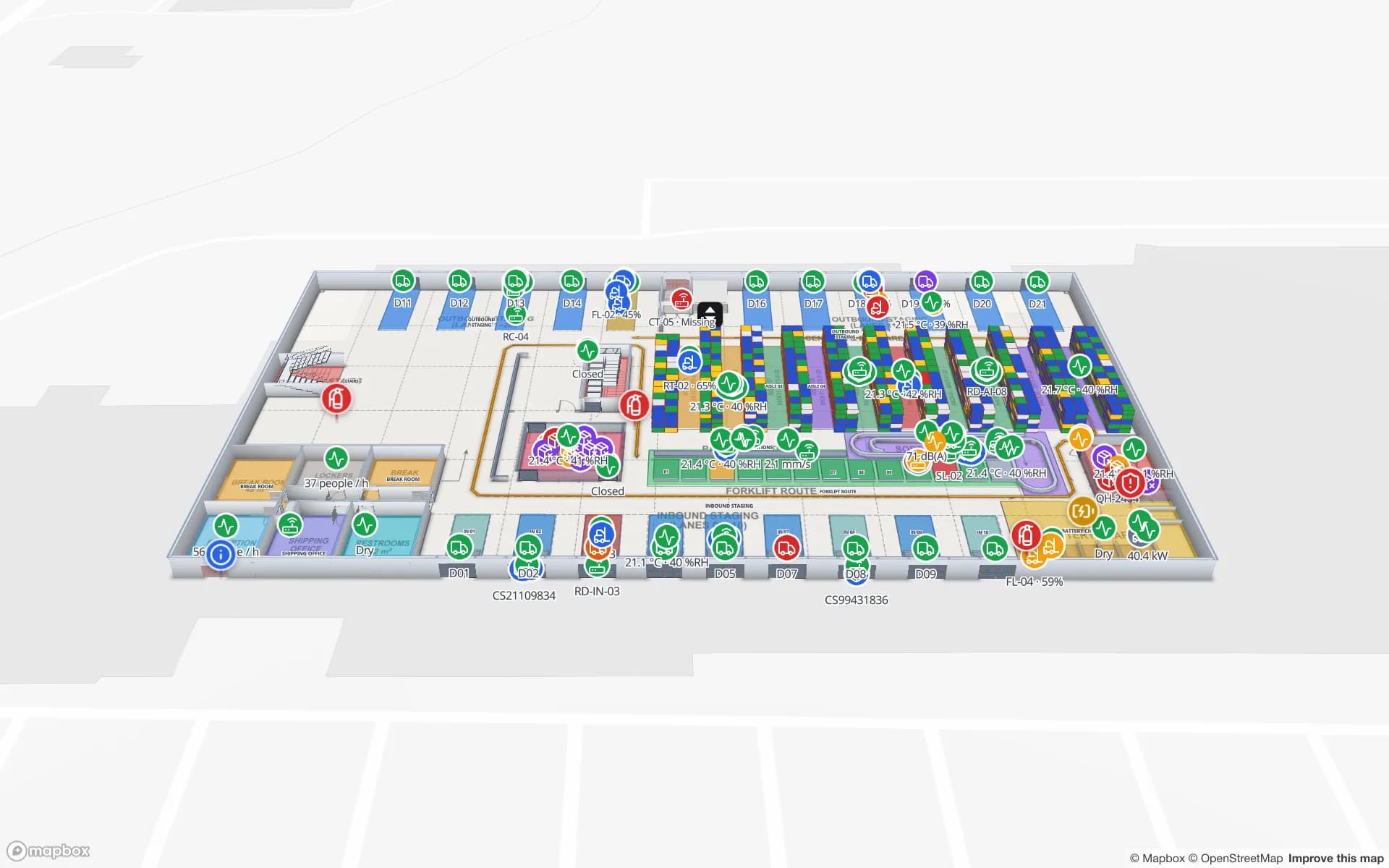
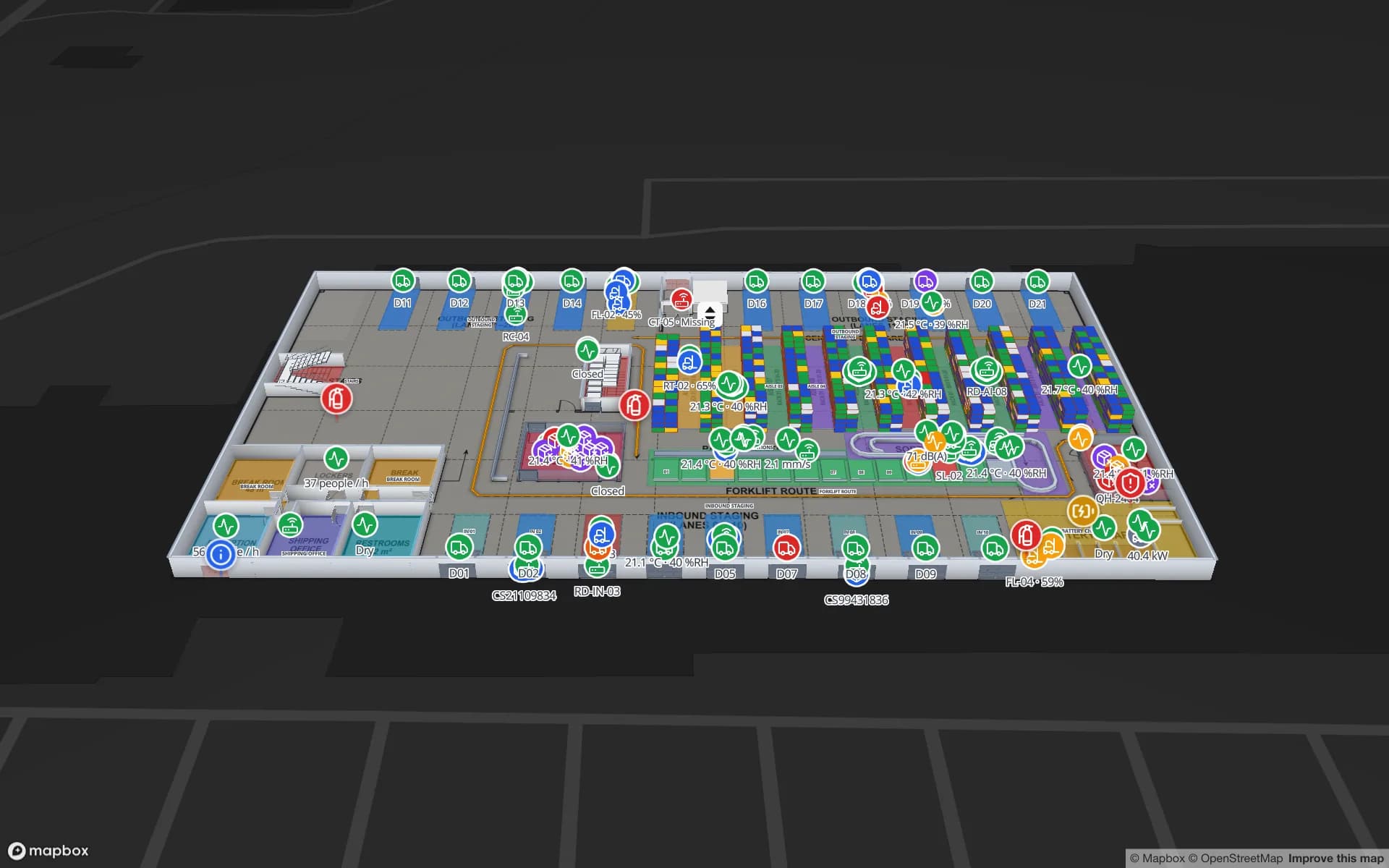
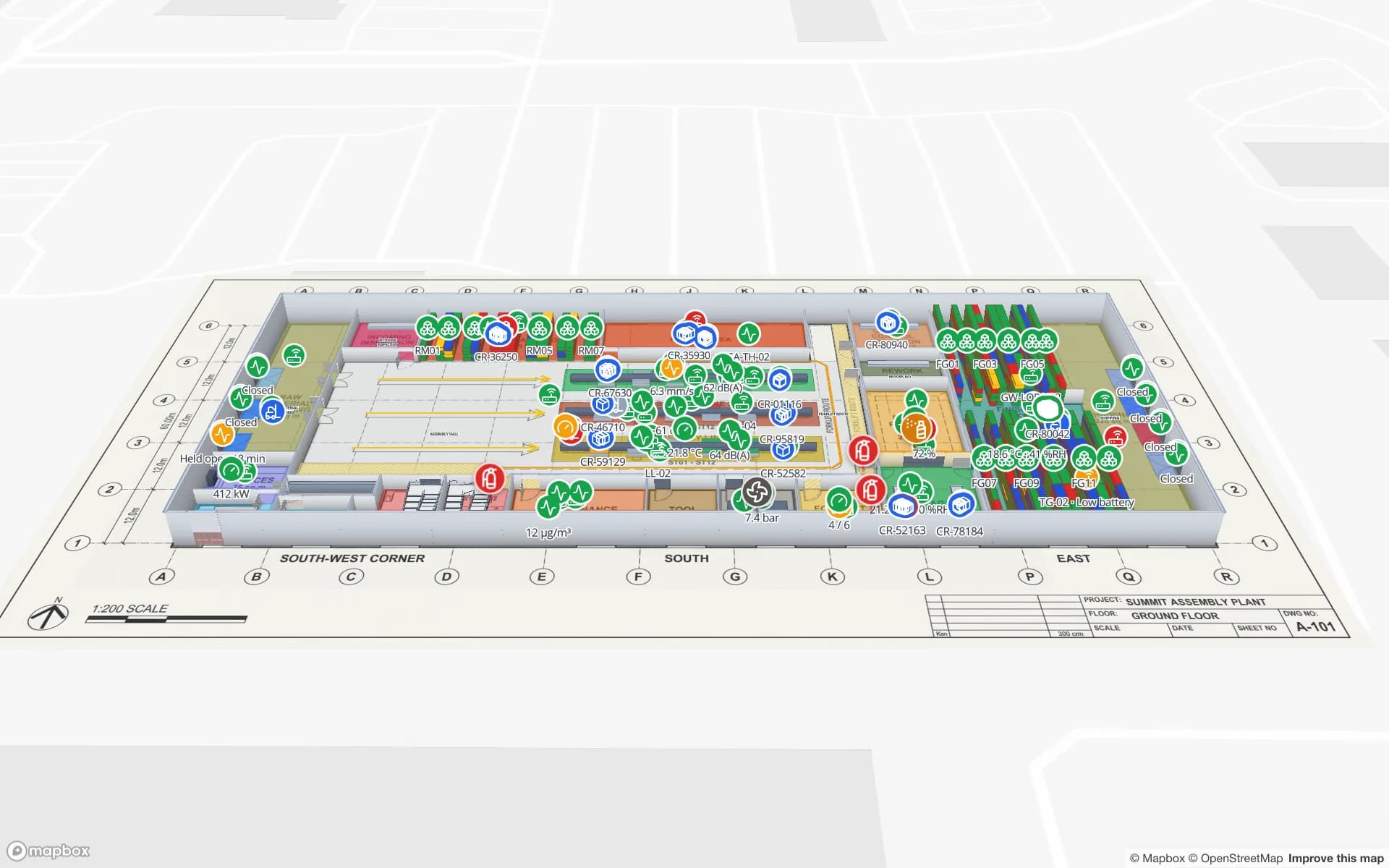
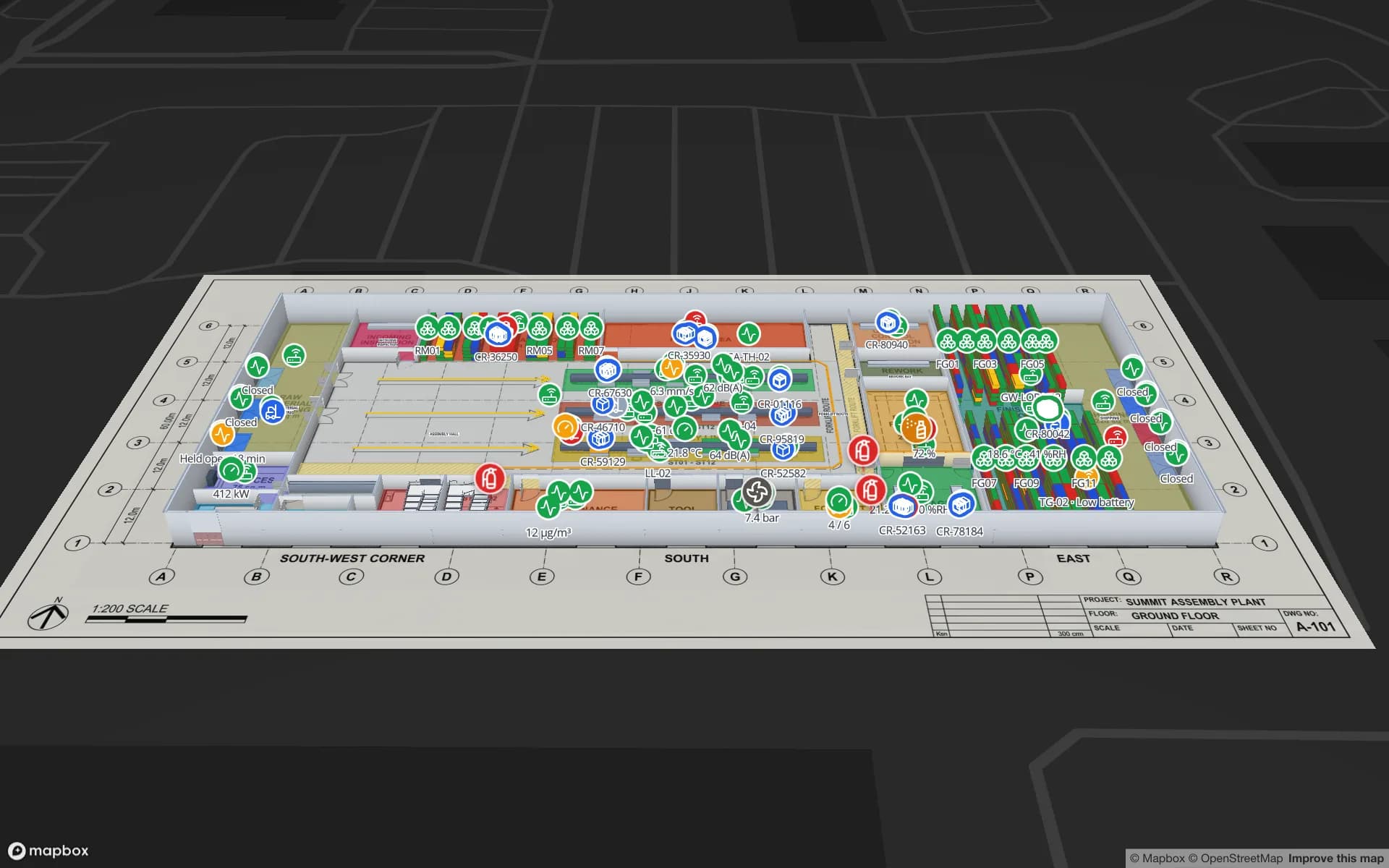
Summit Assembly Plant, a assembly plant demo, in the Spatial Map 3D viewer with live device markers
Summit Assembly Plant
Summit Assembly Plant, a demo plant: production lines, stations, stores and 867 raw-material and finished-goods locations on one map.
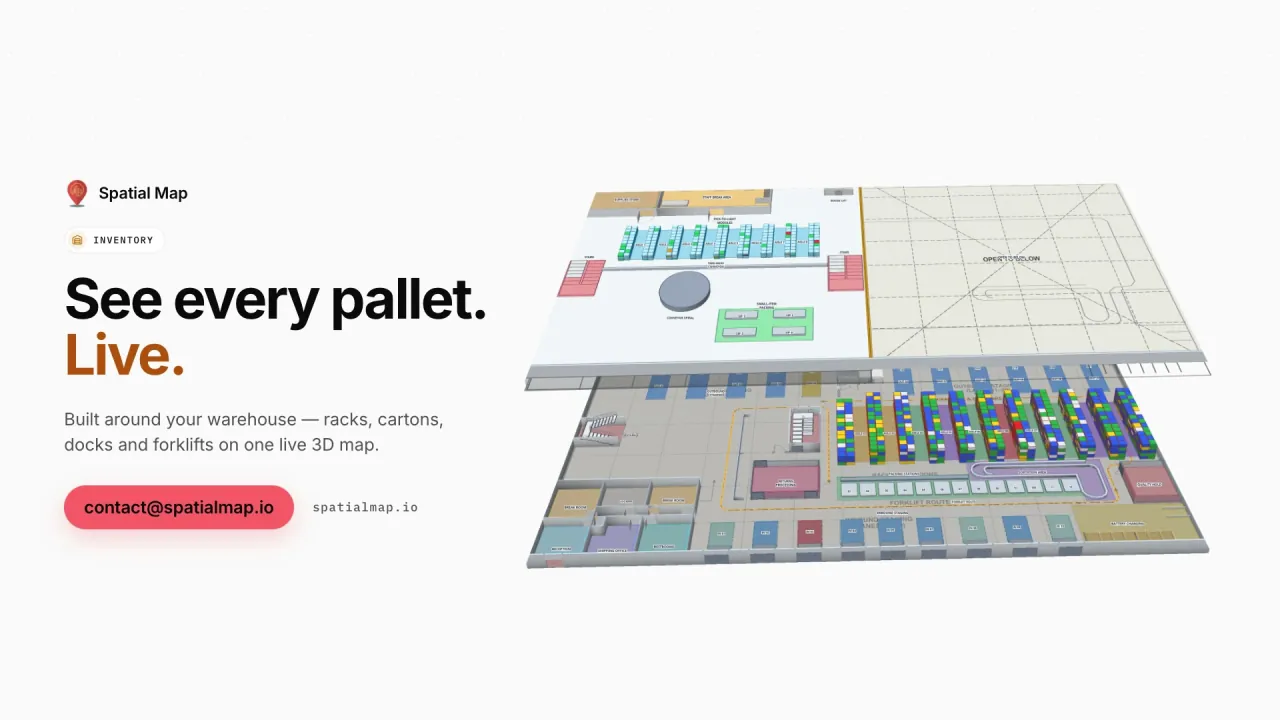
Rack locations in the Summit assembly-plant demo
867
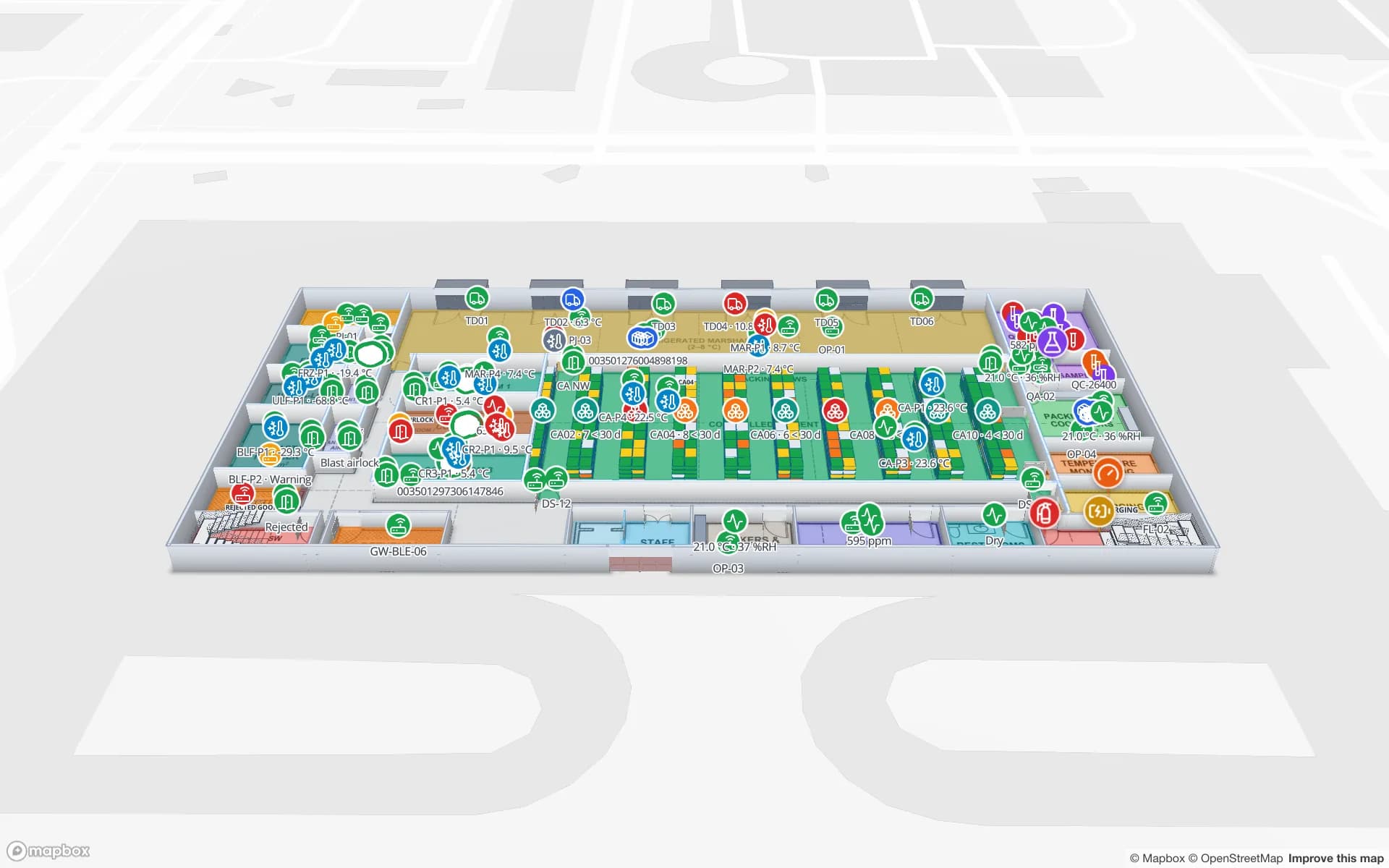
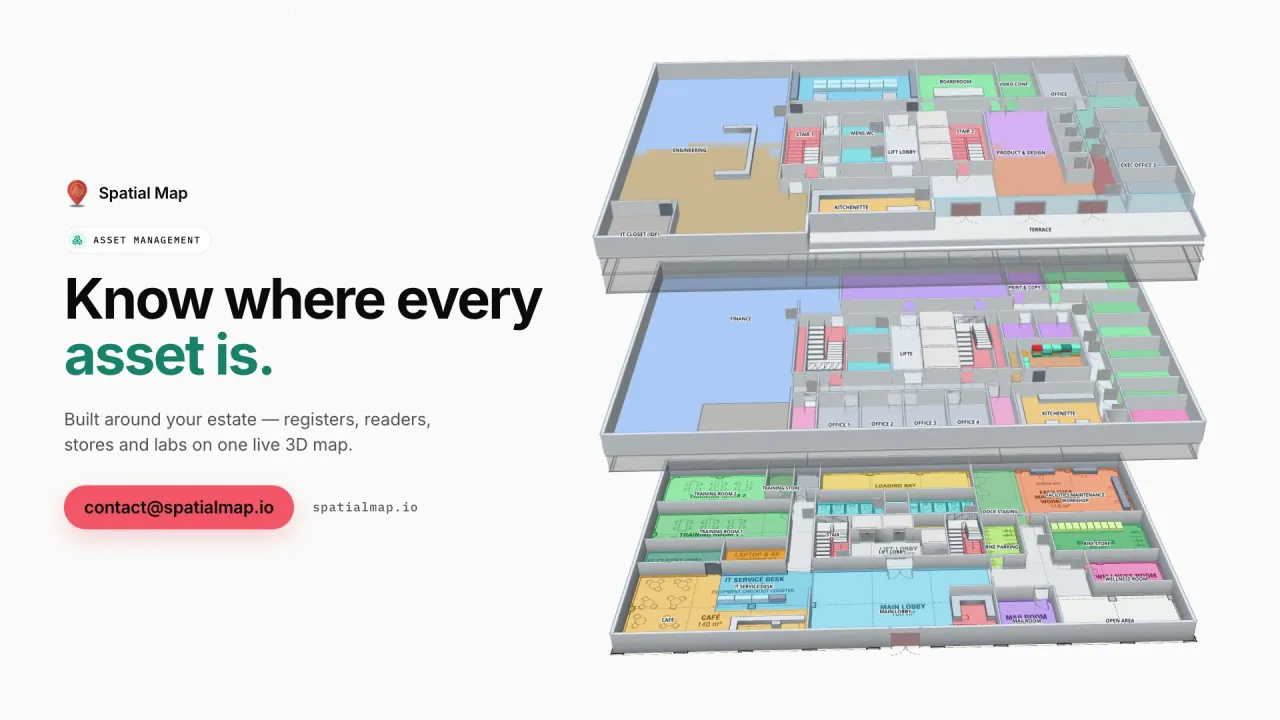
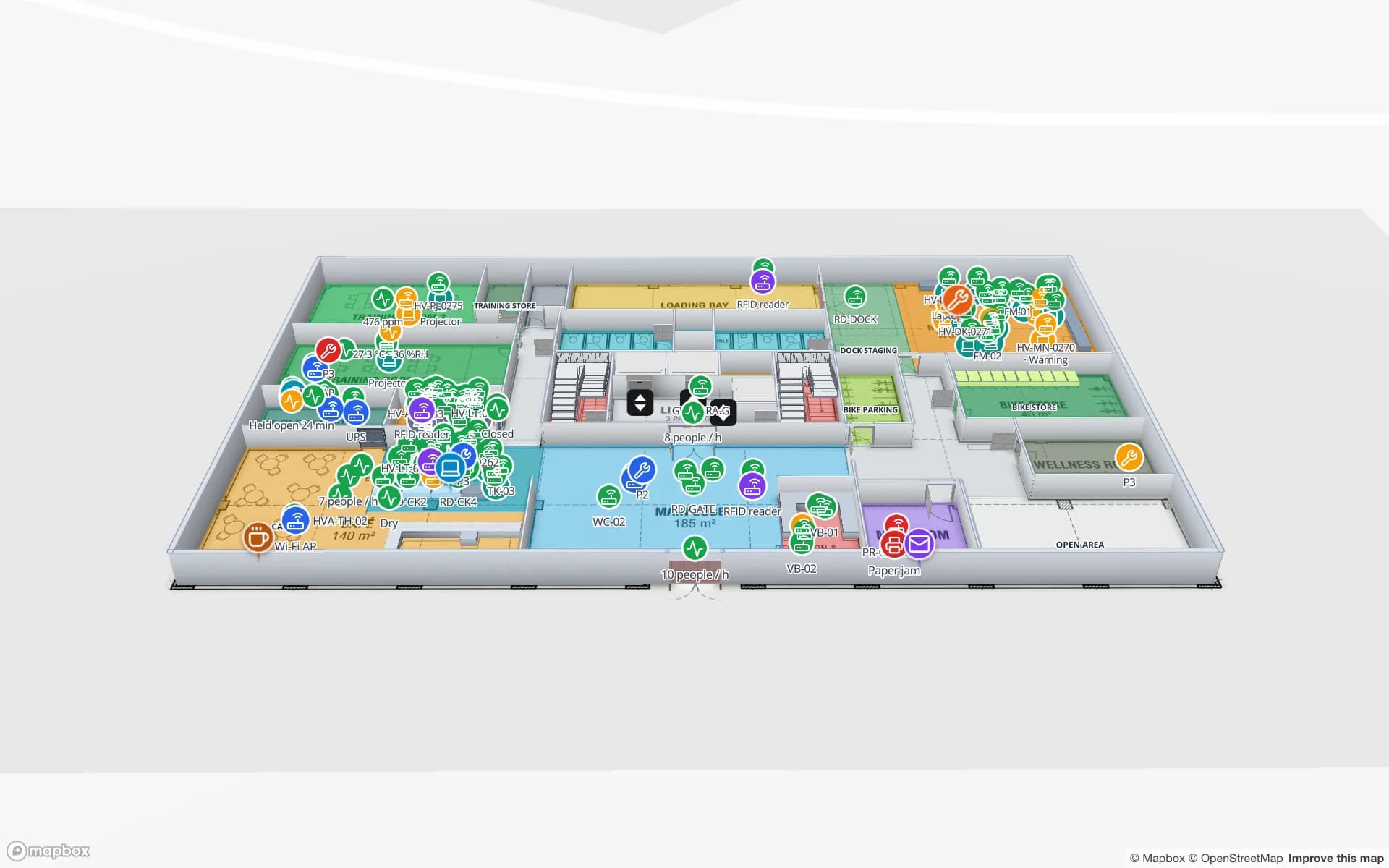
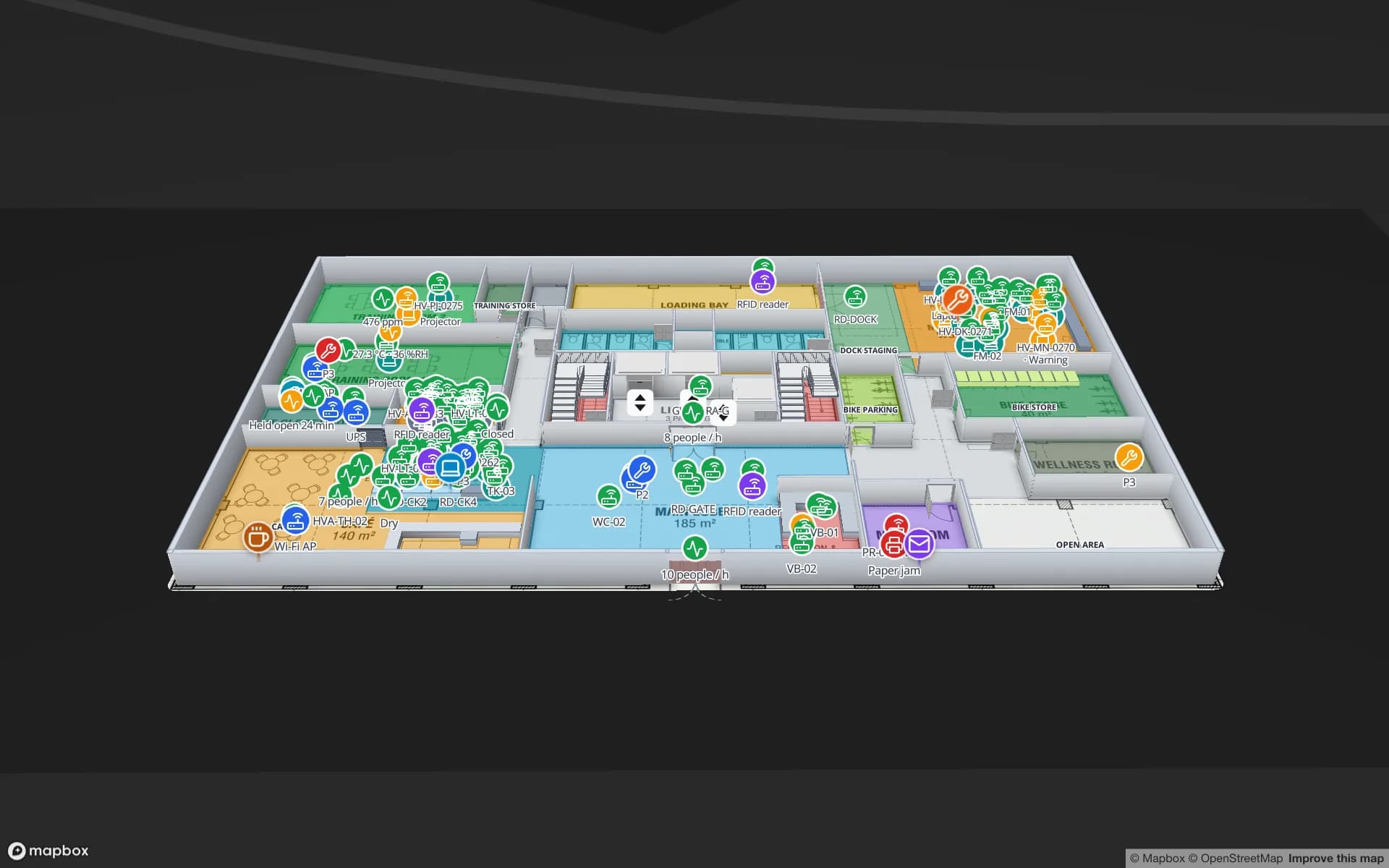
Floors in the Harborview office demo, with stores and spares
3
How often alert rules are checked, with alerts shown in the app
15 s
Free trial, up to 5 facilities, no card
7 days

A district of mills, by the numbers

The Multan district profile on the Punjab government’s website gives the district’s area as 3,721 square kilometres and lists 358 industrial units. They include 88 cotton textile mills, 75 rice mills, 52 flour mills and 35 cotton ginning factories, plus 14 agricultural product factories. The district’s own history page calls Multan one of the oldest cities of the subcontinent, on the east bank of the Chenab, and names metal working, flour, textiles and fertilizer among today’s industries.

Mills like these run on equipment that is old, heavy and shared: a hoist, a motor, a gearbox, a spare roller or a bag stacker that moves between machine, store and workshop. When a line stops, the cost of asking where the spare is runs to hours. Spatial Map keeps the asset register as a table (tag ID, owner, home store, status), draws each mill so every store, workshop and line is an area, and shows each item’s last-seen area. RFID tool tracking covers the tool-crib pattern.
Ginning and spinning run in seasons

Cotton is harvested once a year, so a ginning factory spends part of the year running flat out and the rest in maintenance. That rhythm suits asset tracking. In the busy weeks the question is which gin stand, press or conveyor motor is where; in the off-season it is which items are with the repairer, which have been overhauled and which are due back before the next crop. A status column on the asset table (in service, in workshop, with repairer, spare) coloured on the map shows it at a glance, and the History player replays where an item has been.

An alert rule set to “matches for N minutes” on the workshop table raises an in-app alert when an item has been with the repairer too long, and Show on map takes the maintenance lead to its last known place. The Harborview demo shows the same pattern with an asset register, equipment check-out, stores and spares and work orders on three floors.

Rice and flour mills: bags, pallets and forklifts

In a rice or flour mill the stock is bags and sacks, but the assets that go missing are the things that move them: pallets, jumbo bags, hand trolleys, forklifts and weighing equipment. BLE tags on forklifts and trolleys with gateways named after the sheds tell your system which area each one is in, and a count rule raises an in-app alert when a shed has fewer pallets than its plan. The post on BLE gateway asset tracking explains the setup, and RFID vs BLE for asset tracking helps you choose between them. Dust and moisture are hard on tags and readers, so test your choice in your own shed.

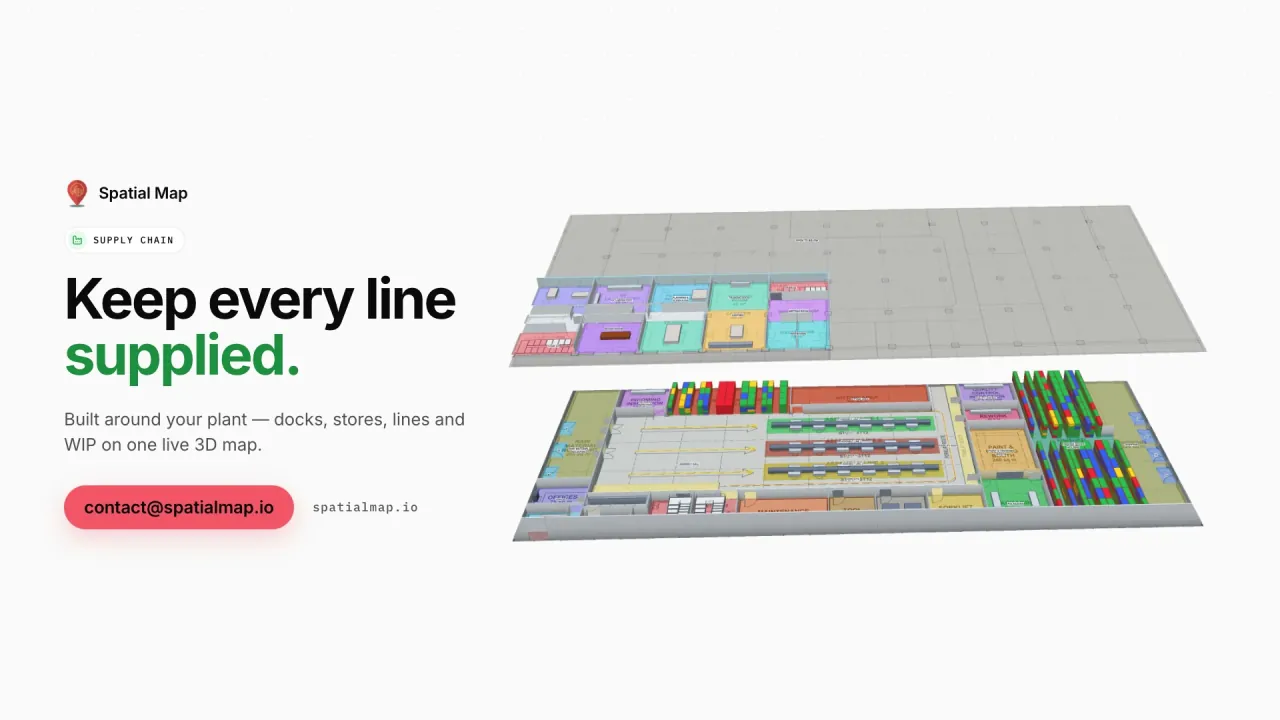
The Summit demo shows lines, stations and 867 raw-material and finished-goods rack locations on one plant map, which is the same shape as a mill with its intake, processing and bagging halls.

Multan airport: mostly international

The Pakistan Civil Aviation Authority’s figures for July 2024 to June 2025 show 7,276 tonnes of cargo at Multan airport, of which 7,174 tonnes were international, and 1,386,973 passengers, of which 1,336,980 were international. The airport’s traffic is therefore almost entirely on international routes, and anything you ship or receive by air passes through its cargo shed. If your stores hold air-freight spares or samples, give them their own bins and a status column; the map shows what is still in the shed and what has been collected.

Services for teams in Multan

Where Multan teams usually start:

  • Mills start with asset tracking for spares, motors and forklifts, then link it to inventory tracking for finished goods and bags.
  • Workshops and maintenance stores start with an RFID asset management register and a door reader.
  • RTLS and UWB matters mainly for large plants where vehicles and people must be located continuously; a BlueIOT server connects directly and other engines through the write API.
  • If you have no tags or gateways yet, our team can source them on request, quoted per project, with warranty and device support from the manufacturer: see BLE beacons and gateways on request.
  • Asset back offices, handheld apps and ERP integrations are built as client projects, for example an asset management system. The product runs as cloud or on-premises.

Also served nearby

The same page covers Khanewal, Lodhran, Shujabad and Muzaffargarh, and the industrial estates of south Punjab such as Vehari and Bahawalpur. Faisalabad to the north is covered on its own page, inventory tracking in Faisalabad.

How Spatial Map does it

Building a Multan asset map

  1. 01

    Load the asset register

    Upload a CSV or Excel list of assets with tag IDs, owners and home stores as a table.

  2. 02

    Draw the mill

    Upload the plan, scan or sketch and draw each store, workshop and shed as an area.

  3. 03

    Tag what moves

    BLE tags with gateways, or RFID tags read at the crib door, tell your system where each item is.

  4. 04

    Add return and repair rules

    In-app alerts for items that stayed with the repairer or out of the store too long.

What Multan teams track

Mill spares and workshop tools

Spares by store and workshop, with items overdue for return flagged.

Forklifts, pallets and trolleys

Moving equipment by shed, with sheds that are short flagged.

Finished goods and bags

Rack-level stock by bin from your stock list.

Stores with sensitive stock

Temperature or humidity readings on the plan for agro or pharma stores.

See it on real demo facilities

Fictional names, real floor plans, live sensors, RFID, BLE tags and gateways — open any of them in the browser.

All 13 demo facilities

Asset tracking in Multan: questions we get

RFID suits items that pass a door or a crib, such as tools and spares, because a reader at the door records every pass. BLE suits items that move between areas on their own, such as forklifts and trolleys, because gateways around the mill report where each tag is. Many mills use both; the post on RFID vs BLE for asset tracking explains the trade-offs.

Yes, as a status. Set the item to “with repairer” in your table (a handheld scan or a row update does it) and colour it on the map. Spatial Map does not follow the item outside the building; an in-app alert tells you when it has been away too long.

That depends on the hardware you choose and how you mount it, so ask the vendor for its ratings and test in your own shed. Spatial Map does not make hardware; what it adds is visibility, such as an in-app alert when a reader or gateway stops reporting.

Yes. Your developers can push rows to a table through the write API (HTTPS, bearer API key, bulk upsert, 60 requests per minute per key), or expose a REST endpoint that Spatial Map polls. If you would rather not build it, our team does integrations as client projects.

No. Spatial Map is sold online and our team works with customers in Pakistan remotely, by video call and through the contact form. The app has no Urdu interface; names and labels you write can be in Urdu.

In US dollars, the same worldwide: a 7-day free trial for up to 5 facilities with no card, then Pro at $60 a month or $600 a year for up to 4 facilities. A mill with its stores and workshop fits in one Pro plan; hardware, if you ask us to source it, is quoted per project.

Put one Multan mill store on a live map this week.

Start the free trial and open the Harborview demo, or send us a list of your assets and a plan or sketch of a mill through the contact form.