South Asia · Pakistan

Indoor mapping and RFID tracking software for Pakistan

Pakistan spins, weaves and stitches for the world, makes most of the medicines it uses, and moves goods through Karachi to cities of many millions. Spatial Map turns the mills, plants, warehouses and malls behind that into live 3D maps in the browser — and because data comes in through an open table API, your own developers can connect whatever systems you run.

No credit card. Runs in the browser. Pro is $60/month for up to 4 facilities. Book a demo

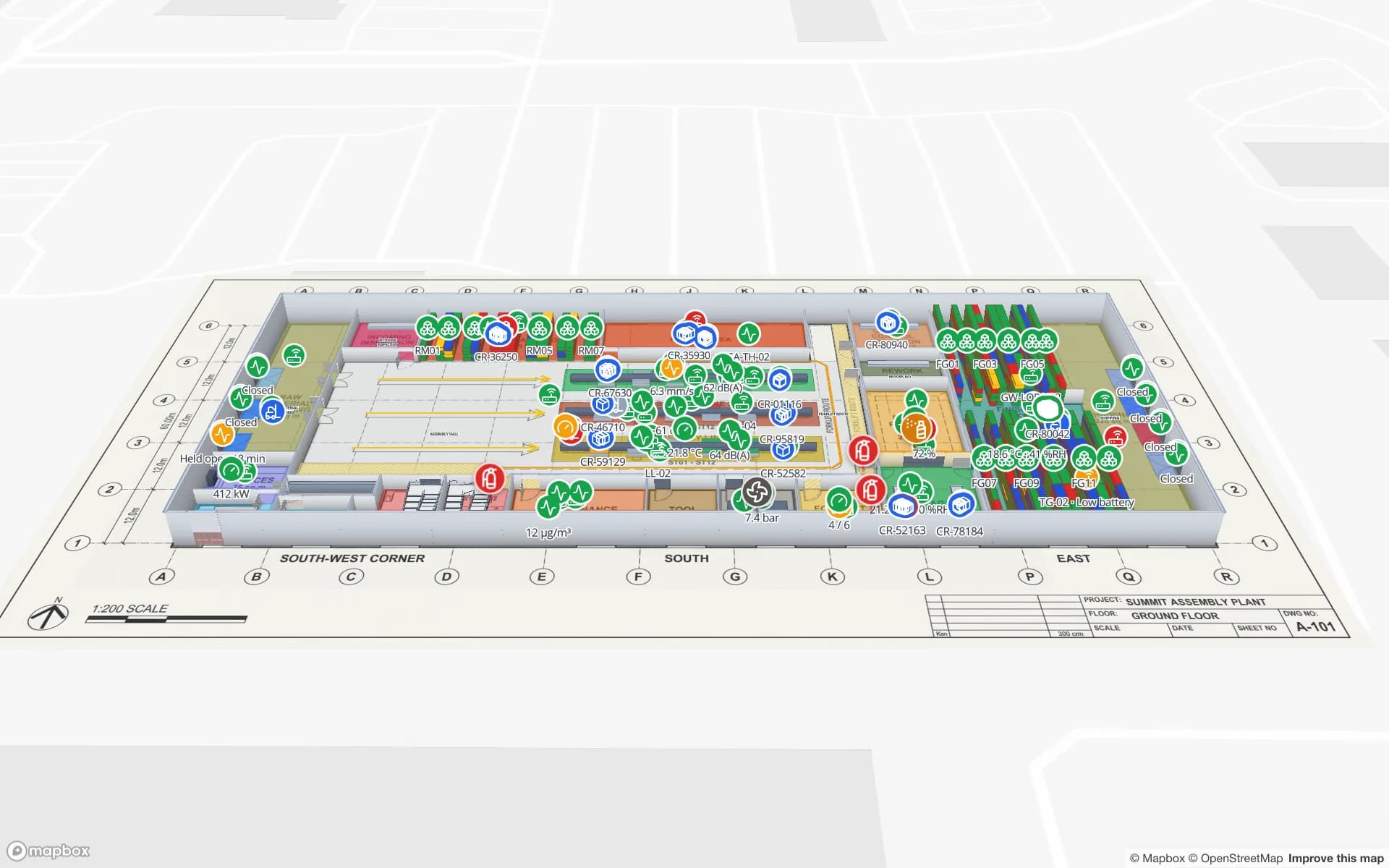
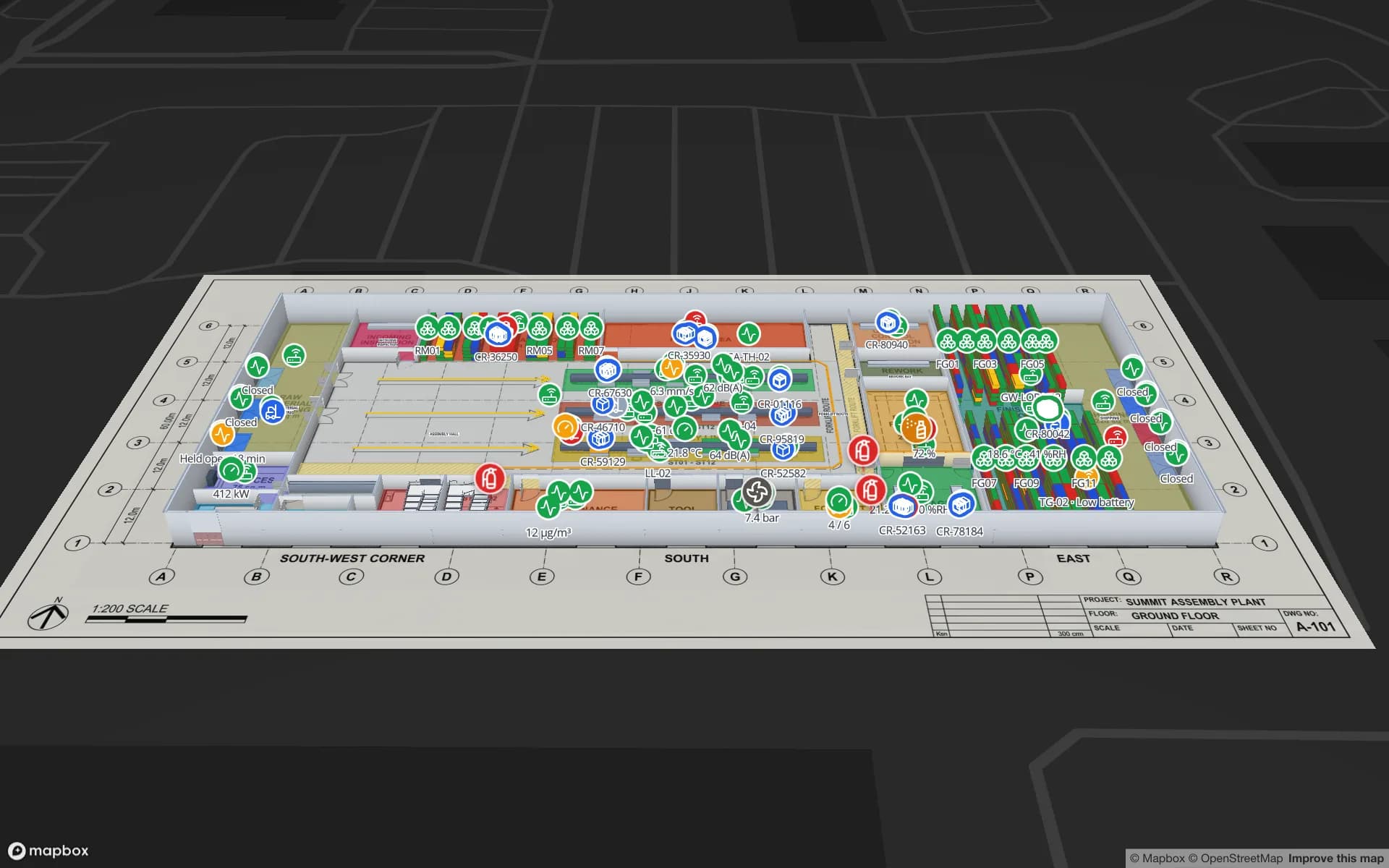
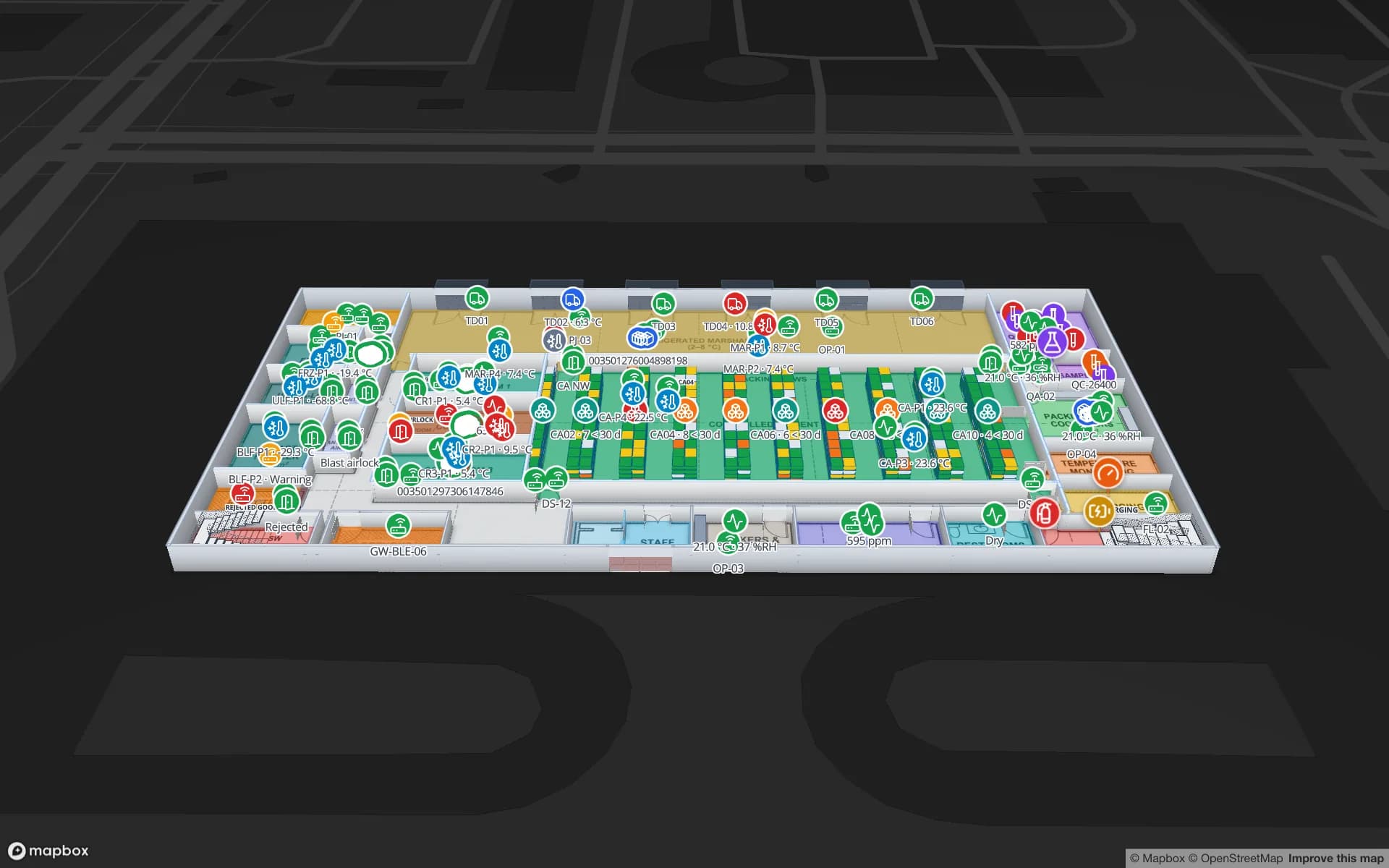
Summit Assembly Plant, a assembly plant demo, in the Spatial Map 3D viewer with live device markers
Summit Assembly Plant
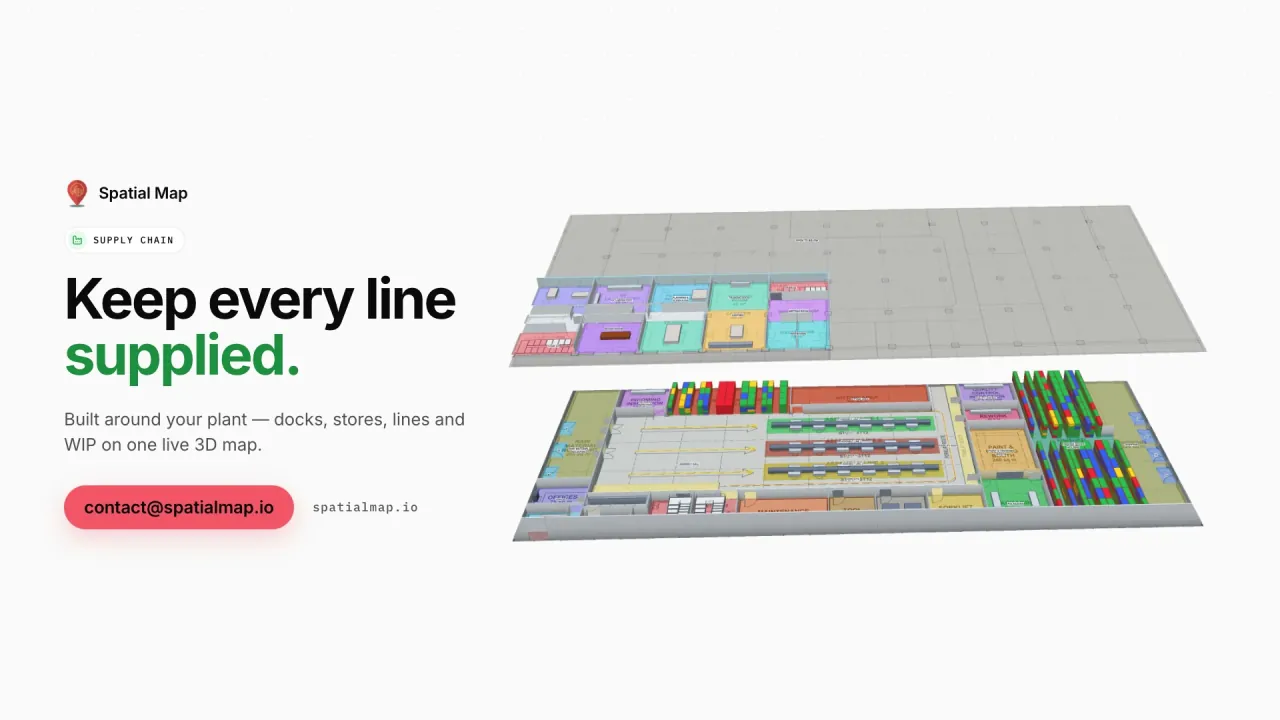
Summit Assembly Plant, a demo plant: production lines, WIP and 867 raw-material and finished-goods rack locations, with the docks that feed them.
Rack locations in the Summit Assembly demo plant
867
Write API requests per key, with bulk upsert
60/min
Software to install — runs in any modern browser
0
Free trial, up to 5 facilities, no credit card
7 days

Textiles and apparel for export

Textiles and apparel are Pakistan’s leading export industry, from spinning and weaving to home textiles, denim and finished garments, with major clusters in Faisalabad, Karachi and Lahore. A mill or garment factory moves cotton bales, yarn, greige fabric, cut pieces and finished cartons through a long chain of sheds, and buyers expect accurate status and on-time shipment.

Spatial Map draws those sheds, lines, WIP buffers, racks and the shipping dock on the factory layout and colours them from your ERP or production data, while RFID or barcode scans on rolls and cartons show where lots are. The Summit Assembly demo shows the pattern with production lines and 867 raw-material and finished-goods rack locations, and a read-only share link can show a buyer’s auditor exactly the floors you choose.
Karachi, Port Qasim and Gwadar

The Port of Karachi and Port Qasim, both in Karachi, handle most of Pakistan’s seaborne trade, while Gwadar on the Arabian Sea coast is being developed as a further deep-sea port. Export containers are stuffed and import containers unpacked in warehouses and container freight stations around Karachi before goods move north by road and rail.

Dock doors, yard slots and staging lanes are drawn on the site plan and coloured by your yard or WMS data; RFID-tagged pallets are followed door to door. The Eastport Cross-Dock demo shows 50 dock doors, 44 yard slots and 1,180 RFID pallets in one view.

Pharmaceutical manufacturing

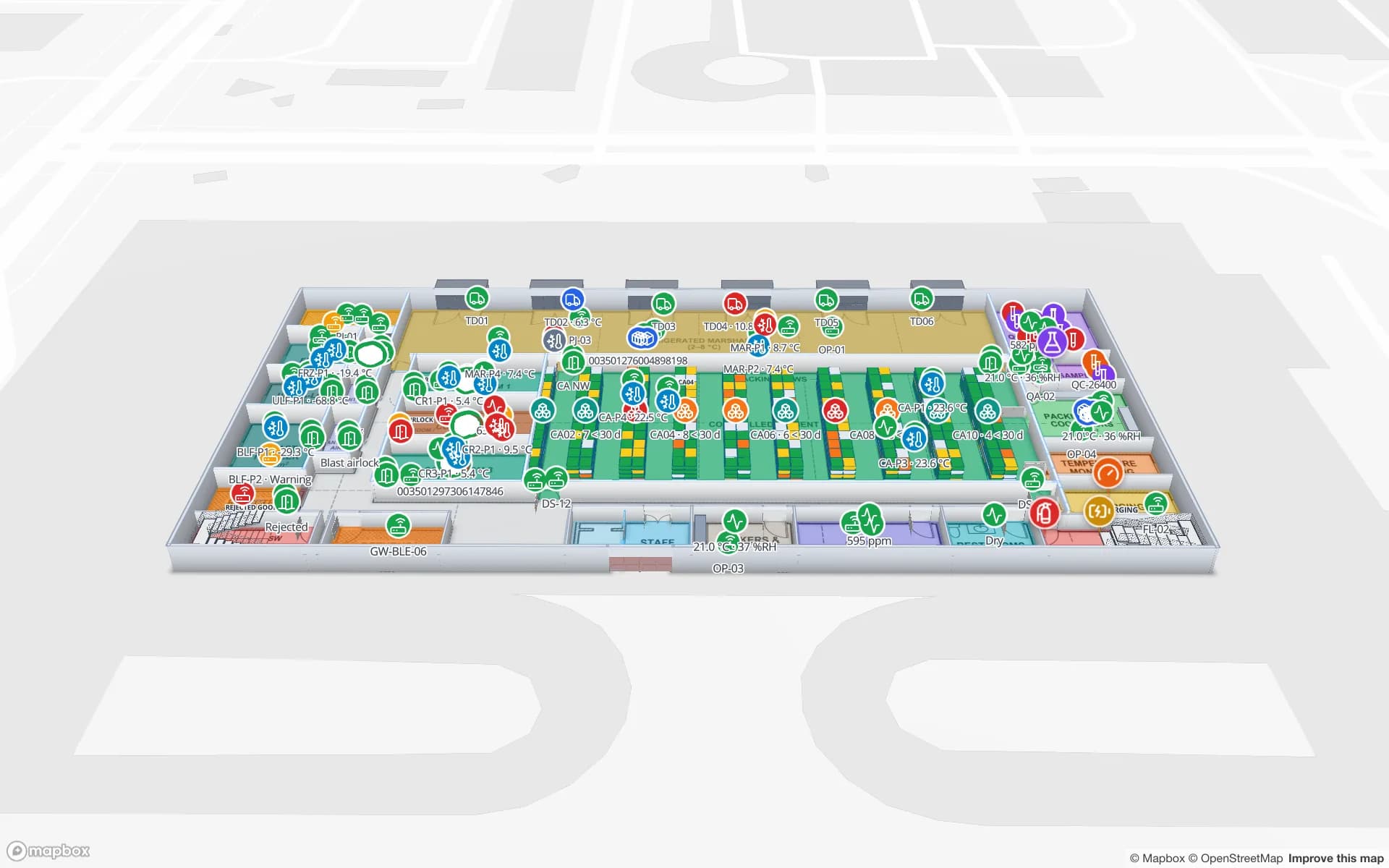
Pakistan has a sizeable pharmaceutical manufacturing industry serving the domestic market and exporting to other countries, regulated by the Drug Regulatory Authority of Pakistan (DRAP). Cold rooms, quarantine areas, raw-material stores and QC labs need to be watched, and held batches need to be found quickly.

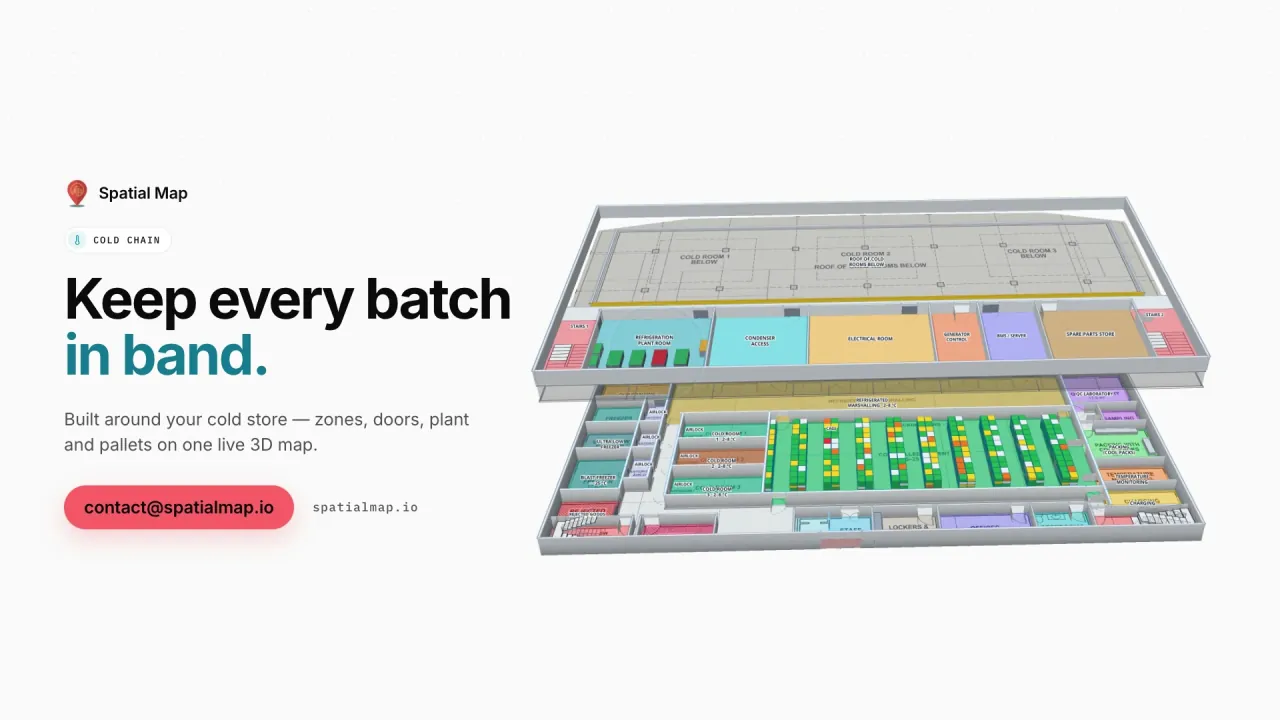
Spatial Map colours each room by the live reading from your sensors, marks pallets on hold and keeps every change in row history. It makes no compliance claim; your GMP quality system remains the record. The Polar Pharma demo shows cold rooms, a QC lab and 1,140 rack locations.

FMCG distribution, cold chain and malls

FMCG distributors serve a very large population through regional warehouses in and around Karachi, Lahore, Islamabad–Rawalpindi and other cities, with dairy, frozen foods and ice cream needing a cold chain in a hot climate. Rack-level stock from your distribution system and temperatures from your cold rooms can sit on the same warehouse map.

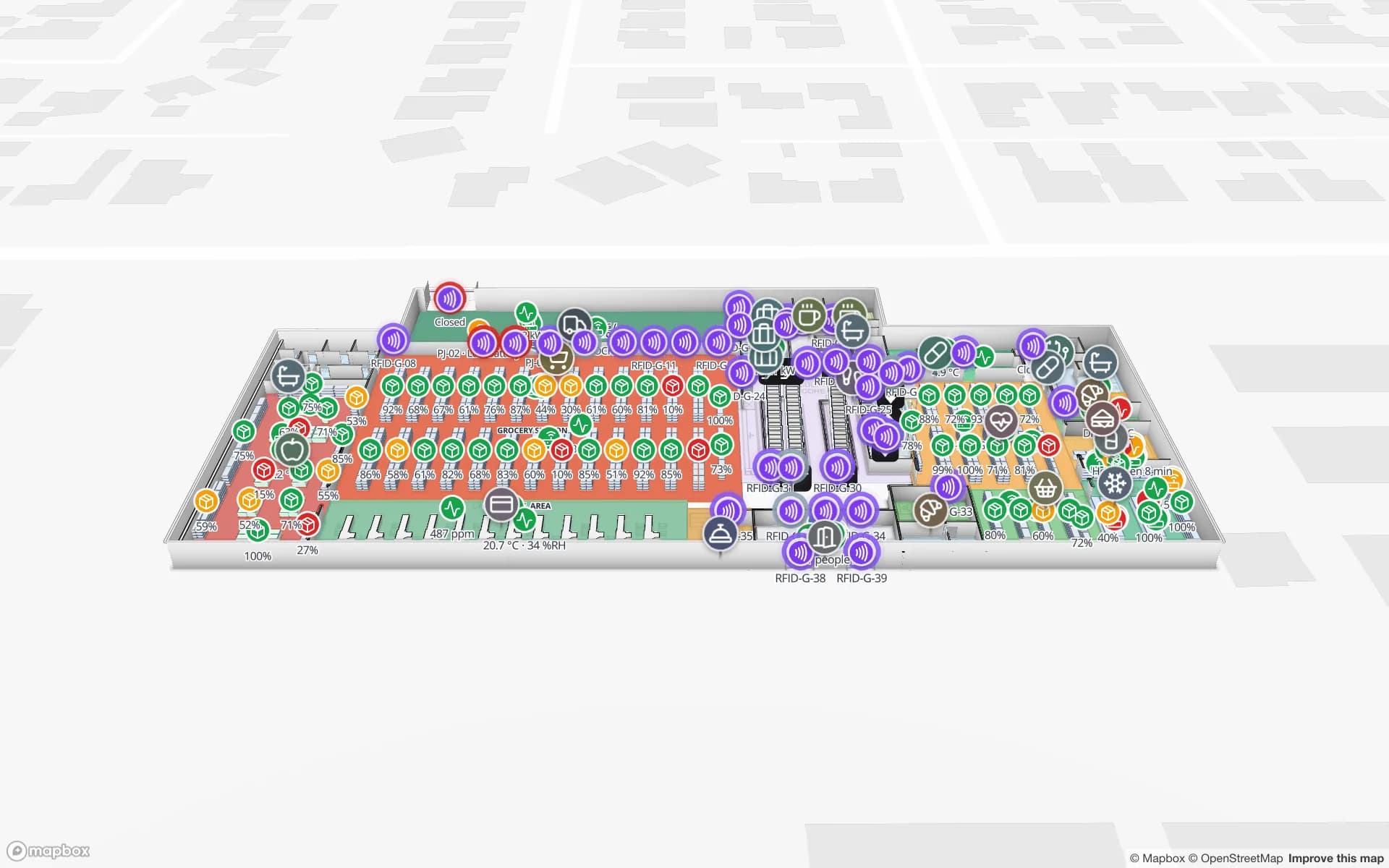
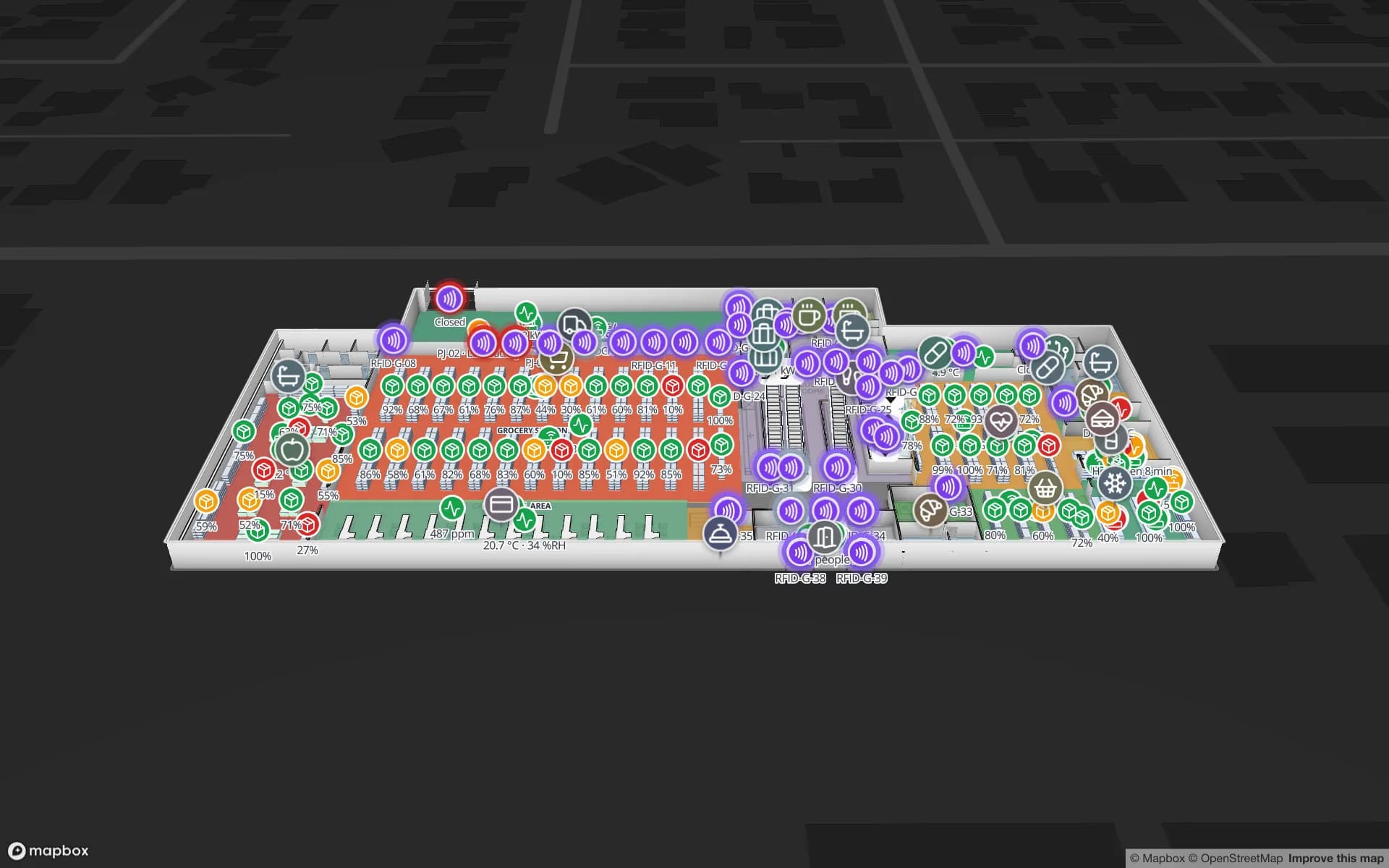
Large malls in Lahore, Karachi and Islamabad bring multi-floor retail with escalators and lifts. The Retail Mart demo shows a three-floor store with 85 RFID readers, shelf stock and fridge sensors on one live map.

Your developers, your integrations

Pakistan has a large and growing software industry, and many companies prefer to build integrations in-house rather than buy them. Spatial Map is built for that. Your developers can push rows from an ERP, a WMS, RFID middleware or a sensor gateway to a table through the table write API — HTTPS, a bearer API key, bulk upsert, 60 requests per minute per key, so data is sent in batches — or expose a REST endpoint that Spatial Map polls on a schedule. Data links then put those rows on the map as markers, coloured areas, badges or heatmaps.

Language and working with us

The interface is not available in Urdu. English is widely used in Pakistani business, and teams typically work in English; the app is also available in Arabic, Chinese, French, German and Spanish. Room names, rack codes and report titles appear exactly as you write them, in Urdu script or any other.

Spatial Map is sold online at the same USD price worldwide, and our team works with customers in Pakistan remotely, by video call and through the contact form. A data processing agreement is available and the security page describes how data is protected. See also our Middle East page for Gulf operations.

How Spatial Map does it

From factory layout to live map

  1. 01

    Import the layout

    A PDF or DWG (AutoCAD R2004–R2018) of the mill, plant or warehouse, placed at scale.

  2. 02

    Draw lines, racks and rooms

    Production lines, WIP buffers, racks with their locations, cold rooms and docks.

  3. 03

    Write your integration

    Push rows with the table write API, or let Spatial Map poll your REST endpoint.

  4. 04

    Run and share

    Live map, history playback, reports in PDF or Excel, and read-only links for buyers.

What teams in Pakistan use it for

Textile mills and garment factories

Lines, WIP and finished-goods racks coloured from production data.

Pharma cold rooms and QC

Temperature zones, quarantine areas and held batches in place.

Export and import warehouses in Karachi

Dock doors, yard slots and pallets staged for the right container.

FMCG regional warehouses

Rack-level stock by bin from your distribution system.

Mall retail

Item-level RFID stock across floors, escalators and lifts.

See it on real demo facilities

Fictional names, real floor plans, live sensors, RFID, BLE tags and gateways — open any of them in the browser.

All 13 demo facilities

Questions from teams in Pakistan

Yes. They can push rows to a table through the write API (HTTPS, bearer API key, bulk upsert, 60 requests per minute per key) or expose a REST endpoint returning JSON, GeoJSON or CSV that Spatial Map polls on a schedule. CSV and Excel uploads work too.

Not yet. The app is available in English, Arabic, Chinese, French, German and Spanish, and each user picks their own. Your own content — room names, rack codes, report titles — can be in Urdu.

Spatial Map makes no compliance claim. It shows live temperatures, door states and held stock on the map and exports reports; your quality system and records remain the record.

No. Spatial Map is sold online and our team works with customers remotely, by video call and through the contact form.

The same worldwide, in US dollars: a 7-day free trial for up to 5 facilities with no credit card, then Pro at $60 a month or $600 a year for up to 4 facilities. Larger sites are quoted as custom services.

Map your first site in Pakistan this week.

Start the free trial, or send us a factory or warehouse layout and a sample of your data through the contact form.