Lahore · Kot Lakhpat, Sundar, M-2 and the technology park

Asset tracking in Lahore, from tooling stores to tech-park floors

Spatial Map shows where tagged equipment, tooling and other assets are on a live 3D map of each building, using the reads and positions your RFID and BLE systems already produce. Asset tracking in Lahore spans three kinds of building: factories on the industrial estates around the city, garment plants along the M-2 motorway, and tall office and campus buildings with equipment on many floors. Each is its own facility, and all of them can sit in one workspace.

No credit card. Runs in the browser. Pro is $60/month for up to 4 facilities. Book a demo

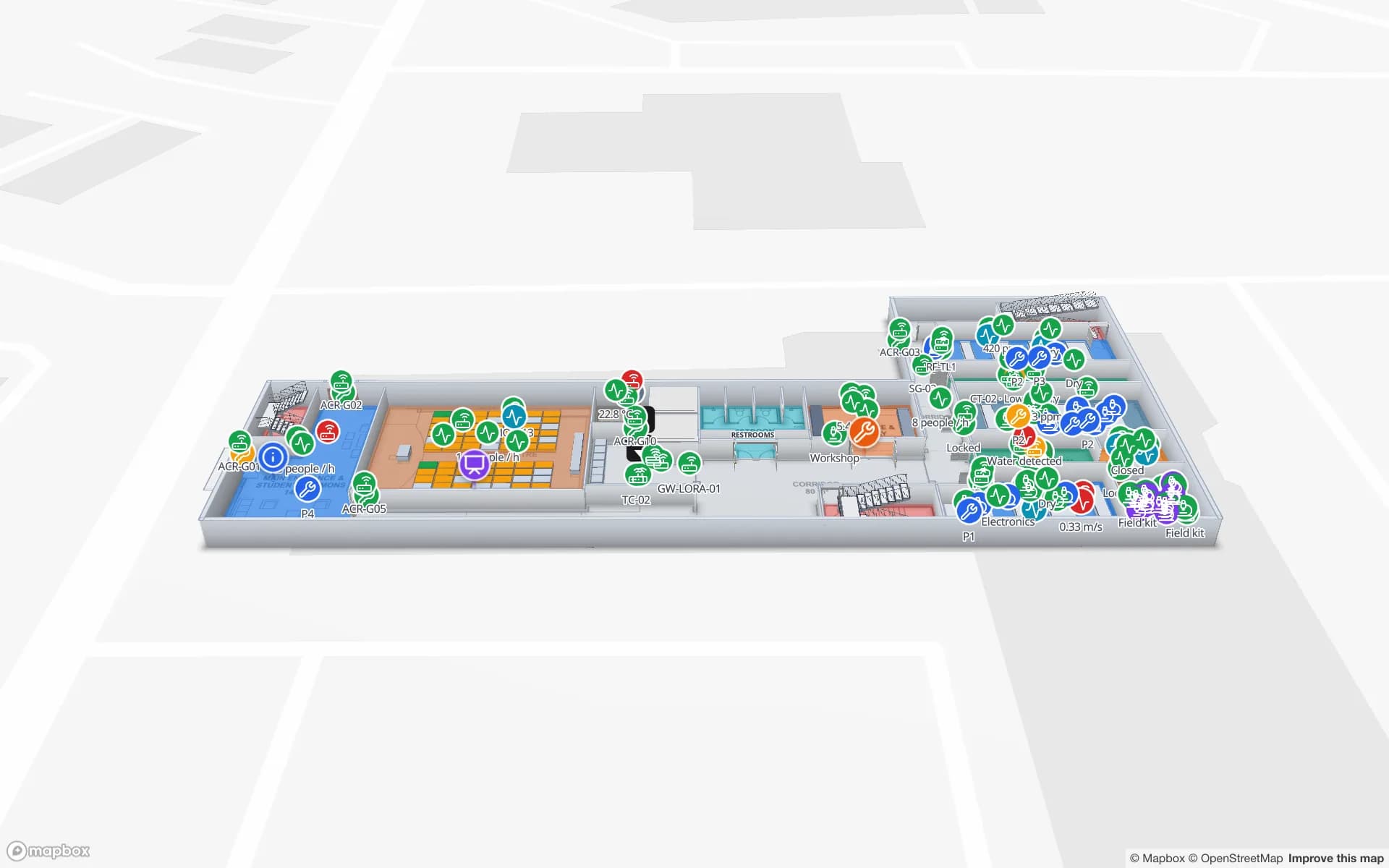
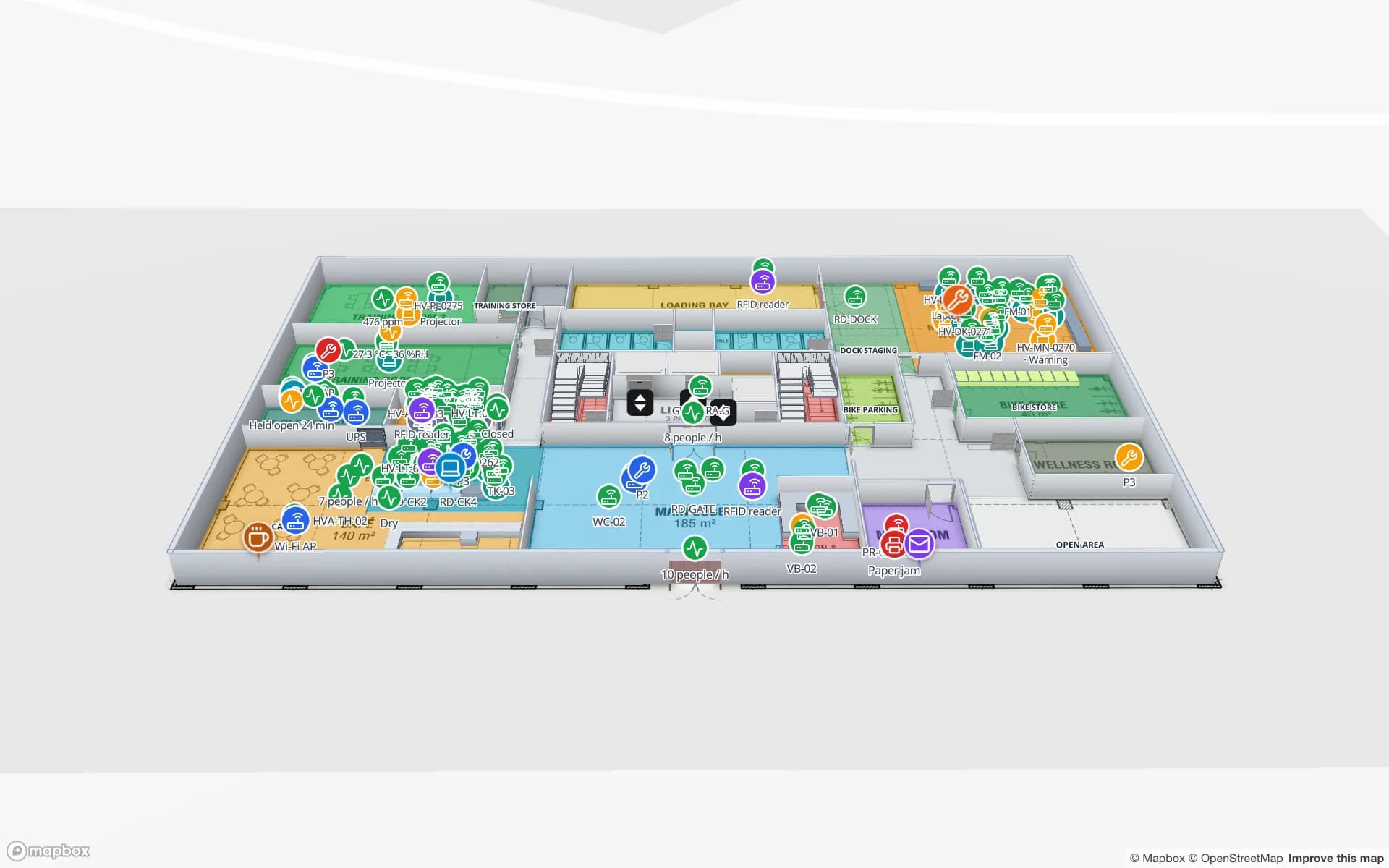
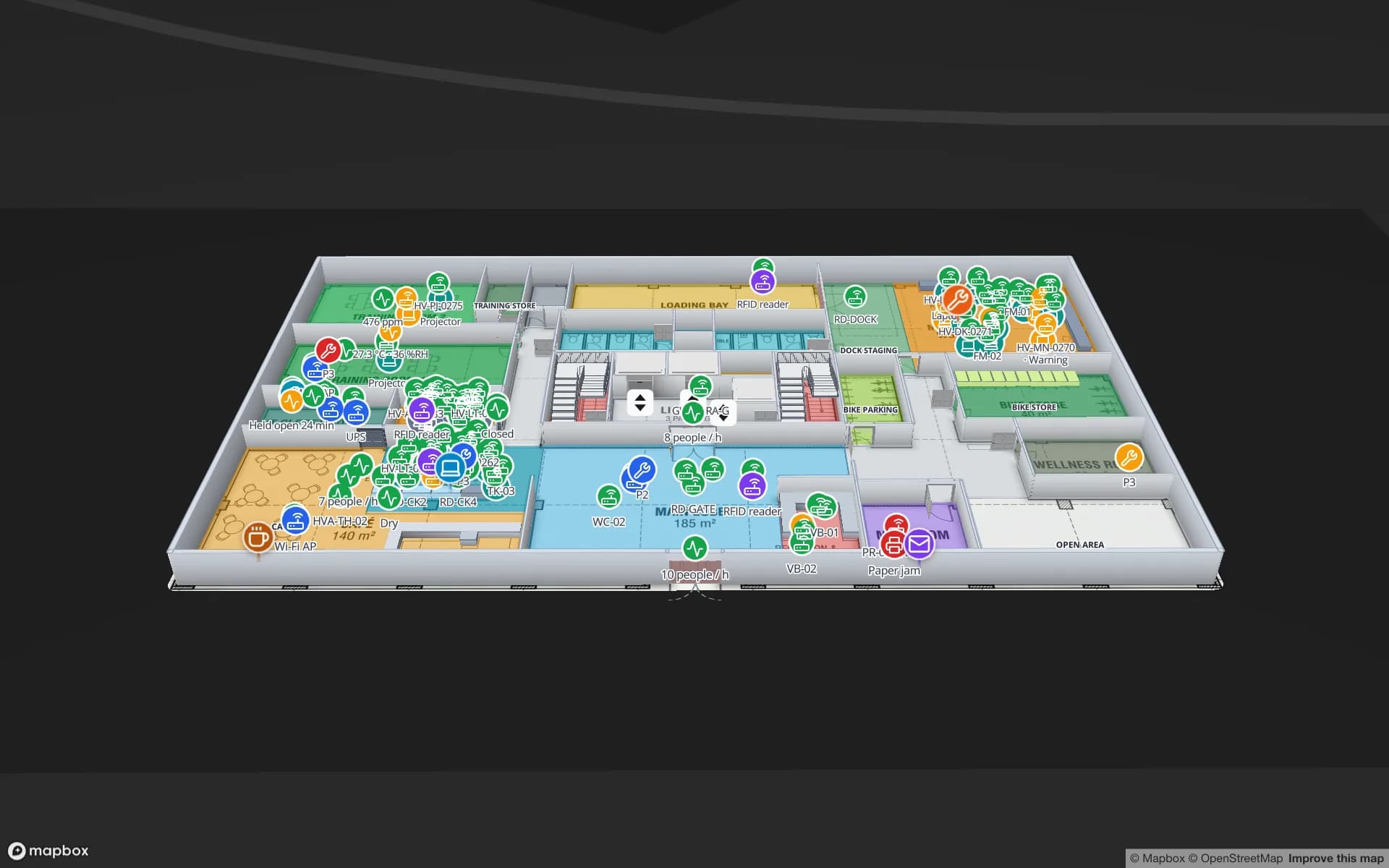
Harborview Corporate Campus — Building A, a corporate office building demo, in the Spatial Map 3D viewer with live device markers
Harborview Corporate Campus — Building A
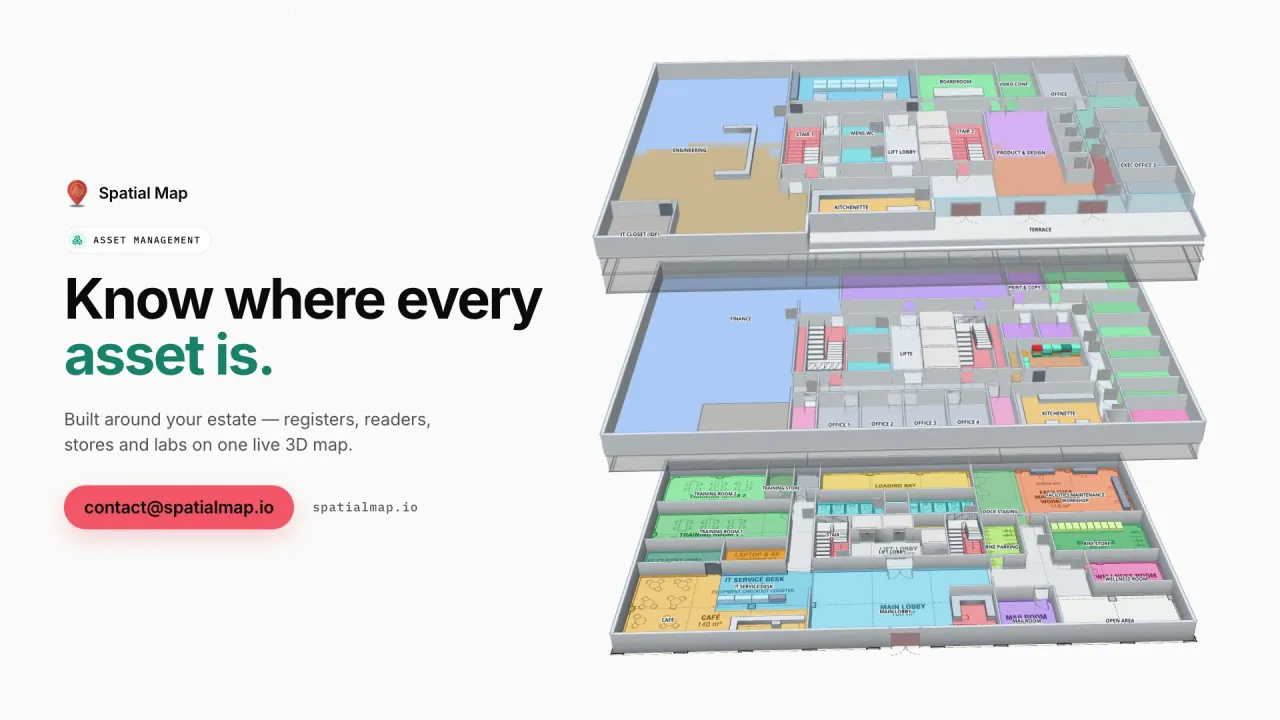
Harborview Corporate Campus, a demo office building: the asset register, equipment check-out, stores and spares, work orders and meeting rooms on three floors.
Floors in the Harborview office demo
3
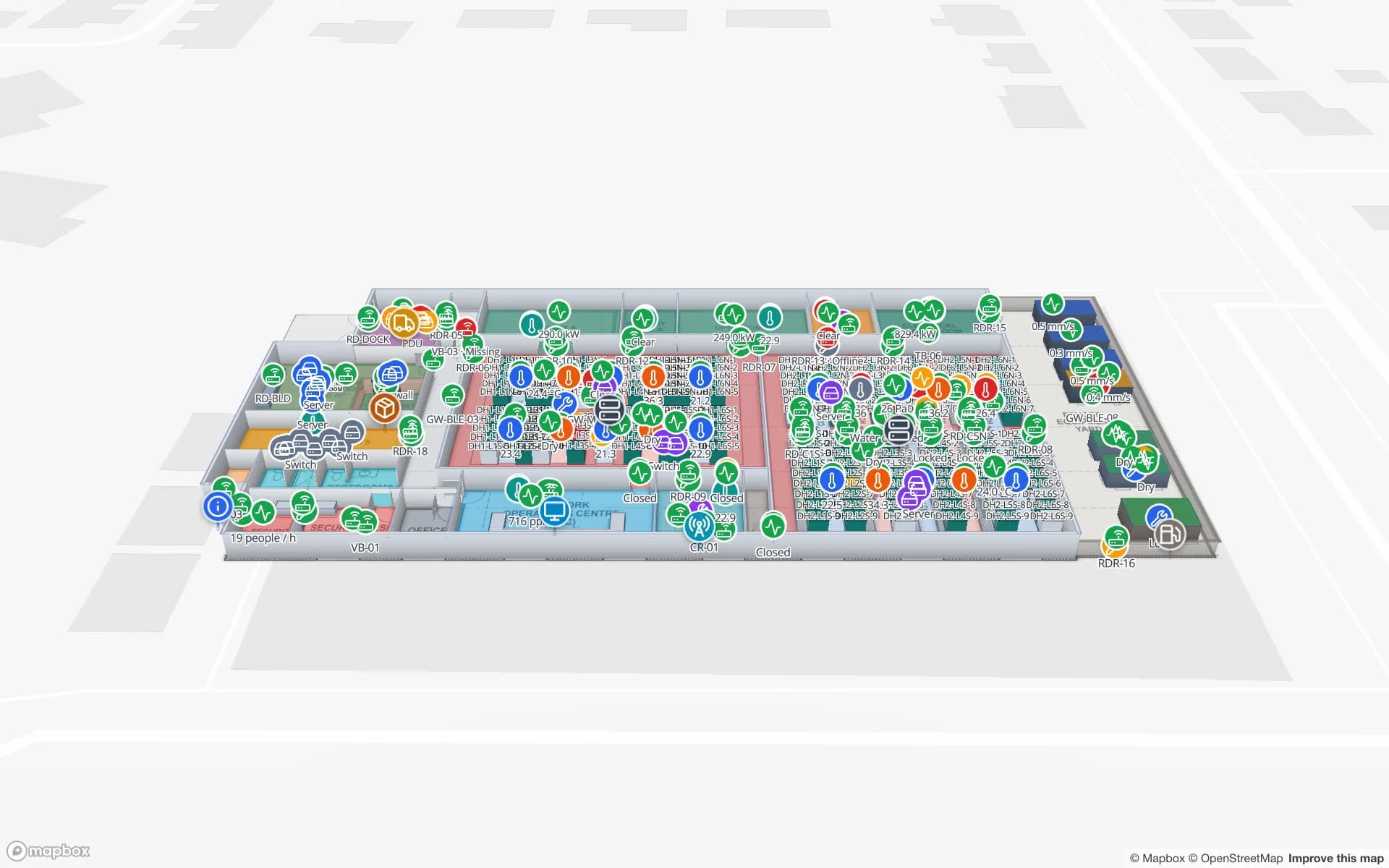
Rack locations in the Summit assembly-plant demo
867
How often alert rules are checked, with alerts shown in the app
15 s
Free trial, up to 5 facilities, no card
7 days

Quaid-e-Azam Industrial Estate: tooling, spares and shared equipment

The Quaid-e-Azam Industrial Estate at Kot Lakhpat covers 565 acres in 477 plots of 1 to 100 kanals. It was established in 1960 under a Pakistan–Canada joint programme and is owned by the Punjab government; the Punjab Industrial Estates Development and Management Company (PIEDMC) has managed it since 2004, and the estate runs its own security, fire brigade and helpline. On plots of that size a plant rarely loses a pallet. It loses a mould, a die, a gauge, a motor or a spare that three shifts share, and which moves between machine, store, workshop and an outside repairer. The cost of “where is it?” is a stopped line.

Spatial Map keeps the asset register as a table — tag ID, owner, home store, status — and draws the plant so each store, workshop and line is an area. BLE tags with gateways named after those areas, or RFID tags read at the tool-crib door, tell your system where each item is. The map shows its last-seen area, a style rule colours items that are overdue for return, and the History player replays where it has been. RFID tool tracking covers the crib pattern, and the Harborview demo shows equipment check-out, stores and spares on three floors.
Sundar and the M-2 belt: machines that change lines

Sundar Industrial Estate, about 35 km from Lahore near Raiwind, is another PIEDMC estate; when the Punjab government announced it in 2004 the plan included a textile and garments city and an export processing zone. Further along the M-2 motorway, the Quaid-e-Azam Business Park at Sheikhupura began as an apparel park and still has its own motorway interchange and PIEDMC management.

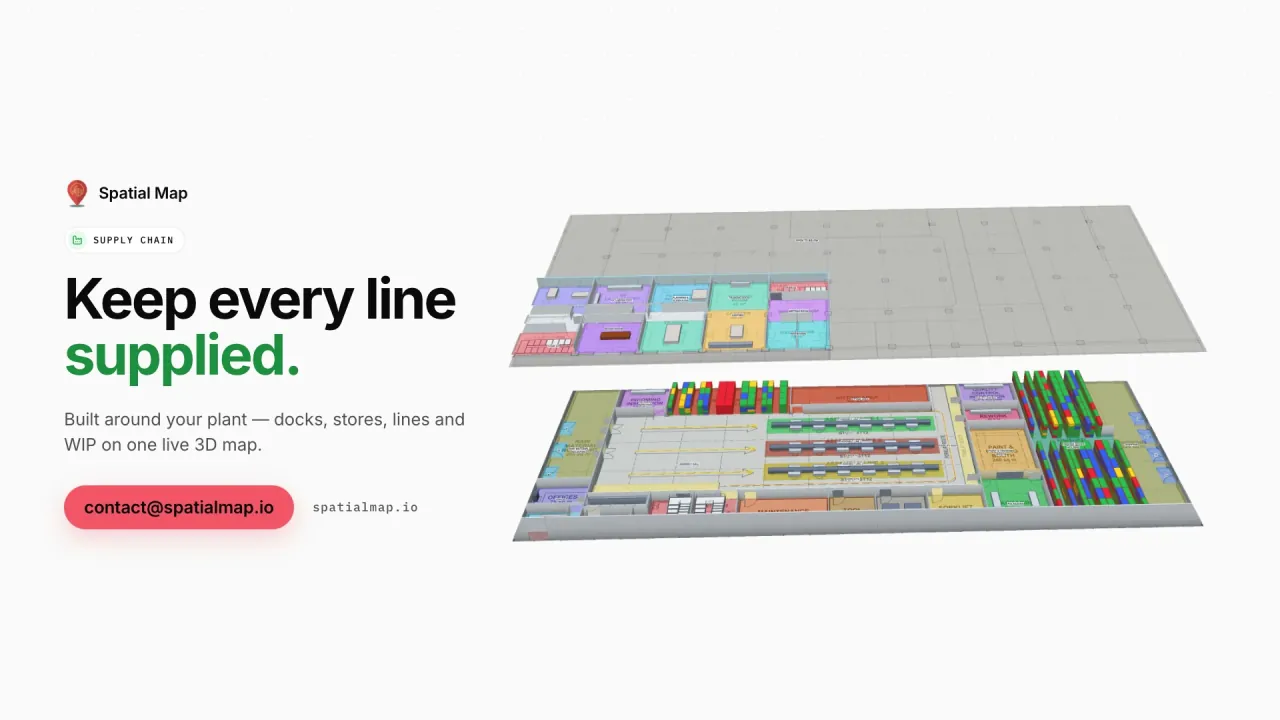
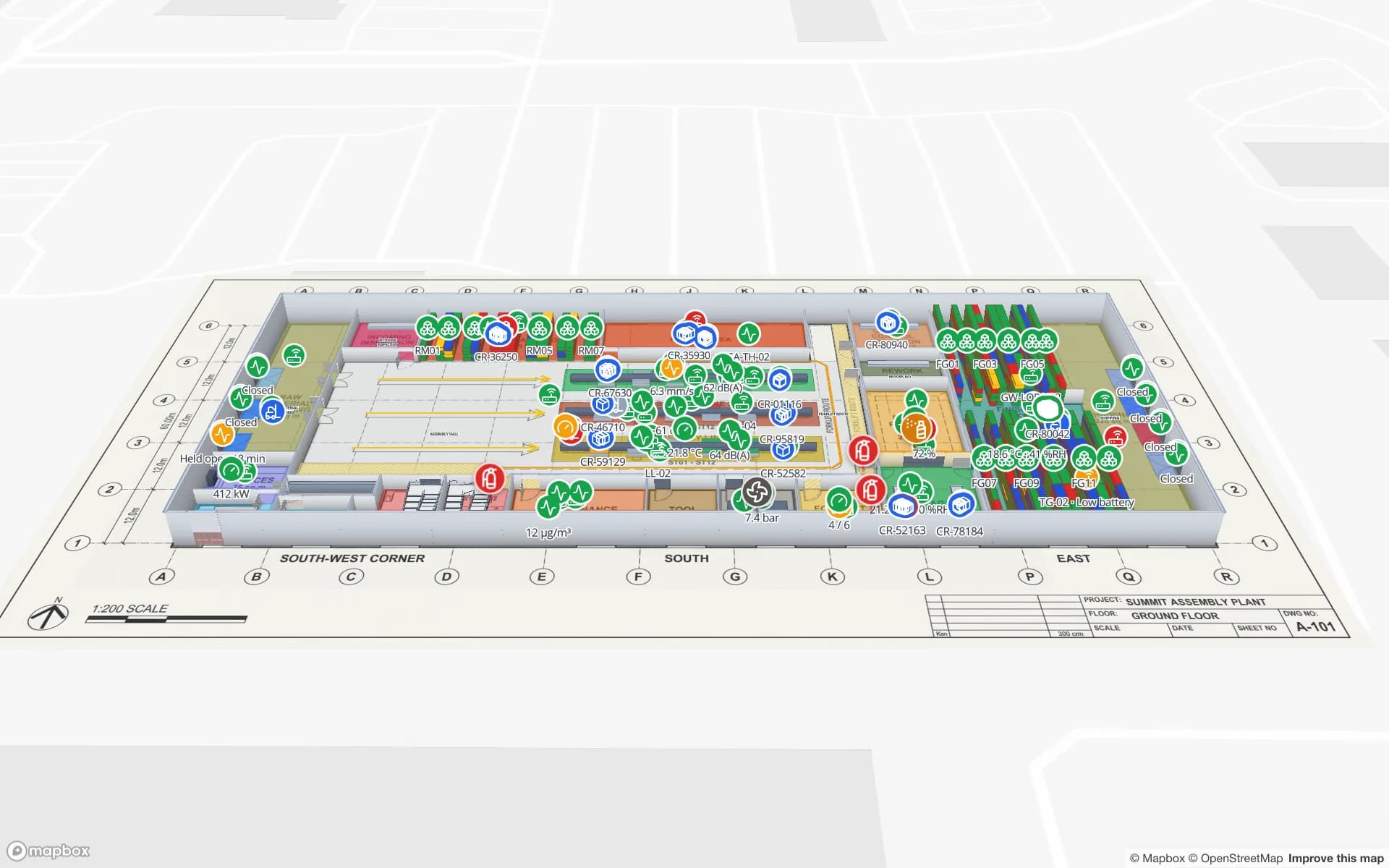
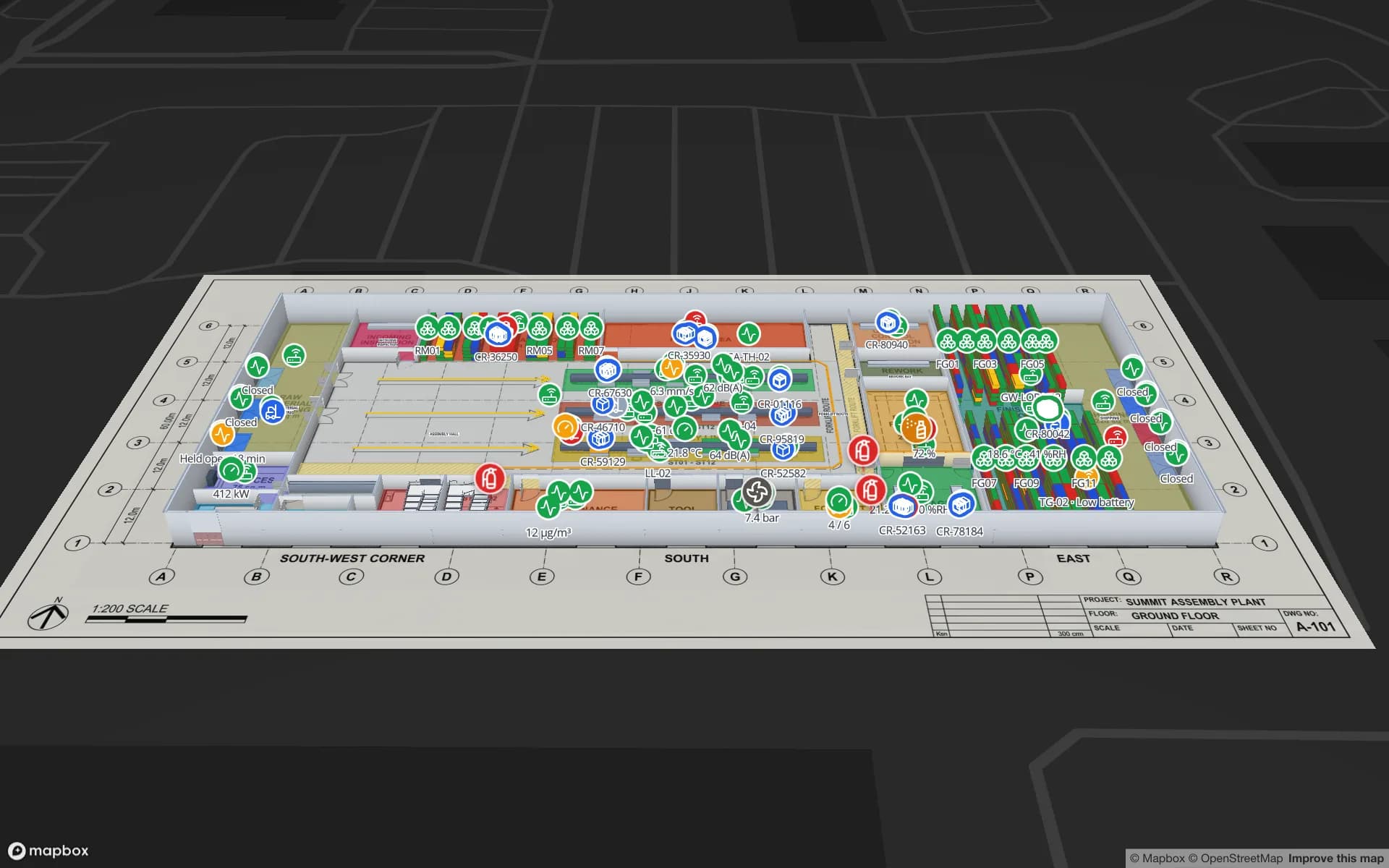
In a garment plant the assets that matter are the ones that change places as styles change: sewing machines, cutting tables, pressing and finishing equipment. Tag the machines, draw each line as an area, and the map shows which machine stands on which line, which ones are idle and which are with the mechanic. A count rule raises an in-app alert when a line has fewer machines than its plan. The Summit demo shows lines, workstations and 867 raw-material and finished-goods rack locations on one plant map.

The Arfa technology park and Lahore’s office towers

Lahore’s software industry has its own address. The Arfa Software Technology Park is a 17-storey building that the Punjab Information Technology Board describes as the country’s largest ICT park; the project began in 2012 as Lahore Technology Park and was renamed the same year. The Special Technology Zones Authority lists seven notified technology zones in Lahore. Tech tenants are asset-heavy in a quiet way: laptops, test phones, development boards, monitors, meeting-room kit and a server room, spread over many floors and many people.

Asset tracking in a building like that is usually an audit rather than live location. An RFID handheld walk-through updates the register room by room, a reader at the store door catches what leaves, and Spatial Map shows each floor with its assets by room; the RFID IT asset audit page walks through it. Lahore has plenty of in-house developers, so the register can be fed from your own ERP or HR system through the write API. The Ridgeline demo shows a server hall drawn cabinet by cabinet.

Campuses, and healthcare equipment in general

Universities share a problem with factories: equipment that is portable and shared. Lab instruments, projectors, AV carts and loan laptops move between teaching blocks, and a booking calendar does not say where the thing is now. The Westbrook demo shows lab equipment bookings, lab environment readings and chemical stores on two floors of a campus building.

Healthcare equipment — wheelchairs, infusion pumps, monitors — follows the same pattern of tag, zone and status. Spatial Map has no healthcare demo and no clinical features, and it makes no claim about patient safety; it shows what your tags report, in the room they report it, and an in-app alert when a tag falls silent.

Services for teams in Lahore

Lahore teams tend to follow three starting points:

  • Plants on the estates start with asset tracking for moulds, dies, spares and forklifts, then link it to inventory tracking for finished goods.
  • Technology firms and campuses start with the indoor maps and an asset register by room, often before any tags are bought.
  • Larger plants that need positions of people and vehicles look at RTLS and UWB; a BlueIOT server connects directly and other engines through the write API.
  • Tags, gateways and readers can be sourced on request, quoted per project, with warranty from the manufacturer — see hardware and demo kits on request.
  • Asset back offices, handheld apps and ERP integrations are built as client projects, for example an asset management system; the same page covers POS and booking systems. Run it as cloud or on-premises.

Also served nearby

The same page covers Kot Lakhpat, Raiwind and Kasur, and Sheikhupura along the M-2; Gujranwala, to the north, is covered with Sialkot.

How Spatial Map does it

Building a Lahore asset map

  1. 01

    Load the asset register

    Upload a CSV or Excel list of assets with tag IDs, owners and home locations as a table.

  2. 02

    Map the stores and floors

    Import the plant or building plan, align it, and draw stores, workshops, lines and rooms as areas named like your gateways and readers.

  3. 03

    Connect reads and positions

    RFID middleware, BLE gateways and your ERP post rows via the write API or a polled REST endpoint.

  4. 04

    Add overdue and silence rules

    In-app alerts for assets overdue at a borrower, lines short of machines and tags that stop reporting.

Where Lahore teams track assets

Moulds, dies and spares on the estates

Tool-crib check-out, last-seen store and overdue items coloured on the plan.

Sewing machines and lines

Which machine is on which line, idle or in repair, with a count against each line’s plan.

Server rooms and IT assets

Cabinets, spares and checked-out equipment tied to the room or rack they belong to.

Lab and teaching equipment

Bookings, last-seen blocks and chemical stores on a campus map.

See it on real demo facilities

Fictional names, real floor plans, live sensors, RFID, BLE tags and gateways — open any of them in the browser.

All 13 demo facilities

Asset tracking in Lahore — questions we get

Often RFID at the tool-crib door, where an item is checked out and back in, and BLE for the few high-value items you want to find between reads. Spatial Map shows either, as long as your system sends a tag ID with a read point, zone or position.

No. Start with the machines that move or go missing, or tag only on arrival and let the supervisor’s list update the line table. The map shows whatever your table says; tags only make it more automatic.

Yes. They can push rows to a table through the write API (HTTPS, bearer API key, bulk upsert, 60 requests per minute per key), or let Spatial Map poll a REST endpoint. CSV and Excel uploads work too.

In the same way as any portable equipment: a tag, a zone and a status per item, shown on the floor where it was last seen. There is no healthcare demo and no clinical feature, and the map reports only what your tags send.

No. Spatial Map is sold online and our team works with customers in Pakistan remotely, by video call and through the contact form.

In US dollars, the same worldwide: a 7-day free trial for up to 5 facilities with no card, then Pro at $60 a month or $600 a year for up to 4 facilities. Larger estates are quoted as custom services.

Track one shared-equipment pool first.

Start the free trial and open the Harborview demo, or send us your asset list and the plan of a plant or tower floor through the contact form.