Chennai · Kamarajar, Chennai Port, Sriperumbudur and Tambaram

RFID tracking in Chennai, from the car-export yard to the electronics line

Spatial Map shows RFID reads on a live 3D map of the building where they happen, so a tag at a gate or dock door becomes a pallet, a tray of components or a vehicle in a numbered slot. RFID tracking in Chennai spans three kinds of site: port yards and freight stations on the coast, the automotive and electronics factories inland around Sriperumbudur and Oragadam, and the export-zone units at Tambaram. Your readers and middleware do the reading; Spatial Map shows each read in place.

No credit card. Runs in the browser. Pro is $60/month for up to 4 facilities. Book a demo

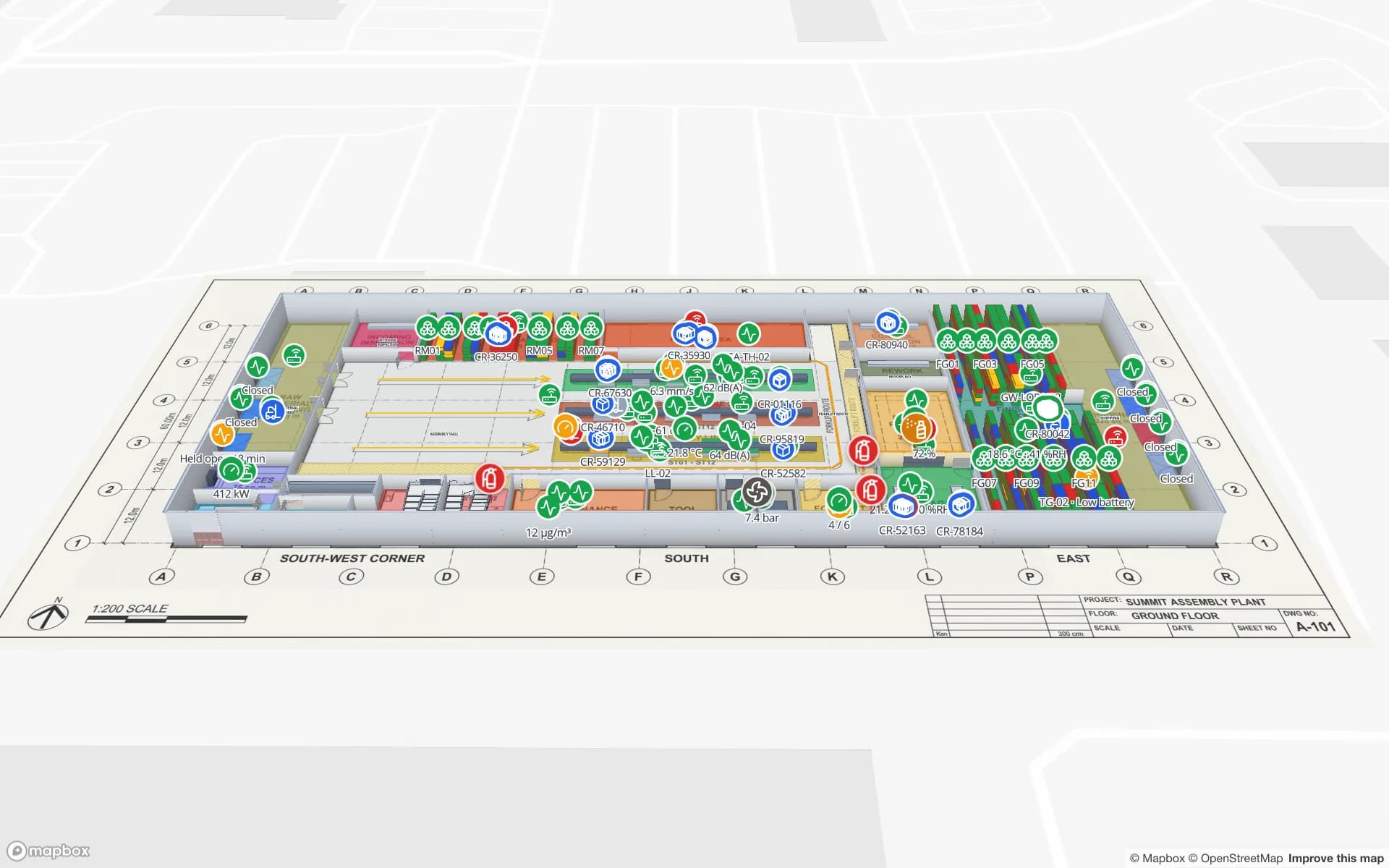
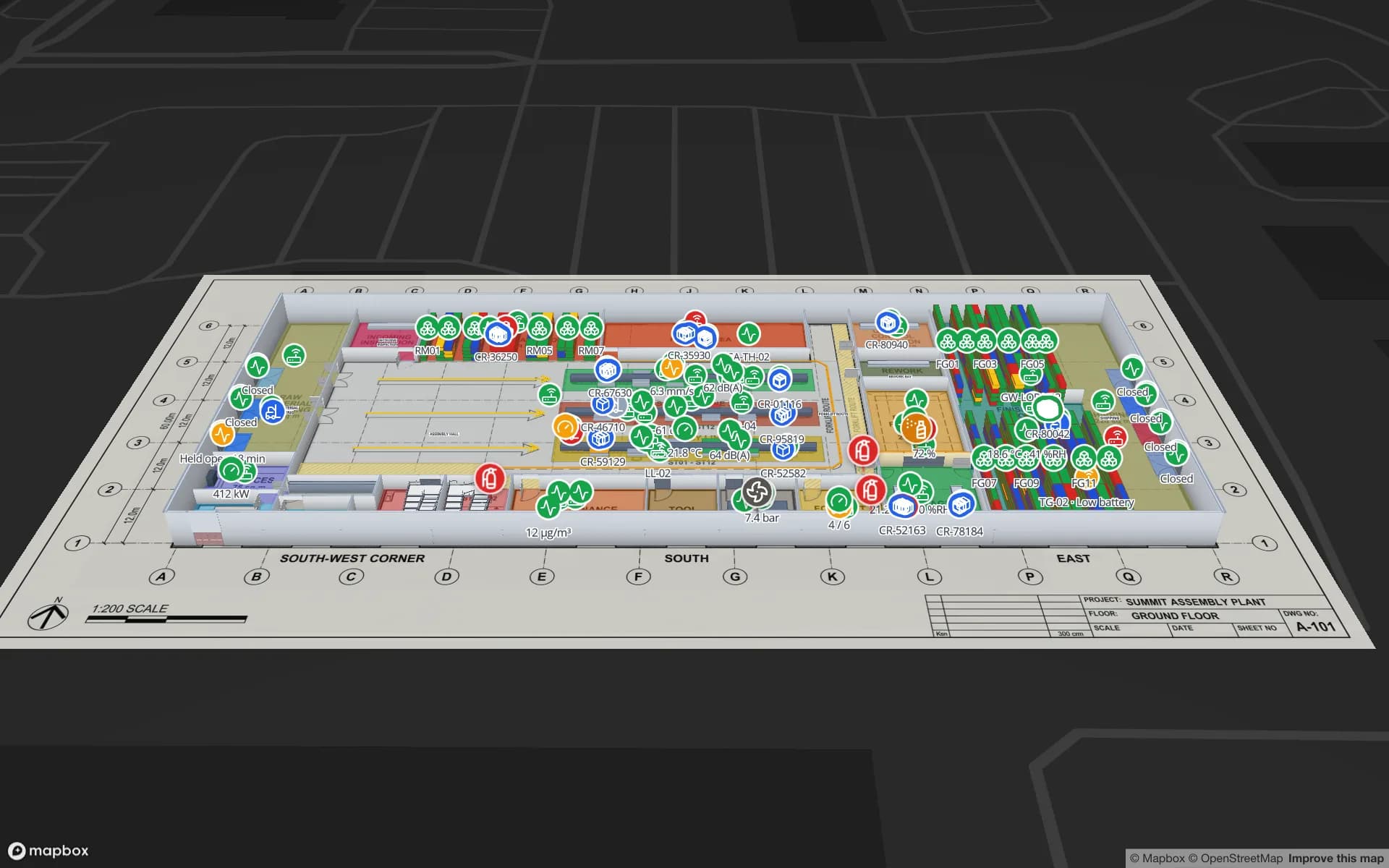
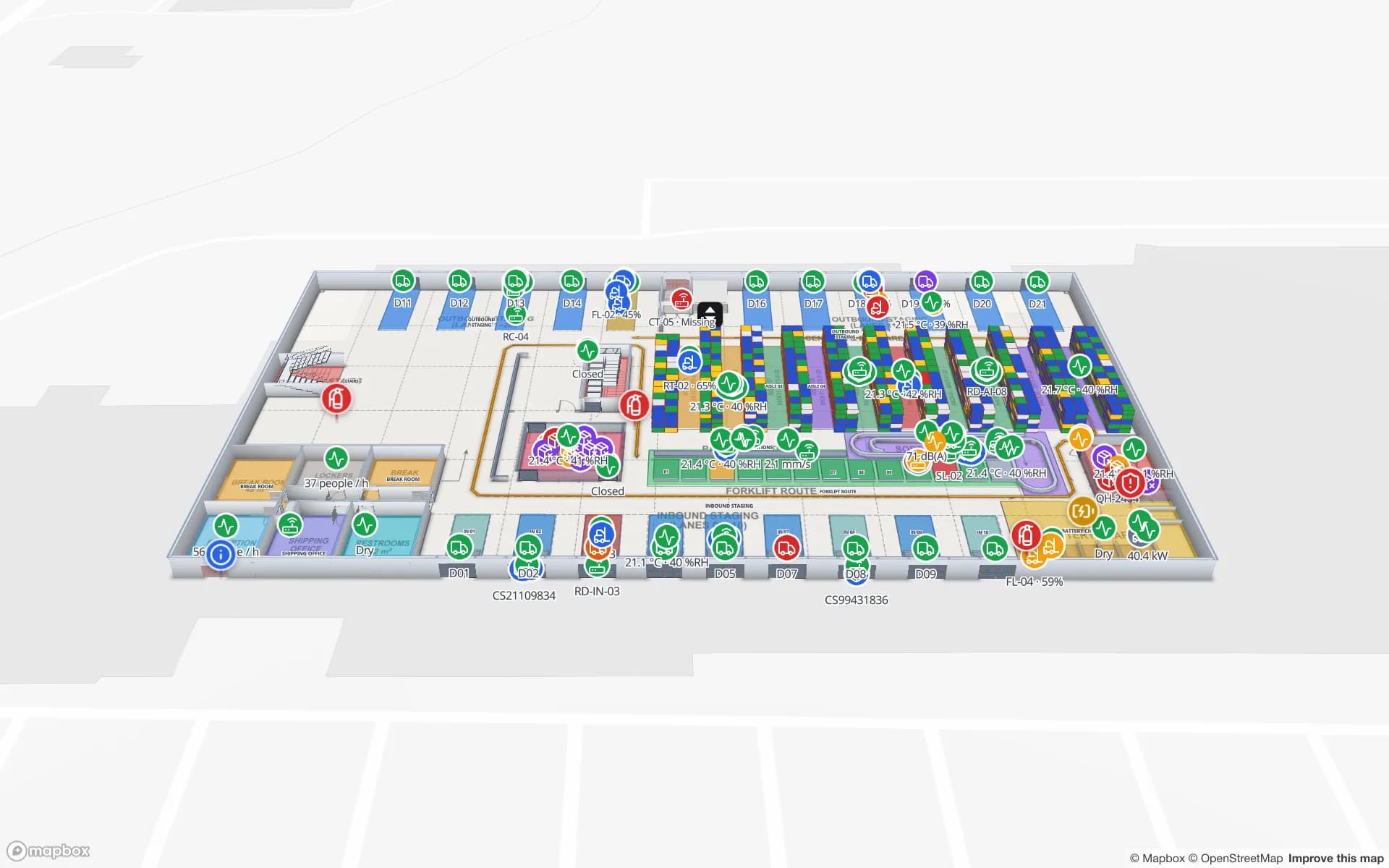
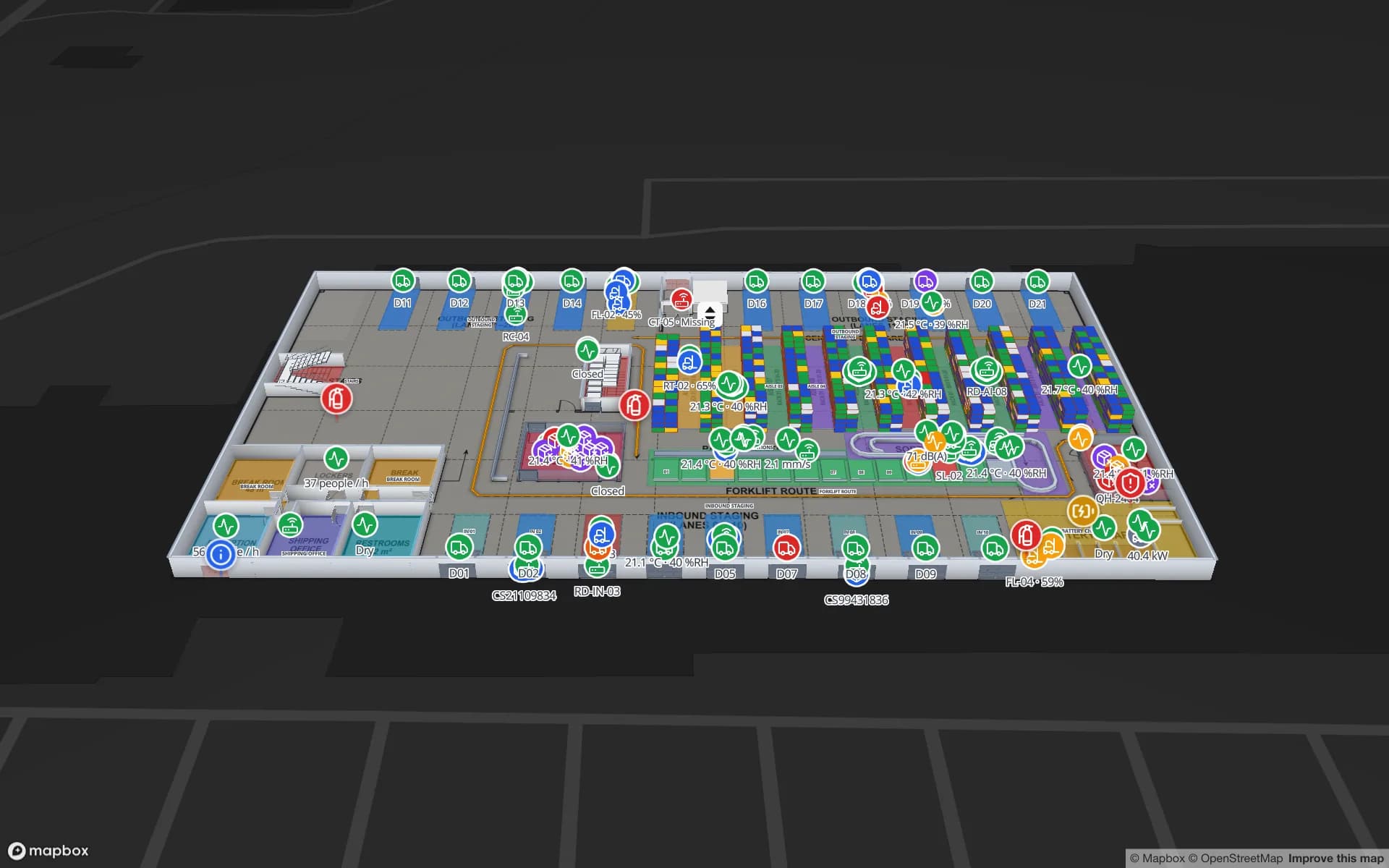
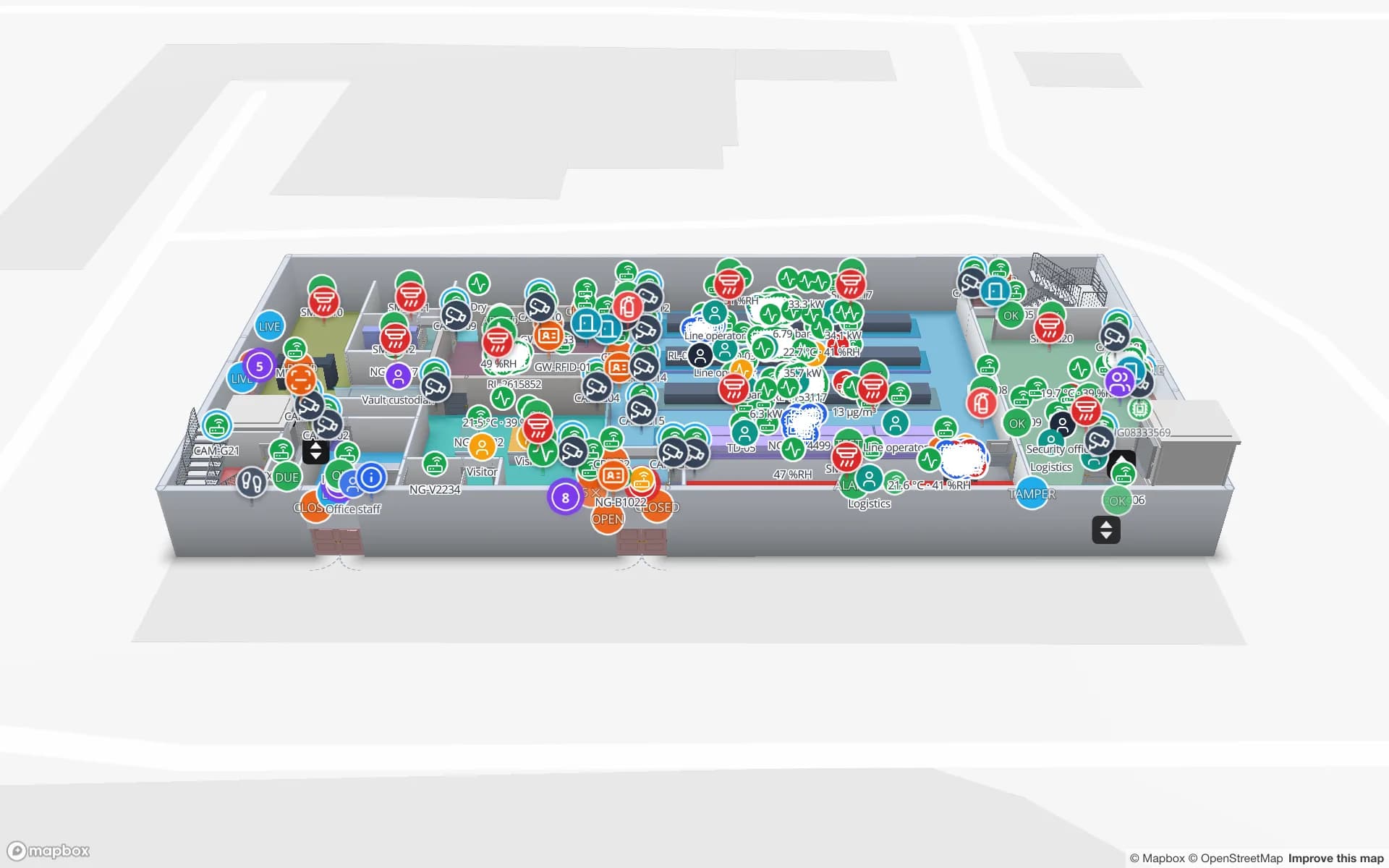
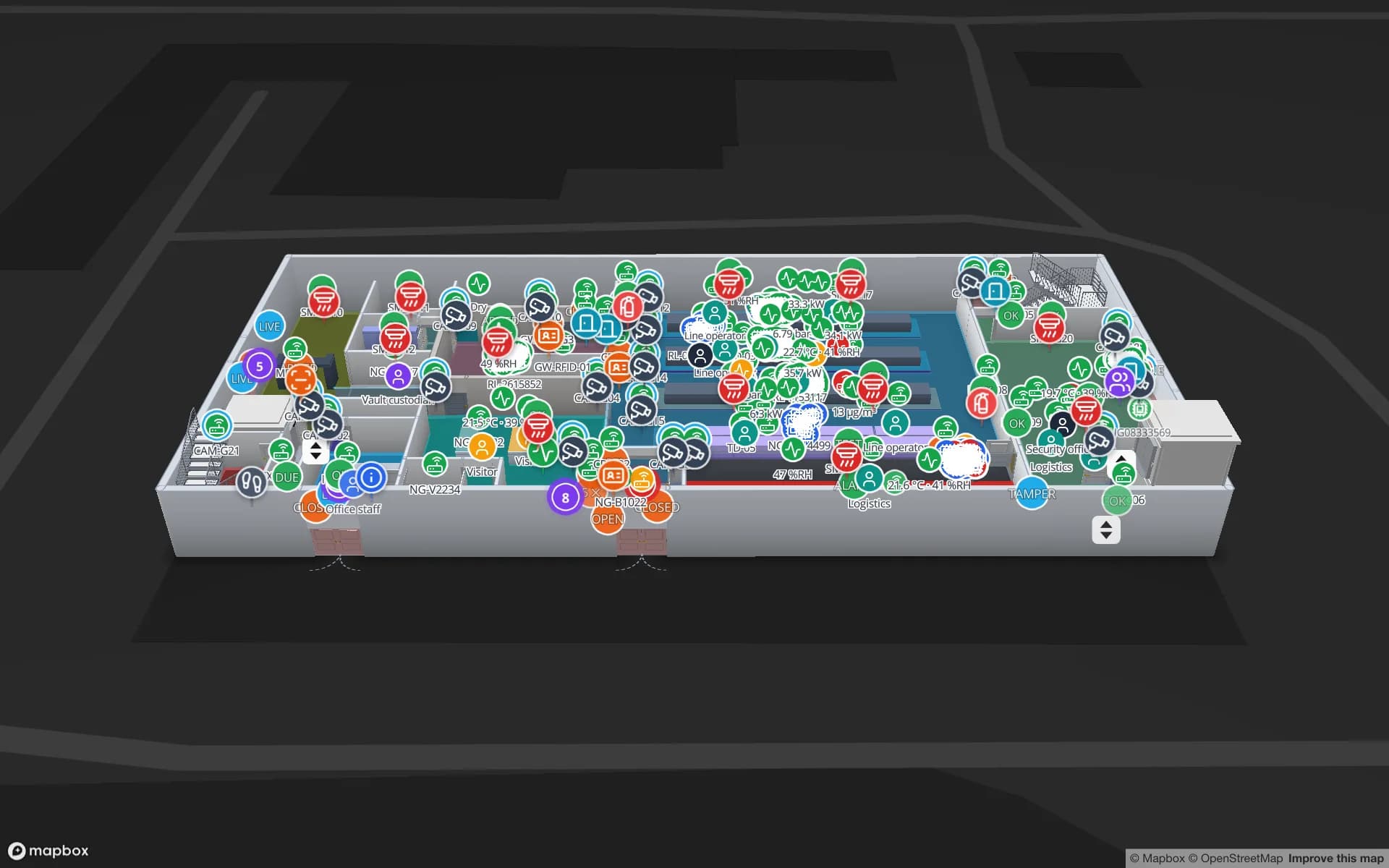
Northgate Electronics — Assembly & Secure Store, a electronics assembly & secure store demo, in the Spatial Map 3D viewer with live device markers
Northgate Electronics — Assembly & Secure Store
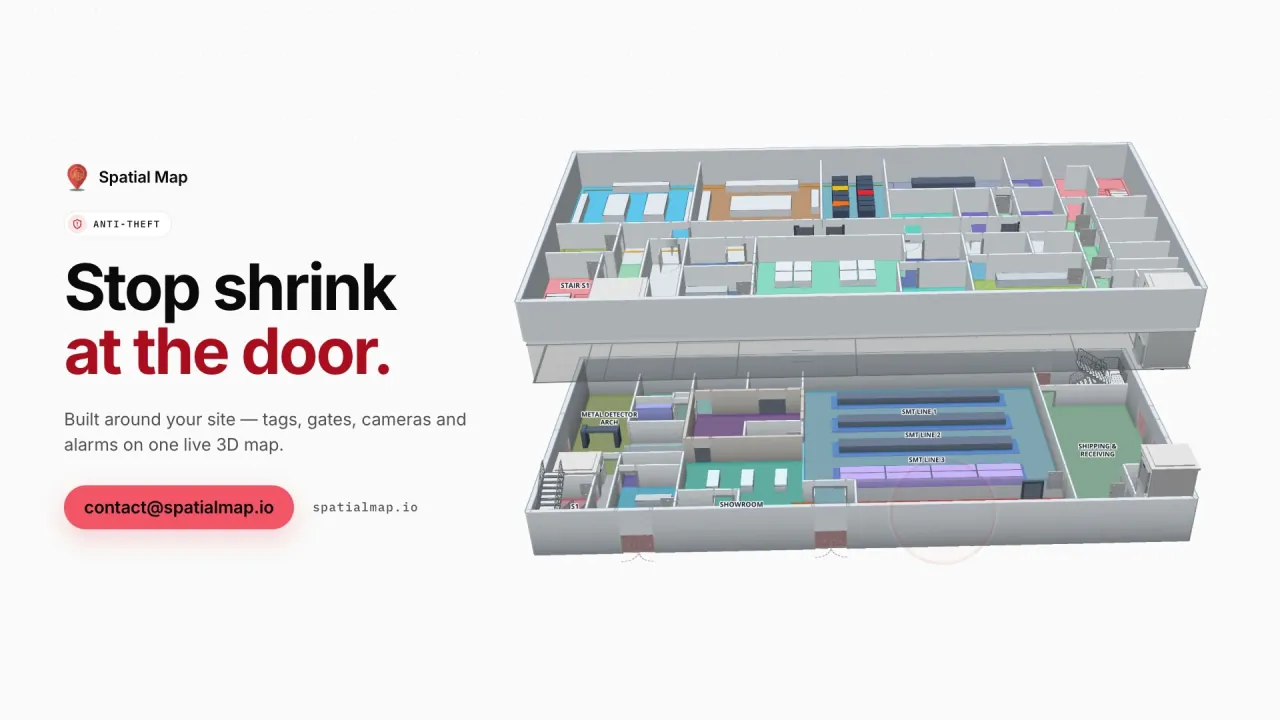
Northgate Electronics, a demo electronics plant: the assembly floor and secure store on two floors, with material tags read as components move between store and line.
Tagged units followed through the Northgate secure store
863
Dock doors in the Eastport cross-dock demo
50
How often alert rules are checked, with alerts shown in the app
15 s
Free trial, up to 5 facilities, no card
7 days

Two ports and a yard full of cars

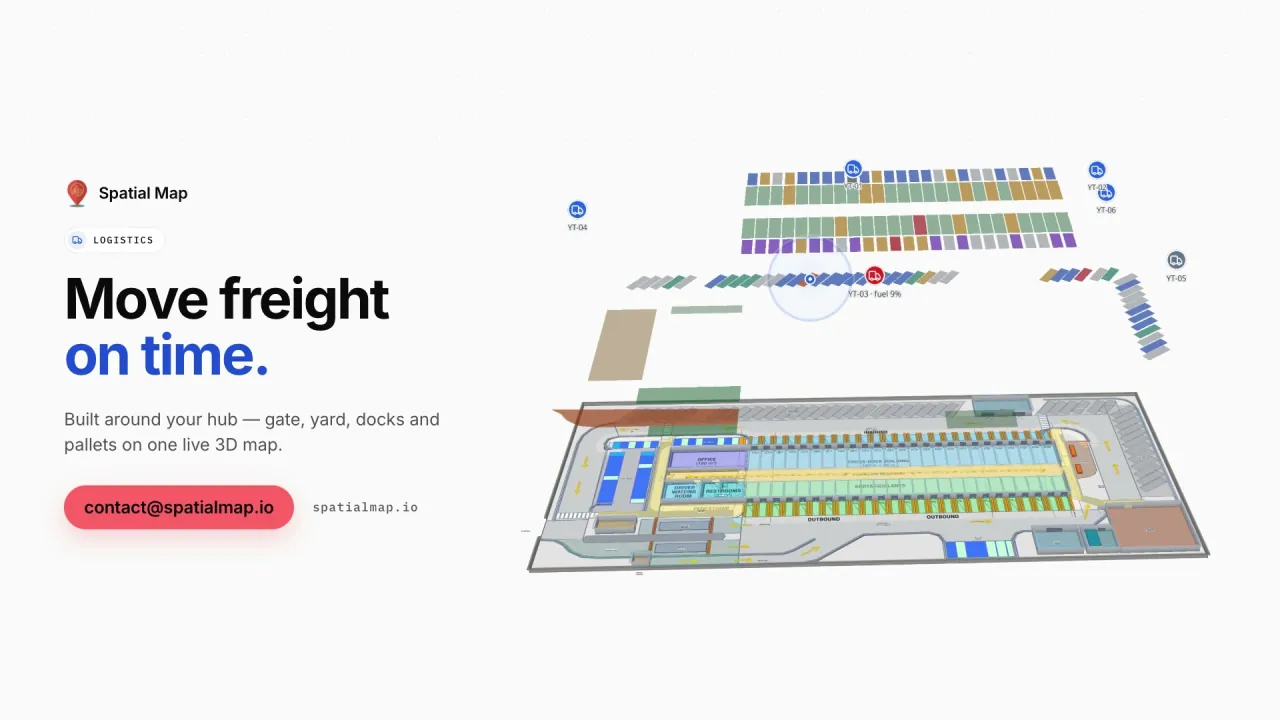
Kamarajar Port at Ennore, on the northern edge of the city, lists a container terminal run by a private operator under a public-private concession, rated at 1.40 million TEU a year with its first phase operating since October 2017, and a car-cum-general cargo berth 278 m long and 27 m wide, rated at 3 million tonnes a year for project cargo and cars. DT Next reported that Chennai Port exported more than 2.04 lakh vehicles in 2025-26, up 11.5 per cent, while Kamarajar handled about 1.91 lakh automobile exports in the same year.

A vehicle terminal is a parking grid. Each slot holds a model, a destination and a status: arrived, inspected, staged for the vessel. Draw the yard from a survey drawing, make each block of rows an area, and your yard system’s rows colour the slots on the map. RFID is not the only way to identify a vehicle, because many yards scan VIN barcodes with handhelds; Spatial Map shows whichever your system posts, and RFID earns its place at the gate, on trailers and on returnable racks, where nobody wants to stop and scan. The Eastport demo shows 44 yard slots, gate lanes, weighbridges and 50 dock doors on one map. Spatial Map does not connect to port, customs or terminal-operator systems; it shows what your own reads say.


Sriperumbudur, Oragadam and Irungattukottai: components in trays

India Briefing’s 2021 guide to the area says the Sriperumbudur and Oragadam parks in Kancheepuram district host electronics, telecom hardware and support services, and that the park at Irungattukottai serves automotive, electronics and other non-polluting industries. Ponneri, further north in Tiruvallur district, is a node of the Chennai–Bengaluru Industrial Corridor.

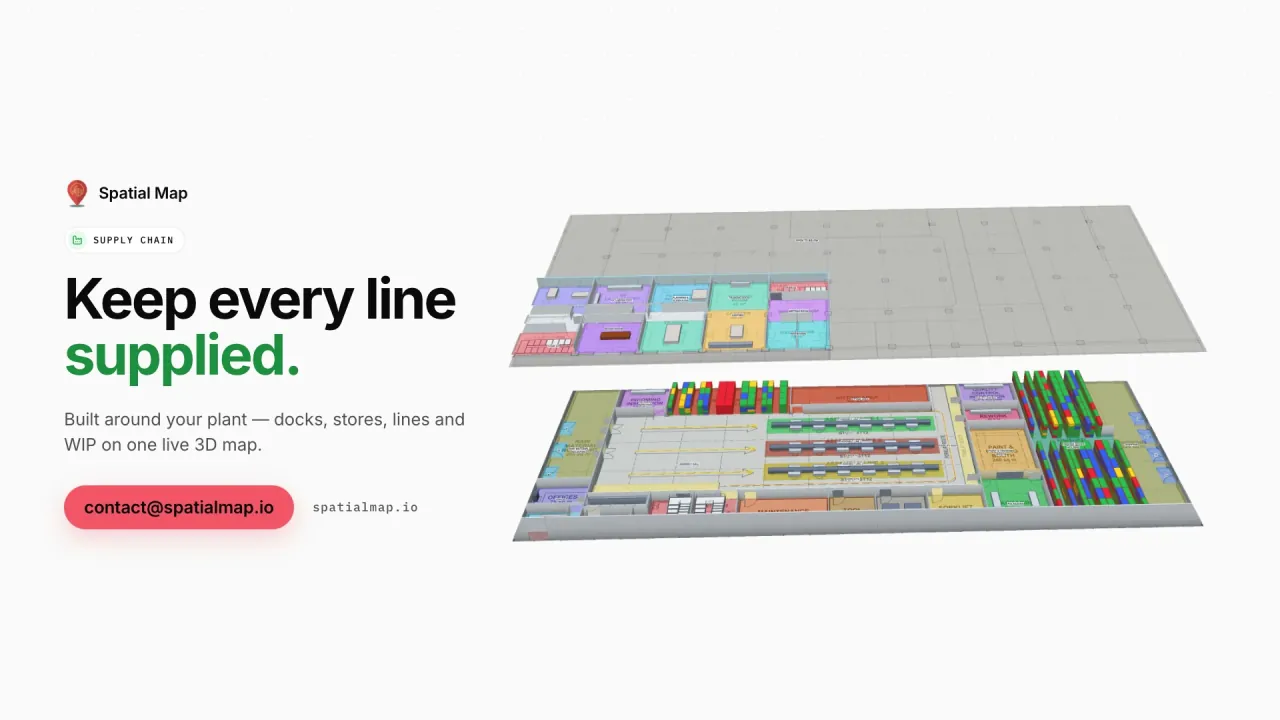
Inside those plants the stock is small, valuable and fast: reels, trays, boards, fixtures and returnable bins moving between a store and a line. Put a UHF tag on the tray or bin rather than on each part, read it at the store door and the line-side shelf, and the map shows which tray is where. In the Northgate demo, 863 tagged units move reader by reader through a secure store; in the Summit demo, WIP carrier tags are read between stations and 867 rack locations hold raw materials and finished goods. Tags on metal behave differently from tags on cardboard, so test them on your own trays first; RFID tags for metal, liquids and apparel lists what to check.

Madras Export Processing Zone: export units under one fence

The Madras Export Processing Zone at Tambaram says on its own site that it was established in 1984 and runs under the Ministry of Commerce. It lists automobile products, apparel, IT services and pharmaceuticals among its sectors, with dedicated parks for automotive, manufacturing and IT. Each unit inside is its own building with its own stock, and the paperwork for goods that leave under export rules is not something Spatial Map touches.

What it can show is the physical side: export cartons staged by order, a pool of returnable crates, the despatch door and which truck is waiting at it. A row of readers at a door is a gate, and the RFID gates page explains where to put them. The Crestline demo shows 2,204 rack locations coloured by stock status, with staging lanes in front of the docks.

October to December: the rain arrives late

Chennai’s heavy rain comes with the northeast monsoon. IMD Chennai describes October to December as the chief rainy season for the region, and the Deccan Herald, reporting IMD data, put the season at over 48 per cent of the city’s annual rainfall. Open yards and dock doors get wet, low racks take damp, and a reader that sits under a leaking canopy stops reading.

Choosing enclosures and mounting is a job for your integrator and the hardware vendor. What the map adds is noticing. An alert rule set to “not updated for N minutes” on the reader table raises an in-app alert when a portal goes quiet, humidity and temperature sensors colour each storage zone on the plan (the Crestline demo carries both), and the warehouse temperature mapping post shows how to read the result.

Services for teams in Chennai

Where Chennai teams usually start depends on what they move:

  • Port-side yards and freight stations start with inventory tracking and yard slots, because a vehicle or container in the wrong place costs a vessel cut-off.
  • Auto and electronics plants usually begin with asset tracking for returnable trays, fixtures and carriers, then add RFID at the stores.
  • RTLS and UWB matters mainly for large plants and yards where vehicles and people must be located continuously; most sites will not need it first.
  • If you have no readers or tags yet, our team can source RFID readers, antennas and tags on request, quoted per project, with warranty and device support from the manufacturer: see hardware and demo kits on request.
  • Where your IT team is busy, we build Android RFID handheld apps, ERP and WMS integrations and other custom software such as POS or booking systems as client projects. The product runs as cloud or on-premises.

Also served nearby

The same approach covers Ponneri, Gummidipoondi and Kattupalli to the north, Manali and Ennore’s industrial belt, and Irungattukottai and Oragadam inland. Nothing needs to be installed at any of them: the map opens in a browser.

How Spatial Map does it

From the port gate to the line-side shelf

  1. 01

    Pick one building

    A vehicle yard, a freight station, an export-zone unit or the store in front of a line: wherever a missing item costs most.

  2. 02

    Map slots, doors and shelves

    Upload the plan, survey drawing or a photo, let AI Map draft the floor, and name read points the way your middleware names them.

  3. 03

    Connect reads and stock

    RFID middleware and your ERP post rows through the table write API, a polled REST endpoint or CSV and Excel uploads.

  4. 04

    Add door and silence rules

    In-app alerts for trays staged too long, loads short before cut-off and readers that stopped reporting in the rain.

What Chennai teams track

Vehicle and container yards

Slots coloured by status, gate and weighbridge events, and trailers at the right door.

Electronics secure stores

High-value units followed reader by reader, with a replayable trail.

Auto component WIP carriers

Carriers read between stations, with raw-material and finished-goods racks on the same plan.

Export cartons by order

Cartons read at packing and the despatch door, with staging lanes by order.

See it on real demo facilities

Fictional names, real floor plans, live sensors, RFID, BLE tags and gateways — open any of them in the browser.

All 13 demo facilities

RFID tracking in Chennai — questions we get

It can show them. Draw the yard as slots and have your yard system, or handhelds scanning VINs or tags, post which vehicle sits in which slot; the map colours each slot by status. It does not connect to port, customs or terminal systems, so it complements them rather than replacing them.

No. It shows where physical stock is, from your own reads and tables. Your export documentation and stock records stay in your own systems, and Spatial Map makes no compliance claim about them.

That depends on the hardware you choose and how it is mounted, so ask the vendor for its rating and test in your own shed or yard. What Spatial Map adds is visibility: an in-app alert when a reader stops reporting and humidity readings coloured on the plan.

Yes. They can push rows to a table through the write API (HTTPS, bearer API key, bulk upsert, 60 requests per minute per key), or expose a REST endpoint that Spatial Map polls. Your integrator keeps the radio and middleware; we show the result.

No. Spatial Map is sold online and our team works with customers in India remotely, by video call and through the contact form. There are no local resellers or partners.

In US dollars, the same worldwide: a 7-day free trial for up to 5 facilities with no card, then Pro at $60 a month or $600 a year for up to 4 facilities. RFID hardware, if you ask us to source it, is quoted per project and is not part of the subscription.

Map one Chennai yard or store before the rains.

Start the free trial and open the Eastport demo, or send us the plan of a yard, export unit or component store and a sample of your reads through the contact form.