India · Mumbai and Navi Mumbai

RFID and indoor mapping in Mumbai, from Nhava Sheva to Bhiwandi

Spatial Map puts RFID and indoor mapping in Mumbai on a live 3D map of each building in the chain: the container freight stations around Jawaharlal Nehru Port at Nhava Sheva, the godowns and Grade-A parks of Bhiwandi, the jewellery vaults of SEEPZ and the terminals at two airports. Pallets, cartons and high-value items read by your RFID system appear at the door or rack where they were last seen.

No credit card. Runs in the browser. Pro is $60/month for up to 4 facilities. Book a demo

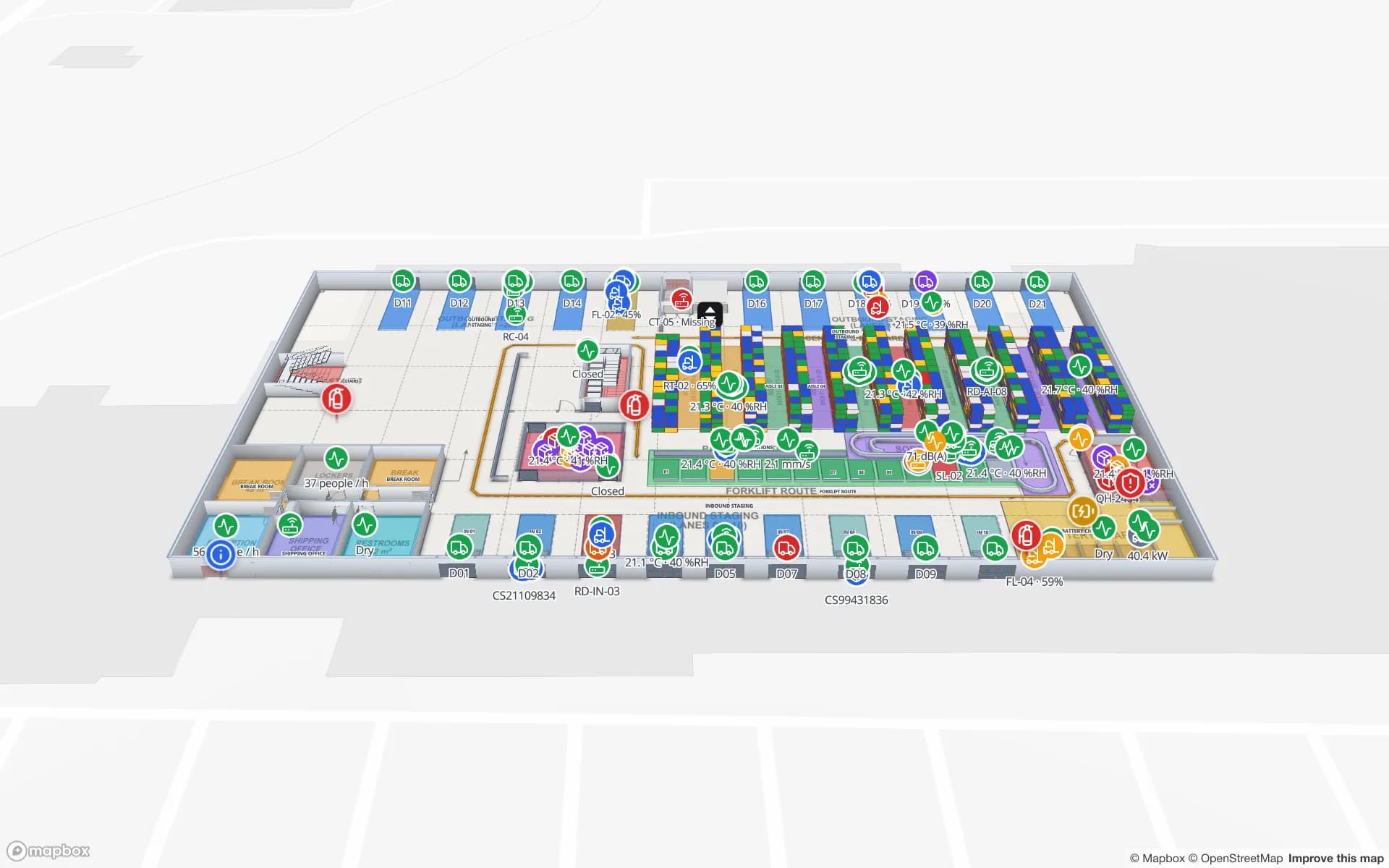
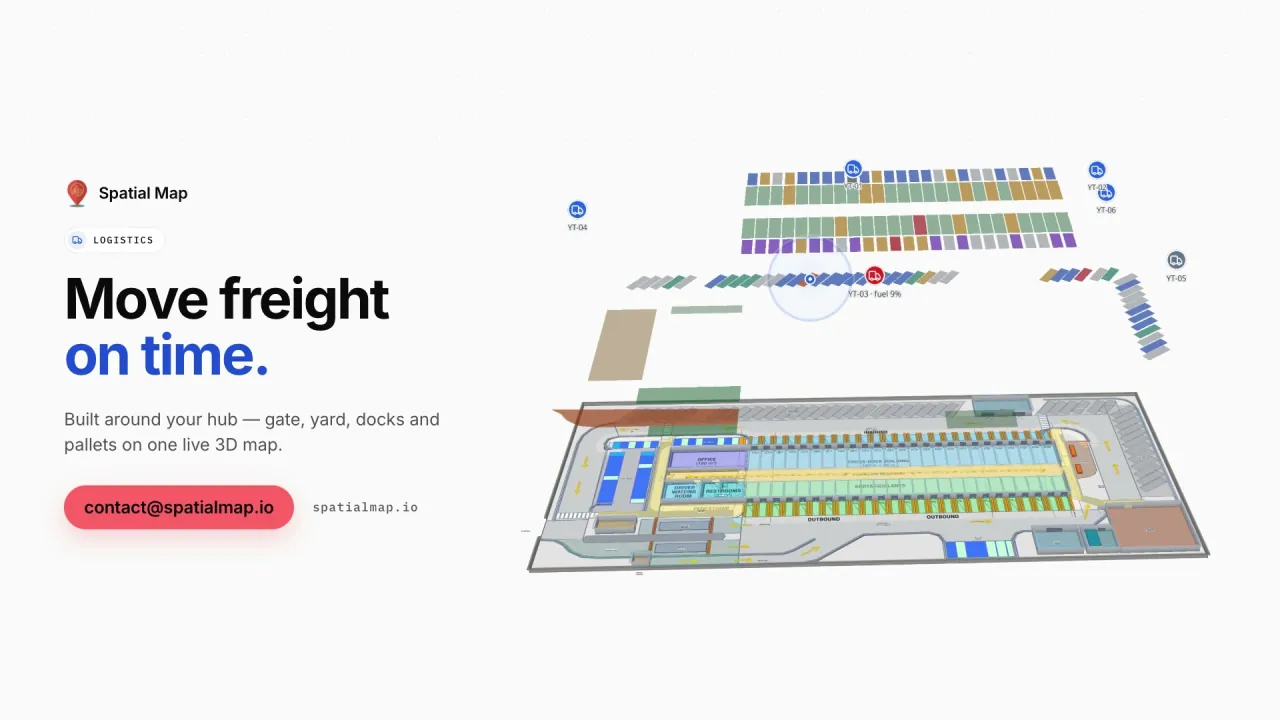
Logistics film: “Move freight on time” beside Eastport Cross-Dock and its trailer yard in 3D
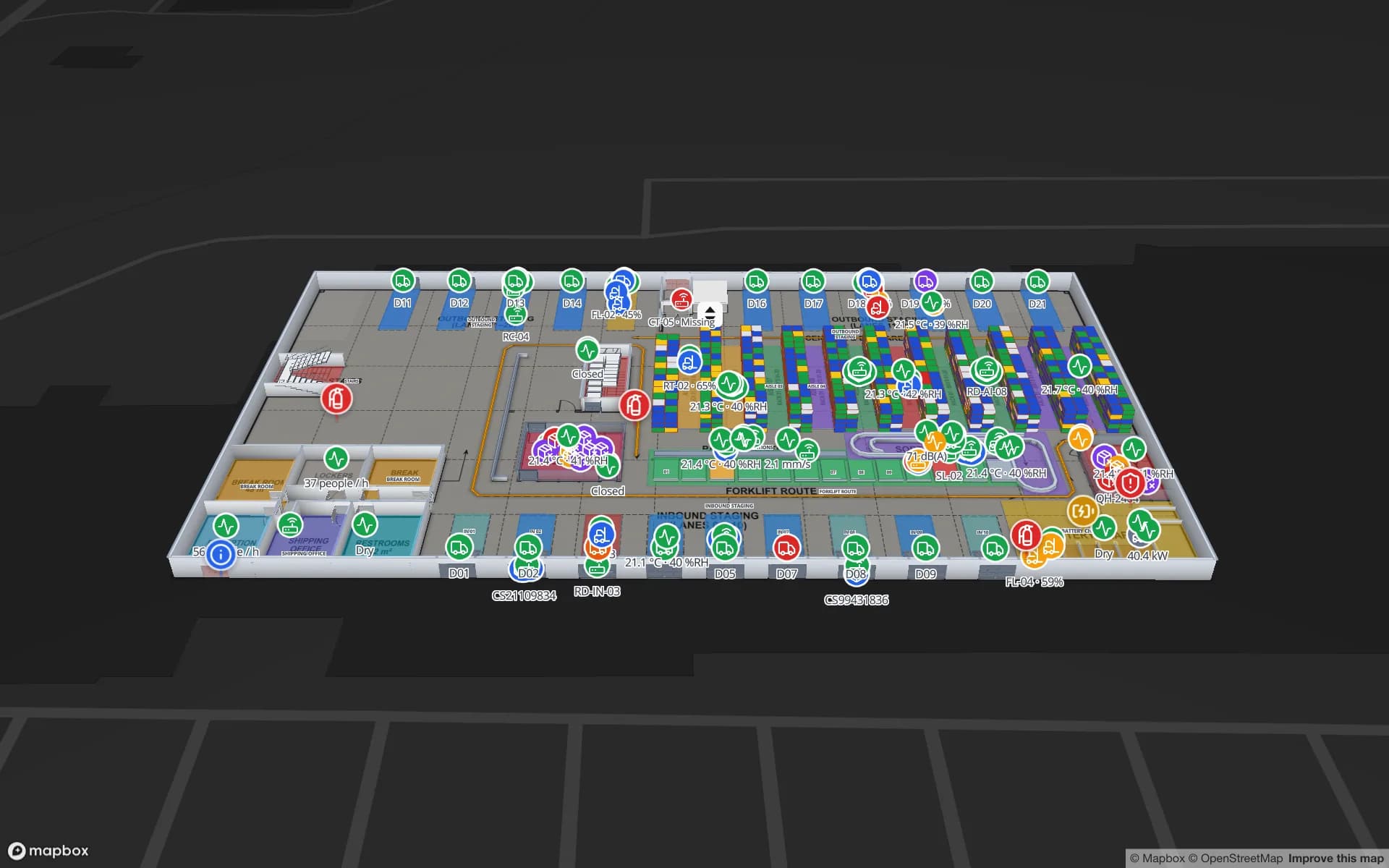
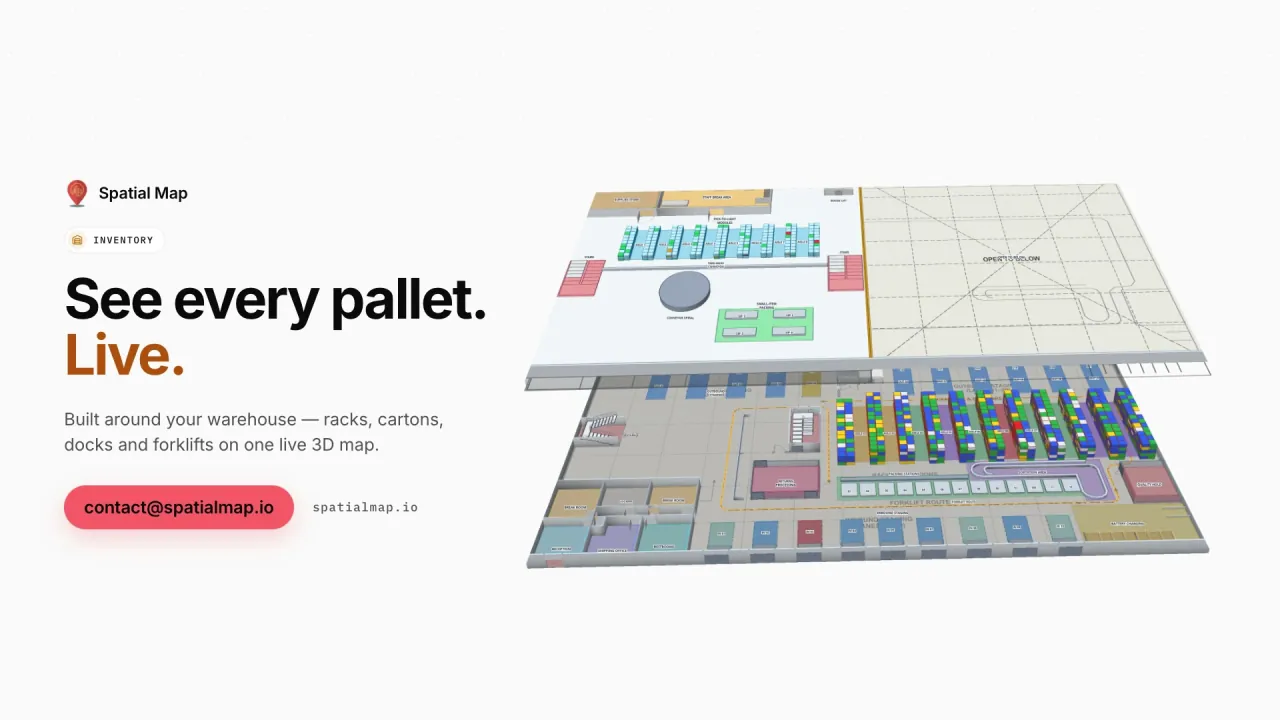
The Logistics film: Eastport Cross-Dock with 50 dock doors, 44 yard slots and 1,180 RFID pallets, a pallet in the wrong lane and short loads before cut-off.
Dock doors in the Eastport cross-dock demo
50
RFID pallets moving through Eastport
1,180
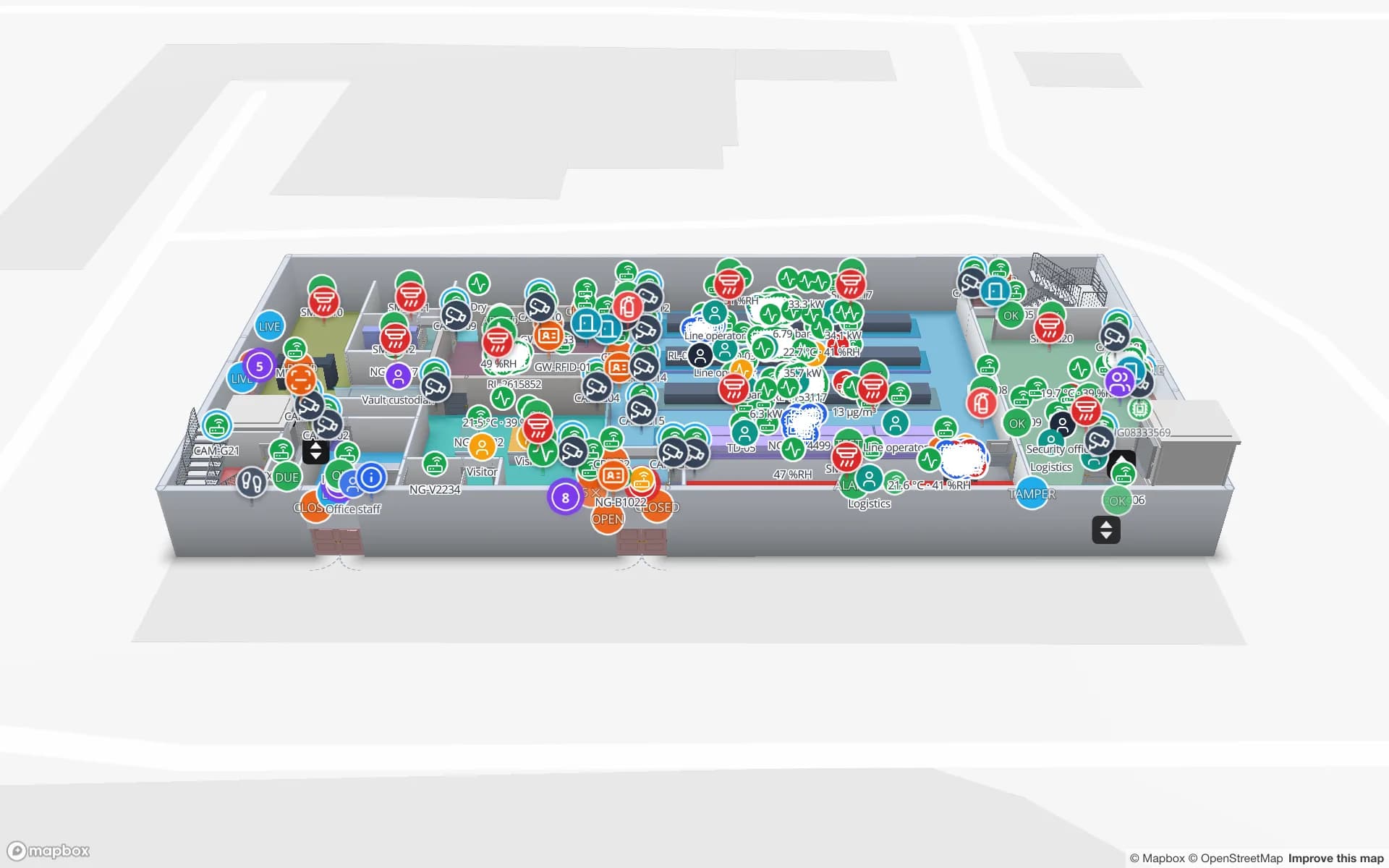
Tagged units in the Northgate secure-store demo
863
Mumbai airports: BOM and, since December 2025, Navi Mumbai
2

JNPA and the freight stations around Nhava Sheva

Jawaharlal Nehru Port Authority (JNPA) at Nhava Sheva, across the harbour from the city, is one of India’s largest container ports, and the gateway for much of western India’s trade. Around it, in Uran and along the roads to Panvel, sit container freight stations, empty-container yards and warehouses in the port’s special economic zone, where import boxes are de-stuffed and export cargo is consolidated against vessel cut-offs.

A freight station on the map has dock doors, a stacking yard and examination bays, each coloured from your terminal or WMS data. RFID-tagged pallets read at the doors show what came out of which container; a pallet staged in the wrong lane stands out before the truck leaves. The Eastport demo shows that on one site. Spatial Map does not connect to the port’s systems or customs; it shows what your own reads say.


Bhiwandi: godowns, multi-client sheds and the move to Grade-A

Bhiwandi, in Thane district north-east of the city, grew into one of India’s largest warehousing clusters because it sits between JNPA, the Mumbai market and the highways inland. It mixes old single-storey godowns, often with no usable plan, with newer Grade-A parks run by 3PLs for several clients at once.

For the older godowns, a measured sketch or a photographed plan is enough to start, and AI Map drafts racks and walls from it for you to check. For the multi-client parks, each client’s zone is an area you redraw when contracts change, stock is coloured by client from a WMS field, and each client gets a read-only link to its own floors. Warehouse indoor mapping covers the general case.

BOM and Navi Mumbai International Airport

Chhatrapati Shivaji Maharaj International Airport (BOM) has long been one of India’s busiest, squeezed into the middle of the city. Navi Mumbai International Airport, across the harbour, began commercial flights on 25 December 2025, so ground handlers, cargo agents and retail tenants now work across two airports that are still finding their rhythm together.

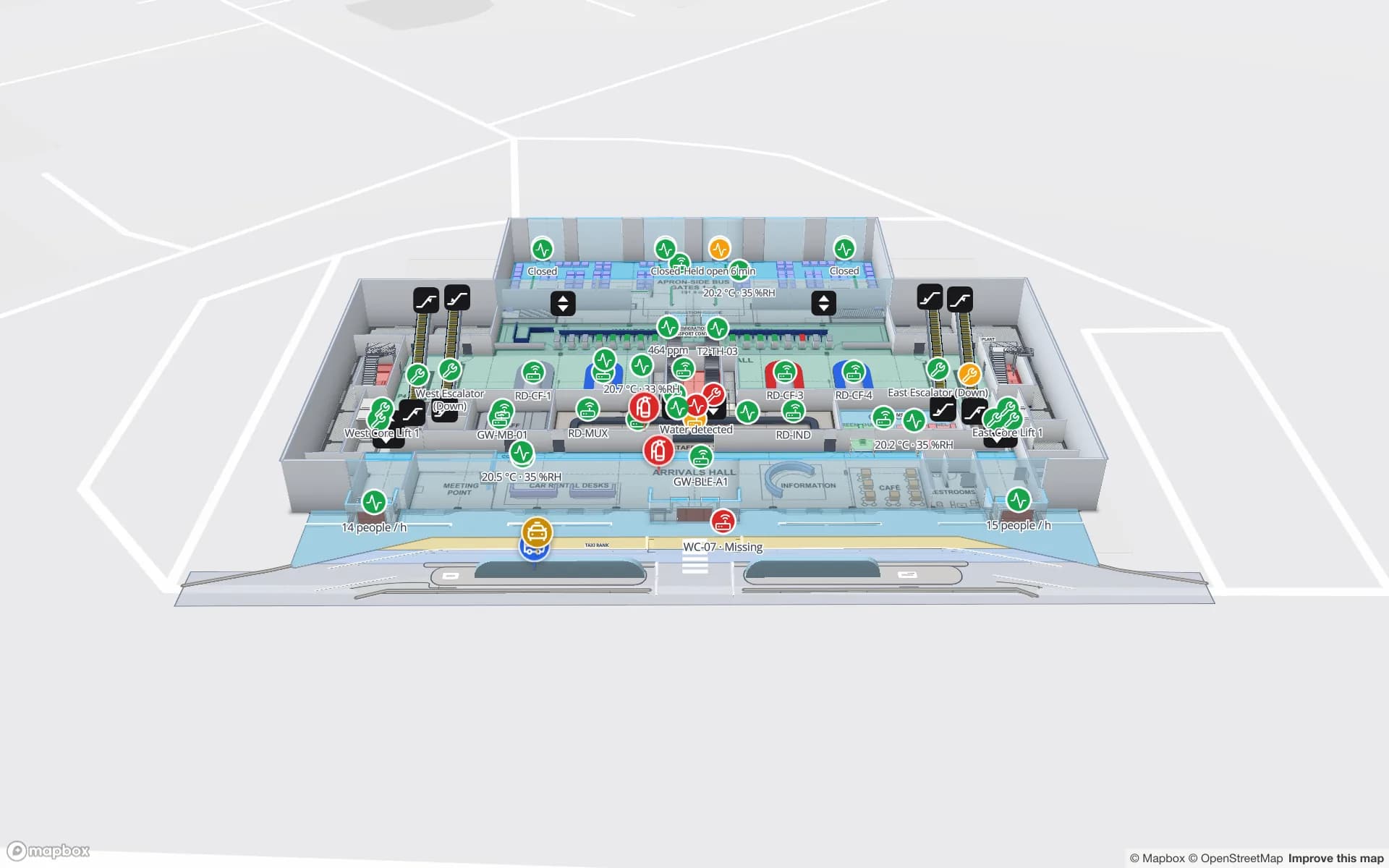
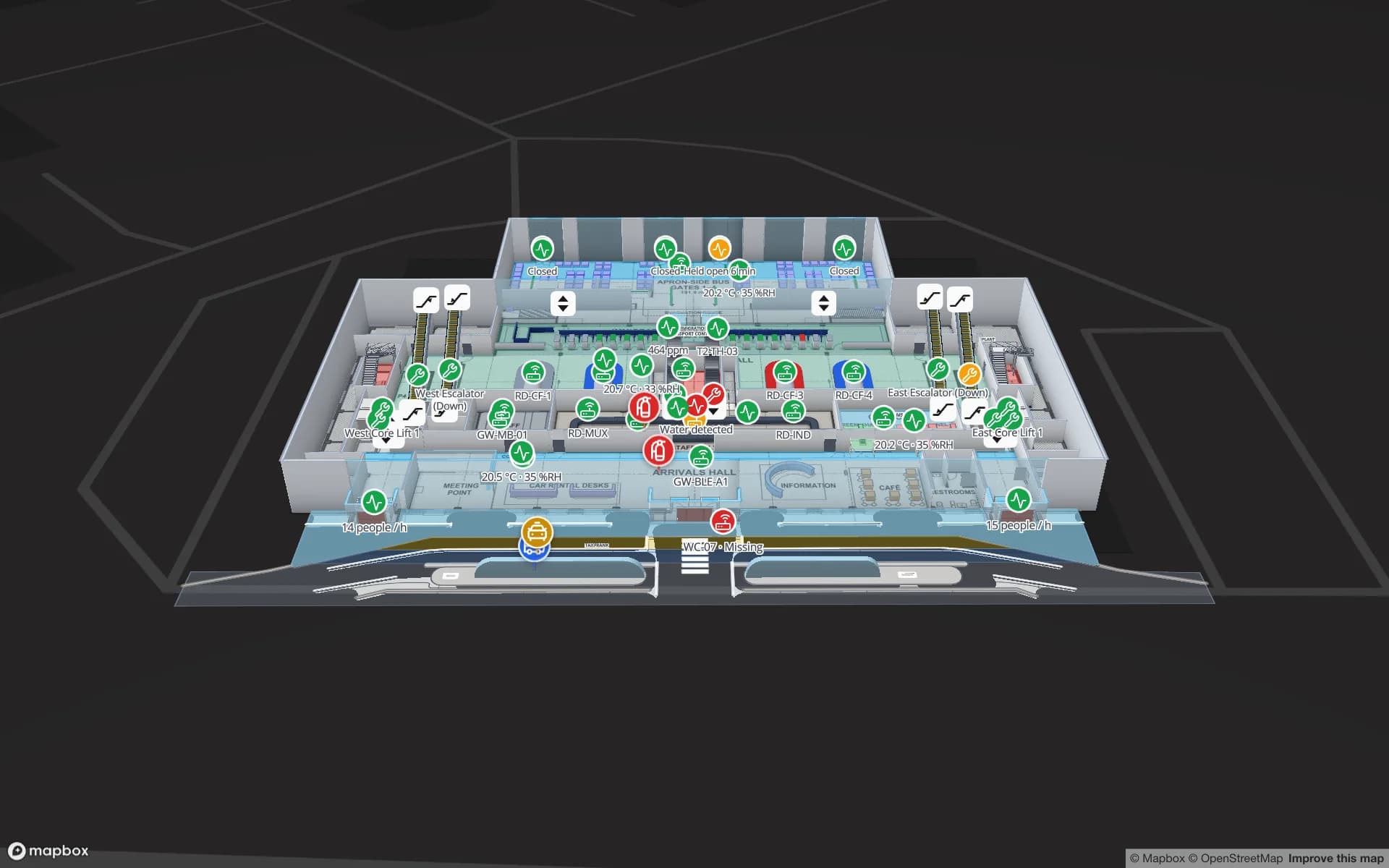
Each terminal, cargo shed or lounge is its own facility, grouped into one solution for teams that cover both airports. The Silverbay demo shows a terminal with bag tags read from bag drop to the carousel and zones coloured by crowding, and routes that cross floors by lift, escalator or stairs.

SEEPZ and high-value stock in vaults

SEEPZ in Andheri East, a special economic zone set up for electronics and gem and jewellery exports, is home to many jewellery manufacturing units. Gold, stones and finished pieces move between the vault, workbenches, quality control and the despatch desk, and every movement has to be accounted for at the end of the shift.

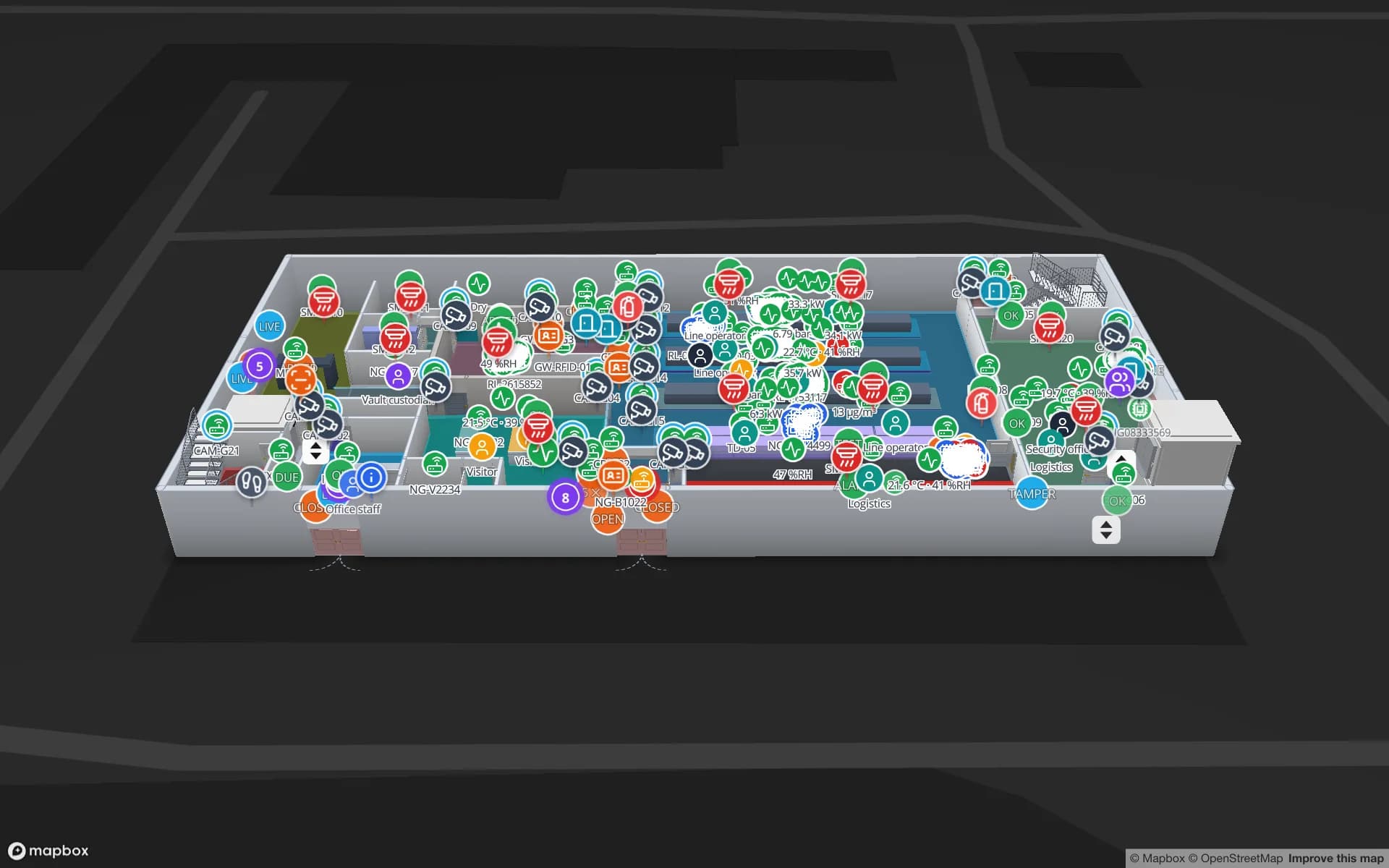
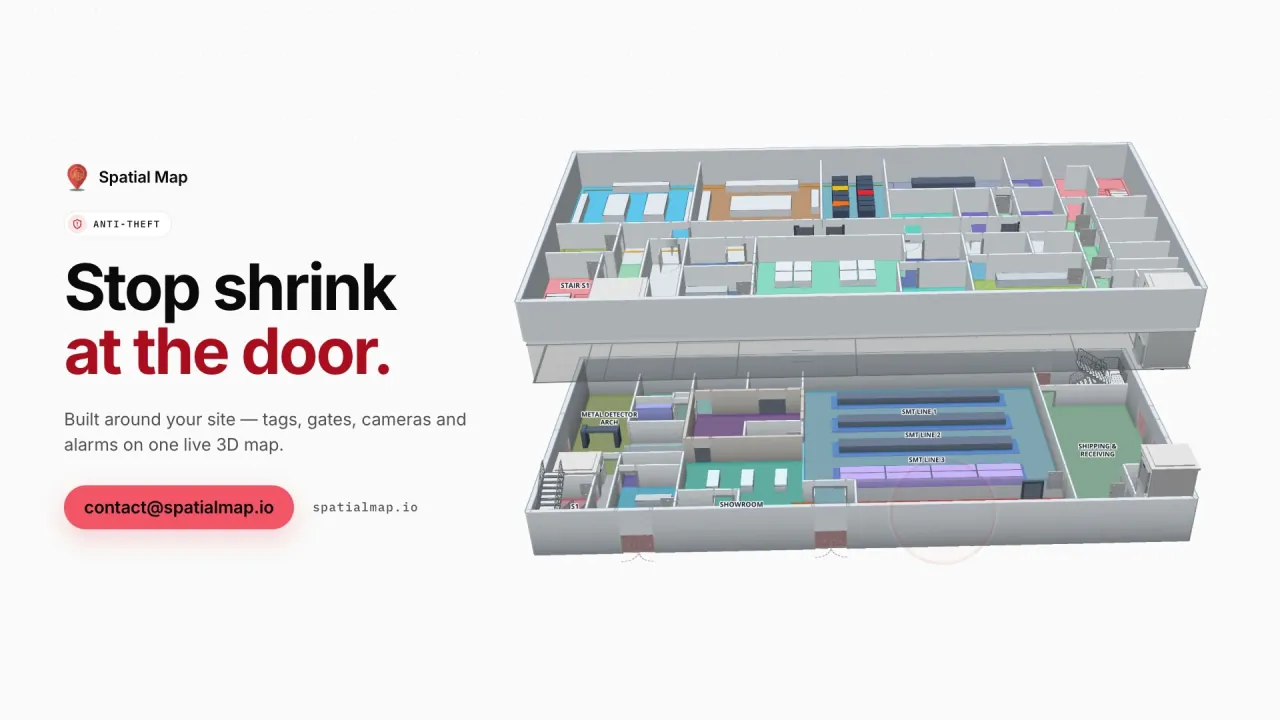
Trays and boxes tagged with RFID and read at each room door show exactly where stock went; the History player replays a tray’s path for an investigation. The Northgate demo shows the same pattern for electronics: 863 units followed reader by reader through the cage and vault. Your vault access control and CCTV stay in charge of security.

Monsoon months: water, humidity and stock on the floor

The south-west monsoon brings Mumbai very heavy rain from around June to September, and low-lying warehouses and basements can take in water. Cartons stacked on the floor, paper-based packaging and electronics are the first casualties.

Water-leak and humidity sensors placed on the plan turn that risk into something visible: an alert rule fires in the app when a leak sensor reports water, the map shows where, and a humidity heatmap shows which aisles stay damp after the rain stops. The environmental sensors example shows the setup.

How Spatial Map does it

From quay to godown to store, on one map

  1. 01

    Pick the first building

    A freight station near JNPA, a Bhiwandi shed or a SEEPZ unit — whichever hurts most.

  2. 02

    Map doors, bays and vaults

    Draw dock doors, yards, racks and secure rooms on the uploaded plan.

  3. 03

    Feed reads and sensors

    RFID middleware, the WMS and leak or humidity sensors post rows to tables.

  4. 04

    Set monsoon and door alerts

    In-app alerts for water, silent doors or stock that sits too long, with Show on map.

What Mumbai teams track

Container freight stations

Dock doors, yard slots and pallets de-stuffed from each container.

Bhiwandi multi-client sheds

Client zones, bin stock and RFID cartons, with a link per client.

Jewellery vaults and workrooms

Tagged trays followed between vault, bench, QC and despatch.

Airport terminals and cargo sheds

Zones by crowding, bags by read point, across BOM and Navi Mumbai sites.

See it on real demo facilities

Fictional names, real floor plans, live sensors, RFID, BLE tags and gateways — open any of them in the browser.

All 13 demo facilities

Questions from Mumbai teams

No. It has no link to port community or customs systems. It shows what happens inside your own building, from your own reads, WMS and sensors.

Yes. Measure the outer walls and main columns, sketch the racks, photograph the sketch and upload it at real size. AI Map can draft from it, and you correct the result. Our services team can do this remotely for a fixed price.

No. Alerts appear in the app — the bell, a toast and the Alerts page — for the roles or members you choose. There is no email, SMS or push. Many teams keep the Alerts page open on a control-room screen.

If the trays are tagged and read at each door, yes: each read places the tray at that door, and the History player replays its path. Accuracy depends on your readers and tags; Spatial Map shows what they report.

The same as anywhere, in US dollars: a 7-day free trial for 5 facilities, then Pro at $60 a month or $600 a year for up to 4 facilities. A freight station, two godowns and a vault fit in one Pro plan.

Map one Mumbai building before the next monsoon.

Start the free trial, or send a plan or sketch of your freight station, godown or vault through the contact form.