India · RFID for warehouses, retail and manufacturing

RFID tracking in India for warehouses, apparel retail and factories

Spatial Map shows RFID tracking in India where it happens: every read from your 865–867 MHz readers placed on a live 3D plan of the warehouse, store or plant. Most people in India already carry a passive UHF tag on their car windscreen — FASTag, used at national-highway tolls — and the same technology now counts cartons at dock doors, apparel on store rails and returnable bins on assembly lines. Your integrator supplies the tags and readers; Spatial Map makes the reads visible on the floor.

No credit card. Runs in the browser. Pro is $60/month for up to 4 facilities. Book a demo

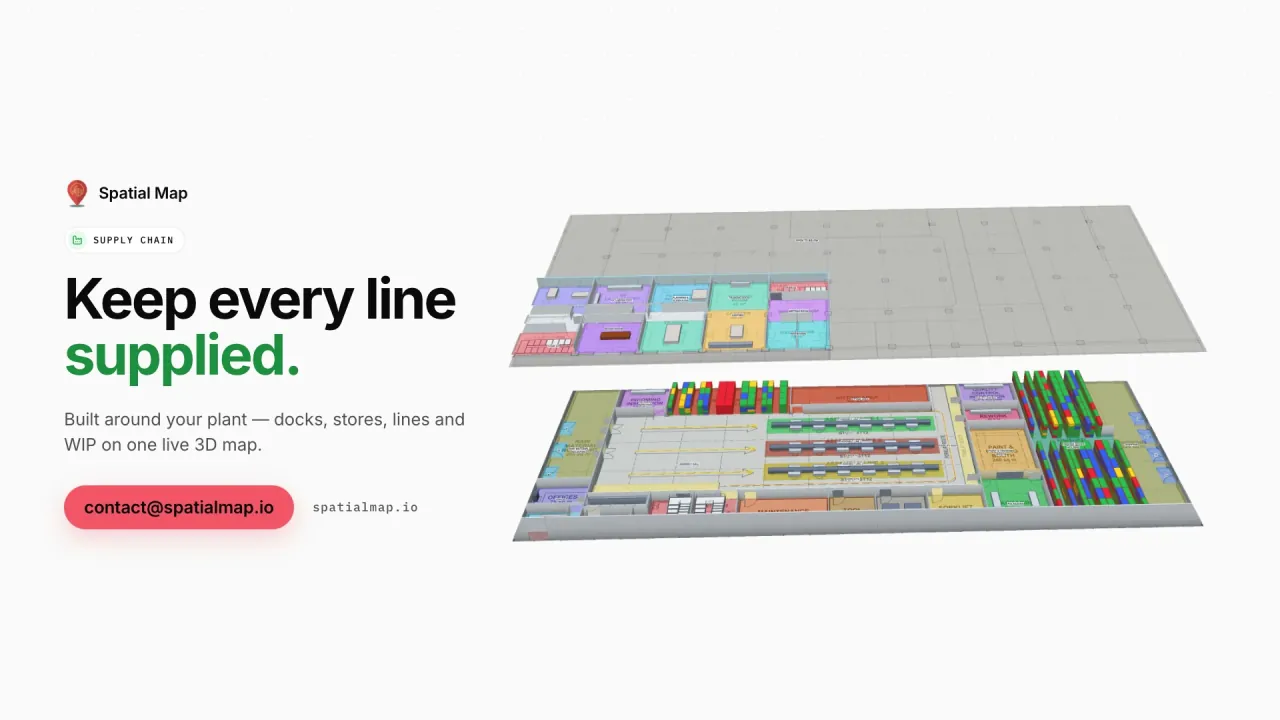
Inventory film: “See every pallet. Live.” beside the two floors of Crestline Fulfillment Center in 3D
The Inventory film: Crestline Fulfillment Center with 627 RFID cartons followed door to door and every rack location coloured by status.
RFID cartons followed door to door in the Inventory film
627
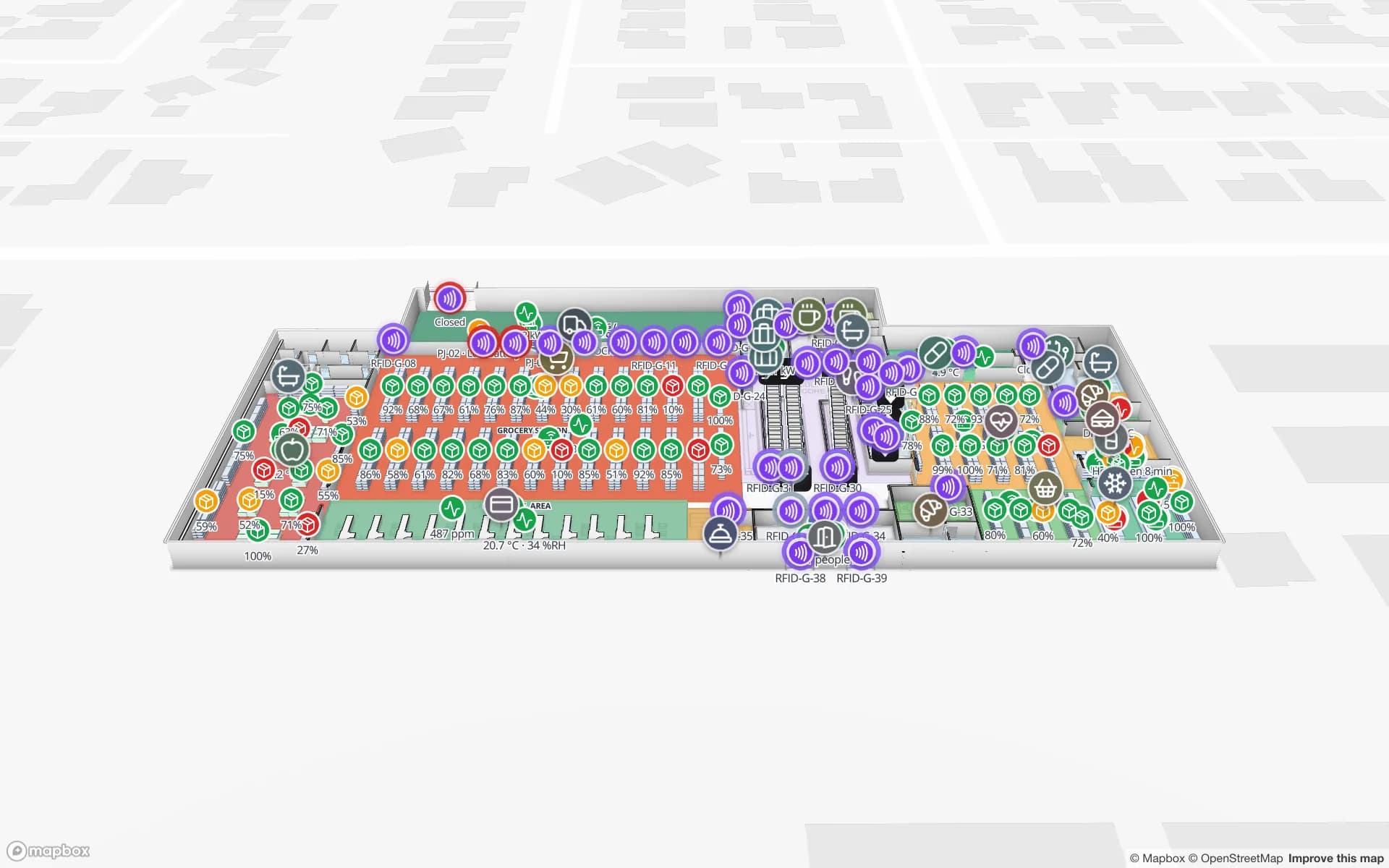
RFID readers in the Retail Mart demo store
85
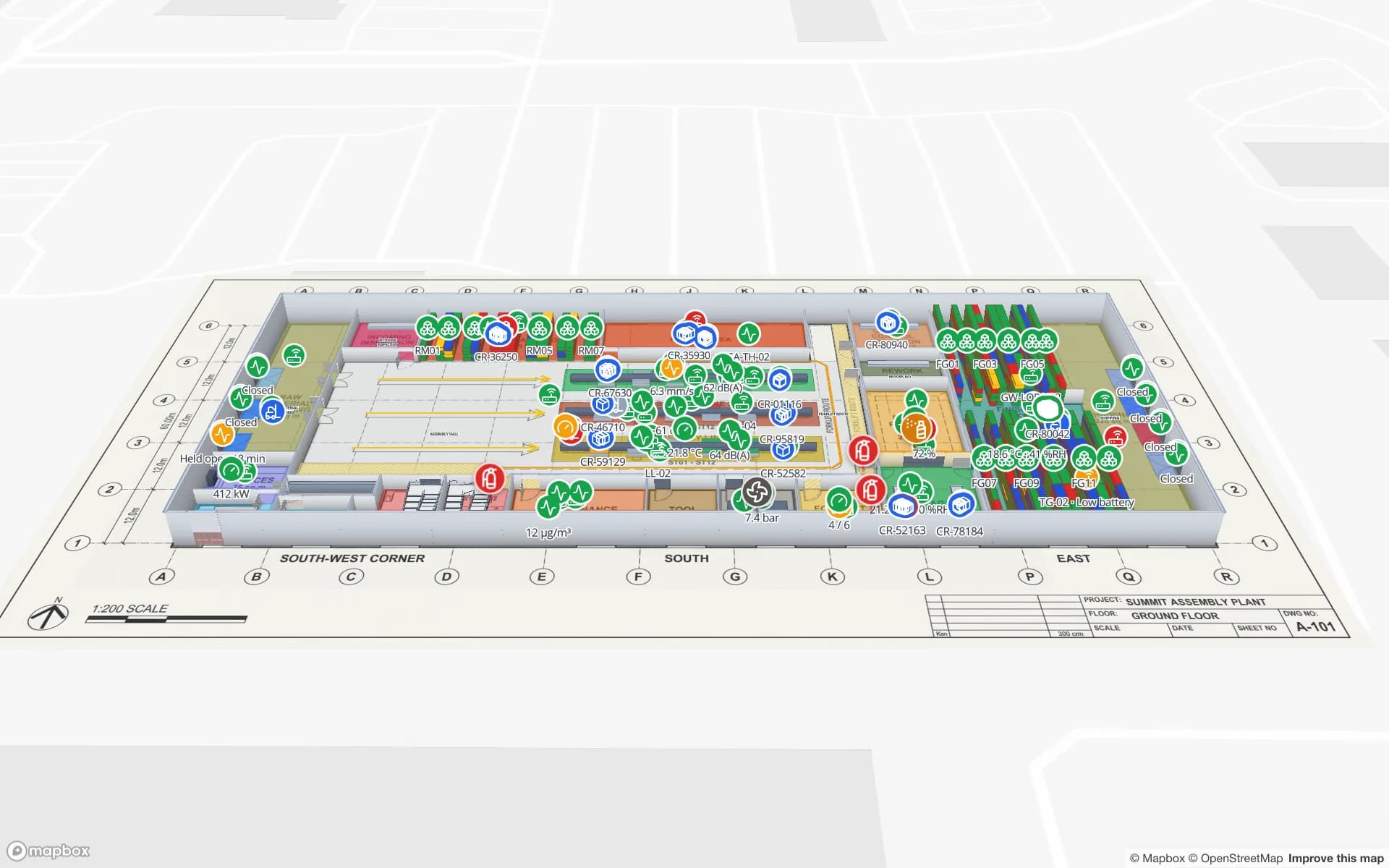
RFID WIP carriers in the Summit plant demo
351
Reader drivers — any compliant reader works
0

What “RFID companies in India” supply, and where Spatial Map fits

India has a wide field of RFID integrators and distributors: they sell tags and labels, printers and encoders, handhelds, fixed readers and portals, and they install and tune them on site. What they usually deliver as software is middleware and a dashboard of read counts. What is often missing is the building: which door a read came from, which rack a carton sits in, which zone went quiet.

Spatial Map is that layer. It sits above the integrator’s middleware, never between the reader and the antenna. For the generic picture of tags, readers and middleware see RFID tracking software; for the device side see RFID hardware integration.

  • Your integrator: tag selection, encoding, readers, antennas, portal tuning, middleware.
  • Spatial Map: the floor plan, read points named as the middleware names them, live markers, history playback, alerts in the app and reports.
  • Your developers or our [services team](/custom-software-development/integrations): the small relay that posts batches of reads to a Spatial Map table.


The Indian band in practice

UHF RFID in India runs at 865–867 MHz, licence-exempt under rules from the Wireless Planning and Coordination wing of the Department of Telecommunications, within limits on radiated power. A reader bought for the US band (902–928 MHz) must not simply be switched on here; ask for India region settings and WPC equipment type approval. Tags are rarely the problem — most modern inlays are designed for every regional band — but read range and portal tuning are worth testing on your own goods, especially metal and liquids.

None of this touches Spatial Map, which only ever sees rows: tag ID, read point, time, and whatever your middleware adds. That is why the same map works with a fixed portal, a handheld count or a gate.

Dock doors in 3PL warehouses

In a multi-client warehouse, the dispute is usually about what arrived and what left. Portal readers at inbound and outbound doors produce a record per carton or pallet; compared with the ASN or the dispatch list, that record settles shortages in minutes instead of days.

On the map, each dock door carries its last read and read count, staging lanes show what is waiting, and a pallet’s trail can be replayed in the History player. An alert rule on the doors table can flag a door not updated for 30 minutes during a shift — in the app, as a bell and toast, not by SMS. The Eastport demo shows 50 dock doors and 1,180 RFID pallets on one plan.

Returnable bins and trolleys in auto-component supply

Automotive clusters around Pune, Chennai and NCR run on returnable packaging: plastic bins, metal trolleys and racks that shuttle between component suppliers and assembly plants and are supposed to come back. Tagging them and reading them at the plant’s goods-in and dispatch doors turns lost trays into a number per supplier.

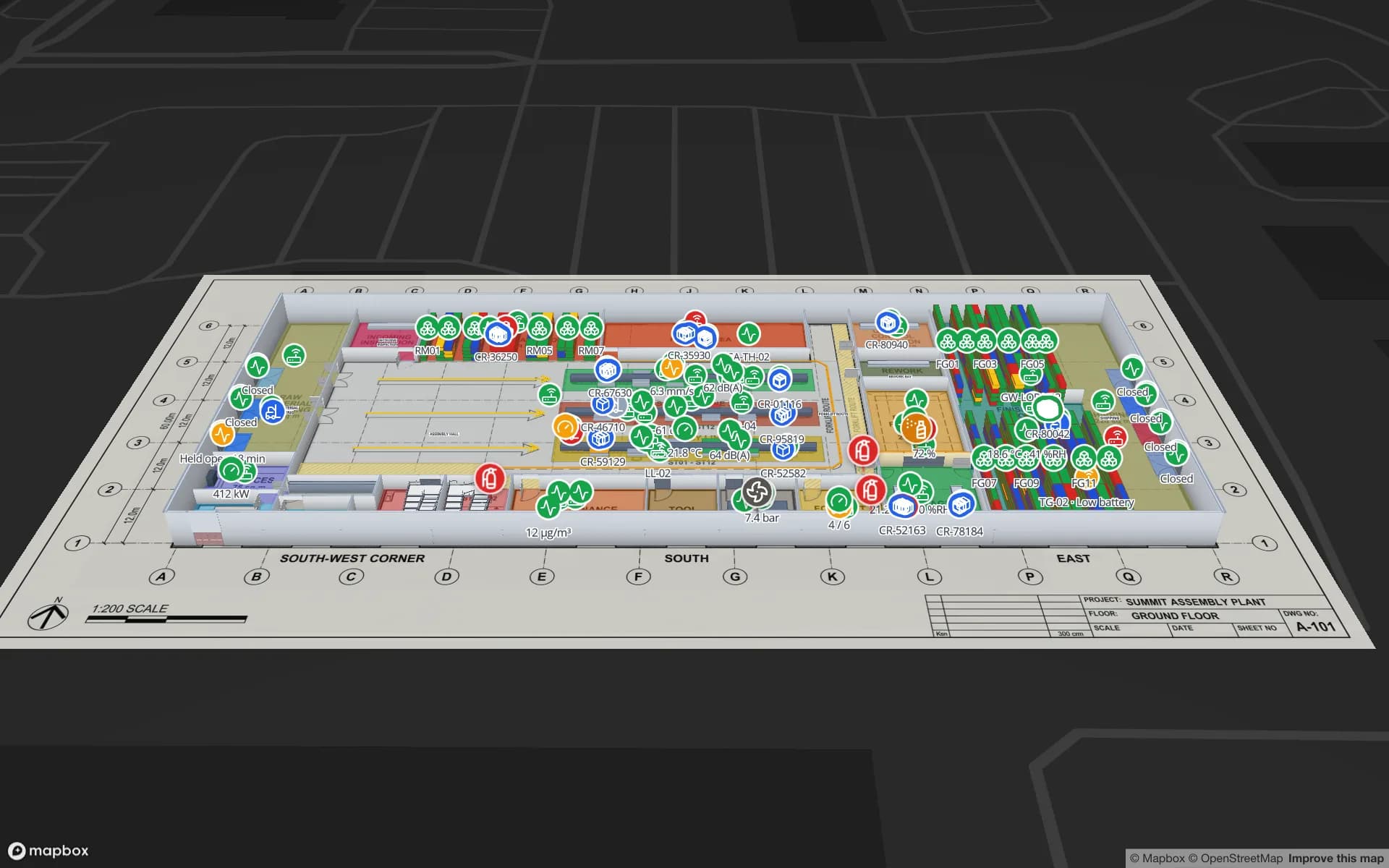
Inside the plant, the same tags show WIP carriers moving between stations. The Summit Assembly demo follows 351 RFID WIP carriers across three assembly lines and seven docks, and traces a held lot to the line it starves.

Apparel on the rail and at the exit

Apparel is where Indian retail RFID usually begins, often because the label arrives already encoded from the supplier. A handheld sweep gives the store count in minutes; readers at the stockroom door and the exits show replenishment gaps and what left the building.

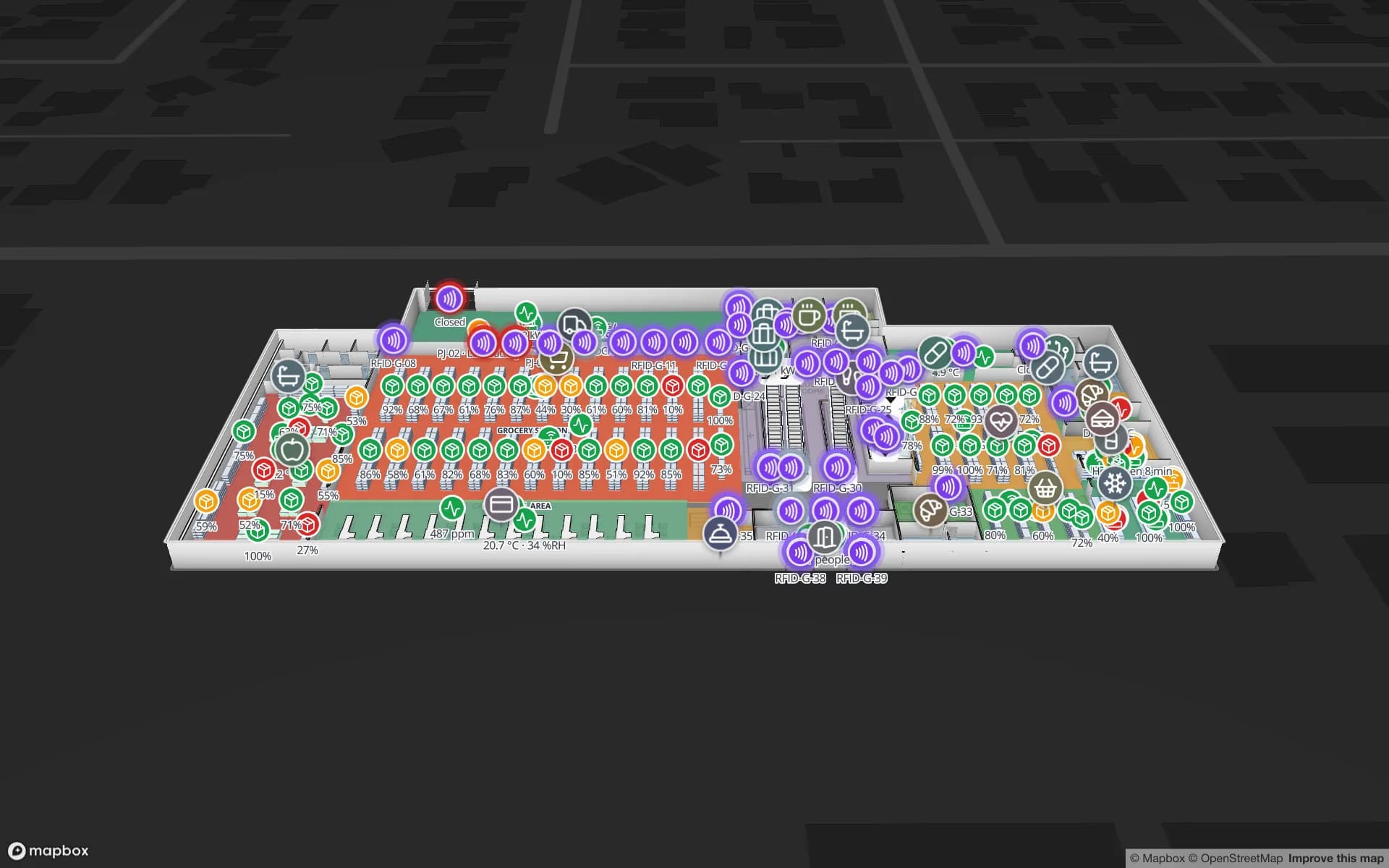
Spatial Map places each reader at its door on the store plan and colours one that has stopped reading, so a dead portal is noticed before the next count. Your EAS or RFID gates still sound the alarm; the map gives loss prevention a trail. See RFID for retail stores and the Retail Mart demo.

How Spatial Map does it

An RFID rollout in India, with the map in it

  1. 01

    Pilot one door or one aisle

    Your integrator fits a portal or runs a handheld count on a few thousand tagged items.

  2. 02

    Map that building

    Upload the plan, draw the racks and doors, and name each read point exactly as the middleware does.

  3. 03

    Relay reads in batches

    Middleware posts reads to a table over HTTPS with a bearer key, or exposes a REST endpoint to poll.

  4. 04

    Prove it, then extend

    Compare reads with the WMS for a month, set door alerts, then add doors and sites.

RFID use cases for Indian operators

3PL inbound and dispatch

Cartons and pallets read at every door and checked against the ASN.

Returnable bins and trolleys

Packaging counted in and out at goods-in and dispatch, per supplier.

Apparel store counts and exits

Rail counts by department and exit reads on a multi-floor store.

Rack-level stock in fulfilment

Bins coloured from the WMS beside RFID carton reads.

See it on real demo facilities

Fictional names, real floor plans, live sensors, RFID, BLE tags and gateways — open any of them in the browser.

All 13 demo facilities

RFID in India — frequently asked questions

No. Spatial Map works above whatever your integrator installed. As long as their middleware can post rows over HTTPS or expose a REST endpoint returning JSON, GeoJSON or CSV, the reads appear on the map.

Only if it supports the Indian 865–867 MHz band and is approved for use here. Readers built for the US 902–928 MHz band should not be operated in India. Spatial Map is unaffected either way, because it never talks to the reader.

Not always. Where items are few and staff counts are cheap, barcode cycle counts may be enough. RFID tends to pay off with many items per location, frequent counts, disputes at the dock or high-value stock. A pilot on one door or one aisle answers the question with your own numbers.

No. Encoding and printing stay with your printer and middleware. Our services team can build an encoding or count app as a custom project; the product itself shows reads on the map.

In batches. The table write API takes bulk upserts at up to 60 requests per minute per key, so a relay groups reads every few seconds. Spatial Map can also poll your middleware’s REST endpoint on a schedule instead.

Put your RFID reads on the floor plan.

Start the free trial and open the Eastport and Retail Mart demos, or send us a plan and an export of a day’s reads through the contact form.