Kaohsiung · The port, Linhai Industrial Park and the zones beside it

RFID tracking in Kaohsiung: tags on steel, in the heat and in the rain

Spatial Map puts RFID reads on a live 3D map of the building where they happen, so a tag at a dock door becomes a pallet in a lane, a crate at a gate or a spare part on a shelf. RFID tracking in Kaohsiung has two difficulties that tags and readers meet before the software does: a great deal of metal, from steel plants to shipyards, and a hot, wet climate. Your readers and middleware do the reading; Spatial Map shows each read in place. The interface is available in English and Chinese; check in the trial that it suits your team.

No credit card. Runs in the browser. Pro is $60/month for up to 4 facilities. Book a demo

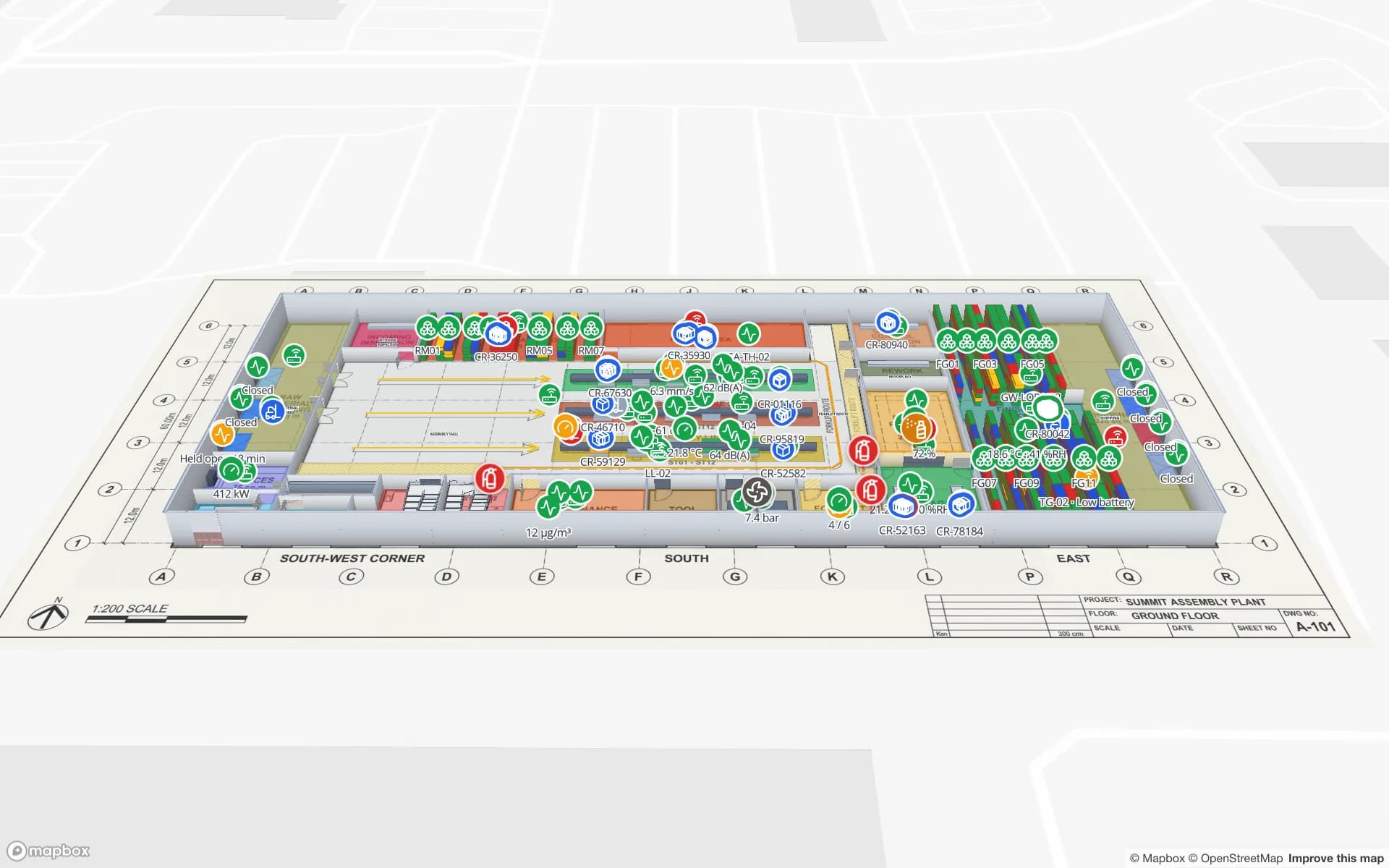
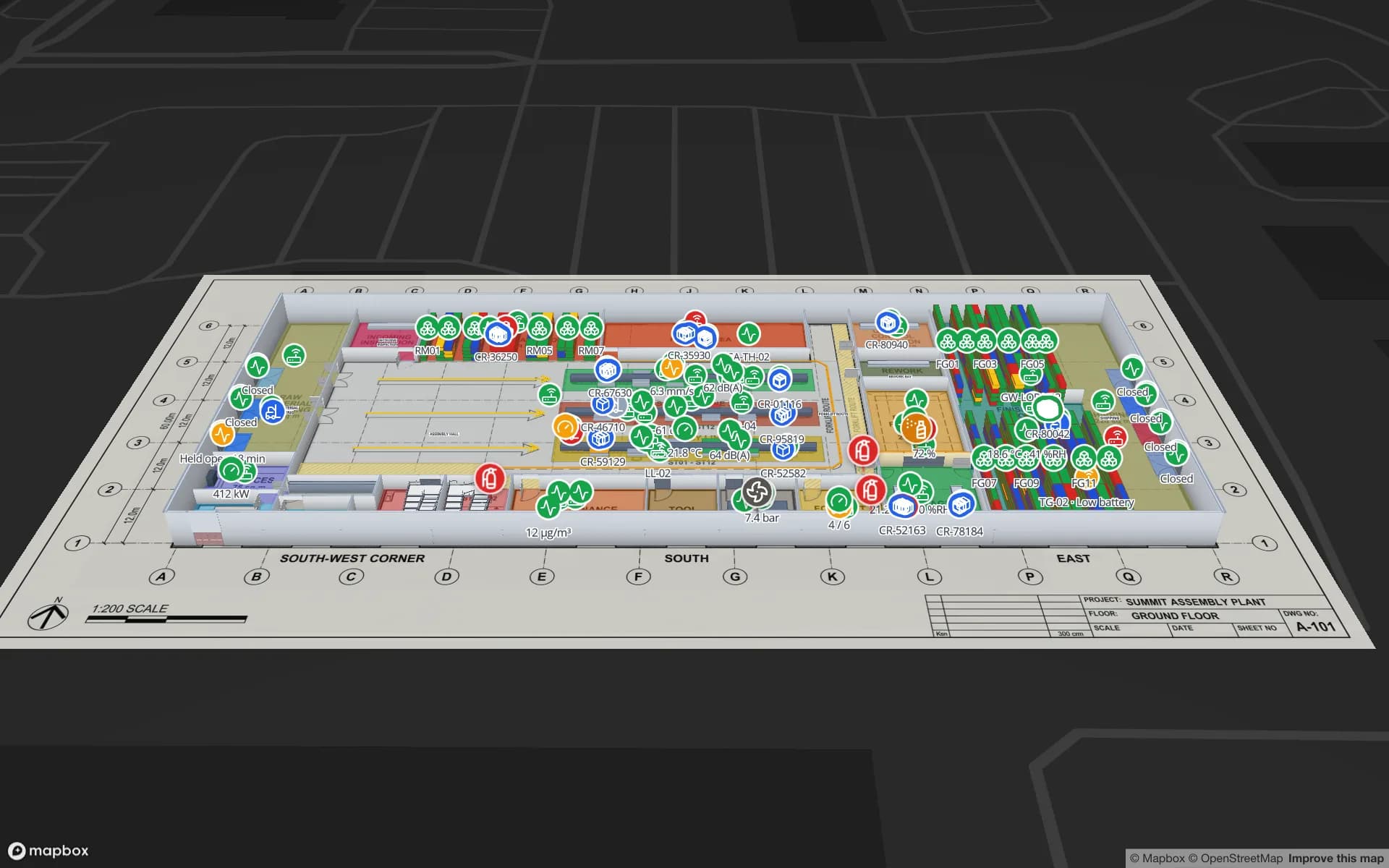
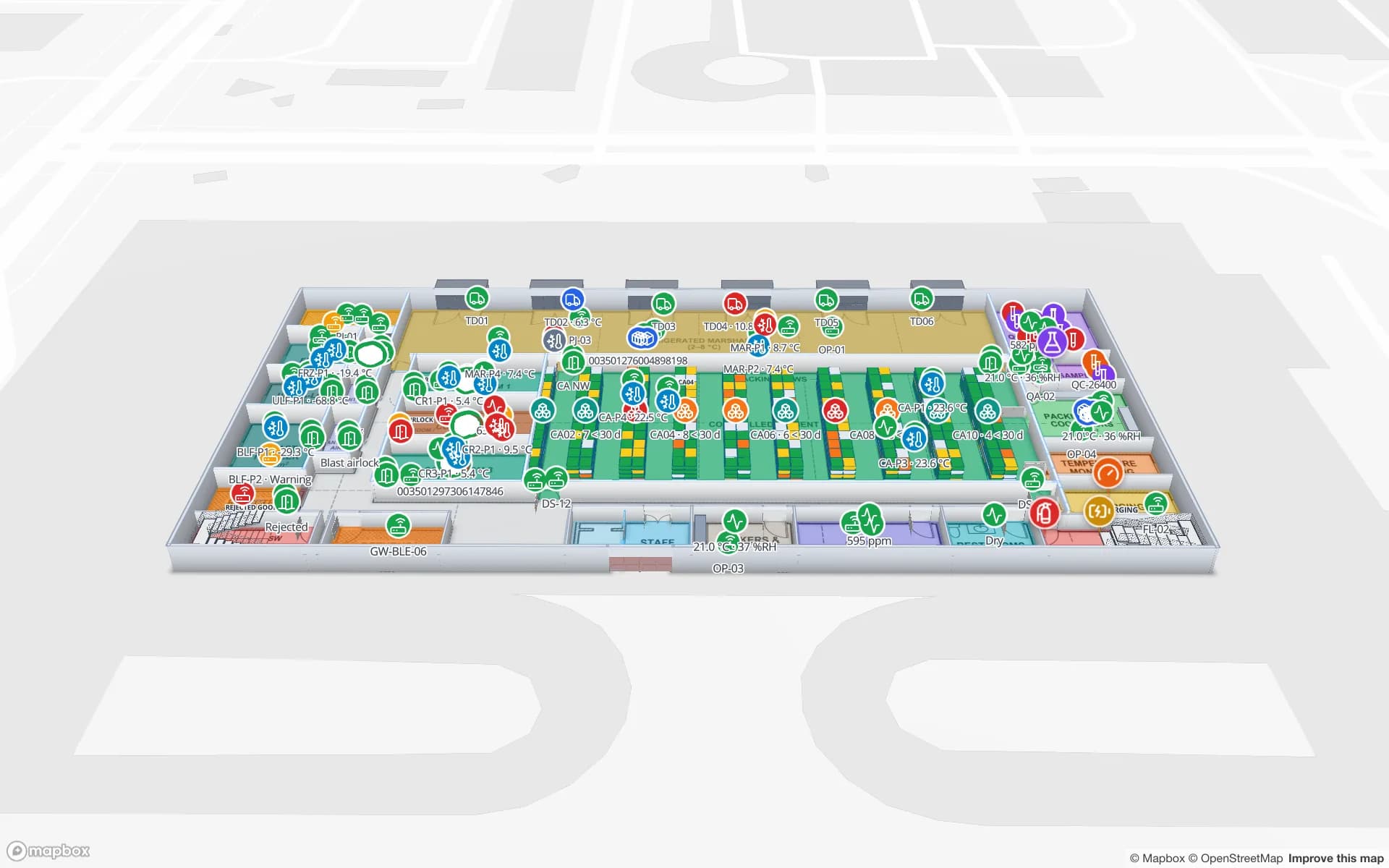
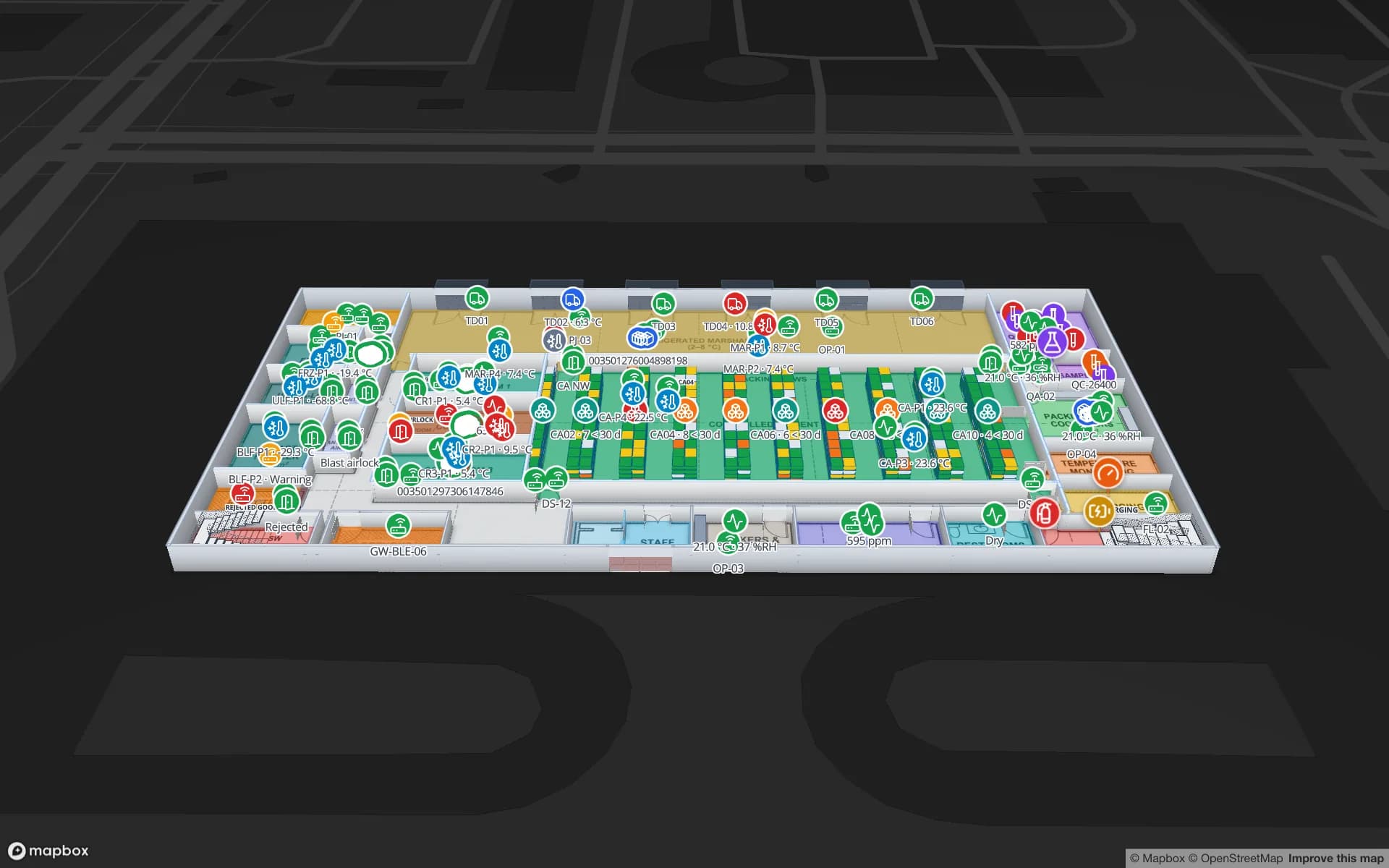
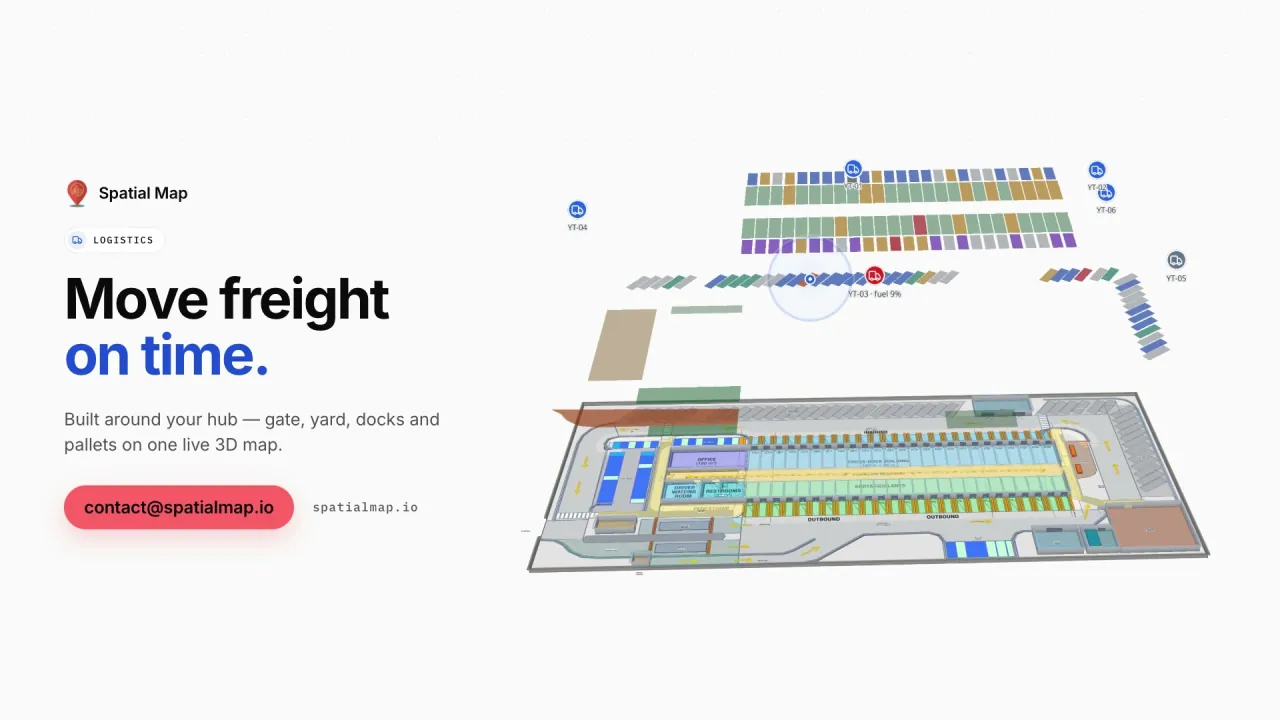
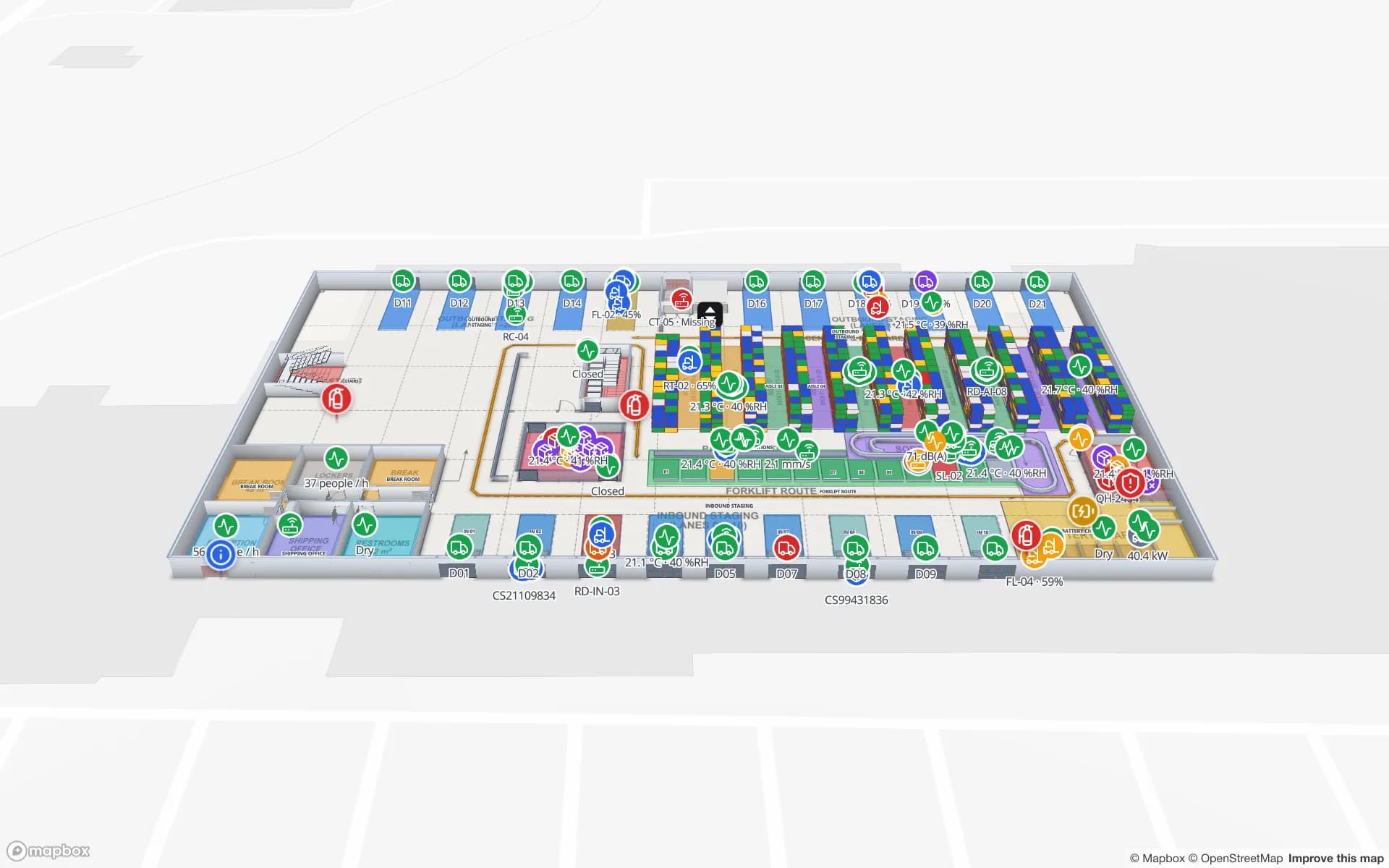
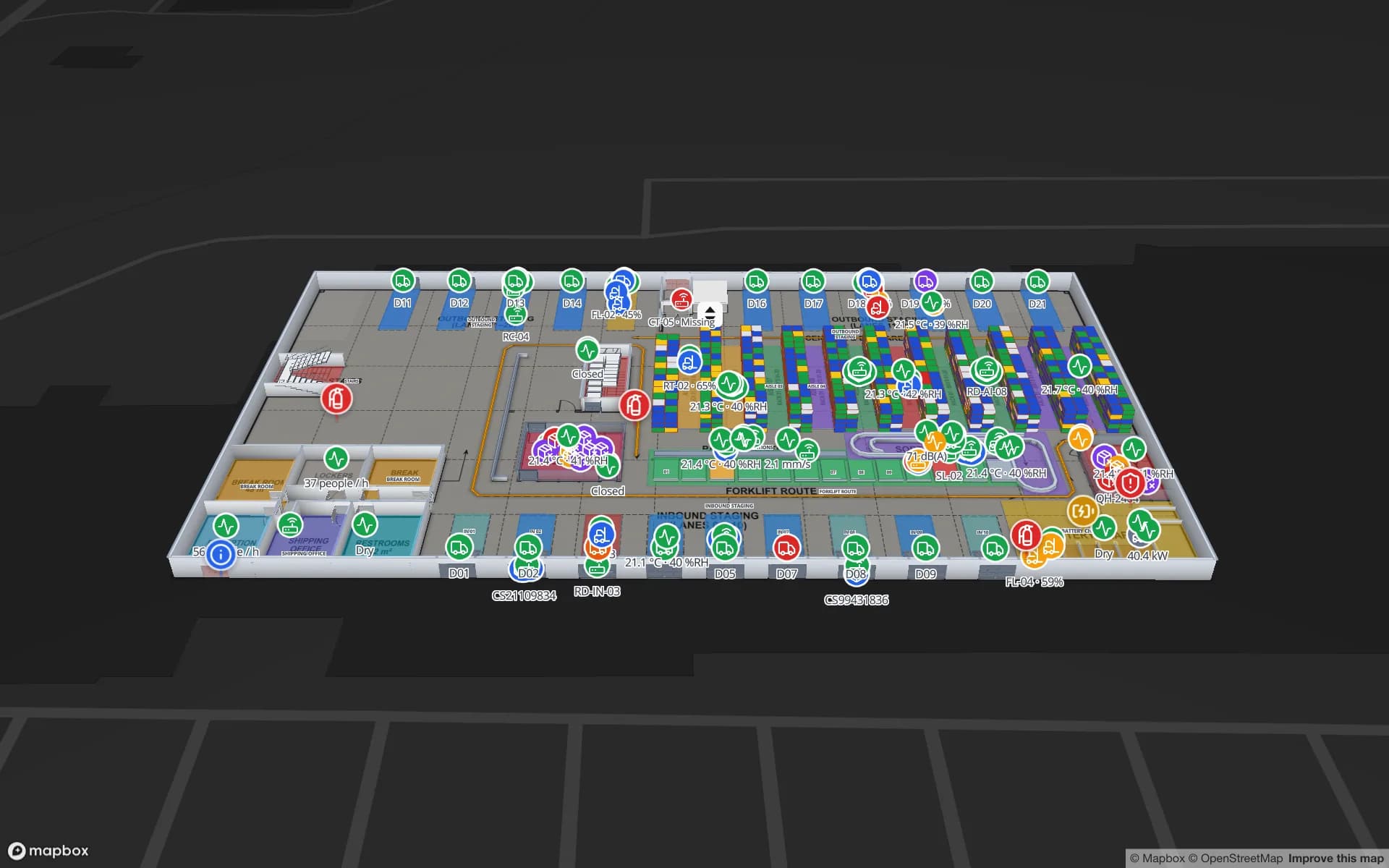
Eastport Cross-Dock Freight Hub, a cross-dock & trailer yard demo, in the Spatial Map 3D viewer with live device markers
Eastport Cross-Dock Freight Hub
Eastport Cross-Dock, a demo freight hub: 50 dock doors, 44 yard slots and 1,180 RFID pallets, with the gate and weighbridge.
Dock doors in the Eastport cross-dock demo
50
RFID pallets moving through Eastport
1,180
Interface languages, including Chinese
6
Free trial, up to 5 facilities, no card
7 days

A port built in stages, and a second port cut through in 1975

Takao, as the port was then called, opened to western traders in 1864. The Japanese administration built the modern harbour in stages: the first was finished in 1908, the second in 1912, and a third was halted when the Second World War began. The “second port” was made in 1975 by cutting through the land bridge between Siaogang and Cijin, and a cruise terminal opened in 2023. The container terminals are numbered along both harbours, and the airport and one terminal share Siaogang District.

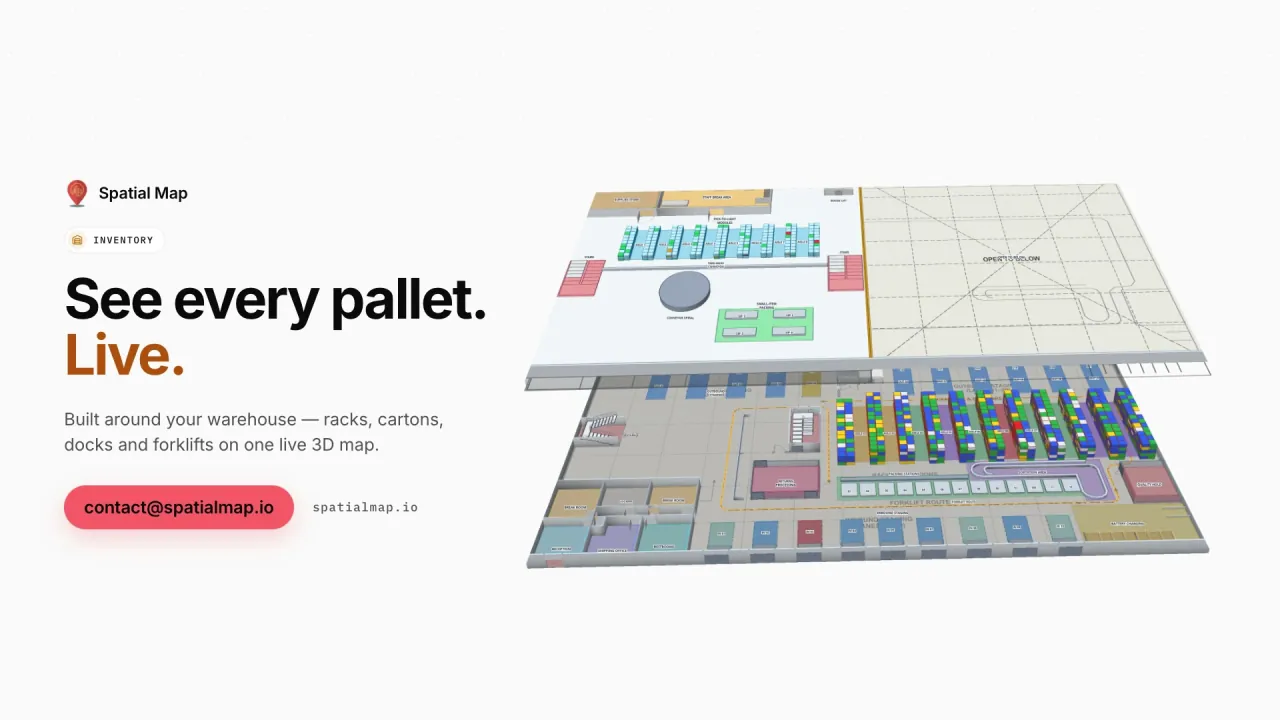
A port that has grown for 150 years leaves buildings of every age behind it: brick sheds near the old harbour, steel-frame warehouses from the 1970s, new distribution centres by the second port. Few of them have a current drawing. Upload what exists — a PDF, a DWG (AutoCAD R2004–R2018, placed as a picture), a photograph of a plan — align it at real scale and let AI Map draft walls, doors and racks for a person to review. The general case is in warehouse indoor mapping, and the national picture, including the ports corporation and the free trade zones, is on the Taiwan page.
Linhai Industrial Park: steel, shipyard and petrochemicals

Linhai Industrial Park is a waterfront park of about 2,200 hectares, completed in the mid-1970s, with a steel mill, a shipyard and a petrochemical complex among its industries. Heavy industry is where spare parts, tools, drums and returnable cylinders matter most and where tags struggle most: metal detunes UHF antennas and reflects the signal, and a tag stuck flat on a steel drum may not read at all.

Metal-mount tags and spacers exist for this reason, and which one works depends on the surface and the read distance, so test on your own steel before you buy for a whole plant. The guide to RFID tags for metal, liquids and apparel lists what to check, and how far RFID can be read explains why range changes with the surface. Once reads arrive, the map shows each drum, cage or tool box in the store or yard it was last seen in. Your readers and middleware post rows through the table write API.

The zones beside the port: where a carton must be counted at the gate

An economic history of Taiwan places a special economic zone at Kaohsiung Port in the 1960s as the forerunner of the wave of foreign direct investment that followed, and one of Taiwan’s seven free trade zones is at Kaohsiung. Both are about the same thing: components and goods come in, are processed or stored, and leave, and everything counted in must be accounted for going out.

Inside a zone building, tag each carton or crate at packing, read it at the despatch door, and the map shows which cartons of an order are staged, which are on the floor and which have left. A row of readers at a door is a gate; the RFID gates page explains how to place them. Spatial Map has no link to customs or zone systems, and a status like “in zone” or “released” is a column that your own system provides. The Eastport demo shows 50 dock doors, 44 yard slots and 1,180 RFID pallets on one map, and the Crestline demo shows 2,204 rack locations coloured by stock status.

Heat, humidity and about 1,885 millimetres of rain

Kaohsiung has a tropical savanna climate and, on one climate summary, about 1,885 millimetres of rain a year, and the city sits just south of the Tropic of Cancer. Yards, loading bays and un-cooled sheds are where RFID antennas, readers and printers live. Heat and humidity are a reason to choose enclosures, cable runs and mounting carefully, and to test tags in your own shed through a wet season; those are choices for your hardware vendor and integrator, not something Spatial Map can verify.

What the map can do is notice. An alert rule set to “not updated for N minutes” on the reader table raises an in-app alert when a portal goes quiet, a temperature and humidity sensor on the same plan colours the hottest bay, and a heatmap shows which end of the shed is worst by mid-afternoon; see warehouse temperature mapping. Typhoon preparation, which is common across Taiwan, is covered on the Taiwan page. Alerts appear in the app, not by email, SMS or push.

Services for teams in Kaohsiung

Kaohsiung teams tend to begin in one of these places:

  • Forwarders, freight stations and zone operators start with inventory tracking at dock doors, because a pallet in the wrong bay is a missed cut-off.
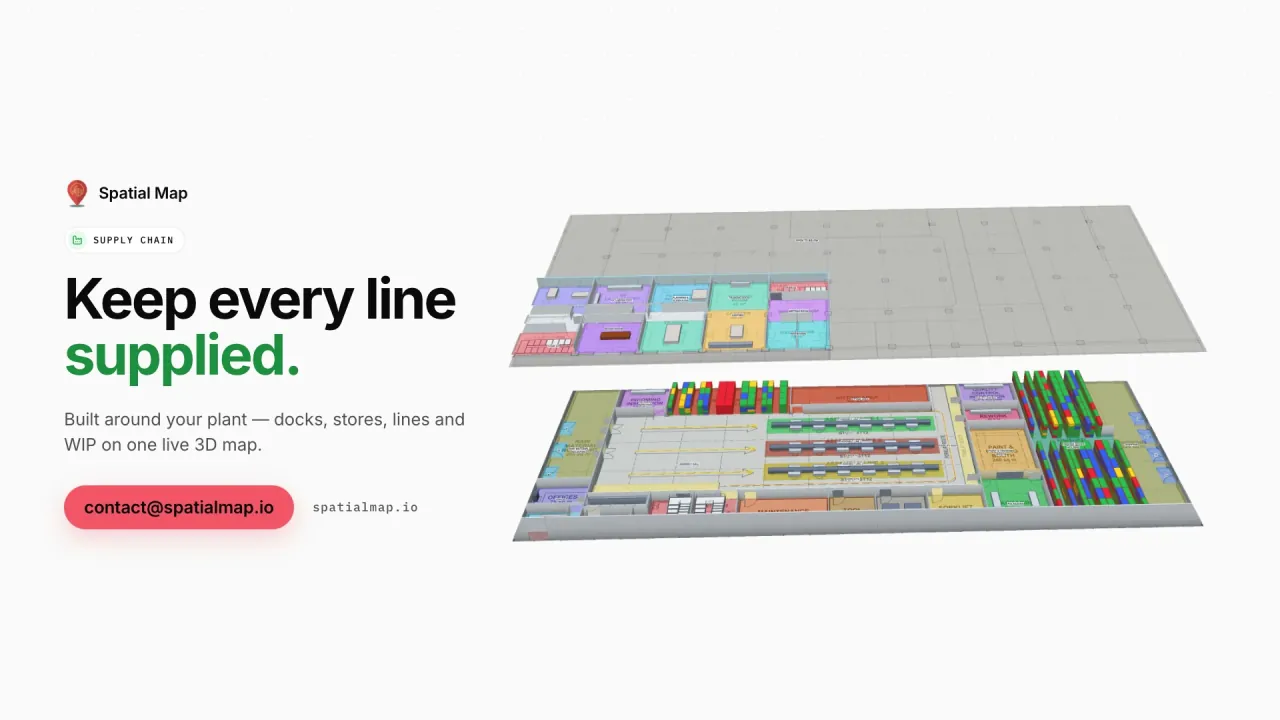
  • Steel, shipbuilding and process plants begin with asset tracking for tools, spares, cylinders and returnable cages.
  • RTLS and UWB matters mainly for large yards and shipyard areas where vehicles and crews must be located continuously; most buildings will not need it first.
  • If you have no readers or tags yet, our team can source RFID readers, antennas and metal-mount tags on request, quoted per project, with manufacturer warranty: see RFID readers and tags on request.
  • Where you need an Android RFID handheld app or a WMS bridge, our team builds it as a client project, for example an RFID inventory system. The product runs as cloud or on-premises.

Also served nearby

The same page covers Pingtung, Tainan and the stretch of coast to the north, and the industrial areas of Kaohsiung beyond Linhai. Nothing needs to be installed at any of them: the map opens in a browser.

How Spatial Map does it

From a Kaohsiung shed plan to live reads

  1. 01

    Pick one door

    A port-side shed, a zone warehouse or a steel store, wherever a miscount costs most.

  2. 02

    Test tags on your own surfaces

    Steel, wet cartons and film-wrapped pallets behave differently, so test each before you buy.

  3. 03

    Post the reads

    RFID middleware rows arrive through the write API, a polled REST endpoint or CSV, Excel and JSON uploads.

  4. 04

    Add reader-silence rules

    In-app alerts for a portal that stopped reporting and pallets staged for too long.

What Kaohsiung teams track

Port-side cross-docks

Dock doors, yard slots and RFID pallets staged for the right trailer.

Zone warehouses

Rack-level stock with staging lanes before the dock doors.

Plant stores and WIP carriers

Carriers between stations, spares racks and held lots.

Temperature-sensitive stock

Cold rooms coloured by live temperature, with held pallets marked.

See it on real demo facilities

Fictional names, real floor plans, live sensors, RFID, BLE tags and gateways — open any of them in the browser.

All 13 demo facilities

RFID tracking in Kaohsiung: questions we get

Yes. The app is available in English, Spanish, French, German, Arabic and Chinese, and each user picks their own. Check in the free trial that it suits your team. Your own content, such as rack codes, area names and report titles, can be written in any script.

Not an ordinary paper label stuck flat on bare steel. Metal-mount tags exist, and read range depends on the tag, the surface and the antenna, so test on your own steel first. Spatial Map does not read tags; it shows the reads your readers post.

No. It has no link to customs, port or zone systems. It shows what happens inside your own building from your own RFID reads and records, and a status such as “in zone” or “released” is a column that you provide.

The software runs in a browser, so the question is about your readers, antennas and cables, which your hardware vendor must specify for the site. Spatial Map can show a reader that has gone quiet, with an in-app alert, and can colour a bay by its temperature sensor.

No. Spatial Map is sold online and our team works with customers in Taiwan remotely, by video call and through the contact form. There are no local resellers or partners.

In US dollars, the same worldwide: a 7-day free trial for up to 5 facilities with no card, then Pro at $60 a month or $600 a year for up to 4 facilities. RFID hardware, if you ask us to source it, is quoted per project and is not part of the subscription.

Test one Kaohsiung door with a tag on your own steel.

Start the free trial and open the Eastport demo, or send us a shed plan and a sample of your reader log through the contact form.