Hsinchu · Science park campuses, equipment, spares and tooling

Asset tracking in Hsinchu: the equipment around the machines, across six campuses

Spatial Map shows where tagged assets are inside a building, on a live 3D map built from your own floor plan and the reads your RFID and BLE systems already produce. Asset tracking in Hsinchu means the things that surround production rather than the production machines themselves: spare parts, portable instruments, fixtures, trolleys and shared lab equipment, spread across a science park of six campuses. Spatial Map does not connect to fab or tool-automation systems. The interface is available in English and Chinese; check in the trial that it suits your team.

No credit card. Runs in the browser. Pro is $60/month for up to 4 facilities. Book a demo

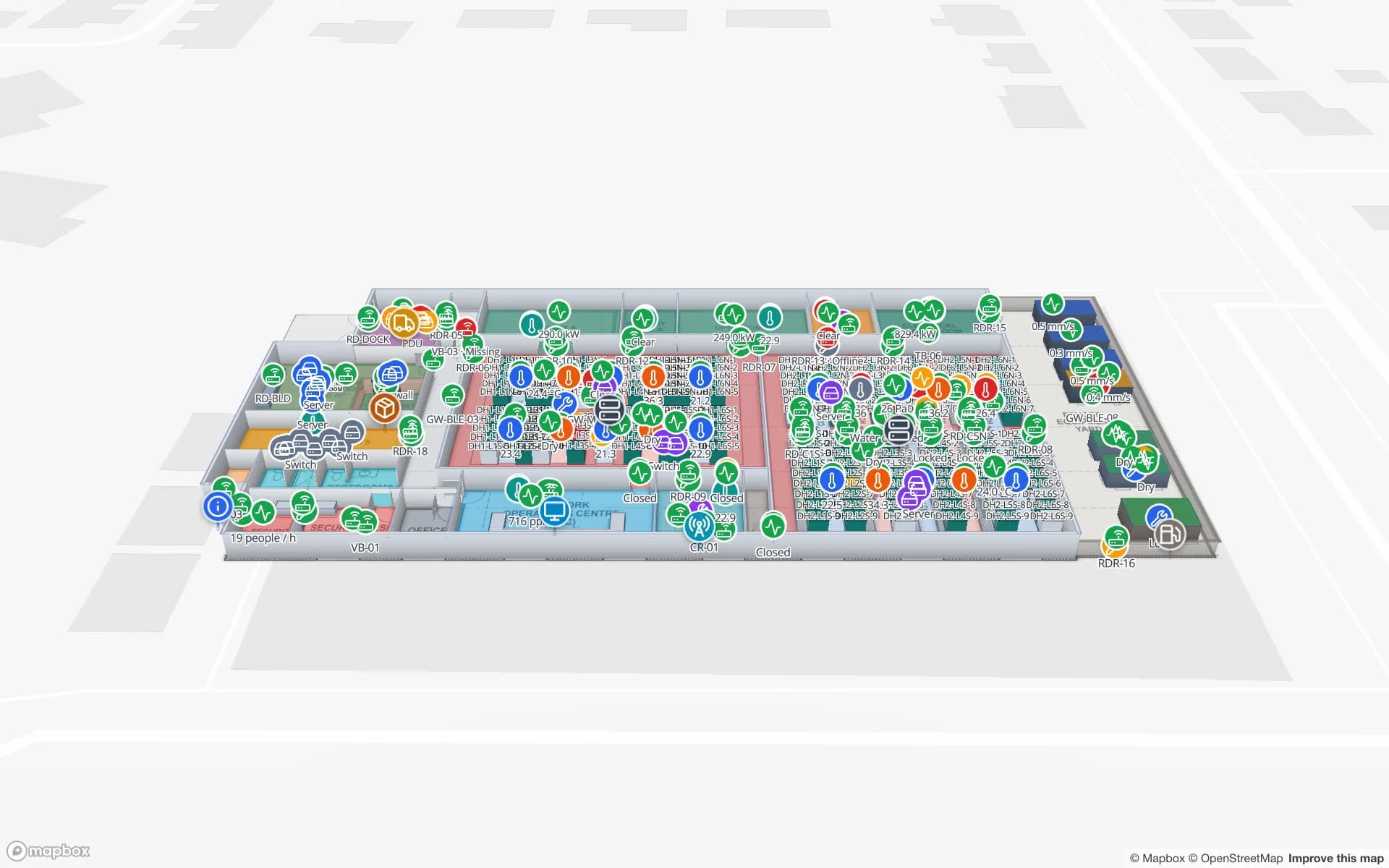
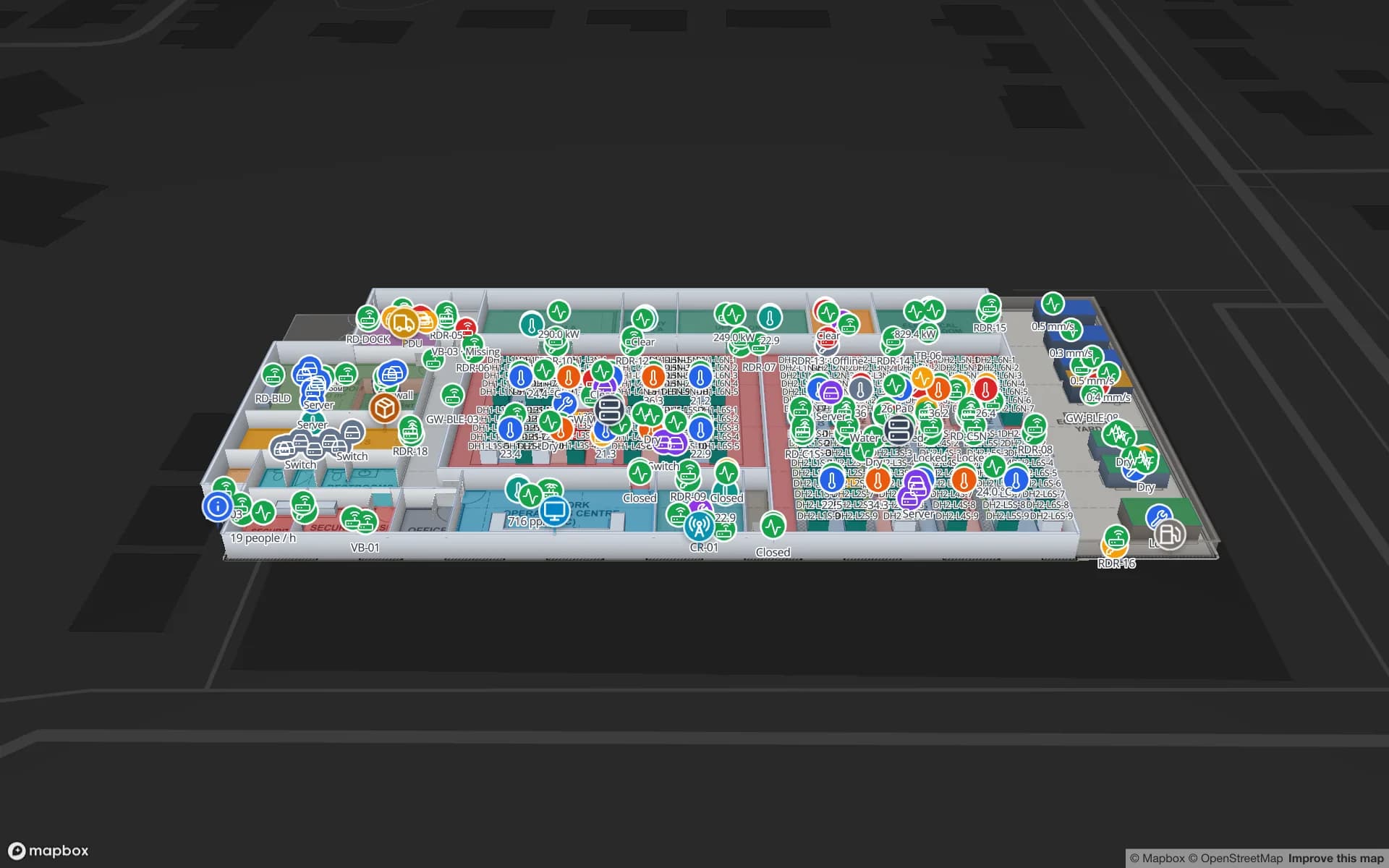
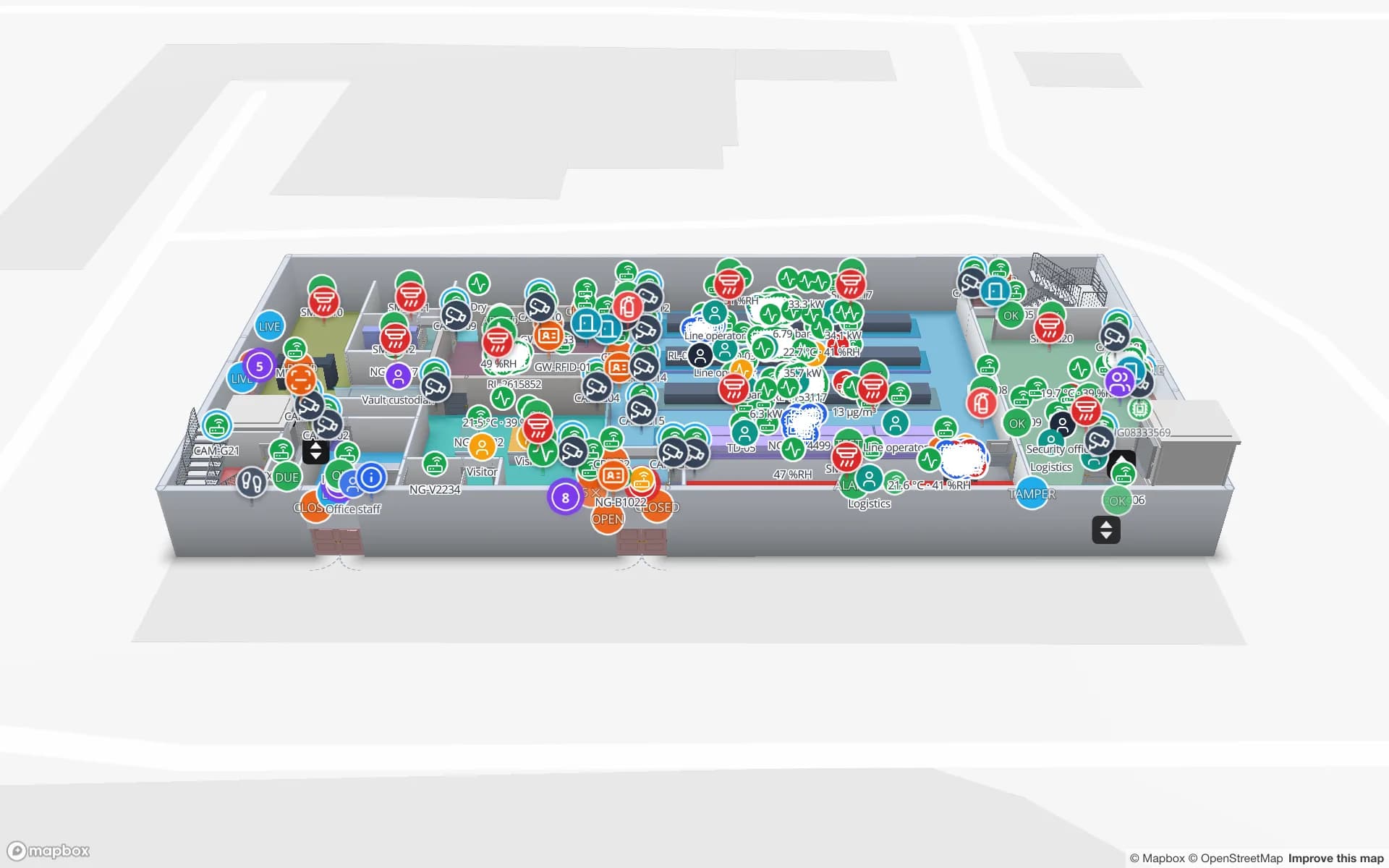
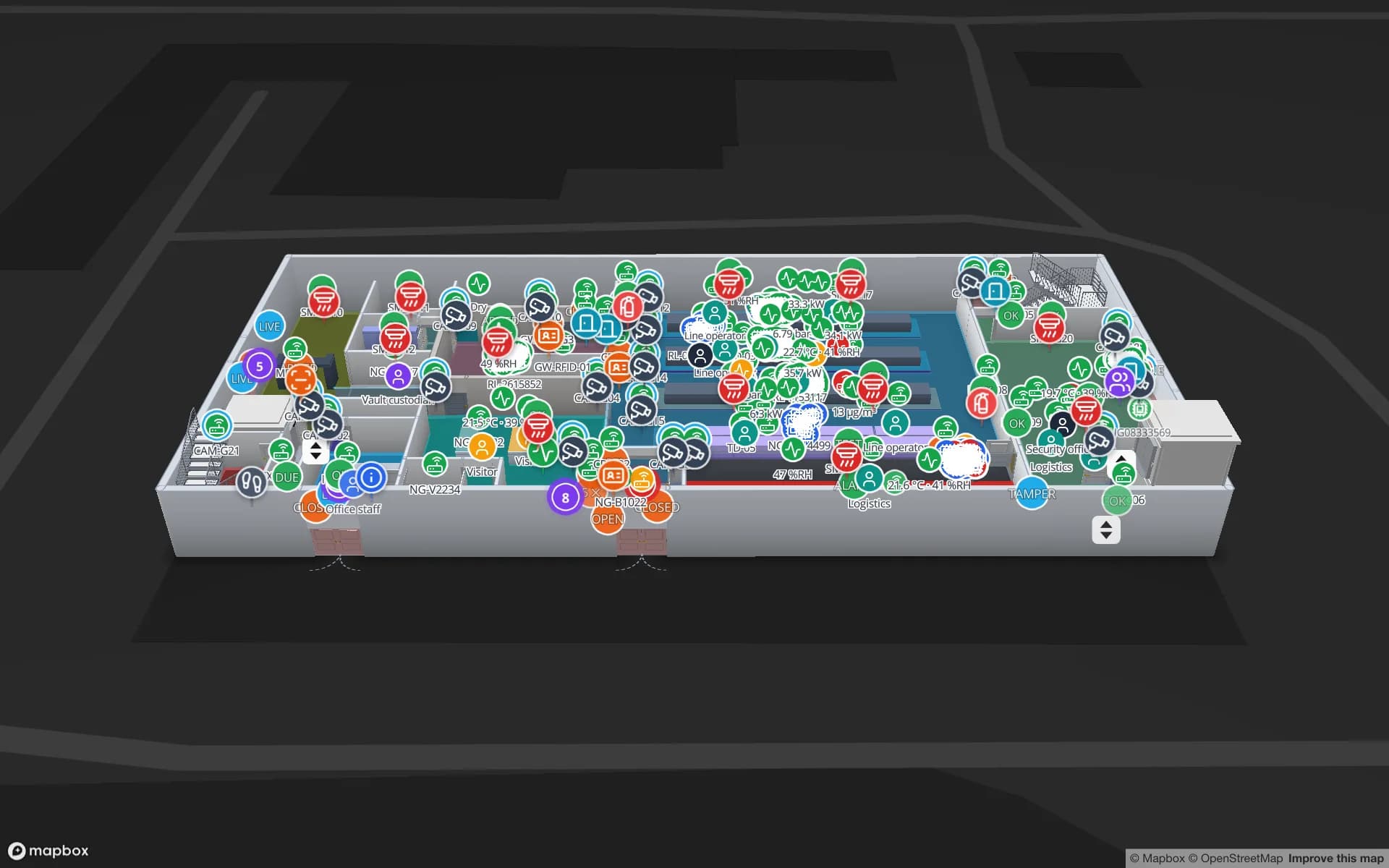
Northgate Electronics — Assembly & Secure Store, a electronics assembly & secure store demo, in the Spatial Map 3D viewer with live device markers
Northgate Electronics — Assembly & Secure Store
Northgate Electronics, a demo plant with a secure store: assembly lines, vault and cages on two floors, with high-value stock read through the store.
High-value units tracked in the Northgate demo
863
Tables in the Northgate demo workspace
24
Interface languages, including Chinese
6
Free trial, up to 5 facilities, no card
7 days

A park proposed in 1976 and opened on 15 December 1980

Hsinchu Science Park was set up by the government on 15 December 1980. Its sponsor had proposed a park like Silicon Valley in 1976, and placed it beside two universities, mirroring the way Silicon Valley sits near Stanford and Berkeley. Today it is run by a science-park bureau under the National Science and Technology Council. The park’s overview counts more than 500 tenant companies, and each of them has its own buildings, stores and shared equipment.

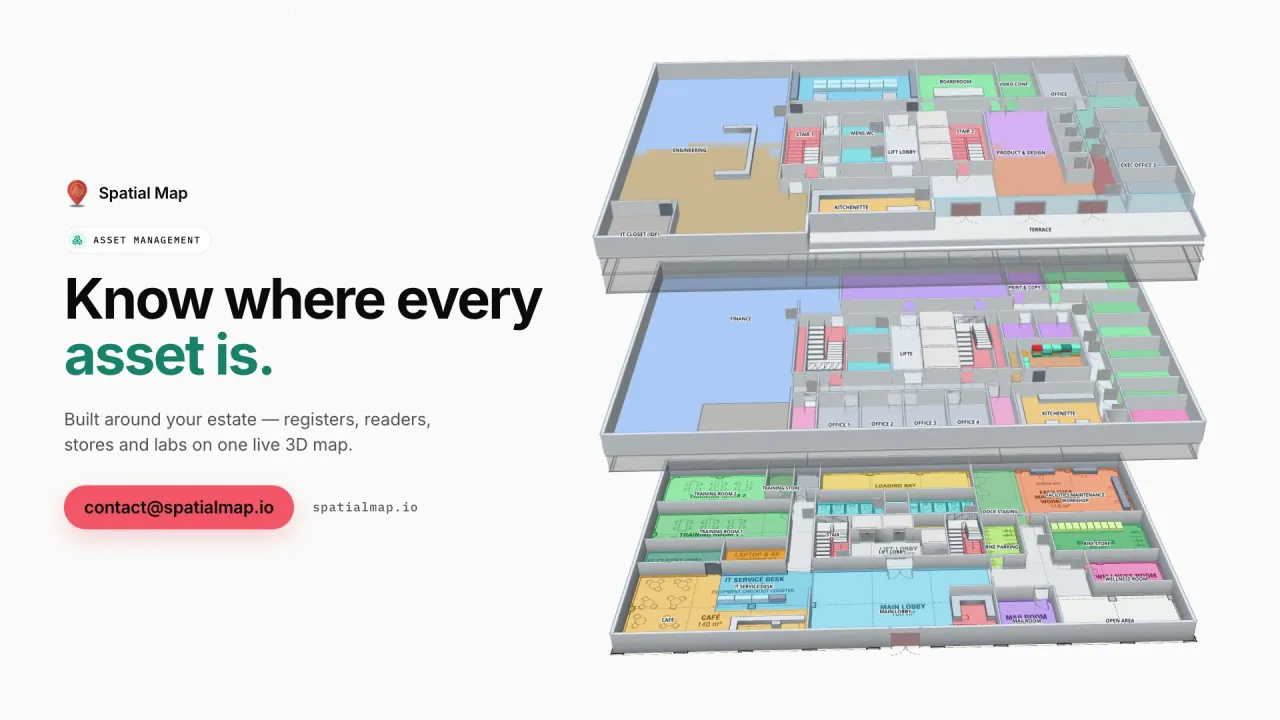
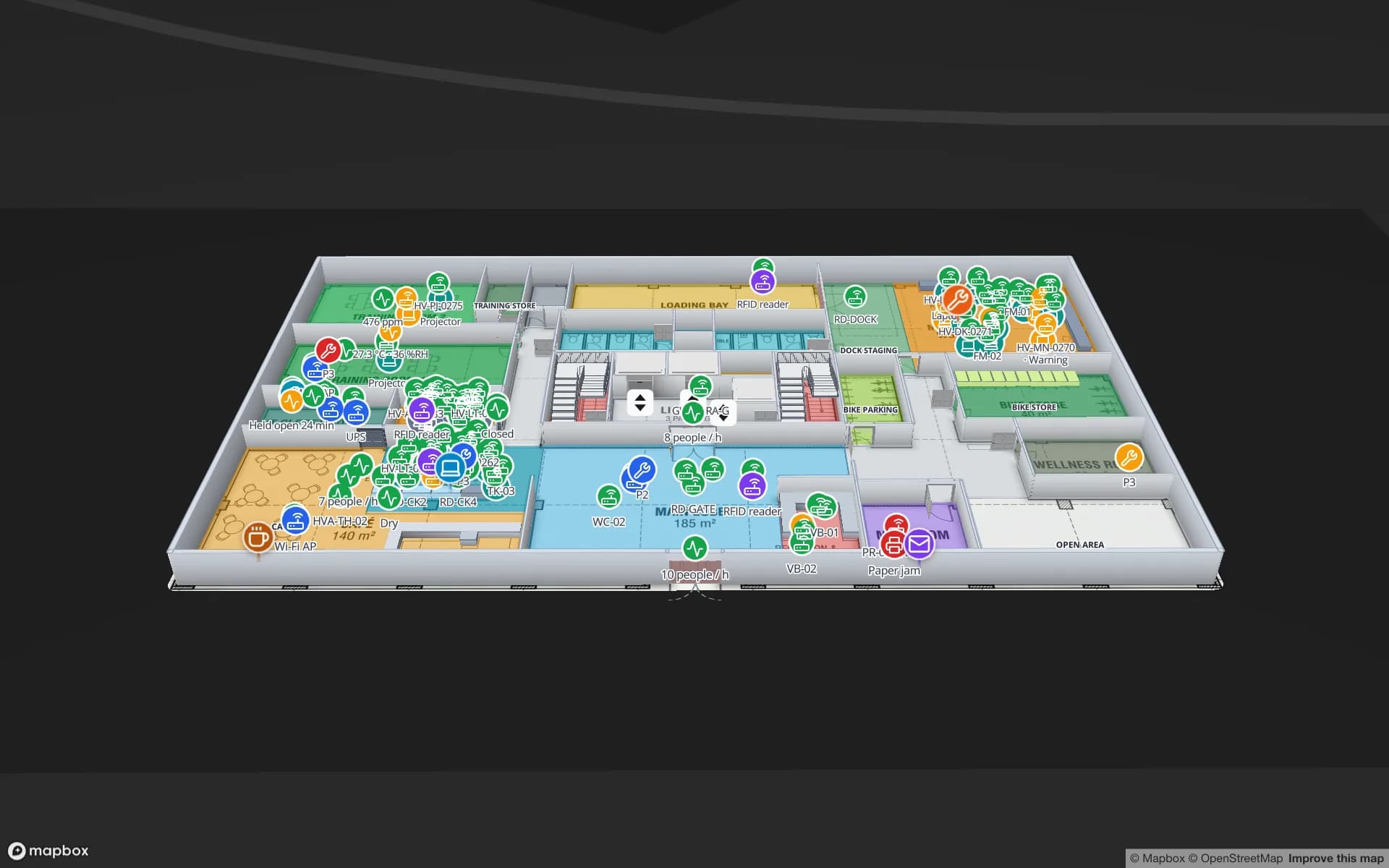
A tenant in a park like this has a particular asset problem: many items of equipment, spares and fixtures, a lot of them expensive, shared between teams, borrowed by contractors and moved between rooms without a standing record. The first result of tagging them is plain: a person searches for an item and the map opens at the room where it was last read. The Harborview demo shows an asset register with equipment checkout, stores and spares on three floors, which is the same pattern in an office building.
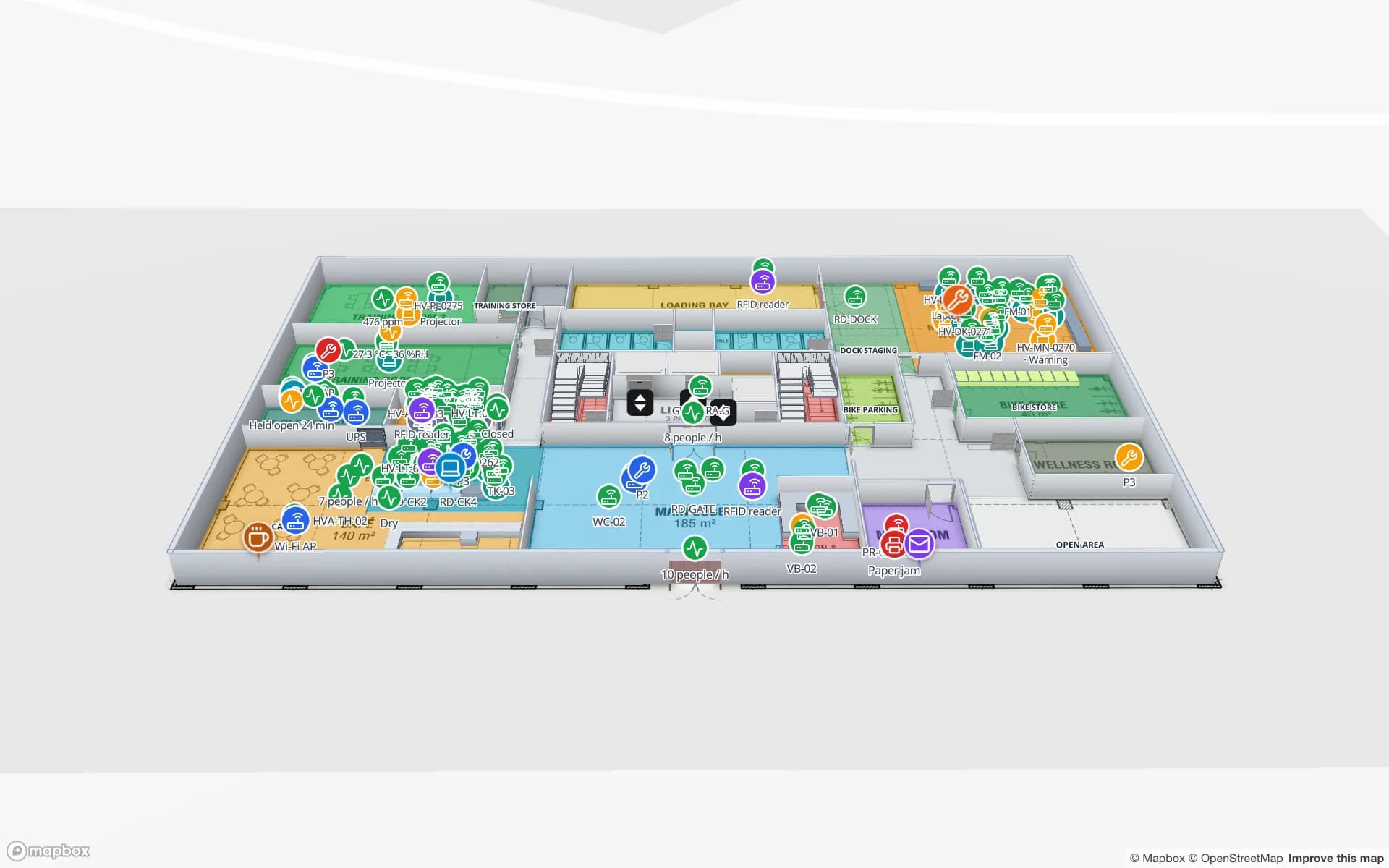
Six campuses, one workspace

The park is no longer a single site. It has six campuses: the original one across Hsinchu City and Baoshan, then Zhunan, Tongluo, Longtan, Yilan, and the biomedical campus at Zhubei. A company with space on several of them has the same equipment moving between buildings that are kilometres apart.

In Spatial Map each building is a facility and one workspace can hold all of them. Roles limit who sees which facility; a transfer between campuses is a row in a table with a from, a to and a date, and an alert rule such as “in transit for more than N hours” appears in the app. For a contractor or an auditor, a read-only share link can be limited to chosen floors and layers, with an expiry date and a view cap, and revoked whenever you wish. The asset management system page describes the back-office tools our team builds around it when a workflow, such as a loan form, is needed.

What the map tracks around the machines

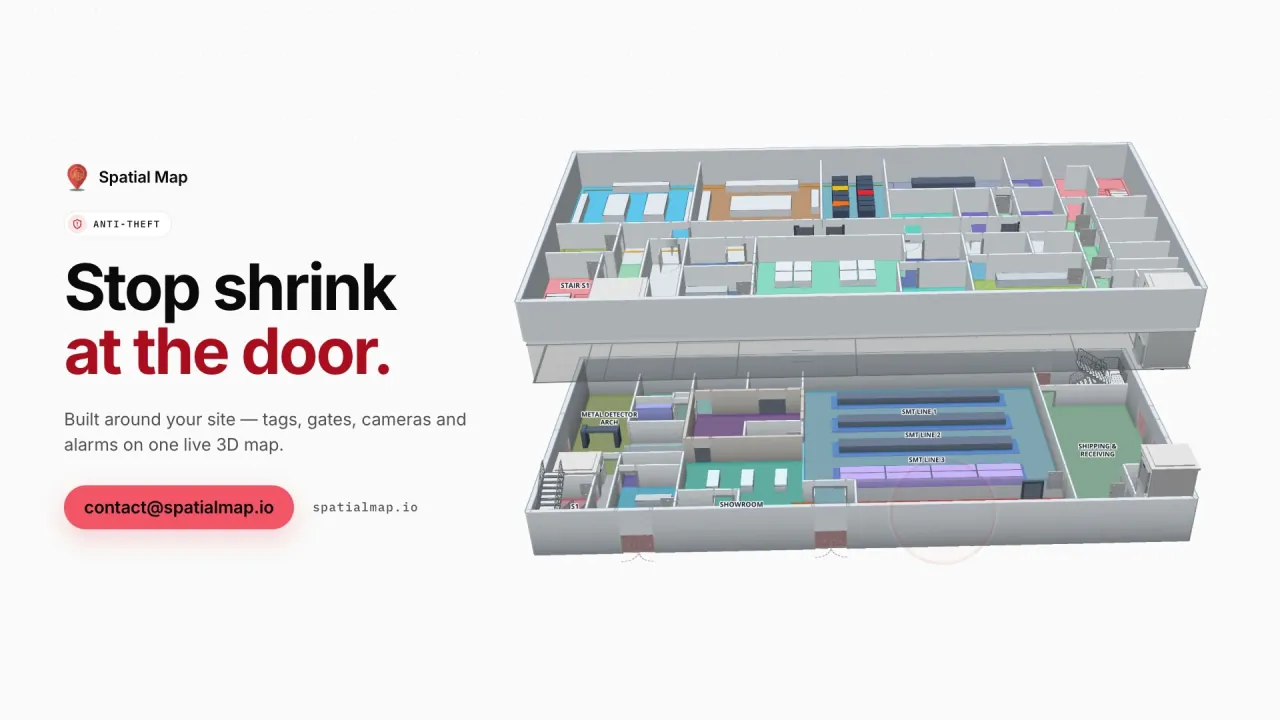
Spatial Map is not an equipment-automation or fab system and does not connect to production tools. It maps the parts around them: spare-parts rooms and cabinets, high-value stores, contractor tool cribs, portable test instruments, trolleys and the loading dock. The Northgate Electronics demo follows 863 RFID-tagged units through a secure store with a shrink report, and its two floors show where high-value stock is read at the store door and at each exit.

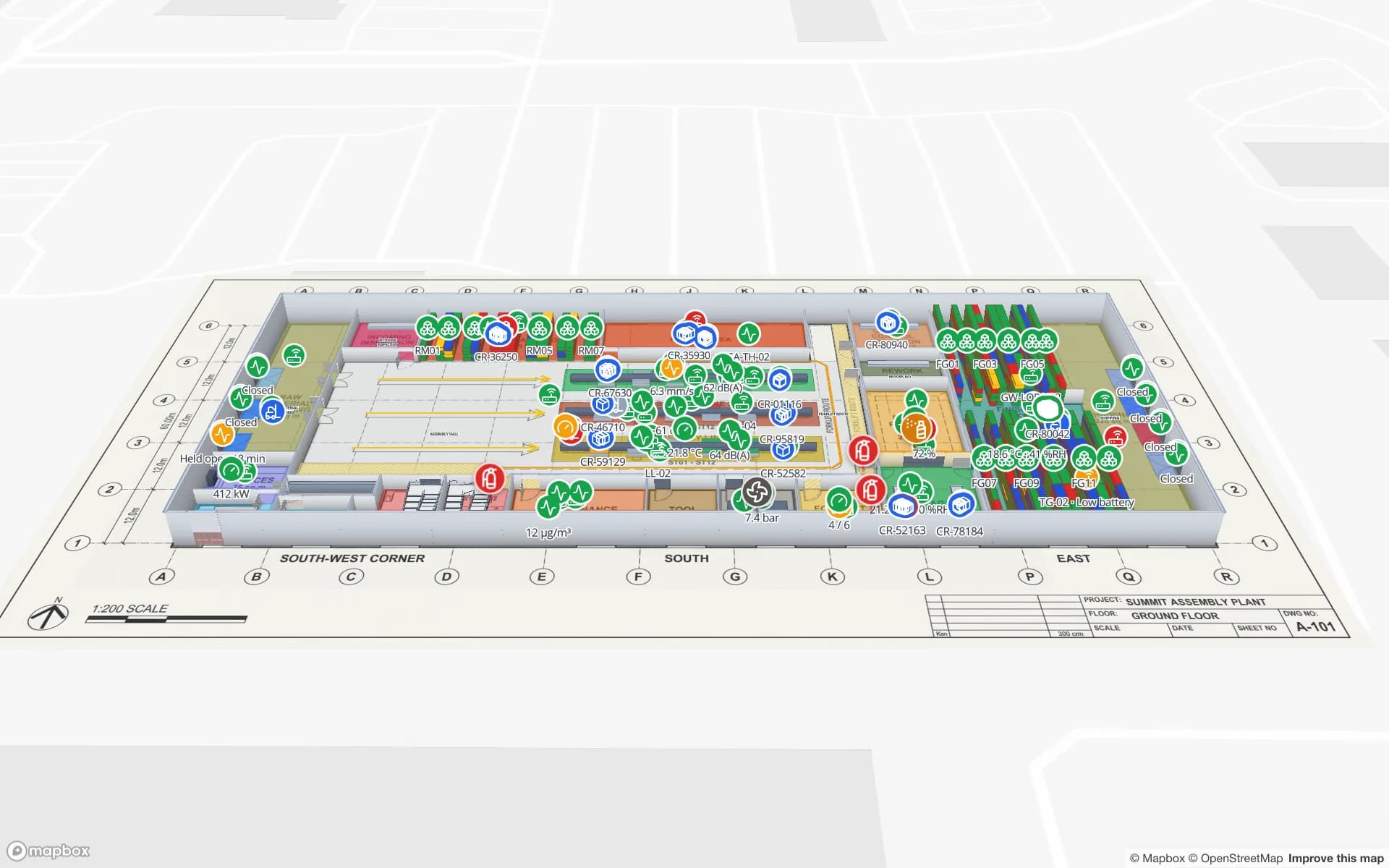
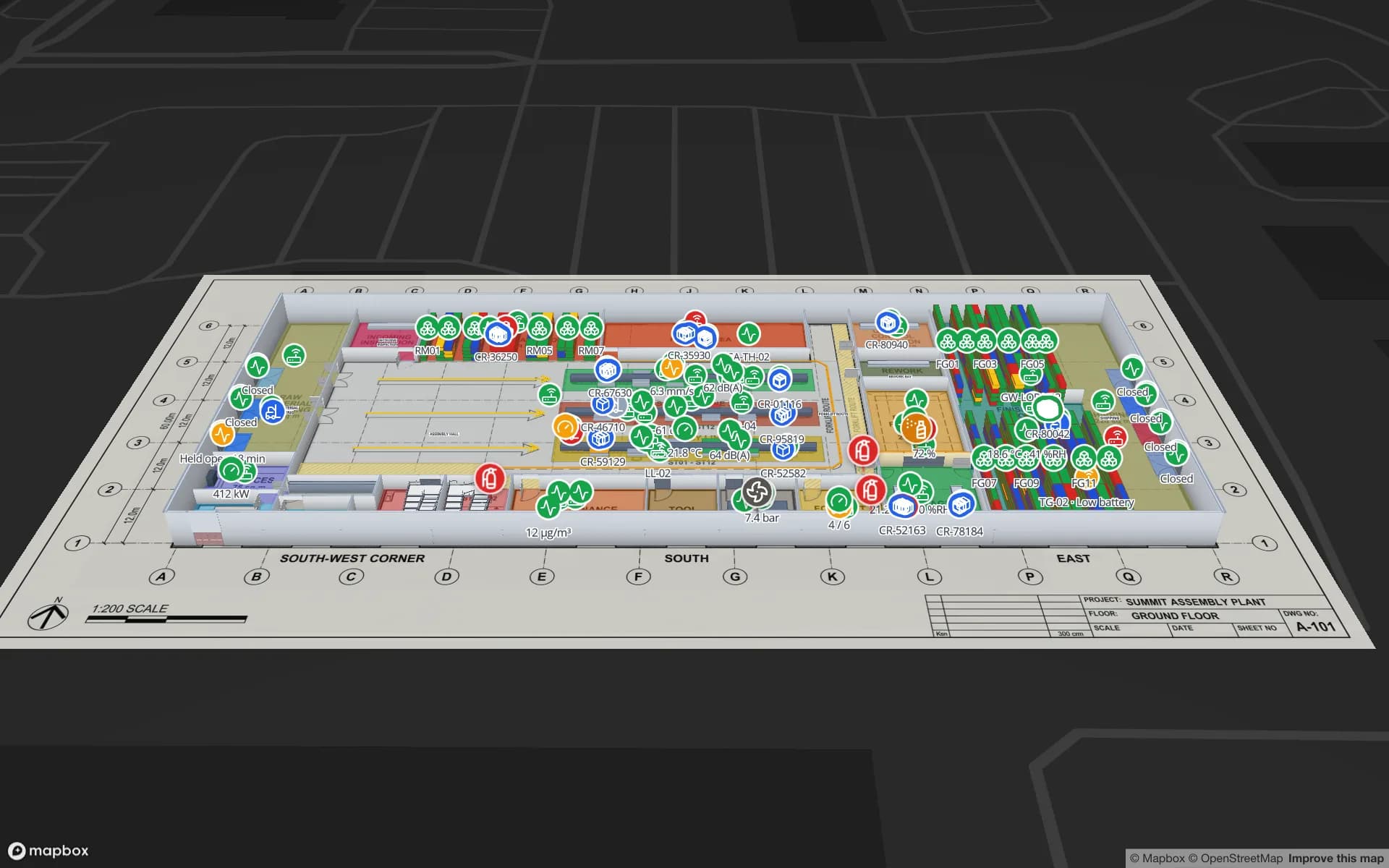
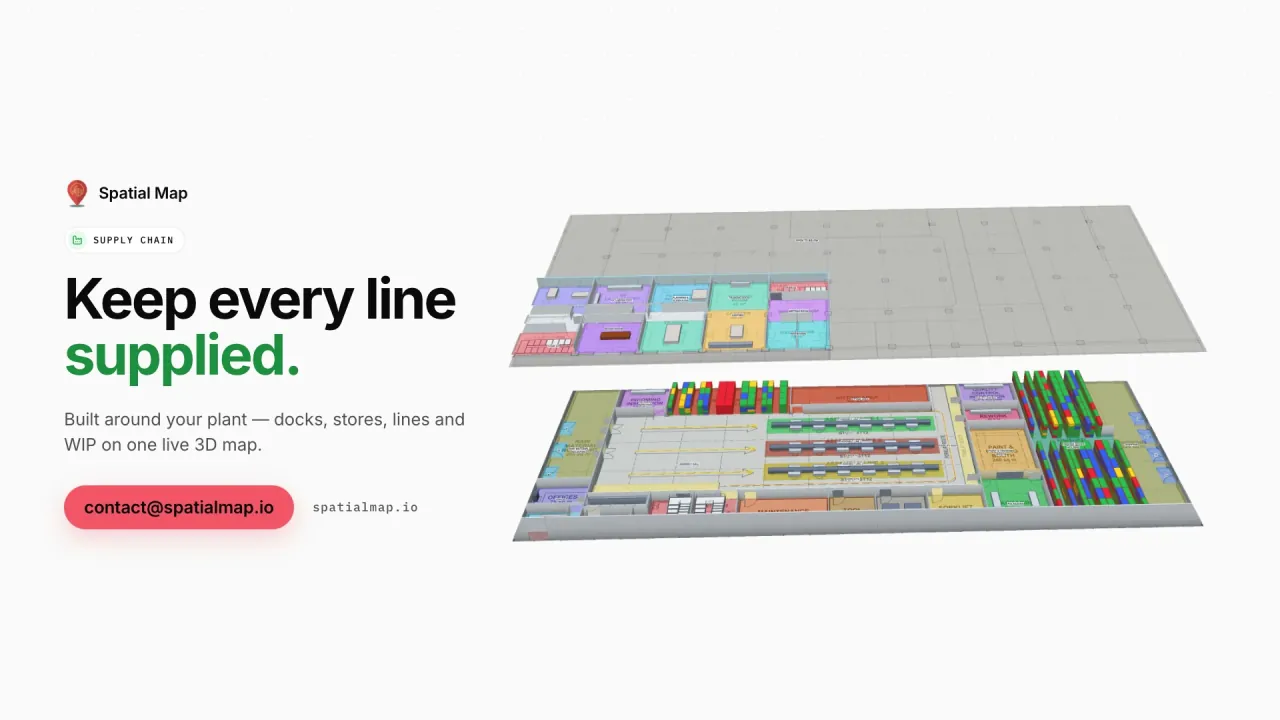
Reader and tag choices inside a clean or controlled area are decisions for your facility team and your hardware vendor, and Spatial Map cannot verify them; start in the stores, docks and corridors outside, where the questions are simplest. Items that stay in a room can use BLE tags and a gateway per room, while items that pass through a door suit an RFID portal; RFID or BLE for asset tracking explains the trade-off. The Summit Assembly demo adds WIP carriers between stations if a line needs the same treatment.

The Windy City and the stop at Zhubei

Hsinchu is nicknamed the Windy City for its strong north-eastern monsoon, and its high-speed rail station is in nearby Zhubei, not in the city itself. Both facts matter for logistics at small scale: couriers and visiting engineers arrive at Zhubei, and anything stored outdoors, from cages to cable drums, is exposed to the wind.

For arrivals, a goods-in log is the simplest asset record: one row per delivery, with a status such as “received”, “inspected”, “placed”, coloured on the map by receiving area. For outdoor cages, draw the yard as an area and tag the cages with metal-mount tags read at the gate. If a gateway or reader stops reporting, an alert for “not updated for N minutes” shows in the app. The setup is covered in real-time indoor asset tracking.

Services for teams in Hsinchu

Hsinchu teams tend to begin in one of these places:

  • Equipment and facilities teams start with asset tracking for shared instruments, spares and fixtures, because a lost item costs a day of someone’s time.
  • Stores and stockrooms add inventory tracking for consumables, parts and kits, by bin.
  • RTLS and UWB matters mainly for large halls and yards where carts and vehicles must be located continuously; most buildings will not need it first.
  • If you have no readers, gateways or tags yet, our team can source RFID, BLE and UWB devices on request, quoted per project, with manufacturer warranty: see BLE beacons and gateways.
  • Where you need a loan or checkout screen, an ERP bridge or a handheld app, our team builds it as a client project. The product runs as cloud or on-premises.

Also served nearby

The same page covers Zhubei, Zhunan and Tongluo, Longtan, Hukou and Chunan, and the rest of Hsinchu County and Miaoli. Nothing needs to be installed at any of them: the map opens in a browser.

How Spatial Map does it

From a Hsinchu equipment list to a live map

  1. 01

    Start with the register you hold

    A spreadsheet of assets and rooms is enough; upload it as CSV or Excel.

  2. 02

    Map the stores and corridors

    Upload the plan, photo or sketch; AI Map drafts walls, doors and areas for a person to review.

  3. 03

    Tag what moves

    BLE tags for items that stay in a room, RFID for items that pass a door; readers post rows through the write API.

  4. 04

    Add loan and transfer rules

    In-app alerts for items out too long, in transit between campuses or not seen for N days.

What Hsinchu teams track

High-value parts stores

Reels, trays and finished units read through the store door, with a shrink report.

Shared equipment and spares

An asset register with checkout, stores and spares on one map.

WIP carriers between stations

Carriers, raw-material racks and held lots on a plant floor.

Server rooms and controlled spaces

Equipment by cabinet and hall, with environment sensors in the aisles.

See it on real demo facilities

Fictional names, real floor plans, live sensors, RFID, BLE tags and gateways — open any of them in the browser.

All 13 demo facilities

Asset tracking in Hsinchu: questions we get

Yes. The app is available in English, Spanish, French, German, Arabic and Chinese, and each user picks their own. Check in the free trial that it suits your team. Asset names, room names and report titles you write can be in any script.

No. Spatial Map is not an equipment-automation or fab system. It maps the stores, spares, instruments, carriers and docks around production, fed by the RFID, MES or ERP rows your own systems post to a table or expose over REST.

That is a decision for your facility team and your hardware vendor, and Spatial Map cannot verify it. Many teams begin with the stores, docks and corridors outside, where the questions are simpler, and add areas later.

Yes. Each building is a facility in one workspace, and roles limit who sees which facility. Contractors and auditors can be given read-only share links limited to chosen floors and layers, with an expiry date and a view cap.

No. Spatial Map is sold online and our team works with customers in Taiwan remotely, by video call and through the contact form. There are no local resellers or partners.

In US dollars, the same worldwide: a 7-day free trial for up to 5 facilities with no card, then Pro at $60 a month or $600 a year for up to 4 facilities. Larger estates are quoted as custom services; hardware, if you ask us to source it, is quoted per project.

Find the last item that went missing, on a map.

Start the free trial and open the Northgate demo, or send us a plan of one store or equipment room and your asset list through the contact form.