Wrocław · Kąty Wrocławskie, the A4 and A8 and the south-west belt

Warehouse tracking in Wrocław, where the rail terminal meets the ring road

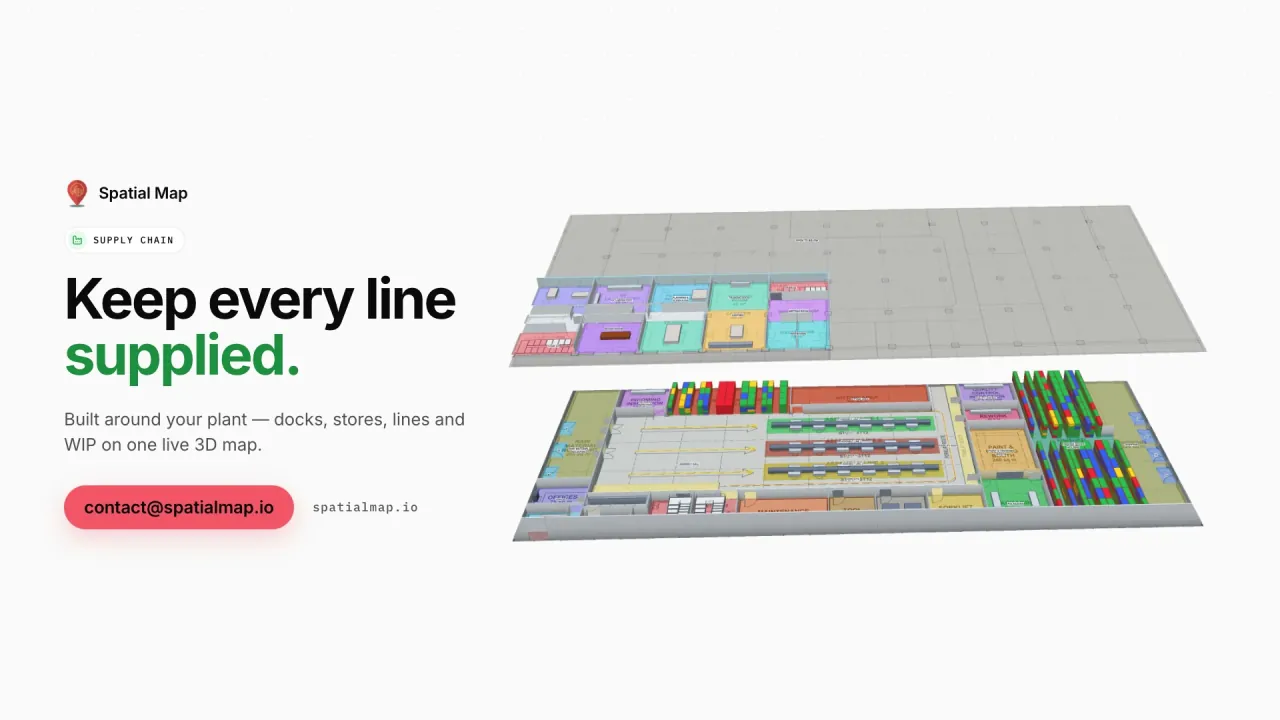
Spatial Map puts a warehouse on a live 3D map: racks coloured by stock, dock doors with their trucks, pallets and forklifts as markers, fed by the WMS, readers and sensors you already run. Warehouse tracking in Wrocław is shaped by two things at the edge of the city: a ring road that connects the sheds to the roads towards Germany and Czechia, and a rail container terminal at Kąty Wrocławskie that feeds the buildings around it. Each building is its own facility, and an operator with several keeps them in one workspace.

No credit card. Runs in the browser. Pro is $60/month for up to 4 facilities. Book a demo

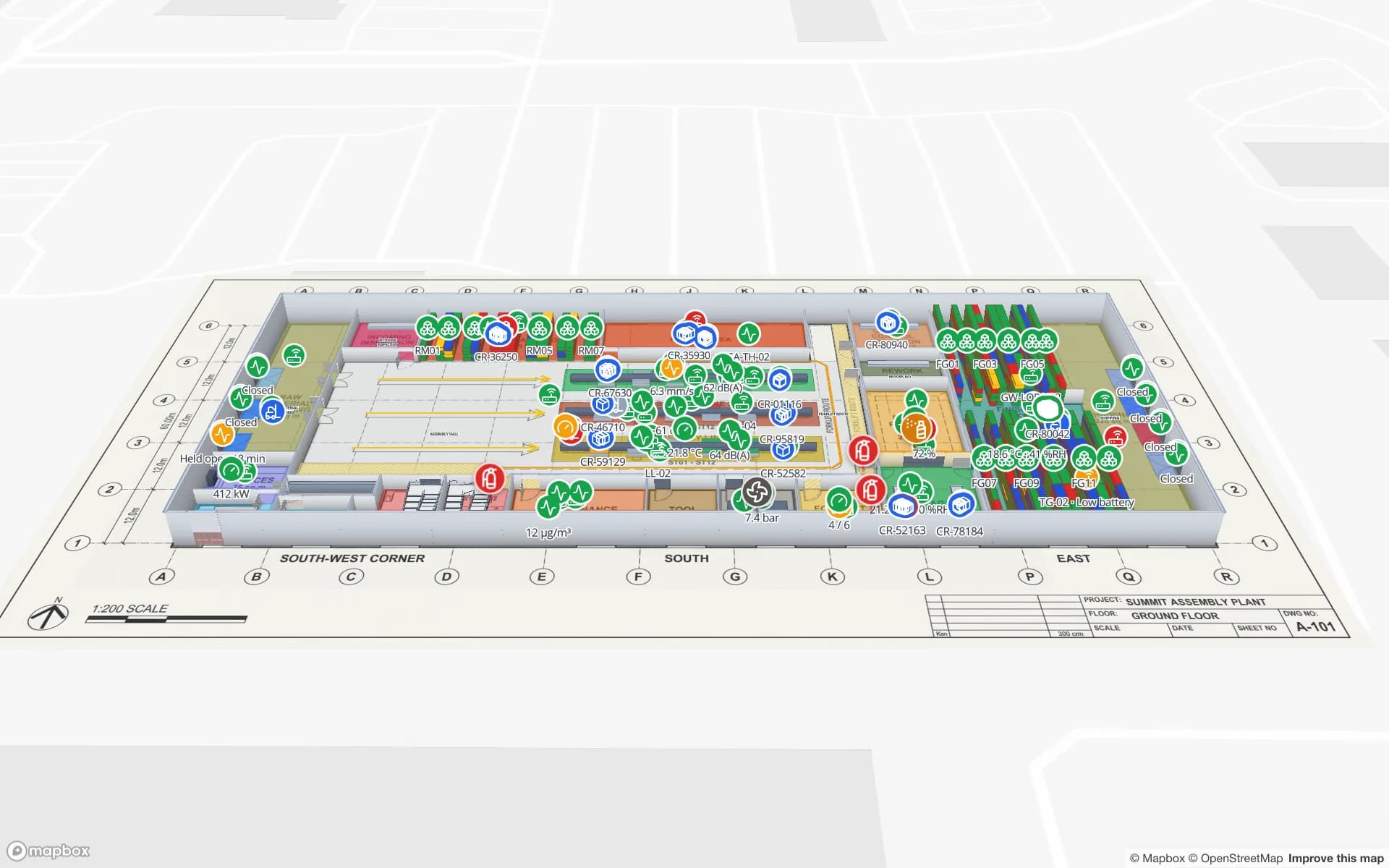
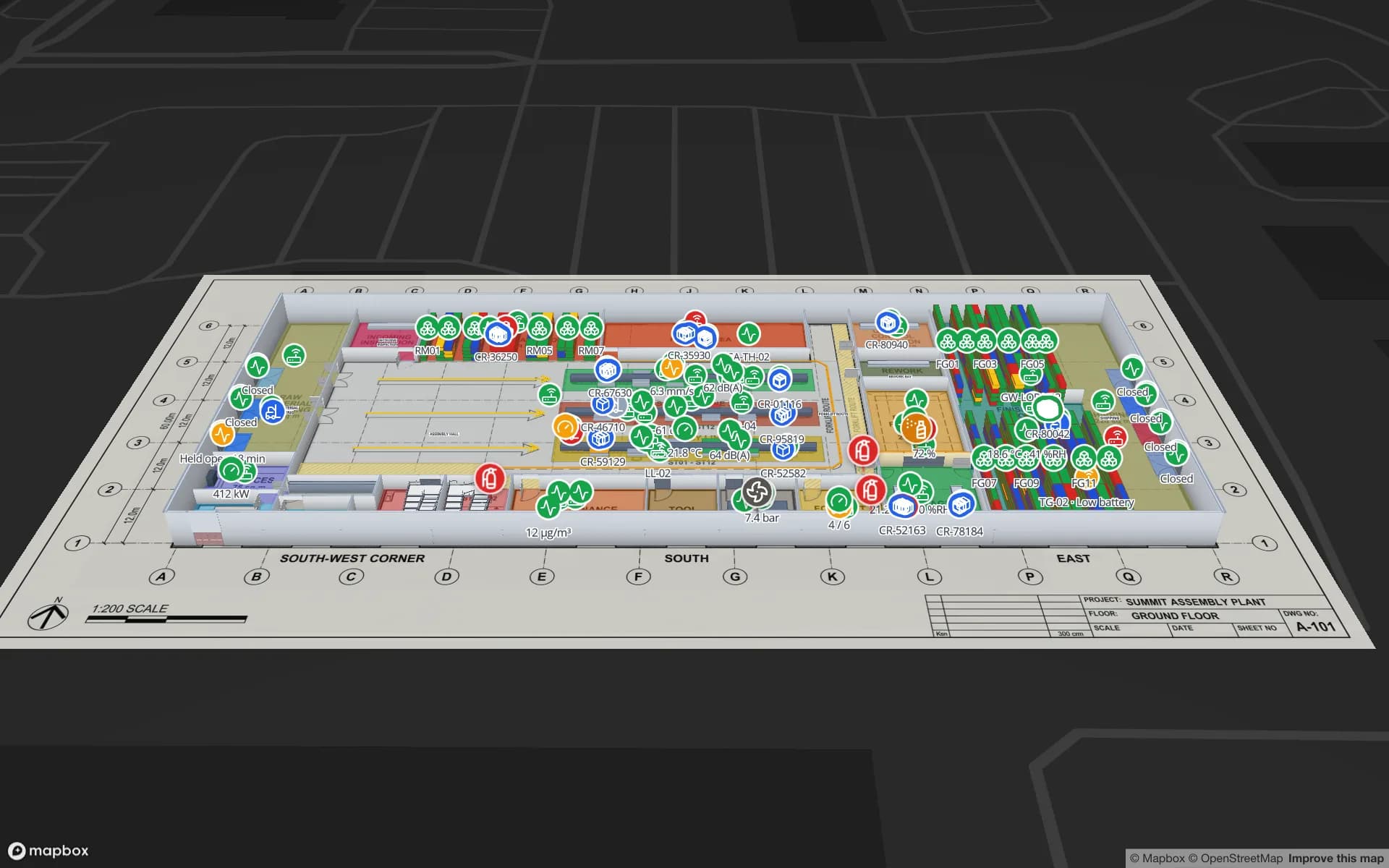
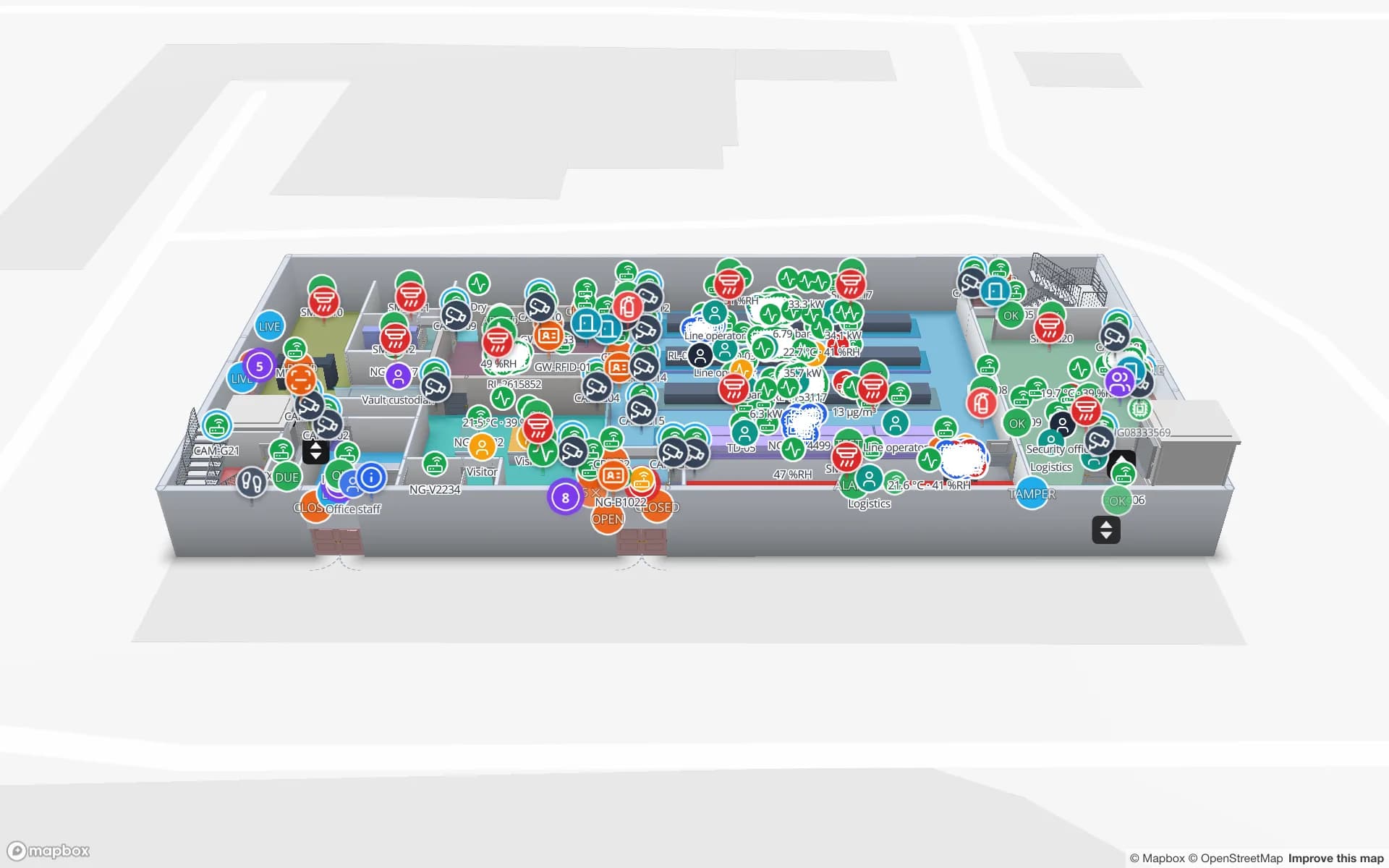
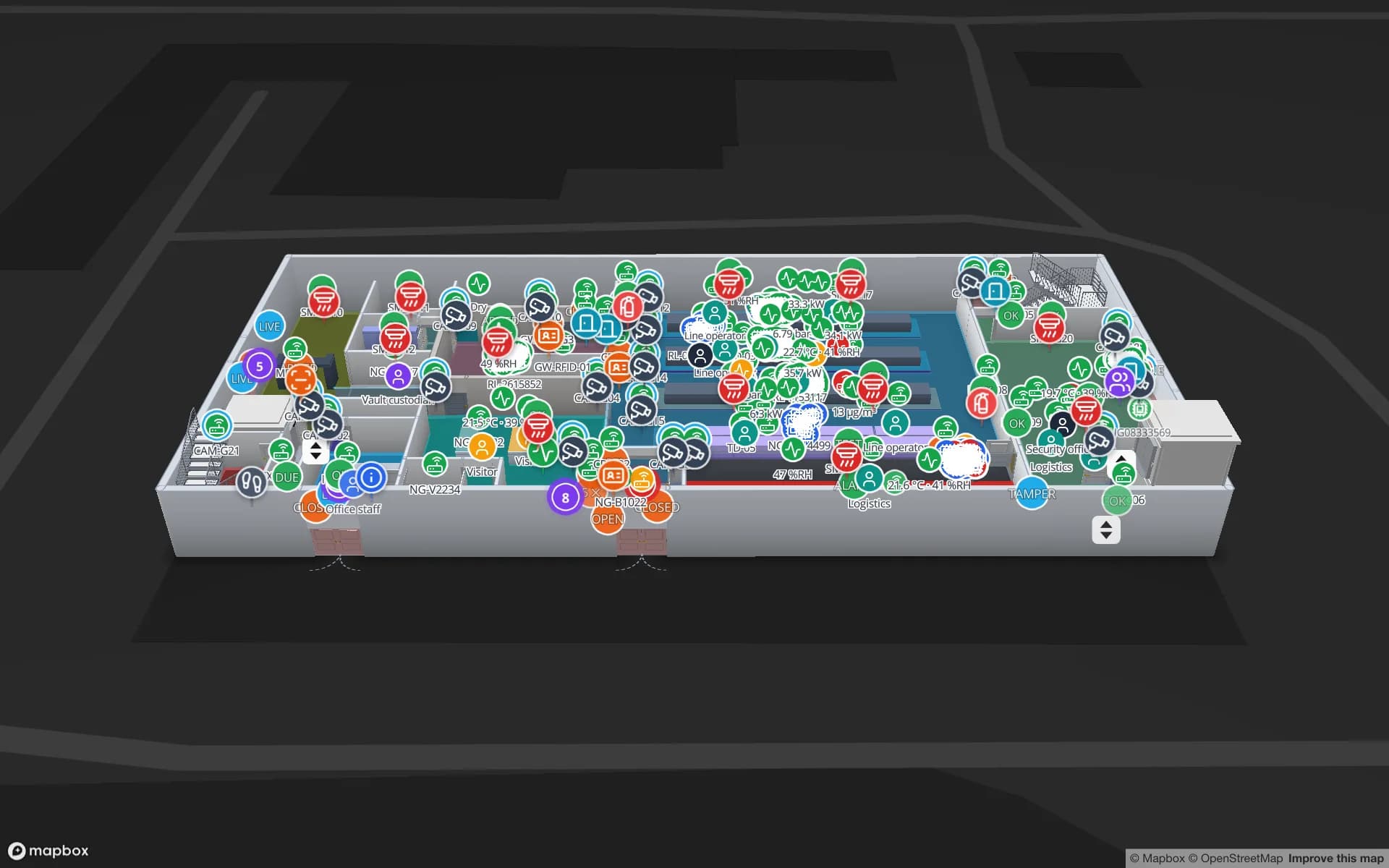
Crestline Fulfillment Center, a fulfillment center demo, in the Spatial Map 3D viewer with live device markers
Crestline Fulfillment Center
Crestline Fulfillment Center, a demo warehouse: 20 racks with 2,204 locations, pick-to-light, packing output, staging lanes, forklifts and the trailer yard.
RFID pallets followed in the Eastport cross-dock demo
1,180
Rack locations in the Crestline demo warehouse
2,204
How often alert rules are checked, with alerts shown in the app
15 s
Free trial, up to 5 facilities, no card
7 days

The fourth-largest market, built around one city

Property-market research for the fourth quarter of 2025 calls Lower Silesia the fourth-largest warehouse market in Poland: about 4.6 million square metres of modern stock, or 12.6 % of national supply. Most of it is in and around Wrocław, and the research names the key clusters as Bielany Wrocławskie, Kąty Wrocławskie, Nowa Wieś Wrocławska, Polkowice and Pietrzykowice. It credits the region’s transport network with efficient connections to Czechia and Germany.

In 2025 just under 850,000 square metres were leased, about 300,000 were delivered, and about 110,000 were still under construction in December, roughly 70 % of them already pre-leased. The research also notes a high share of renegotiations among the deals. For an operator that means the same company often keeps a building and keeps changing what happens inside it: a new pick zone, a longer staging area, another tenant sharing the dock. A map you can redraw in an afternoon suits that better than a drawing filed at hand-over. The Crestline demo shows 20 racks with 2,204 locations coloured from stock, and stock by bin on a rack grid shows how a CSV export drives the colours.


Kąty Wrocławskie: the rail terminal and the sheds beside it

The same research places the region on the New Silk Road corridor from China, a position it says is strengthened by the cargo terminal that has operated in Kąty Wrocławskie since 2020. Kąty is also one of the named warehouse clusters, so containers arrive by train a short drive from the buildings that unload them.

That short hop is where stock goes missing. A container is lifted off the train, trucked to a door, unloaded, deconsolidated and put away, and each step is a place where a count can slip. Draw the dock doors and staging lanes, keep a table of containers with their door and arrival time, and the map shows which are waiting, which are open and which are empty and due back. A rule on “container at door for more than N hours” raises an in-app alert, and RFID portals at the doors make the pallet reads automatic: see RFID warehouse management. Spatial Map does not connect to rail, terminal or customs systems; it shows what your own systems and readers send it.

The ring road and the road to Germany and Czechia

The Wrocław motorway bypass, the A8, opened to traffic on 31 August 2011. It meets the A4 on the south-western side of the city and the S8 expressway at both ends, and it joins the S5 on the north side, so the sheds around the city can reach the routes towards Germany and Czechia without crossing the centre. A distribution centre in the belt can send a truck out and have it back within a shift.

That shapes how a building is run. Name each staging lane after its route, post the trailer, lane and departure time to a yard table, and the map shows what is staged, what is late and what has left. Returnable pallets and cages that cross a border are the other half of the problem: tag them, give each a home location, and a rule for “not seen for N days” raises an in-app alert for the ones that have not come back. Cross-dock and yard visibility walks through the yard side. Spatial Map holds no customs data.

New buildings, renewals and moves

Because so much of the market is leased, buildings change hands and tenants change buildings. When a team moves into a new shed, a facility can be copied and adjusted rather than redrawn: upload the new layout as a PDF, DWG (AutoCAD R2004–R2018, placed as a picture) or image, align it at real scale, and let AI Map draft racks, doors and areas for a person to review. AI Map is available on paid plans and the trial, with a monthly limit.

In a building shared by several tenants, a read-only share link limited to chosen floors and layers, with an expiry date and a view cap, shows each tenant its own area without an account. Facilities, reports and data can also be grouped per client into named solutions, which is how a 3PL running several customers under one roof keeps their views apart.

Services for teams in Wrocław

Wrocław teams usually begin where the dock and the rack meet:

Also served nearby

The same page covers Długołęka, Oleśnica and Trzebnica to the north and east, Środa Śląska and Wołów to the west and north-west, and Siechnice and Oława along the Odra to the south-east. The app has no Polish interface; rack codes, room names and report titles in Polish display exactly as typed.

How Spatial Map does it

From a warehouse plan to a live map

  1. 01

    Map one building

    Upload the layout as PDF, DWG (R2004–R2018, placed as a picture) or image, align it at scale, and let AI Map draft racks, doors and areas for a person to review.

  2. 02

    Name doors, lanes and racks

    Use the codes your WMS uses so every row finds its place on the map.

  3. 03

    Connect stock, containers and reads

    CSV or Excel exports, a polled REST endpoint, or the table write API for bulk upserts from your WMS and RFID middleware.

  4. 04

    Add door and return rules

    In-app alerts for containers waiting too long, short lanes and pallets not seen for N days; reports to PDF or Excel.

What Wrocław teams track

Rail-fed distribution

Containers by door and unloading status, with the pallets read at the portal.

Rack-level stock in modern parks

Locations coloured by quantity from the WMS export, with picks and packing on the same map.

Cross-border linehaul

Staging lanes by route and a yard table of trailers, with in-app alerts for late departures.

Returnable pallets and cages

Tagged carriers with a home location and a not-seen-for rule.

See it on real demo facilities

Fictional names, real floor plans, live sensors, RFID, BLE tags and gateways — open any of them in the browser.

All 13 demo facilities

Warehouse tracking in Wrocław — questions we get

Not yet. The app is available in English, German, French, Spanish, Arabic and Chinese, and each user picks their own language. Your own content — rack codes, room names, report titles — can be in Polish, diacritics included.

Yes, from the moment they reach your door. Spatial Map does not connect to rail or terminal systems, so the table of containers comes from your WMS, a handheld scan or an RFID portal at the dock door, and the map shows each container’s door, status and waiting time.

Yes. Each building is a facility, and a workspace holds them together with shared members and roles. The Pro plan covers up to 4 facilities; larger estates are quoted as custom services.

Usually. Upload the PDF, place it at real-world scale and let AI Map draft walls, doors and racks for a person to review; DWG files from AutoCAD R2004–R2018 work too. DXF is not supported, so export a PDF or DWG instead.

No. Spatial Map is sold online and our team works with customers in Poland remotely, by video call and through the contact form, in English or German. There are no local resellers or partners.

No. Pricing is the same worldwide and in US dollars: a 7-day free trial for up to 5 facilities with no card, then Pro at $60 a month or $600 a year for up to 4 facilities. Readers and tags, if you ask us to source them, are quoted per project.

Map one Wrocław warehouse before the next train arrives.

Start the free trial and open the Crestline demo, or send us a building plan and a CSV export of your bin stock through the contact form.