Milan · Malpensa Cargo City, Lombardy logistics, Rho fairground

Inventory tracking in Milan, from the Malpensa apron to the stockroom door

Spatial Map is browser-based inventory mapping software: it turns a warehouse, fairground hall or stockroom plan into a live 3D map and colours each rack, bay and door from your WMS, RFID reads and tables. Inventory tracking in Milan has three centres of gravity: the air-cargo sheds at Malpensa, the belt of distribution centres that runs from Novara in the west to Piacenza in the south, and the exhibition and retail calendar of a city that moves goods for a living. The app is in English; your own names and notes can be in Italian.

No credit card. Runs in the browser. Pro is $60/month for up to 4 facilities. Book a demo

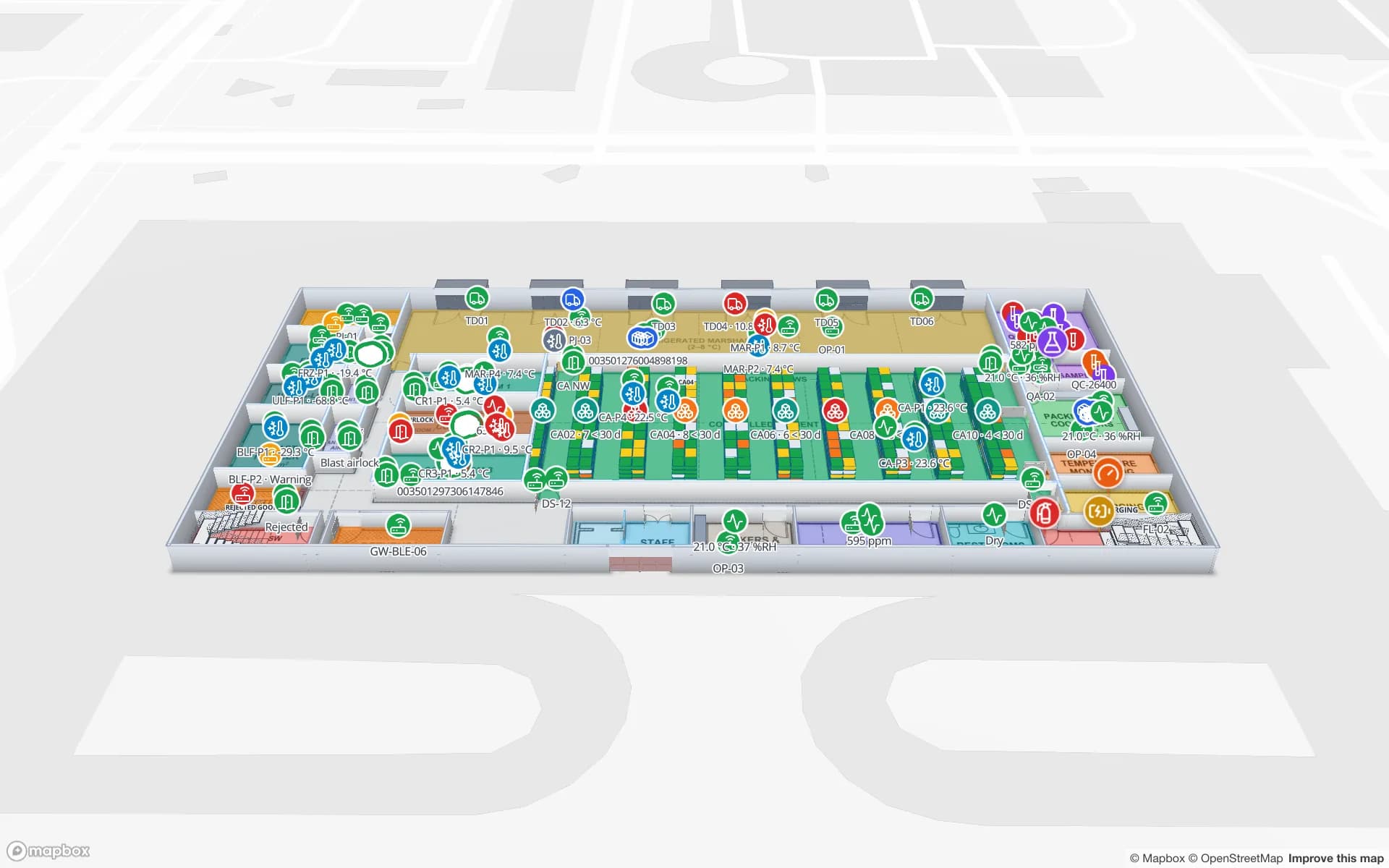
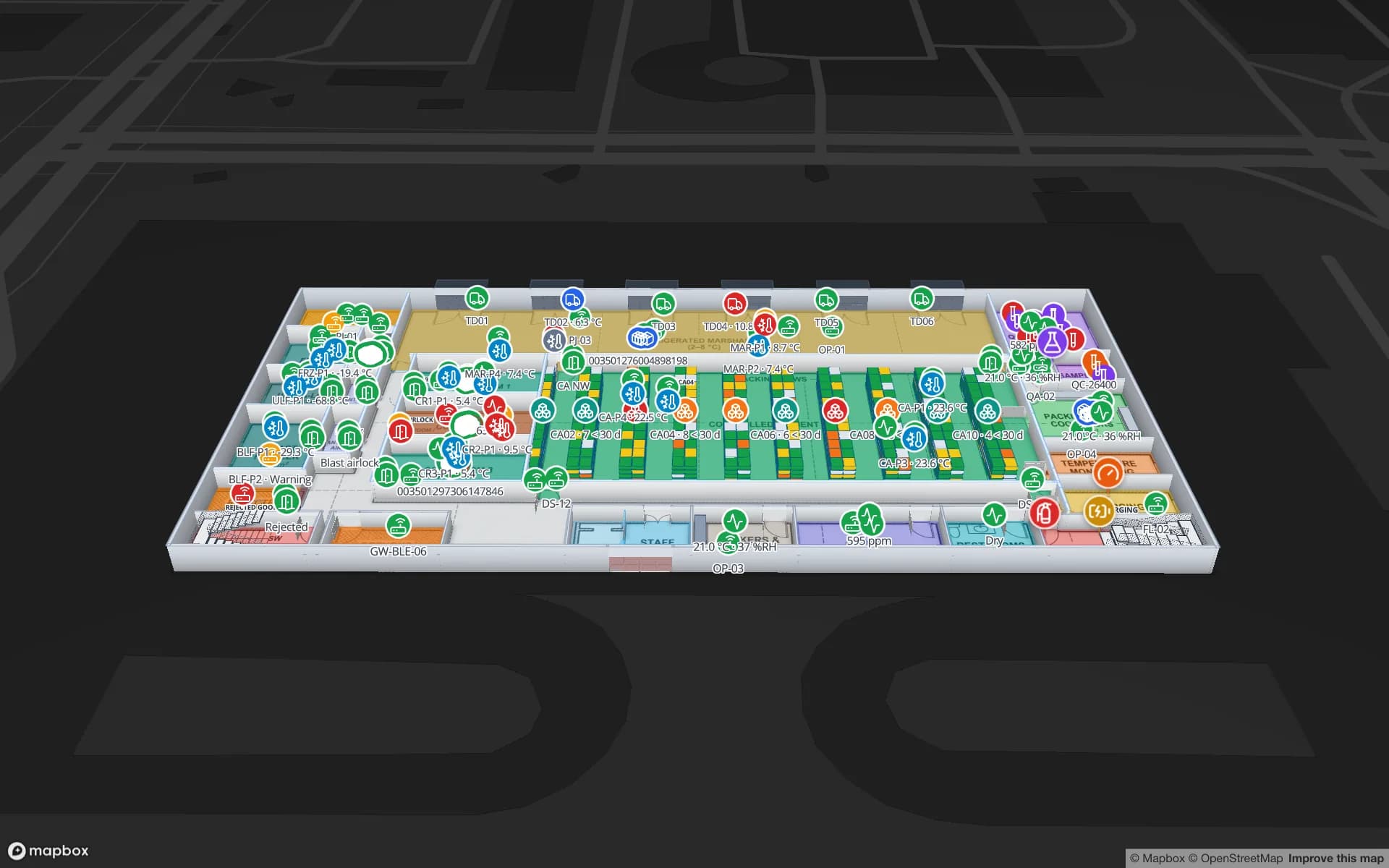
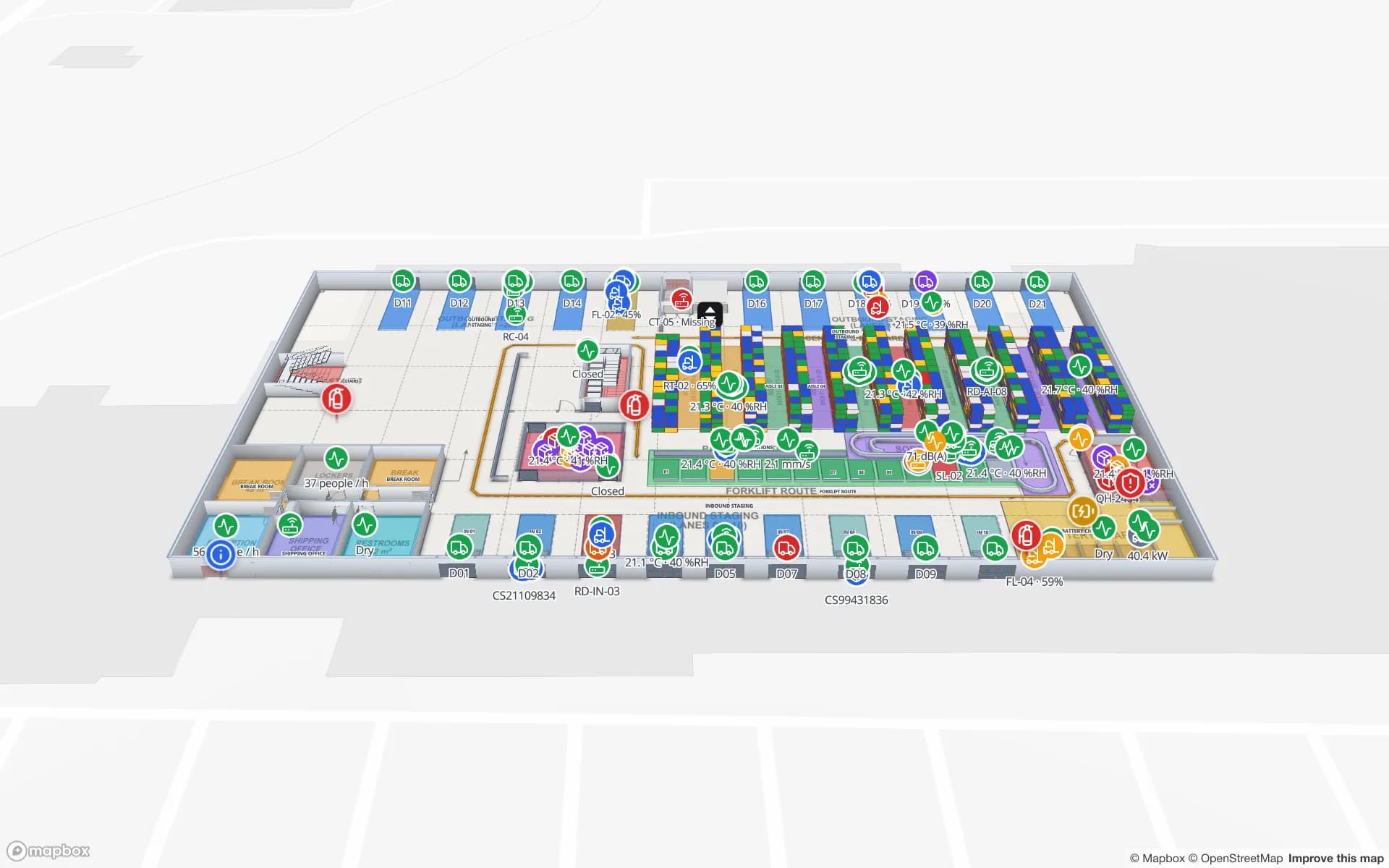
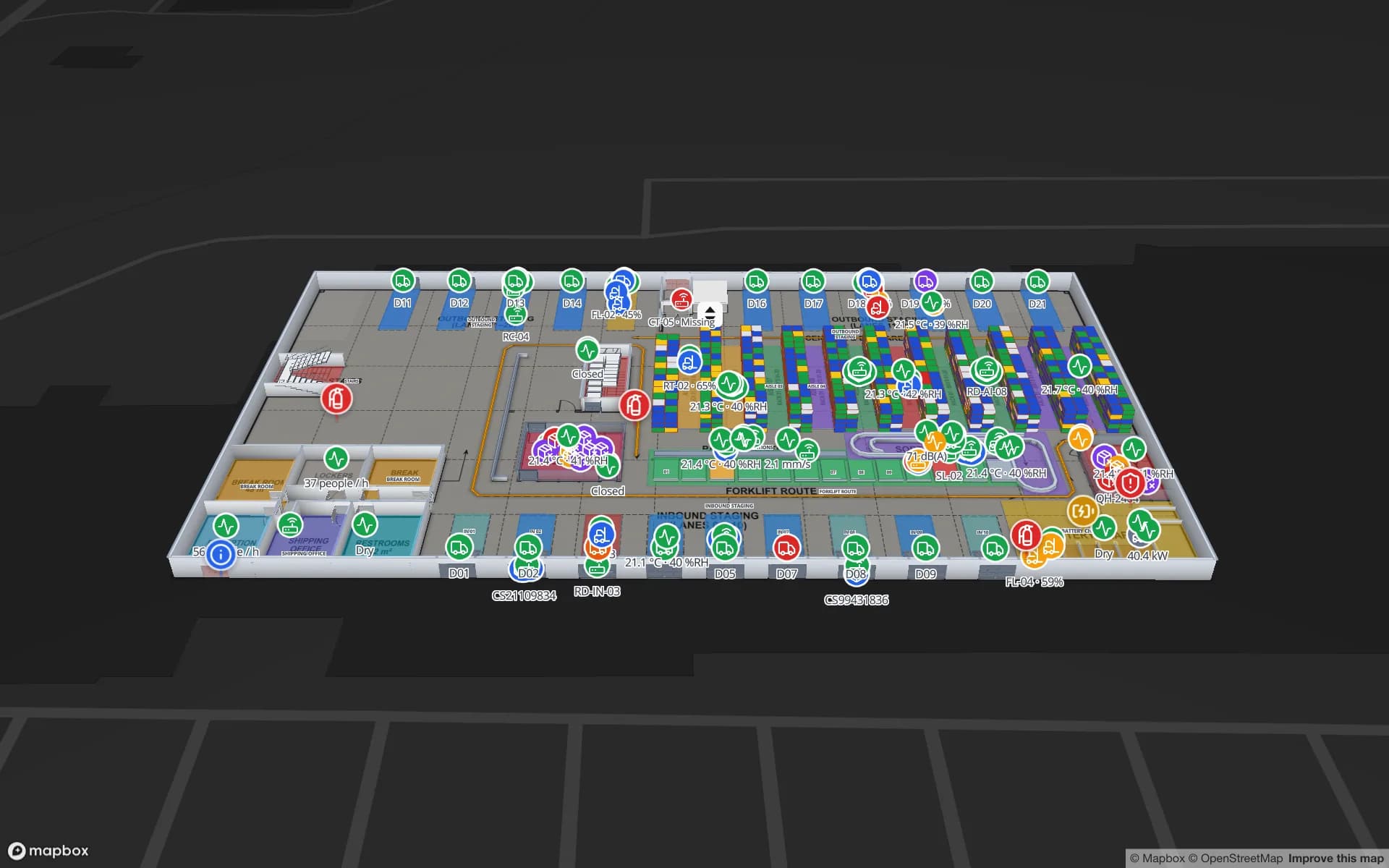
Crestline Fulfillment Center, a fulfillment center demo, in the Spatial Map 3D viewer with live device markers
Crestline Fulfillment Center
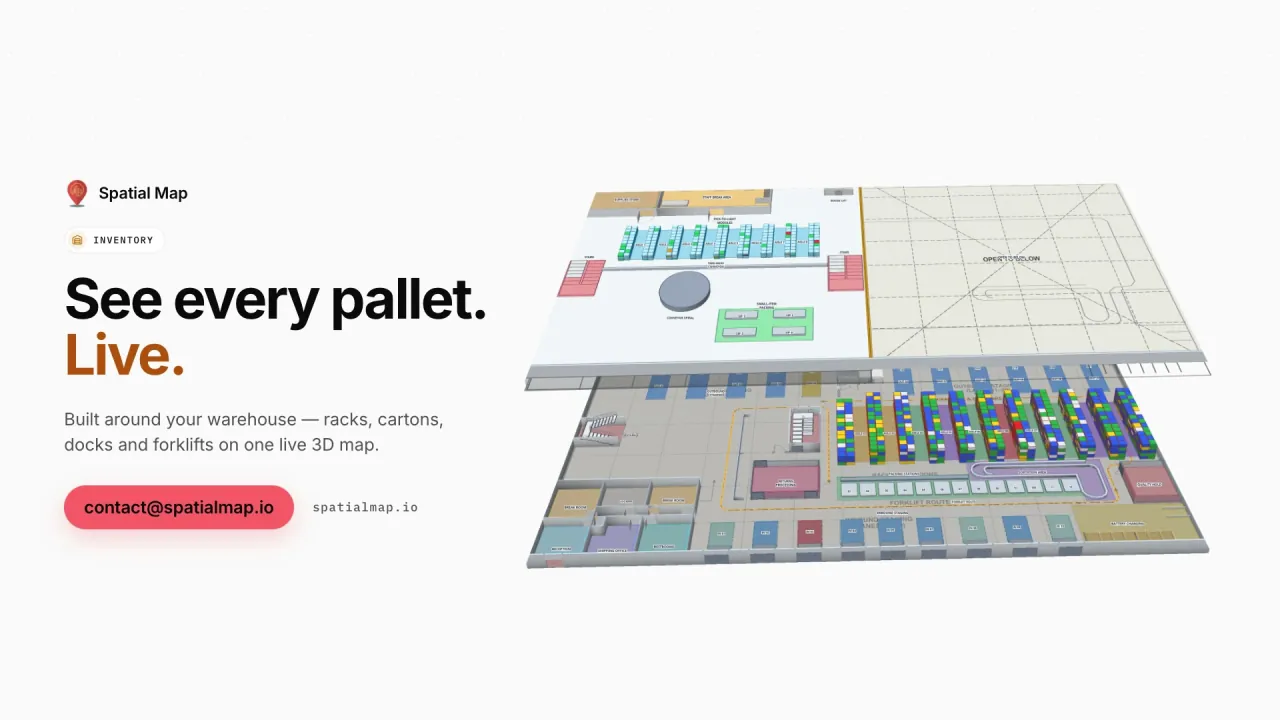
Crestline Fulfillment Center, a demo warehouse: 20 racks and 2,204 locations coloured by stock status, pick modules, packing stations, staging lanes and the trailer yard.
Rack locations in the Crestline fulfilment demo
2,204
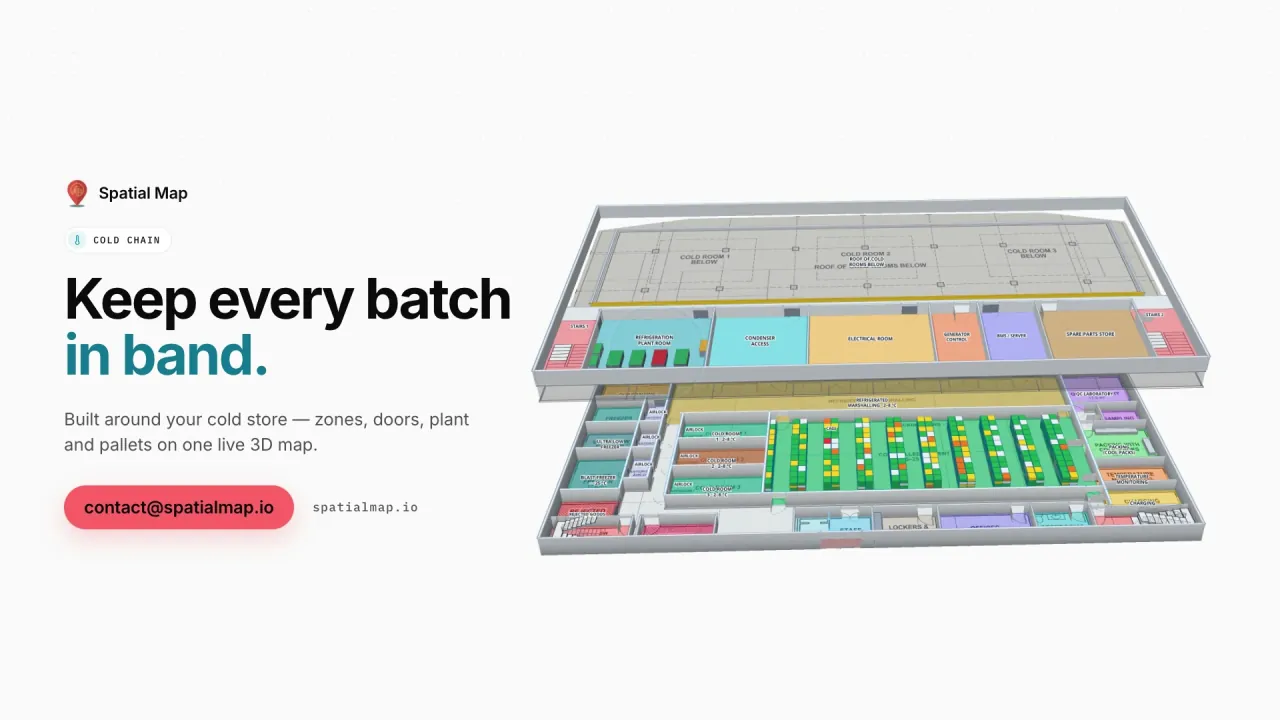
Rack locations in the Polar Pharma cold-store demo
1,140
Interface languages, none of them Italian
6
Free trial, up to 5 facilities, no card
7 days

Malpensa: perishables, pharma and fashion on one apron

Trade press reports that Malpensa handled more than 760,000 tonnes of cargo and mail in 2025, up 4.3 %, and now handles over 60 % of Italy’s air cargo volumes. Its Cargo City includes roughly 100,000 m² of frontline warehouse space, and the commodities listed include fashion, automotive, specialised machinery, perishables, food and pharmaceuticals — goods that are either high in value, short on time or both.

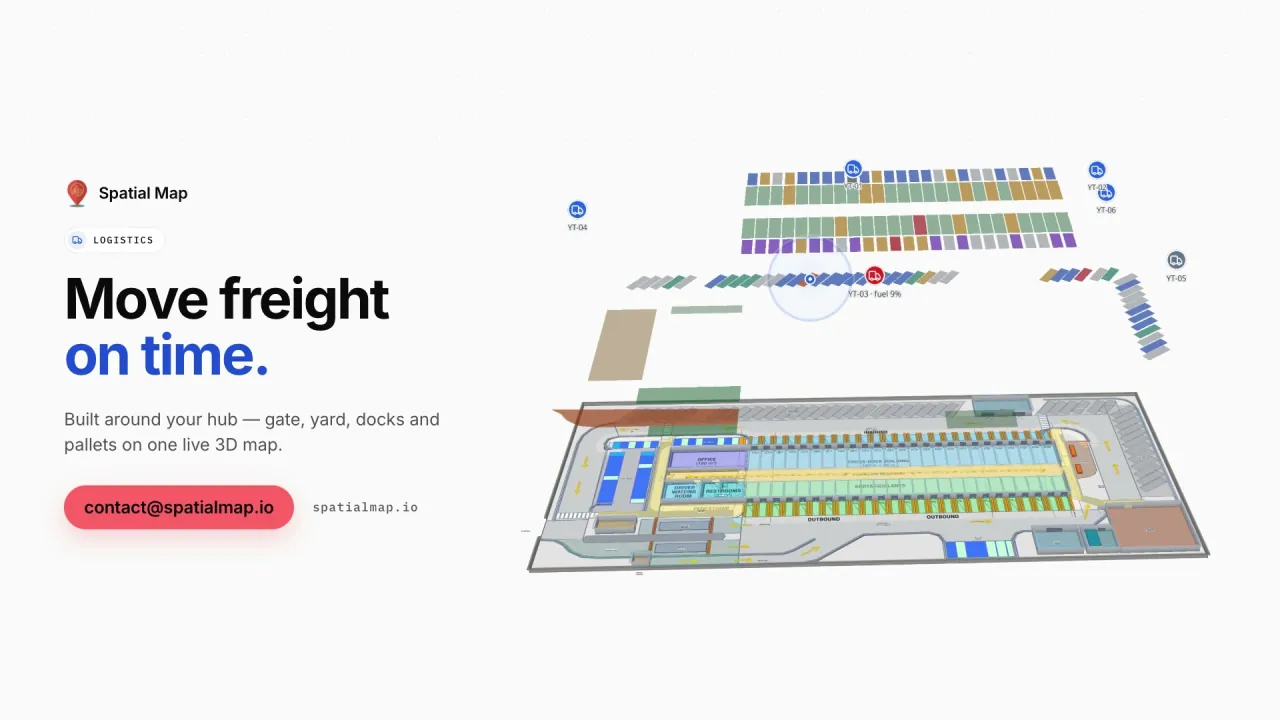
Inventory in an air-cargo shed is unusual: the stock is not yours, it stays for hours and each piece has a flight. The map is about the state of each consignment: in build-up, on a dolly, in a chilled room, on hold. Tag the pallets and cages with RFID, read them at the doors, and show them on the plan; the Eastport demo shows dock doors, yard slots and 1,180 RFID pallets, and RFID warehouse management covers lanes and doors. For chilled consignments a room tinted by live temperature sits on the same plan; see temperature monitoring. Spatial Map does not connect to the airport’s cargo systems, customs or any airline; it shows what your own reads and tables say.


The Lombardy belt: Novara to Brescia, Piacenza to the south

A 2025 index by the Milan Chamber of Commerce and the LIUC university defines the “Logistics Region of Milan” as reaching west towards Novara along the A4 and south towards Piacenza along the A1. A 2024 mapping by Unioncamere Lombardia and LIUC describes a logistics agglomeration running from Novara in the west to Brescia in the east, and notes that Pavia, Piacenza, Novara and Mantova host many large facilities.

In that belt the questions are those of any large distribution centre: accurate stock by location, a clean cycle count and a dock schedule that holds. Draw each building as a facility, load stock by location from your WMS as a table — CSV or Excel upload, the write API, or a REST endpoint that Spatial Map polls — and the racks colour by stock status. The Crestline demo shows 2,204 locations, pick modules and packing output. Cycle counting with RFID is the quick win; the post on how RFID stock counting works shows what to expect, and the stock counting page covers handhelds and fixed readers.

Rho: a fairground that turns into a warehouse twice a year

Milan’s exhibition grounds at Rho opened in 2005 and was designed by Massimiliano Fuksas; its pavilions stand on both sides of a pedestrian walkway one kilometre long. Covered area and pavilion counts differ between sources, so none is quoted. For an exhibition, the stock is everything that arrives in crates: stand materials, product samples, catering and returns, and a missing crate is found the day before opening, not the week.

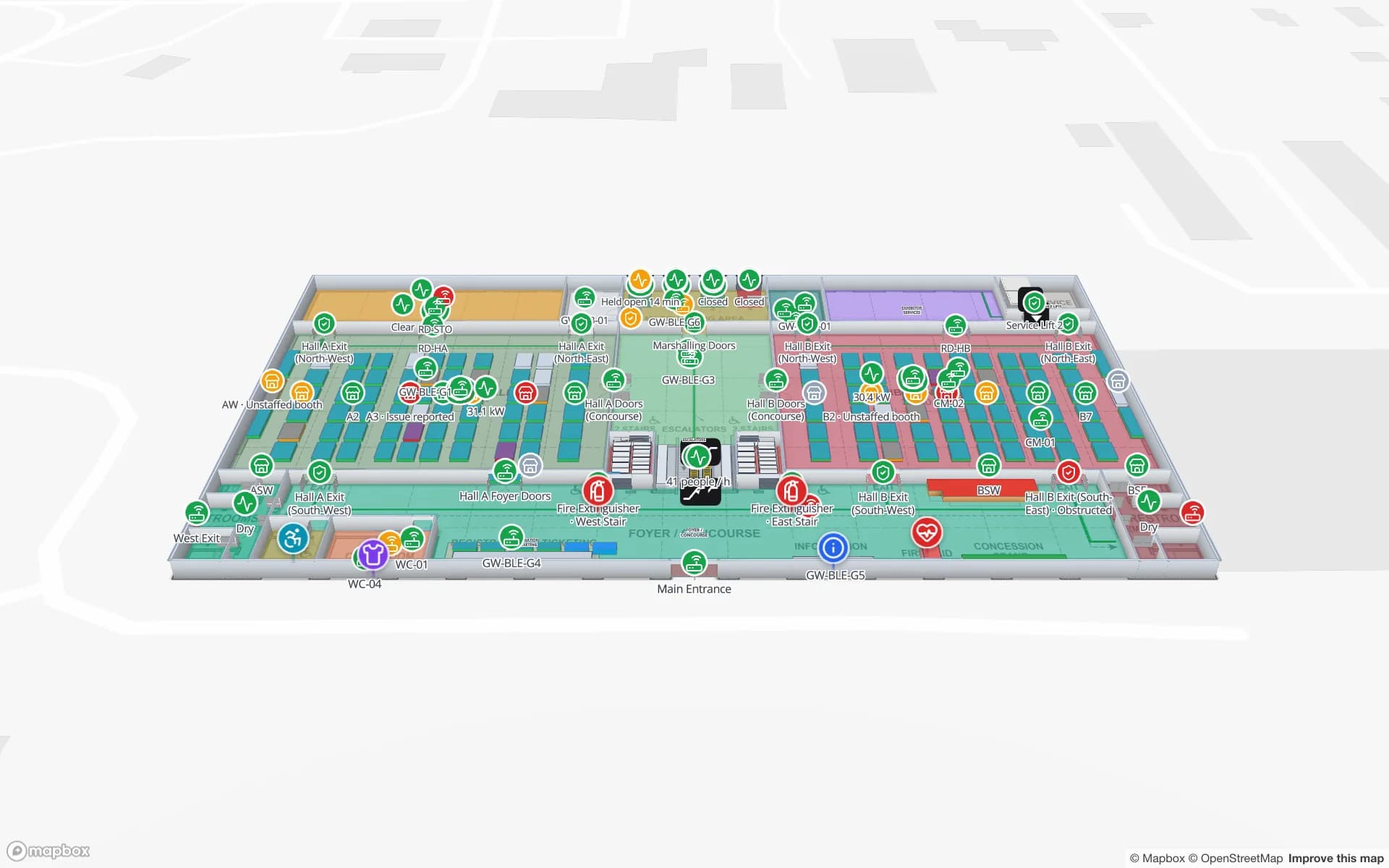
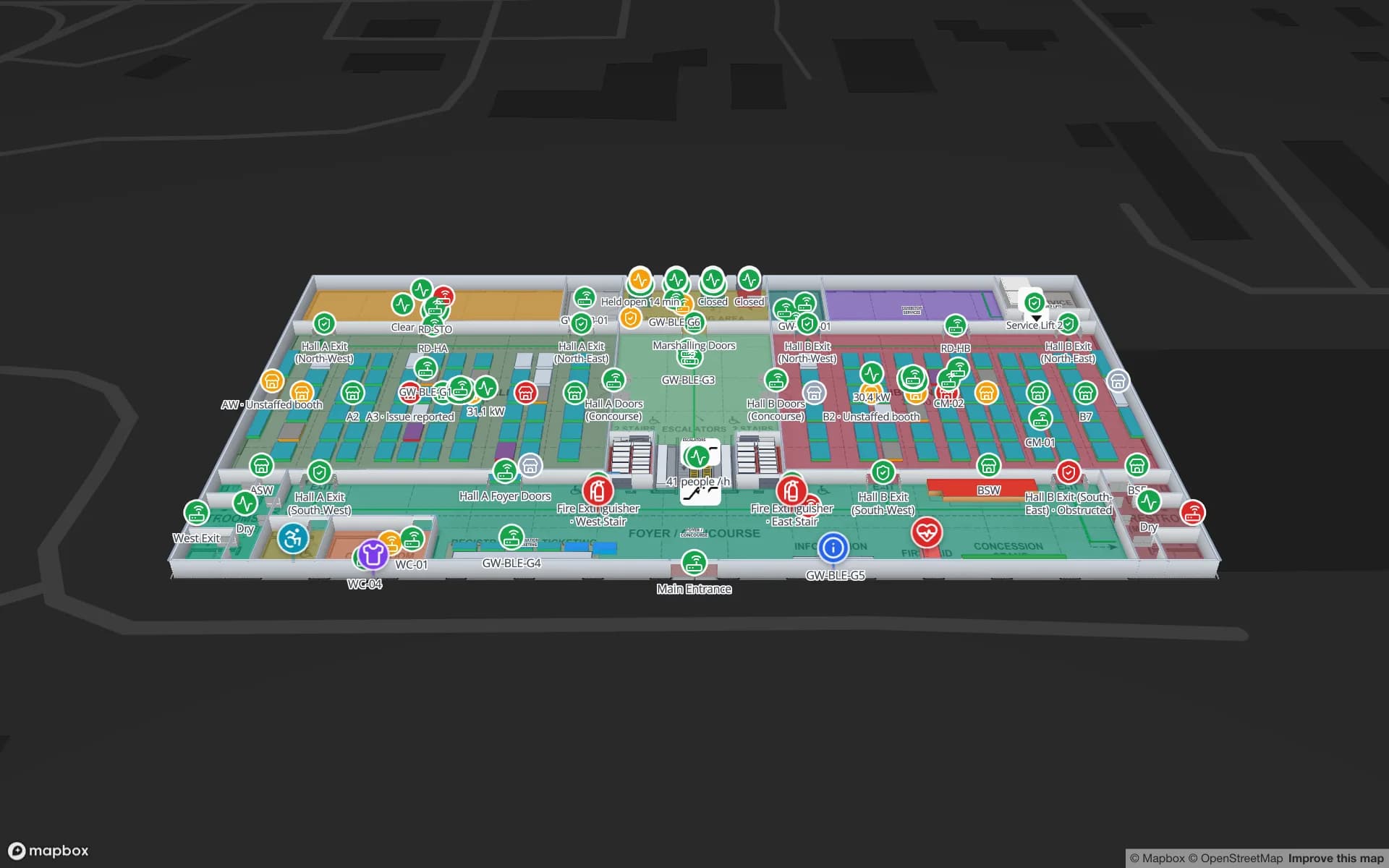
Tag crates at the exhibitor’s dock, read them at the hall doors, and the map shows which stands have received what; a share link lets a stand builder see only their hall. The Lakeside demo shows halls with booth blocks, session rooms, registration and loading docks. Spatial Map does not run ticketing, badge scanning or the fairground’s own booking systems.

Stockrooms and the boutique

Milan’s fashion and design retail works from small stockrooms behind valuable sales floors, where stock accuracy is a matter of the last few items. Item-level RFID lets a handheld count a rail in seconds, and a reader at the stockroom door shows what moved to the floor. The Retail Mart demo shows 85 readers at doors, escalators and lifts over three floors, with shelf and department stock counted daily; RFID in retail explains the counting side. The wider Italian picture — fashion warehouses, industrial districts, DOP and IGP cold chains — is on the Italy page.

Services for teams in Milan

Milan teams tend to start in one of these places:

  • Distribution centres begin with inventory tracking: stock by location, cycle counts and dock doors.
  • Cargo handlers and forwarders add asset tracking for cages, dollies and unit-load devices once the doors work.
  • Retailers and events teams begin with item counts at the stockroom door and crate reads at hall doors.
  • If you have no readers, antennas or tags yet, our team can source them on request, quoted per project, with warranty and device support from the manufacturer: see hardware and demo kits on request.
  • WMS integrations, handheld stock-take apps and retail-store software are built as client projects, including an RFID inventory system and retail-store software. The product runs as cloud or on-premises; RTLS and UWB is for large yards and halls where vehicles and people must be located continuously.

Also served nearby

The same page covers Rho and Pero beside the fairground, Busto Arsizio, Somma Lombardo and Gallarate around Malpensa, Lodi, Pavia and Piacenza to the south, and Novara, Bergamo and Brescia along the A4. The map opens in a browser at any of them. Italian-language text is available in the Italian version of the Italy page.

How Spatial Map does it

From a stock list to a live Milan map

  1. 01

    Load stock by location

    Upload a CSV or Excel export from your WMS as a table: location, SKU, quantity, status.

  2. 02

    Draw racks, bays and doors

    Import the plan, let AI Map draft the floor, and name areas the way your WMS names them.

  3. 03

    Add RFID reads where it pays back

    Dock doors for goods-in and out, stockroom doors for retail, crate reads at hall doors.

  4. 04

    Count, share and alert

    Cycle counts coloured per rack, read-only links for customers or contractors, and in-app alerts for stale reads.

What Milan teams track

Distribution centres in the Lombardy belt

Rack locations by stock status, pick modules and staging lanes.

Air-cargo sheds and cross-docks

Dock doors, build-up areas and consignments held in place.

Chilled and pharma consignments

Rooms tinted by live temperature, with held pallets in place.

Fairground halls and crates

Halls, booths and loading docks with crate reads and occupancy.

Store stockrooms

Item-level counts by shelf and department.

See it on real demo facilities

Fictional names, real floor plans, live sensors, RFID, BLE tags and gateways — open any of them in the browser.

All 13 demo facilities

Inventory tracking in Milan — questions we get

Not yet. The interface is in English, Spanish, French, German, Arabic and Chinese. Everything you write yourself — rack codes, location names, notes, report titles — stays in Italian exactly as you enter it, on the map and in exported PDF and Excel reports. There is an Italian version of the Italy page.

Yes. Upload a CSV or Excel export as a table, or have your WMS post rows through the write API (HTTPS, bearer API key, bulk upsert, 60 requests per minute per key), or expose a REST endpoint that Spatial Map polls. It does not write back to the WMS.

Yes. Send a read-only share link that locks the floor and the layers and has an expiry date, or give the client a Viewer role. Both show only what you have chosen.

Tag crates at the exhibitor’s dock, read them at the hall doors, and post the reads to a table. Each crate’s latest read shows on the map, with its row history in the detail drawer. Spatial Map does not read tags itself and does not handle exhibitor registration or ticketing.

It shows the state of each consignment you track — in build-up, on hold, in a chilled room — whoever owns it. The reads and statuses come from your own systems. It does not connect to airline, customs or airport cargo systems.

No. Spatial Map is sold online and our team works with customers in Italy remotely, by video call and through the contact form, in English. There are no local resellers or partners.

In US dollars, the same worldwide: a 7-day free trial for up to 5 facilities with no card, then Pro at $60 a month or $600 a year for up to 4 facilities. Larger estates are quoted as custom services; RFID hardware, if you ask us to source it, is quoted per project.

Map one Milan stockroom or shed this week.

Start the free trial and open the Crestline demo, or send us a stock export and the plan of a warehouse, hall or stockroom through the contact form.