Ahmedabad · GIDC estates, GIFT City and Gujarat’s ports

Inventory tracking in Ahmedabad for mills, process houses and stores

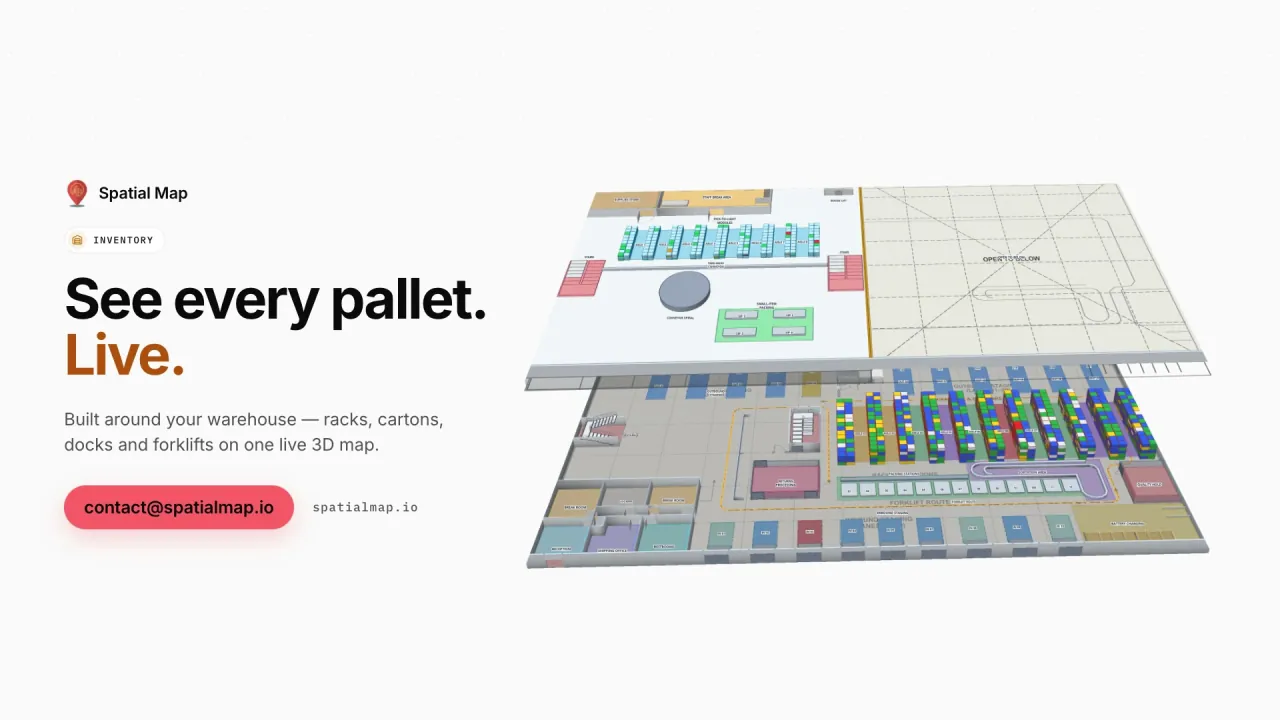
Spatial Map shows stock by rack, bay or room on a live 3D map of each building, using the counts and reads your WMS, handhelds and RFID systems already produce. Inventory tracking in Ahmedabad starts with where the city’s money has always been: textile and processing units, chemical and pharma plants on the GIDC estates, and warehouses that feed Gujarat’s ports. Rolls, drums, bags and cartons need to be found by lot and by stage, and each building is a facility on the map.

No credit card. Runs in the browser. Pro is $60/month for up to 4 facilities. Book a demo

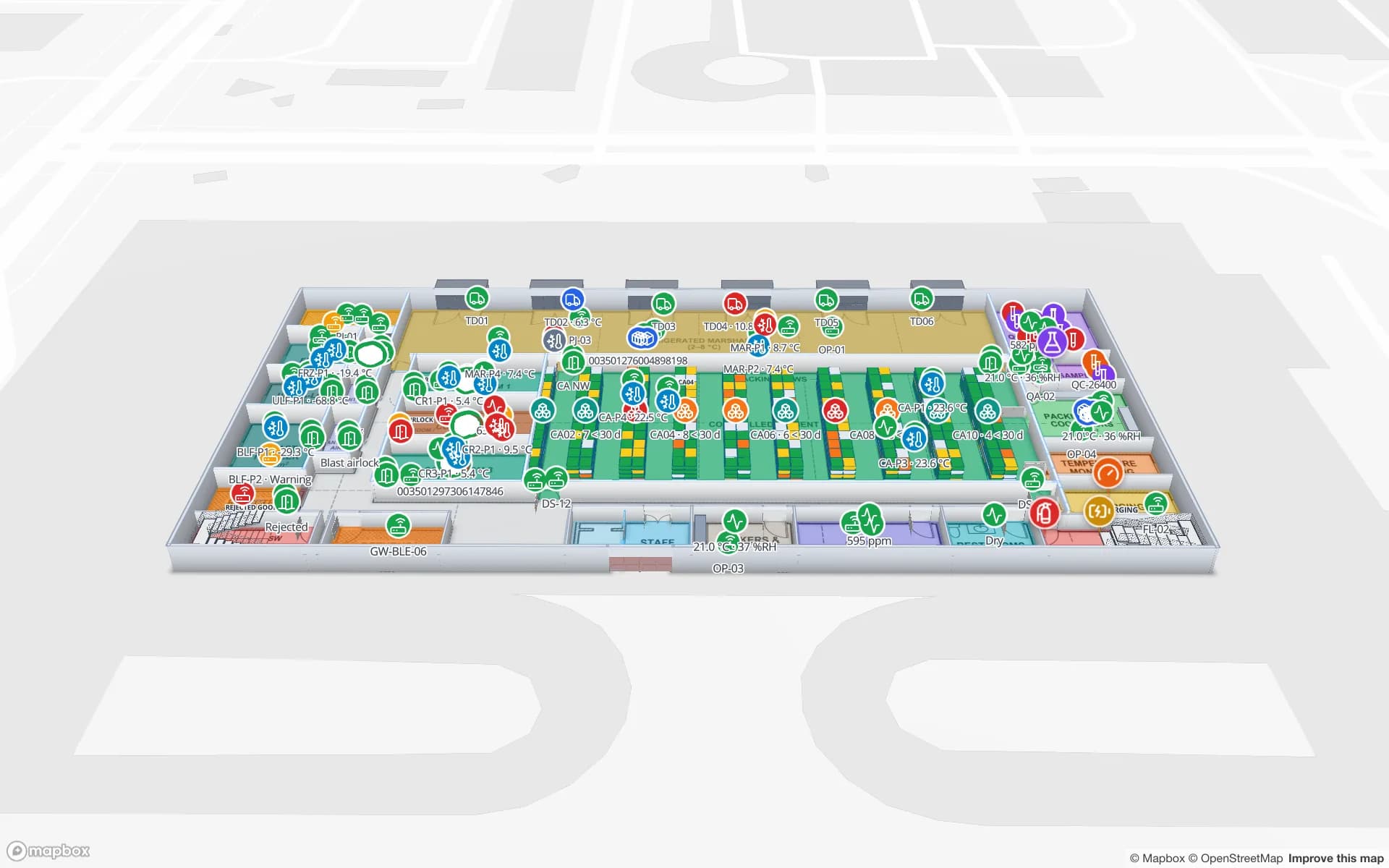
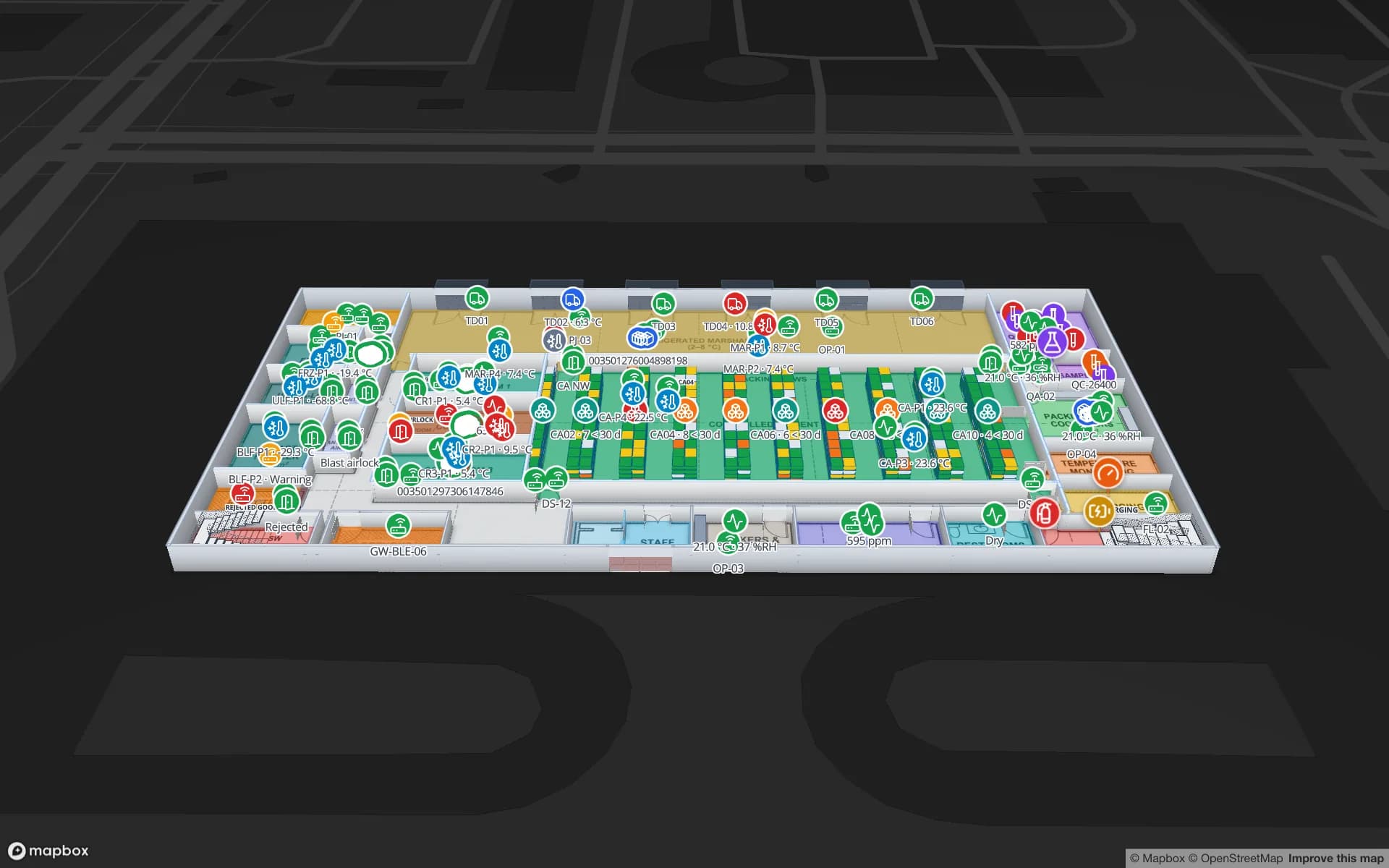
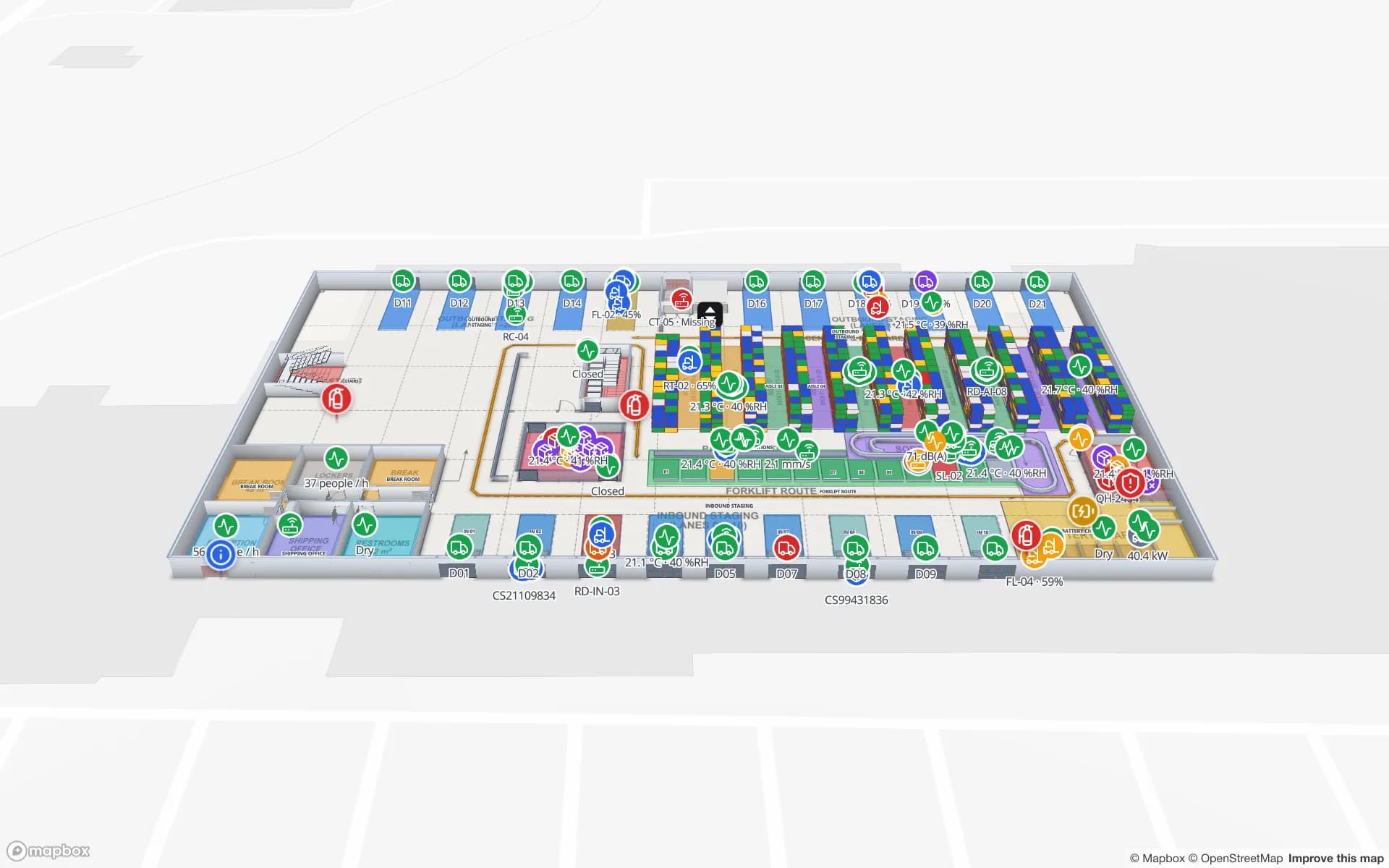
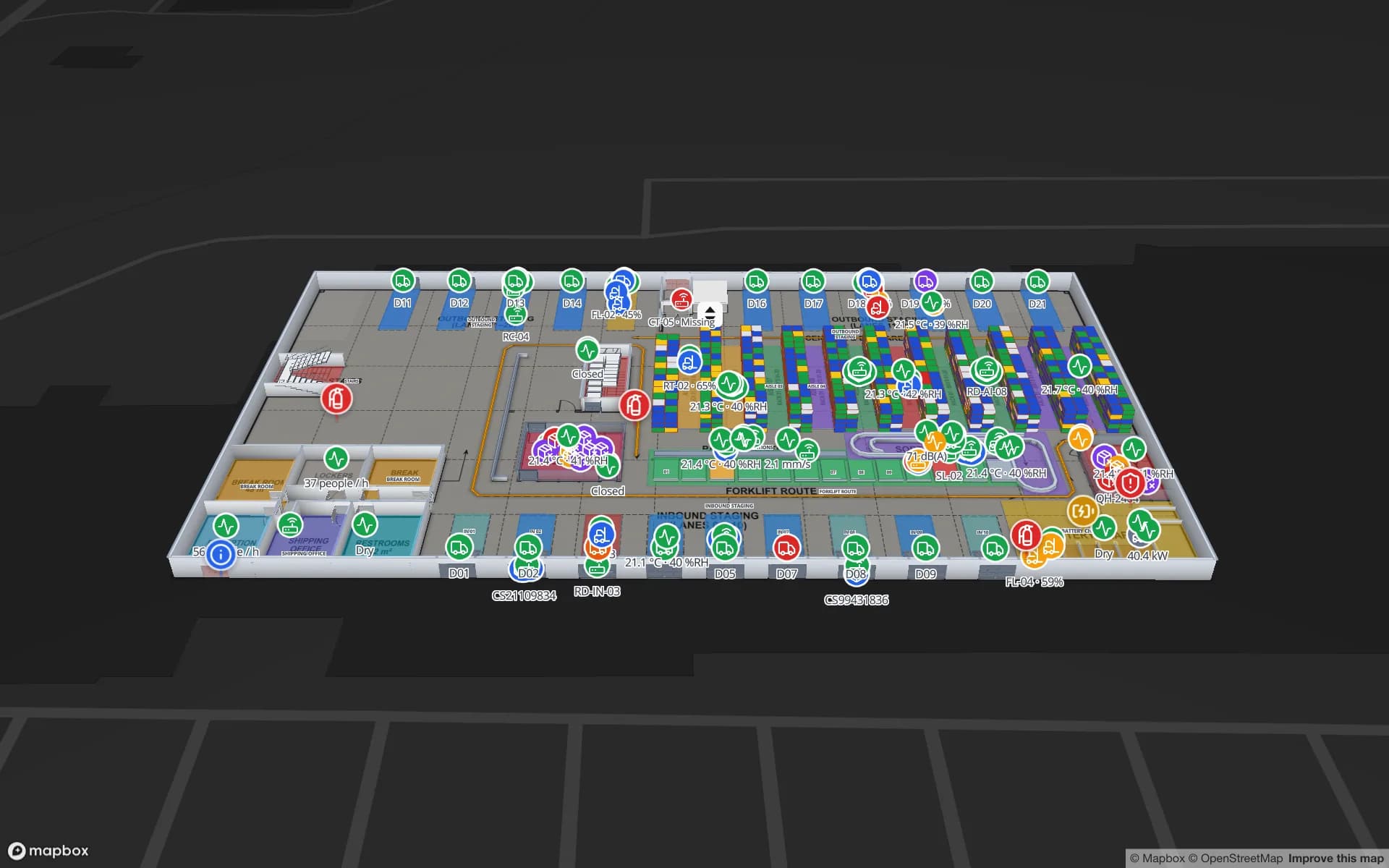
Crestline Fulfillment Center, a fulfillment center demo, in the Spatial Map 3D viewer with live device markers
Crestline Fulfillment Center
Crestline Fulfillment Center, a demo distribution site: 20 racks and 2,204 locations coloured from inventory, with pick modules, packing stations, staging lanes and the trailer yard.
Rack locations in the Crestline demo
2,204
Rack locations in the Polar Pharma demo
1,140
How often alert rules are checked, with alerts shown in the app
15 s
Free trial, up to 5 facilities, no card
7 days

A mill town’s stock comes in rolls and stages

The Ahmedabad Millowners Association was founded in 1891, and the city’s cotton mills earned it the name “Manchester of the East”. The mill era is long past, but the trade lives on in process houses, garment makers and trading godowns, and its stock has a shape of its own: bales in, grey fabric rolls, rolls out to a process house, finished rolls back.

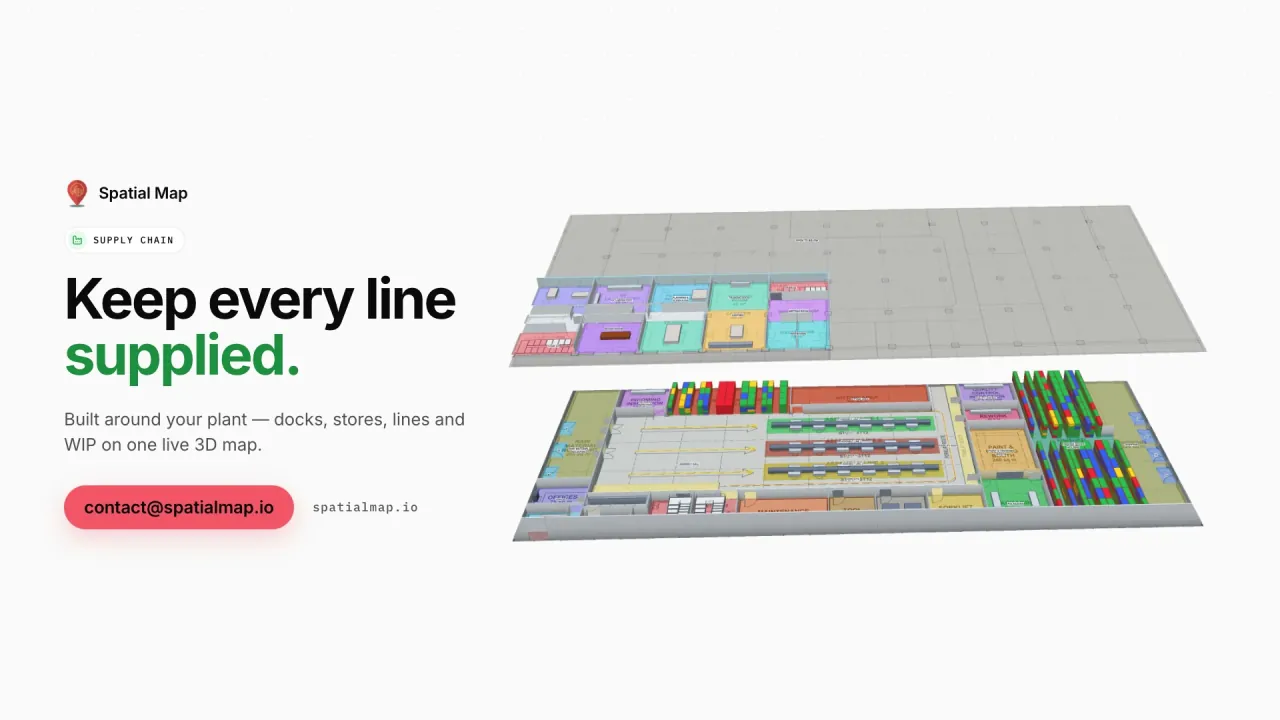
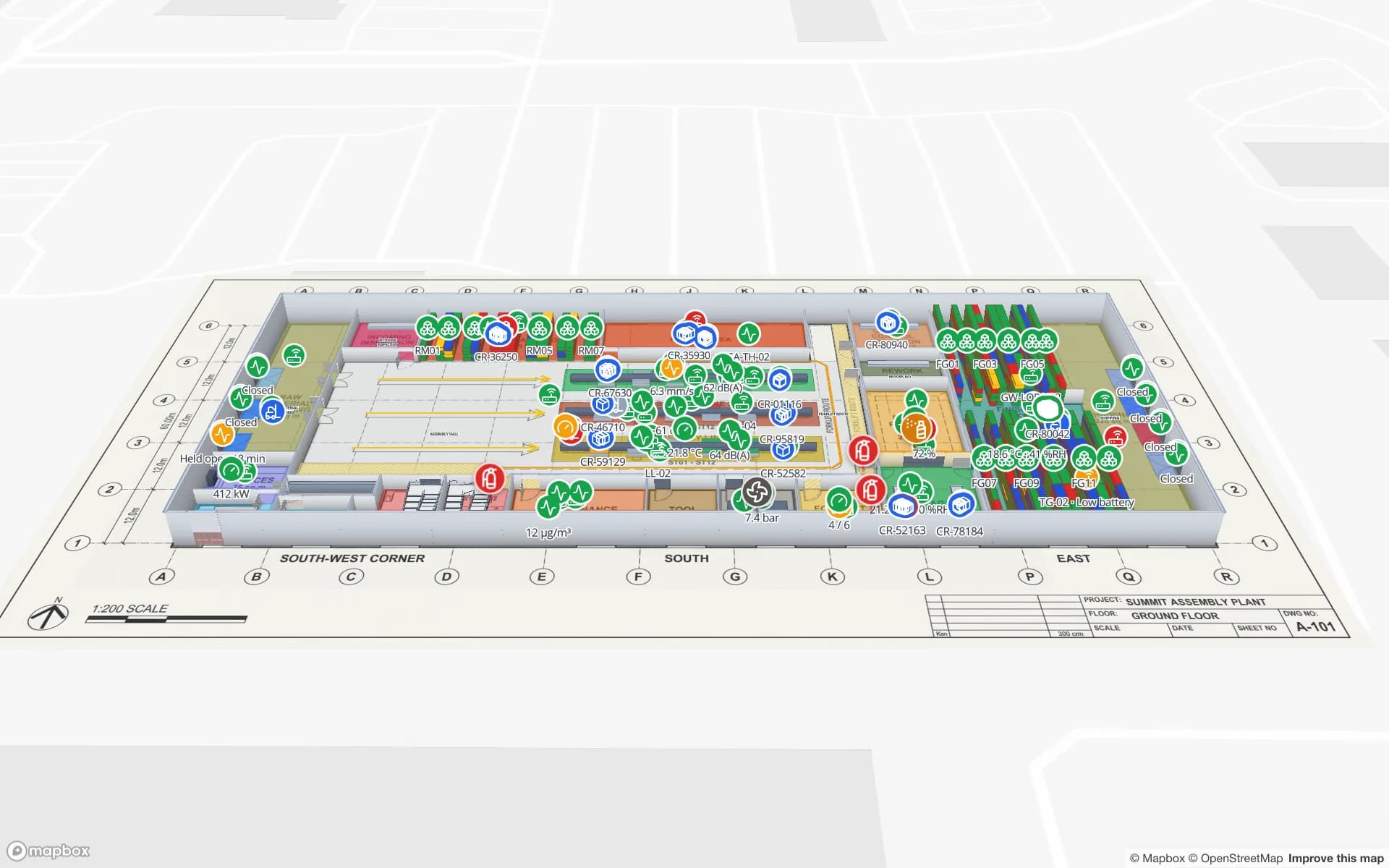
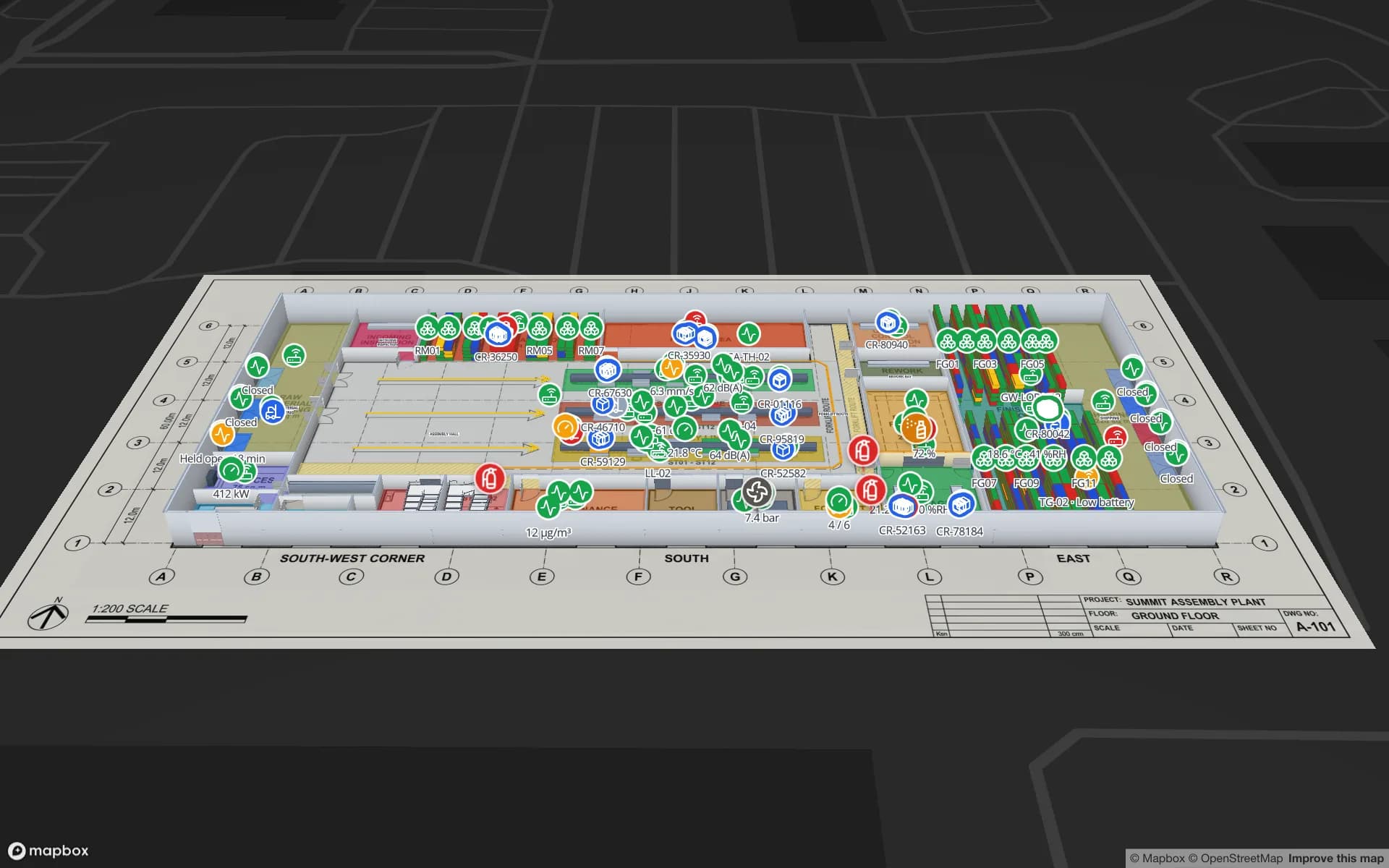
The unit that matters is the roll or the lot, and its stage matters as much as its location. Print a label or tag per roll, read it at each stage door, and a table of roll IDs, lot, stage and bay lets the map colour racks by stage. The Summit demo shows work-in-progress carriers read between stations, and the same pattern works for rolls between a loom shed, a process house and a despatch bay.
Naroda, Odhav, Vatva and Sanand: GIDC estates with mixed buildings

The Gujarat Industrial Development Corporation’s rate list covers estates inside the city, among them Naroda, Odhav, Vatva and Kathwada, and the much larger Sanand estates beyond it, where GIDC material lists automobile, plastic engineering, engineering and electronics as target sectors. Vatva’s units are a mix: published lists include pharmaceuticals, dyes and fine chemicals beside textile process houses and rolling mills. Mixed buildings, built over decades, often with a scanned plan or none.

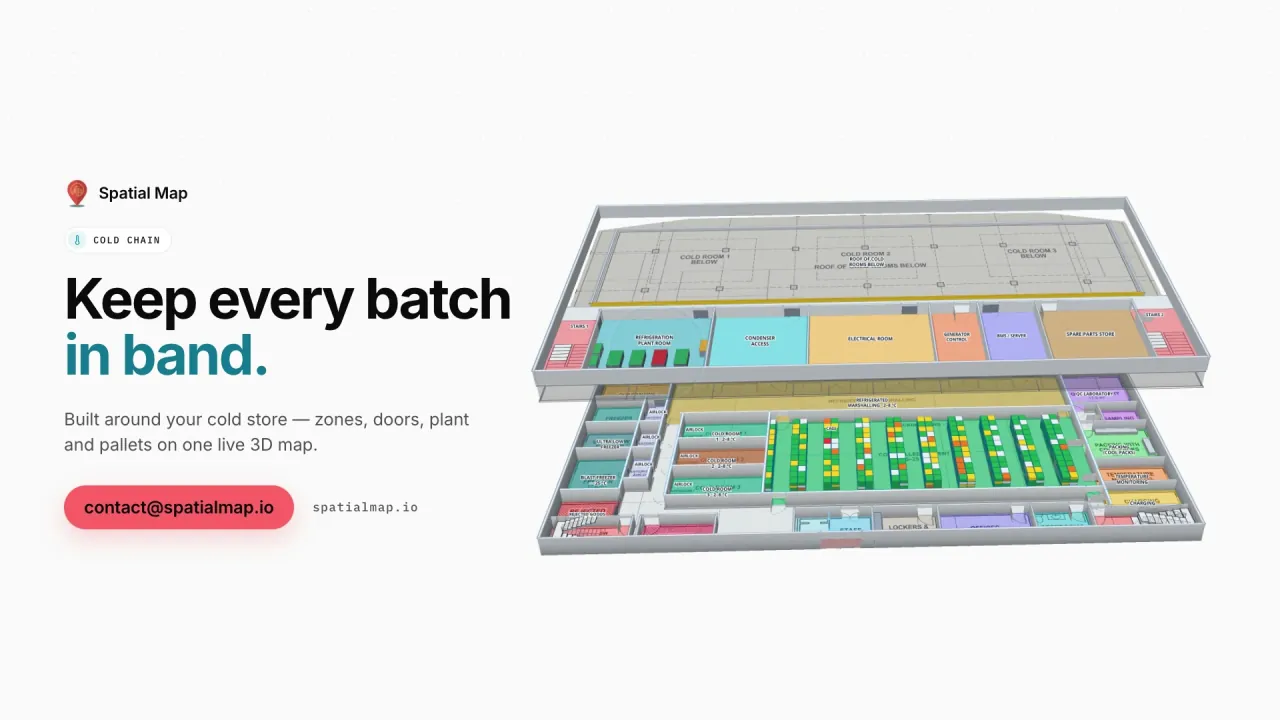
Upload what exists — PDF, DWG (AutoCAD R2004–R2018, placed as a picture) or image — align it, and let AI Map draft walls, doors, racks and areas for a person to review. Then track stock by bay: drums or bags by batch, with a quarantine area and a dispatch lane drawn as areas. Spatial Map makes no hazardous-goods, GMP or other compliance claim; your safety and quality systems remain the record, and the map shows where a lot is. The Polar Pharma demo shows quarantine areas and 1,140 rack locations.

GIFT City: towers full of stores and spares

GIFT City covers 886 acres, of which 261 acres are the special economic zone and 625 acres the domestic tariff area, on the Sabarmati between Ahmedabad and Gandhinagar; its SEZ houses what Invest India describes as the country’s first International Financial Services Centre. It is a district of offices more than stock rooms, so its inventory is of a different kind: IT equipment, spares, furniture, document stores and the supplies of many tenants in one tall building.

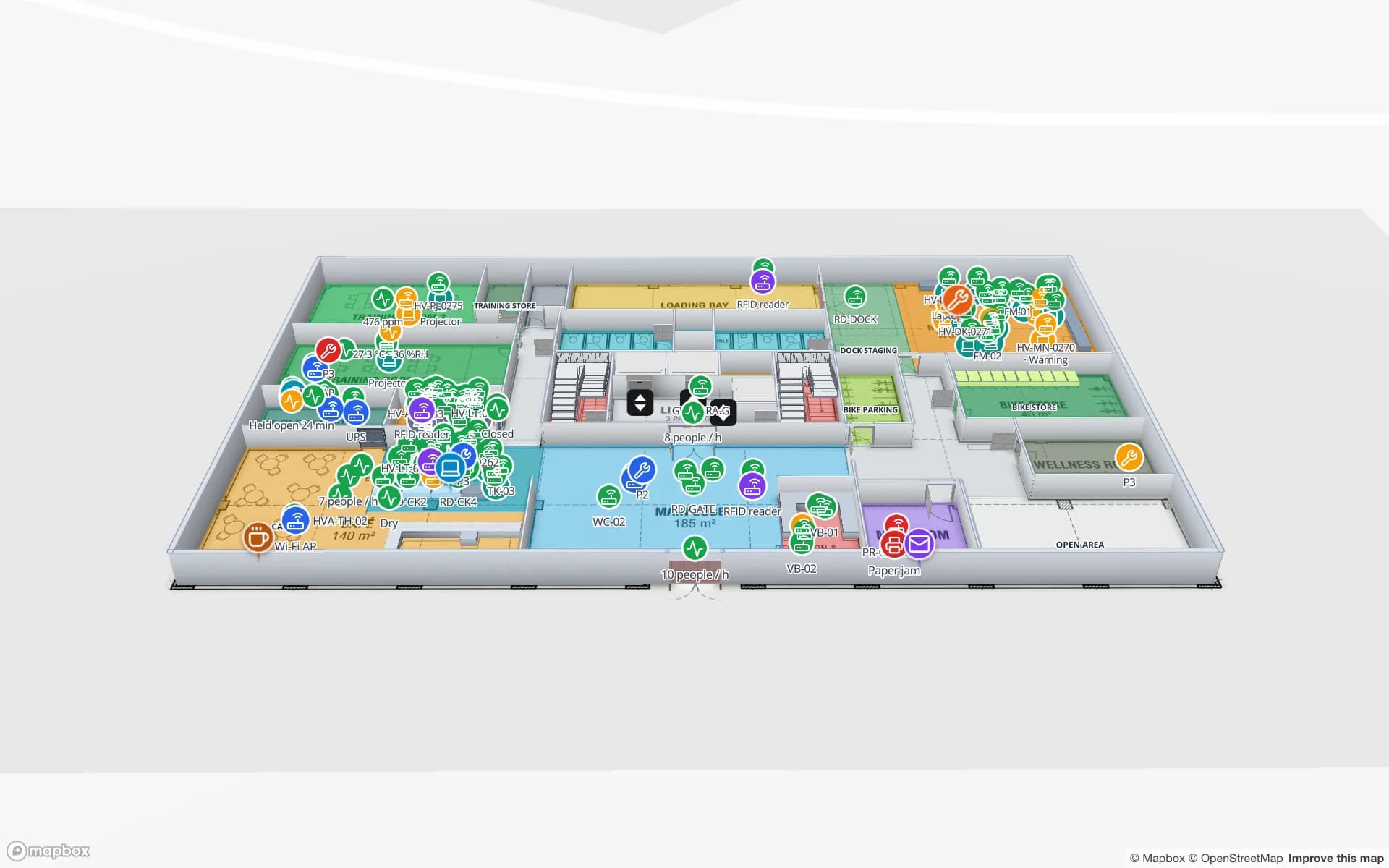
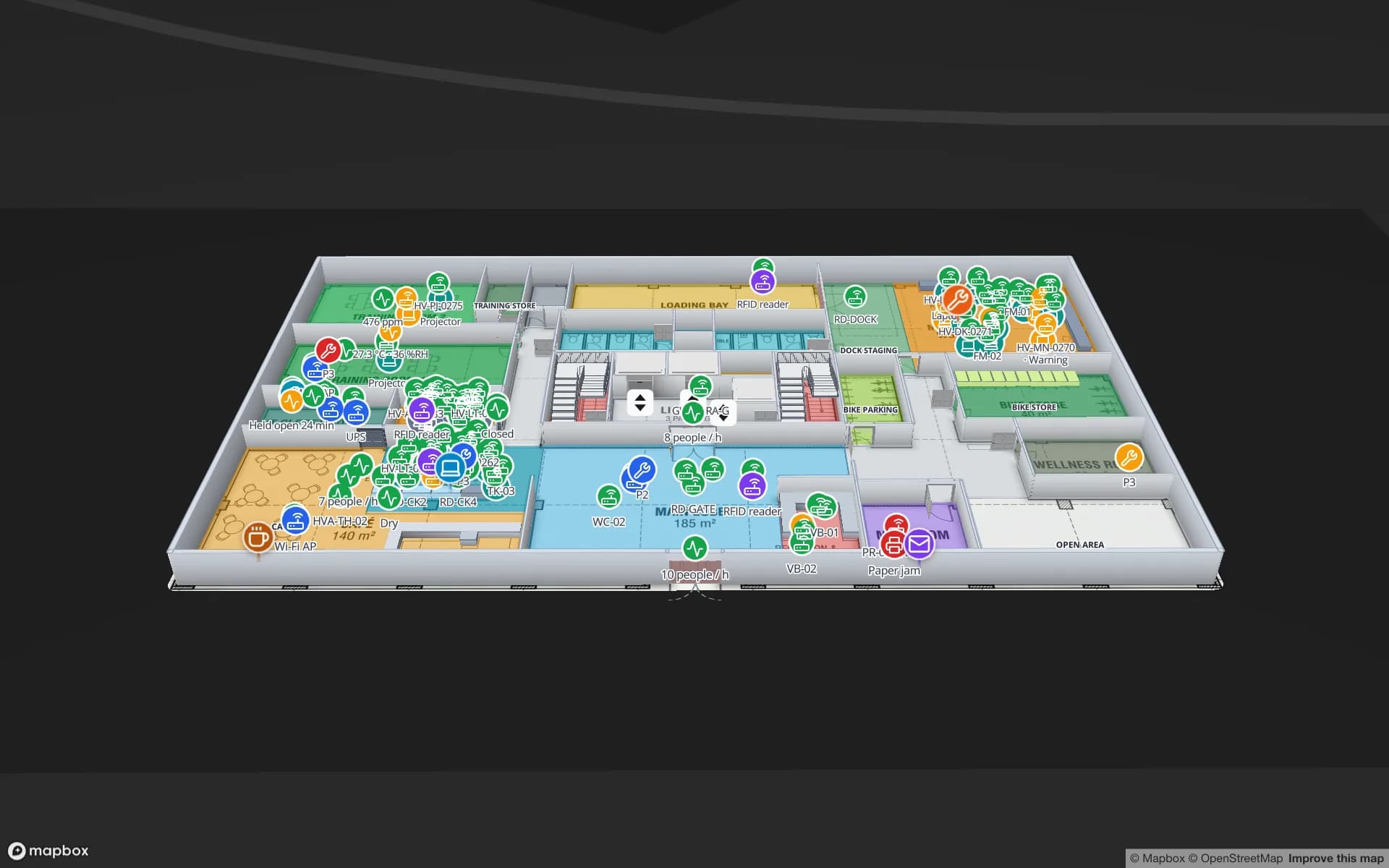
Draw each floor, make each store room an area, and a table of items by room gives a live count that a handheld audit keeps honest. The Harborview demo shows the asset register, equipment check-out, stores and spares and work orders on three floors.

Gujarat’s ports and the stock that waits for them

Gujarat has one major port, Deendayal, and 48 non-major ports run by the Gujarat Maritime Board, which was set up in 1982 under a 1981 Act. A warehouse in Ahmedabad is rarely at the quay, so what it holds is cargo that has arrived, is waiting to be sent on, or is gathered for export: stock whose status changes by the hour.

The Crestline demo’s 20 racks and 2,204 locations are coloured by stock status, with staging lanes and a trailer yard in front of the docks, which is the shape of a distribution shed on this corridor. Cartons or pallets read at the dock door update the table, so the map shows which lot is staged for which container. Spatial Map does not connect to port, customs or shipping-line systems; it shows what your own reads and WMS say. See RFID warehouse management for dock-door patterns.

A hot city and ambient stock

Ahmedabad launched a heat action plan in April 2013, described by NRDC as the first city plan of its kind in South Asia, using a seven-day forecast to trigger warnings. Heat is a stock matter too: adhesives, labels, packaging and many medicines have limits for ambient storage, and one end of a long shed is always hotter.

Place temperature sensors in each bay, post their readings to a table, and the map shows a heatmap of the shed with the hot corner marked; an in-app alert fires if a bay stays above a limit you set for N minutes. The warehouse temperature mapping post walks through it, and the temperature monitoring page covers cold rooms.

Services for teams in Ahmedabad

Where Ahmedabad teams usually start depends on the building:

  • Mills, process houses and godowns start with inventory tracking by roll or lot, often with barcode labels first and RFID after.
  • Chemical and pharma units on the estates start with batches by bay and a quarantine area, then add temperature monitoring for the rooms that need it.
  • Tower and campus operators start with indoor maps and an asset register by room, often before any tags are bought.
  • If you have no readers or tags yet, our team can source RFID readers and tags on request, quoted per project, with warranty and device support from the manufacturer: see hardware and demo kits on request.
  • Stock back offices, handheld apps and ERP integrations are built as client projects, for example an RFID inventory system. Run the product as cloud or on-premises.

Also served nearby

The same approach covers Changodar, Bavla, Kalol and Dholka beside the city, Gandhinagar, and Sanand along the road to Viramgam. Nothing needs to be installed at any of them: the map opens in a browser.

How Spatial Map does it

From a godown to a coloured rack map

  1. 01

    Pick one building

    The process house, the chemical store or the dispatch shed where a missing lot costs most.

  2. 02

    Import and draw

    Upload the plan, scan or photo, let AI Map draft the floor, and draw bays, lanes and the quarantine area.

  3. 03

    Load stock by bay

    A CSV or Excel of rolls, drums or cartons with lot, stage and bay, then a WMS or handheld feed through the write API.

  4. 04

    Add stage and silence rules

    In-app alerts for lots stuck in a stage, bays over a temperature limit and readers that stopped reporting.

What Ahmedabad teams track

Distribution sheds and godowns

Rack locations coloured by stock status, with staging lanes at the docks.

Rolls and lots between stages

Carriers or rolls read between a loom shed, a process house and despatch.

Pharma and chemical quarantine

Held batches and quarantine areas marked in place, with temperature zones beside them.

Tower stores and spares

Equipment check-out and stores by floor in a multi-tenant building.

See it on real demo facilities

Fictional names, real floor plans, live sensors, RFID, BLE tags and gateways — open any of them in the browser.

All 13 demo facilities

Inventory tracking in Ahmedabad — questions we get

Barcodes are enough for many mills; RFID pays back where rolls are counted often or move through many stage doors. Spatial Map shows either, as long as your handhelds or middleware send a roll or lot ID with a place. Test tags on your own rolls and trolleys before committing.

No. It has no hazardous-goods features and makes no compliance claim. It shows where a lot or drum is, from your own data, with a quarantine area and dispatch lane drawn on the plan; your safety and quality systems remain the record.

Each building is a facility. The Pro plan covers up to 4 facilities, larger estates are quoted as custom services, and the MIT-licensed open-source edition can be self-hosted with no plan limits. One table can carry stock for all of them with a facility column.

Not yet. It is in English, Arabic, Chinese, French, German and Spanish. Rack codes, room names and report titles can be typed in Gujarati script or any other and appear as written.

Yes. A read-only share link can be limited by expiry, view count, floor and layer, and tags move live on a shared link. It shows only what you choose to put on the map.

No. Spatial Map is sold online and our team works with customers in India remotely, by video call and through the contact form. There are no local resellers or partners.

In US dollars, the same worldwide: a 7-day free trial for up to 5 facilities with no card, then Pro at $60 a month or $600 a year for up to 4 facilities. There is no rupee price list.

Colour one Ahmedabad store by lot.

Start the free trial and open the Crestline demo, or send us a plan of one shed and a sample of your stock list through the contact form.