Munich · Engineering SMEs, the Riem trade-fair centre, airport cargo

Asset tracking in Munich, for tools, crates and test equipment that move

Spatial Map shows where your tools, instruments, crates and carts are, on a live 3D map of the building they are in. Asset tracking in Munich is shaped by what the region builds and moves: mechatronics and automation made by small and medium-sized firms, trade-fair stands that arrive in crates and leave a week later, and air cargo that waits for a flight. A tag on the asset, a reader or gateway in the room and a table of reads are enough to start; the map does the rest.

No credit card. Runs in the browser. Pro is $60/month for up to 4 facilities. Book a demo

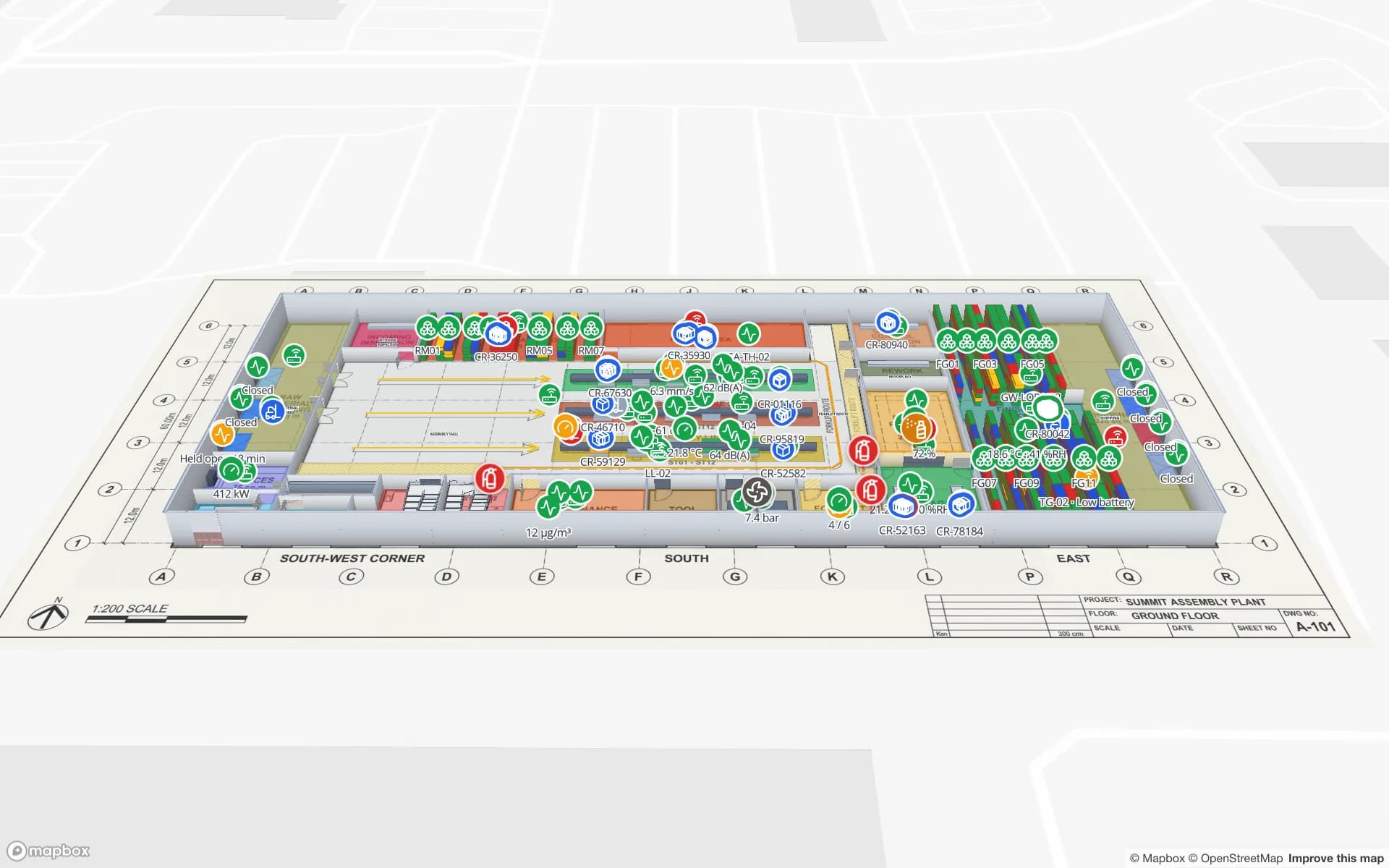
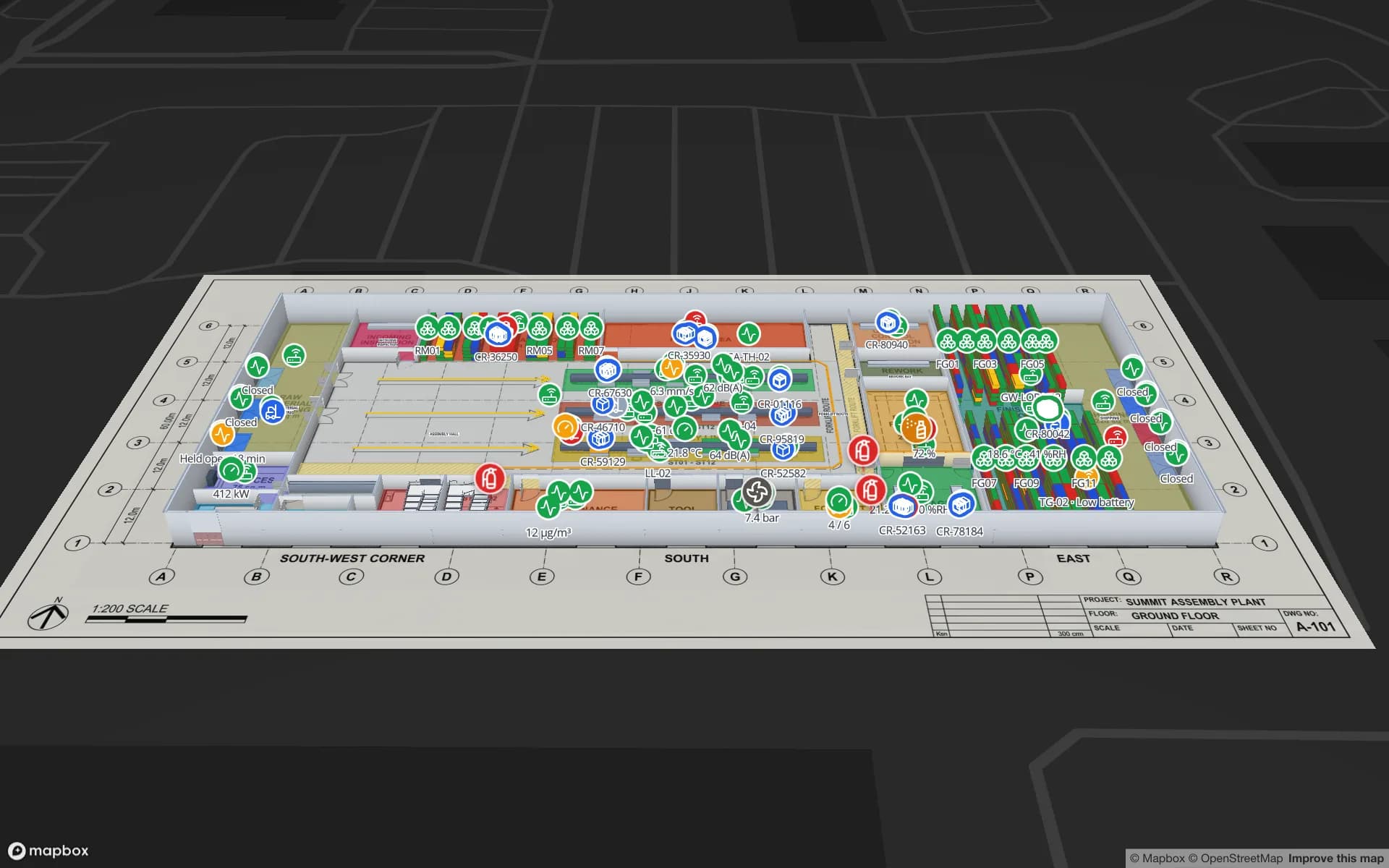
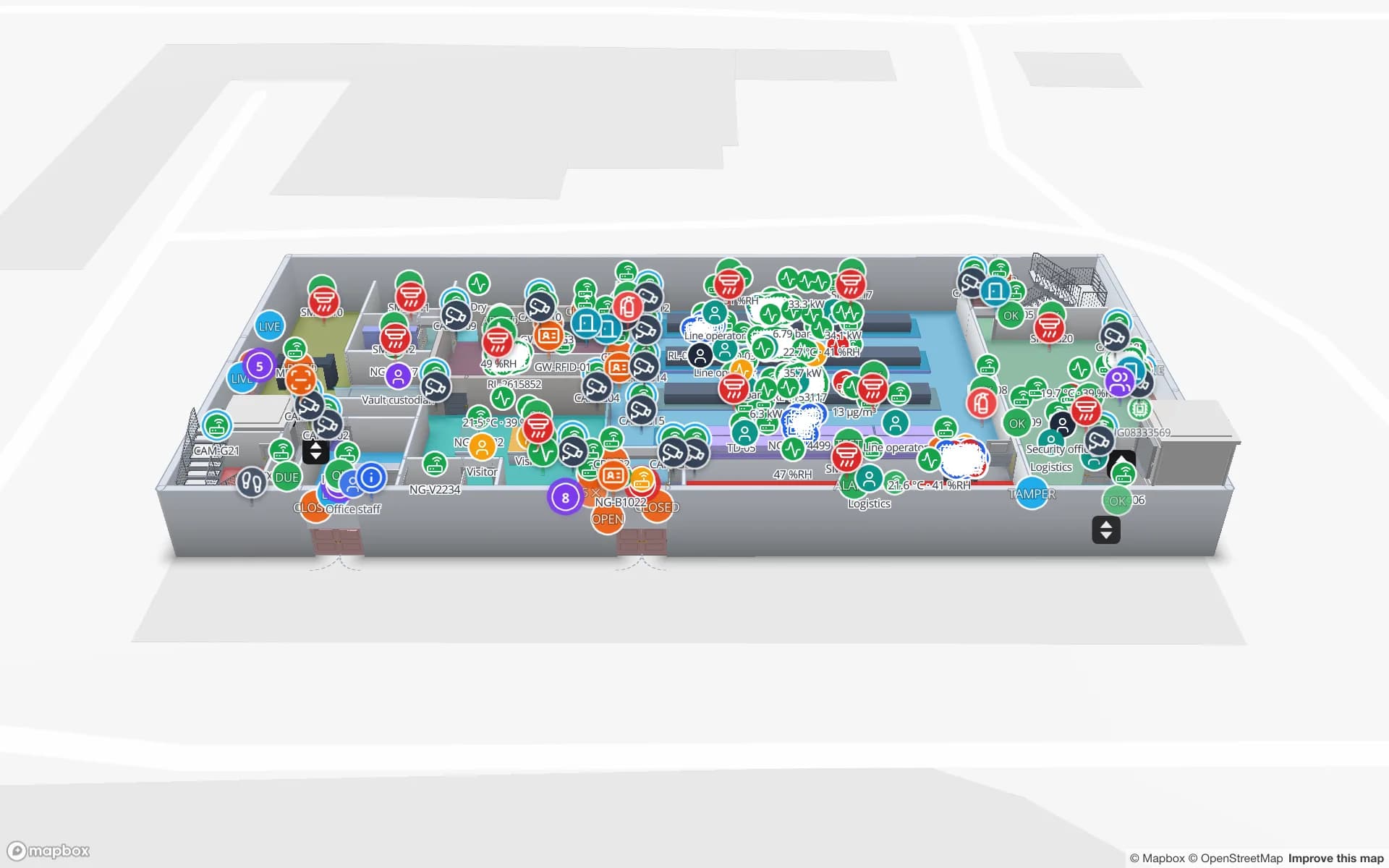
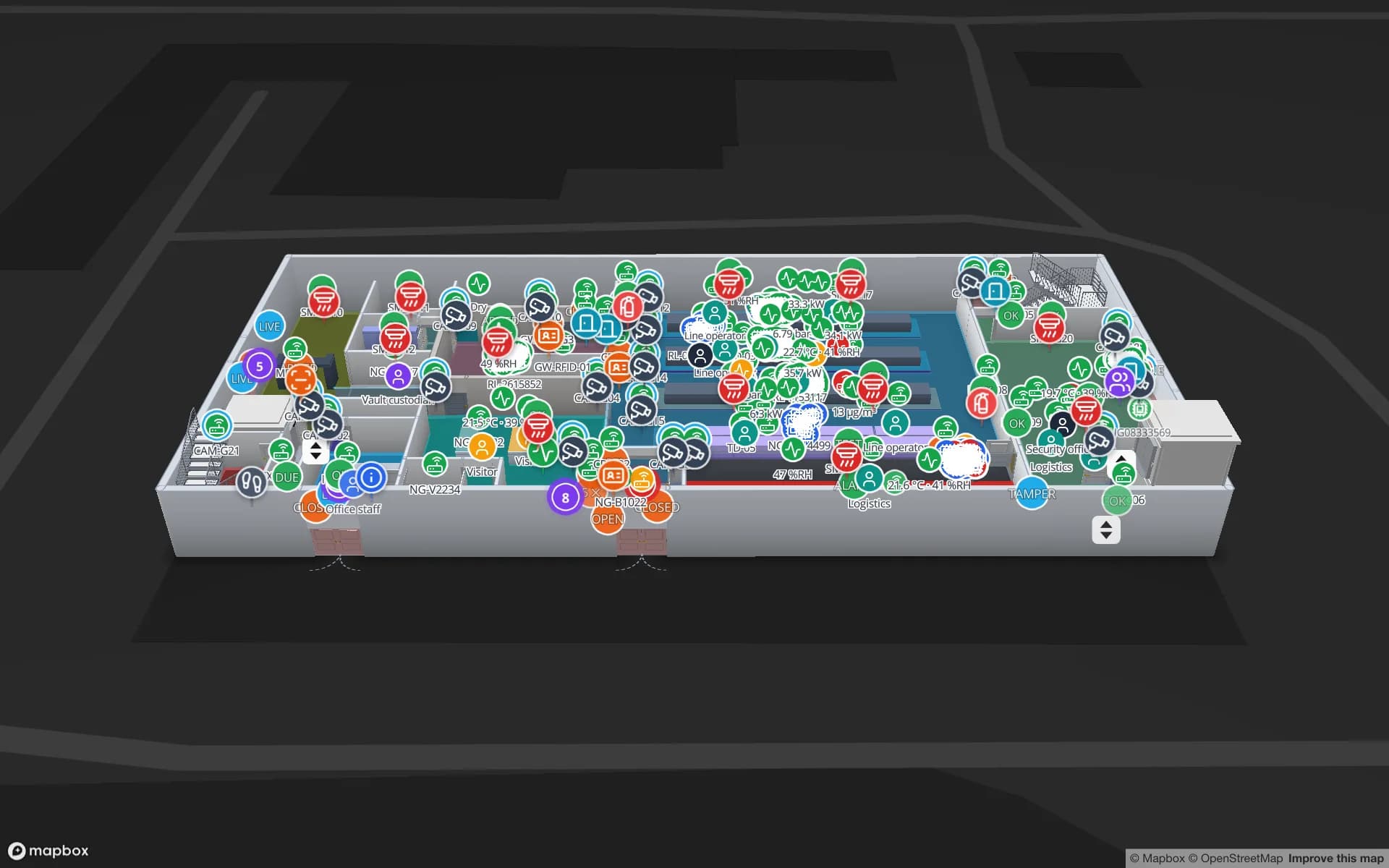
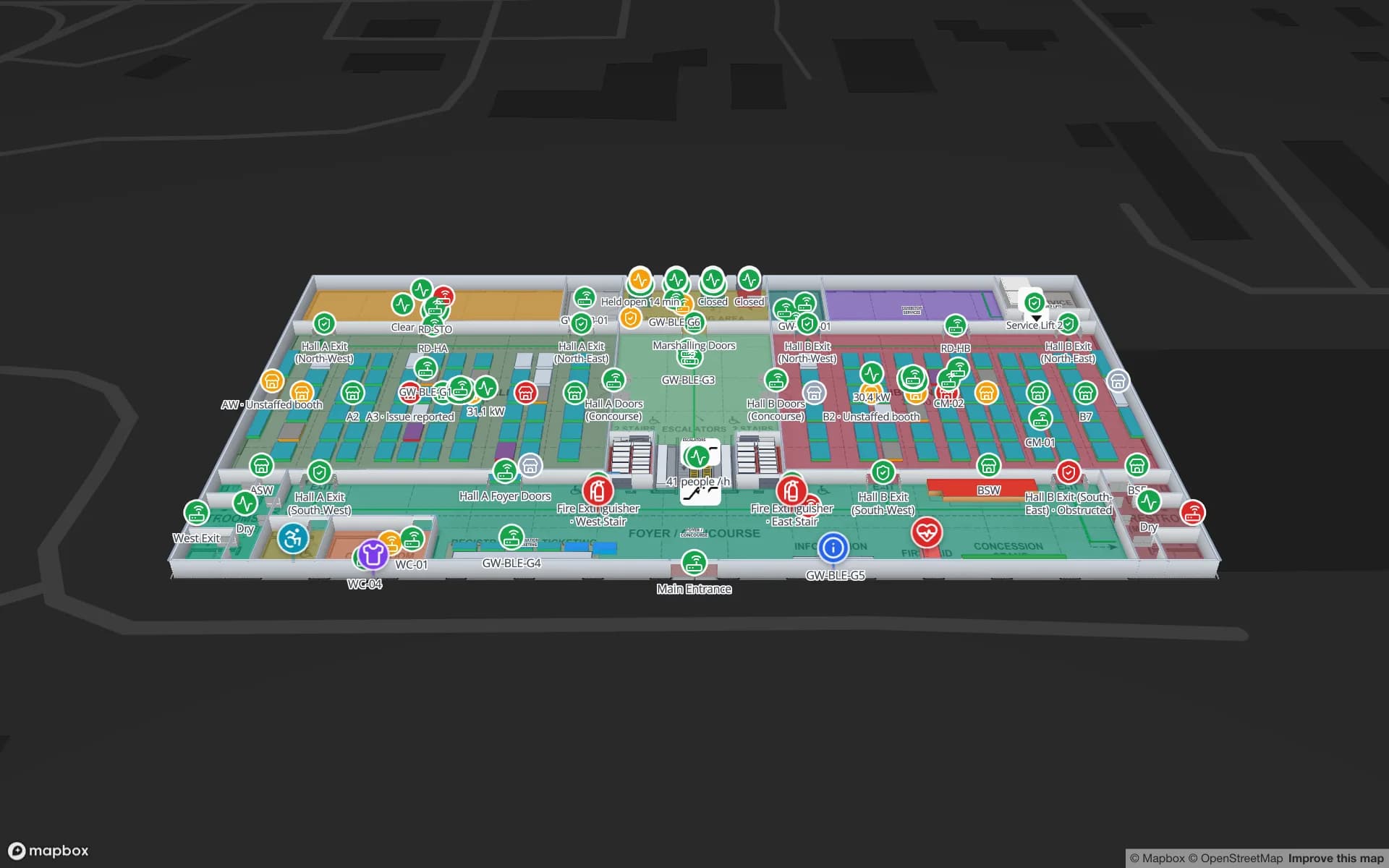
Northgate Electronics — Assembly & Secure Store, a electronics assembly & secure store demo, in the Spatial Map 3D viewer with live device markers
Northgate Electronics — Assembly & Secure Store
Northgate Electronics, a two-floor demo plant: assembly lines, a secure store and vault, with tools and equipment located room by room.
Tracked assets in the Northgate demo
119
Floors in Northgate, with the secure store
2
German interface, one of six languages
Deutsch
Free trial, up to 5 facilities, no card
7 days

Engineering SMEs: the asset is a gauge, a jig or a test rig

The Munich metropolitan region lists mechanical engineering as one of its mainstays, with mechatronics, automation, robotics and new manufacturing technologies, mostly in small and medium-sized firms. Invest in Bavaria names Munich and the Nuremberg region as the two production locations where mechatronics and automation work concentrates, and lists power semiconductors under electronics.

Firms like these own a surprising number of things that are small, valuable and constantly moving: measuring instruments, torque tools, programmers, test fixtures, prototype boards, loan equipment for field service. The usual loss is not theft but time, because a person walks the plant looking for the one calibrated gauge. Tag each with BLE or RFID and the map shows the room or bay where it was last seen, how long it has been there and who booked it. The Northgate demo locates tools and equipment room by room and tracks 119 assets across two floors. If you have a calibration schedule, keep it in your quality system and post due dates as a column, so an overdue instrument is coloured on the map.
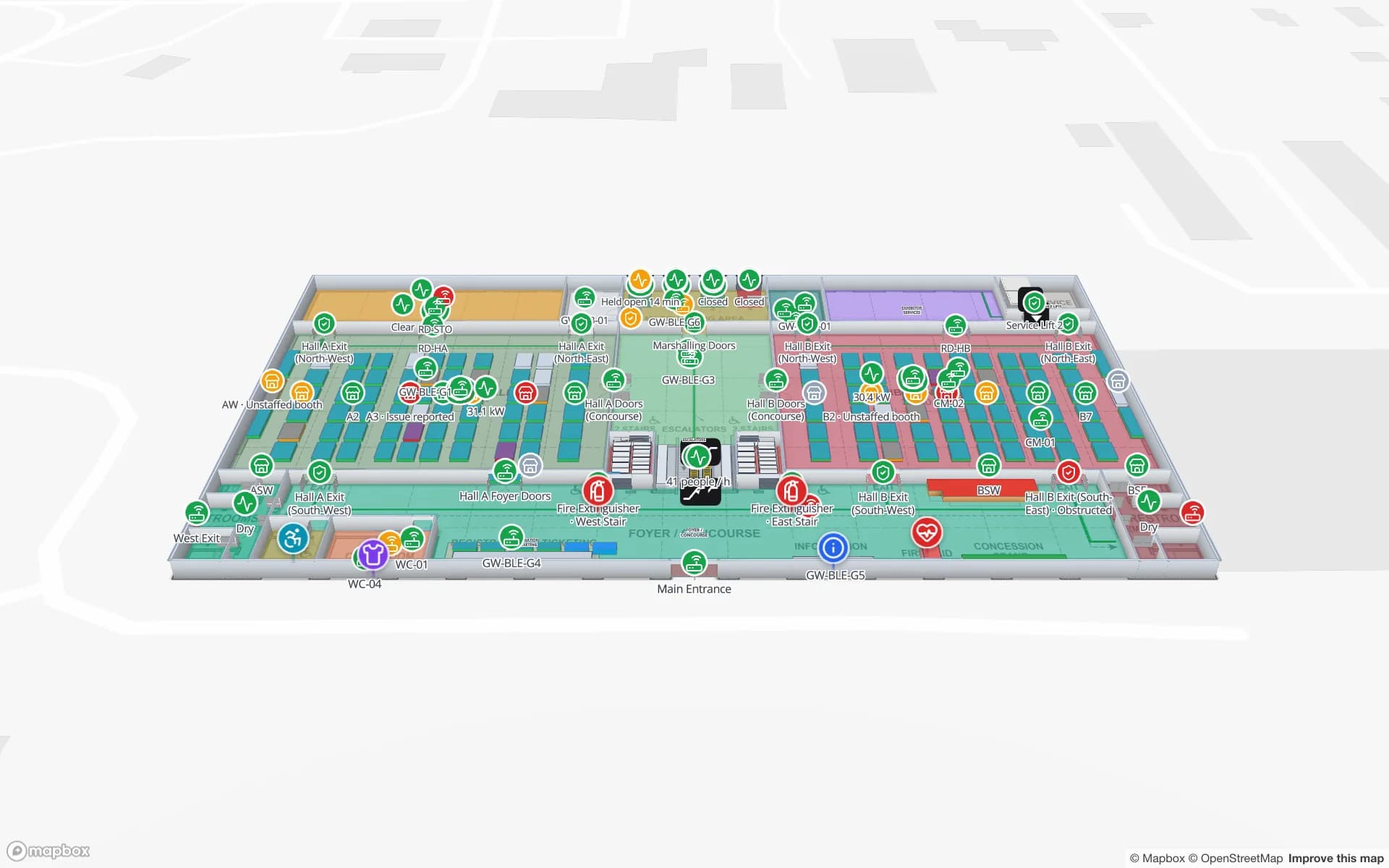
The trade-fair centre: crates that must find their stand

Messe München moved on 12 February 1998 from Theresienhöhe to the former Riem airport. The site was completed on 13 December 2018 and now has 18 halls, 200,000 m² of indoor and 414,000 m² of outdoor space, linked by an atrium 650 metres long. For a stand builder or an exhibitor that is a long walk with a trolley.

The returnable asset here is the crate: stand parts, demo machines, literature, packing cases that have to go home. Tag each crate, read it at the dock and the stand, and the map shows which crates are still in the hall after the fair closes. Lakeside, our convention demo, tracks crate tags from the docks to the booths; see the Lakeside demo. An in-app alert on “not updated for N minutes” flags crates that have stopped moving before the hall’s handover deadline.

Airport cargo: waiting is the expensive part

Munich Airport describes itself as the largest cargo hub in southern Germany and advertises “fast in, fast out” handling, loading capacity on the main deck and temperature-controlled rooms. Trade press describes cargo carried in the holds of passenger aircraft as the dominant share, with integrators as the main freighter users. Tonnage figures differ between releases, so none is quoted here.

The airport and its handlers run their own systems. The buildings around them are different: forwarders’ sheds, build-up areas and equipment stores where pallets, unit load devices and trolleys wait for a slot. Tag the equipment, not the cargo, and the map answers the question forwarders ask all day: which trolley or roller bed is where, and which are idle. For cargo that is sensitive to heat, put sensors on the same plan; see temperature monitoring.

Services for teams in Munich

Where Munich teams usually start depends on the building:

Also served nearby

The same approach covers Garching and Ismaning, Freising by the airport, Augsburg and Ingolstadt, and the workshops of Upper Bavaria. Nothing needs to be installed at any of them: the map opens in a browser.

How Spatial Map does it

From the gauge cabinet to the whole plant

  1. 01

    Start with the thing that goes missing

    Instruments, fixtures, loan equipment or crates: pick the asset where a search costs most.

  2. 02

    Map rooms and read points

    Upload the plan, let AI Map draft the floor for review, and place a gateway or reader marker in each room, bay or dock.

  3. 03

    Connect the reads

    Gateways and readers post rows through the table write API, a polled REST endpoint or CSV and Excel uploads; your own IT or ours builds the glue.

  4. 04

    Add idle and silence rules

    In-app alerts for assets not seen for N minutes, crates left in a hall, or a gateway that stopped reporting.

What Munich teams track

Instruments, tools and fixtures

Where each item is, by room, with calibration due dates as a column.

Trade-fair crates

Crates followed from dock to stand and back, with an alert for any left behind.

Returnable racks and carts

Racks and carts between line, store and dock, read at each door.

Forwarder equipment and docks

Trolleys, roller beds and dock doors in a cargo shed.

See it on real demo facilities

Fictional names, real floor plans, live sensors, RFID, BLE tags and gateways — open any of them in the browser.

All 13 demo facilities

Asset tracking in Munich: questions we get

BLE tags with a few gateways locate an item by room without a person scanning it, which suits tools that move all day. RFID tags are cheaper per item and read at doors and by handheld, which suits crates and fixtures that pass through choke points. Many sites use both; the post on RFID vs BLE for asset tracking explains the choice. Spatial Map does not compute positions from BLE signal strength itself.

Yes. Draw the hall once, tag the crates and read them at the dock and the stand. The map shows which crates are still on site after the fair, and an in-app alert can flag crates that have not moved for a set time.

Yes, two ways: the product can run on-premises, and the MIT open-source edition can be self-hosted inside your network with Docker Compose and a free Mapbox token. It has no plans or limits.

Yes. The app has a German interface alongside English, French, Spanish, Arabic and Chinese, and each person picks their own. Names you type stay as written, umlauts included.

No. Spatial Map is sold online and our team works with customers in Germany remotely, by video call and through the contact form. There are no local resellers or partners.

In US dollars, the same worldwide: a 7-day free trial for up to 5 facilities with no card, then Pro at $60 a month or $600 a year for up to 4 facilities. Tags and gateways, if you ask us to source them, are quoted per project and are not part of the subscription.

Find the missing gauge in seconds, not hours.

Start the free trial and open the Northgate demo, or send us a plan of one site and a list of the assets that go missing through the contact form.