Germany · BLE for tools and equipment

BLE tool and equipment tracking for German plants and offices

Torque tools, calibrated gauges, measuring trolleys, loan laptops: in most German plants and offices the expensive search is for equipment, not people. Spatial Map shows where your BLE-tagged equipment was last seen, room by room on a 3D map of the building — and it is designed so you can start with equipment and keep employee data out of the project.

No credit card. Runs in the browser. Pro is $60/month for up to 4 facilities. Book a demo

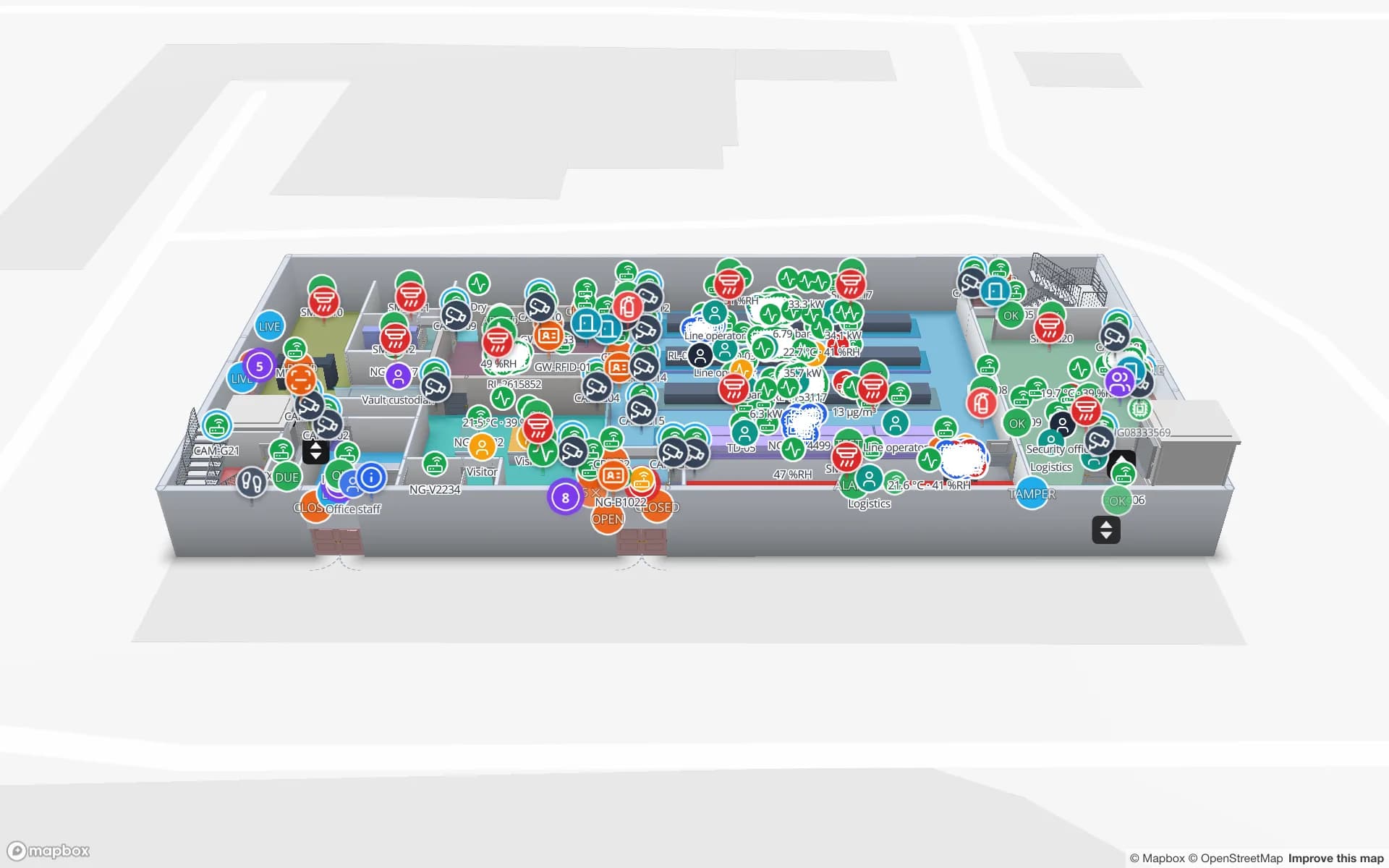
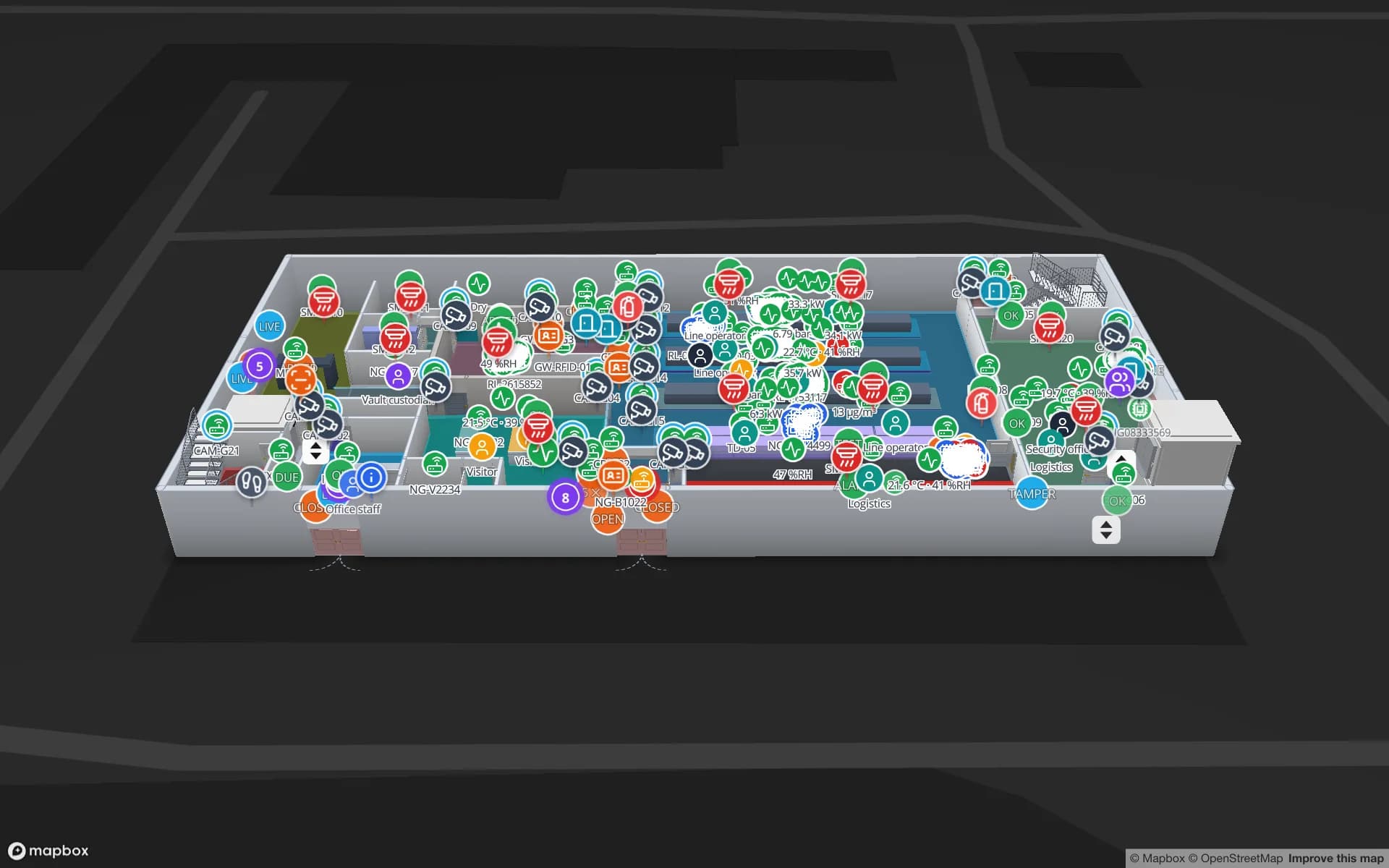
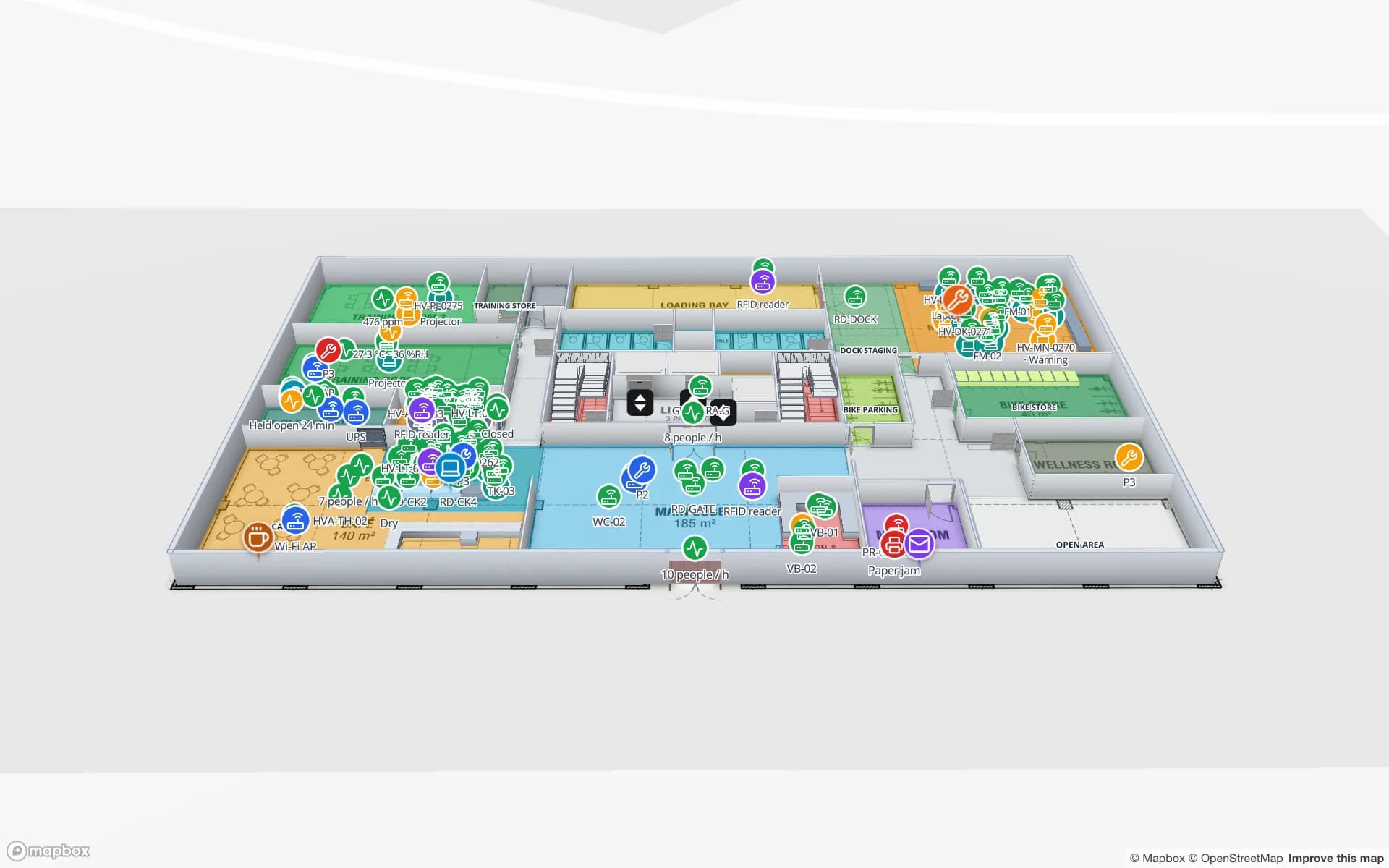
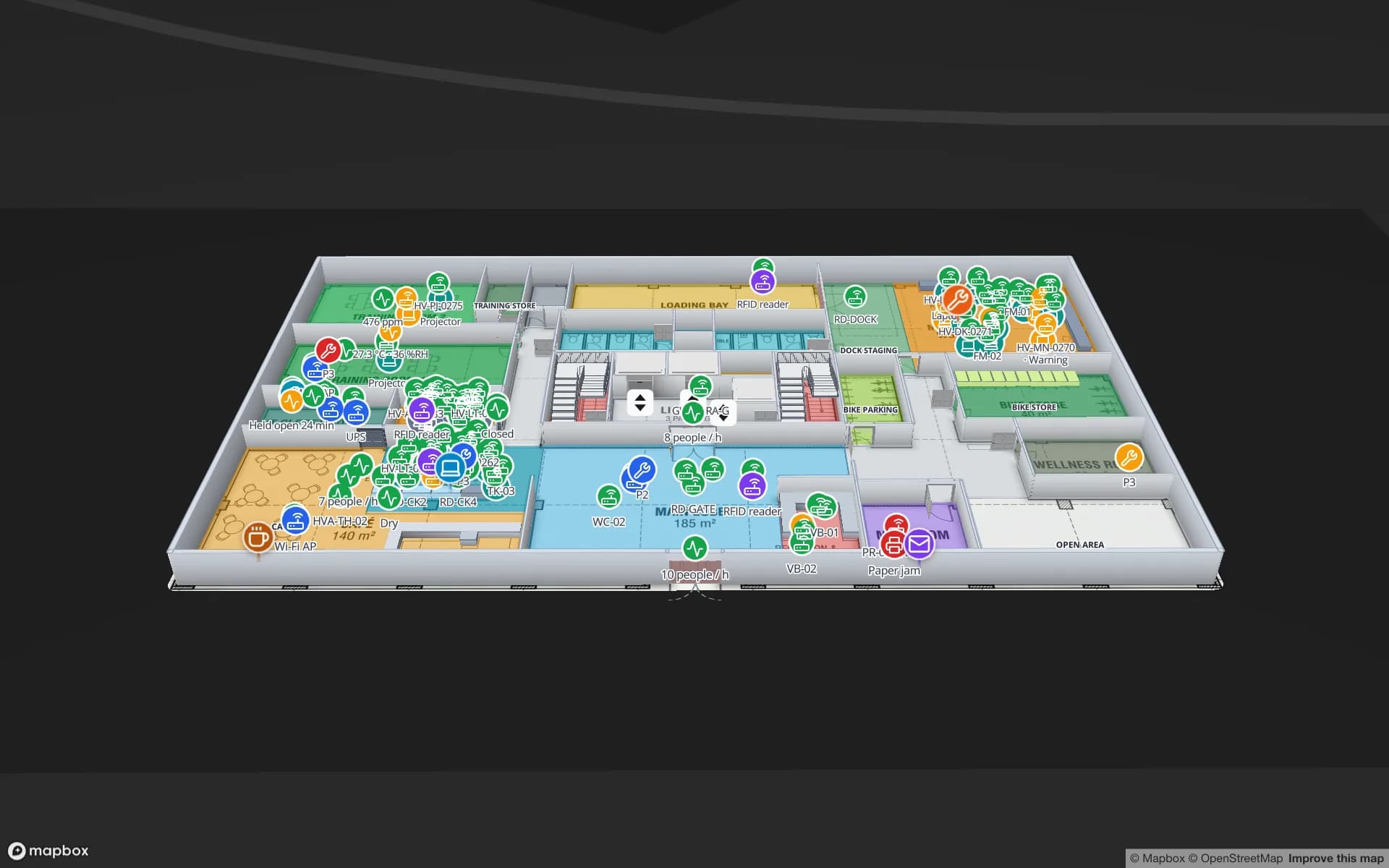
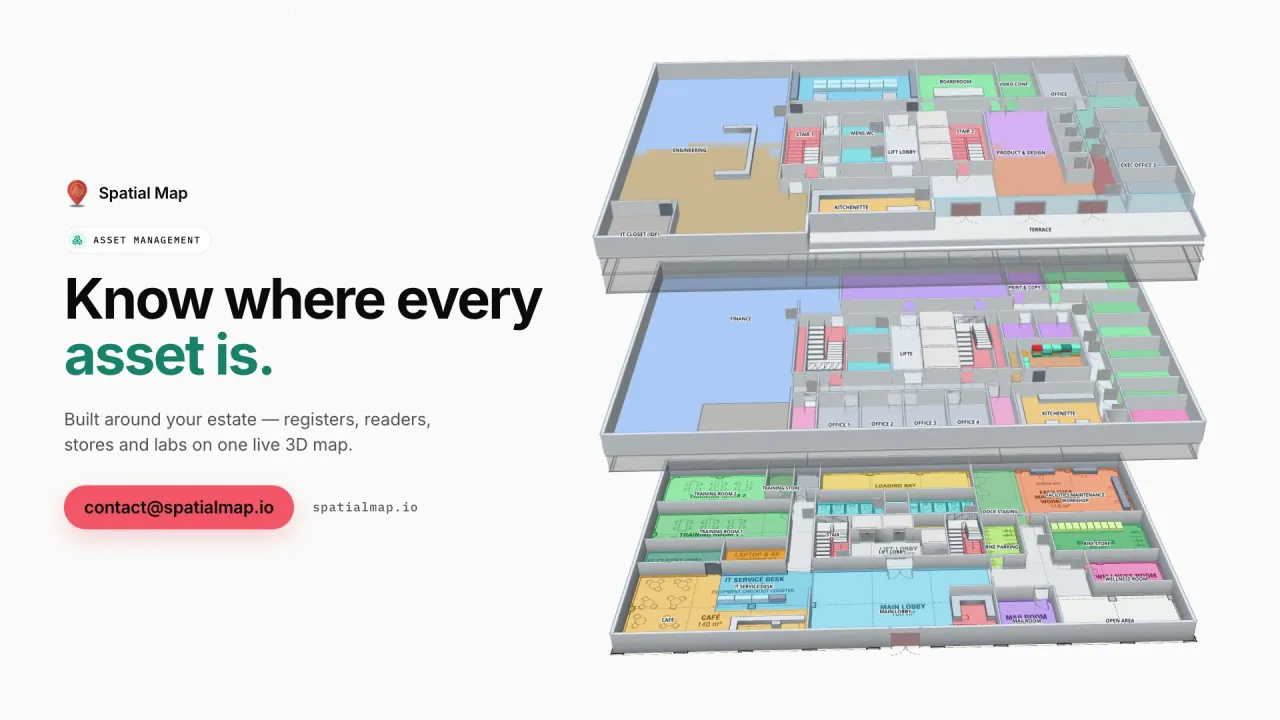
Asset Management film: “Know where every asset is” beside three floors of Harborview Corporate Campus in 3D
Asset management on a live map: tagged equipment located by room, checked in and out, with reports for the next audit.
German interface for shop floor and office
Deutsch
Roles: Owner, Admin, Editor, Viewer
4
Software to install on site
0
Free trial, up to 5 facilities
7 days

What German teams track with BLE

BLE beacons are cheap, battery-powered and easy to stick on almost anything, which makes them a good fit for the long tail of mobile equipment in a plant or office building. The general picture — tags, gateways and RTLS engines — is on our BLE asset tracking page. In German operations the shortlist tends to look like this:

  • Tools and test equipment — torque wrenches, gauges and measuring equipment that has to be found before its calibration date, not after.
  • Mobile production equipment — mobile workstations, special carriers, ladders and lifting gear that wander between halls.
  • Forklifts and tugger trains — which hall or aisle a vehicle is in, as reported by your RTLS or fleet system.
  • Office and lab equipment — loan laptops, projectors and instruments in multi-floor office buildings and R&D labs.
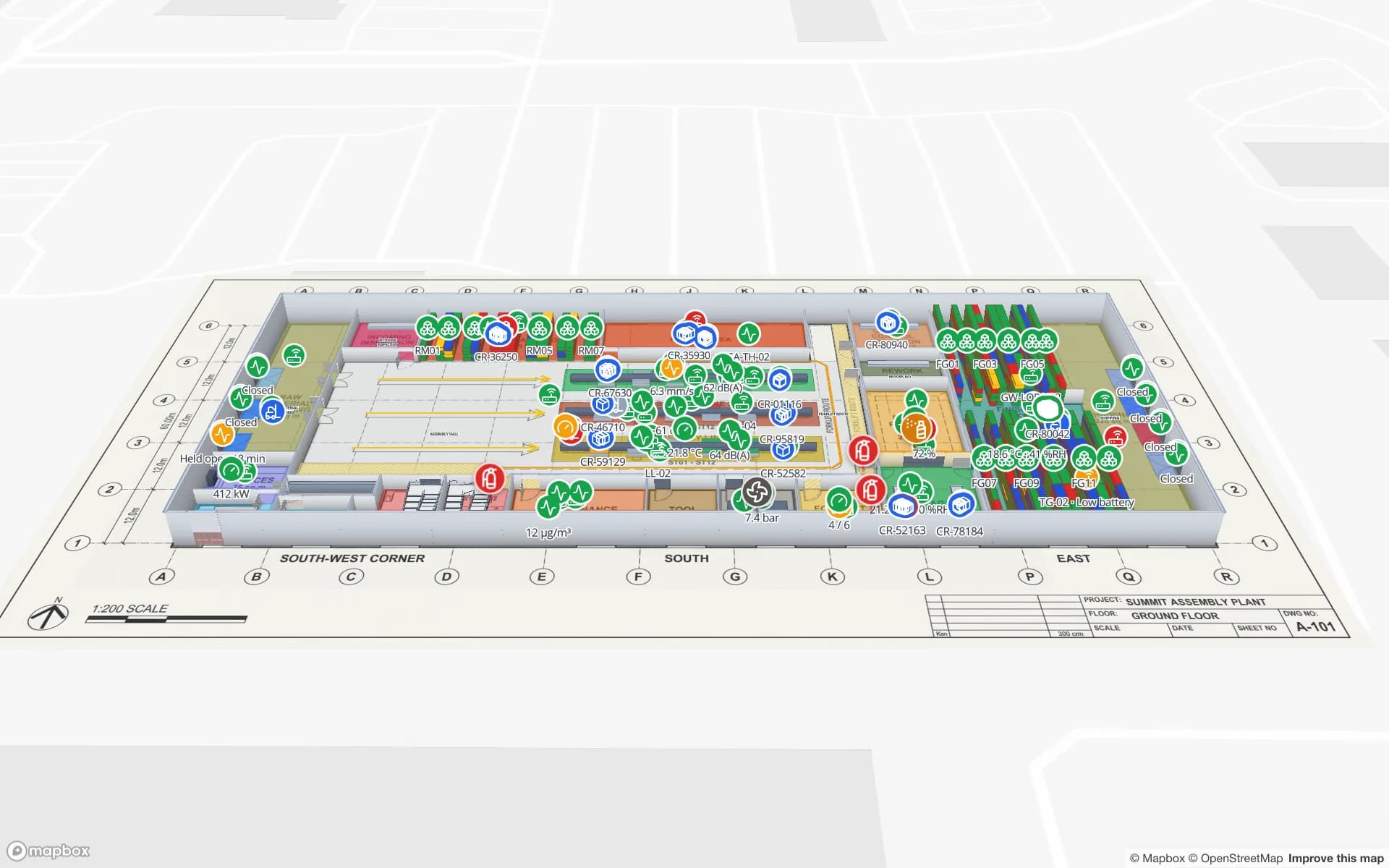
The works council and the GDPR come first

In German companies with a works council (Betriebsrat), section 87(1) no. 6 of the Works Constitution Act (BetrVG) gives it a co-determination right over technical systems that are suitable for monitoring employees’ behaviour or performance — and German courts read “suitable” broadly. A BLE system that can locate staff badges is very likely to fall under it; one that only locates equipment may still raise questions if equipment use can be traced back to individuals. In practice, involve the works council and your data protection officer early and agree the scope in a works agreement (Betriebsvereinbarung). This is general information, not legal advice.

Spatial Map helps you keep that scope narrow, because it only shows what you send it:

  • Tag equipment, not people. Equipment ID, room and timestamp are usually enough to find a gauge.
  • Room presence instead of coordinates. Gateways can report the room a tag is in rather than a precise position.
  • Decide what goes into the table. Every change to a table row is kept as row history, so leave out columns you do not want recorded in the first place.
  • Restrict who sees what. Four roles, isolated workspaces and read-only share links that expire. A data processing agreement is on our DPA page.

How the data gets to the map

Spatial Map does not compute positions from signal strength. Your BLE gateways’ software or RTLS engine works out the room or the coordinates, then posts rows to a Spatial Map table with the table write API, or exposes a REST endpoint that Spatial Map polls on a schedule. When the gateway reports a room name that matches a room on the map, the tag appears in that room; when it reports coordinates, it appears as a live marker. Battery level and last-seen time can drive style rules, so stale tags stand out.

Built for the Mittelstand budget

Many German manufacturers are mid-sized, owner-run companies without a dedicated IoT team. Spatial Map runs in the browser, needs no server on site and costs $60 a month (or $600 a year) for up to 4 facilities after a 7-day free trial. Start with one hall and one equipment category, show the result to the works council and the shift leads, then extend. If you would rather hand it over, our team scopes floor-plan setup and gateway integration as a fixed-price custom service, in German or English.

How Spatial Map does it

A BLE pilot in four steps

  1. 01

    Agree the scope

    Pick the equipment to tag and agree with the works council and data protection officer what is recorded.

  2. 02

    Map the halls

    Import the layout as DWG or PDF and draw the rooms and areas your gateways report, using the same names.

  3. 03

    Connect the gateways

    Your gateway software or RTLS engine posts room or position rows to a table, or exposes a REST endpoint.

  4. 04

    Find, report, extend

    Search equipment from the viewer, check row history, export reports and add the next hall.

BLE use cases in German plants and offices

Tools on the shop floor

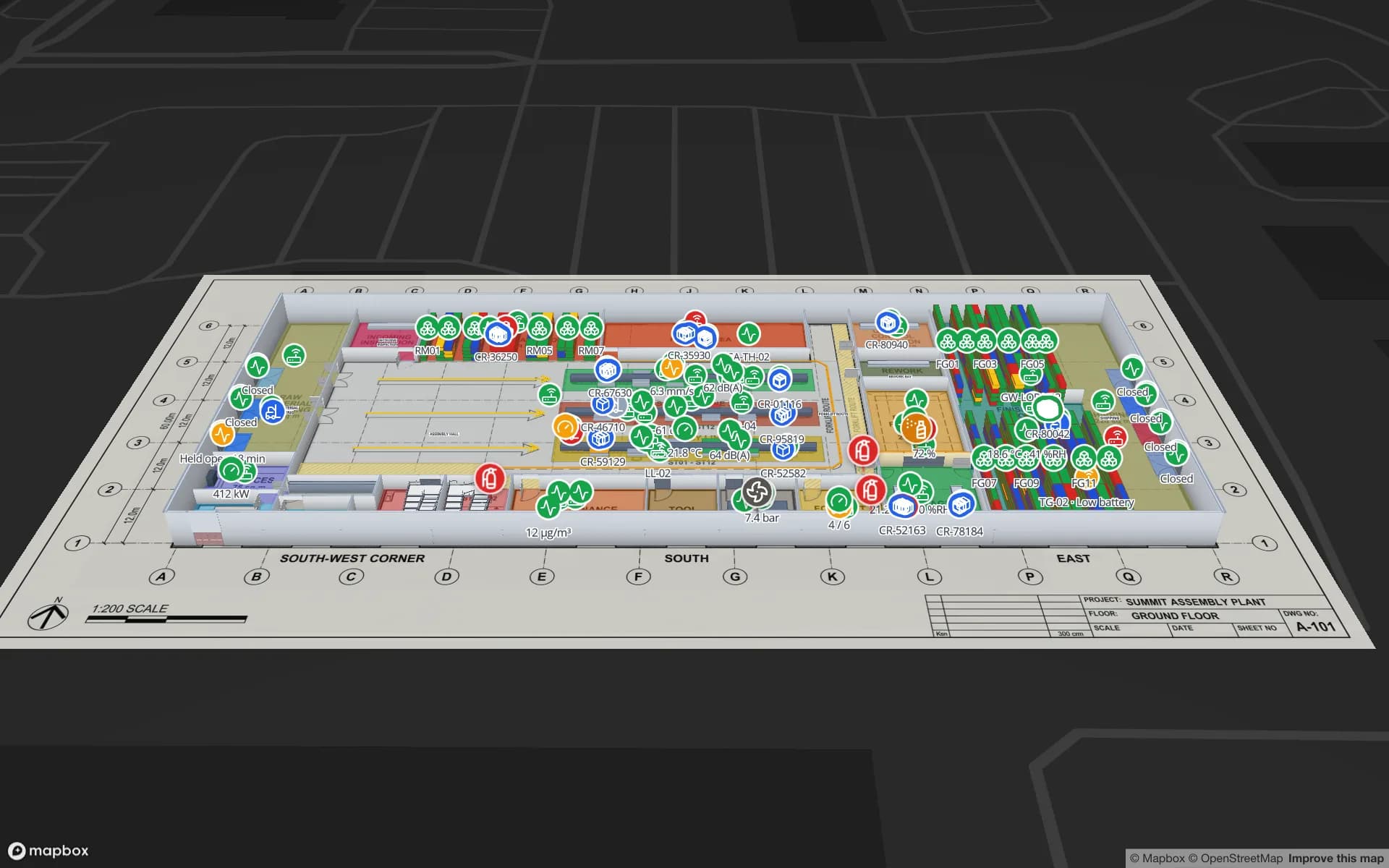
BLE-tagged tools located by area across lines, workstations and quality, as in the Summit demo.

Equipment in secure areas

Tools and equipment located room by room in an electronics plant with a secure store and cages.

Office equipment check-in/out

Loan equipment, IT devices and spares across three office floors, with check-in and check-out data.

Labs and measuring equipment

Instruments located by lab with calibration dates from your own records shown alongside.

Forklifts in intralogistics

Vehicles and crews located on the dock and in the yard as reported by your RTLS or fleet system.

See it on real demo facilities

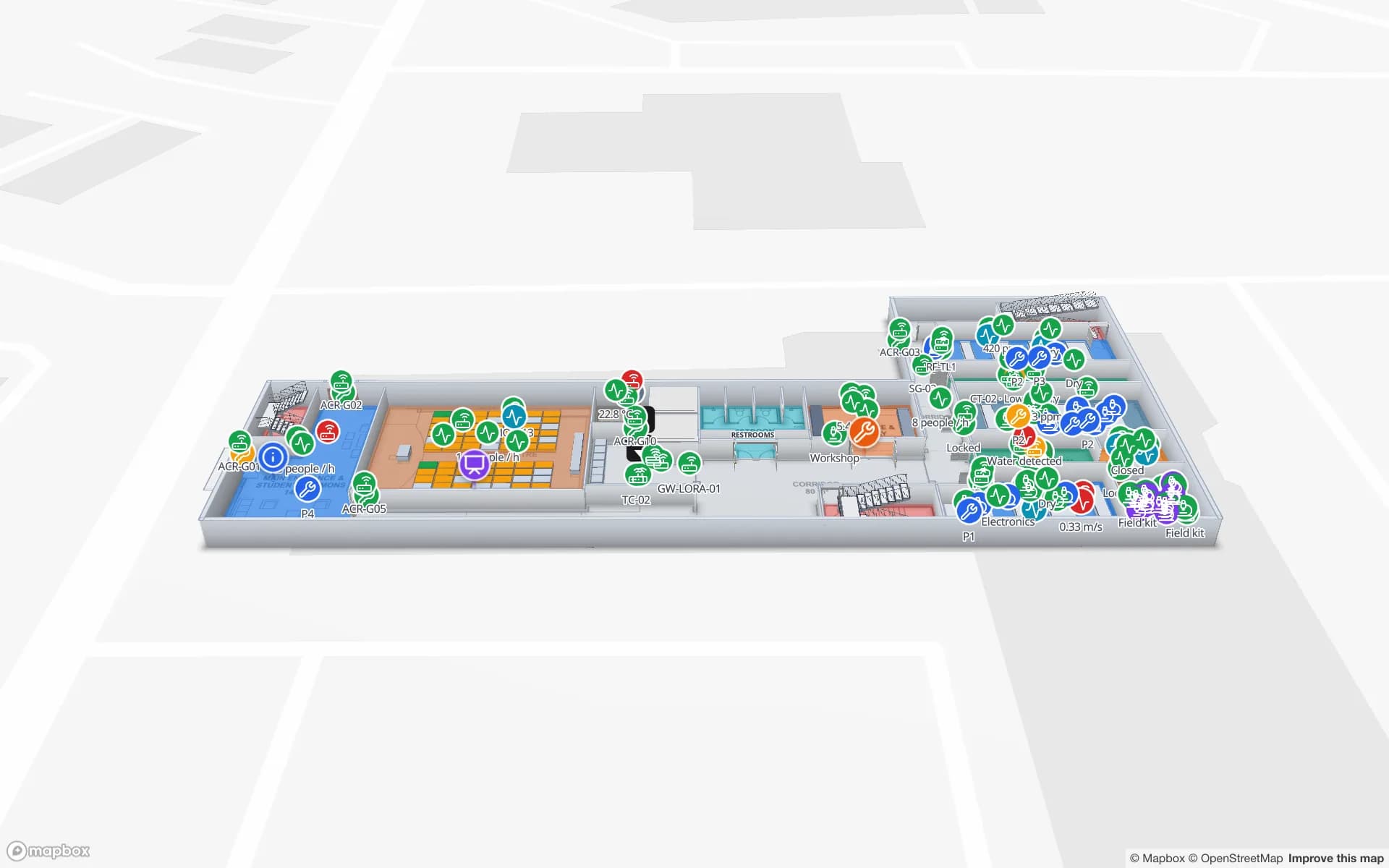
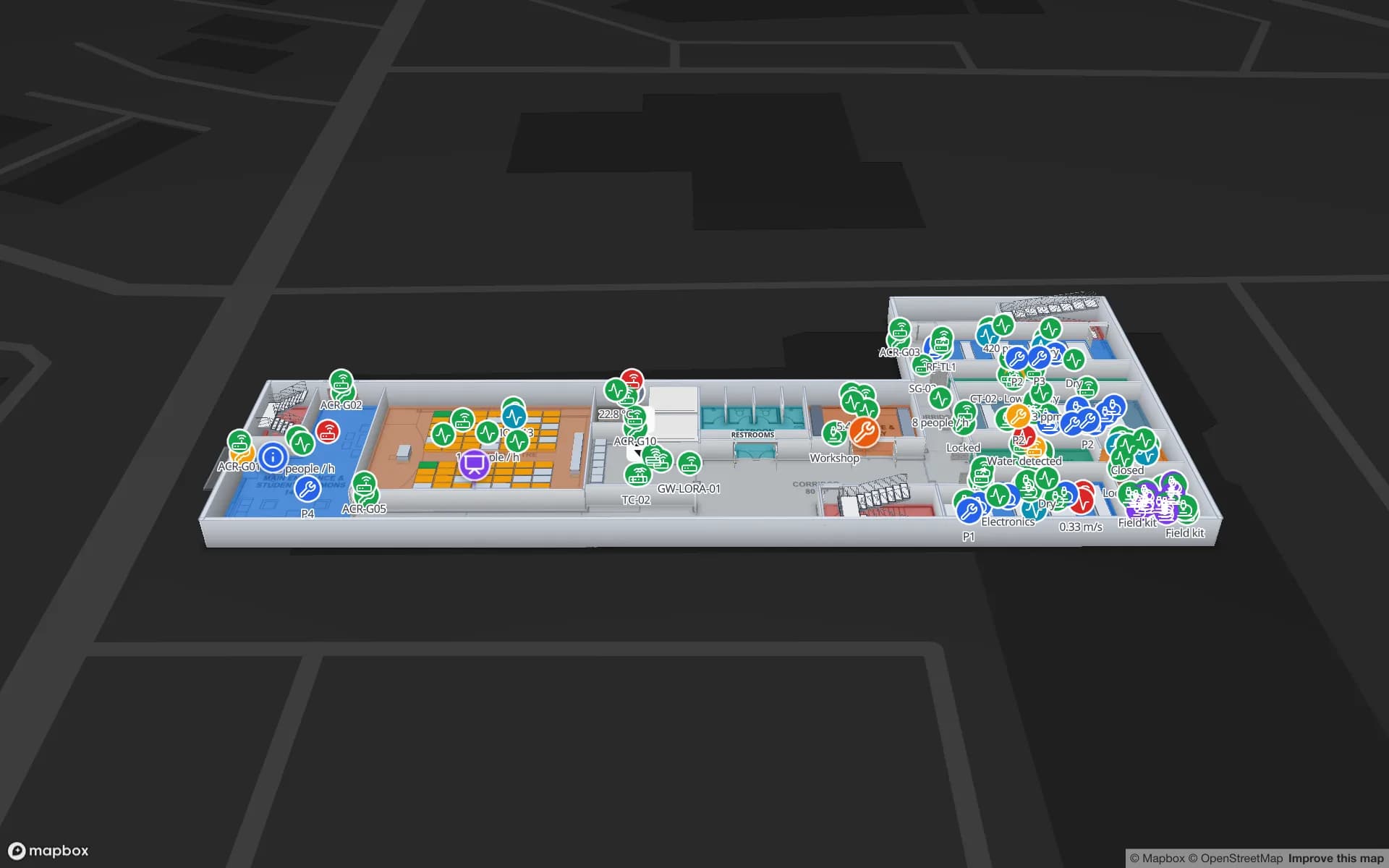
Fictional names, real floor plans, live sensors, RFID, BLE tags and gateways — open any of them in the browser.

All 13 demo facilities

BLE tracking in Germany — frequently asked questions

Often, yes. Under section 87(1) no. 6 BetrVG the works council has a co-determination right over technical systems suitable for monitoring employees’ behaviour or performance. Tracking staff badges almost certainly qualifies; equipment-only tracking can too if use is traceable to individuals. Involve the works council and your data protection officer early. This is not legal advice.

Yes. Spatial Map only shows the rows your gateway software sends. If those rows contain equipment ID, room and time and nothing about who carried it, the map shows equipment and nothing else.

No. Your gateway software or RTLS engine computes the room or position. Spatial Map displays it, either as a tag in the room whose name matches the gateway’s zone or as a live marker at the reported coordinates.

No. Spatial Map shows state on the map and in reports; it does not send notifications. Tags that have left an area or gone quiet can be coloured with style rules so they stand out.

Pro costs $60 a month or $600 a year for up to 4 facilities after a 7-day free trial, with nothing to install. Larger estates or done-for-you setup are quoted as custom services.

Start with one hall and one equipment type.

Open the free trial in German or English, or send us a layout and a sample of your gateway data and we will set up a pilot view for you.