Bremen · Bremerhaven, the Überseestadt quays and the freight village

RFID tracking in Bremen, from the car-carrier berth to the shed behind the quay

Spatial Map puts RFID reads on a live 3D map of the building or yard where they happen, so a tag at a gate becomes a pallet in a lane, a vehicle in a row or a crate in a bay. RFID tracking in Bremen begins with the water: the state runs eight ports across Bremen and Bremerhaven, and what arrives there ends up in terminals, yards and sheds that each deserve their own map. Your readers and middleware do the reading; Spatial Map shows each read in place.

No credit card. Runs in the browser. Pro is $60/month for up to 4 facilities. Book a demo

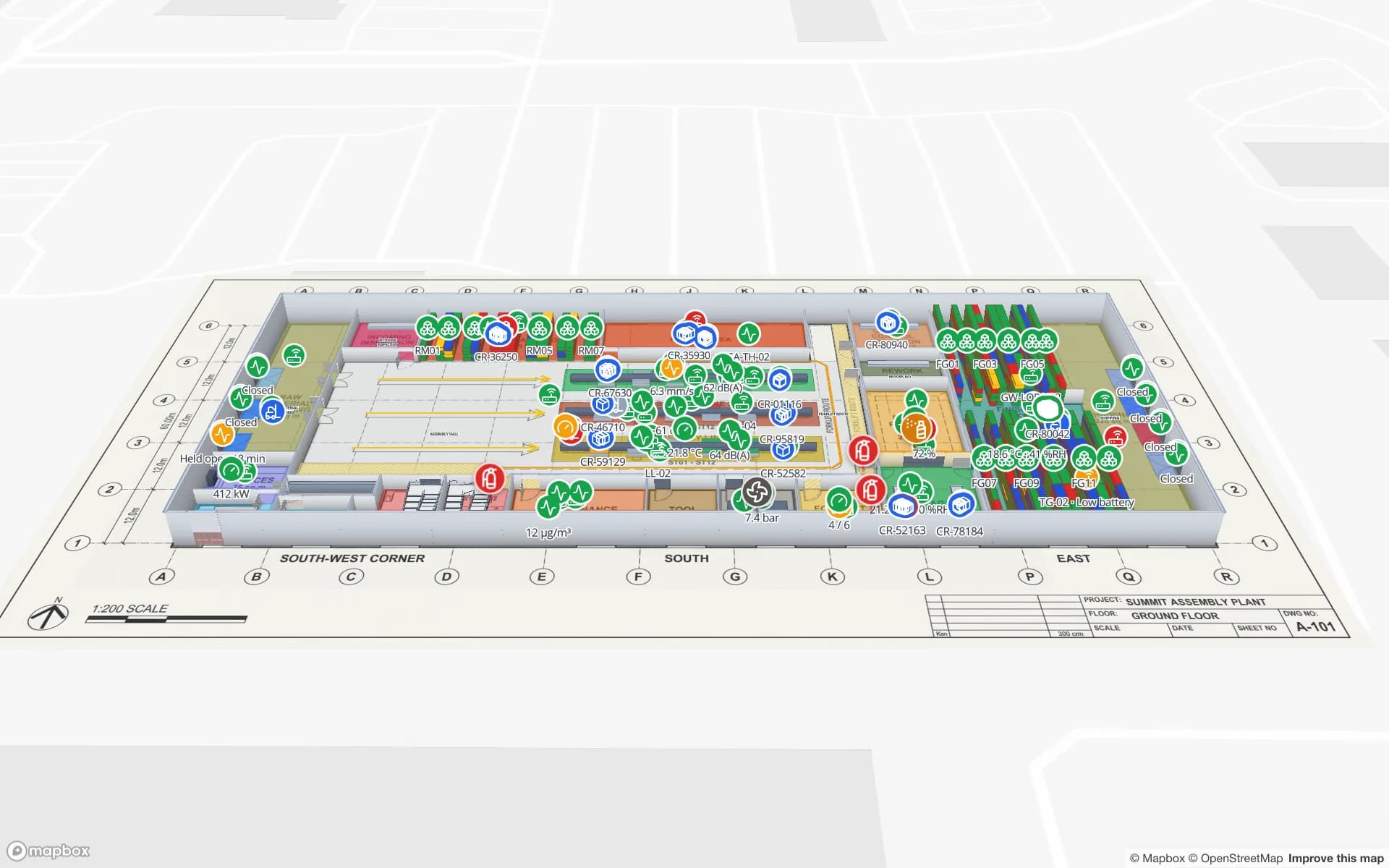
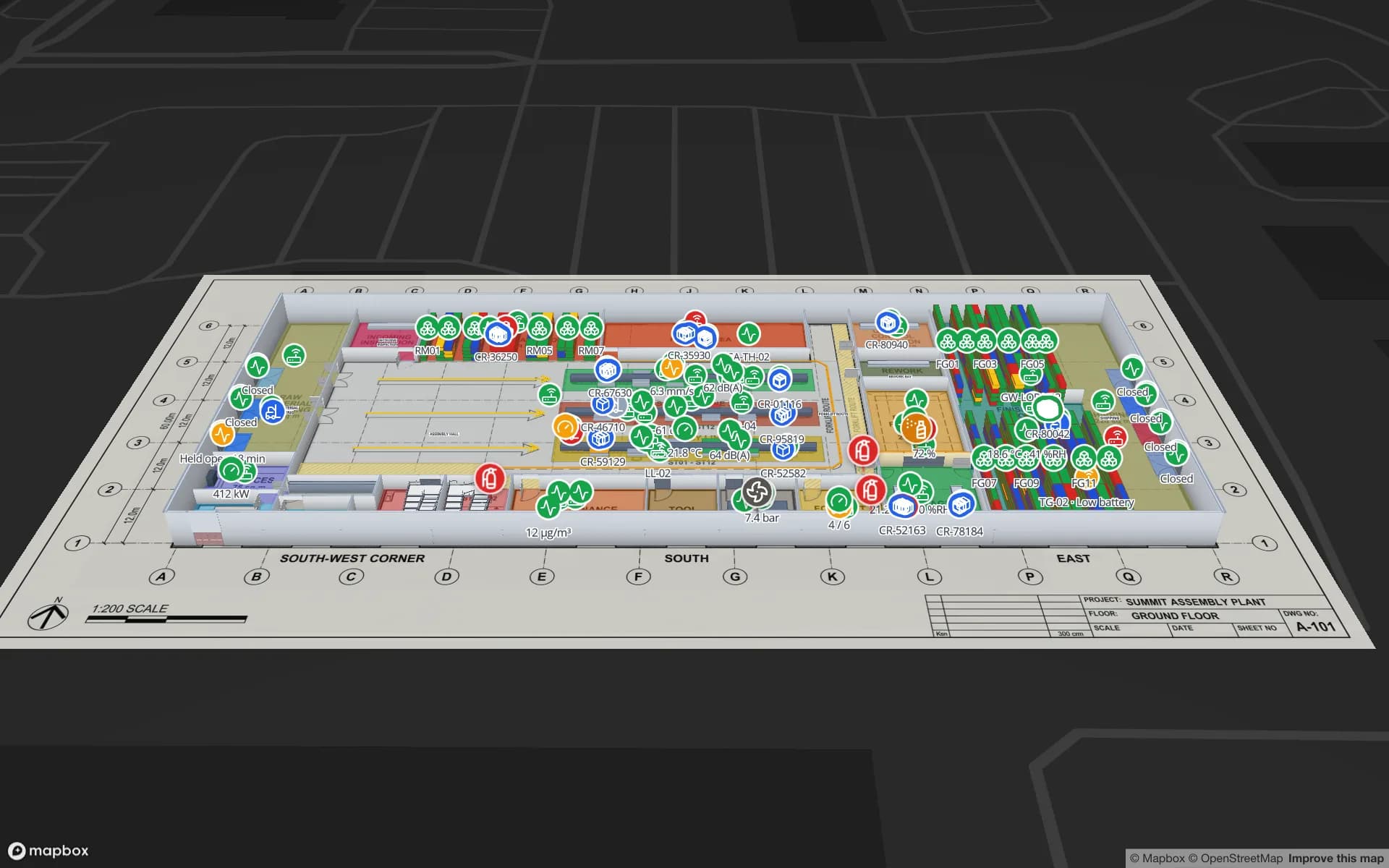
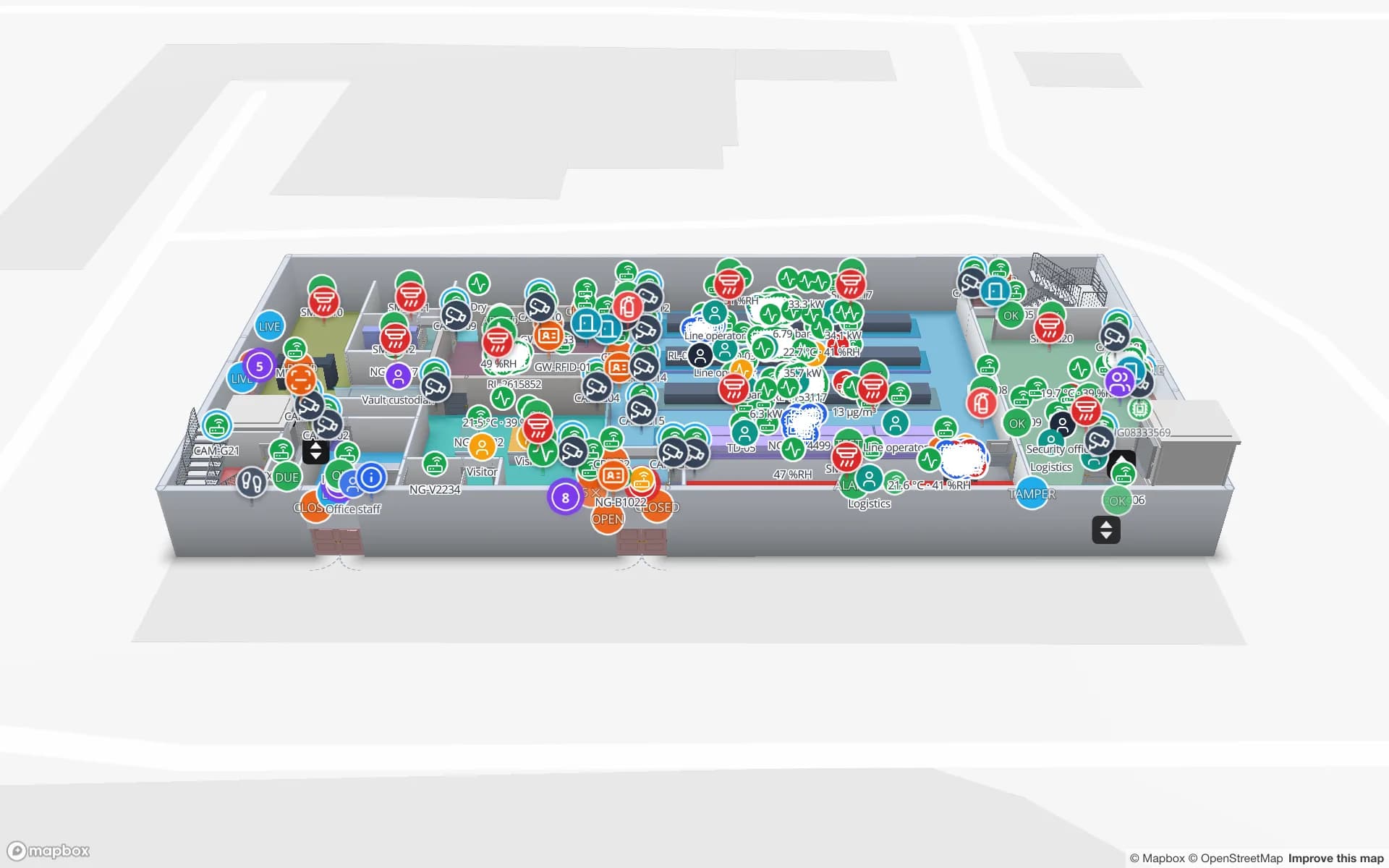
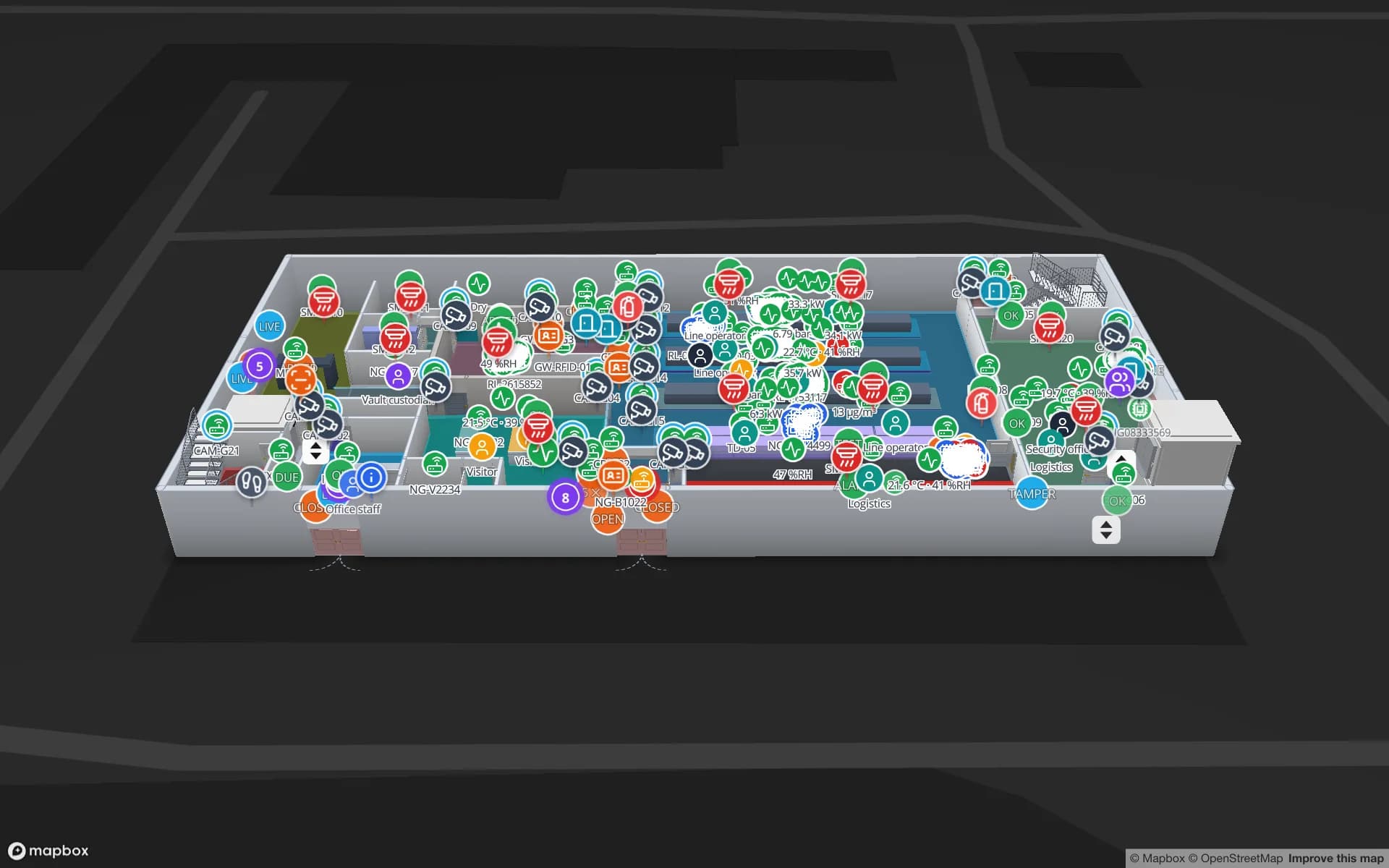
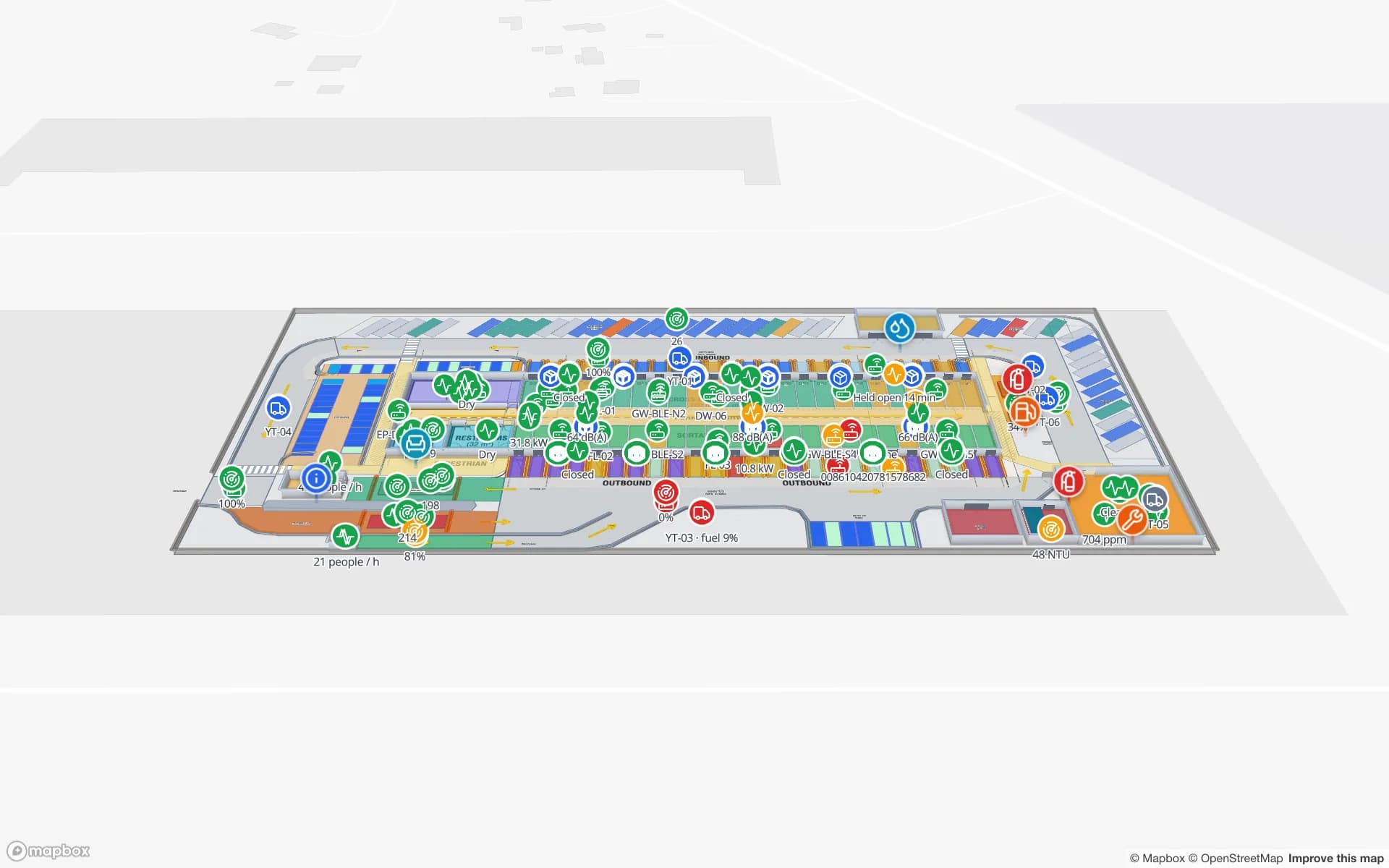
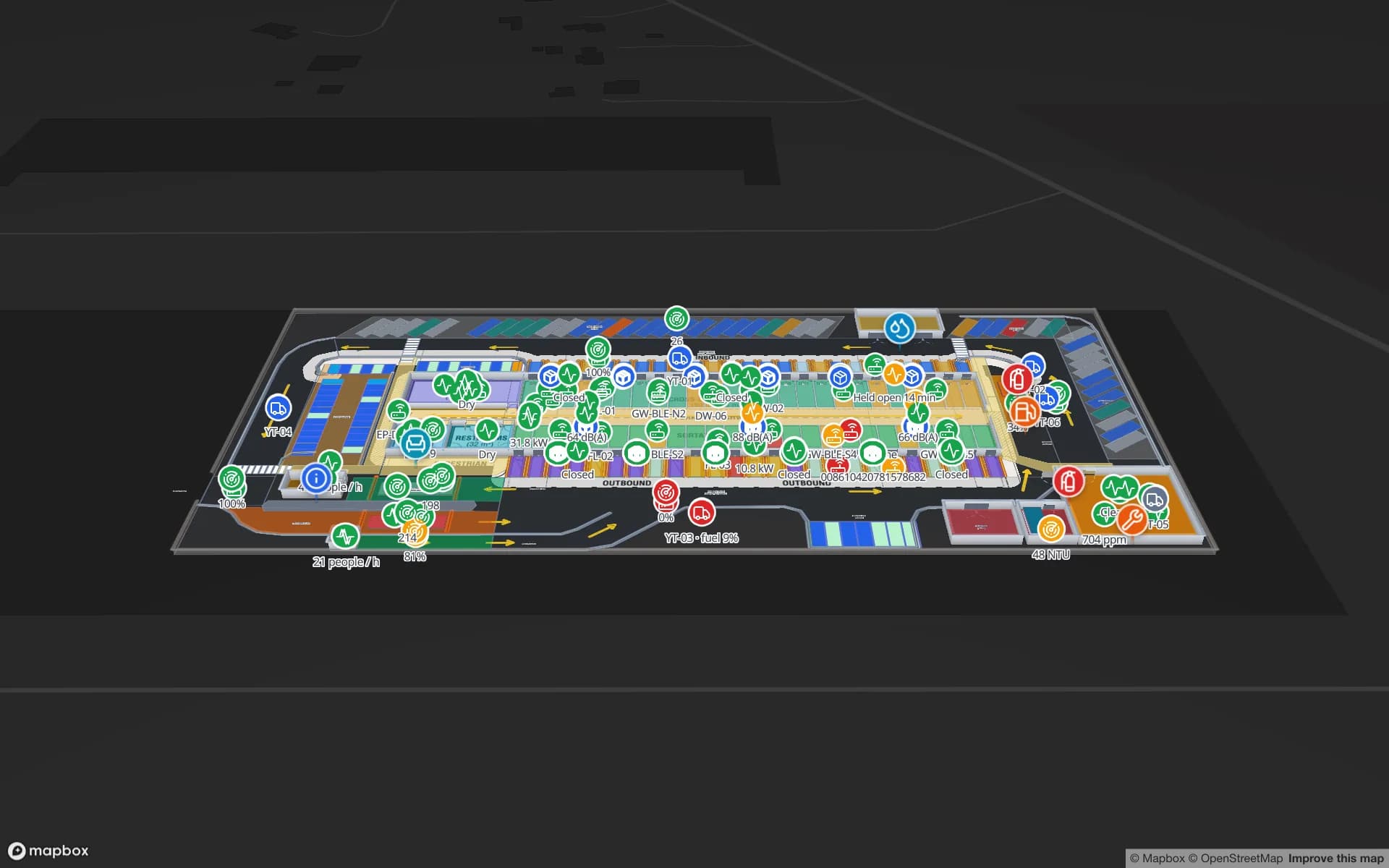
Eastport Cross-Dock Freight Hub, a cross-dock & trailer yard demo, in the Spatial Map 3D viewer with live device markers
Eastport Cross-Dock Freight Hub
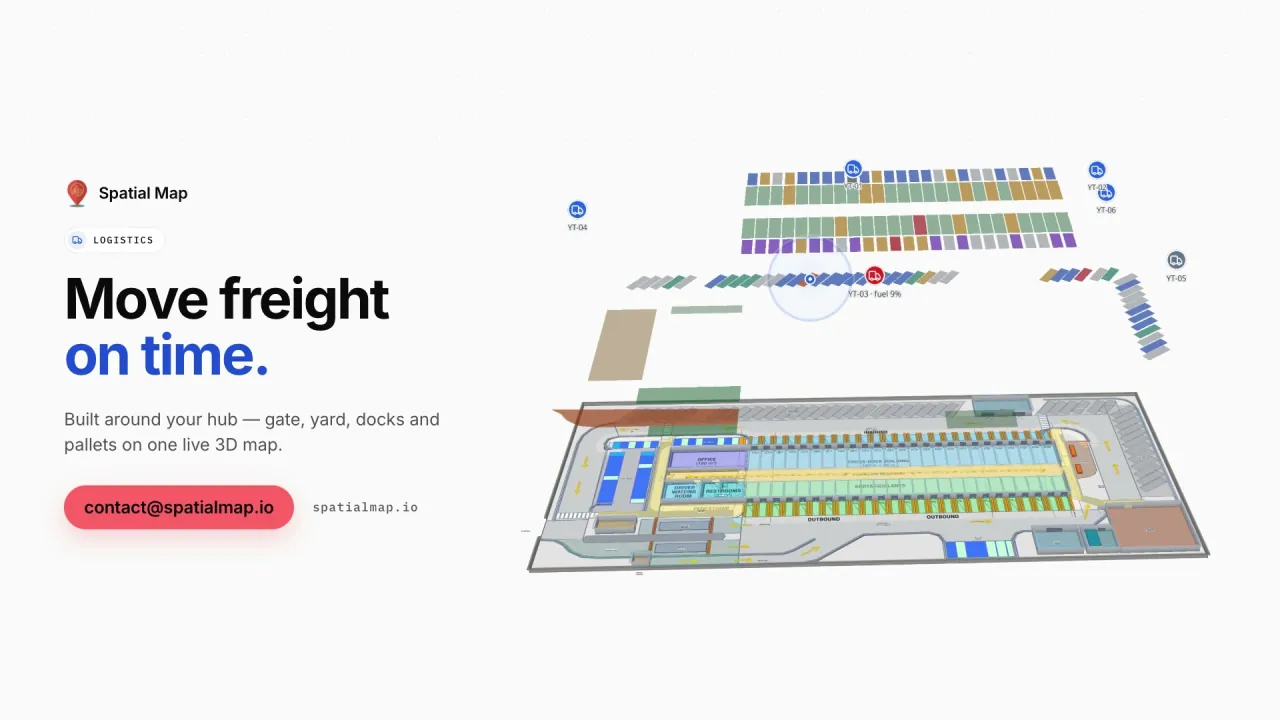
Eastport Cross-Dock, a demo freight hub: trailer yard slots, gates and weighbridges, 50 dock doors and 1,180 RFID pallets.
Yard slots in the Eastport cross-dock demo
44
RFID pallets moving through Eastport
1,180
How often alert rules are checked, with alerts shown in the app
15 s
Free trial, up to 5 facilities, no card
7 days

Eight ports, two cities, one coast

Bremen’s investment agency counts eight ports in total: four in Bremerhaven — the container terminal, the car terminal, the fishing harbour and the cruise terminal — and four in the city of Bremen: the industrial docks, the timber and works quay in Überseestadt, Neustädter Hafen for breakbulk and the inland Weserhafen in Hemelingen. Together they transshipped 61.9 million tonnes in 2024.

The terminals run their own operating systems and Spatial Map does not connect to them. What it maps is the next building along the chain: the shed where a lot waits for its truck, the yard where vehicles stand, the workshop, the empties depot. Each can be a facility of its own in one workspace, switched with a click, with the same table, report and alert tools in every one.
The vehicle terminal is mostly a yard

Bremenports describes the Bremerhaven car terminal as Europe’s second-largest terminal for automobile transhipment: 18 berths for car carriers along 5 km of quay, 1.25 million vehicles in 2025, 926 inbound car carriers in 2025 and around 70,000 parking spaces, half of them covered. Seen from the inside, a vehicle terminal is a storage area where the unit is a car, the shelf is a numbered bay and the long-running question is “which row is it in?”.

Draw the yard as rows and bays, give each vehicle one row in a table with its bay, status and next movement, and colour the map by status — waiting for a carrier, in the workshop, on hold. Where your handhelds or UHF readers at the gate and workshop door report each vehicle, the map shows when it entered and left. Spatial Map does not place a car by GPS, and the position is the bay or gate your system reports. Tag read range around metal and glass depends on the tag and where it is mounted, so test in your own yard; the guide to RFID tags for metal, liquids and apparel covers what to check. The Eastport demo shows yard slots, gate lanes and weighbridges the same way.

Breakbulk, coffee and cocoa: goods that sit in sheds

Neustädter Hafen specialises in breakbulk, and the timber and works quay in Überseestadt handles food-industry goods such as animal feed, grain, cocoa and coffee, according to the investment agency. Break-bulk and bagged goods differ from containers in one practical way: each lot is handled again and again, and a single mislabelled pallet can hold up a whole shipment.

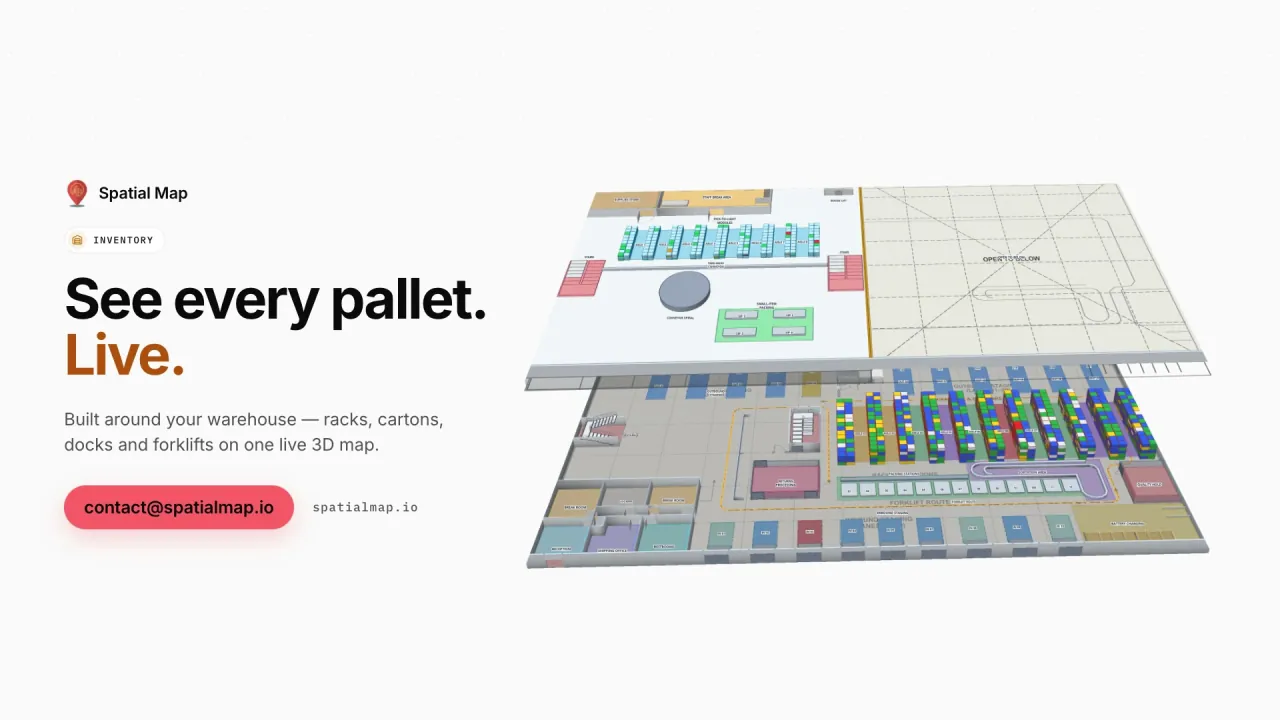
RFID pallet tags read at the shed door and at each rack aisle give every lot a place on the map and a read trail in its row history, which the History player replays. Humidity and temperature sensors on the same plan colour the areas that run warm; see warehouse temperature mapping. Spatial Map makes no food-safety or compliance claim; it shows what your tags and sensors report.

Germany’s first freight village

GVZ Bremen opened in the mid-1980s, and the investment agency calls it Germany’s first freight village. It covers around 500 hectares, with more than 160 companies and about 8,700 people, and has direct links to the ports in Hamburg, Bremerhaven and Wilhelmshaven. Neustädter Hafen sits near it.

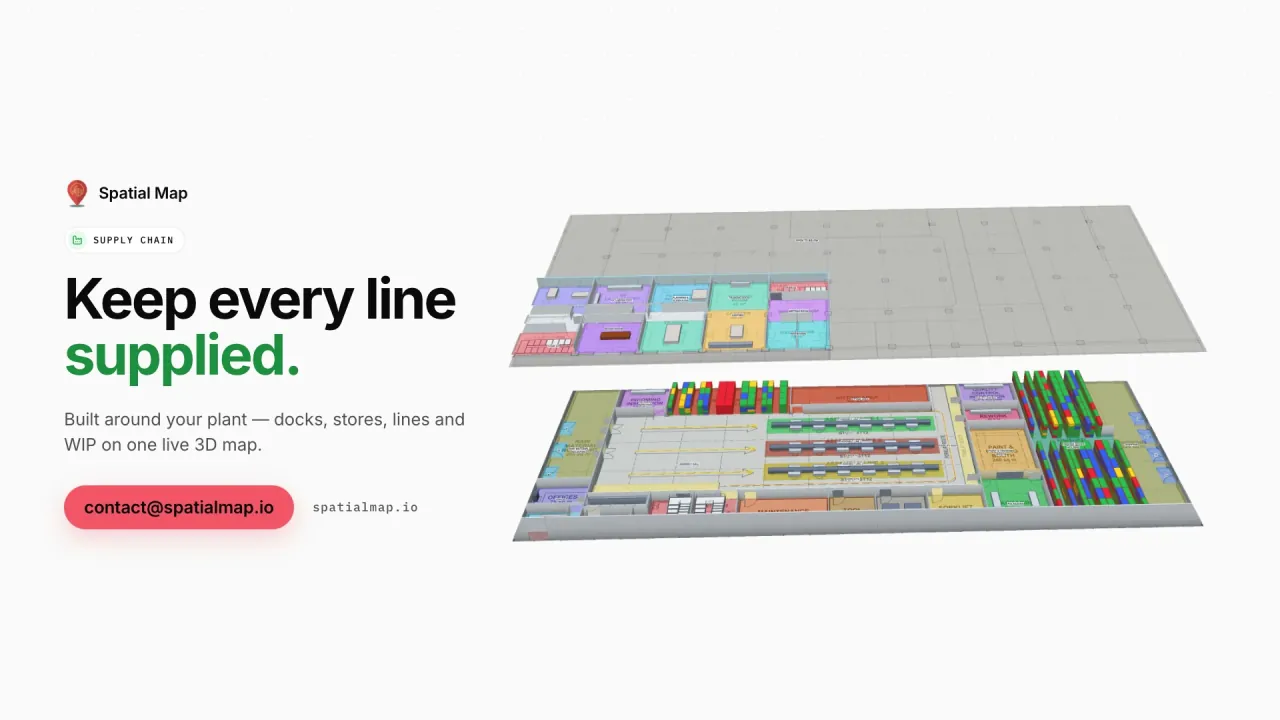
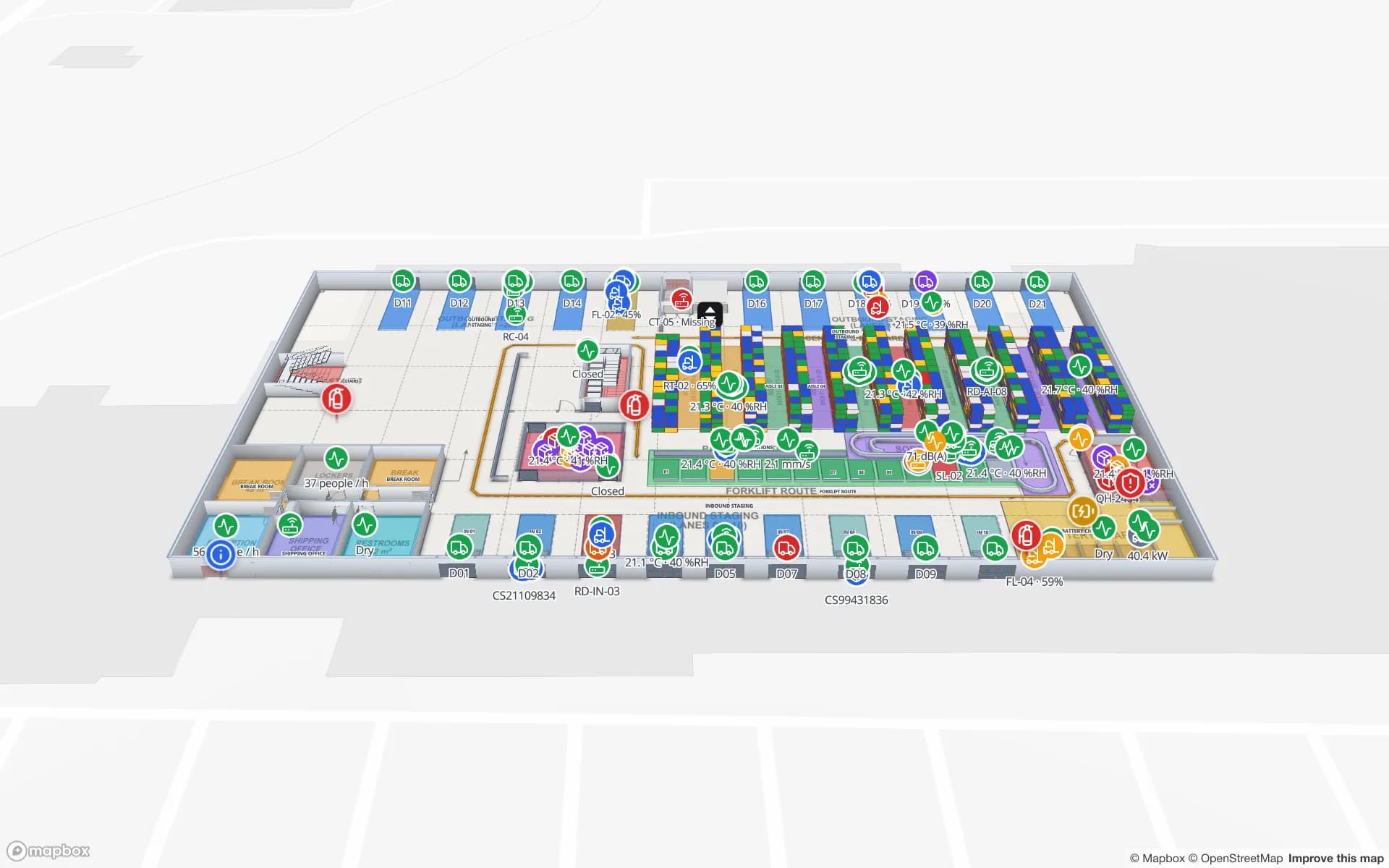
A freight village is made of multi-client sheds and cross-docks, which suit a per-building map. Give each building its facility, tag racks and lanes by client, and share a read-only link that shows one client’s layers and floors only. Clients see their own stock in the browser; the read-only link has an expiry date and a view cap. The RFID warehouse management page covers dock-door portals and staging lanes in the same setting.

Services for teams in Bremen

Where Bremen teams usually start depends on what they move:

Also served nearby

The same page covers Bremerhaven’s fishing harbour and the sheds behind it, the Vegesack side of the Weser, Delmenhorst, Oldenburg and the logistics parks around the Bremen motorway ring. Nothing needs to be installed at any of them: the map opens in a browser.

How Spatial Map does it

From the berth to the shed door

  1. 01

    Pick one yard or shed

    A vehicle yard, a breakbulk shed or a freight-village building — wherever a missing unit costs the most.

  2. 02

    Draw rows, bays and doors

    Upload the site plan or a photograph, let AI Map draft the floor, and name bays the way your system names them.

  3. 03

    Connect reads and status

    Middleware and yard or warehouse systems post rows through the table write API, a polled REST endpoint, or CSV and Excel uploads.

  4. 04

    Add dwell and silence rules

    In-app alerts for units standing too long, lots held at a door and readers that stopped reporting.

What Bremen teams track

Vehicle yards and compounds

Rows and bays coloured by status, with gate reads when a vehicle enters or leaves.

Breakbulk and bagged goods in sheds

Lots by rack and aisle, with the read trail of each pallet.

Multi-client freight-village sheds

One building, several clients, a read-only link for each.

Returnable containers and equipment

Empties depots and equipment by area and status.

See it on real demo facilities

Fictional names, real floor plans, live sensors, RFID, BLE tags and gateways — open any of them in the browser.

All 13 demo facilities

RFID tracking in Bremen — questions we get

No. It has no link to port community, customs or terminal operating systems. It shows what happens inside your own yard or building, from your own RFID reads, WMS or yard system and sensors, so it complements the systems that run the port rather than replacing them.

It shows each vehicle as a row in a table, placed at the bay, gate or zone that your system reports, with its status and history. Reading the vehicle — a handheld scan or an RFID tag — stays with your hardware and middleware, and Spatial Map does not position cars by GPS.

Humidity and temperature sensors post rows to a table, and the area they sit in is coloured by value, with a history you can replay. An alert rule can flag an area that stays out of range for a set number of minutes; it appears in the app only. Spatial Map makes no food-safety claim.

Yes. Create a read-only share link limited to chosen layers and floors, with an expiry date and a view cap. A client opens it in a browser and sees only what you included, with tags moving live.

Yes. The interface is available in German alongside English, French, Spanish, Arabic and Chinese, and each user chooses their own. Names you type, such as bays and areas, stay as written.

No. Spatial Map is sold online and our team works with customers in Germany remotely, by video call and through the contact form. There are no local resellers or partners.

In US dollars, the same worldwide: a 7-day free trial for up to 5 facilities with no card, then Pro at $60 a month or $600 a year for up to 4 facilities. RFID hardware, if you ask us to source it, is quoted per project and is not part of the subscription.

Map one Bremen yard or shed this week.

Start the free trial and open the Eastport demo, or send us a site plan and a sample of your reads through the contact form.