Haiphong · Lach Huyen, the free trade zone and the northern corridor

Inventory tracking in Haiphong, from the berth to the bin

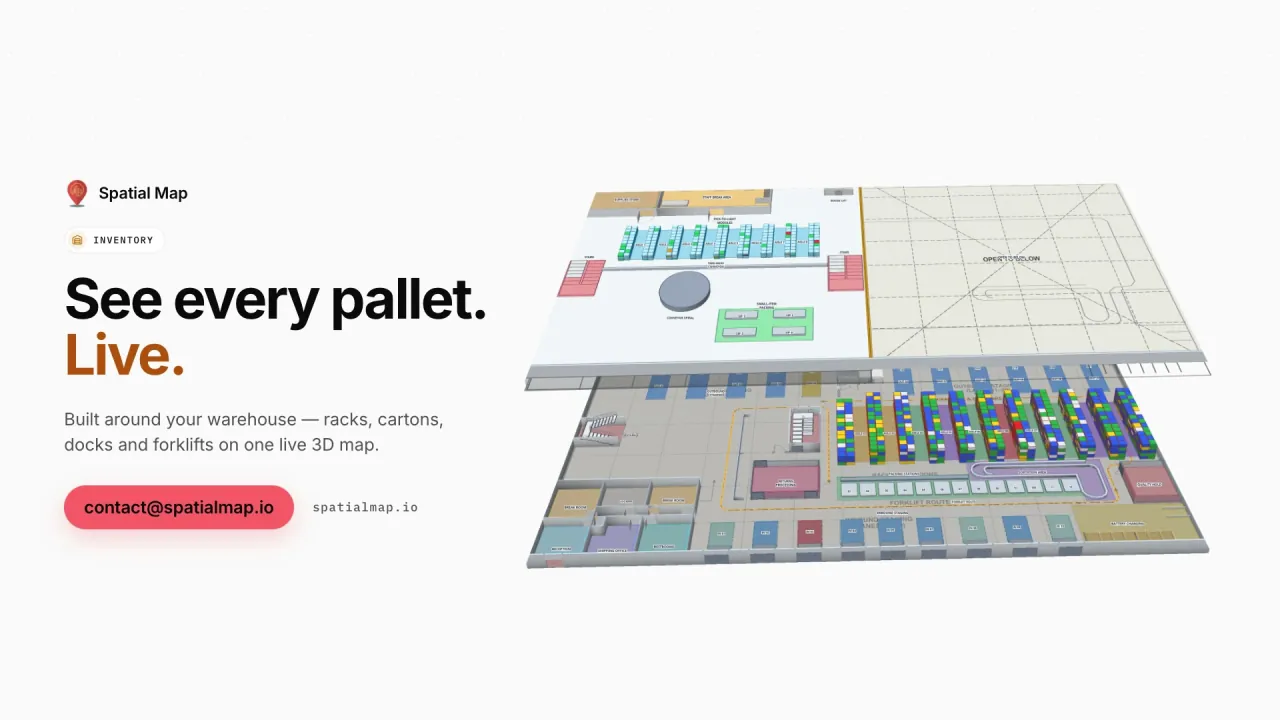
Spatial Map shows stock where it sits: racks coloured by quantity or status, cartons read at the dock door, counts by zone and a history of every change. Inventory tracking in Haiphong (also written Hai Phong) now spans a much larger city than it did a year ago, with Lach Huyen’s deep-water berths on one side, a free trade zone and industrial zones in the middle, and an expressway and a railway to Hanoi behind. Your WMS and RFID readers supply the numbers; Spatial Map puts them on the floor plan.

No credit card. Runs in the browser. Pro is $60/month for up to 4 facilities. Book a demo

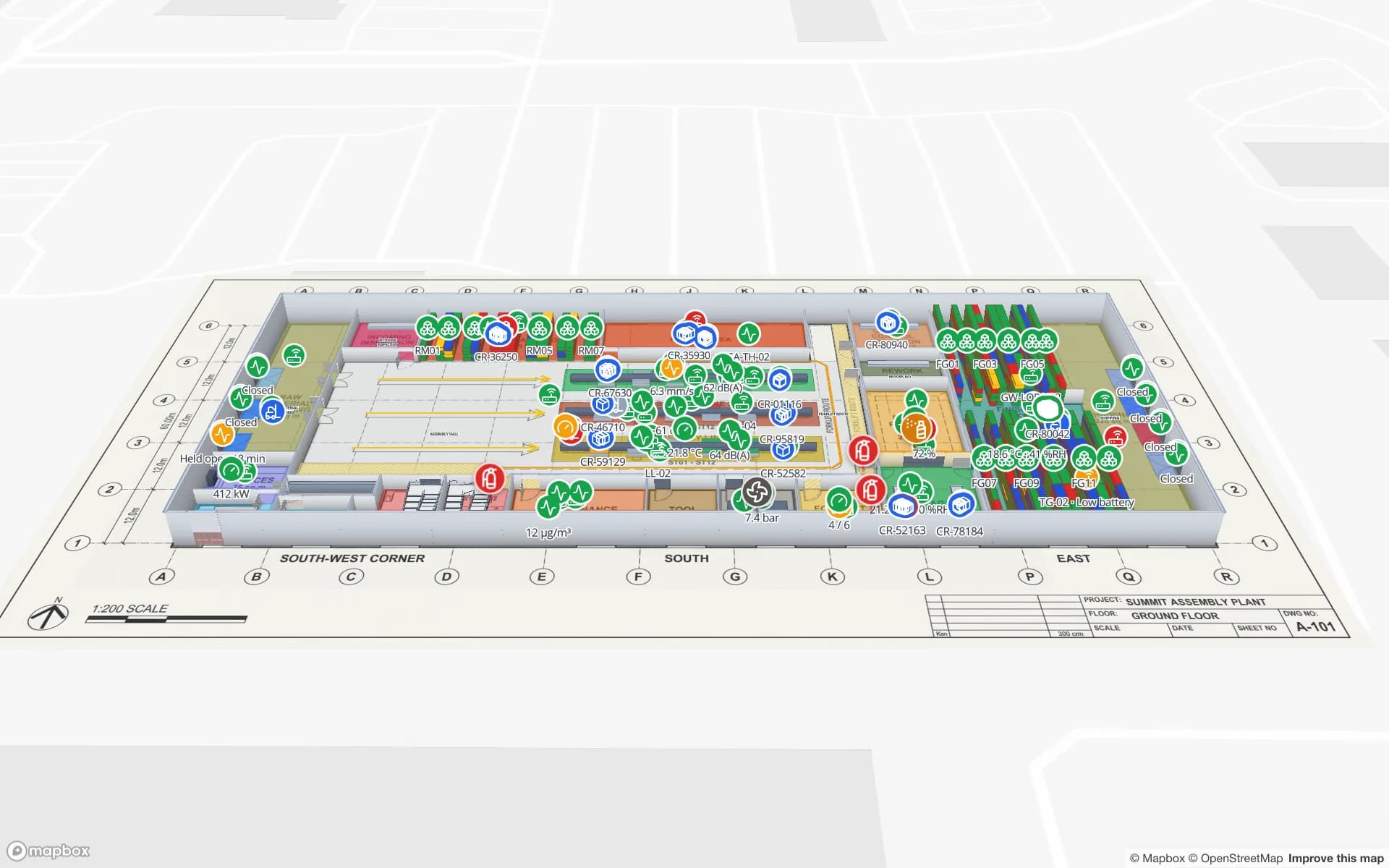
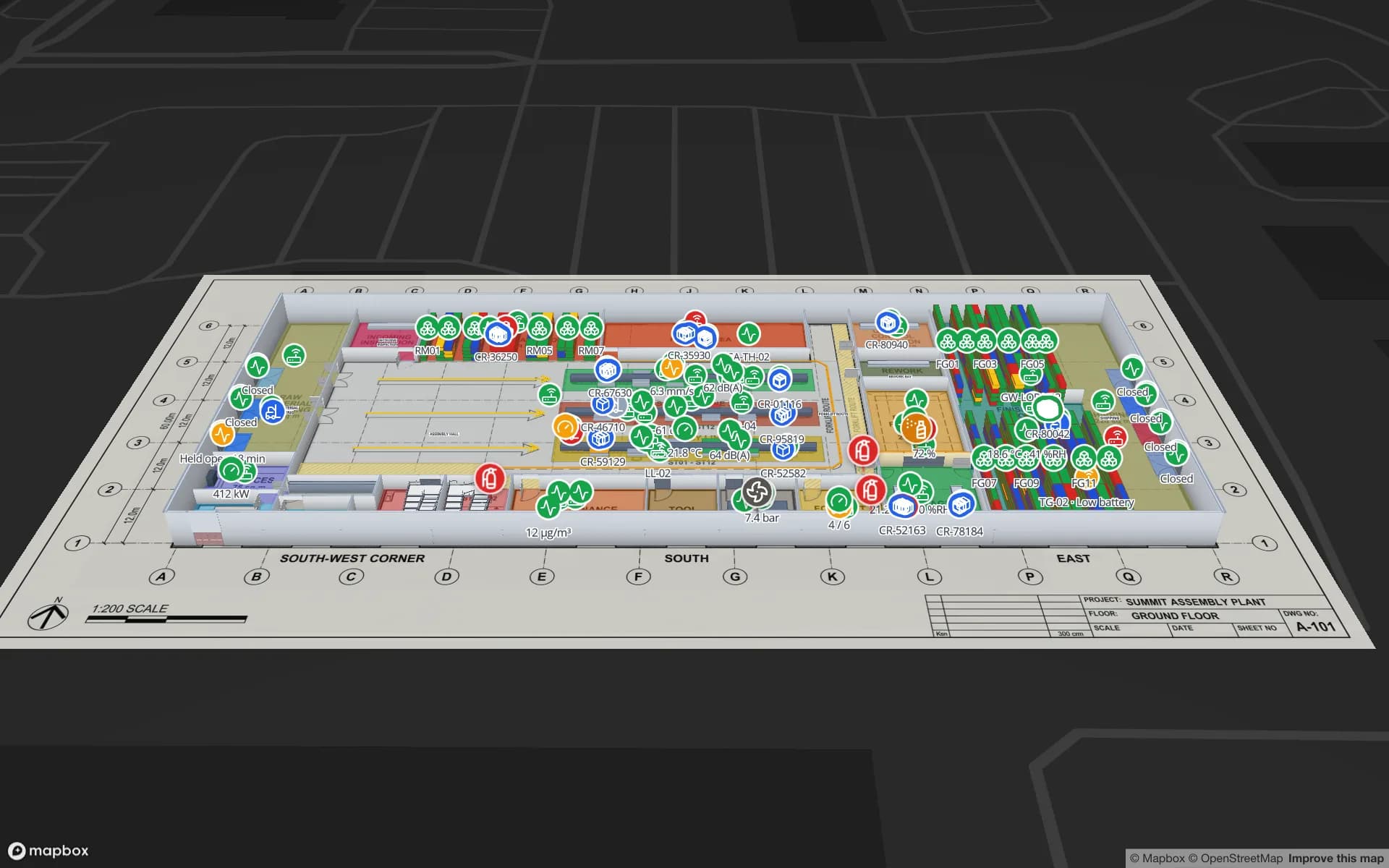
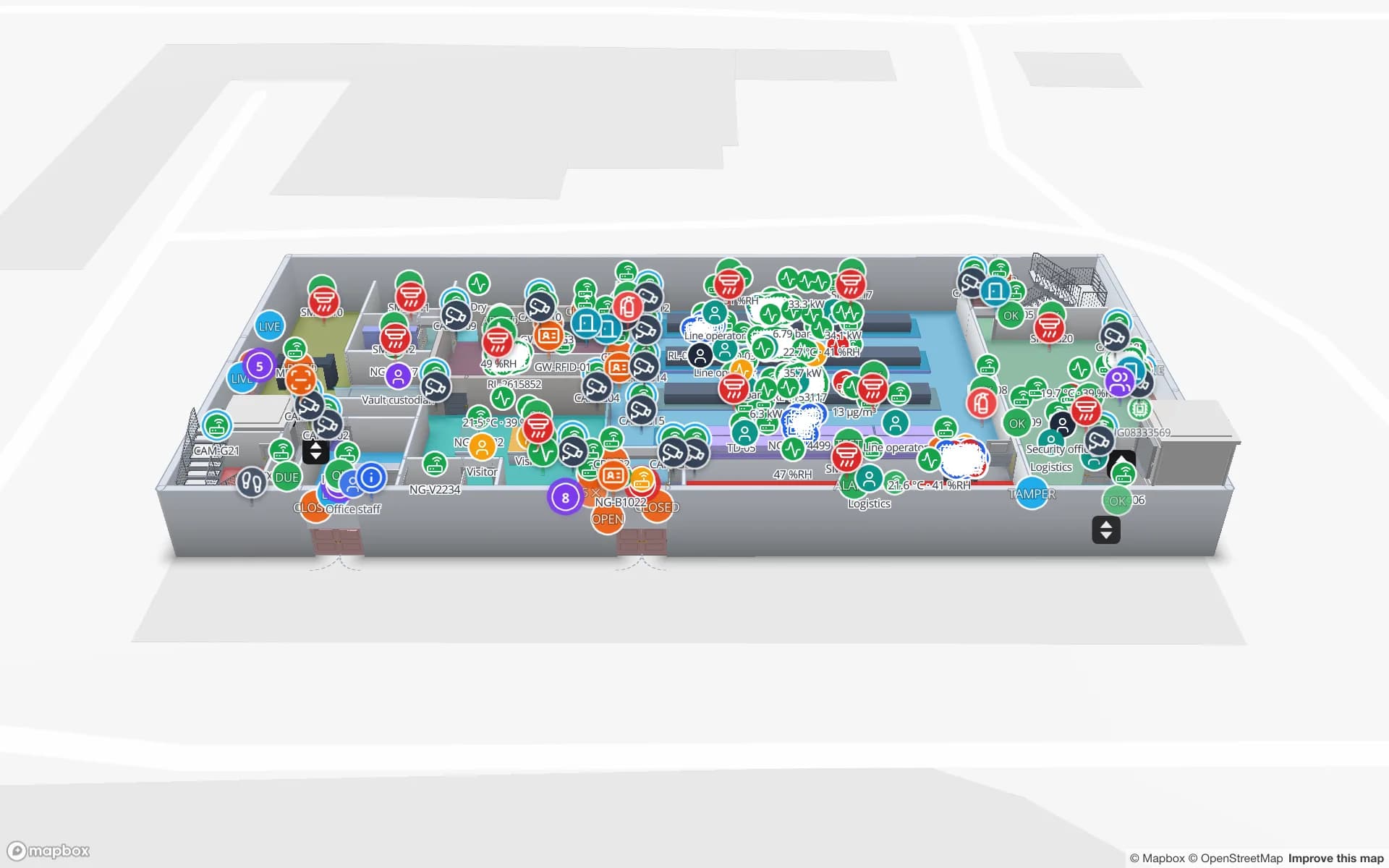
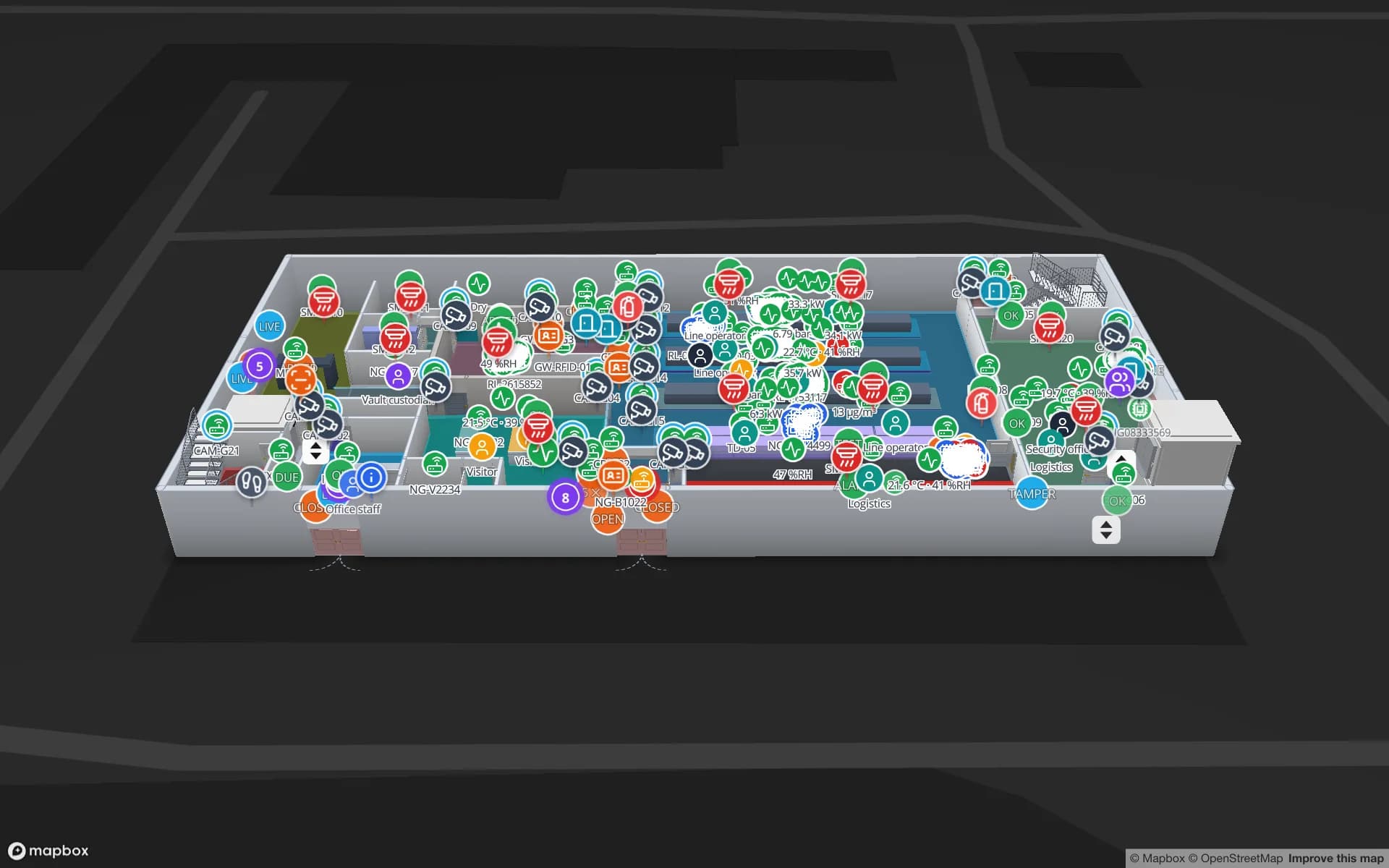
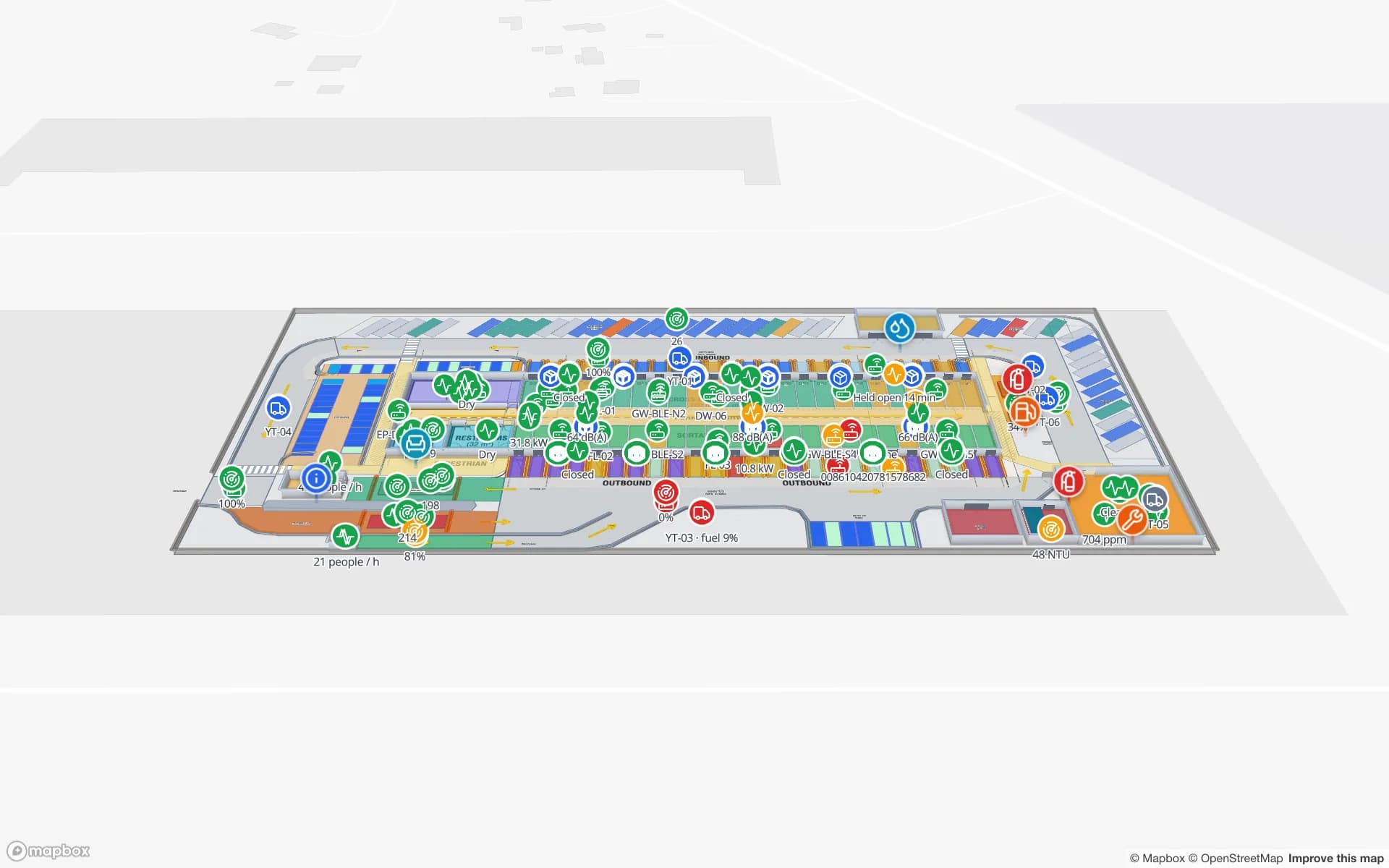
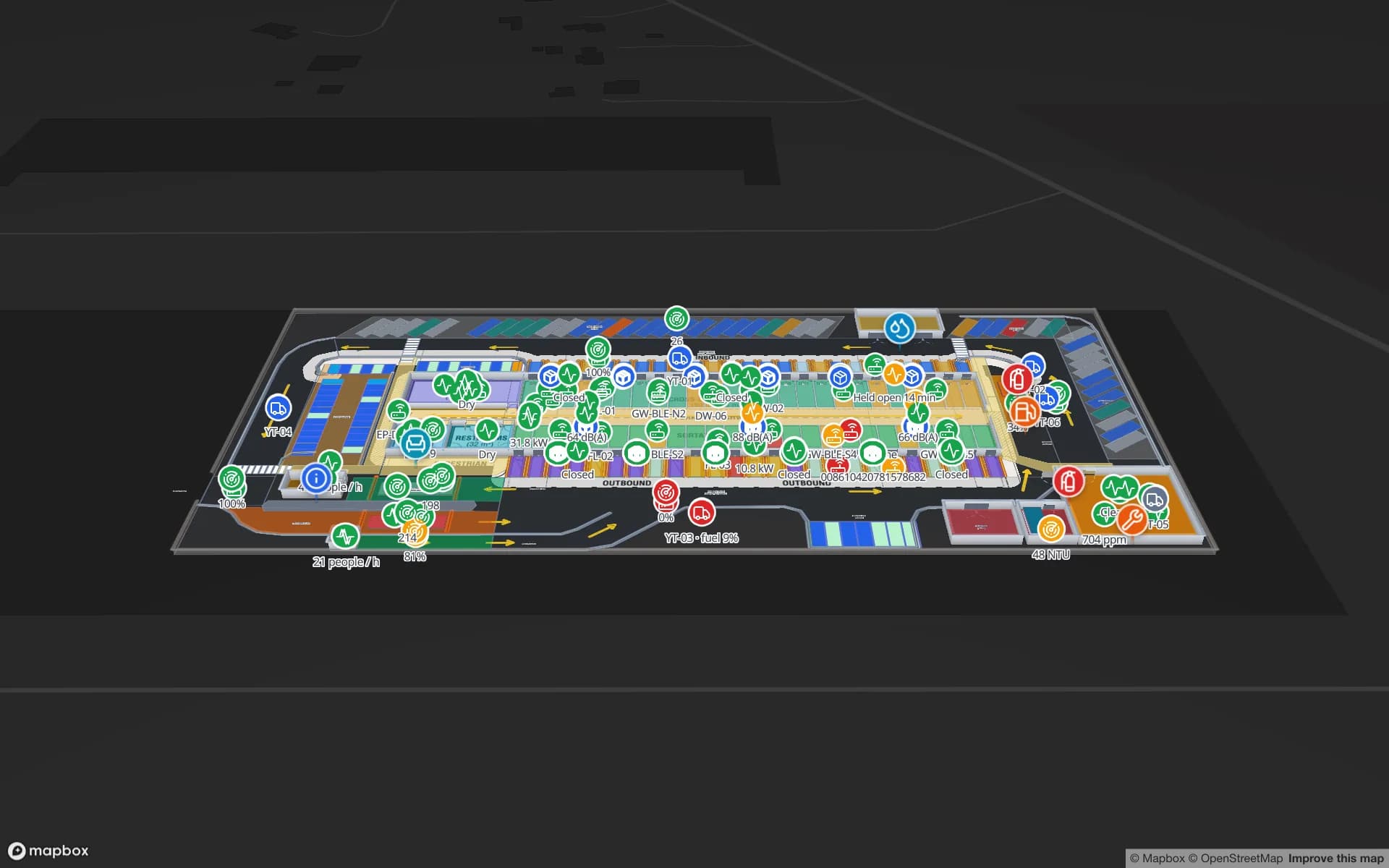
Eastport Cross-Dock Freight Hub, a cross-dock & trailer yard demo, in the Spatial Map 3D viewer with live device markers
Eastport Cross-Dock Freight Hub
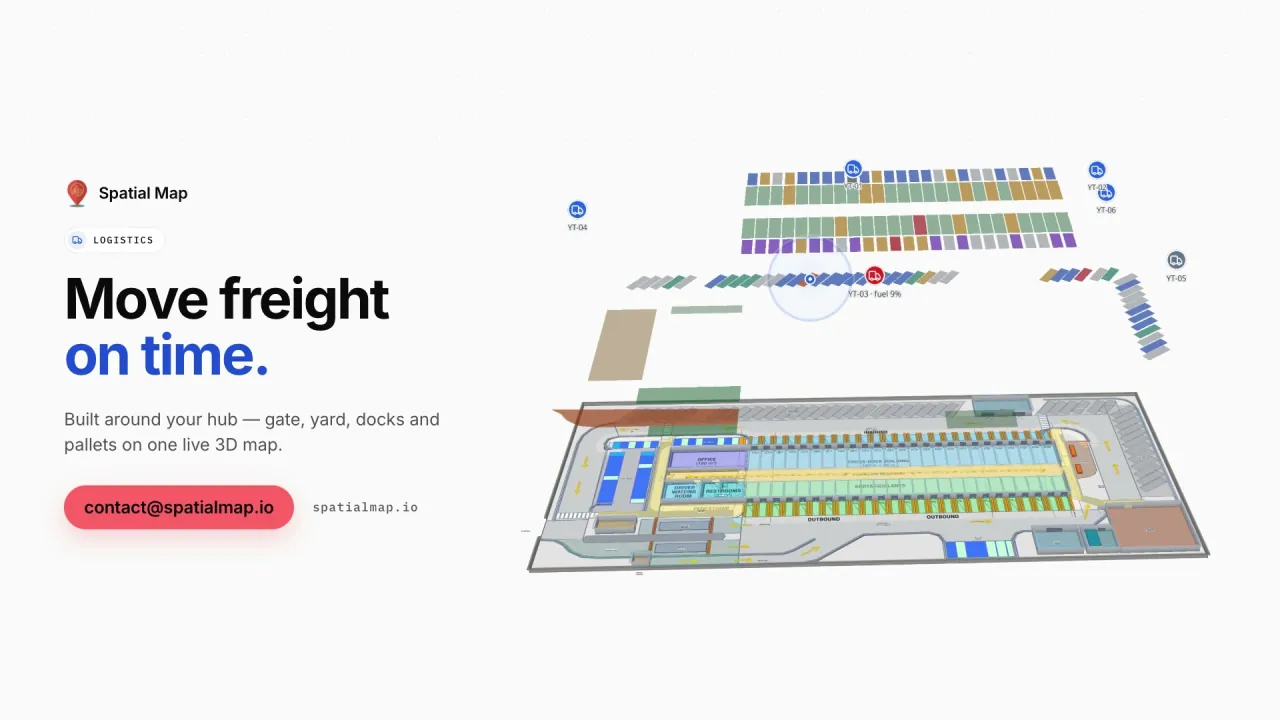
Eastport Cross-Dock, a demo freight hub: 50 dock doors, 44 yard slots and 1,180 RFID pallets, with the gate and weighbridge.
Dock doors in the Eastport cross-dock demo
50
RFID pallets moving through Eastport
1,180
Rack locations in the Crestline fulfilment demo
2,204
Free trial, up to 5 facilities, no card
7 days

A city that doubled its hinterland in 2025

Hai Phong merged with Hai Duong on 1 July 2025, and the merged city covers 3,194.72 km². In 2025 it ranked third among Vietnamese provinces for exports, at US$46.55 billion, according to VietnamNet. Vietnam Briefing describes the Dinh Vu–Cat Hai economic zone as the city’s core industrial land bank at 22,540 hectares, and the city’s master plan to 2030 aims for 46 industrial parks covering nearly 12,000 hectares, as Vietstock reports.

For anyone who holds stock here, a larger city means more sites to know. A company that used to run one warehouse in Hai Phong and one in Hai Duong now has two in the same municipality, often with two counts and two spreadsheets. Spatial Map keeps each building as its own facility in one workspace, groups them into named solutions, and puts all of them on one live map.
Lach Huyen and a free trade zone on the way

Six deep-water berths are in operation at Lach Huyen, and terminals 9 to 12 have nearly US$1 billion of planned investment. Resolution No. 226/2025/QH15, passed on 27 June 2025, allows a pilot free trade zone for the city. What that will mean for each warehouse is a question for your customs broker and the authority, and this page makes no claim about it.

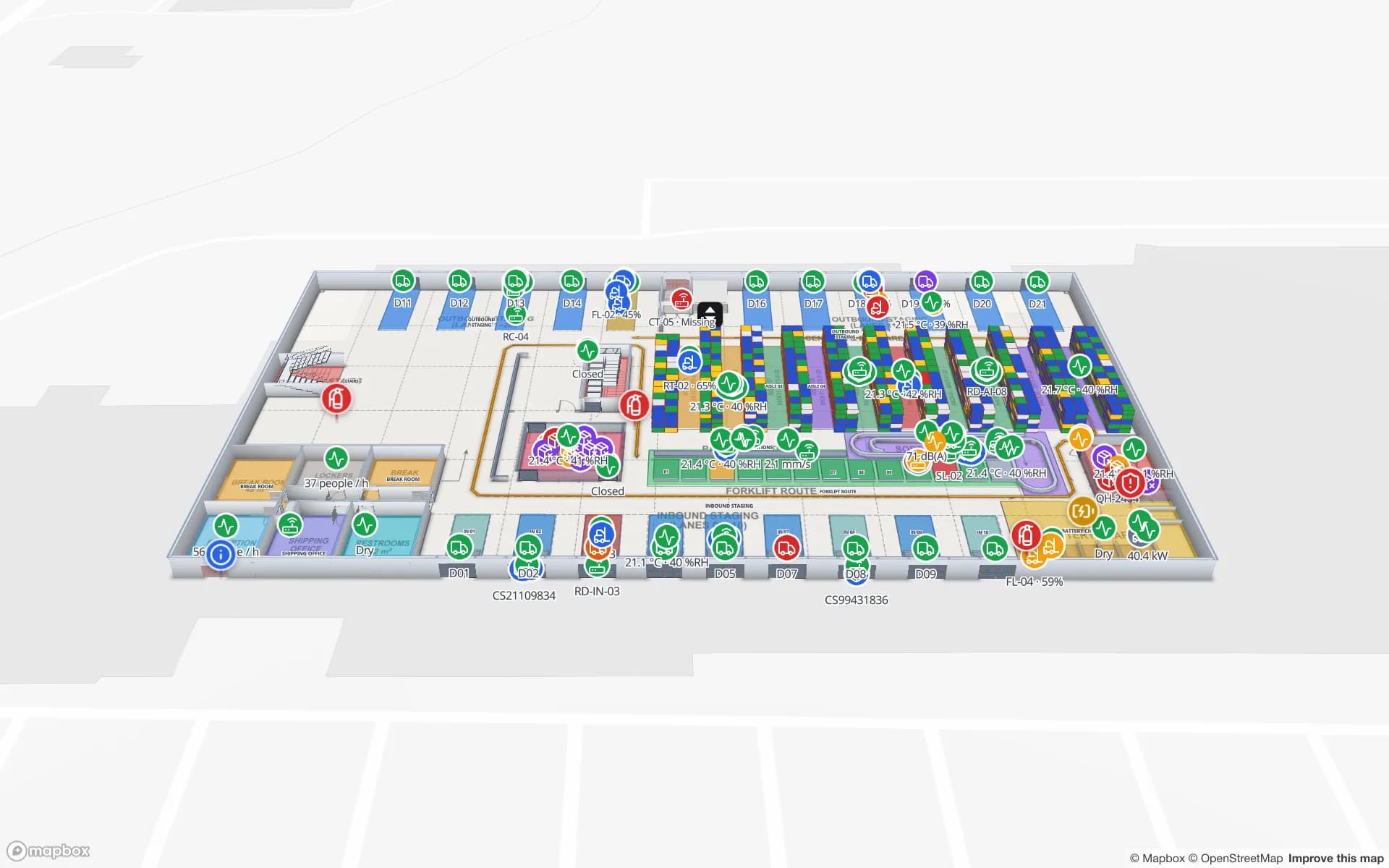
The inventory question is simpler: stock held under different statuses must stay separable. Draw the bonded cage, the quarantine bay and the general storage as separate areas, colour rack locations by status, and the count in each is visible at once; the Crestline demo has 20 racks with 2,204 locations coloured by stock status and a quality-hold area. Where the WMS keeps the status, Spatial Map shows it; it does not decide it.

The expressway, the railway and what is in the yard

Haiphong is linked to Hanoi by the six-lane, controlled-access Hanoi–Hai Phong Expressway (CT.04), and by the Kunming–Lao Cai–Hanoi–Hai Phong railway to the north; Vietstock reports that upgraded roads have cut travel time from inland industrial parks to Lach Huyen to under two hours. A box that leaves a plant inland therefore reaches the port the same day, if it is staged right.

Spatial Map cannot see a truck on the road. It can show the inventory at both ends: stock in the plant’s finished-goods store, pallets staged in the port-side warehouse, trailers in the yard and what is loaded at each door. The Eastport Cross-Dock demo shows yard slots, dock turns and gate transactions. For vehicle positions on the road you need a telematics system; the map can show its rows as a table layer if it exposes them.

Counting without closing: RFID and cycle counts

A full stocktake stops a warehouse. A cycle count does not: read a rack, a zone or a bay, and compare with what the WMS expects. Fixed readers at the doors and handhelds on the floor post their reads, and the map shows which locations differ. Our guide to how RFID stock counting works explains it, and RFID vs barcode in the warehouse helps decide where tags pay back first.

Differences go into a table, a style rule colours them, and an alert rule on a count against a threshold raises an in-app alert when a zone holds fewer or more units than you expect. Alerts appear in the bell, as toasts and on the Alerts page; there is no email or SMS. Spatial Map does not write the corrected count back to the WMS.

Services for teams in Haiphong

Where Haiphong teams usually start depends on the building:

Also served nearby

The same approach covers Hai Duong, Thuy Nguyen, An Duong, Kien Thuy and Cat Hai, and the plants along the expressway towards Hanoi. Nothing needs to be installed at any of them: the map opens in a browser.

How Spatial Map does it

From the berth to the bin

  1. 01

    Pick one warehouse

    The port-side shed or the plant store where stock is hardest to find.

  2. 02

    Draw racks and areas

    Upload the plan, let AI Map draft the floor, and mark cages, quarantine bays and staging lanes as areas.

  3. 03

    Connect stock

    A CSV or Excel export to start, then the write API or a polled REST endpoint from your WMS and RFID middleware.

  4. 04

    Add count rules

    In-app alerts for locations that differ from the plan, lanes short before cut-off and readers that went quiet.

What Haiphong teams track

Port-side warehouses

Dock doors, yard slots and pallets staged for the right vessel.

Zone-by-zone stock status

Racks coloured by status, with quality-hold and staging areas.

Plant stores and WIP

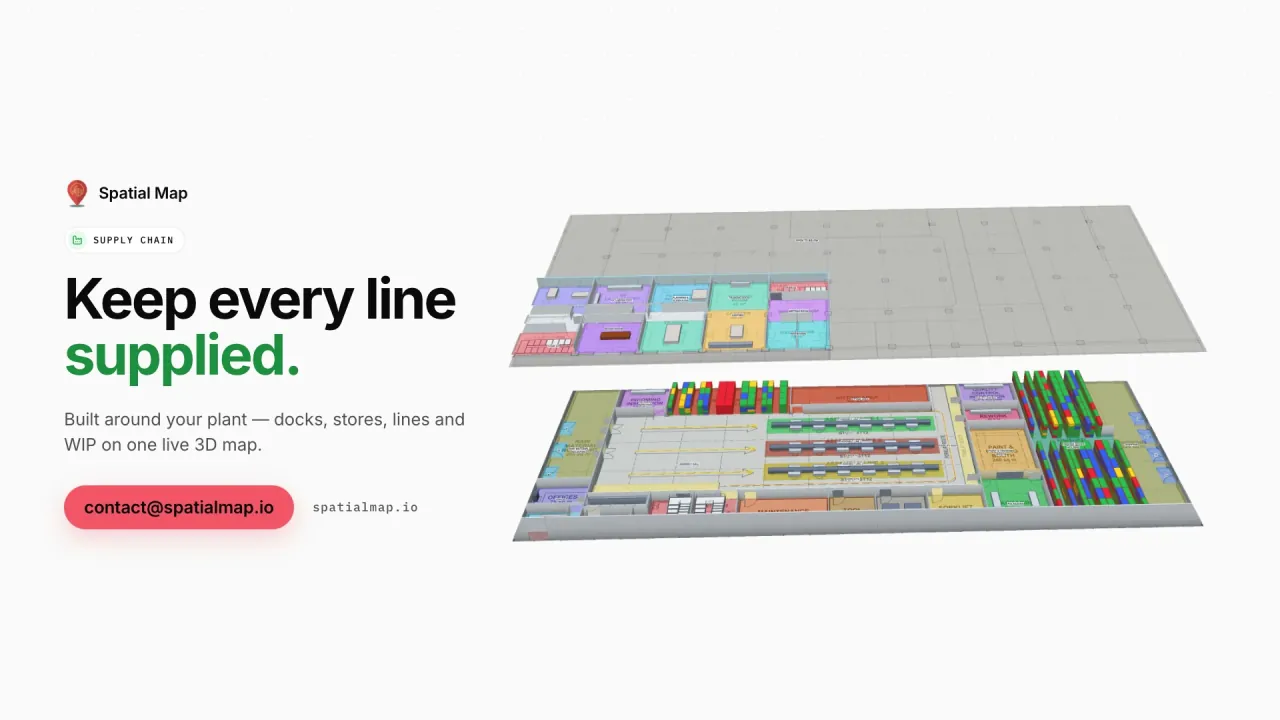
Raw-material and finished-goods racks and WIP carriers between stations.

Electronics component stores

High-value stock read zone by zone, with a shrink report.

See it on real demo facilities

Fictional names, real floor plans, live sensors, RFID, BLE tags and gateways — open any of them in the browser.

All 13 demo facilities

Inventory tracking in Haiphong — questions we get

Yes, as areas and statuses on the map: a bonded cage, a quarantine bay and general storage can each be an area, and rack locations can be coloured by status from your WMS. Spatial Map does not decide customs treatment; that stays with your broker and the authority.

Yes. Fixed readers at doors and handhelds on the floor post their reads to a table, and the map shows which locations differ from what your WMS expects. Spatial Map does not write the corrected count back to the WMS.

Yes. Each building is its own facility and a workspace holds many, grouped into named solutions. Roles control who sees which site: Owner, Admin, Editor and Viewer, plus custom roles.

No. Spatial Map shows what is inside the buildings and yards you map. If your telematics system exposes rows through a REST endpoint, the map can show them as a layer, but the positions come from that system.

Not yet. The app is available in English, Chinese, Spanish, French, German and Arabic, and each user picks their own. Your own content — rack codes, zone names, report titles — can be written in Vietnamese.

No. Spatial Map is sold online and our team works with customers in Vietnam remotely, by video call and through the contact form. There are no local resellers or partners.

In US dollars, the same worldwide: a 7-day free trial for up to 5 facilities with no card, then Pro at $60 a month or $600 a year for up to 4 facilities. RFID hardware, if you ask us to source it, is quoted per project and is not part of the subscription.

Count one Haiphong warehouse on a live map.

Start the free trial and open the Crestline demo, or send us a warehouse plan and a stock export through the contact form.