Southeast Asia · Thailand

Indoor mapping and RFID tracking software for Thailand

Spatial Map is indoor mapping software that turns plants, warehouses and malls into live 3D maps in the browser, with RFID reads, sensor readings and stock shown where they happen. In Thailand, much of that work is concentrated in the Eastern Economic Corridor — automotive and electronics plants, petrochemical estates and Laem Chabang, the country’s largest port — with Bangkok’s multi-level shopping malls and distribution centres up the coast.

No credit card. Runs in the browser. Pro is $60/month for up to 4 facilities. Book a demo

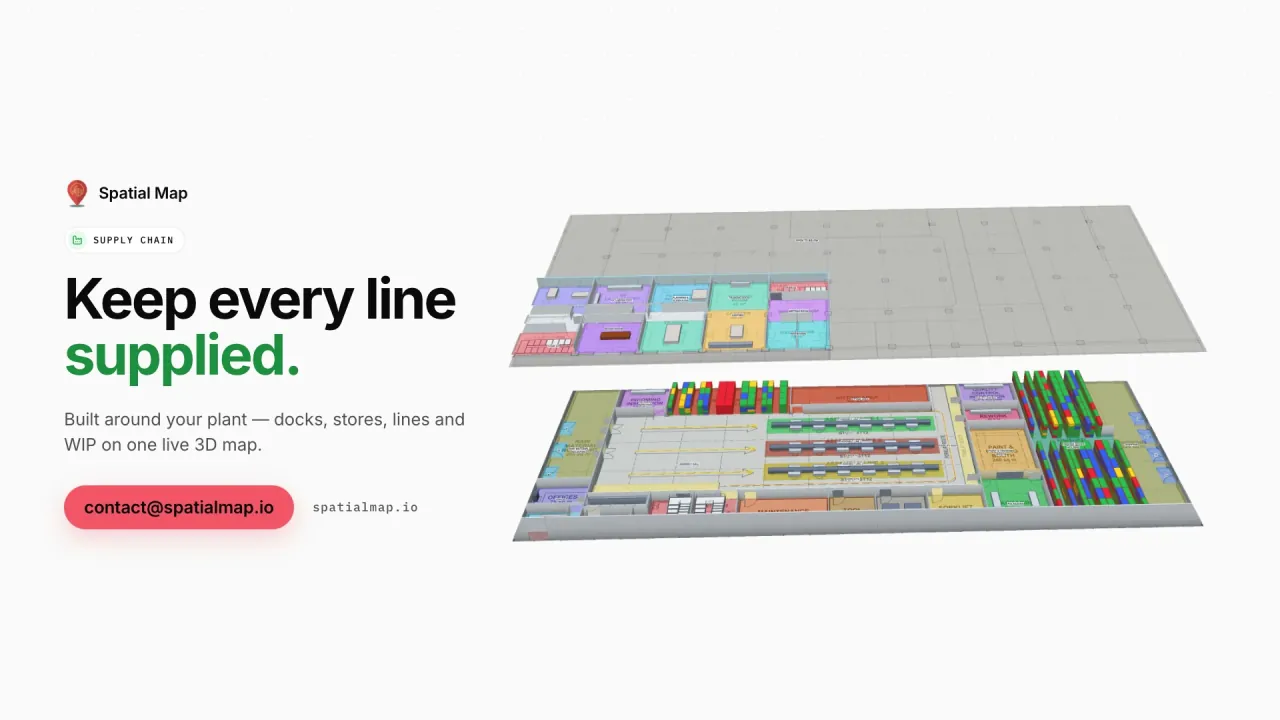
Supply Chain film: “Keep every line supplied” beside the floors of Summit Assembly Plant in 3D
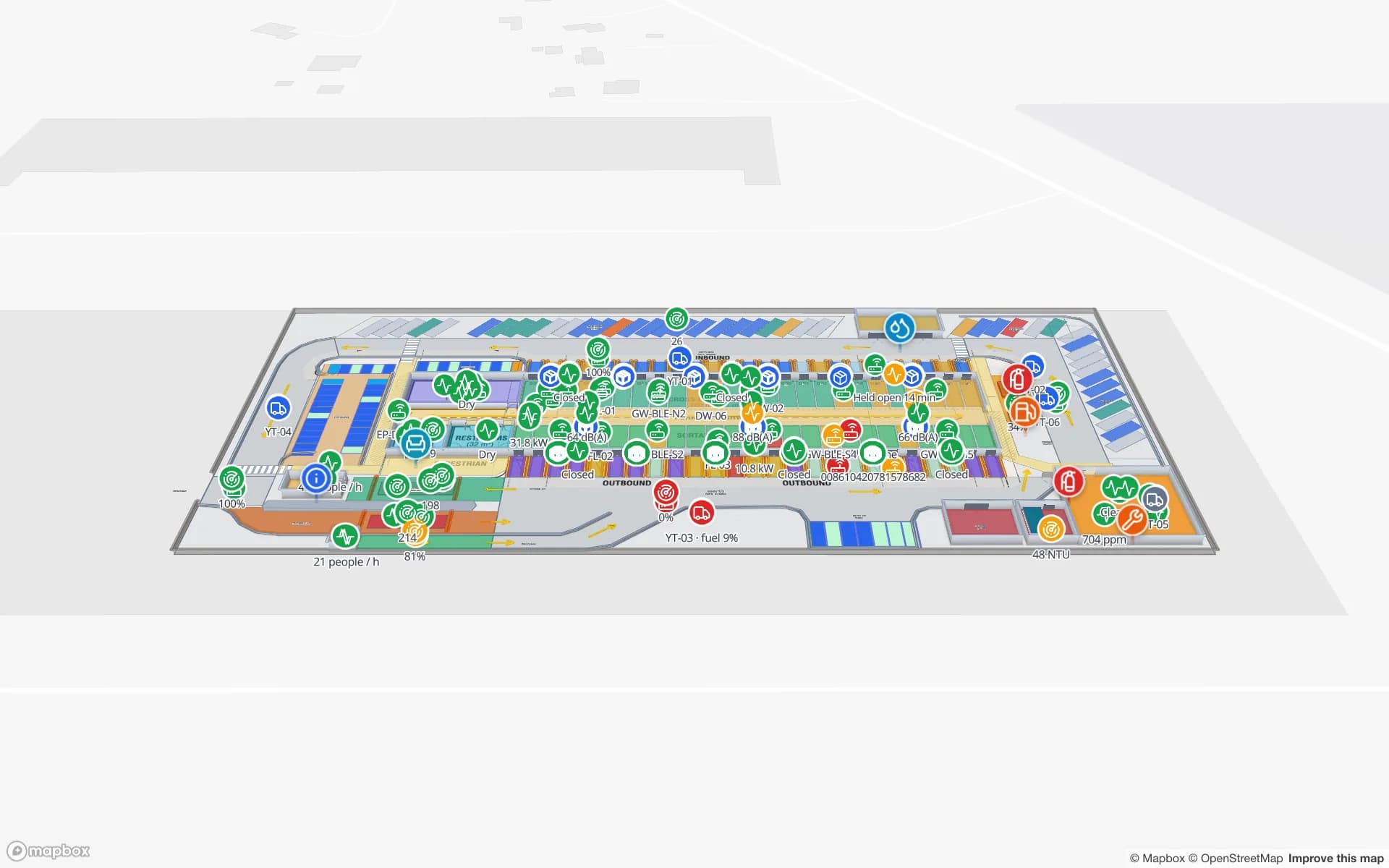
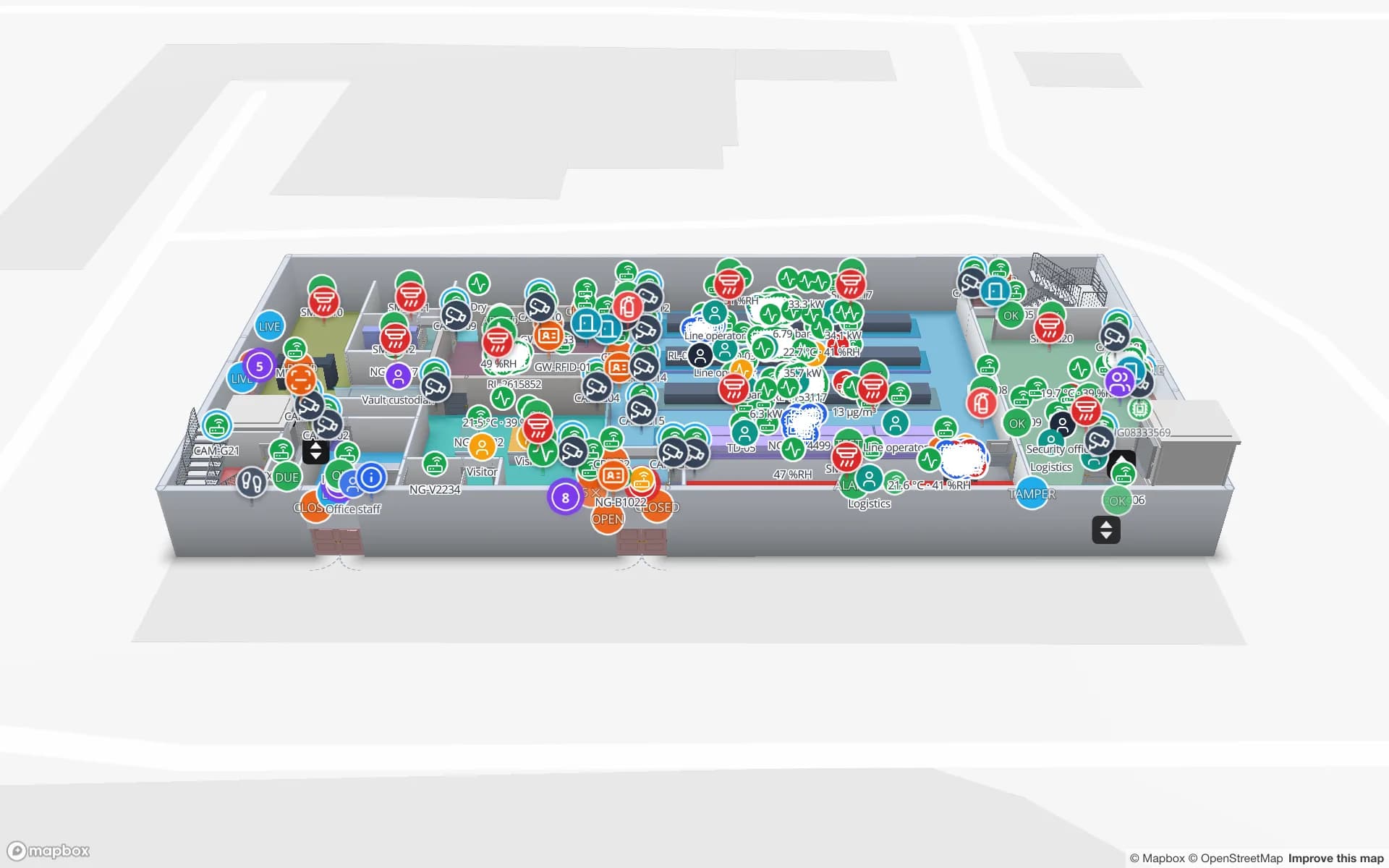
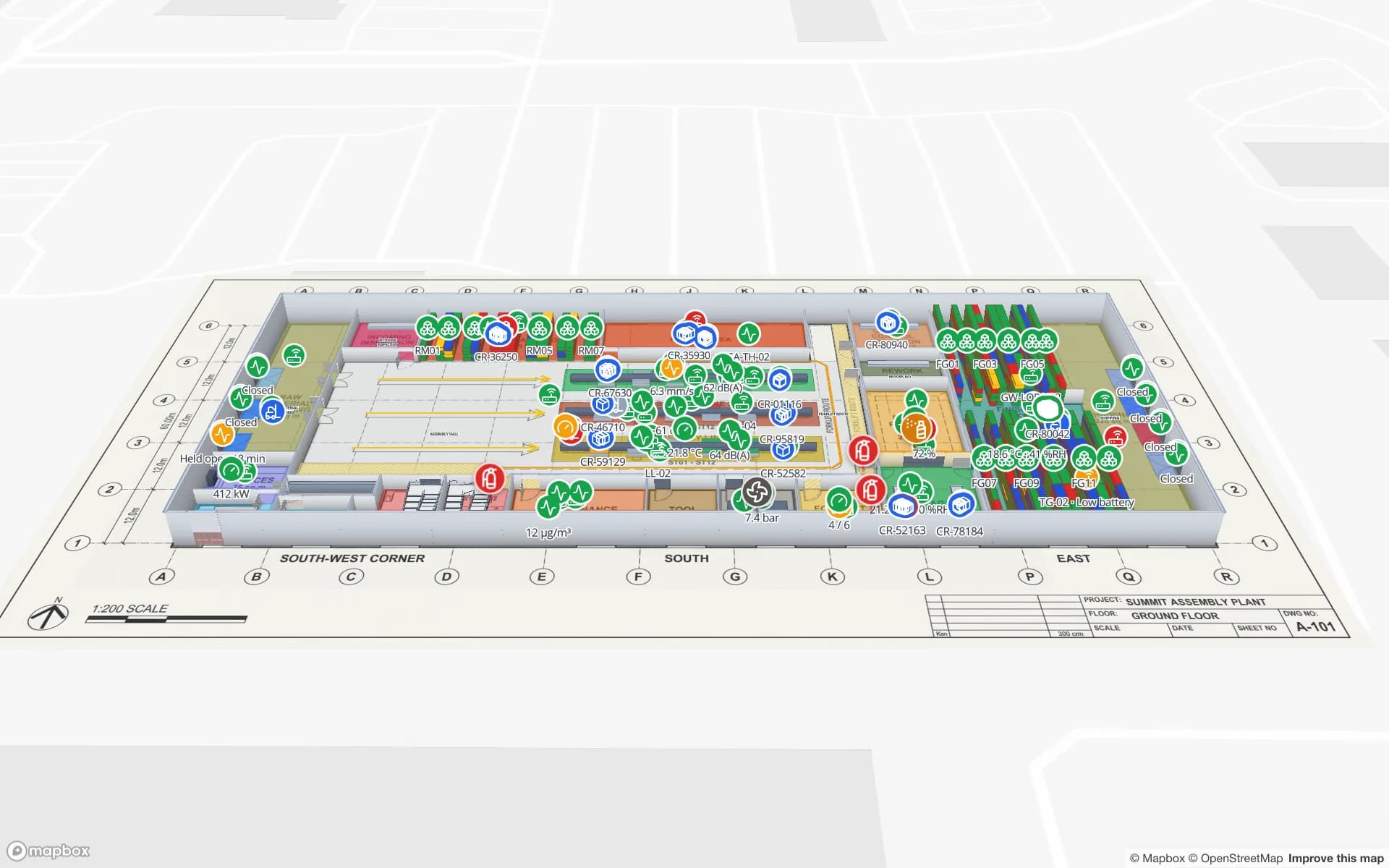
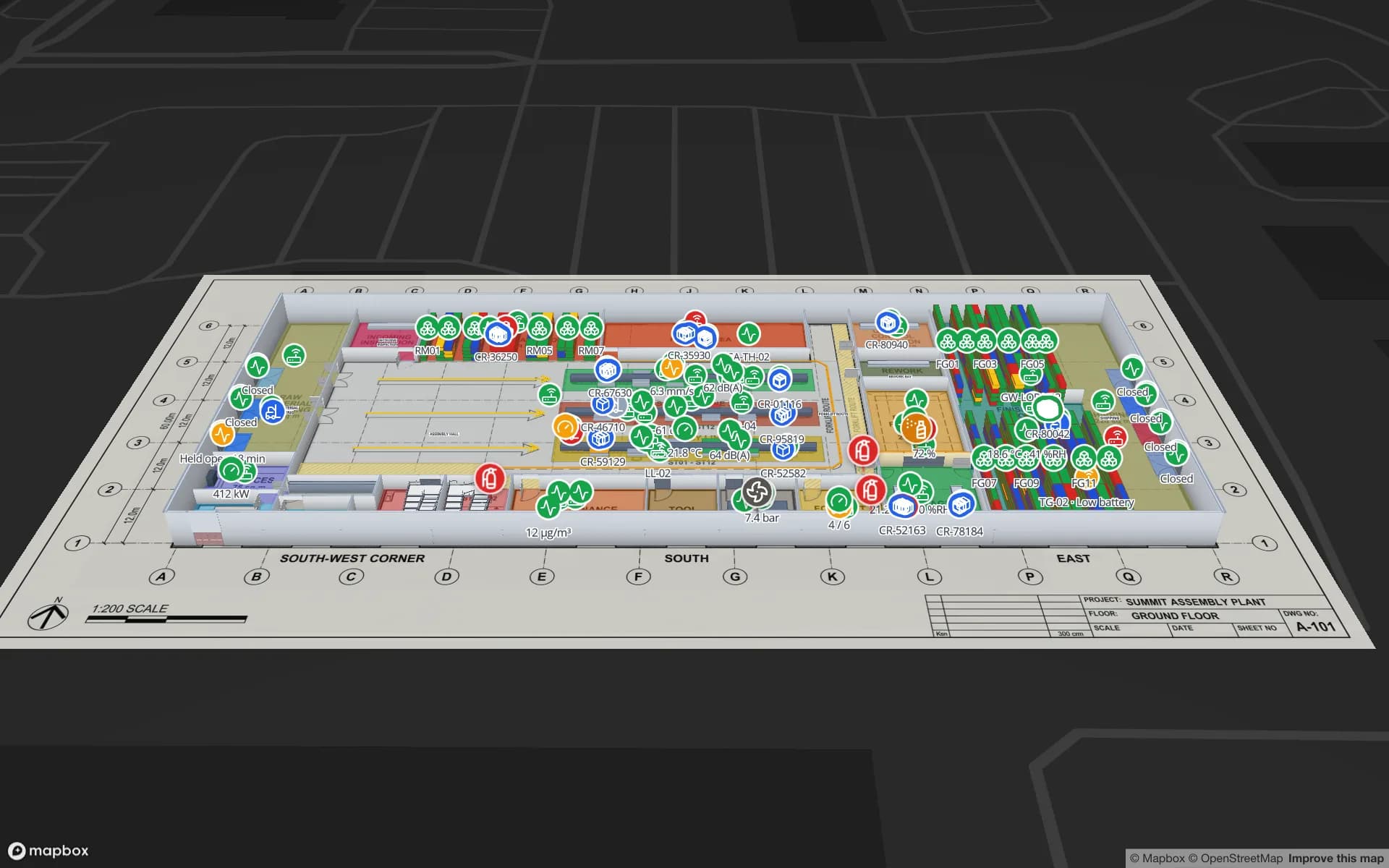
The Supply Chain film: Summit Assembly Plant, a demo plant, with 3 assembly lines, 7 docks and 351 RFID work-in-progress carriers, and a held lot traced to the line it starves.
Assembly lines in the Summit plant demo
3
Dock doors in the Eastport Cross-Dock demo
50
Software to install — runs in any modern browser
0
Free trial, up to 5 facilities, no credit card
7 days

The Eastern Economic Corridor

The Eastern Economic Corridor (EEC) covers three provinces on the eastern seaboard — Chachoengsao, Chonburi and Rayong — and is the government’s special development zone for advanced manufacturing, logistics and related industries. It builds on decades of industrial estates along the coast, including the large petrochemical estate at Map Ta Phut in Rayong.

A manufacturer there often runs several buildings — a plant, a parts warehouse, a finished-goods store — on one estate or across two. Spatial Map keeps them in one workspace, grouped into named solutions, with each building’s floors stacked in 3D and its own data links. A manager at head office in Bangkok sees the same live maps as the people on the floor.
Automotive lines and the parts that feed them

Thailand has long been one of Southeast Asia’s main vehicle-manufacturing bases, and its pick-up trucks and passenger cars are exported widely; in recent years electric-vehicle assembly has been added alongside. Every line depends on parts arriving in sequence, in returnable racks and containers that are expensive and easy to lose between supplier, warehouse and line side.

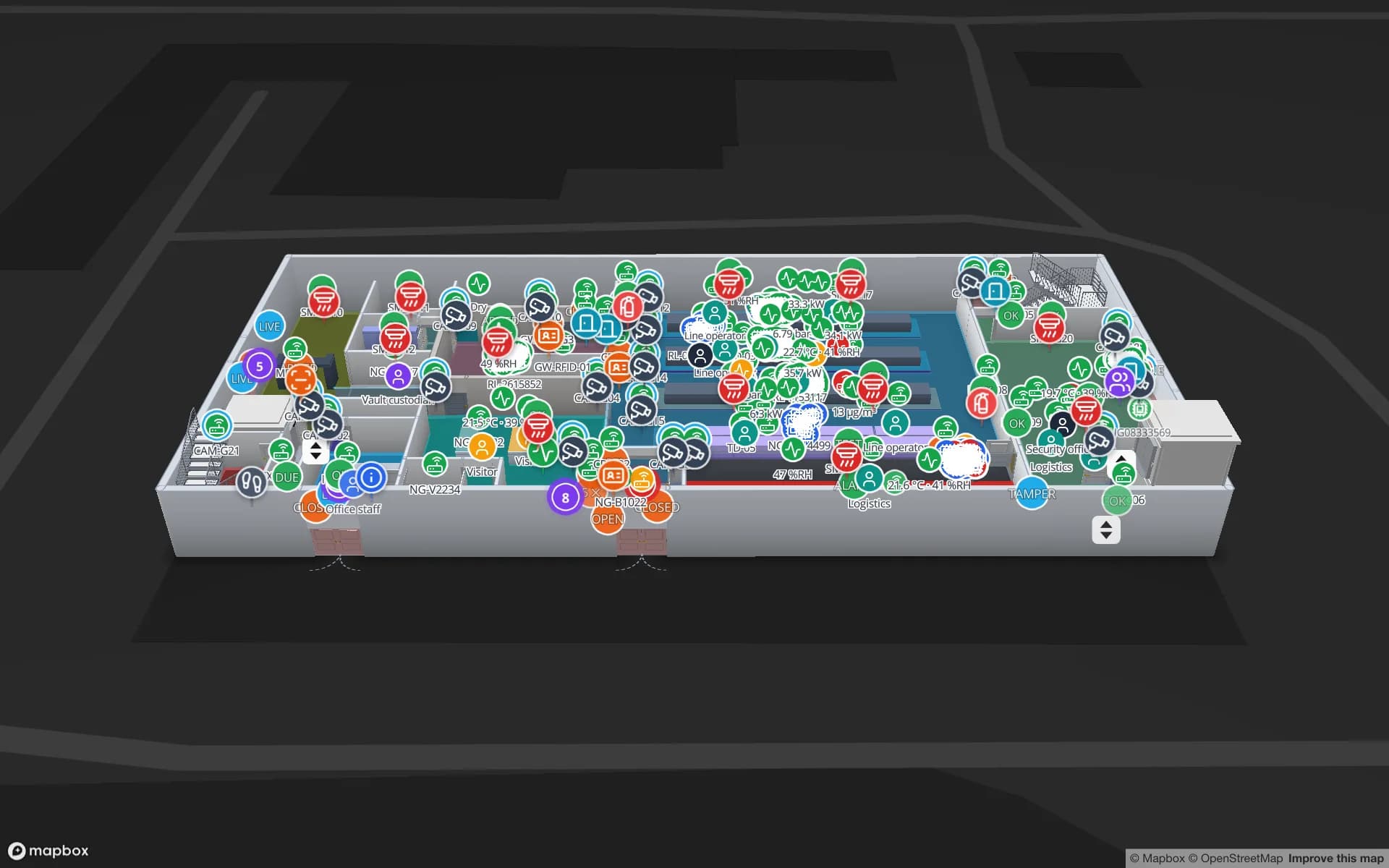
Tag the racks and containers with on-metal RFID tags and let your reader software post the reads; Spatial Map shows each one at its last read point, counts empties per zone and replays where a missing rack went. An alert rule on the “number of matching items” — for example, full racks at line side below a threshold — is checked every 15 seconds and raised in the app with Show on map. The Summit Assembly demo shows lines, workstations, andon calls and 351 RFID work-in-progress carriers.

Electronics and the port at Laem Chabang

Thailand has a long-established electronics industry, from hard-disk-drive components to circuit boards, and new electronics plants have been reported opening in the EEC in recent years. Much of what these plants and the car makers ship leaves through Laem Chabang in Chonburi, the country’s largest container port and its main gateway for vehicle exports.

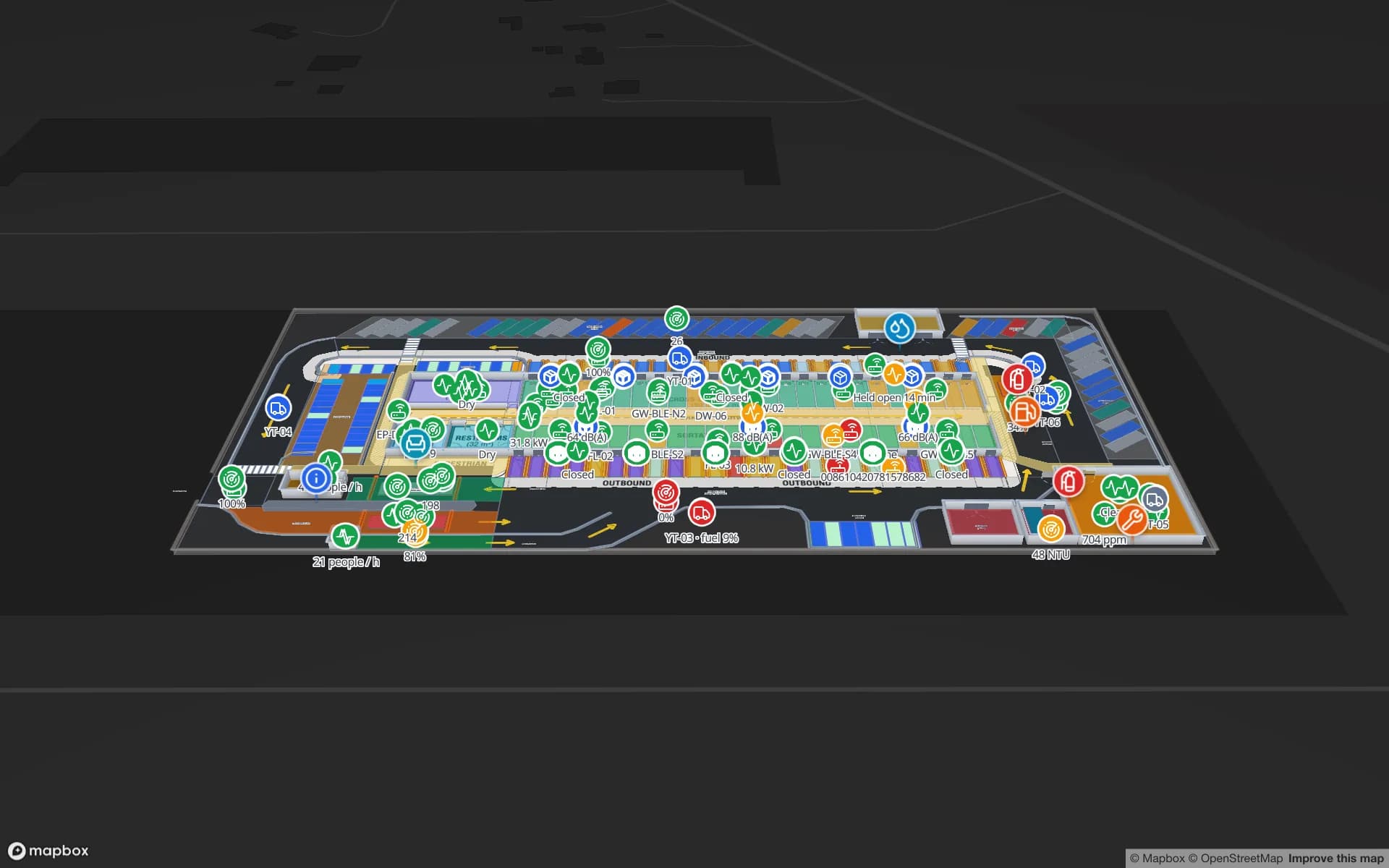
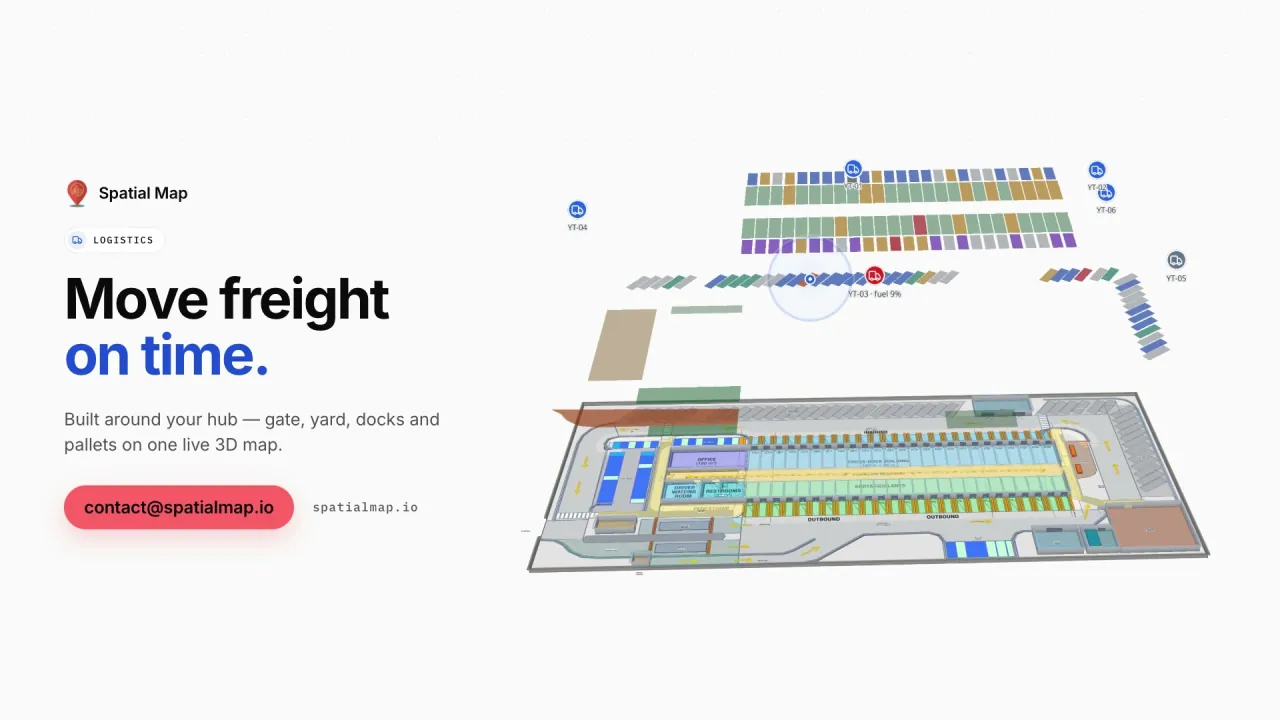
Around the port sit container yards, free-zone warehouses and cross-docks. Spatial Map draws their dock doors, yard slots and staging lanes and colours them from your yard or WMS data, with RFID pallets followed door to door; the Eastport Cross-Dock demo shows 50 dock doors, 44 yard slots and 1,180 RFID pallets. Secure stores for high-value components follow the Northgate Electronics pattern.

Bangkok’s shopping malls

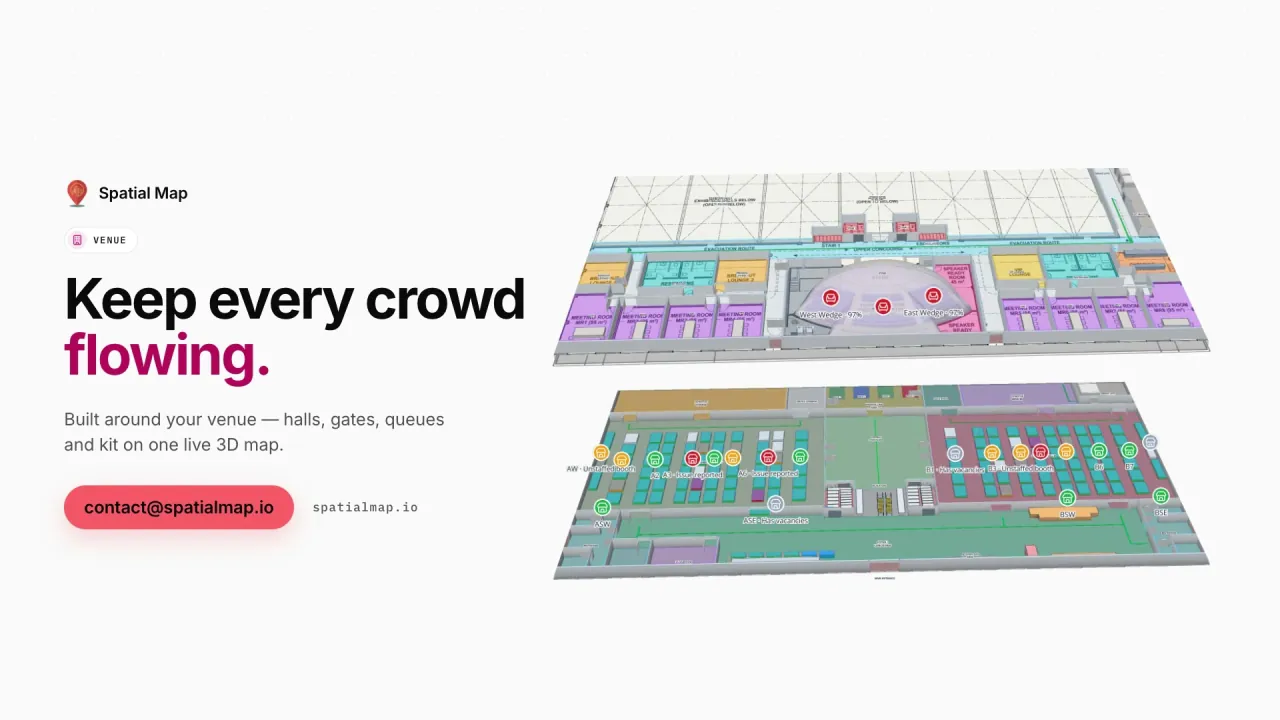
Bangkok is known for very large, multi-level shopping malls, with dense clusters in districts such as Siam and Ratchaprasong, linked to the BTS Skytrain. For their operators and tenants the map has two jobs: stock and loss prevention for the retailers, and routes, crowding and services for the people walking through.

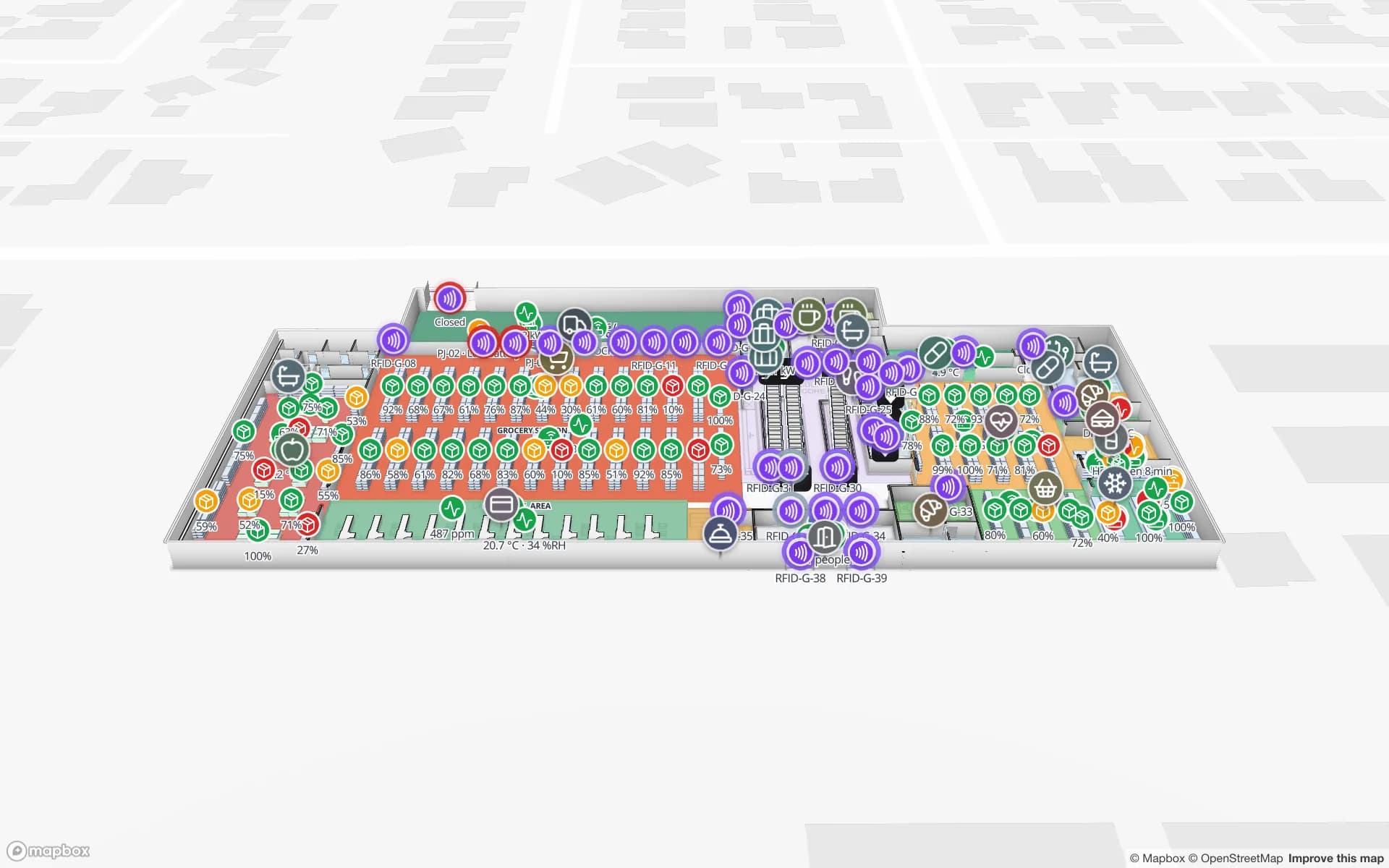
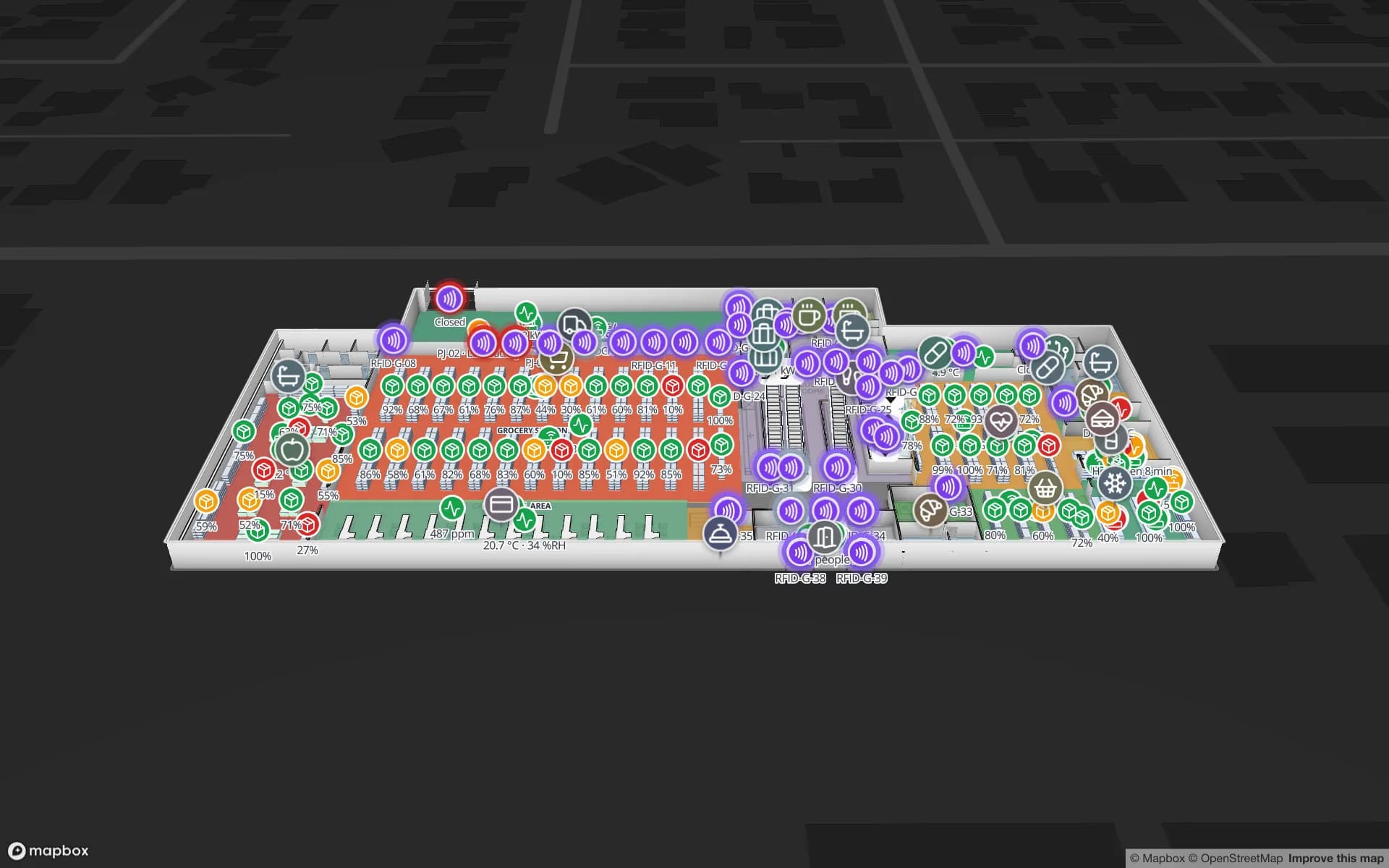
Spatial Map builds wayfinding routes across floors through stairs, lifts and escalators, with Fastest, Step-free and Other route options, turn-by-turn steps and walking minutes; there is no live blue dot for the visitor. Footfall or occupancy from your counters can be drawn as a heatmap, one floor at a time, and the Retail Mart demo shows a three-floor store with 85 RFID readers at doors, escalators and lifts.

Thai, RFID frequencies and the PDPA

The interface is not available in Thai; it ships in English, Chinese, Spanish, French, German and Arabic, and each user picks their own. Shop names, zone names and report titles appear in Thai script exactly as you write them. For UHF RFID, GS1’s unofficial overview of UHF allocations lists 920–925 MHz for Thailand, with a licence needed above 0.5 W; confirm the band and power for your readers with your supplier and the NBTC.

Thailand’s Personal Data Protection Act B.E. 2562 (2019), fully in force since June 2022, is the context where location data relates to people; your legal advisers decide what applies, and most plant and port projects tag racks, pallets and parts rather than staff. A data processing agreement is available and the security page describes how data is protected.

How Spatial Map does it

From plant layout to live map

  1. 01

    Upload each building

    A PDF or DWG (AutoCAD R2004–R2018) per floor of the plant, warehouse or mall.

  2. 02

    Draw lines, racks and routes

    Lines, line-side racks, docks, shops, stairs, lifts and escalators — or let AI Map draft them for review.

  3. 03

    Connect RFID, MES and counters

    Rows through the table write API or REST polling, from the hardware you already run.

  4. 04

    Act on what changes

    In-app alerts, history playback and reports for each shift.

What Thai teams use it for

Automotive lines and returnable racks

Lines, WIP and tagged racks and containers between supplier and line side.

Warehouses near Laem Chabang

Dock doors, yard slots and RFID pallets staged for export loads.

Electronics component stores

High-value parts read zone by zone, with choke points and a shrink report.

Bangkok mall operations

Multi-floor routes, footfall heatmaps and tenant RFID stock.

See it on real demo facilities

Fictional names, real floor plans, live sensors, RFID, BLE tags and gateways — open any of them in the browser.

All 13 demo facilities

Questions from Thai teams

Inside the buildings you map, yes. Your RFID readers at docks and line side post reads to a table; Spatial Map shows each rack at its last read point, counts racks per zone and replays where one went. Positions come from your readers — Spatial Map does not compute them.

GS1’s unofficial overview of UHF allocations lists 920–925 MHz for Thailand, with a licence needed for reader power above 0.5 W. Confirm the band and power for your readers with your hardware supplier and the NBTC before you buy.

Yes. Wayfinding builds routes across floors through stairs, lifts and escalators, with Fastest, Step-free and Other route options, turn-by-turn steps and walking minutes, also on read-only share links. It does not show the visitor’s live position.

Not yet. The app is available in English, Chinese, Spanish, French, German and Arabic, and each user picks their own. Your own content — shop names, zone names, report titles — can be written in Thai.

No. Spatial Map is sold online and our team works with customers remotely, by video call and through the contact form.

The same worldwide, in US dollars: a 7-day free trial for up to 5 facilities with no credit card, then Pro at $60 a month or $600 a year for up to 4 facilities. Larger estates are quoted as custom services.

Map your first Thai site this week.

Start the free trial, or send us a plant, warehouse or mall layout and a sample of your RFID or sensor data through the contact form.