Southeast Asia · Vietnam

RFID tracking and factory mapping software for Vietnam

Spatial Map is RFID tracking and indoor mapping software that turns factories and warehouses into live 3D maps in the browser. In Vietnam many of those buildings are new: electronics plants in Bac Ninh and the northern provinces around Hanoi, industrial parks on the edges of Ho Chi Minh City, warehouses near Hai Phong and Cai Mep–Thi Vai. Spatial Map lets a plant team draw the layout once, connect its RFID and MES data, and see work in progress, stores and docks where they really are.

No credit card. Runs in the browser. Pro is $60/month for up to 4 facilities. Book a demo

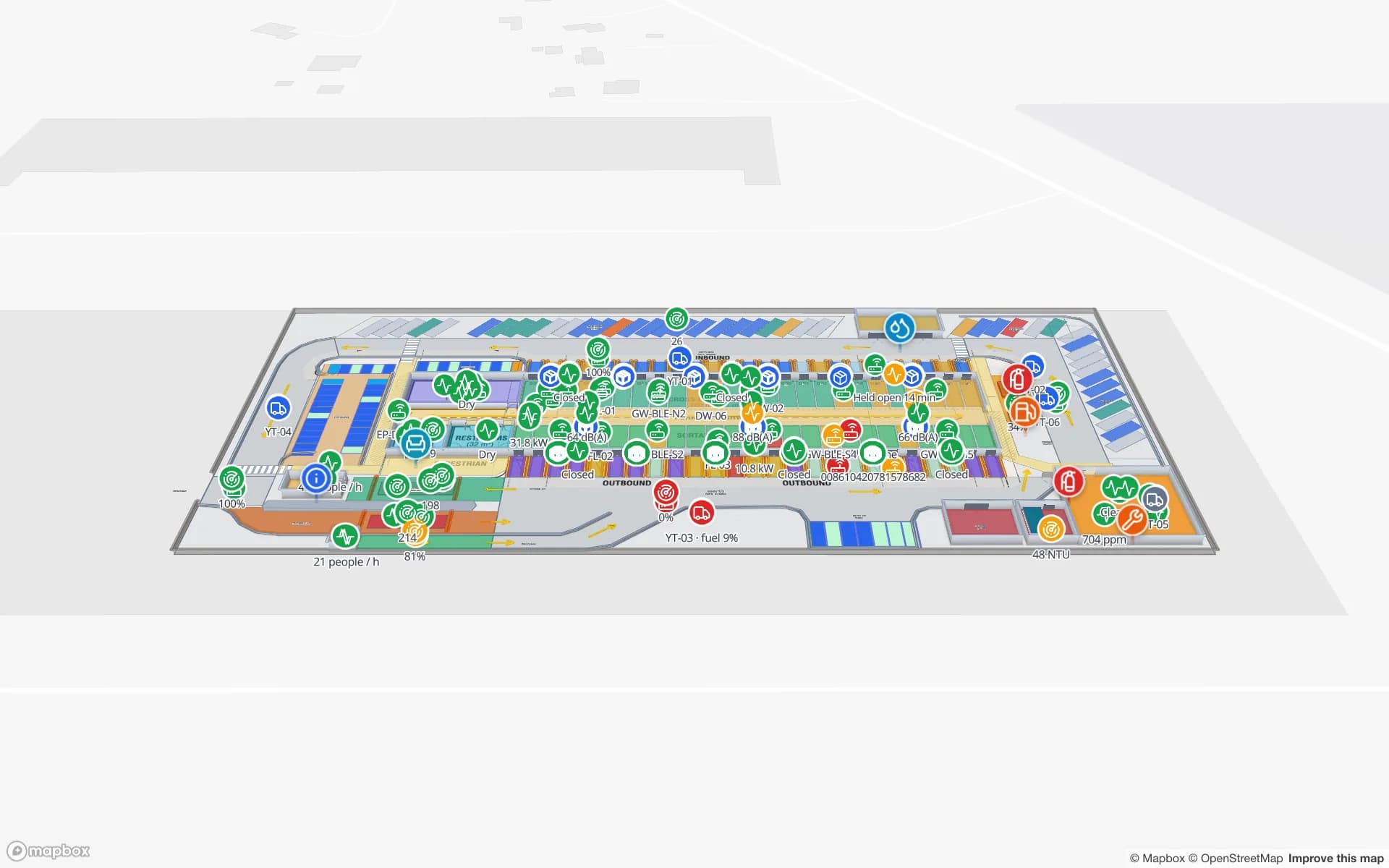
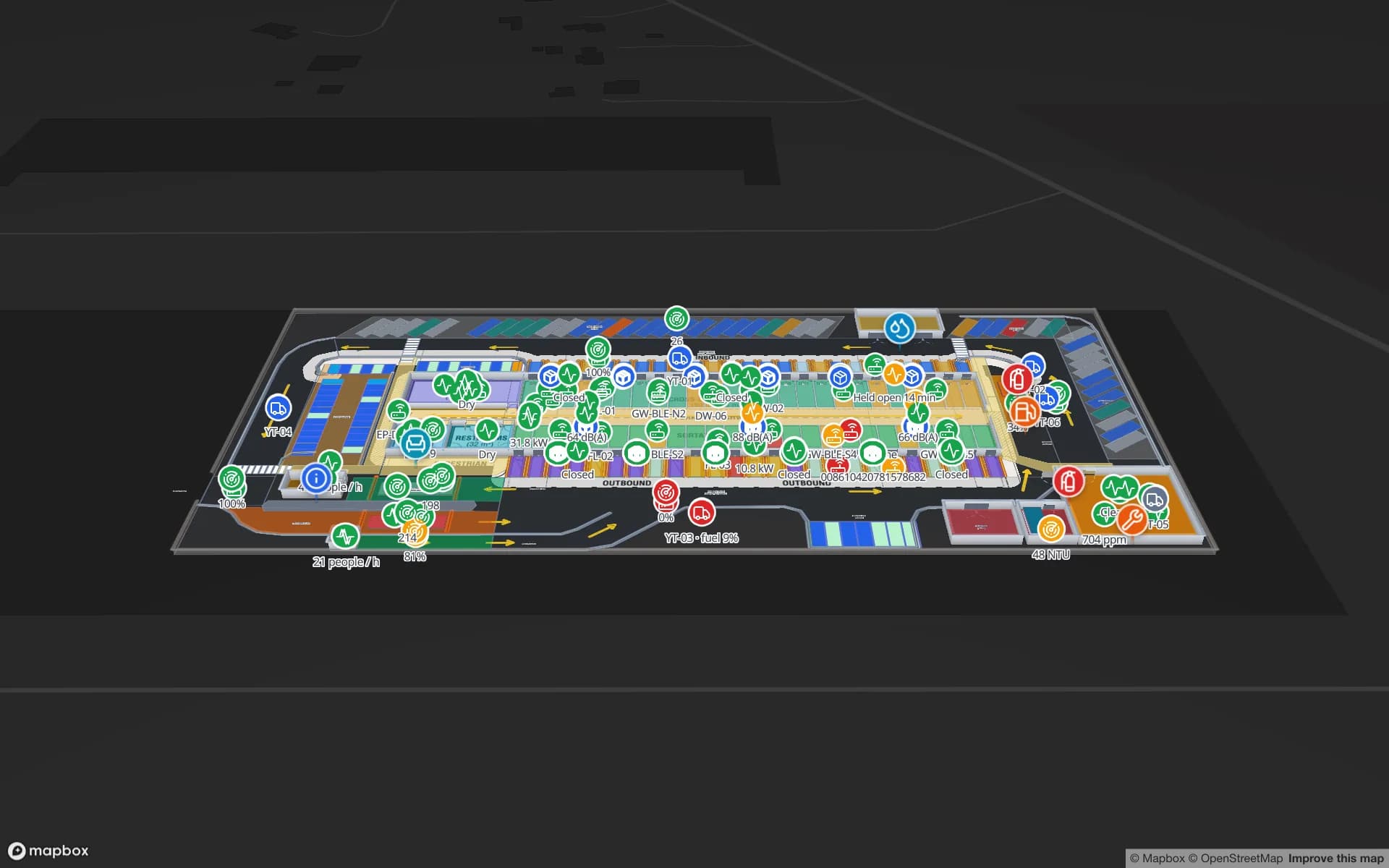
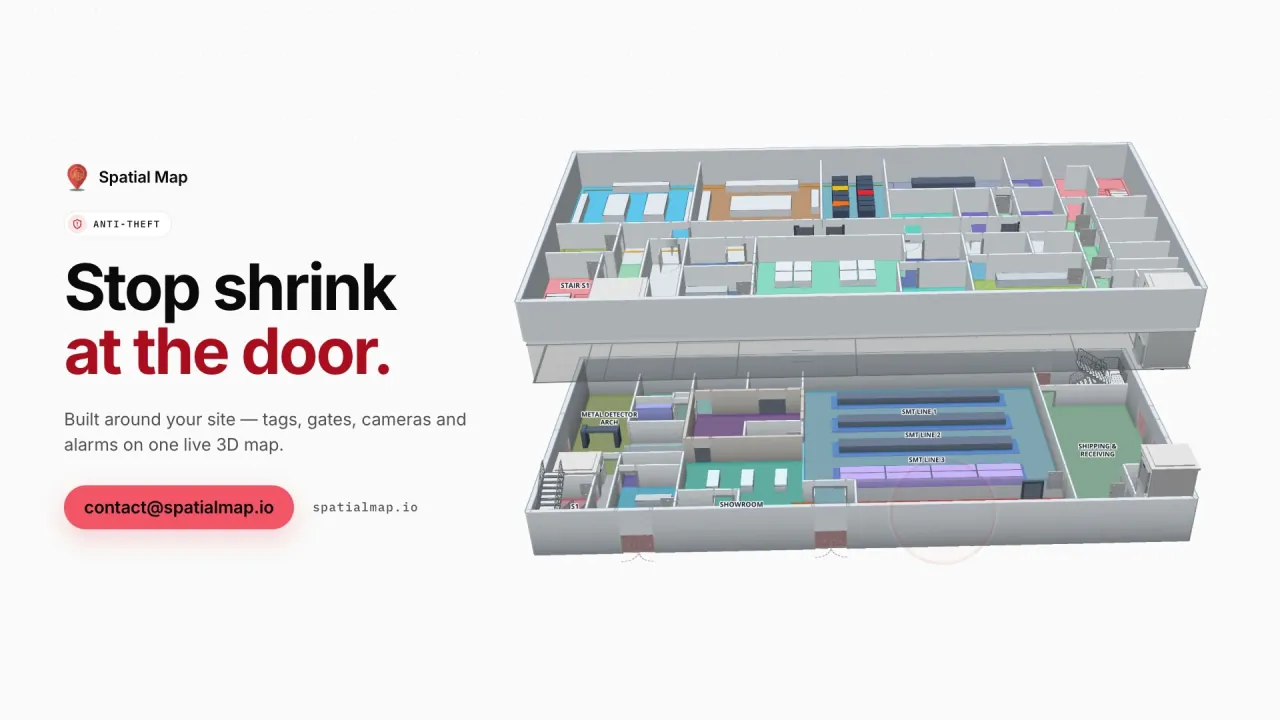
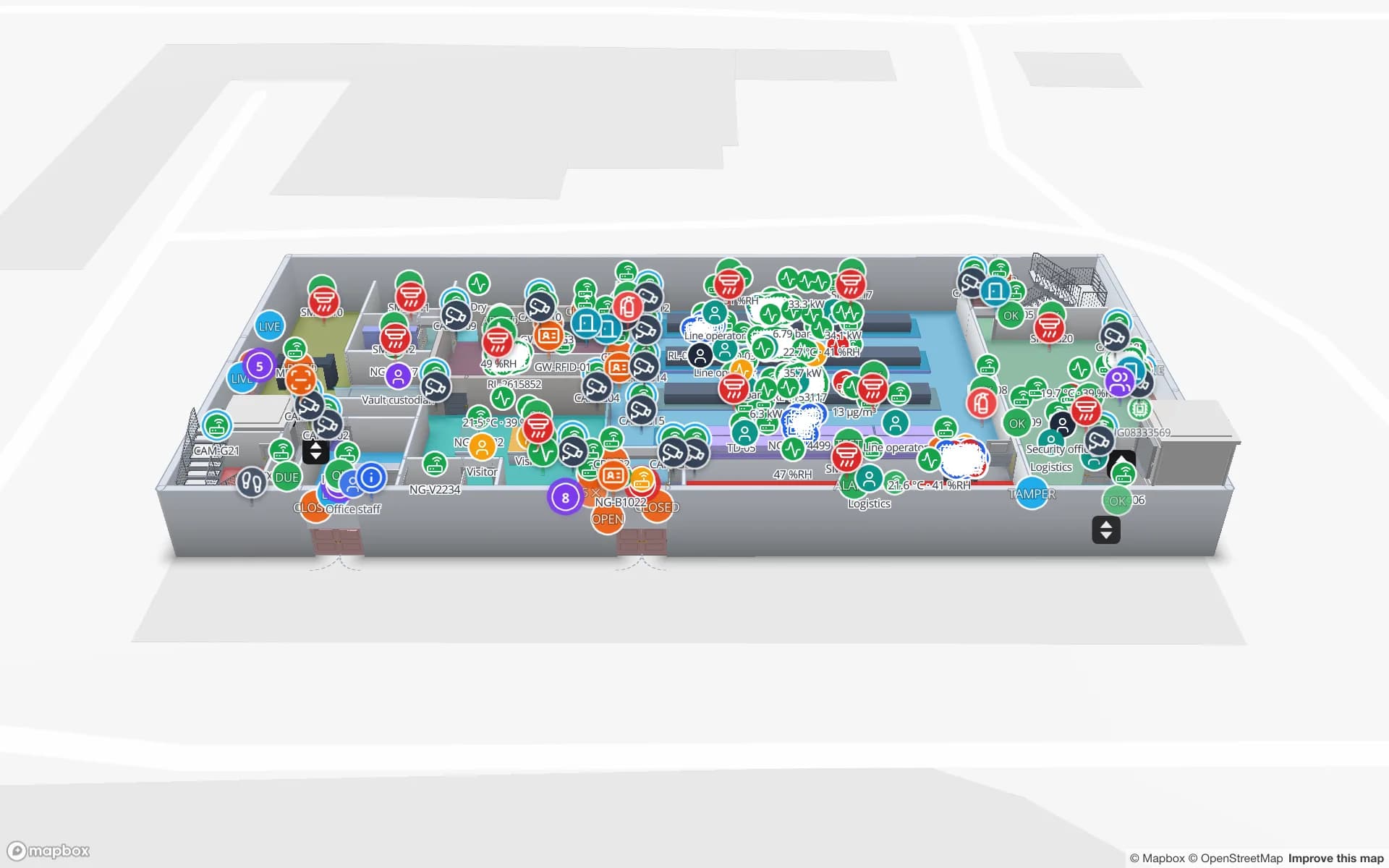
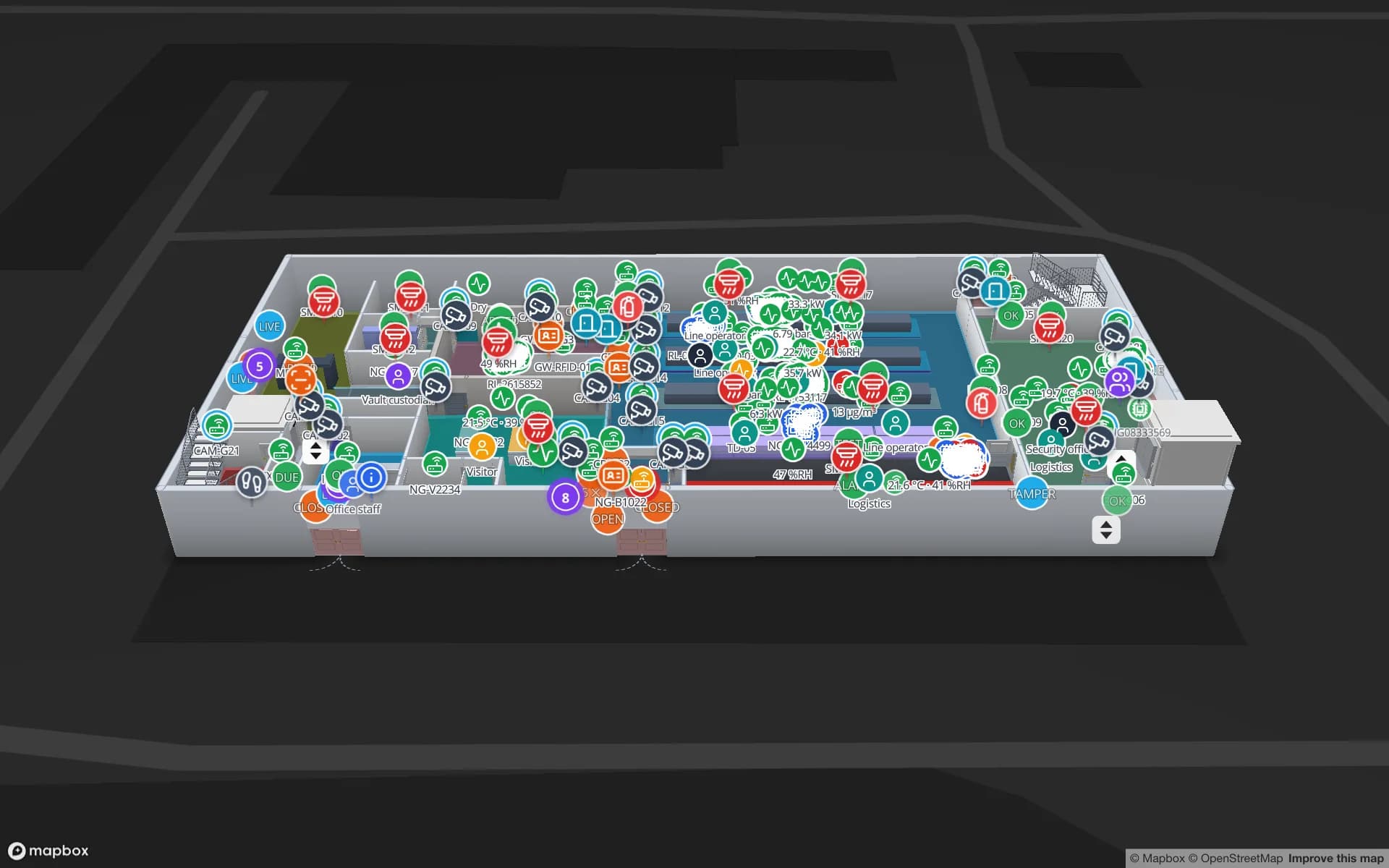
Northgate Electronics — Assembly & Secure Store, a electronics assembly & secure store demo, in the Spatial Map 3D viewer with live device markers
Northgate Electronics — Assembly & Secure Store
Northgate Electronics, a demo electronics assembly plant and secure store: 863 RFID-tagged units followed from the SMT lines through test and the cage to the dock.
RFID-tagged units in the Northgate electronics demo
863
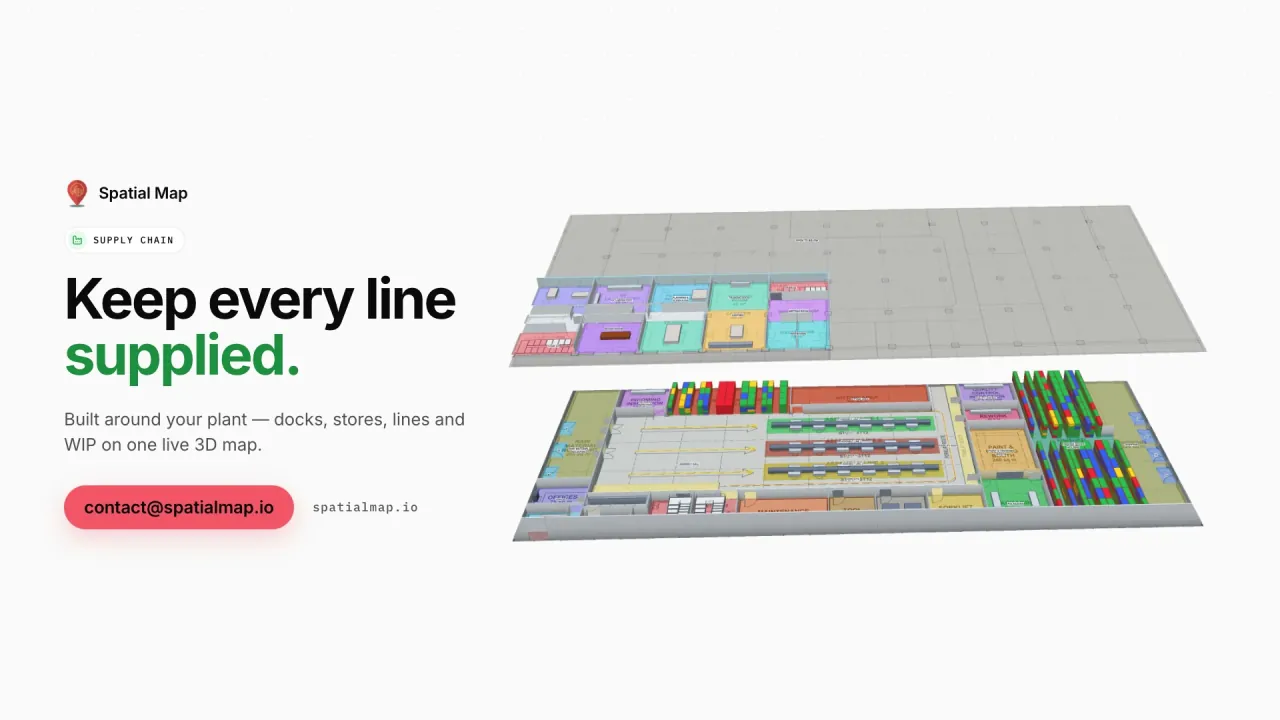
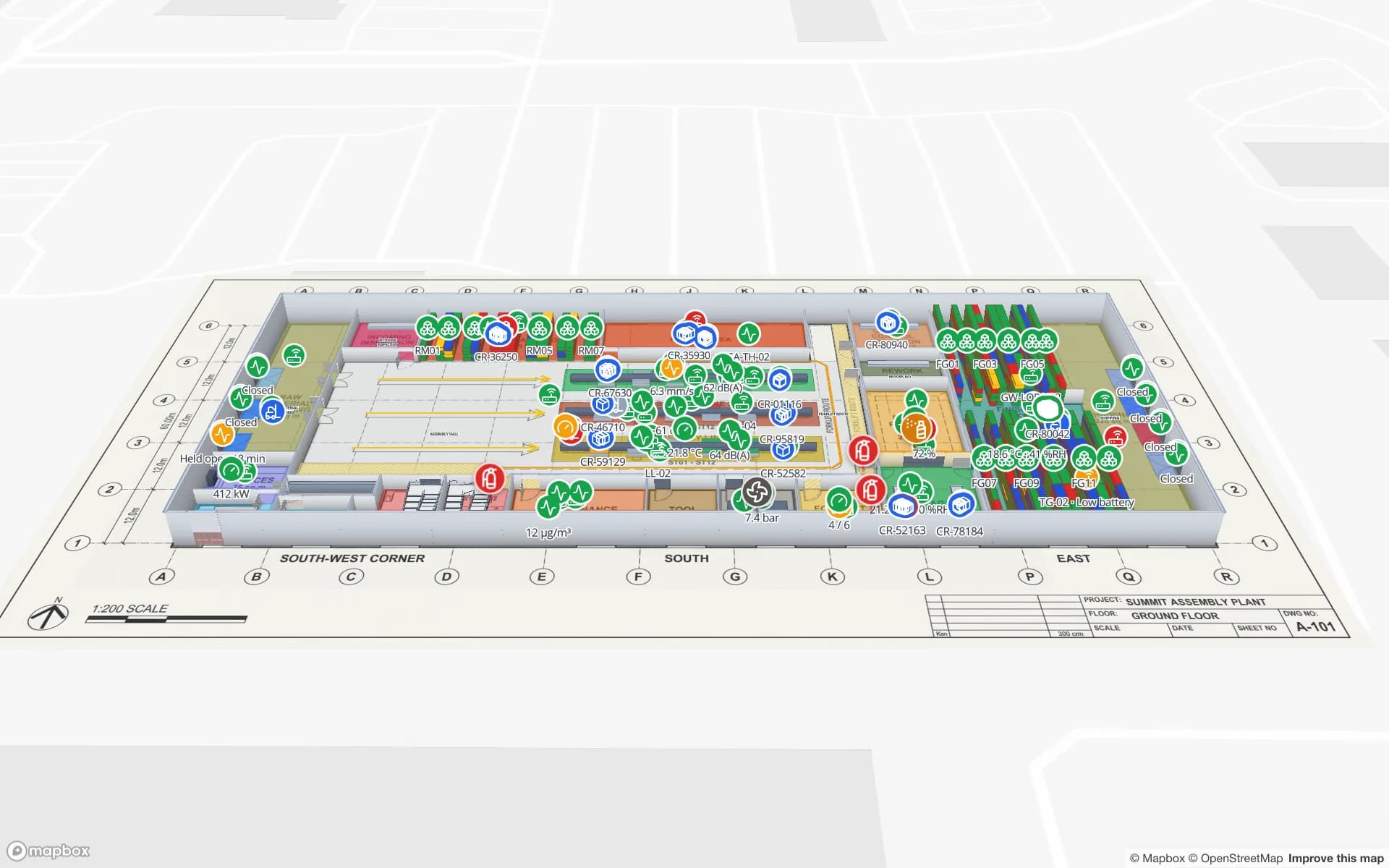
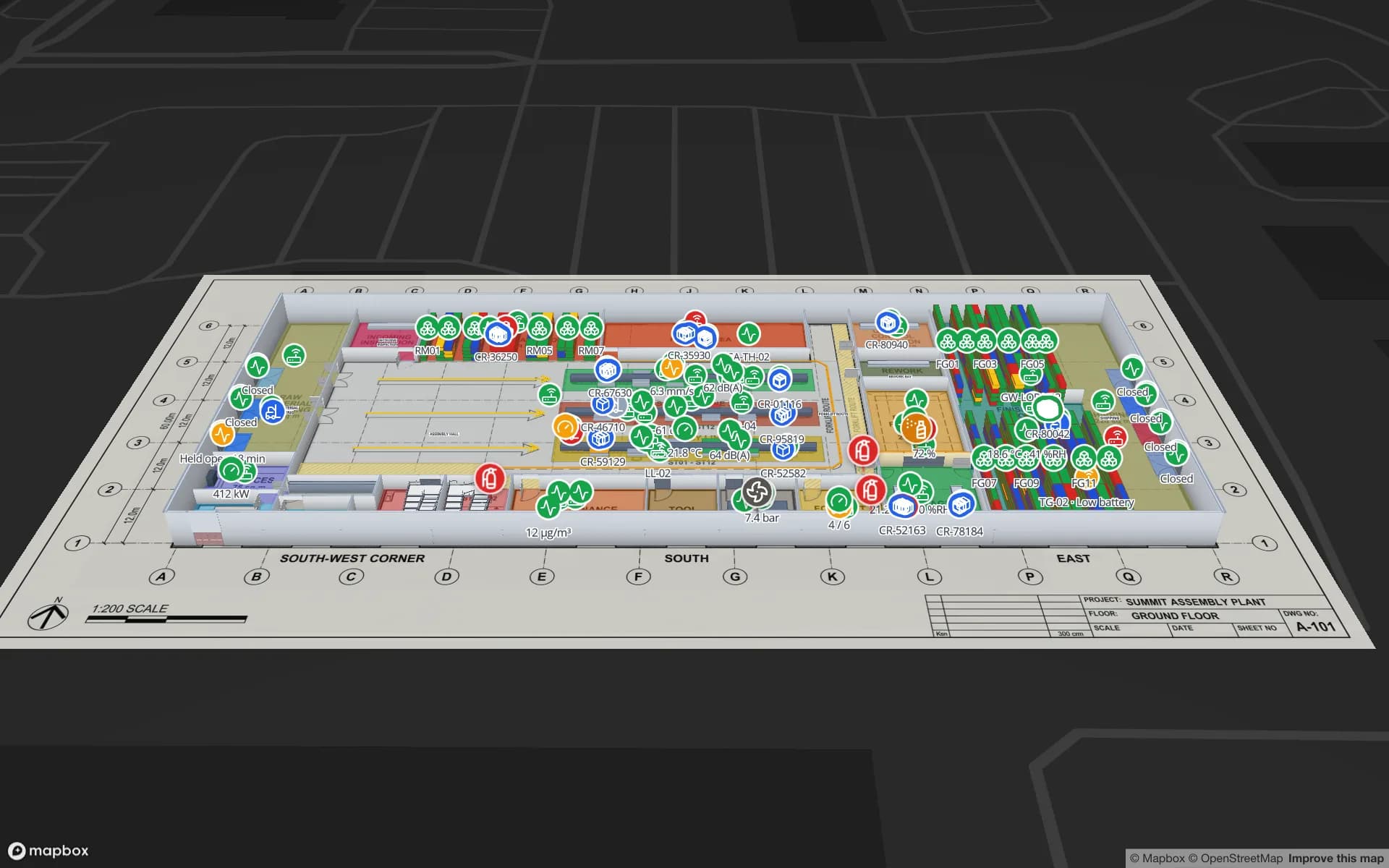
RFID work-in-progress carriers in the Summit plant demo
351
Software to install — runs in any modern browser
0
Free trial, up to 5 facilities, no credit card
7 days

Electronics plants in the north

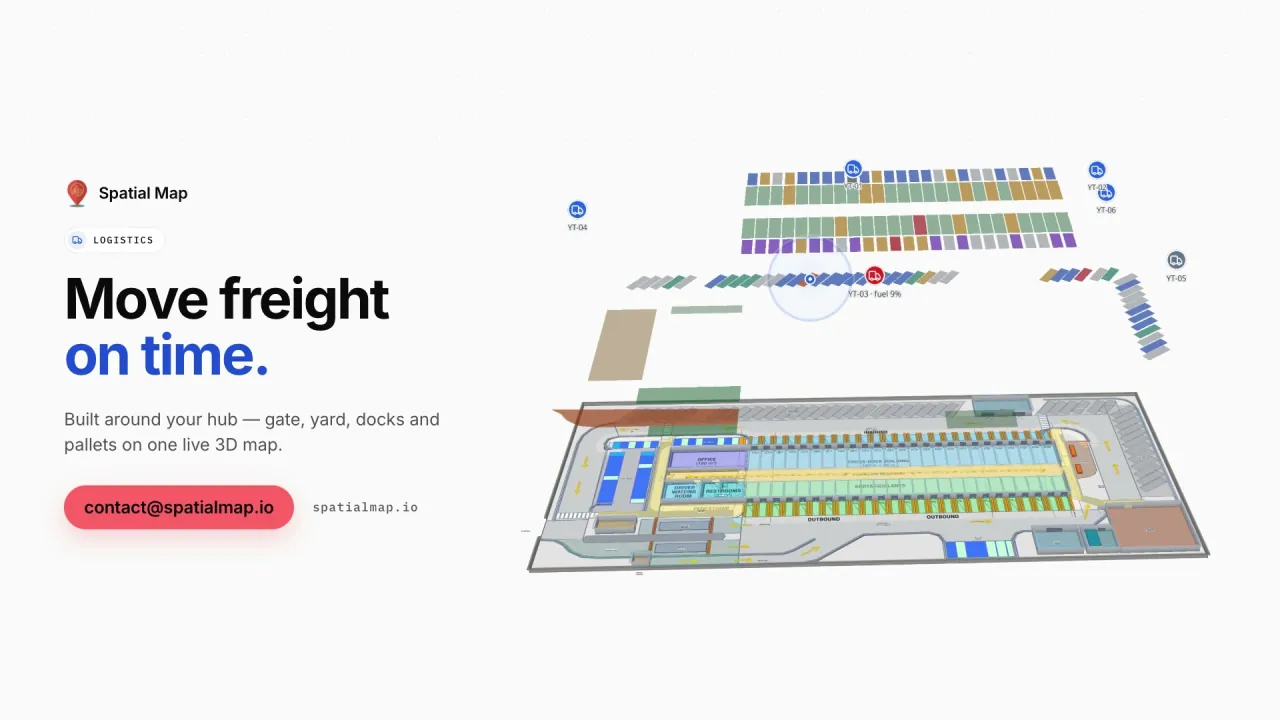
Bac Ninh, east of Hanoi, has become one of Vietnam’s main electronics manufacturing provinces, with phone, component and assembly plants in its industrial parks, and neighbouring northern provinces have followed. Finished goods leave by road for Hai Phong, whose Lach Huyen deep-water terminals take large container ships, or as air cargo through Noi Bai.

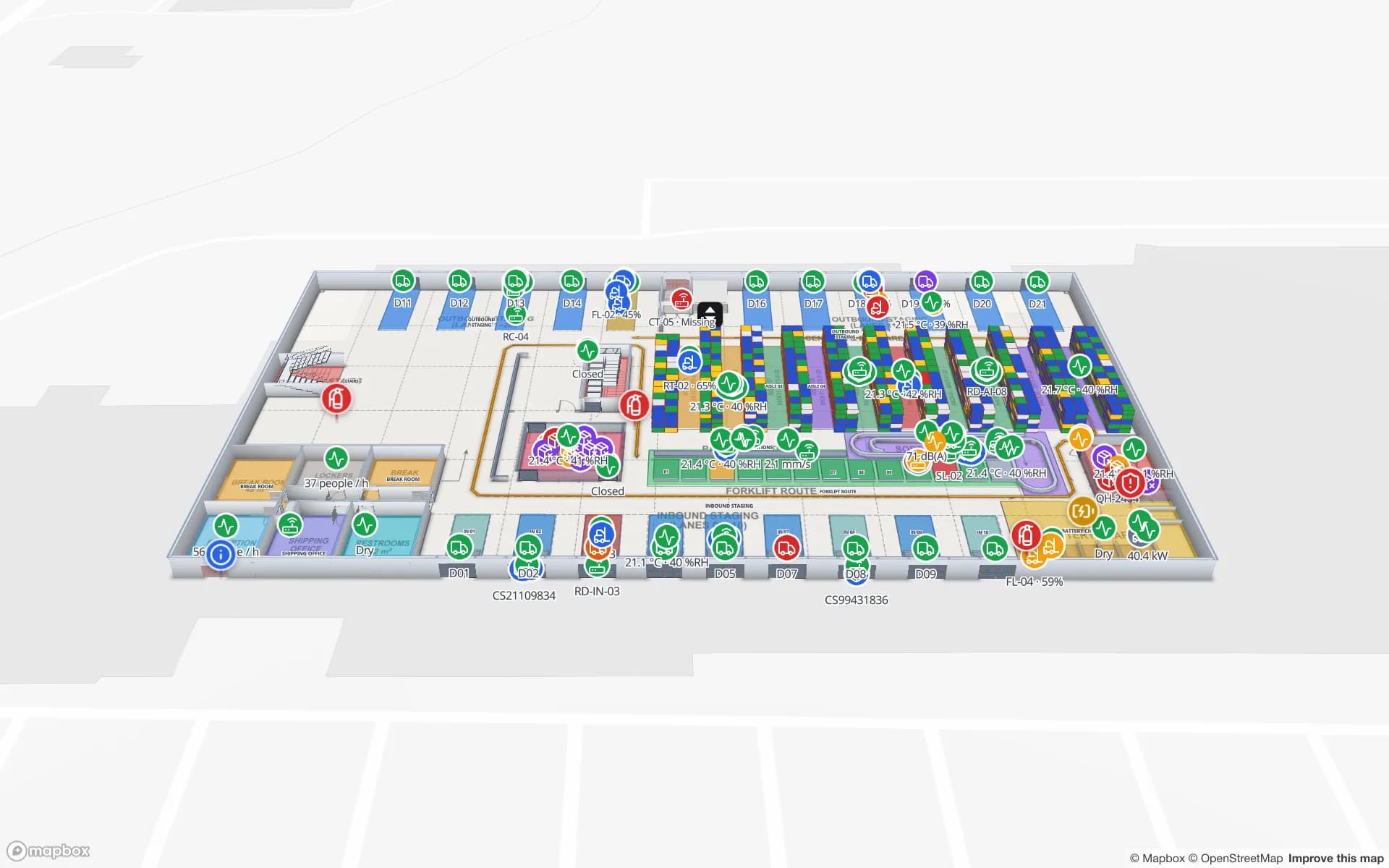
In plants like these, reels, trays, sub-assemblies and finished units are small and valuable, and they move quickly between the SMT line, test, the secure store and the dock. Spatial Map shows each RFID-tagged unit where its last read put it, reader by reader, and replays its path with the History player; security zones and choke points are drawn on the layout and coloured by their live status. The Northgate Electronics demo shows this with 863 tagged units and a shrink report.
Industrial parks around Ho Chi Minh City

In the south, industrial parks in the former Binh Duong province and in Dong Nai make garments, footwear, furniture, electronics and consumer goods. Since July 2025 Binh Duong and Ba Ria–Vung Tau — home to the deep-water container terminals at Cai Mep–Thi Vai — have been part of an enlarged Ho Chi Minh City, so one municipality now spans factories, the city’s distribution centres and a deep-water port.

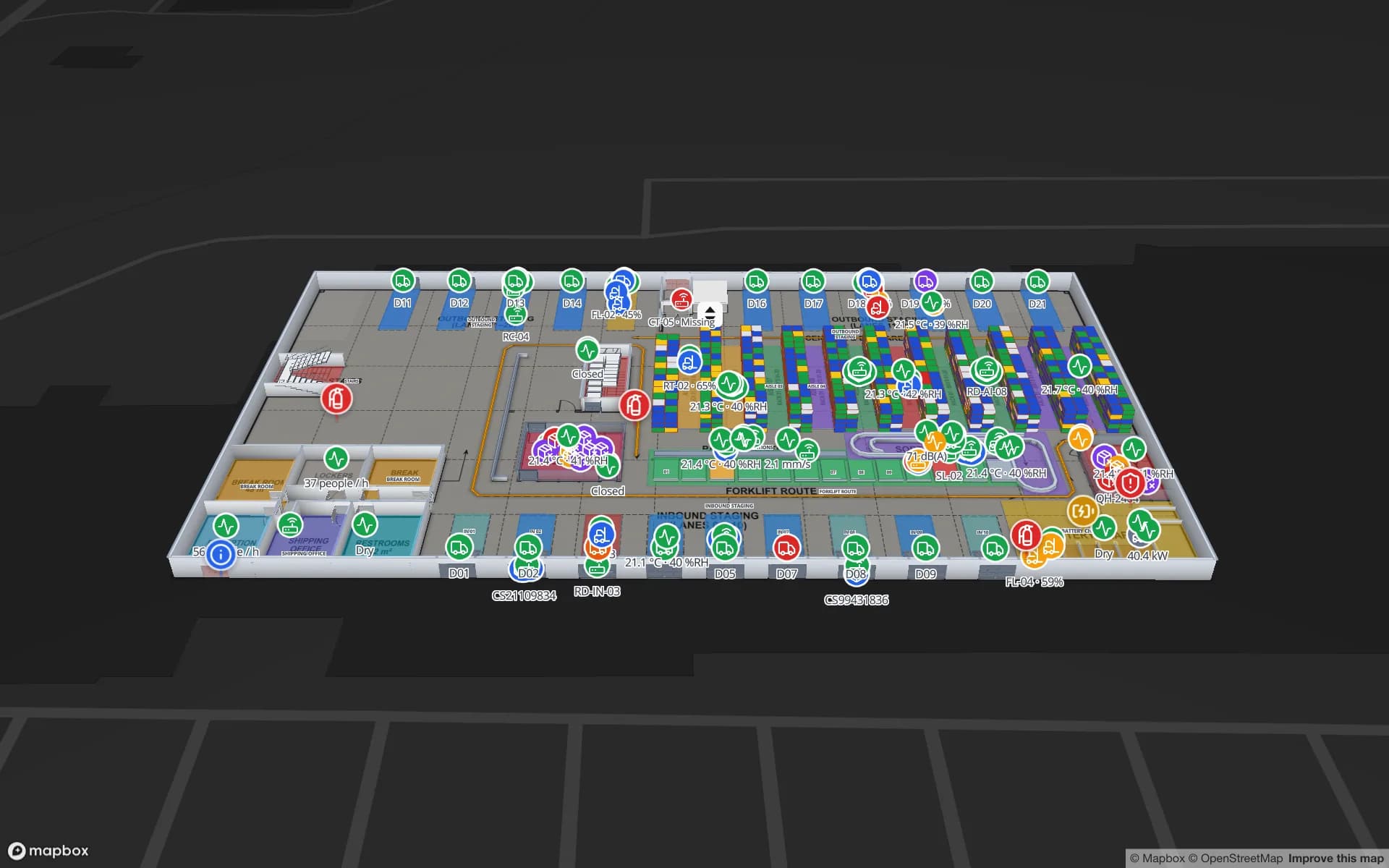
For a plant there, Spatial Map draws the assembly lines, workstations, raw-material and finished-goods racks and the receiving and shipping docks, then colours them from your MES and WMS. The Summit Assembly demo tracks 351 RFID work-in-progress carriers between stations, 867 rack locations and seven docks, and traces a held lot to the line it starves.

Garments and footwear: RFID at pack-out

Vietnam is one of the world’s largest exporters of garments and footwear, and some international retail buyers ask their suppliers to apply RFID tags before goods ship. Once the tags are on, the factory can use them too: cartons read at pack-out, at the finished-goods store and at the loading dock tell you what has actually left the building.

Spatial Map does not encode or print tags; your RFID system does. It shows where each tagged carton was last read on the factory plan, keeps every read in row history and puts counts by zone in reports for the shipping team. Our guide to RFID tags for metal, liquids and apparel covers the tag side.

Getting a new plant on the map quickly

New plants change layout often in their first year, as lines are added and stores move. Upload the layout as a PDF or DWG and AI Map drafts walls, doors, racks, labels, areas, stairs and lifts for the whole floor or a rectangle of it; the drafts appear on the map for review and you add all of them, or keep and discard them by kind. A person always checks the result, and a later re-run on one area skips what is already drawn.

Because nothing is installed on site, a regional team in Singapore, Bangkok or Shenzhen can open the same live map as the plant floor, and read-only share links give an auditor or a customer one facility without an account.

Languages, hardware and the personal data law

The interface is available in English and Chinese, among six languages, which suits plants with Chinese-speaking managers; it is not available in Vietnamese or Korean. Line names, rack codes and report titles appear exactly as you write them, Vietnamese diacritics included. Your RFID middleware or RTLS engine sends rows to a table or exposes a REST endpoint, so the readers — and the frequency band they are approved for in Vietnam — are chosen with your hardware supplier.

Vietnam’s Law on Personal Data Protection took effect on 1 January 2026, replacing Decree 13/2023, and it is the context where tracking data relates to workers; your legal advisers decide what applies. Most plant projects tag units, carriers and tools rather than people. A data processing agreement is available and the security page describes how data is protected.

How Spatial Map does it

From plant layout to live RFID map

  1. 01

    Upload the layout

    A PDF or DWG (AutoCAD R2004–R2018) of each floor, placed at real-world scale.

  2. 02

    Draft and check the floor

    AI Map drafts walls, doors and racks; you review them and add lines, stores and readers.

  3. 03

    Connect RFID and the MES

    Middleware and MES post rows through the write API, or Spatial Map polls their REST endpoints.

  4. 04

    Follow every unit

    Live reads by zone, history playback, in-app alerts and shipping reports.

What teams in Vietnam use it for

Electronics secure stores

Reels, trays and finished units read zone by zone, with a shrink report.

Assembly lines and WIP

Work-in-progress carriers between stations, andon calls and held lots.

Garment and footwear pack-out

Tagged cartons read at pack-out, the finished-goods store and the dock.

Tooling and fixtures

Shared tools and fixtures with their last location and check-out history.

See it on real demo facilities

Fictional names, real floor plans, live sensors, RFID, BLE tags and gateways — open any of them in the browser.

All 13 demo facilities

Questions from teams in Vietnam

Yes, from the reads your RFID system already makes. Each read (carrier, reader, time) is posted to a table, and Spatial Map shows the carrier at its last station, replays its path and counts carriers per zone in reports.

Only the part that changed. Upload the new plan, and AI Map can re-run on just that rectangle; drafts that match shapes already on the floor are skipped, and you review the rest before adding it.

Not yet. The app is available in English, Chinese, Spanish, French, German and Arabic, and each user picks their own. Your own content — line names, rack codes, report titles — can be written in Vietnamese.

No. Tag encoding and printing stay with your RFID system and printers. Spatial Map shows where tagged items were read on the plant map, with history and reports; our team can build encoding into a separate custom software project.

No. Spatial Map is sold online and our team works with customers remotely, by video call and through the contact form, in English or Chinese.

The same worldwide, in US dollars: a 7-day free trial for up to 5 facilities with no credit card, then Pro at $60 a month or $600 a year for up to 4 facilities. Larger plants are quoted as custom services.

Put your Vietnam plant on a live map this week.

Start the free trial, or send us a plant layout and a sample of your RFID or MES data through the contact form.