Nagpur · MIHAN, Zero Mile, Samruddhi Mahamarg and the orange belt

RFID tracking in Nagpur, built for cargo that changes mode

Spatial Map puts RFID reads on a live 3D map of the building where they happen, so a tag at a dock door becomes a pallet in a lane, a crate in a trailer or a part in a tool room. RFID tracking in Nagpur is mostly a story of handoffs: the city is a crossing point where goods arrive by one road, rail line or aircraft and leave by another, and the building between the two is where they are lost. Your readers and middleware do the reading; Spatial Map shows each read in place.

No credit card. Runs in the browser. Pro is $60/month for up to 4 facilities. Book a demo

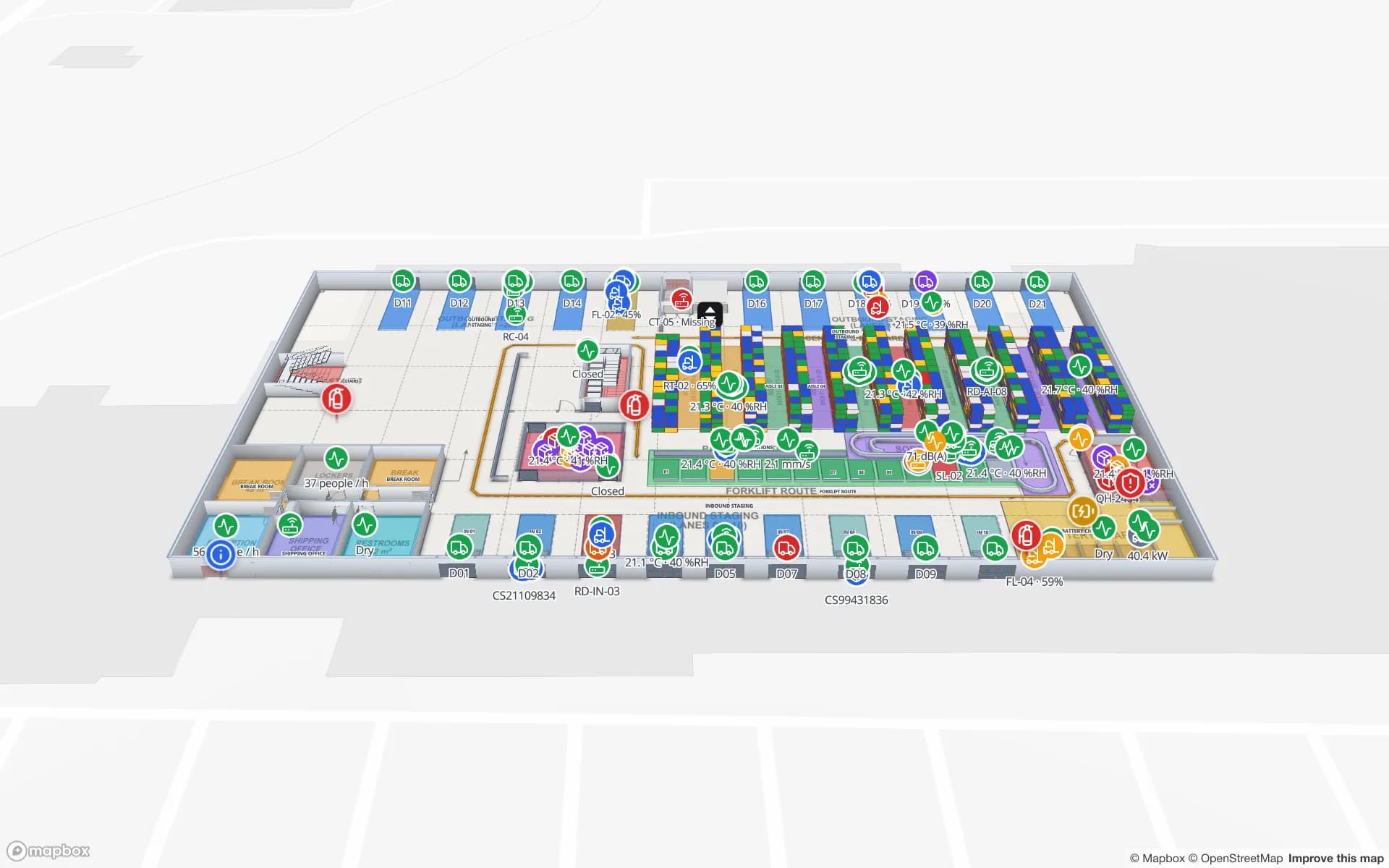
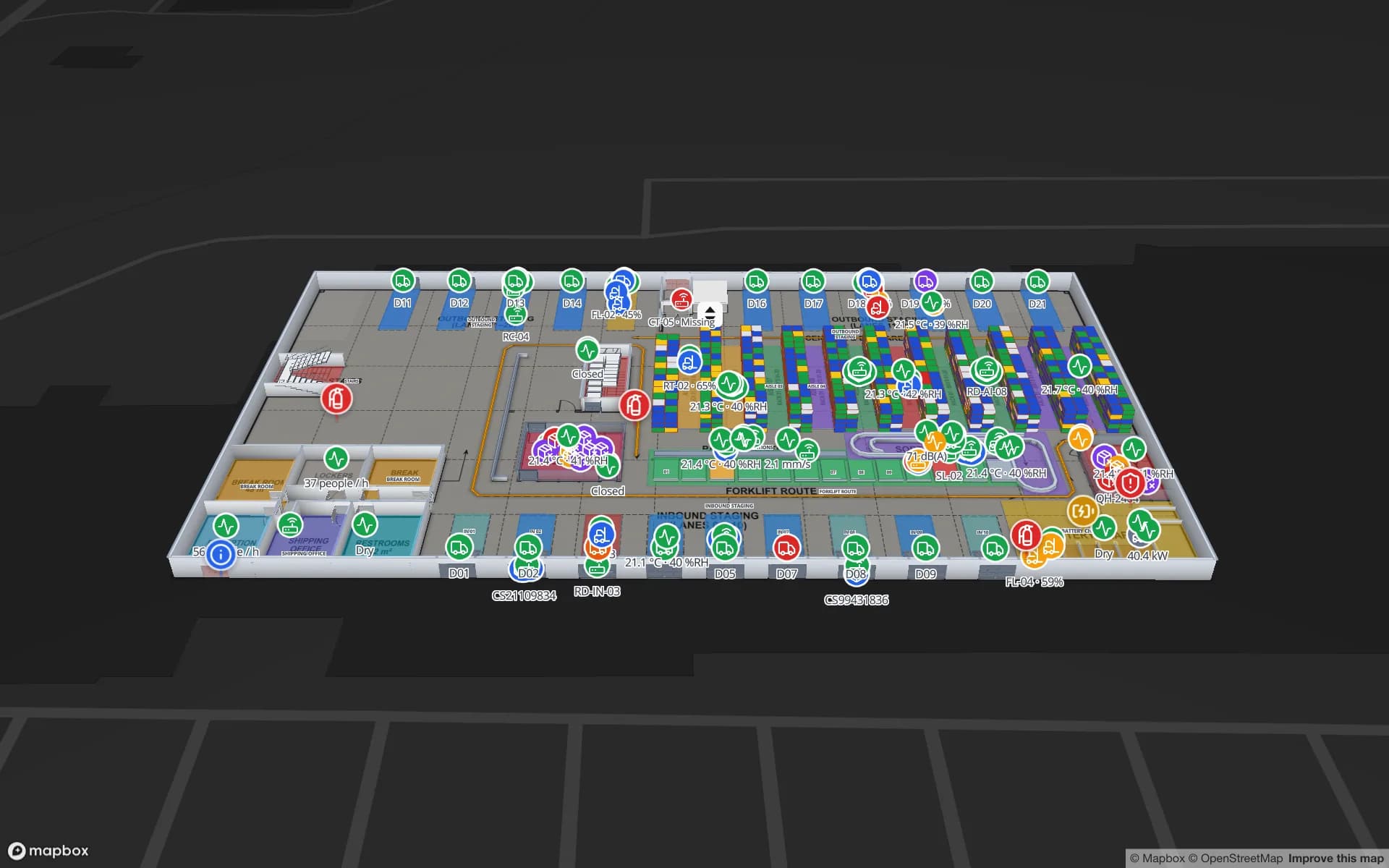
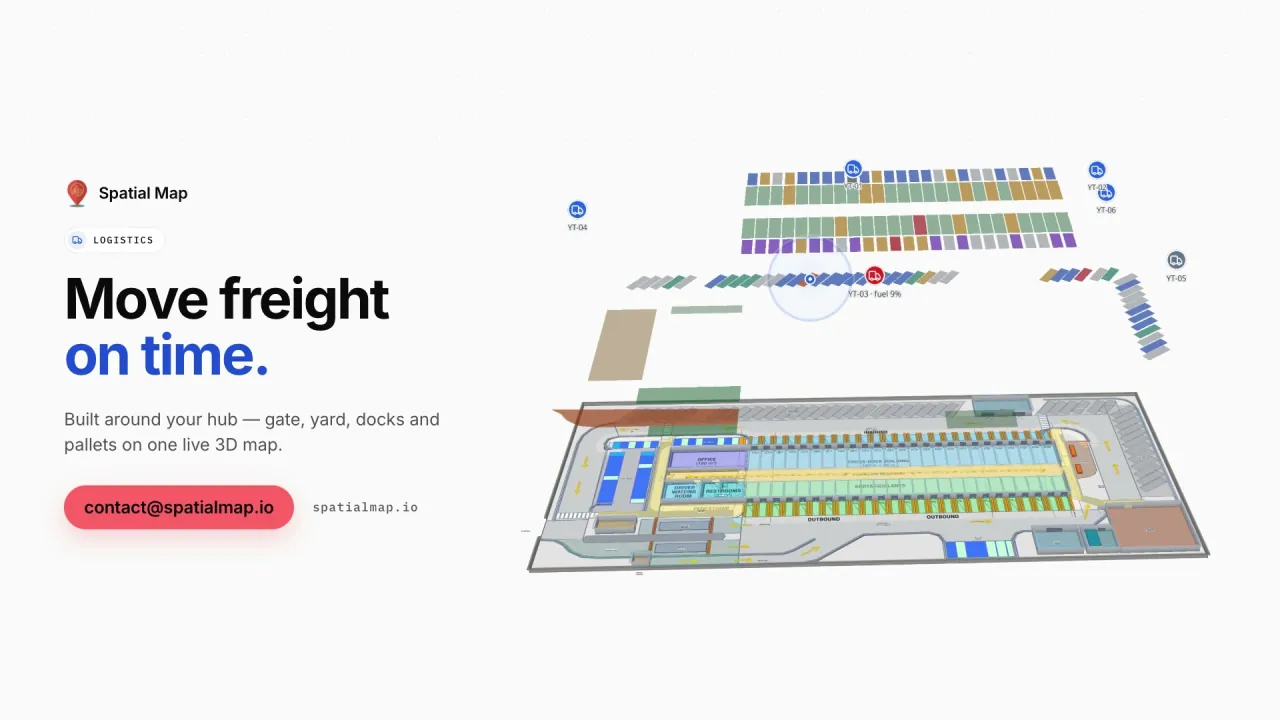
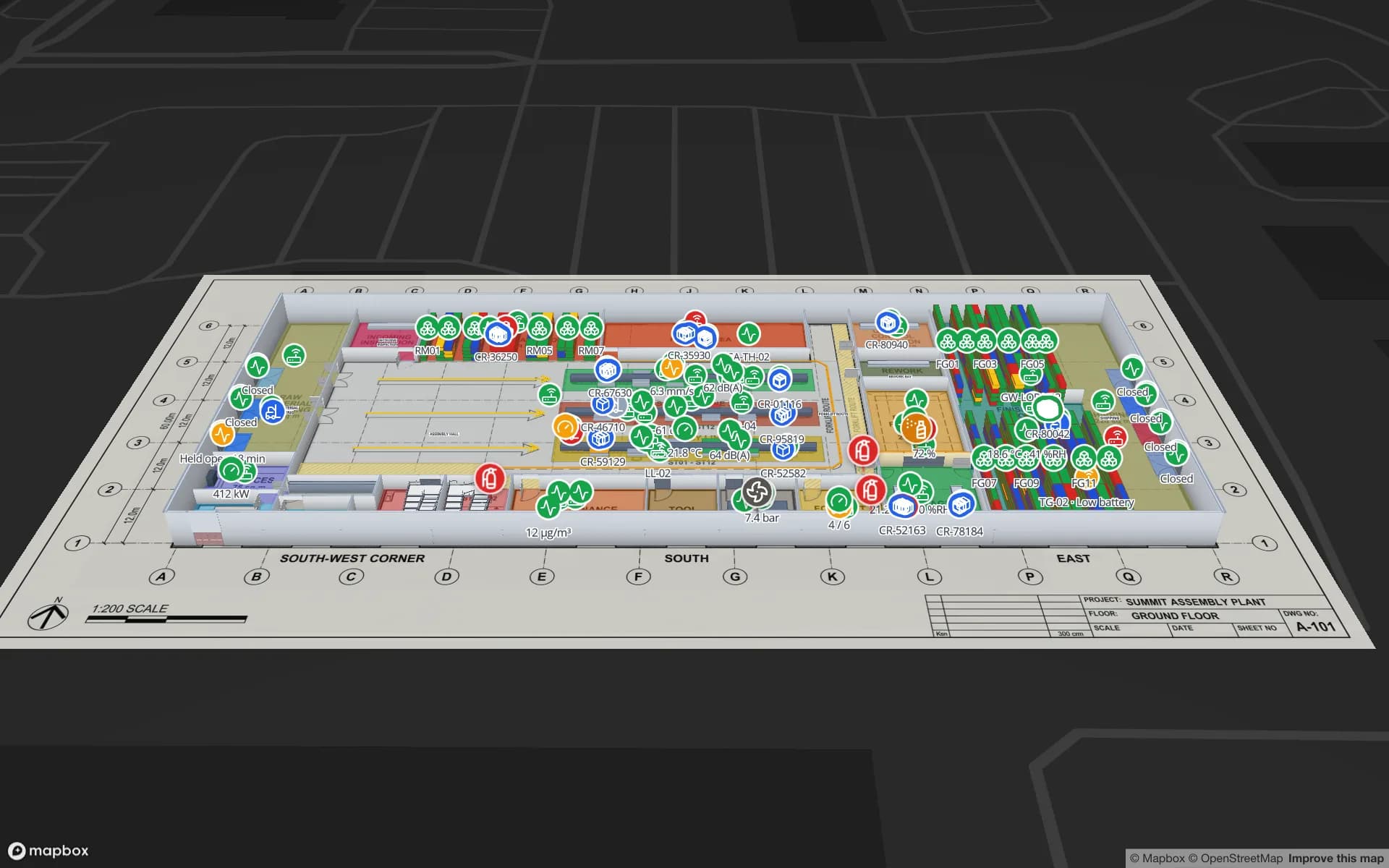
Eastport Cross-Dock Freight Hub, a cross-dock & trailer yard demo, in the Spatial Map 3D viewer with live device markers
Eastport Cross-Dock Freight Hub
Eastport Cross-Dock, a demo freight hub: 50 dock doors, 44 yard slots and 1,180 RFID pallets, with the gate and weighbridge.
Dock doors in the Eastport cross-dock demo
50
RFID pallets moving through Eastport
1,180
How often alert rules are checked, with alerts shown in the app
15 s
Free trial, up to 5 facilities, no card
7 days

Zero Mile: a city defined by being in the middle

Nagpur’s Zero Mile Stone is a British-era pillar built in 1907 and used as a starting point for measuring distances from the city. Whether it marks the geographical centre of the country is disputed, and villages in Madhya Pradesh make the same claim, but the authority that runs MIHAN describes Nagpur as sitting at the geographical centre, marked by the Zero Mile. For a logistics team the argument matters less than the geometry: trucks, wagons and aircraft heading anywhere across the country can all be routed through the city.

A place like that handles a lot of transfers. Pallets arrive full on one trailer and leave on another, cartons are re-sorted for the next leg, and what you want to know is which cartons are in which lane right now. That is a dock-door problem, and RFID portals at the doors answer it; the RFID gates page explains how to place them, and the Eastport demo shows 50 dock doors and 1,180 RFID pallets on one map.
MIHAN: an SEZ beside an airport, with a logistics park on the way

MIHAN, the Multi-modal International Cargo Hub and Airport at Nagpur, run by the Maharashtra Airport Development Company, has two parts: an international airport meant to act as a cargo hub, and a multi-product special economic zone next to it. The authority’s overview lists maintenance, repair and overhaul facilities, IT parks and manufacturing and value-added units among the SEZ’s uses, describes two dedicated air-cargo terminals as in the pipeline, and plans a rail terminal and a road terminal for about 1,000 multi-axle trucks with warehouses and cold storage. A 2026 agreement between the Central Warehousing Corporation and the company allots 19.92 acres inside the zone for a multimodal logistics park with cold-chain infrastructure.

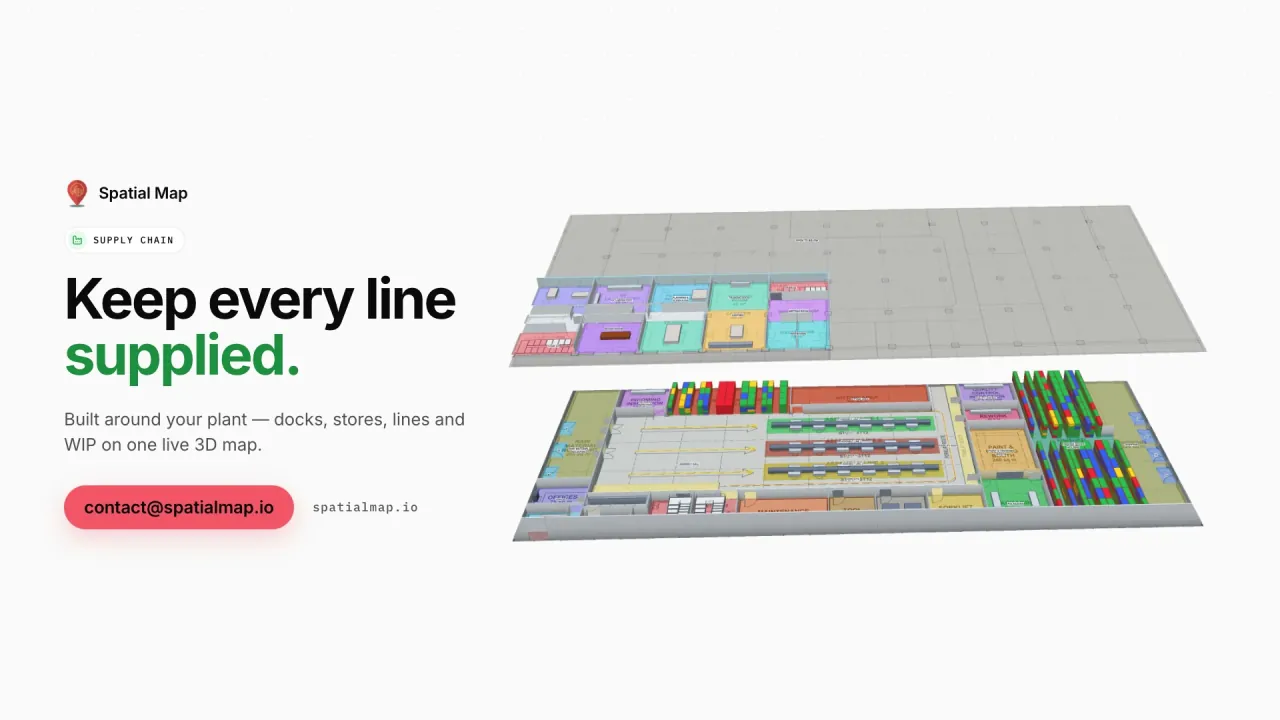
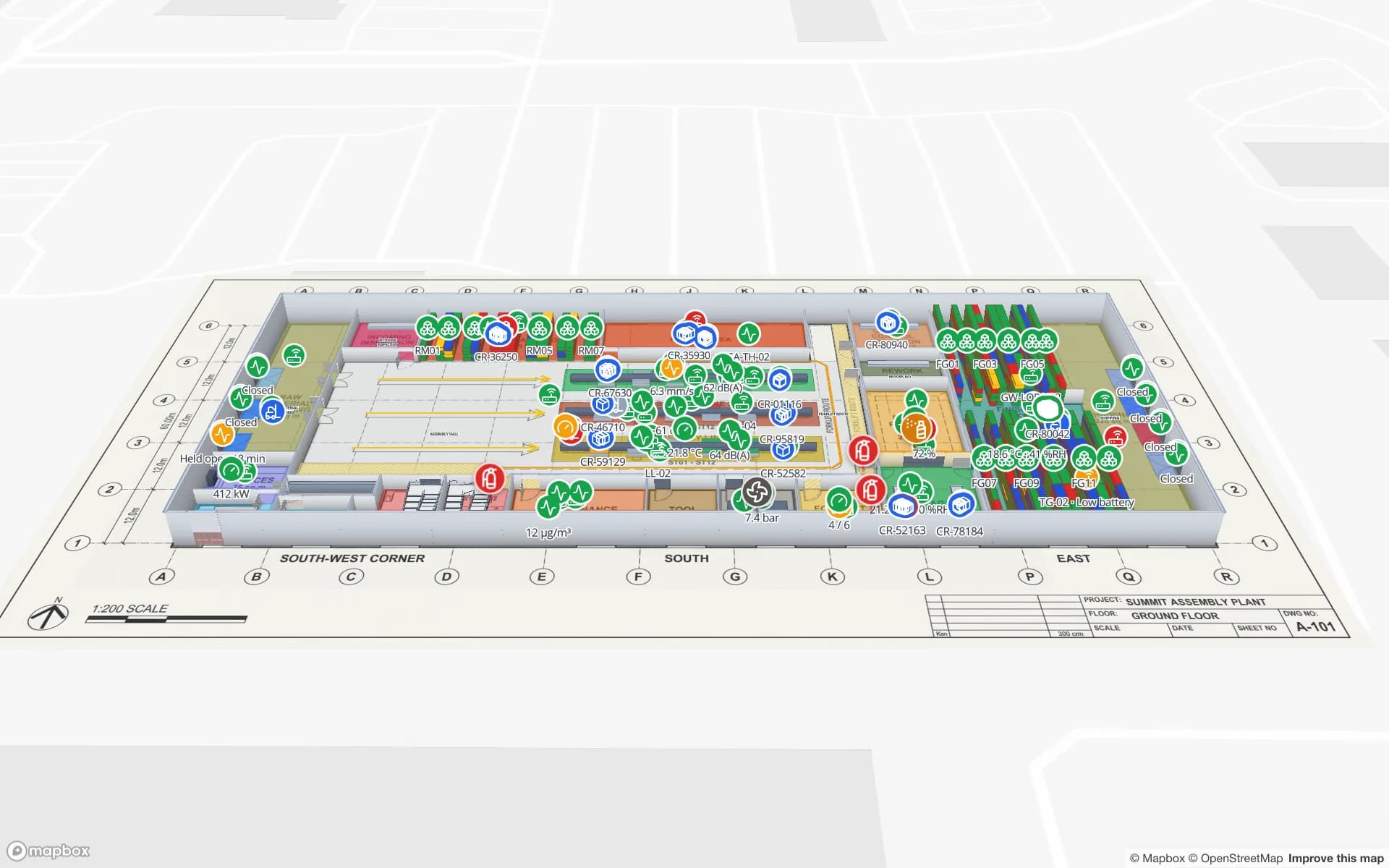
Much of that is planned or in progress, so treat it as direction, not a finished map. For a unit that already stands, the use of RFID is concrete. A manufacturer in the zone tags work-in-progress carriers between stations; a repair shop tags tools and tests the tags on metal first; a warehouse tags pallets at the door. The Summit demo shows WIP carriers read between stations, and the RFID tool tracking page covers the tool-crib pattern. Spatial Map does not replace maintenance or airworthiness records, and makes no claim about them.

Samruddhi Mahamarg and trucks that arrive in waves

The Mumbai–Nagpur Samruddhi Mahamarg is 701 km long. Its Nagpur–Shirdi section opened in December 2022 and the final 76 km opened on 5 June 2025, and the state road corporation said the full run would take about eight hours, against 17 to 18 on the old route. A faster road does not remove the queue at the dock; it changes when trucks arrive, often in tighter waves.

Waves are hard on RFID, because many tags pass a portal at once. The post on read rate and missed tags explains why and how to test, and handheld, fixed reader or gate helps choose one for each door. Spatial Map shows which reads arrived and which are missing against the load list, and an in-app alert can flag a trailer that left with fewer pallets read than expected.

Oranges, crates and the seasonal peak

The Nagpur orange carries a geographical-indication registration and is grown across the Vidarbha region, so the city is also a fruit market and a packing centre. Fruit itself is not tagged; crates and pallets are. A returnable crate with an RFID label read at packing, at the loading door and on return shows how many are out, which are overdue at a grower or trader, and how long a typical loop takes.

Peaks are short, which means readers and handhelds that sit unused for months must work on the first day. The RFID warehouse rollout plan sets out a test before the season, not during it. For fruit held in cold stores the same map can colour rooms by temperature, covered under temperature monitoring.

Services for teams in Nagpur

Nagpur teams tend to follow three starting points:

Also served nearby

The same approach covers the Butibori and Hingna industrial areas and the MIHAN zone itself. Nothing needs to be installed at any of them: the map opens in a browser.

How Spatial Map does it

From a transfer shed to a live map

  1. 01

    Pick one transfer point

    A cross-dock, a distribution shed or a MIHAN unit, wherever a missing pallet costs most.

  2. 02

    Map doors, lanes and racks

    Upload the plan, photo or sketch, let AI Map draft the floor, and name read points the way your middleware names them.

  3. 03

    Connect reads and loads

    RFID middleware and your ERP or WMS post rows through the table write API, a polled REST endpoint or CSV and Excel uploads.

  4. 04

    Add shortfall and silence rules

    In-app alerts for loads with unread pallets, cartons staged too long and readers that stopped reporting.

What Nagpur teams track

Cross-dock and transfer sheds

Dock doors, yard slots and pallets staged for the right trailer.

SEZ manufacturing and work-in-progress

Carrier tags read between stations, with raw-material and finished-goods racks on the same plan.

Tool rooms and repair shops

Tool check-out and return, with last-seen store and overdue items coloured.

Fruit crates and distribution stock

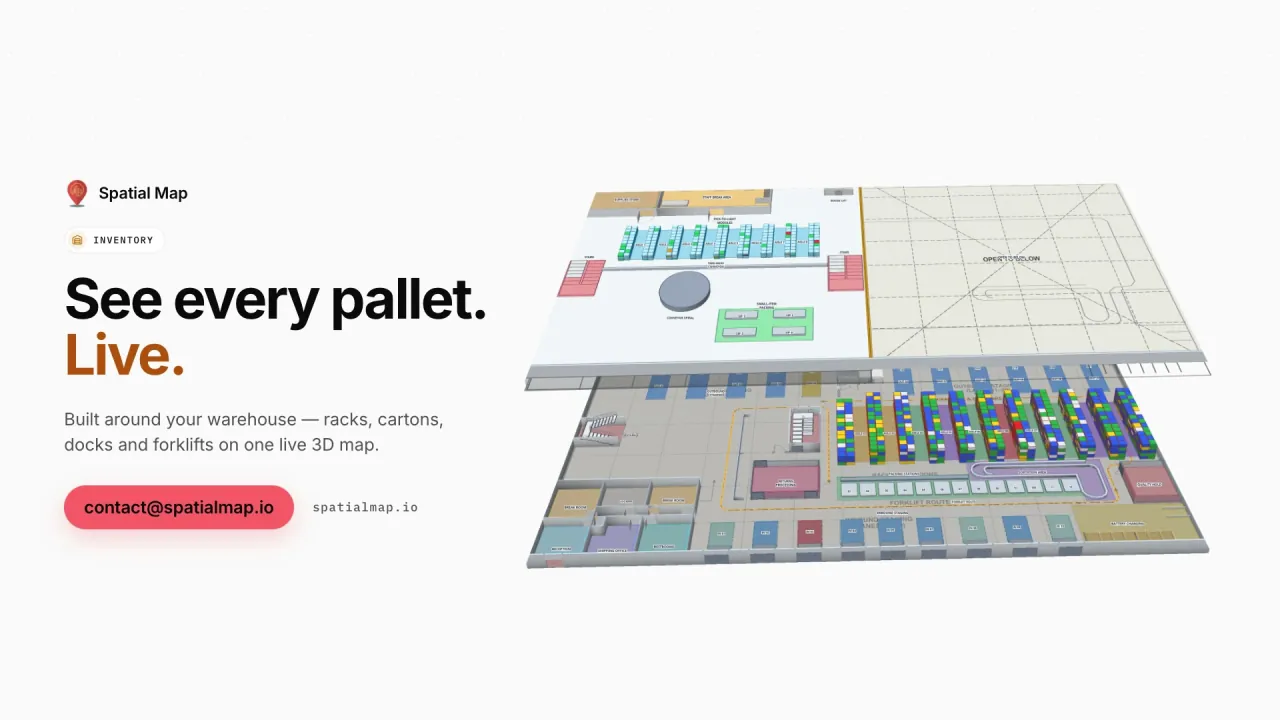
Returnable crates counted at packing and the loading door, with rack stock by bin.

Cold stores

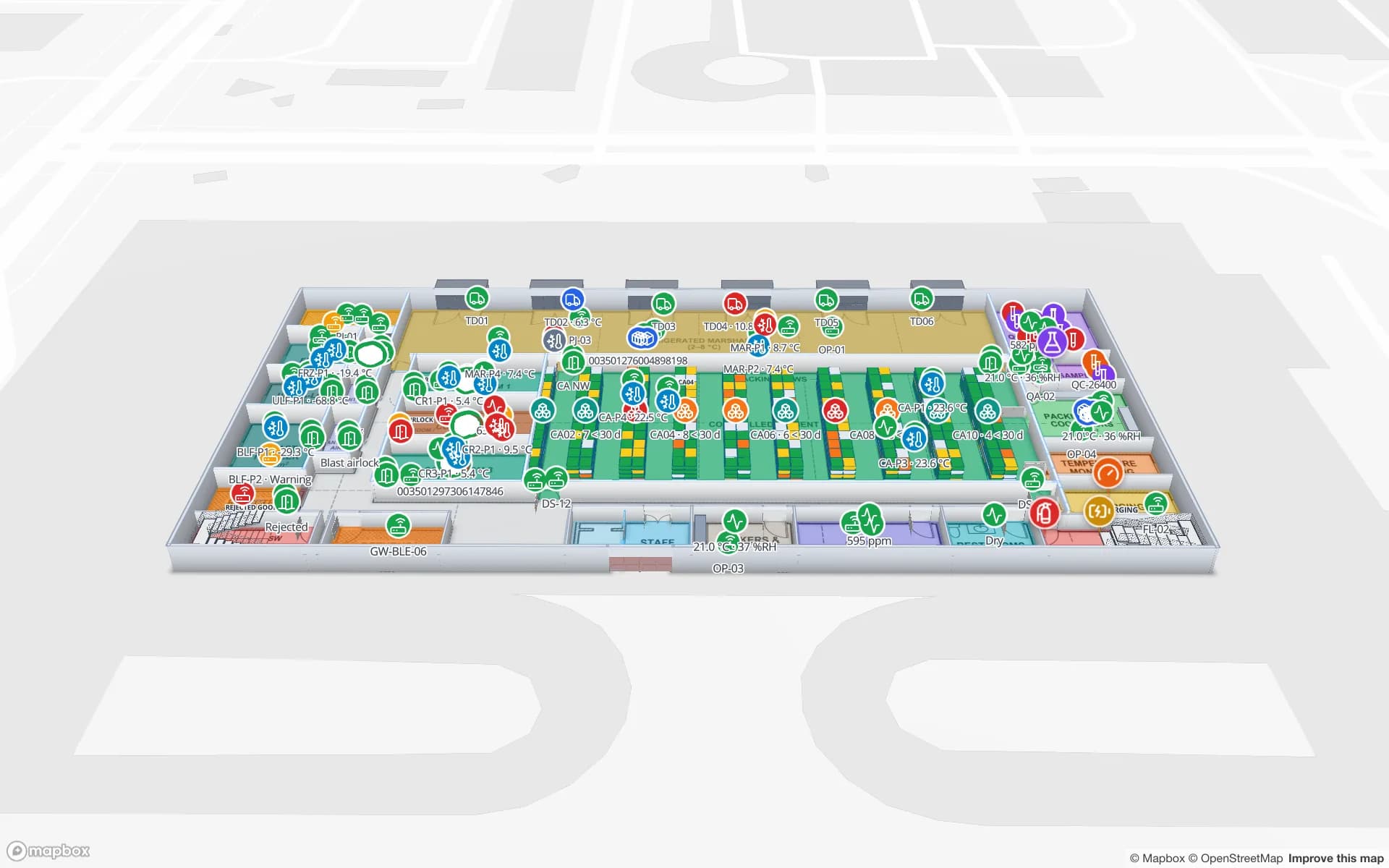
Room temperatures coloured live, with an alert when a probe goes quiet.

See it on real demo facilities

Fictional names, real floor plans, live sensors, RFID, BLE tags and gateways — open any of them in the browser.

All 13 demo facilities

RFID tracking in Nagpur — questions we get

No. It has no link to SEZ, customs or airport systems. It shows what happens inside your own building, from your own RFID reads, ERP or WMS and sensors, so it complements those systems rather than replacing them.

UHF readers in India operate in the 865–867 MHz band under WPC rules; the RFID tracking in India page goes into the details. Ask your supplier for a reader configured for India. Spatial Map never talks to the radio, so it works with any reader that posts rows.

Not automatically. Read rate depends on tags, placement and speed, so test at your own door with your own loads. Spatial Map shows which reads arrived against the load list, which makes a shortfall visible, but it cannot make a weak read stronger.

Yes. Tag the crate, read it at packing, the loading door and return, and keep one row per crate with its holder and status. The map and a report then show how many are out and which are overdue.

Not yet. It is in English, Arabic, Chinese, French, German and Spanish. Rack codes, room names and report titles can be typed in Devanagari or any other script and appear as written.

No. Spatial Map is sold online and our team works with customers in India remotely, by video call and through the contact form. There are no local resellers or partners.

In US dollars, the same worldwide: a 7-day free trial for up to 5 facilities with no card, then Pro at $60 a month or $600 a year for up to 4 facilities. RFID hardware, if you ask us to source it, is quoted per project and is not part of the subscription.

Map one Nagpur dock before the next wave of trucks.

Start the free trial and open the Eastport demo, or send us the plan of a transfer shed or MIHAN unit and a sample of your reads through the contact form.