Tbilisi · Poti and Batumi, the 1,520 mm line and the Old Town

RFID tracking in Tbilisi, from the port train to the shop door

Spatial Map puts RFID reads on a live 3D map of the building where they happen, so a tag at a dock door becomes a pallet in a lane, a carton in a trailer or a crate at a shop. RFID tracking in Tbilisi begins on the coast: containers arrive at Poti and Batumi, ride the 1,520 mm railway that has linked Poti and Tbilisi since 1872 and fan out to warehouses, shops and hotels in a capital shaped like an amphitheatre. Your readers and middleware do the reading; Spatial Map shows each read in place.

No credit card. Runs in the browser. Pro is $60/month for up to 4 facilities. Book a demo

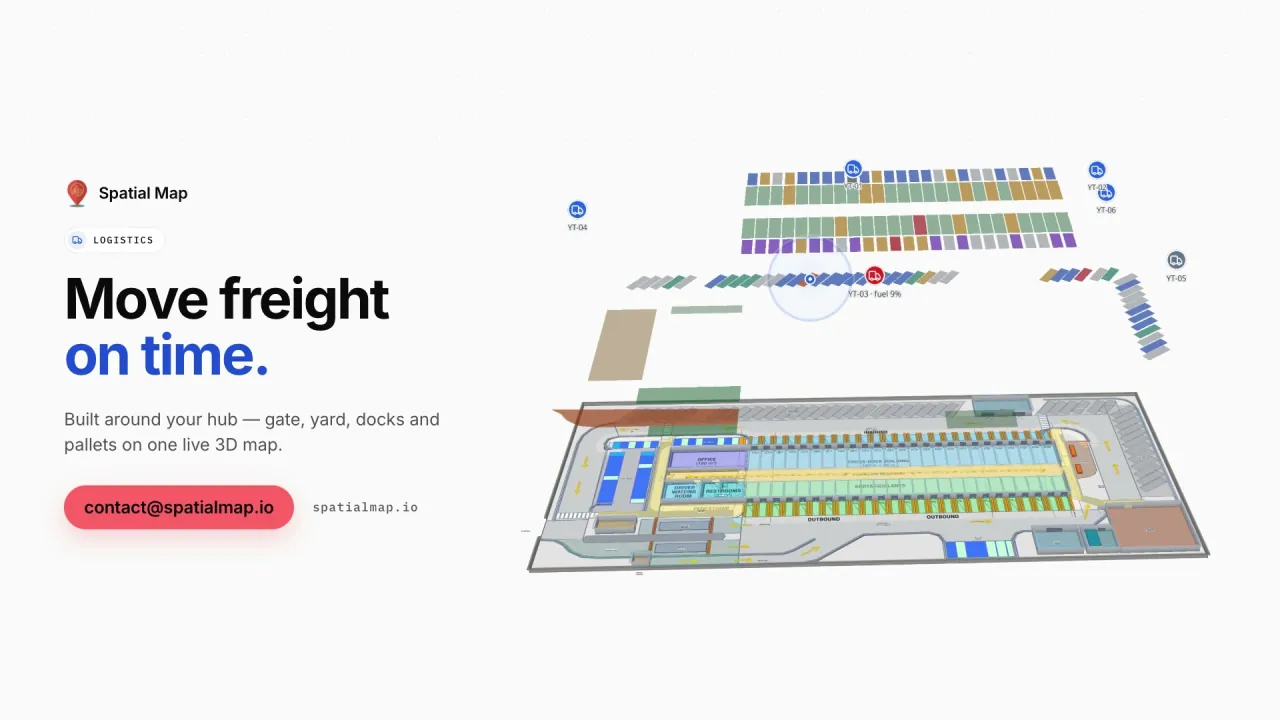
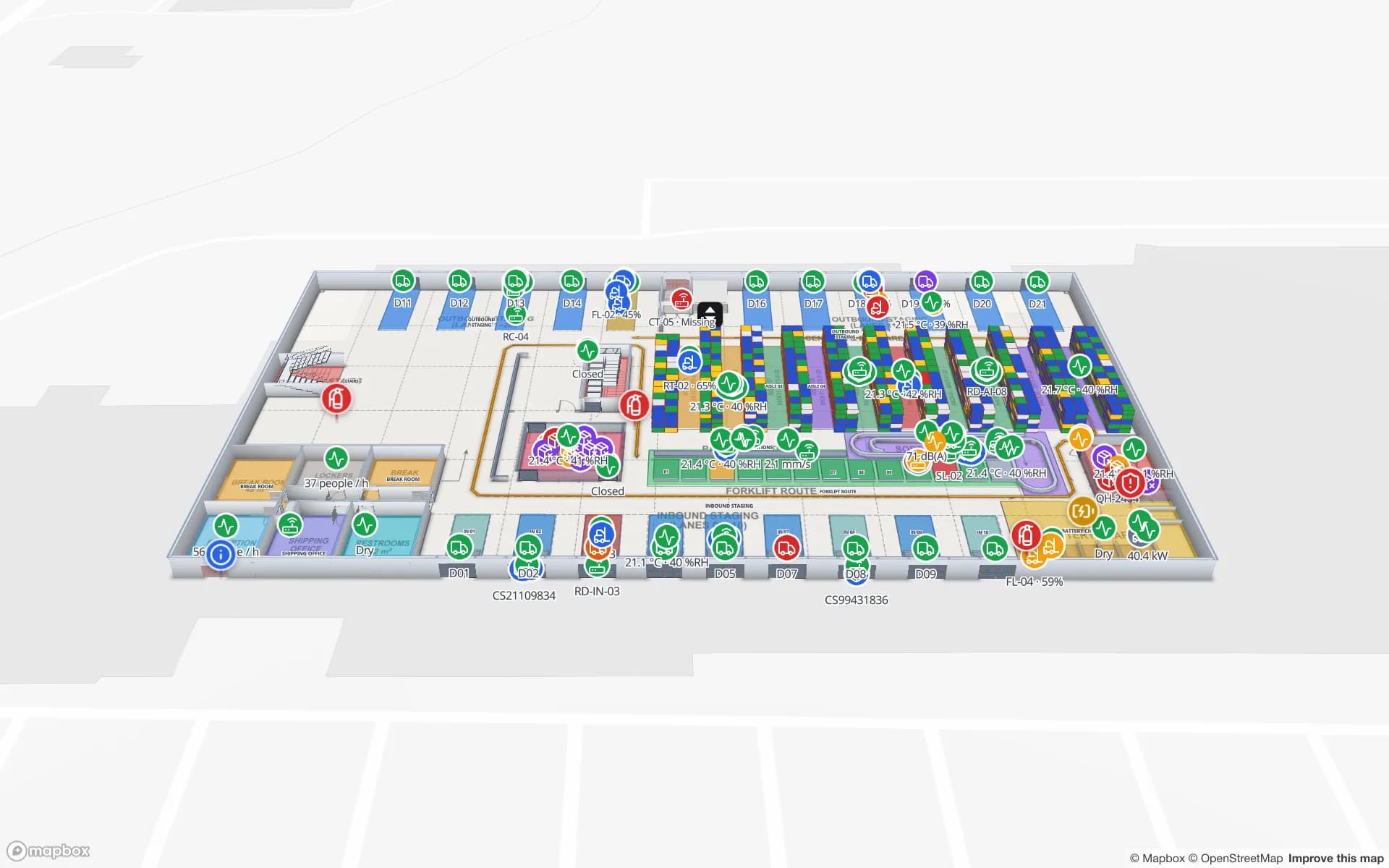
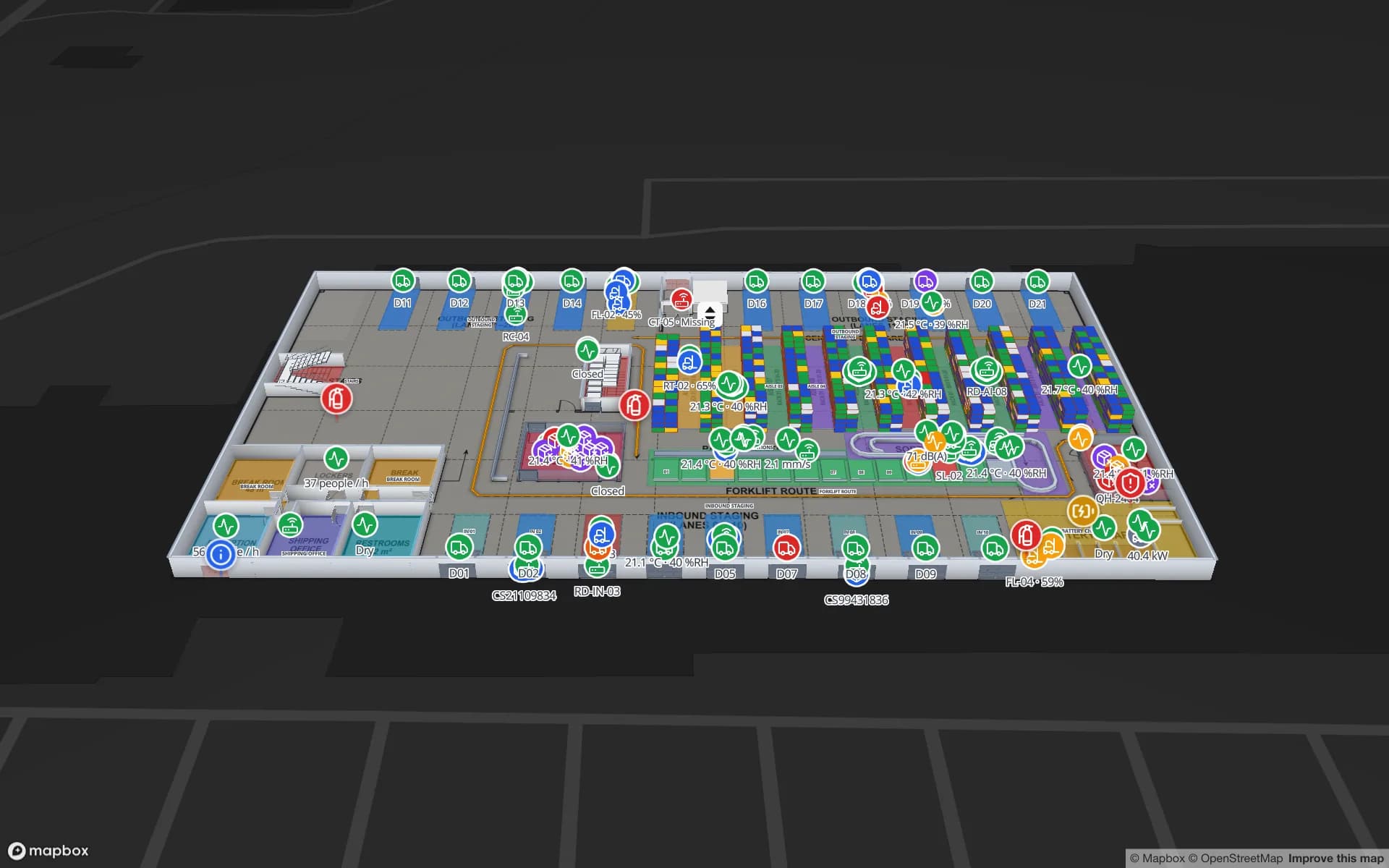
Eastport Cross-Dock Freight Hub, a cross-dock & trailer yard demo, in the Spatial Map 3D viewer with live device markers
Eastport Cross-Dock Freight Hub
Eastport Cross-Dock, a demo freight hub: 50 dock doors, 44 yard slots and 1,180 RFID pallets, with the gate and weighbridge.
Dock doors in the Eastport cross-dock demo
50
RFID pallets moving through Eastport
1,180
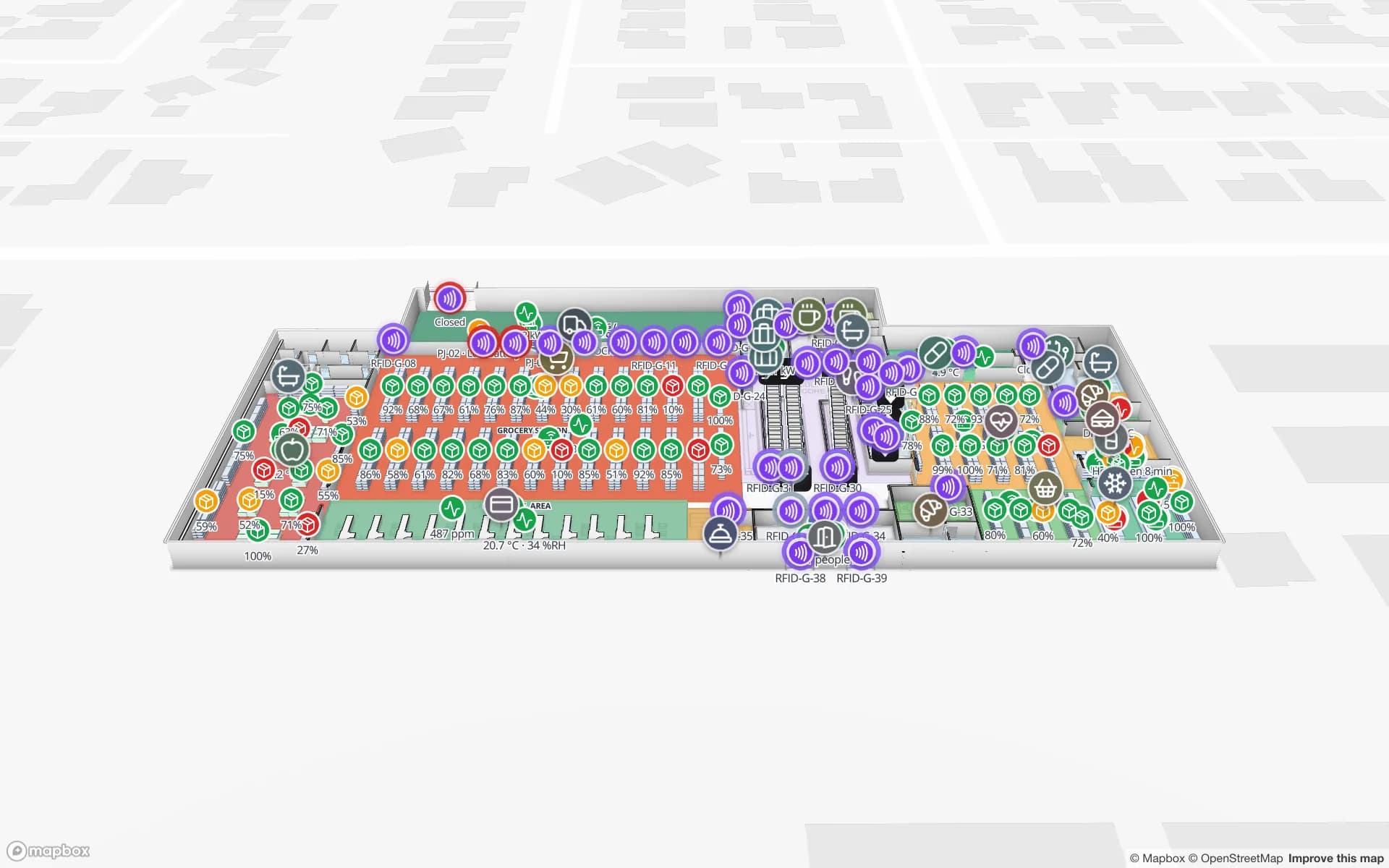
Floors in the Retail Mart demo, with readers at doors and escalators
3
Free trial, up to 5 facilities, no card
7 days

From Poti and Batumi to Tbilisi by rail

A passenger train first ran from Poti to Tbilisi on 10 October 1872, and the network, built to 1,520 mm gauge, now runs 1,576 km. The port of Poti opened in 1905 at the mouth of the Rioni, and Batumi has five terminals, for oil, dry cargo, containers, the railway-ferry crossing and passengers, connected to the rest of the country by road and rail. A box that arrives at either port and ends up in a Tbilisi warehouse has changed hands several times, and each change is a place to read a tag.

Inside the Tbilisi warehouse the questions are the familiar ones: which pallet is in which lane, which carton went into which trailer, which door is waiting. RFID portals at dock doors answer them, and the Eastport demo shows 50 dock doors, 44 yard slots and 1,180 RFID pallets on one map. Spatial Map does not connect to port, railway or customs systems; it shows what your own reads say.
The gauge break at Akhalkalaki and cross-border freight

The Baku–Tbilisi–Kars railway became operational on 30 October 2017 and is 826 km long, with 105 km of new track between Kars and Akhalkalaki. Azerbaijan and Georgia use 1,520 mm gauge and the newer Georgian and Turkish sections 1,435 mm, so the line has a break of gauge near Akhalkalaki. Tbilisi sits on the Georgian leg between Baku and that break, so cargo may be consolidated or re-labelled there before it goes on.

A warehouse that handles transit cargo needs a second status next to stock: whose is it, where is it going and how long has it waited. A table of consignments with RFID reads as the movement history gives that, and a style rule colours lanes by waiting time, with an in-app alert when a pallet passes your limit. The RFID gates page explains how to place readers at a door, and RFID tags for metal, liquids and apparel lists what to test.

Free industrial zones as a warehouse model

Georgia’s Poti Free Industrial Zone was inaugurated on 15 April 2008 under a 49-year management concession, and the country has other free industrial zones where companies receive tax privileges. For a Tbilisi company that stores goods under such a regime, the warehouse’s map answers an operational question: what is in which area, and for whom. Your customs broker and advisers decide the status of goods; Spatial Map makes no compliance claim.

Read each pallet in and out, and the History player replays its path, which is useful when a customer asks where a consignment spent its week. A read-only share link can give a customer a view of chosen floors, with the layers you choose.

An amphitheatre city with an old centre

Tbilisi was founded in the 5th century and lies on both banks of the Kura, locally the Mtkvari. It has the shape of an amphitheatre surrounded by mountains on three sides, with elevations from 380 to 770 metres, and its Old Town has complex terrain with hills and cliffs. More than 1.3 million people live there. Shops, hotels and offices in old houses often have uneven floors, half levels and no CAD drawing at all.

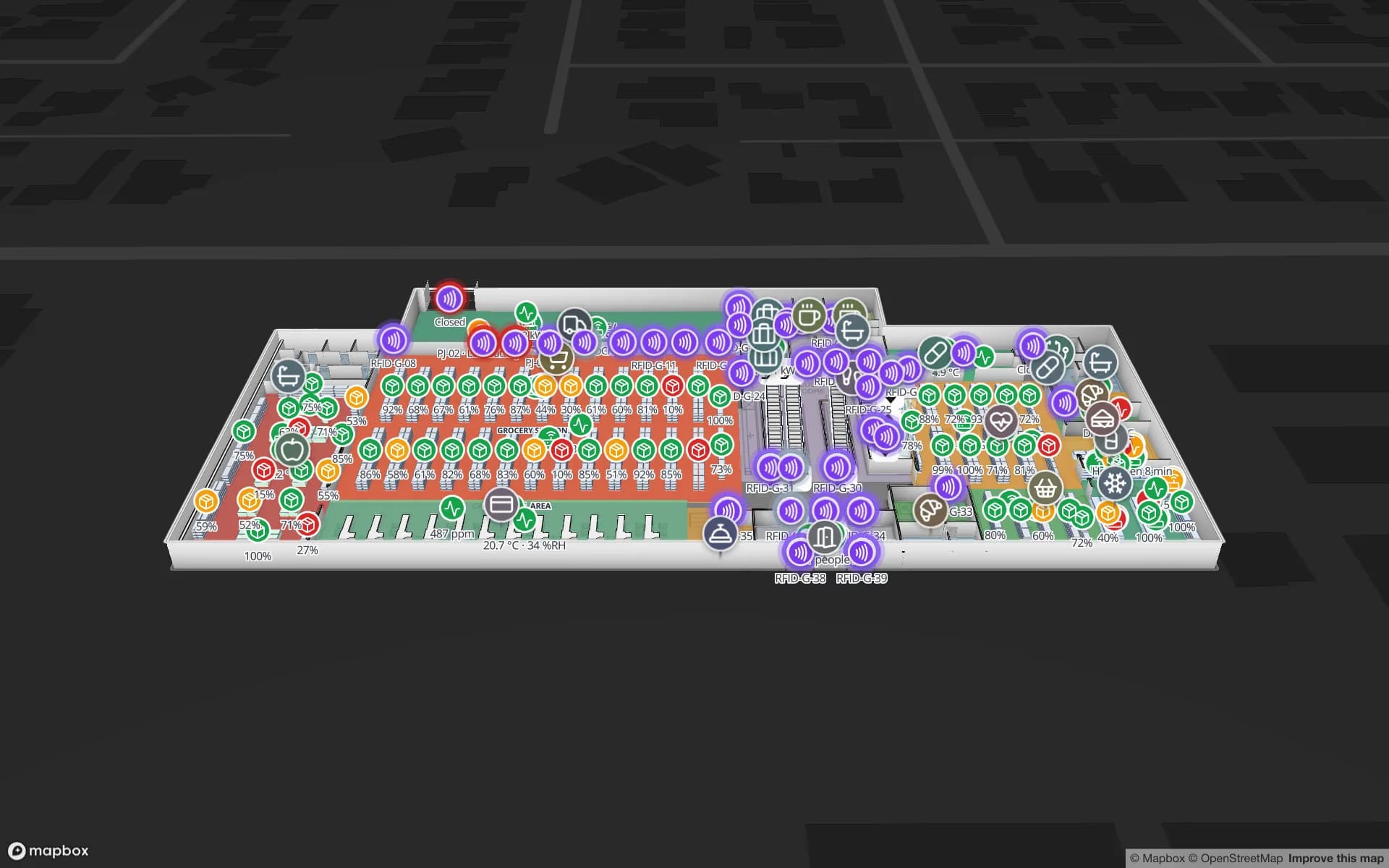
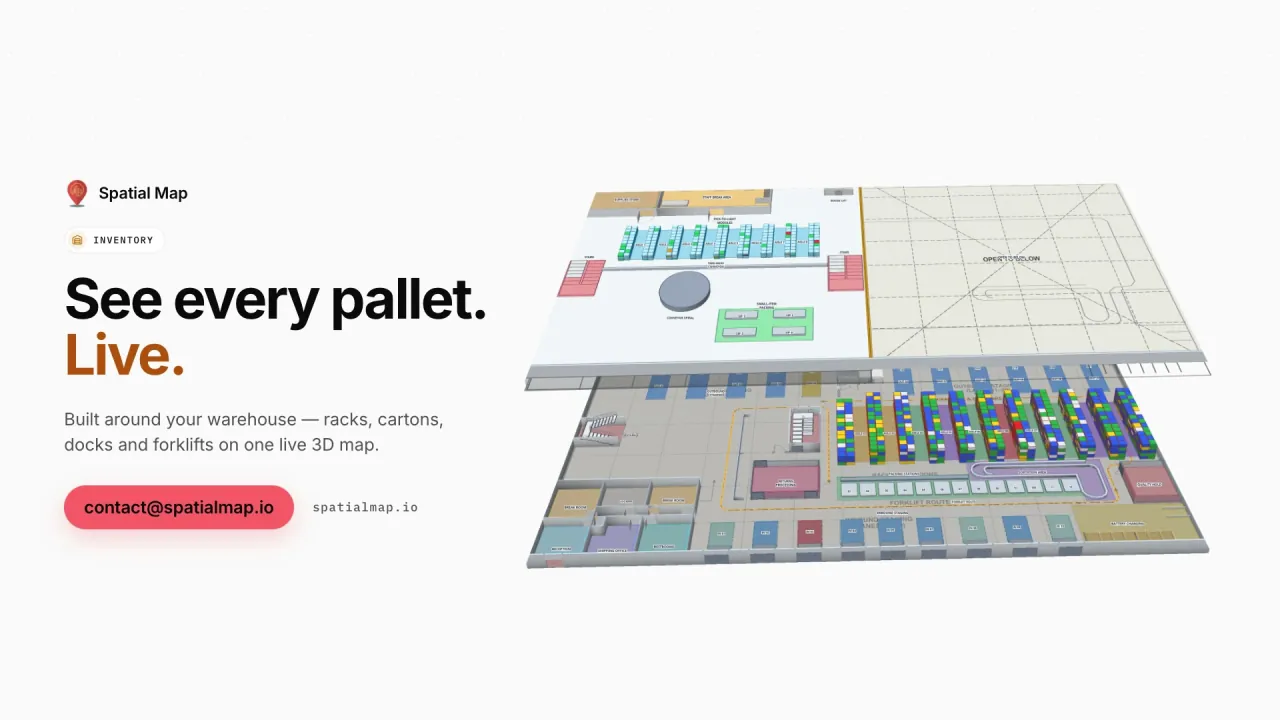
Photograph or scan a hand drawing, align it and draft the floors; the post on digitising a paper floor plan covers the steps. For retail in such buildings, the Retail Mart demo shows three floors with readers at entrances and escalators, shelf stock and fridges with temperature markers. Placing readers in a historic building is for your integrator and the building’s owner; the map shows the reads.

The airport and the arrivals hall

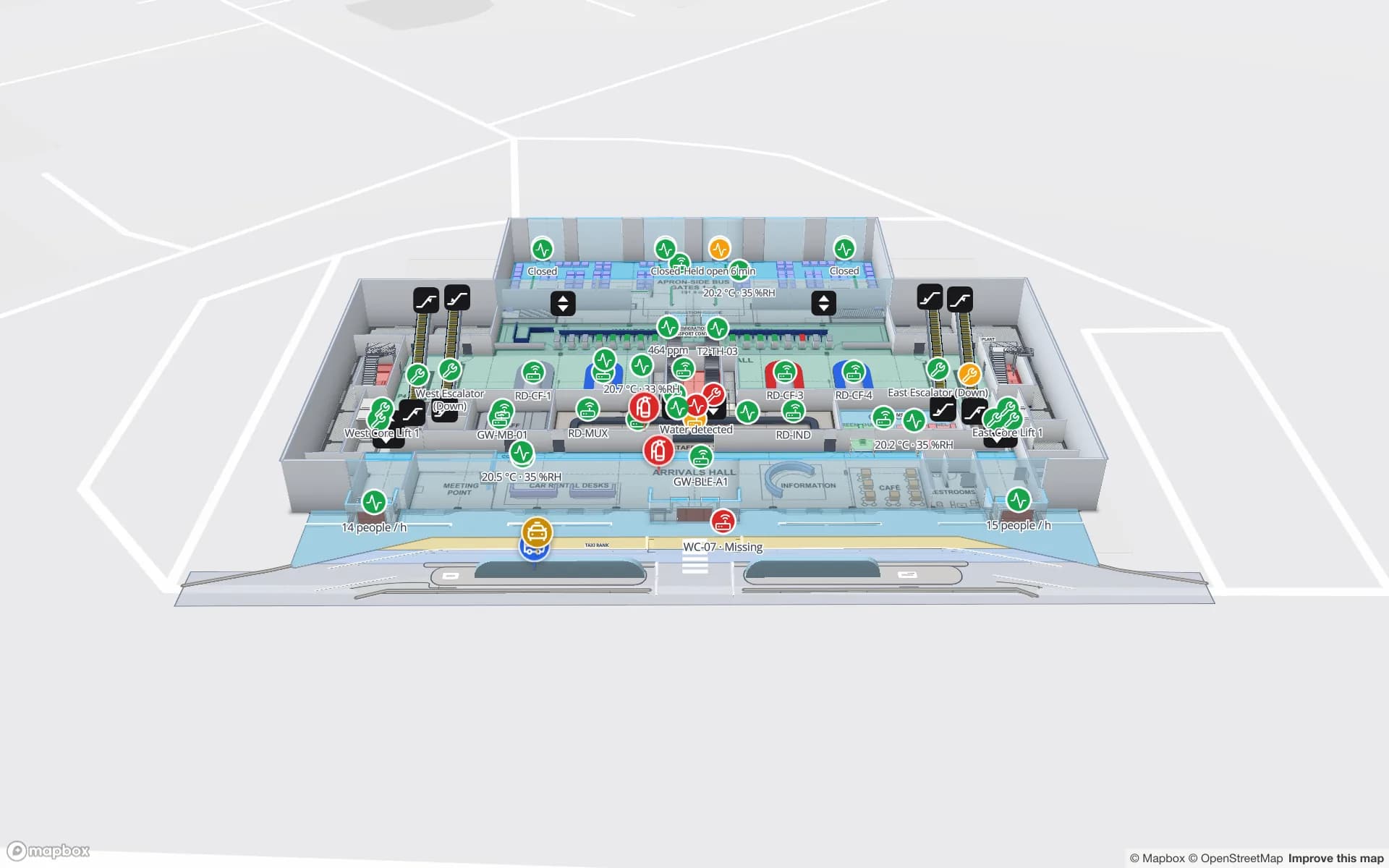
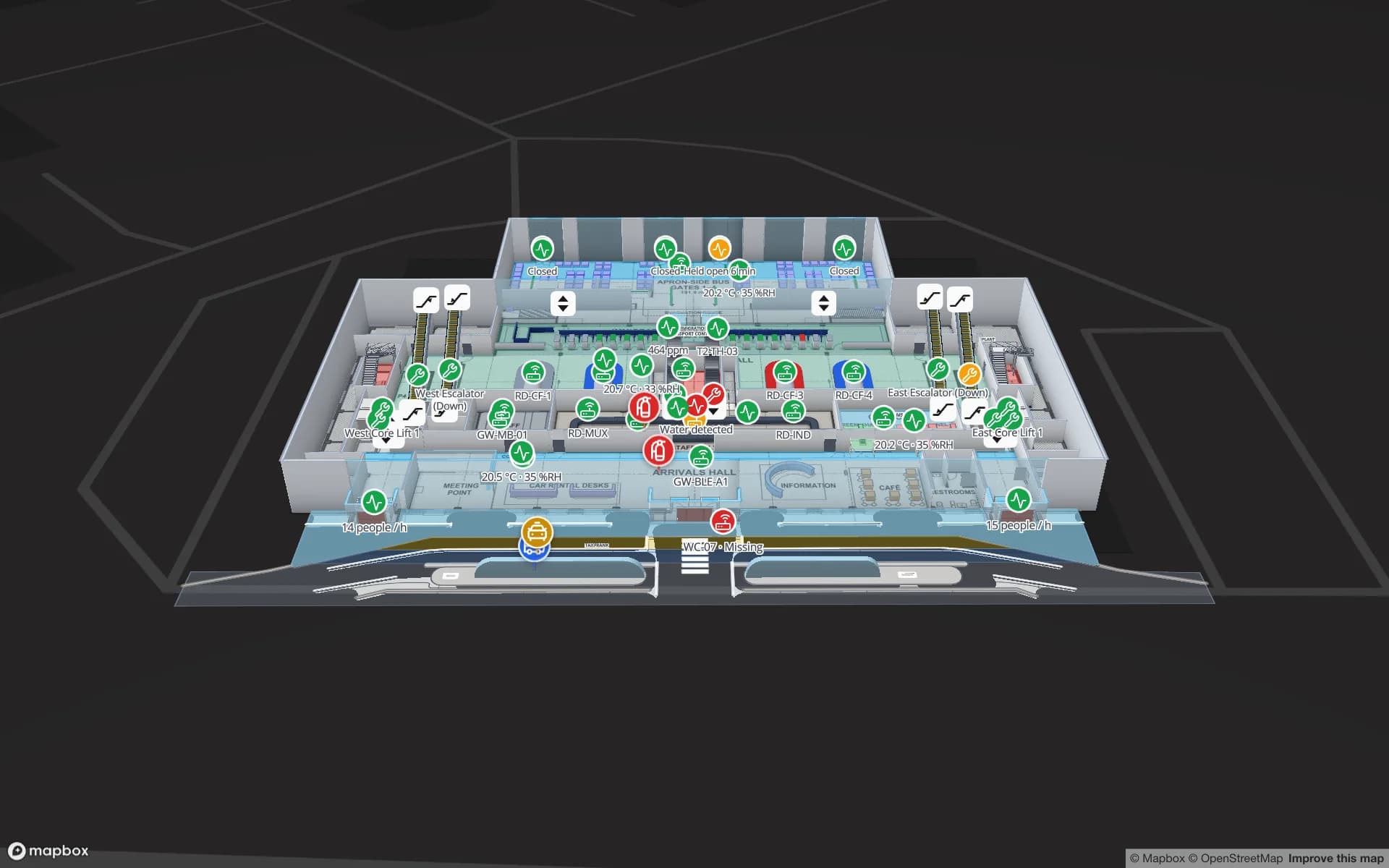
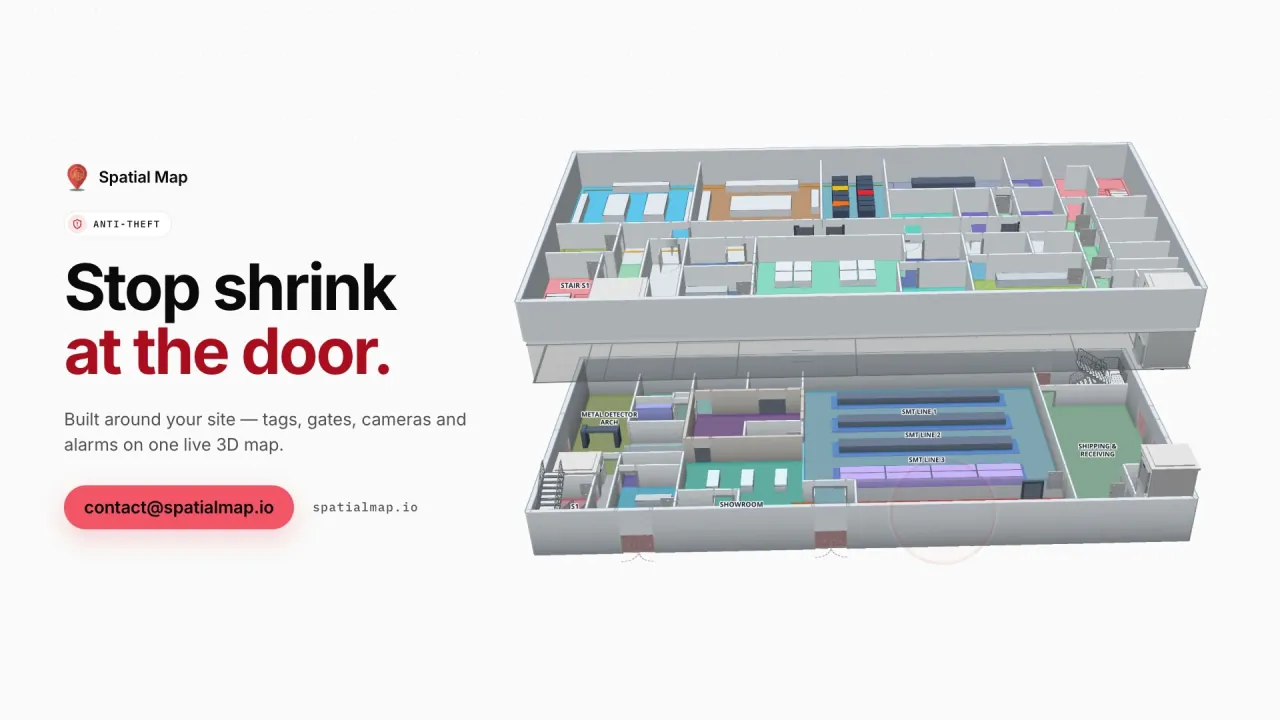
Tbilisi International Airport lies 17 km south-east of the city. Its international terminal was completed in February 2007 with 25,000 m² of usable space, and a 12,000 m² arrivals terminal integrated with the existing building was added in 2017. Baggage and unit-load RFID are a matter for airport operators and their suppliers, and Spatial Map does not connect to baggage systems; the airport demo shows how a terminal can be mapped across floors.

Services for teams in Tbilisi

Where Tbilisi teams usually start depends on the building:

Also served nearby

The same approach covers Rustavi and Gardabani industrial areas south-east of Tbilisi, and Mtskheta to the north. Nothing needs to be installed at any of them: the map opens in a browser.

How Spatial Map does it

From the dock door to the shelf

  1. 01

    Pick one building

    A Tbilisi warehouse, a free-zone depot or a shop, wherever a missing item costs most.

  2. 02

    Map doors, lanes and shelves

    Upload the plan, photo or sketch, let AI Map draft the floor, and name read points the way your middleware names them.

  3. 03

    Connect reads and stock

    RFID middleware and your ERP post rows through the table write API, a polled REST endpoint or CSV and Excel uploads.

  4. 04

    Add waiting and silence rules

    In-app alerts for pallets waiting too long and readers that stopped reporting.

What Tbilisi teams track

Transit and import warehouses

Dock doors, yard slots and pallets staged for the next truck or wagon.

Distribution centres

Rack-level stock by bin with lanes by status.

Shops and department stores

Item-level RFID across floors, with readers at entrances and escalators.

Airport and venue buildings

Routes across floors and equipment by area.

See it on real demo facilities

Fictional names, real floor plans, live sensors, RFID, BLE tags and gateways — open any of them in the browser.

All 13 demo facilities

RFID tracking in Tbilisi — questions we get

No. It has no link to railway, port or customs systems. It shows what happens inside your own building, from your own RFID reads, WMS or ERP and sensors, so it complements the systems that follow a wagon or a declaration.

Yes. Photograph or scan a hand-drawn plan and align it at real size, or sketch the outer walls and shelves and photograph the sketch. AI Map can draft from the picture, and you correct what it gets wrong. Our services team can also do the mapping remotely for a fixed price.

No. The app is available in English, Spanish, French, German, Arabic and Chinese, and each user picks their own. Names, labels and report titles you write can be in any language, Georgian included.

Yes. They can push rows to a table through the write API (HTTPS, bearer API key, bulk upsert, 60 requests per minute per key), or expose a REST endpoint that Spatial Map polls. If you would rather not build it, our team does integrations as client projects.

No. Spatial Map is sold online and our team works with customers in Georgia remotely, by video call and through the contact form. There are no local resellers or partners.

In US dollars, the same worldwide: a 7-day free trial for up to 5 facilities with no card, then Pro at $60 a month or $600 a year for up to 4 facilities. RFID hardware, if you ask us to source it, is quoted per project and is not part of the subscription.

Map one Tbilisi dock before the next train.

Start the free trial and open the Eastport demo, or send us the plan of a warehouse or shop and a sample of your reads through the contact form.