Georgia (the country) · Poti, Batumi, Tbilisi and the railway

Indoor mapping & RFID tracking in Georgia, the country in the Caucasus

Spatial Map is indoor mapping and RFID tracking software that turns warehouses, yards and public buildings into live 3D maps in the browser, with reads, stock and sensor readings shown where they happen. This page is about indoor mapping & RFID tracking in Georgia, the country on the eastern shore of the Black Sea, not the US state. Its ports at Poti and Batumi, its 1,520 mm railway and the Baku–Tbilisi–Kars line make it a transit country, and every warehouse and yard on those routes can carry its own map.

No credit card. Runs in the browser. Pro is $60/month for up to 4 facilities. Book a demo

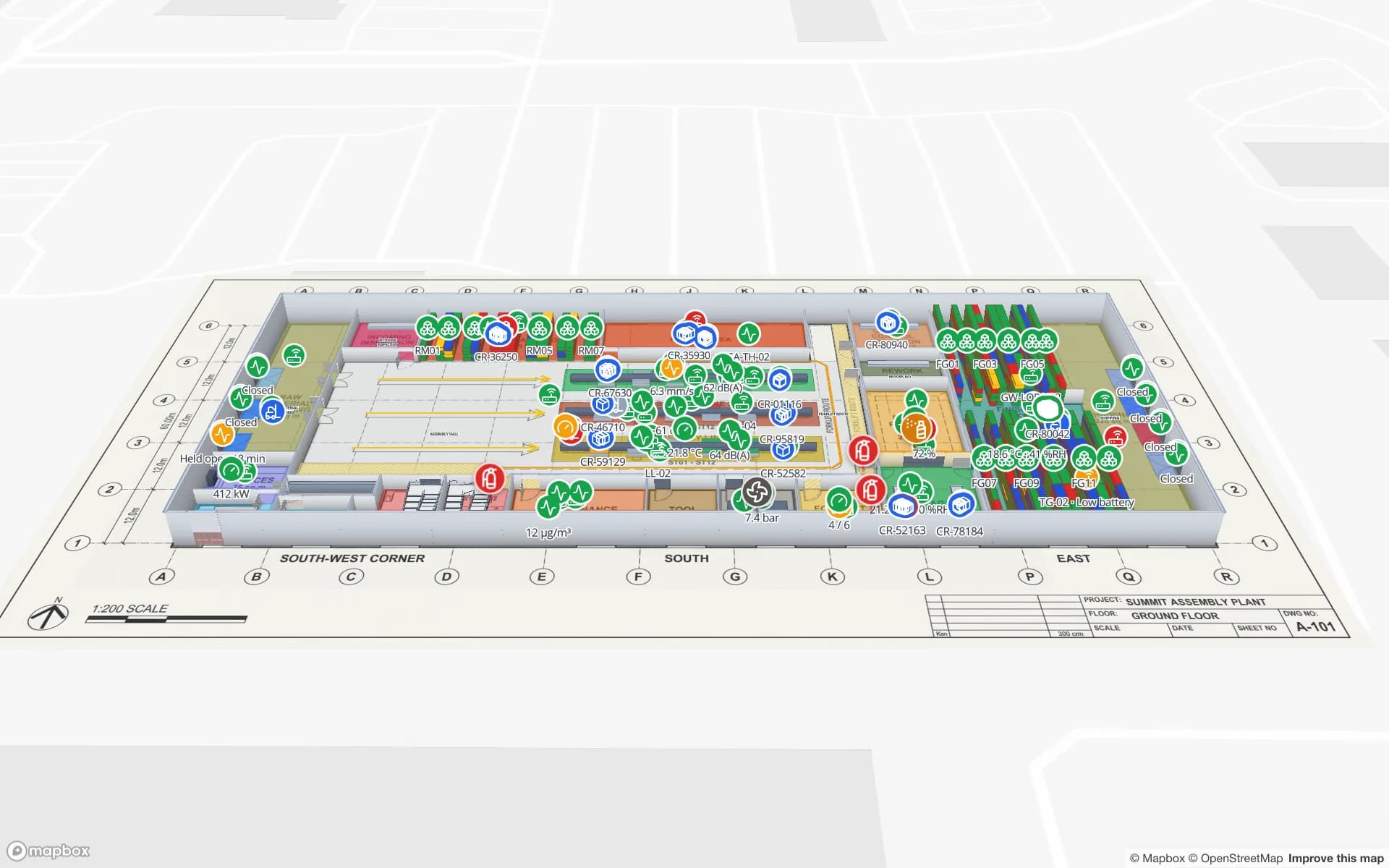
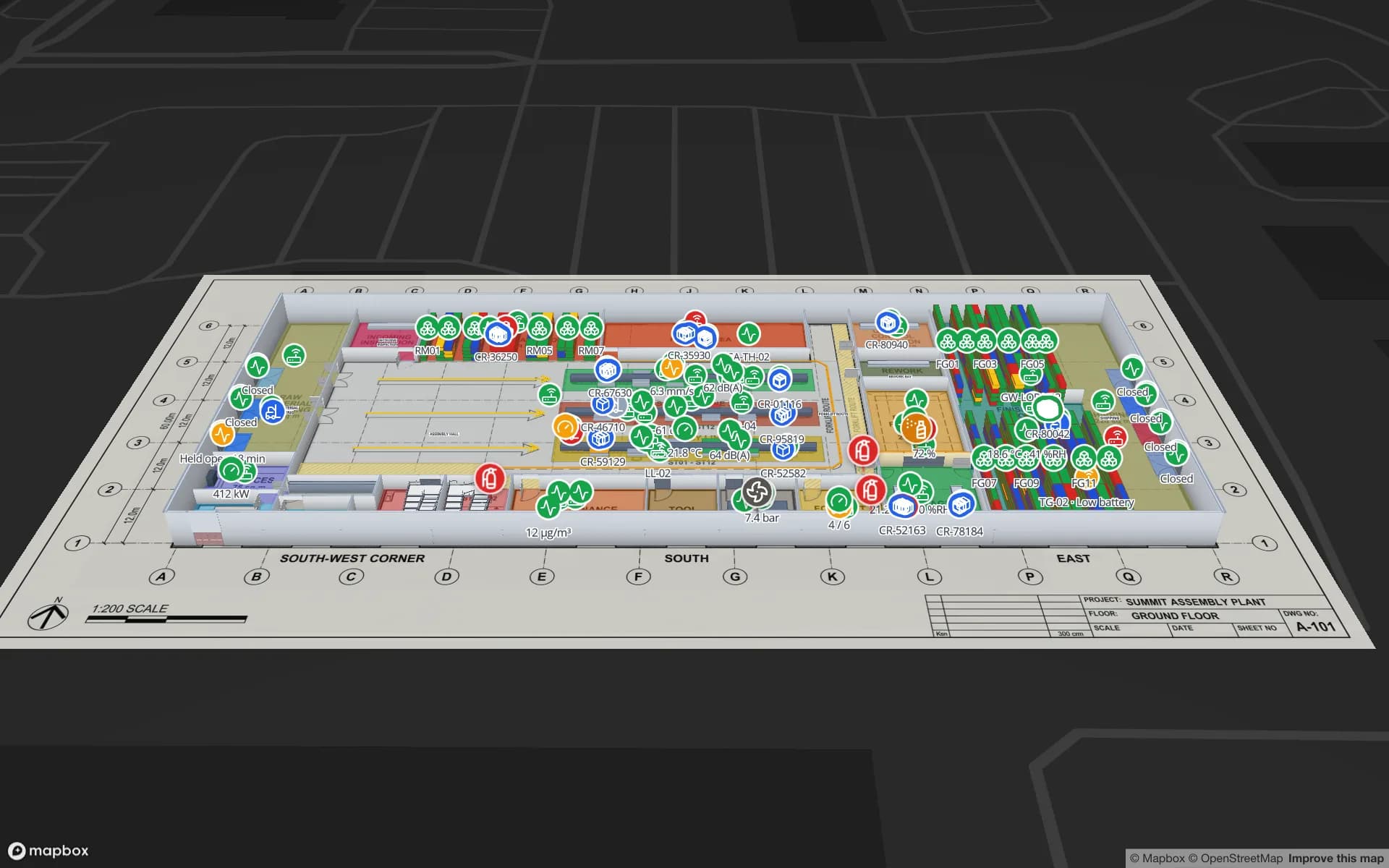
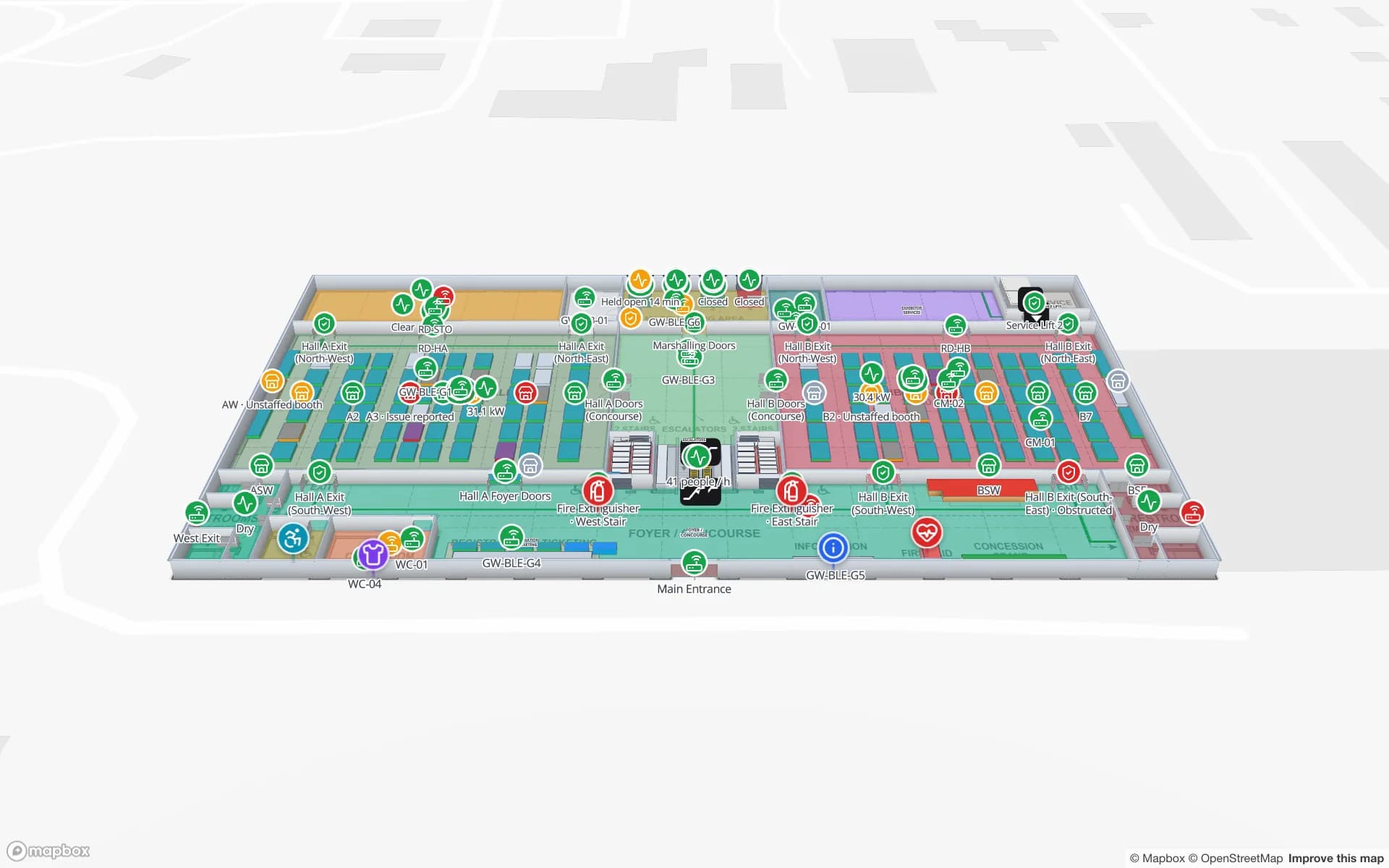
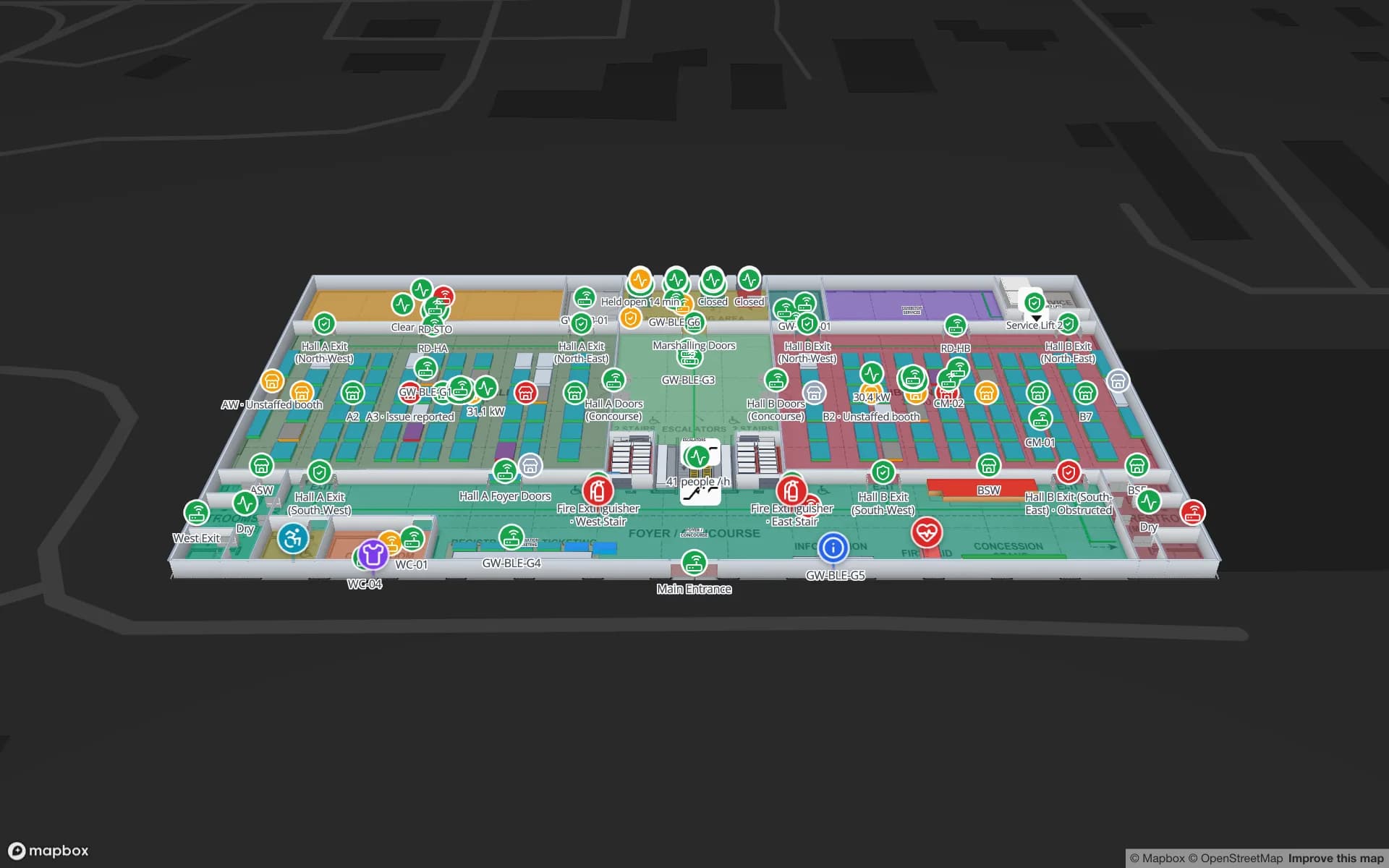
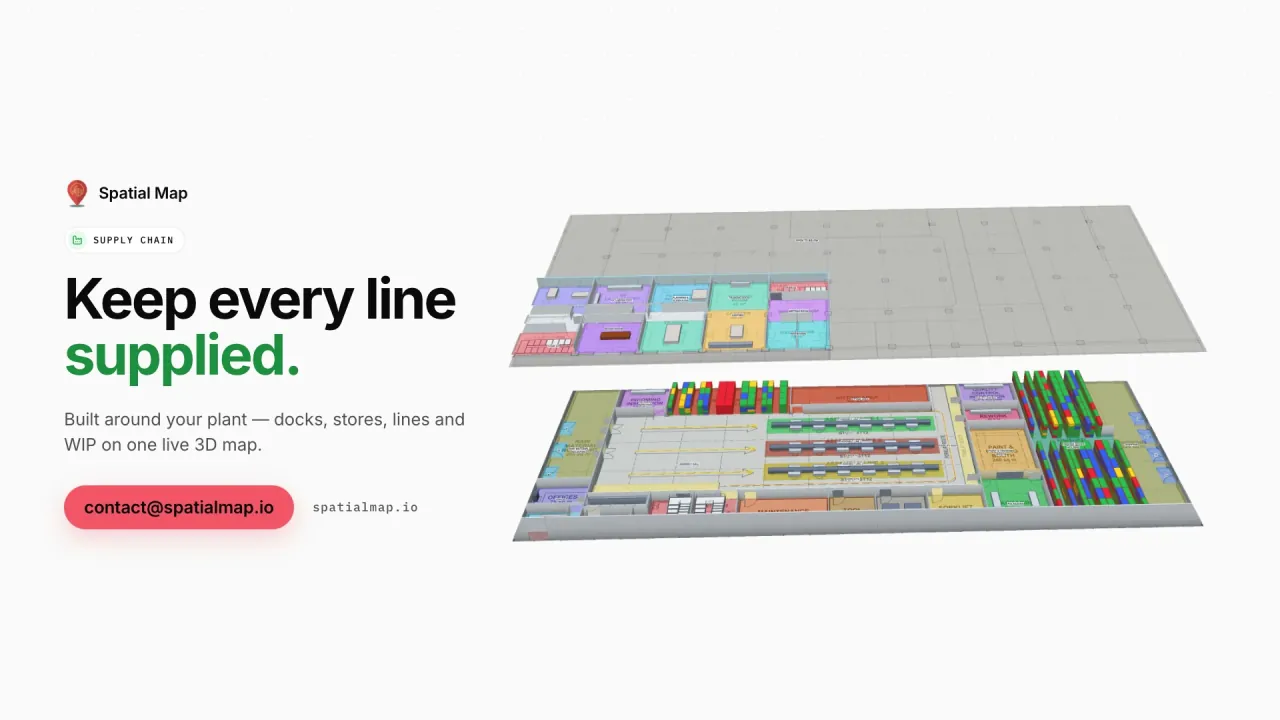
Supply Chain film: “Keep every line supplied” beside the floors of Summit Assembly Plant in 3D
The Supply Chain film: Summit Assembly Plant, a demo plant, with 3 assembly lines, 7 docks and 351 RFID work-in-progress carriers, and a held lot traced to the line it starves.
Docks in the Summit plant demo
7
RFID work-in-progress carriers in the same plant
351
App languages: English, Spanish, French, German, Arabic and Chinese
6
Free trial, up to 5 facilities, no card
7 days

Georgia the country, not the US state

Georgia is a country in the Caucasus on the east coast of the Black Sea, with a 2024 census population of 3,657,000, Georgian as its official language, the lari as its currency and Tbilisi as its capital. If you are looking for the US state, see Atlanta instead; this page, and everything linked from it, covers the country.

Poti and Batumi: two ports, two kinds of cargo

The port of Poti opened on 7 May 1905 at the mouth of the Rioni river. The Poti Free Industrial Zone was inaugurated on 15 April 2008 under a 49-year management concession. Batumi, on the south-eastern Black Sea coast, is described as the largest container, ferry and general cargo seaport in Georgia, with five terminals: oil, dry cargo, container, a railway-ferry crossing and passenger, and road and rail links to the Caucasus, Central Asia and Turkey.

Behind the quays are warehouses, container freight stations and free-zone buildings in which boxes are unpacked, consolidated and re-packed. Spatial Map does not connect to port or customs systems; it maps your own building and shows your reads on it. A rail-linked warehouse needs wagons, doors and lanes on one plan, and the Eastport demo shows 50 dock doors and 44 yard slots, and the RFID warehouse page covers readers at the door.

A railway with its own gauge

Georgian Railway runs 1,576 km of network built to 1,520 mm gauge. Operations began in 1871 and the first passenger train ran from Poti to Tbilisi on 10 October 1872; the Tbilisi–Baku line followed in 1883. The Baku–Tbilisi–Kars railway became operational on 30 October 2017, 826 km long with a break of gauge near Akhalkalaki, where the Georgian 1,520 mm network meets the Turkish 1,435 mm line.

Every change of gauge or mode is a place where cargo waits and something can be missed. Tag pallets or cartons at the transfer, read them at the door, and a map shows a consignment as received, staged or released. Our post on warehouse RFID rollout explains where to start, and the corridor continues in Azerbaijan and, over the Caspian, in Kazakhstan.

Free zones and trade agreements

Georgia has free industrial zones where companies receive tax privileges, and, as sources describe it, it has been part of the European Union’s free-trade area since 2014 and signed a free-trade agreement with the United Arab Emirates in 2023. For a company that imports or re-exports through a zone, stock may sit in a free-zone warehouse before it is cleared, and the warehouse’s own map is what shows what is where.

Your customs broker and legal advisers decide the status of goods; Spatial Map makes no compliance claim. It records movements: each read is a row with a time, and the History player replays a pallet’s path.

Services for teams in Georgia

Georgian teams usually start from the building:

Also served

The same approach covers Kutaisi, Rustavi, Gori, Zugdidi and the coastal towns around Batumi. Nothing needs to be installed at any of them: the map opens in a browser.

How Spatial Map does it

From a plan to a live map of one warehouse

  1. 01

    Pick one building

    A port-side warehouse, a free-zone depot or a rail-linked yard, wherever a missing consignment costs most.

  2. 02

    Map doors, lanes and racks

    Upload a PDF, DWG (AutoCAD R2004–R2018, placed as a picture) or image plan and let AI Map draft the floor for review.

  3. 03

    Connect your reads

    RFID middleware, your WMS and sensors post rows through the table write API, a polled REST endpoint or CSV and Excel uploads.

  4. 04

    Add rules and share

    In-app alerts for consignments waiting too long and readers gone silent, and read-only share links for customers.

What teams in Georgia use it for

Port-side and rail-linked warehouses

Dock doors, yard slots and pallets staged for the next wagon or truck.

Distribution and free-zone stock

Rack-level stock by bin and lanes by status.

Plant floors

Lines, stations and work-in-progress carriers on one map.

Venues and public buildings

Halls, rooms and routes across floors.

See it on real demo facilities

Fictional names, real floor plans, live sensors, RFID, BLE tags and gateways — open any of them in the browser.

All 13 demo facilities

Questions from teams in Georgia

The country. Georgia here is the country in the Caucasus with its capital in Tbilisi. For the US state, see Atlanta.

No. It has no link to port, railway or customs systems. It shows what happens inside your own warehouse or yard, from your own RFID reads, WMS and sensors, so it complements the systems that follow a wagon or a declaration.

No. The app is available in English, Spanish, French, German, Arabic and Chinese, and each user picks their own. Zone names, rack codes and report titles you write can be in any language, including Georgian.

Yes, if each pallet or carton carries a tag or code that your system links to an owner. Rows in a table carry the owner, a style rule colours stock by status, and a filter shows one customer’s goods; a read-only share link can limit a customer to chosen floors.

No. Spatial Map is sold online and our team works with customers in Georgia remotely, by video call and through the contact form. There are no local resellers or partners.

In US dollars, the same worldwide: a 7-day free trial for up to 5 facilities with no card, then Pro at $60 a month or $600 a year for up to 4 facilities. RFID hardware, if you ask us to source it, is quoted per project.

Put one Georgian warehouse on a live map this week.

Start the free trial and open the Eastport demo, or send us the plan of a warehouse or yard and a sample of your reads through the contact form.