Vancouver · Port of Vancouver, Deltaport, Richmond and Annacis

RFID tracking in Vancouver, from the container door to the pallet lane

Spatial Map puts RFID reads on a live 3D map of the building where they happen, so a tag read at a door becomes a pallet in a lane, a carton in a container or a part in a bay. RFID tracking in Vancouver starts at the water: the Port of Vancouver is the gateway, and the transload and distribution warehouses of Delta, Richmond and the south shore of the Fraser River are where its containers become pallets. Your readers and middleware do the reading; the map shows each read in place.

No credit card. Runs in the browser. Pro is $60/month for up to 4 facilities. Book a demo

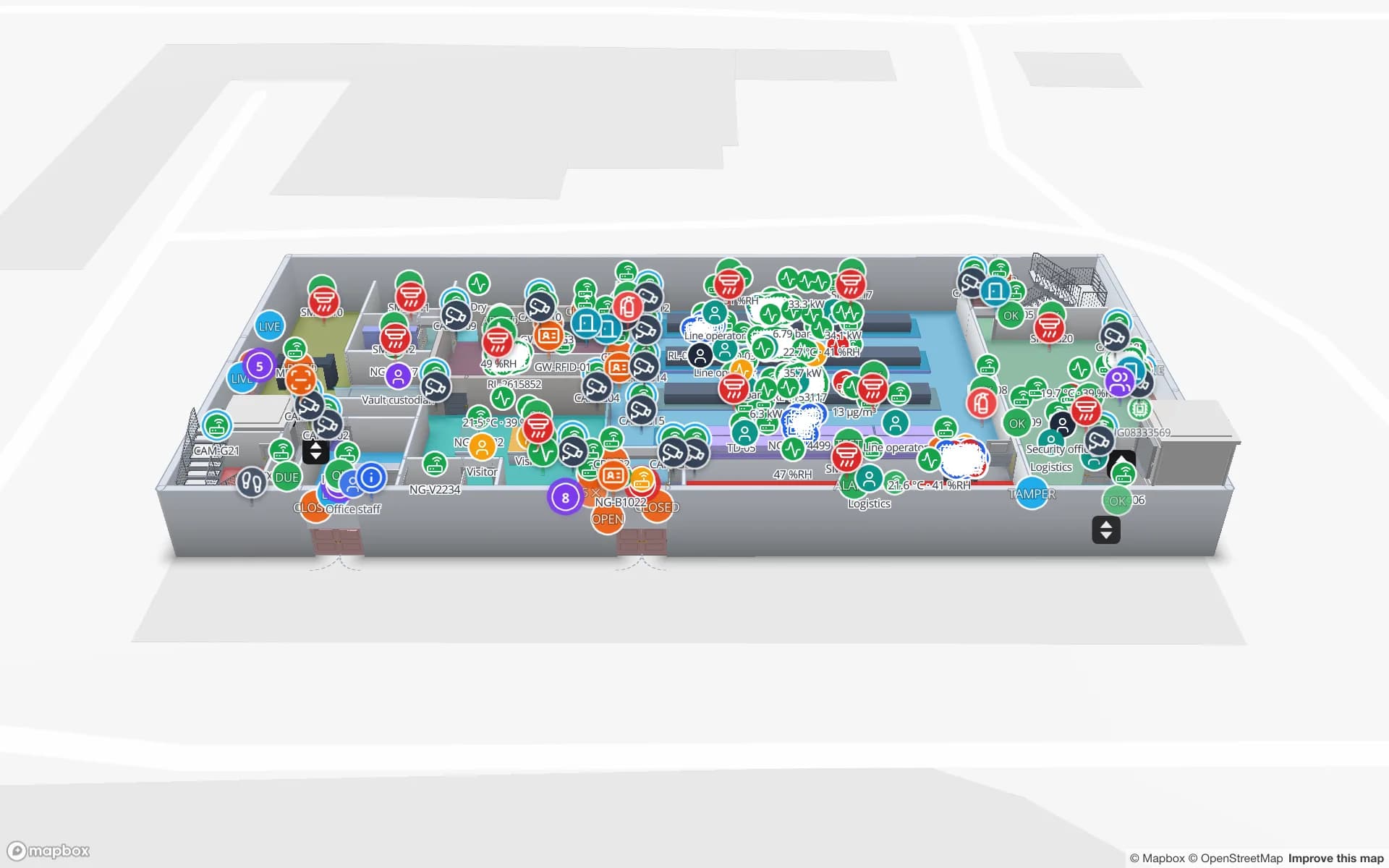
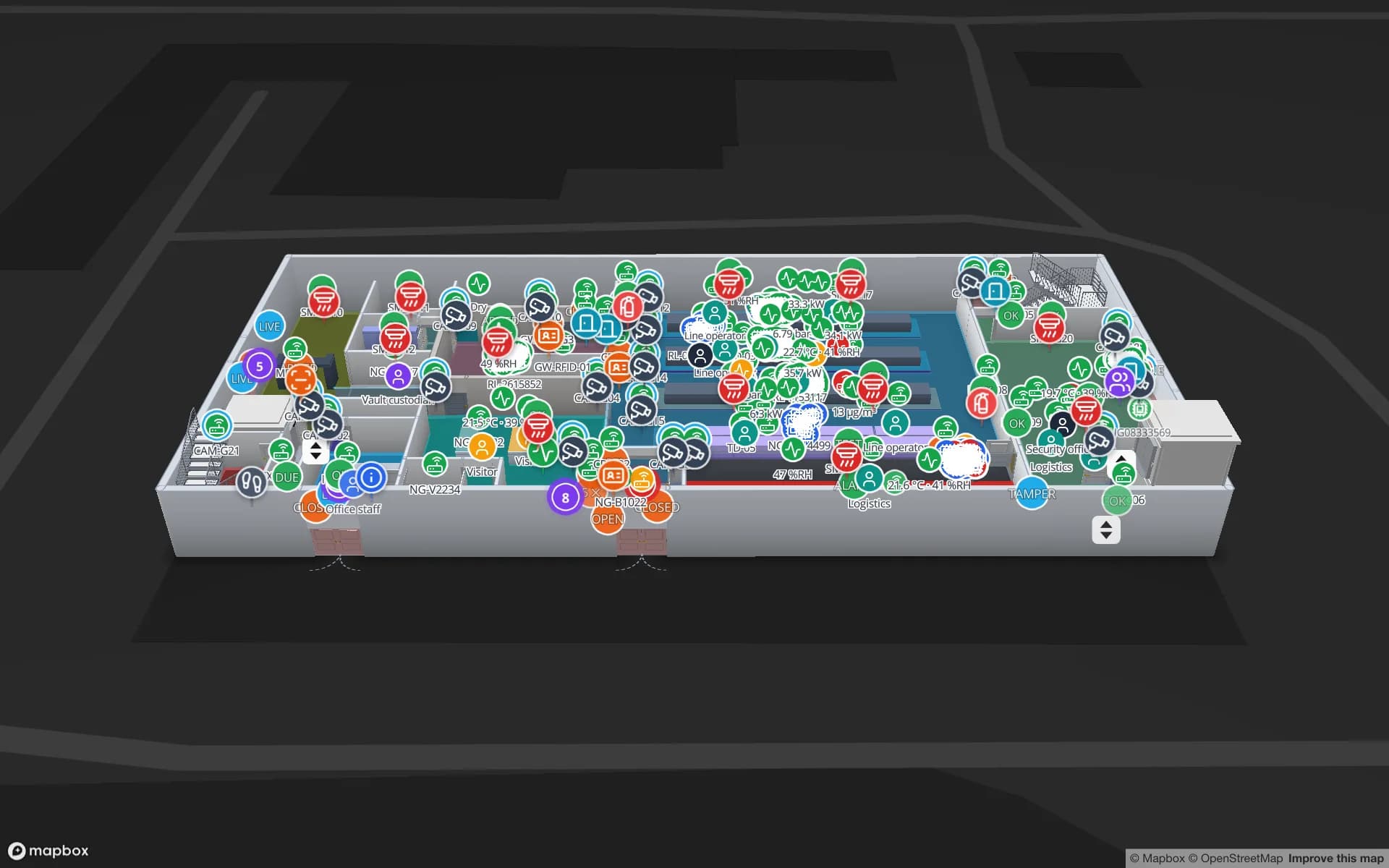
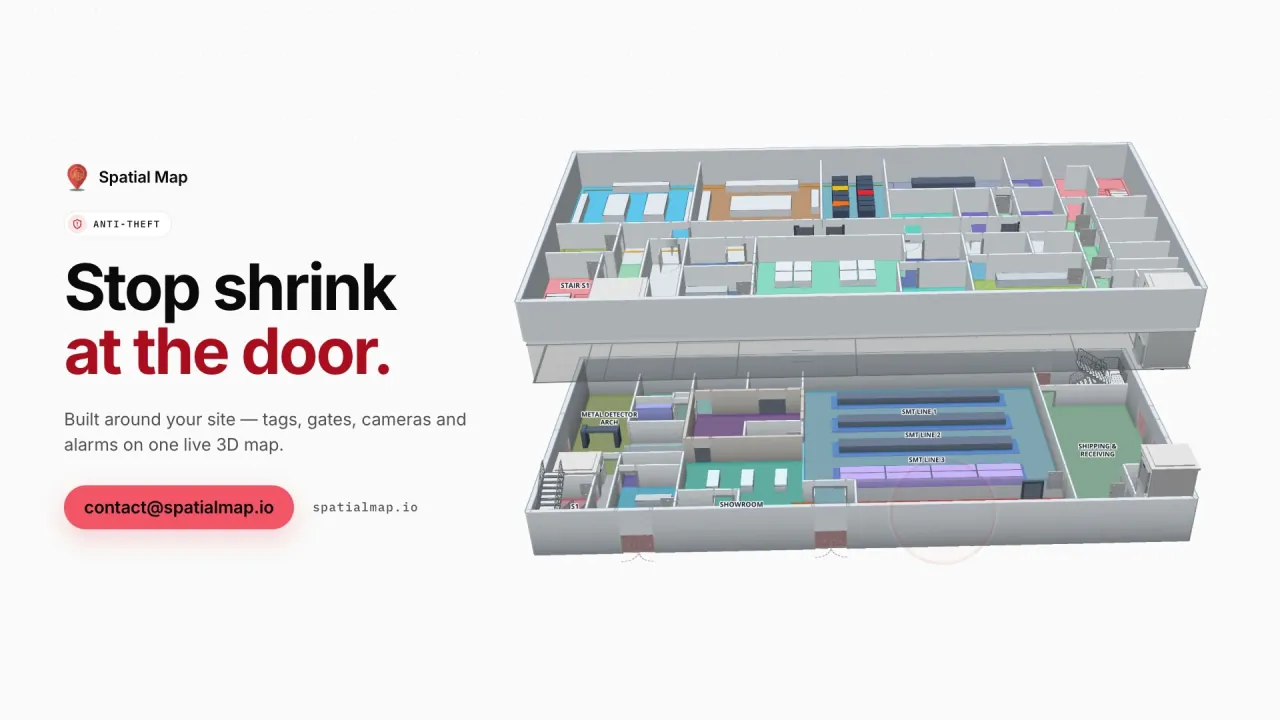
Eastport Cross-Dock Freight Hub, a cross-dock & trailer yard demo, in the Spatial Map 3D viewer with live device markers
Eastport Cross-Dock Freight Hub
Eastport Cross-Dock, a demo freight hub: 50 dock doors, 44 yard slots and 1,180 RFID pallets, with the gate and weighbridge.
RFID pallets moving through the Eastport demo
1,180
Yard slots in the Eastport demo
44
Write API requests per key, with bulk upsert
60/min
Free trial, up to 5 facilities, no card
7 days

Canada’s largest port, and the buildings behind its gates

The Vancouver Fraser Port Authority calls the Port of Vancouver Canada’s largest port and the third largest in North America by tonnes of cargo, and a 2026 Government of Canada release says it moves more cargo than the next five largest Canadian ports combined. At Roberts Bank, Deltaport is described by the port as Canada’s largest container terminal, with three berths and extensive on-dock rail.

Most of what arrives does not stay on the dock. Containers leave by rail and truck for warehouses that sit within a short drive of the terminals, and each of those buildings has its own doors, lanes and racks. The port’s systems tell you about the vessel and the container; inside your own shed the question is different: which pallet is in which lane, which carton went into which container, which trailer is waiting at which door. RFID portals at the doors answer it, and the Eastport demo shows the pattern with 50 dock doors and 1,180 RFID pallets.


Transload: where one container becomes many pallets

The port authority describes itself as the largest landlord of industrial real estate in the Lower Mainland, and some of its land listings mention transloading uses. Transloading is the step where a container is opened, the goods are moved into domestic trailers or rail cars, and the paperwork is split to match. It is also the step where labels go missing and quantities drift, because one container number becomes dozens of pallet numbers in an hour.

RFID suits that moment. Put a UHF tag on each pallet label, read the pallets as they leave the container through a portal at the door, and the map shows which pallets of an order are staged in which lane and which are still inside the box. Tags on metal fittings, liquids and shrink-wrapped goods read differently, so test them in your own shed first; the post on RFID tags for metal, liquids and apparel lists what to check, and how to plan an RFID rollout covers the pilot. RFID gates explains how a row of readers at a door becomes a checkpoint.

Richmond, Delta and the south shore

The port authority is currently looking for an operator for its Fraser Wharves terminal site in Richmond, a 40-acre brownfield site with existing marine, rail and road connections. Across the river in Delta, the Annacis Auto Terminal is, according to a port spokesperson, the largest auto terminal on Canada’s West Coast, after the Richmond auto terminal was consolidated into it. Neither of these is something Spatial Map connects to. They are context: new and re-let industrial land means warehouses with fresh drawings, and fresh drawings are the easy case for mapping.

Upload the PDF or DWG (AutoCAD R2004–R2018, placed as a picture), align it at real scale, and let AI Map draft racks, walls and doors for a person to review. AI Map is available on paid plans and the trial, with a monthly limit. If you handle vehicle parts and accessories, the tagged items worth tracking first are usually the returnable racks and the high-value parts cage rather than every box; the Crestline demo shows 2,204 rack locations and the staging lanes in front of the docks.

Read rates, and what to do when they are not perfect

No RFID system reads every tag every time. A portal at a transload door should be set up and measured with your own pallets: read rate by pallet type, by lane and by time of day. Spatial Map does not measure read rates for you, but it makes the gaps easy to see. An alert rule set to “not updated for N minutes” on the reader table raises an in-app alert when a portal goes quiet, and a count rule can flag a lane that holds fewer pallets than its order should; see why RFID tags get missed.

Where a read is missed, the fallback is a handheld count of the lane, which updates the same table. Reports export to PDF or Excel, and a read-only share link can show a customer the floor they care about without an account.

Services for teams in Vancouver

Where Vancouver-area teams tend to start:

  • Transload and cross-dock operators begin with RFID warehouse management at dock doors, then add inventory tracking for rack locations.
  • Distribution centres with their own fleet of forklifts and returnable racks add asset tracking, with RTLS and UWB only where vehicles and people must be located continuously.
  • If you have no readers or tags yet, our team can source RFID readers, antennas and tags on request, quoted per project, with warranty from the manufacturer: see RFID readers and tags on request.
  • Companies with sites on both sides of the border can keep them in one workspace; see the USA page.
  • Where an integration is missing, our team builds RFID inventory systems, handheld apps and ERP or WMS connectors as client projects. The product runs as cloud or on-premises.

Also served nearby

The same page covers Burnaby, Surrey, Langley, Abbotsford and Annacis Island, and the industrial areas along the Fraser River. Nothing needs to be installed at any of them: the map opens in a browser.

How Spatial Map does it

From the container door to a live map

  1. 01

    Pick one door

    The transload door or inbound dock where a missing pallet costs a truck or a rail slot.

  2. 02

    Map doors, lanes and racks

    Upload the plan, let AI Map draft the floor, and name the read points the way your middleware names them.

  3. 03

    Connect reads and orders

    RFID middleware and your WMS or ERP post rows through the write API, or a REST endpoint is polled; CSV uploads work first.

  4. 04

    Test and alert

    Measure read rates on your own pallets, then add in-app alerts for quiet readers and short lanes.

What Vancouver teams track

Transload warehouses

Pallets read as they leave the container, with each order’s staged and missing pieces by lane.

Distribution centres

Rack-level stock by bin, staging lanes and trailers at the doors.

Returnable racks and parts cages

Racks and high-value parts tagged, with the last-seen zone and overdue returns coloured on the plan.

Retail stock by floor

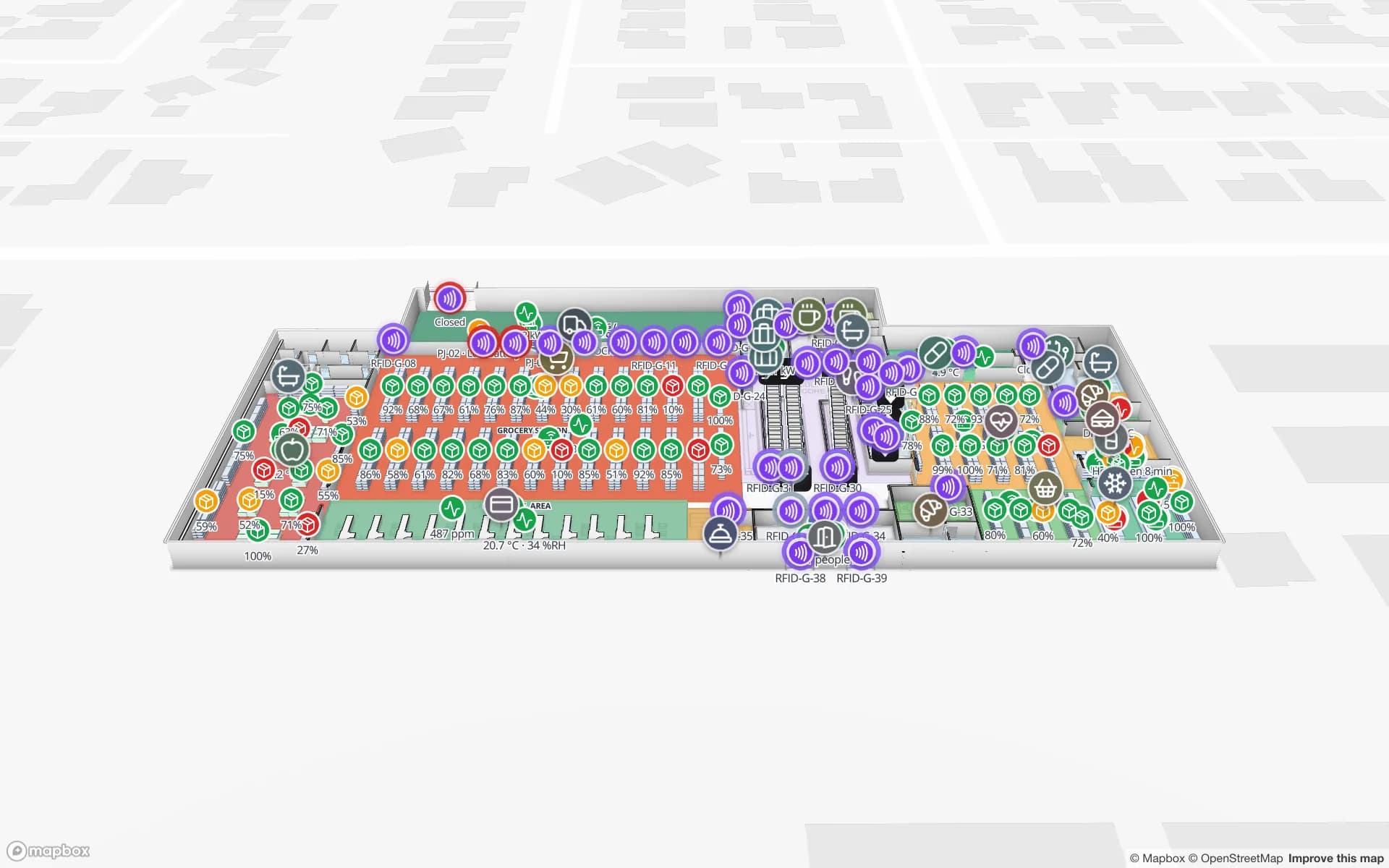
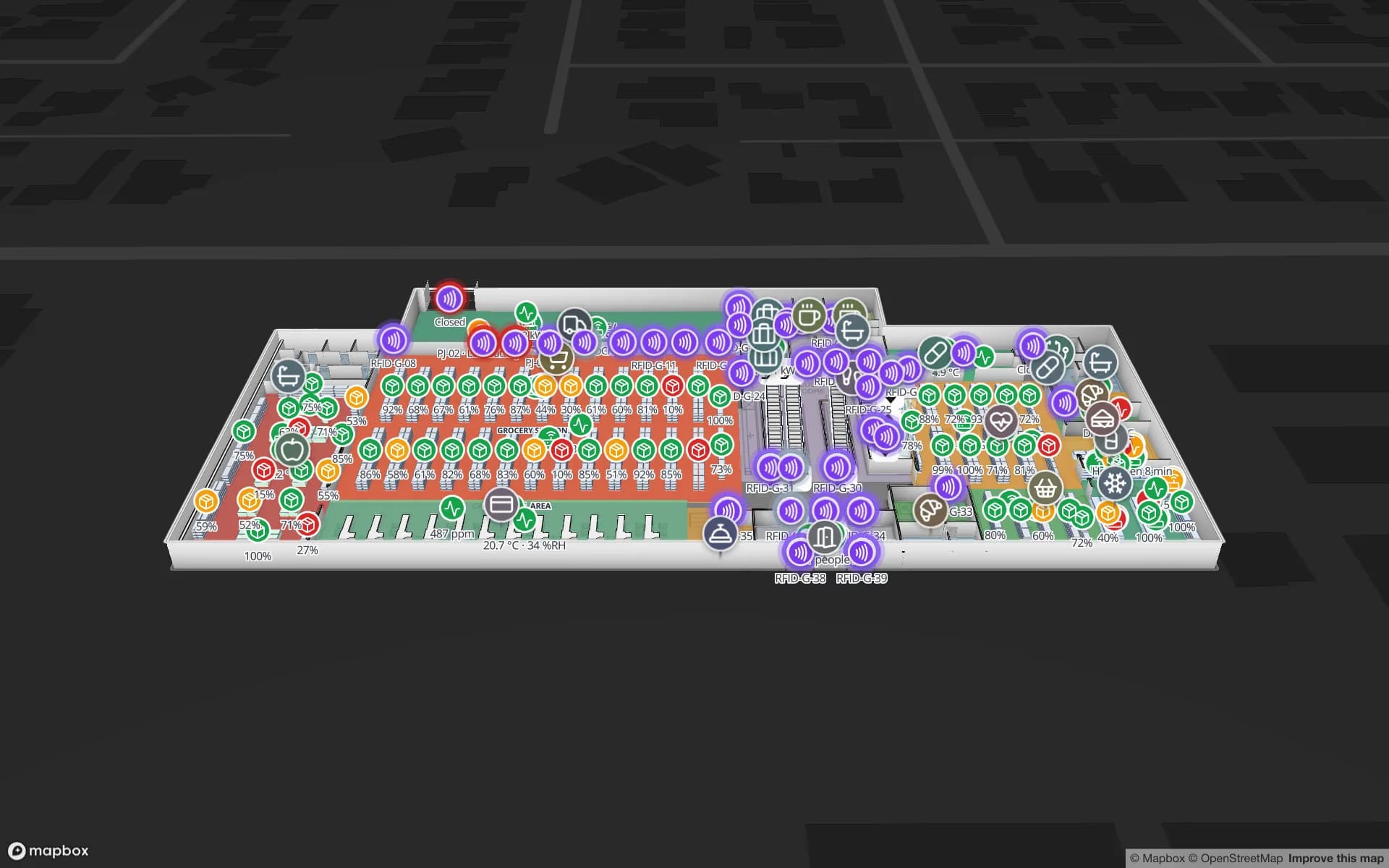
Item-level RFID across floors, lifts and escalators in multi-level stores.

See it on real demo facilities

Fictional names, real floor plans, live sensors, RFID, BLE tags and gateways — open any of them in the browser.

All 13 demo facilities

RFID tracking in Vancouver — questions we get

No. It has no link to port, terminal, rail or customs systems. It shows what happens inside your own building from your own RFID reads, WMS or ERP and sensors, so it complements the port-level systems rather than replacing them.

Often not reliably, because steel containers block radio waves. The usual pattern is to read pallets as they pass a portal at the door once the container is open. Test with your own cargo; how far a UHF read reaches is covered in how far can RFID be read.

Yes. A workspace can hold several facilities, grouped into named solutions, with Owner, Admin, Editor and Viewer roles. The Pro plan covers up to 4 facilities, and larger networks are quoted as custom services.

Our team can source RFID readers, antennas and tags on request, quoted per project, with warranty and device support from the manufacturer. Spatial Map does not make hardware; it shows what your readers report.

No. Spatial Map is sold online and our team works with customers in Canada remotely, by video call and through the contact form. There are no local resellers or partners.

In US dollars, the same worldwide: a 7-day free trial for up to 5 facilities with no card, then Pro at $60 a month or $600 a year for up to 4 facilities. RFID hardware, if you ask us to source it, is quoted per project and is not part of the subscription.

Map one transload door before the next vessel.

Start the free trial and open the Eastport demo, or send us the plan of a transload shed and a sample of your reads through the contact form.