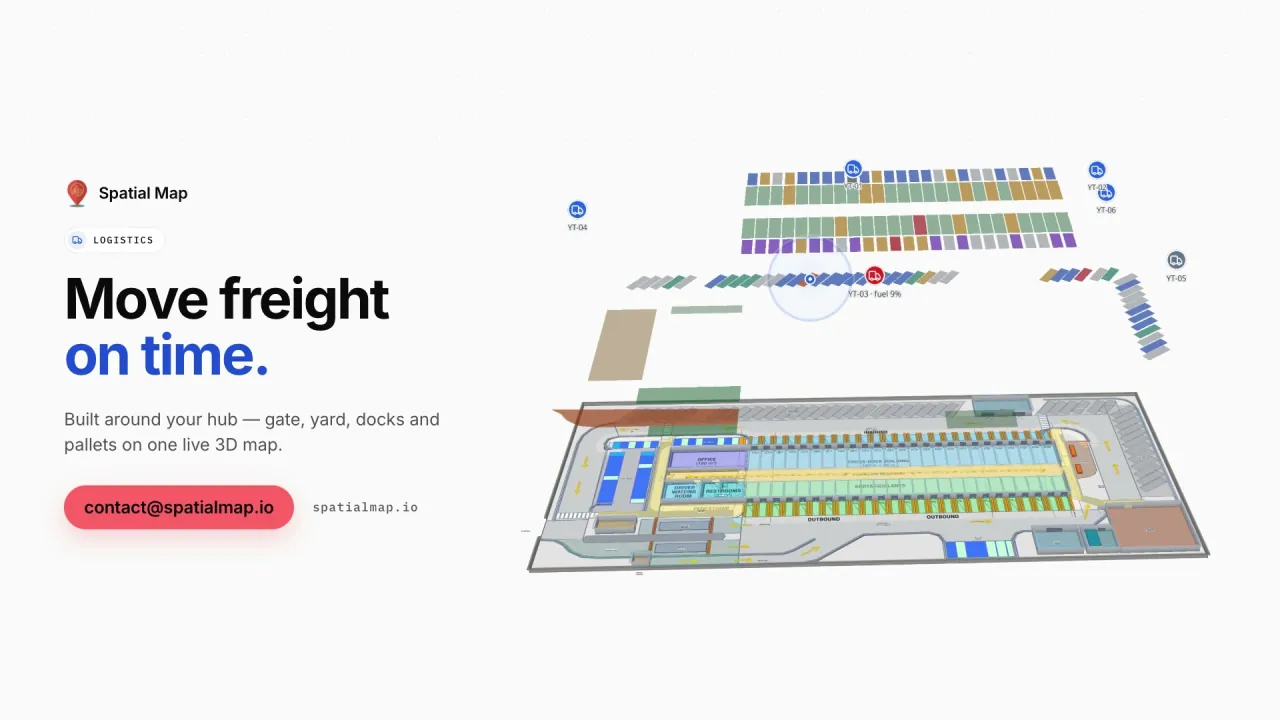
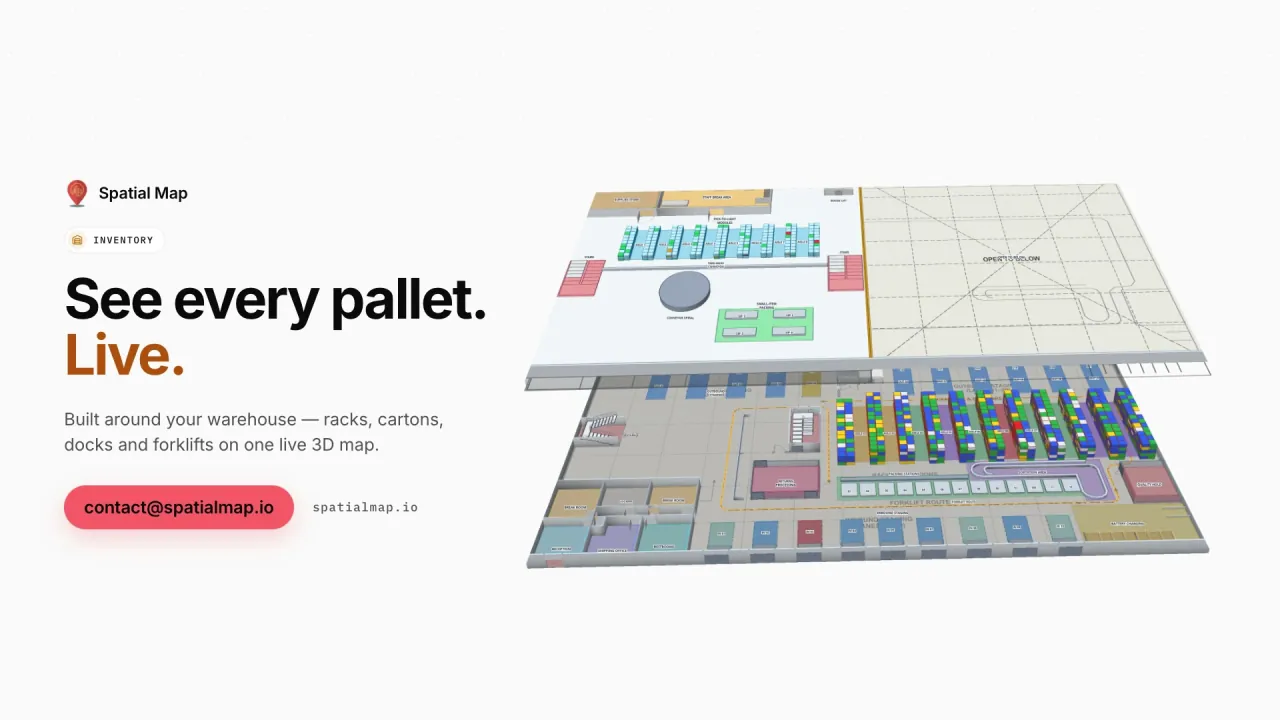
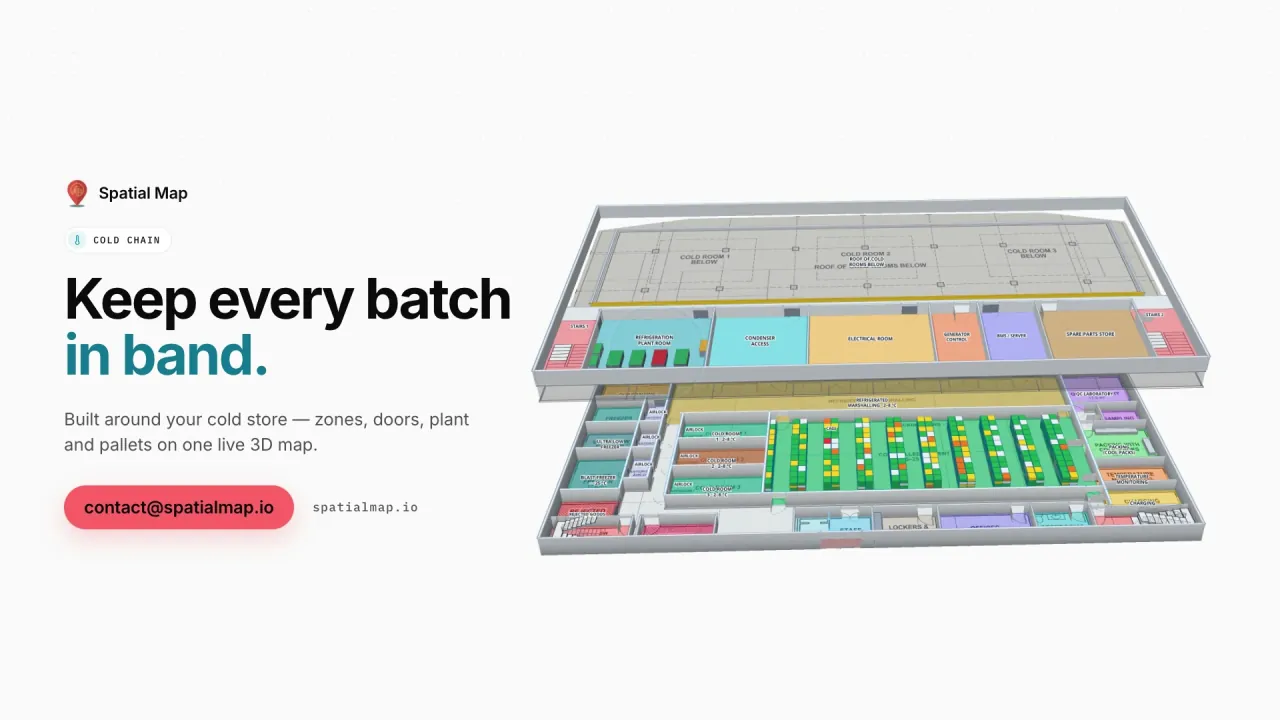
Halifax, Nova Scotia · The port, Burnside Industrial Park and the airport

RFID tracking in Halifax, Nova Scotia, from the pier to the Burnside dock

Spatial Map puts RFID reads on a live 3D map of the building where they happen, so a tag at a dock door becomes a pallet in a lane, a carton in a container or a crate at a cargo build-up area. RFID tracking in Halifax, Nova Scotia (not the Halifax in England) runs from a container port to a business park of trucking depots and transload sheds, to an airport that ships seafood. Your readers and middleware do the reading; Spatial Map shows each read in place.

No credit card. Runs in the browser. Pro is $60/month for up to 4 facilities. Book a demo

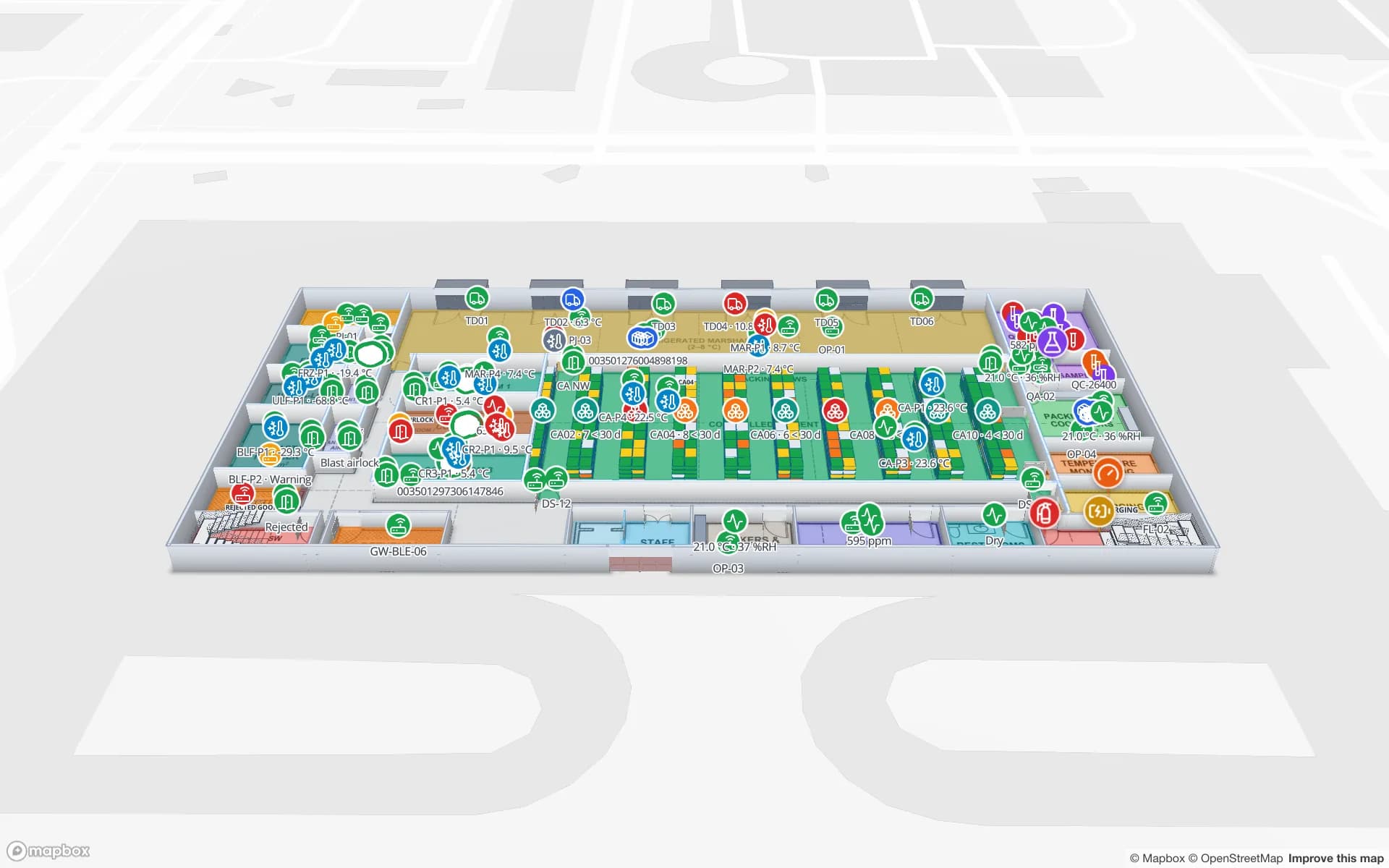
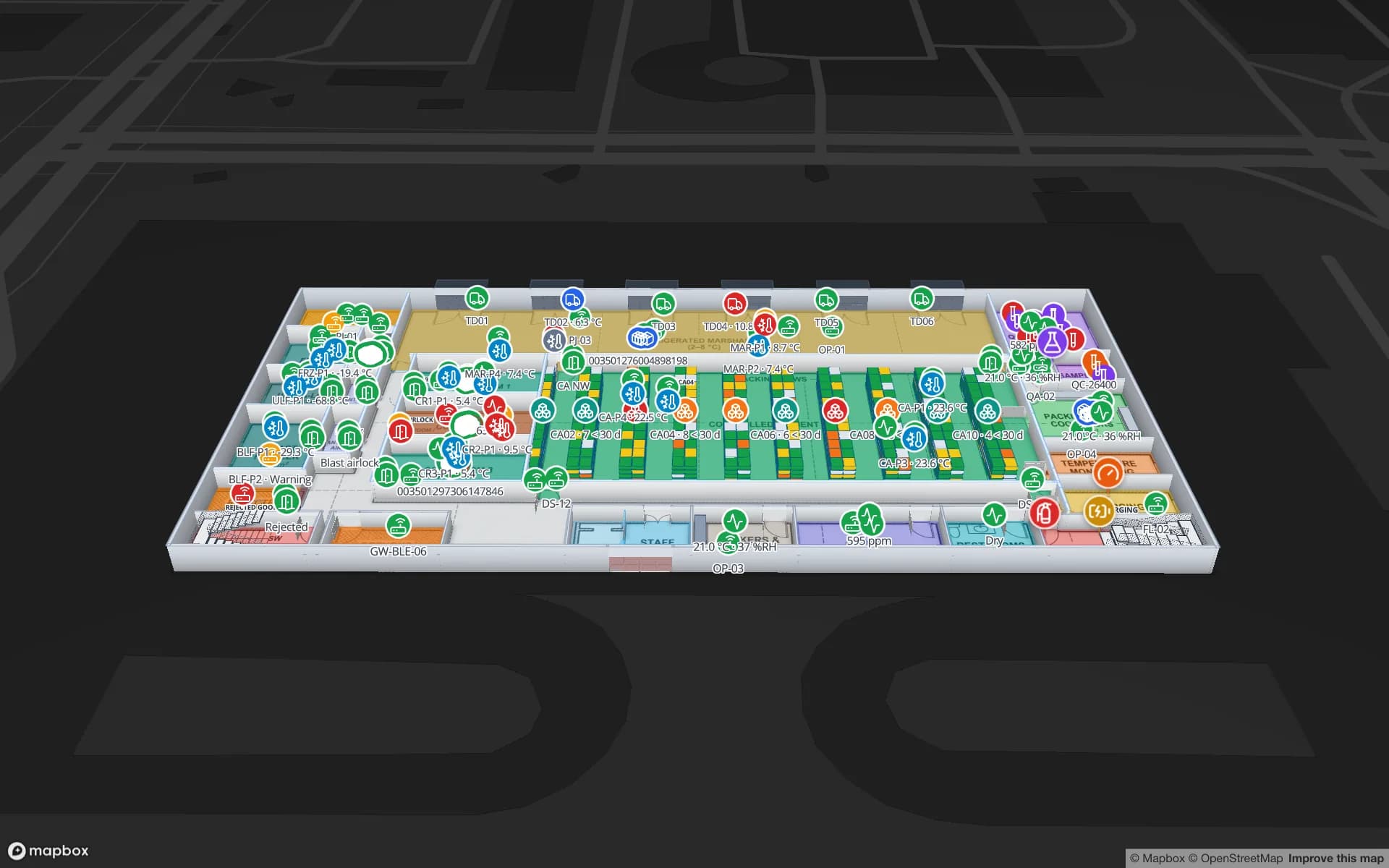
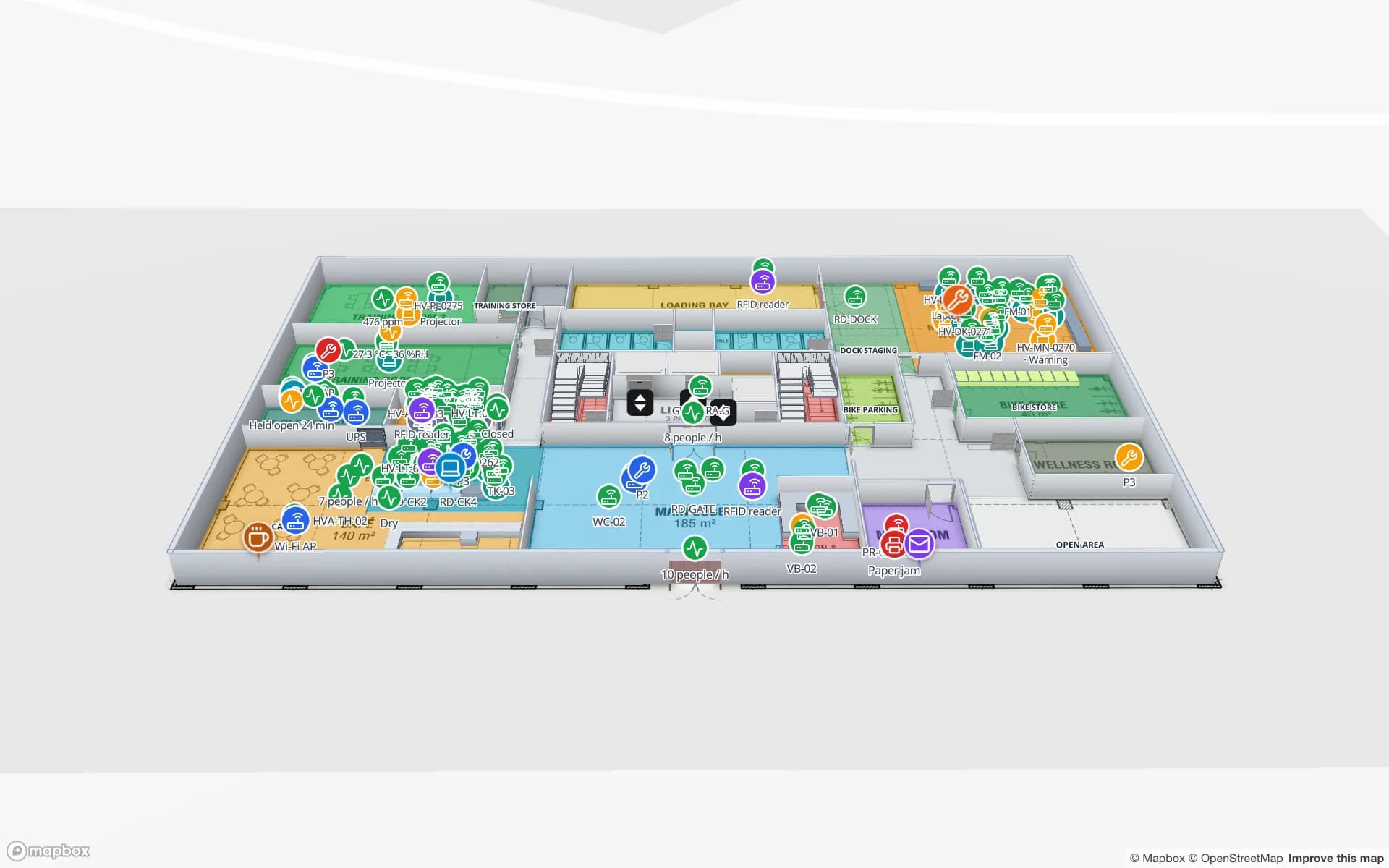
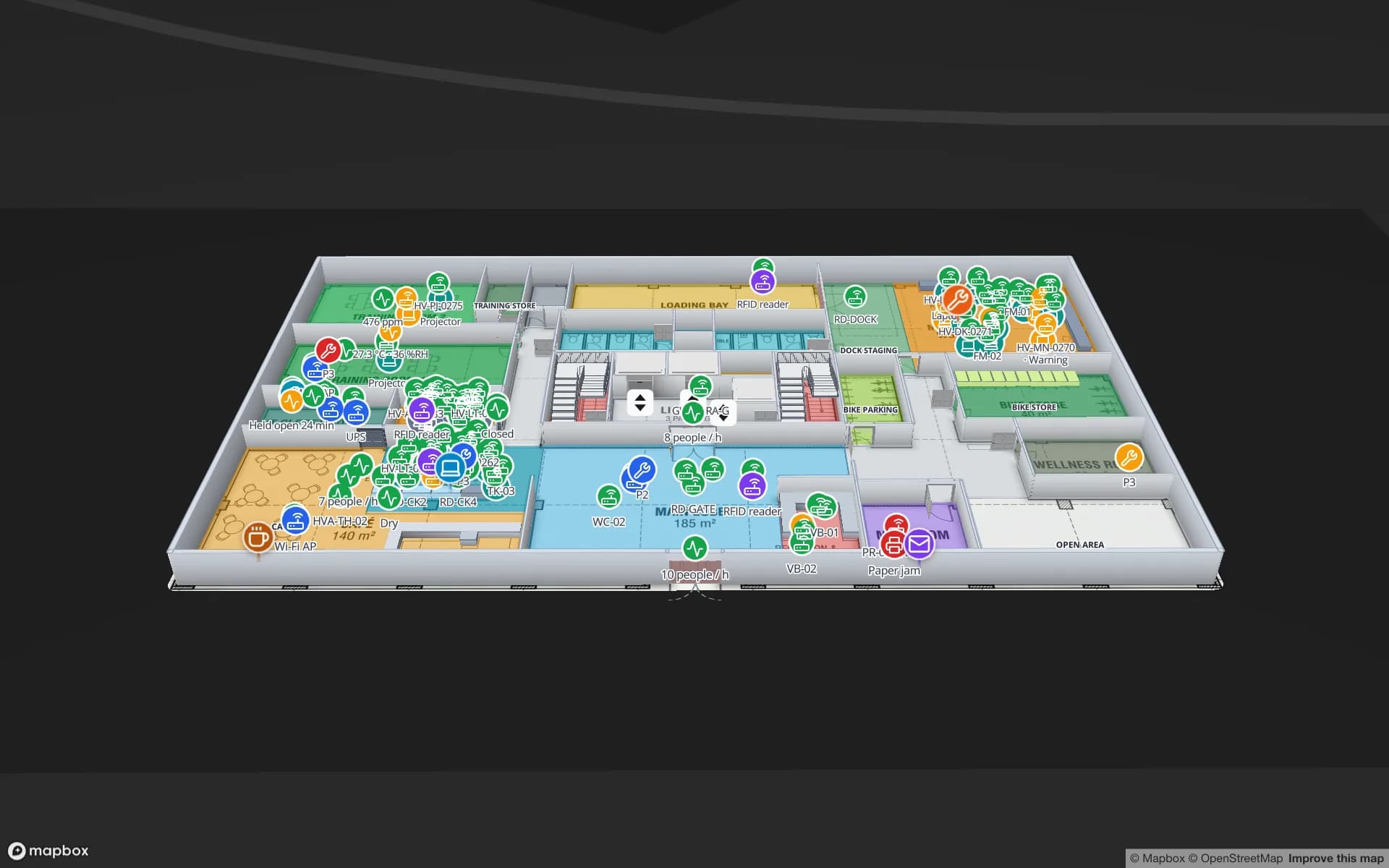
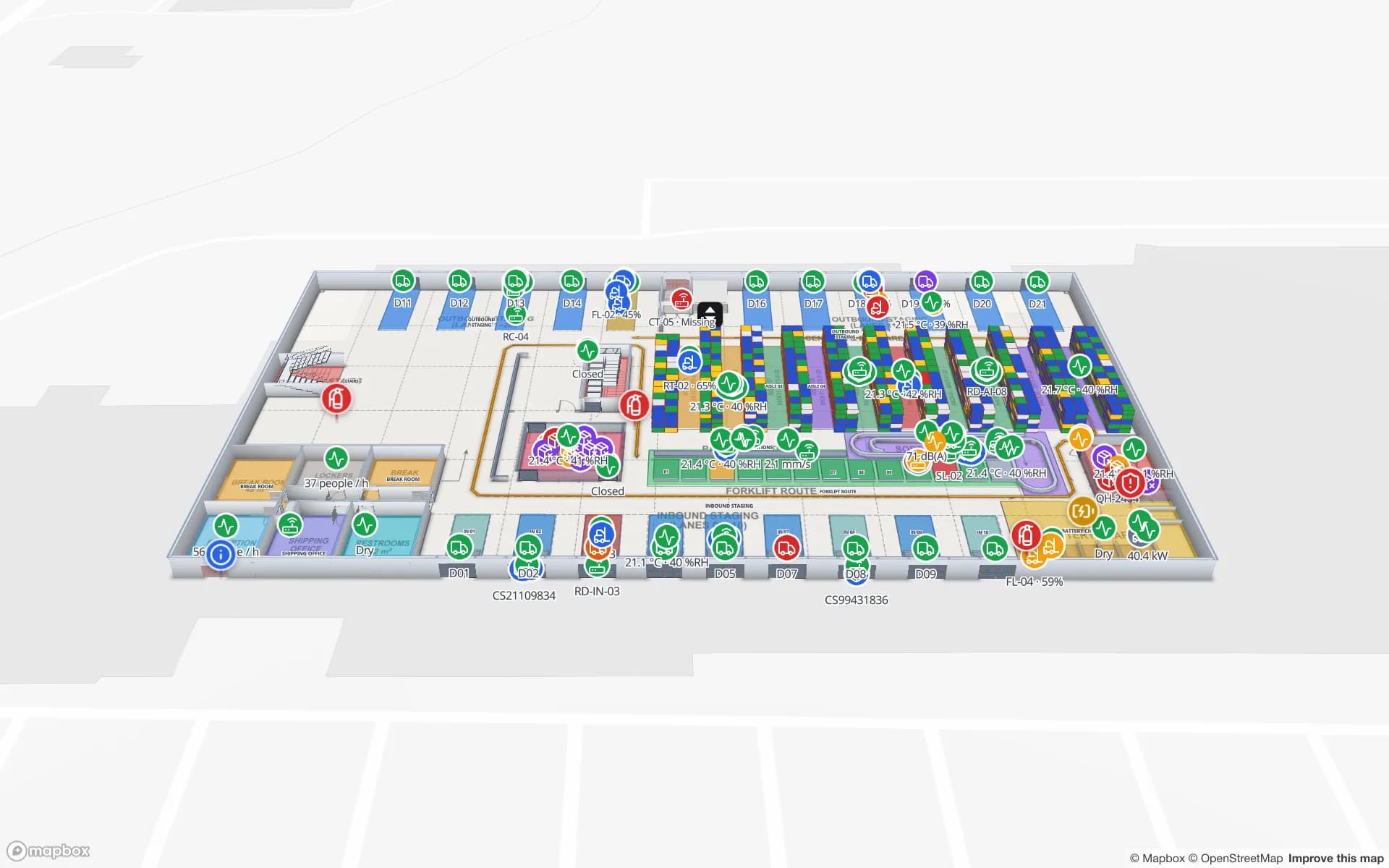
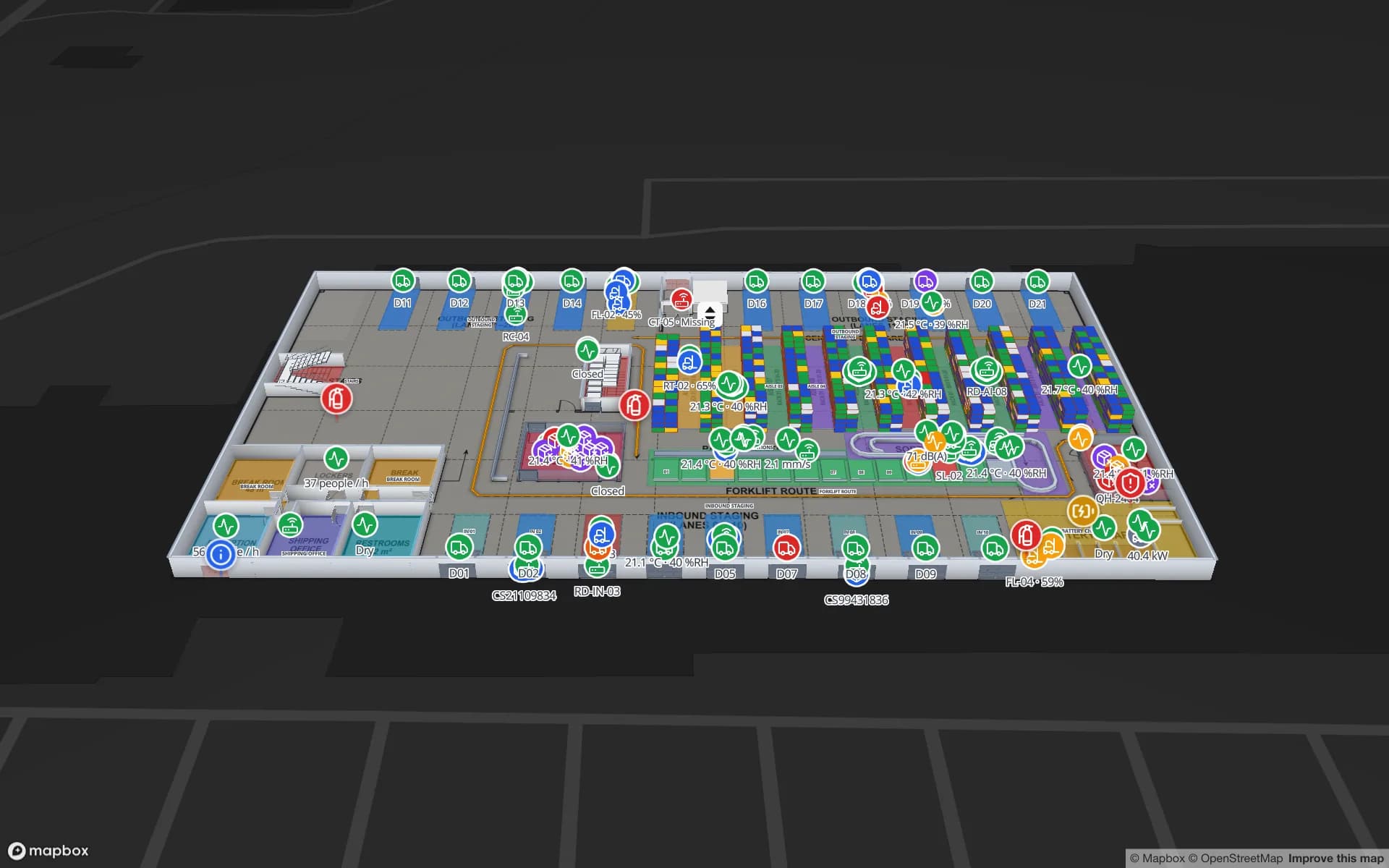
Eastport Cross-Dock Freight Hub, a cross-dock & trailer yard demo, in the Spatial Map 3D viewer with live device markers
Eastport Cross-Dock Freight Hub
Eastport Cross-Dock, a demo freight hub: 50 dock doors, 44 yard slots and 1,180 RFID pallets, with the gate and weighbridge.
Dock doors in the Eastport cross-dock demo
50
RFID pallets moving through Eastport
1,180
How often alert rules are checked, with alerts shown in the app
15 s
Free trial, up to 5 facilities, no card
7 days

The port, and the sheds behind its gates

The Halifax Port Authority is a federally regulated Crown corporation created on 1 March 1999; the South End Container Terminal opened in 1969 and the Fairview Cove terminal in 1982, and a national railway serves the authority’s facilities. The Pier 21 museum stands in the Halifax Seaport area, a reminder that the same waterfront also handles passengers. Descriptions of the harbour call it deep and ice-free with minimal tides.

Cargo does not stay at the pier. Containers are unstuffed, split and re-stuffed in transload sheds, and the Halifax Partnership describes Halifax as a transload hub for imports bound for the US midwest and central Canada. In a shed, RFID portals at the dock doors answer the daily questions: which pallets came out of which container, which lane they are in and which trailer is waiting. The Eastport demo shows 50 dock doors and 1,180 RFID pallets on one map. Spatial Map does not connect to port or terminal systems; it shows what your own reads say.
Burnside: the business park that trucks built

The municipality’s listing calls Burnside Industrial Park in Dartmouth the largest business park in Atlantic Canada, next to five 100-series highways and with the largest concentration of truck transportation in the region; it was formally opened in December 1969. Next to it, the Atlantic Gateway – Halifax Logistics Park is a transload facility tied to the port.

Parks like that are full of mid-sized buildings from different decades, where the best drawing may be a scanned plan or a CAD file nobody opened in years. Upload it as it is: PDF, DWG (AutoCAD R2004–R2018, placed as a picture) or an image, align it and let AI Map draft walls, doors, racks and areas for a person to review. AI Map is available on paid plans and the trial, with a monthly limit. Then add RFID where it pays back first: returnable pallets and crates, staged outbound loads and the high-value cage. The post on RFID warehouse rollout shows the sequence.

Seafood by air: tags, ice and wet cartons

According to Transport Canada, Halifax Stanfield International Airport handles over 70 % of Atlantic Canada’s air cargo exports, with high-quality, time-sensitive seafood the largest category; the same release funded an Air Cargo Logistics Park with easy access to the highway system and the Burnside Business Park. Time-sensitive seafood puts a clock on every carton: it must get from a plant to the cargo build-up area and onto an aircraft before the cut-off.

RFID can follow a carton from packing to the airside door, but wet, cold and metallic packaging is hard on tags. Test tag types and placement on your own cartons and in your own cold room; the post on RFID tags for metal, liquids and apparel lists what to check, and cold storage temperature monitoring covers the sensor side. Spatial Map shows whatever your readers and probes report, with the history to replay a late night; it makes no food-safety or compliance claim.

Salt air, fog and the readers that go quiet

Coastal sites have their own failures: a reader enclosure that has taken salt spray, a cable run through a wet door, an antenna knocked by a forklift. The map cannot fix that, but it can notice it. An alert rule on “not updated for N minutes” on the reader table raises an in-app alert when a portal stops reporting, so a quiet door is a line on the Alerts page, not a surprise at the audit. There is no email or SMS; alerts live in the bell, the toast and the Alerts page.

Services for teams in Halifax

Halifax teams usually start in one of three places:

  • Transload sheds and freight forwarders start with inventory tracking at dock doors, because a lost pallet there costs a sailing or a flight.
  • Burnside operators and truck depots begin with asset tracking for returnable pallets, trailers and equipment, then add RFID for stock.
  • If you have no readers or tags yet, our team can source RFID readers, antennas and tags on request, quoted per project, with warranty and device support from the manufacturer: see RFID readers and tags.
  • Handheld apps, ERP and WMS integrations are built as client projects, for example an RFID inventory system or Android RFID handheld apps. Run it as cloud or on-premises.

Also served nearby

The same page covers Dartmouth, Bedford, Sackville and Lower Sackville, the Aerotech Business Park beside the airport, and the industrial areas along the Highway 102 and 118 corridors. The map opens in a browser at any of them.

How Spatial Map does it

From the pier to the dock door

  1. 01

    Pick one building

    A transload shed, a Burnside warehouse or an airport-side cargo area — wherever a missing carton costs most.

  2. 02

    Map doors, lanes and racks

    Upload the plan, photo or sketch, let AI Map draft the floor, and name read points the way your middleware names them.

  3. 03

    Connect reads and stock

    RFID middleware and your ERP post rows through the table write API, a polled REST endpoint or CSV and Excel uploads.

  4. 04

    Add door and silence rules

    In-app alerts for cartons staged too long, short loads before cut-off and readers that stopped reporting.

What Halifax teams track

Transload sheds and cross-docks

Dock doors, yard slots and pallets staged for the right trailer or container.

Burnside warehouses

Rack-level stock by bin with RFID at the doors.

Seafood and cold rooms

Zones, doors and held cartons coloured by live temperature.

Returnable pallets and equipment

Last-seen zone and overdue returns on one register.

See it on real demo facilities

Fictional names, real floor plans, live sensors, RFID, BLE tags and gateways — open any of them in the browser.

All 13 demo facilities

RFID tracking in Halifax — questions we get

No. It has no link to port or customs systems. It shows what happens inside your own building, from your own RFID reads, WMS or ERP and sensors, so it complements the port-level systems rather than replacing them.

Sometimes. Wet, cold and metallic packaging all affect tags, so test tag types and placement on your own cartons and in your own cold room before you buy at scale. Spatial Map shows whatever your readers report, and it makes no food-safety claim.

Yes. Upload the scan or a photo and align it at real size, or sketch the outer walls and racks and photograph the sketch. AI Map can draft from the picture, and you correct what it gets wrong.

Yes. Your developers can push rows to a table through the write API (HTTPS, bearer API key, bulk upsert, 60 requests per minute per key), or expose a REST endpoint that Spatial Map polls. If you would rather not build it, our team does integrations as client projects.

No. Spatial Map is sold online and our team works with customers in Canada remotely, by video call and through the contact form, in English or French. There are no local resellers or partners.

In US dollars, the same worldwide: a 7-day free trial for up to 5 facilities with no card, then Pro at $60 a month or $600 a year for up to 4 facilities. RFID hardware, if you ask us to source it, is quoted per project and is not part of the subscription.

Map one Halifax dock before the next sailing.

Start the free trial and open the Eastport demo, or send us the plan of a transload shed or warehouse and a sample of your reads through the contact form.