San José · Free-zone plants, the Alajuela airport belt, Caldera and Route 32

Asset tracking in San José, from the tool crib to the trailer yard

Spatial Map shows where tagged equipment, tooling, instruments and returnable containers are on a live 3D map of each building, using the reads and positions your RFID and BLE systems already produce. Asset tracking in San José covers three kinds of place: plants in the free-zone parks of the Central Valley, depots and yards along the roads to the Pacific and Caribbean ports, and the office and campus buildings of the capital. Each building is its own facility, and all of them can sit in one workspace.

No credit card. Runs in the browser. Pro is $60/month for up to 4 facilities. Book a demo

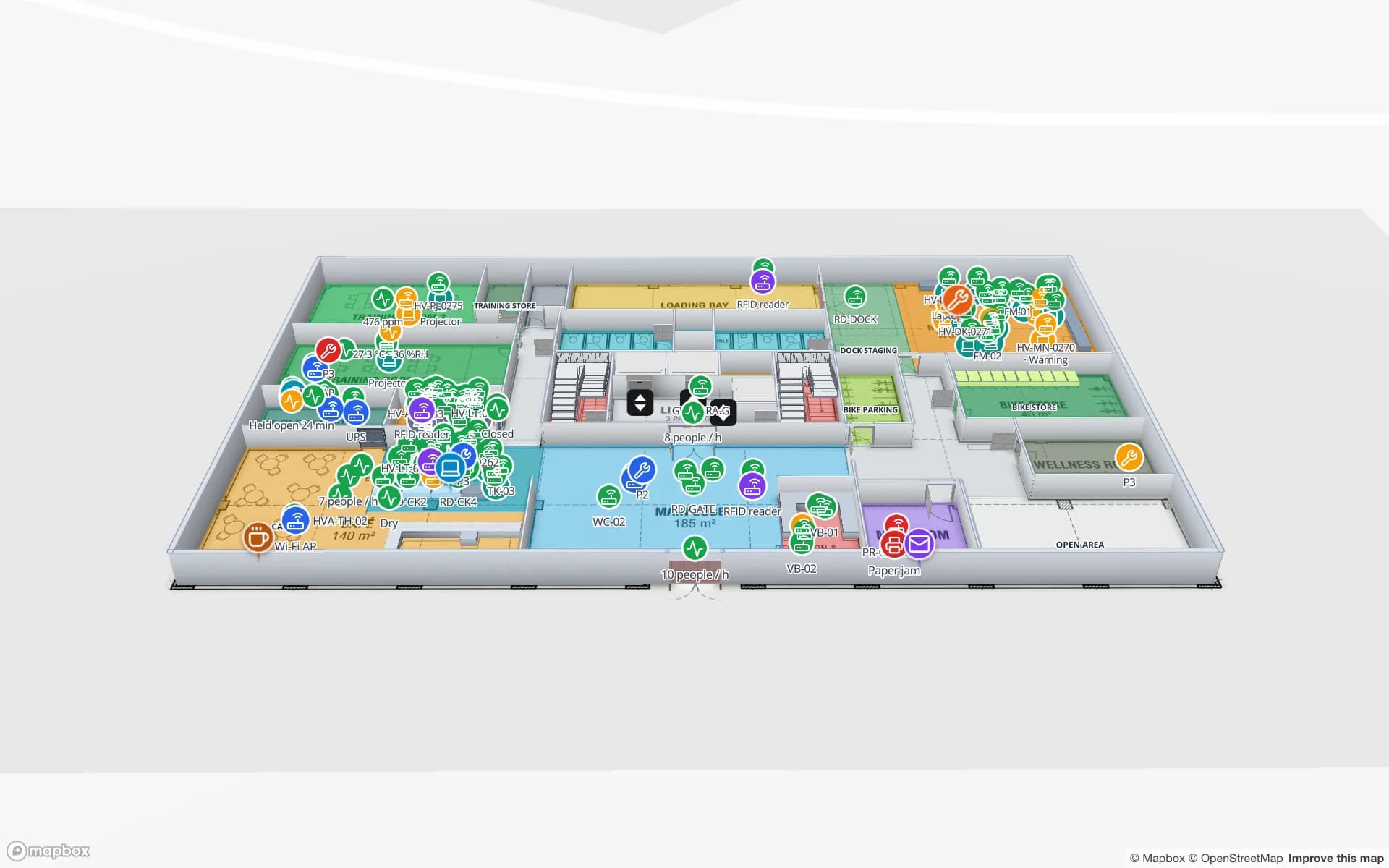
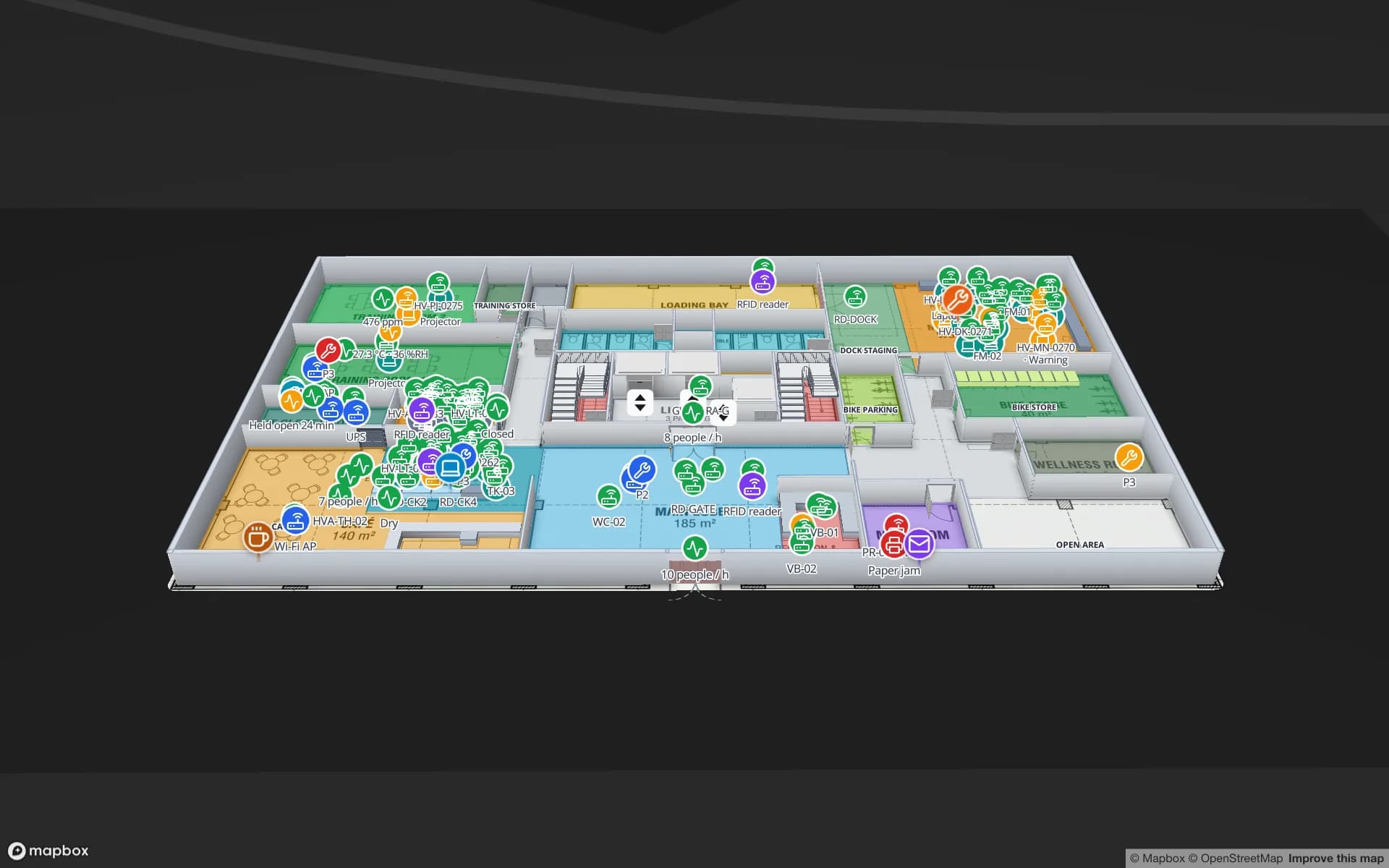
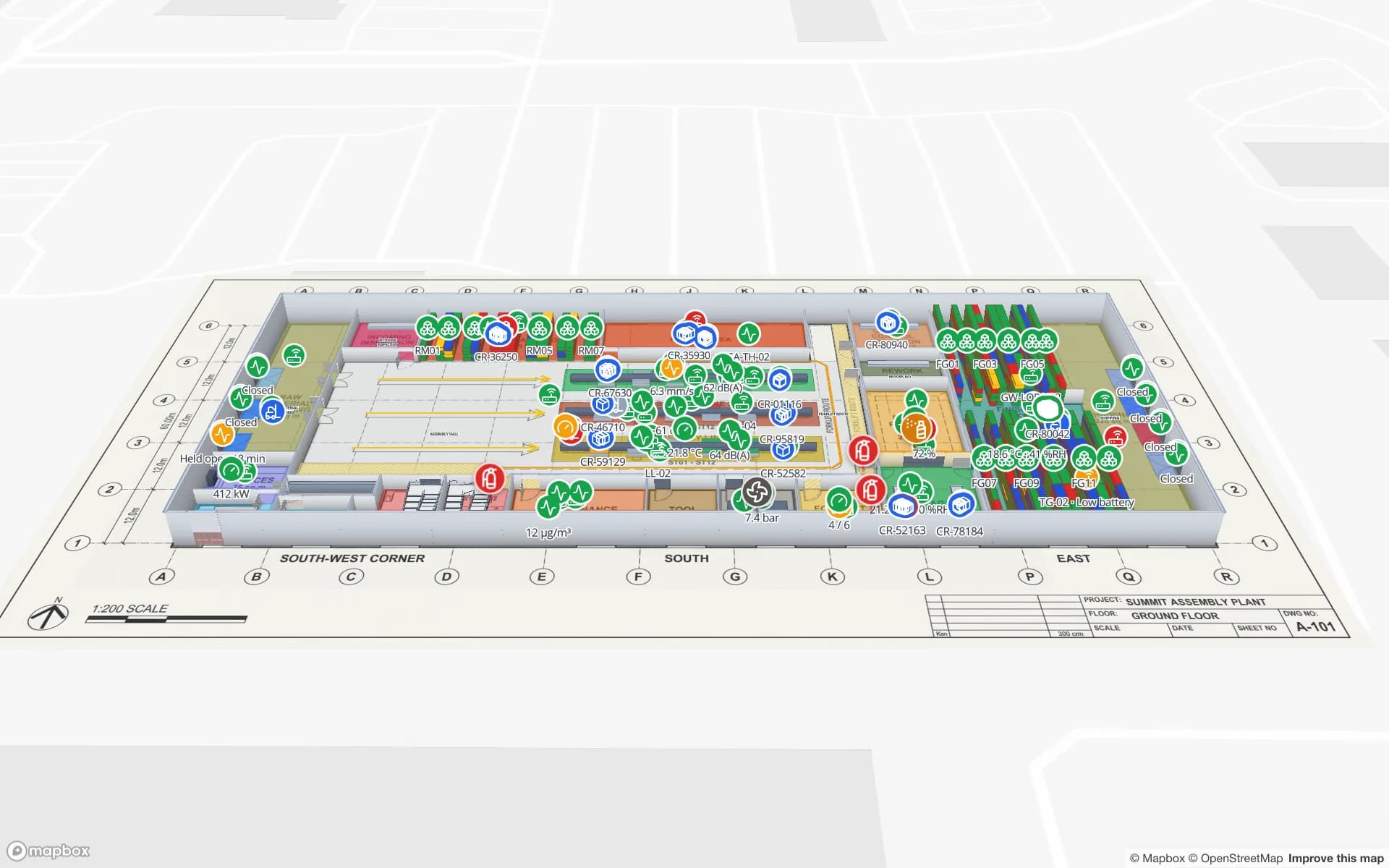
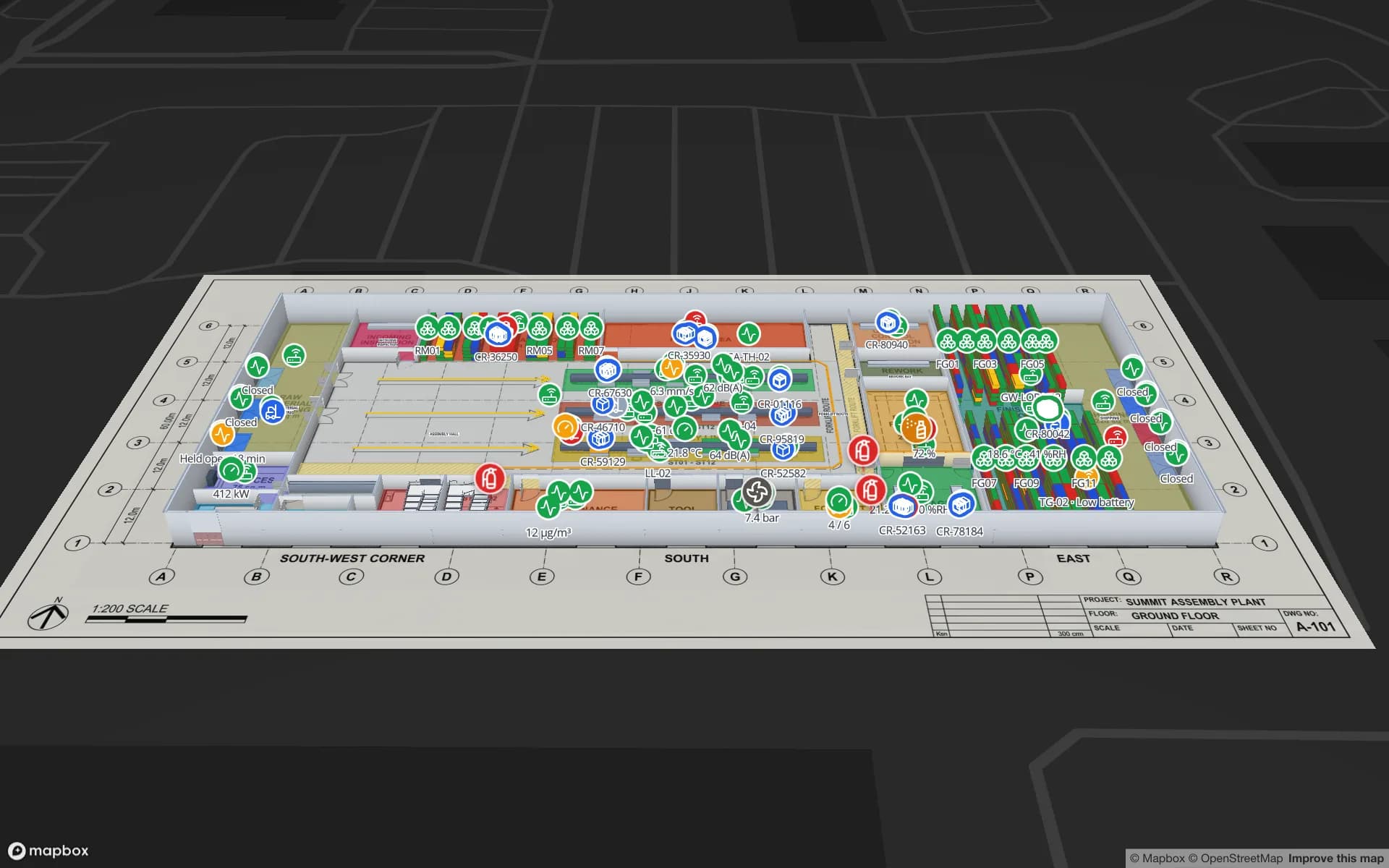
Summit Assembly Plant, a assembly plant demo, in the Spatial Map 3D viewer with live device markers
Summit Assembly Plant
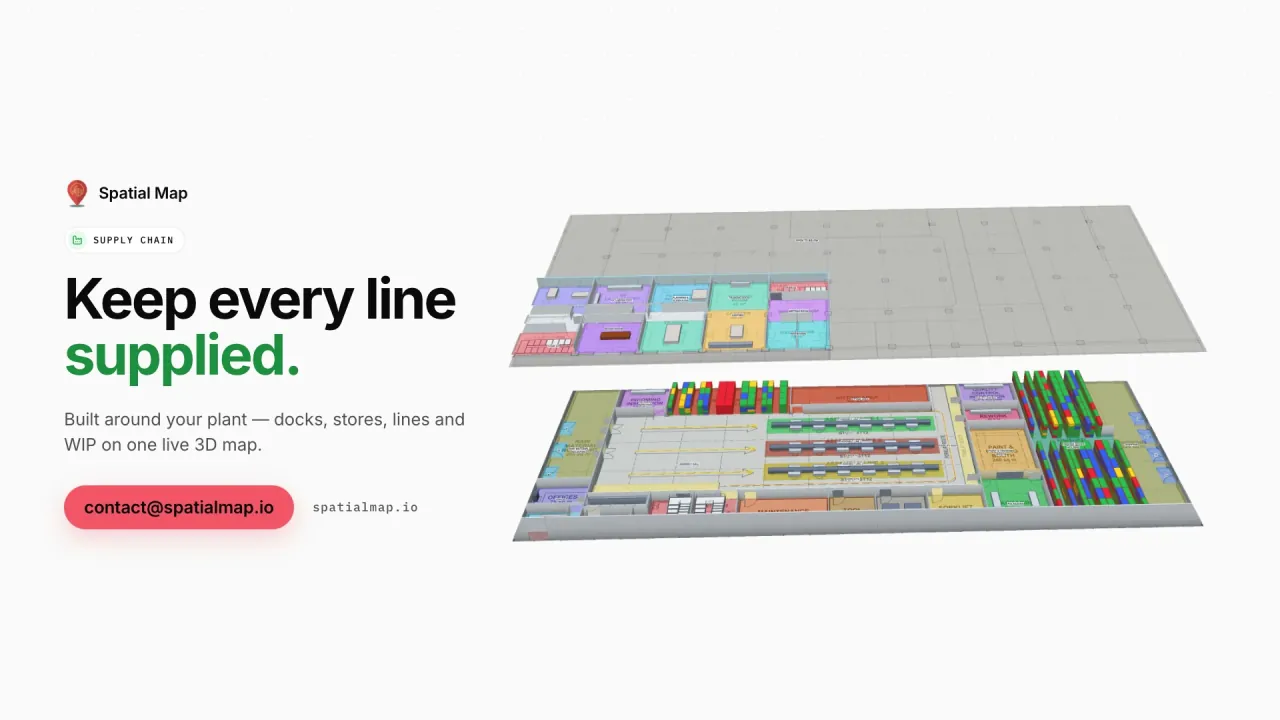
Summit Assembly Plant, a demo plant: lines and workstations, WIP carriers read by RFID between stations, and 867 rack locations for raw materials and finished goods.
Rack locations in the Summit assembly-plant demo
867
Floors in the Harborview office demo
3
How often alert rules are checked, with alerts shown in the app
15 s
Free trial, up to 5 facilities, no card
7 days

Tools, fixtures and instruments in a free-zone plant

PROCOMER reported in December 2025 that 84 % of Costa Rica’s manufacturing exports came from free trade zones, mostly medical devices, needles and catheters, prosthetics and diagnostic equipment. The plants behind those figures are asset-heavy in a particular way: dies, fixtures, gauges and measuring instruments that are small, shared between lines and expensive to lose, and that must be in the right place, and in the right state, before a run starts.

Keep the register as a table, with tag ID, owner, home store, status and a next-calibration-due date, and draw the plant so each store, crib and line is an area. RFID tags read at the crib door, or BLE tags with gateways named after the rooms, tell your system where each item is last seen. A style rule colours items that are overdue for return or due for calibration, and a count rule raises an in-app alert when a line has fewer fixtures than its plan. The RFID tool tracking page covers the crib pattern; the Summit demo shows lines, workstations and rack locations on one plant map. Calibration status stays in your quality system; the map shows what you send it and makes no compliance claim.


The airport belt in Alajuela

Juan Santamaría International Airport, which serves San José, is not in the capital: it lies in Alajuela province, about 20 km north-west of the centre. Several life-sciences plants are in the same province, so the stretch between the airport and the free-zone parks is where finished goods and returnable shipping containers change hands.

For a plant that ships by air, the assets that matter are the reusable ones: insulated shippers, totes, pallet pools and the carts that move them between packing and the dock. Tag each with UHF RFID, read it at the despatch door, and the map shows which containers are staged, which are out and which are overdue back. The RFID gates page explains how to place readers at a door, and the post on RFID tags for metal, liquids and apparel lists what to test on your own packaging first.

Caldera, Route 32 and the assets on the road

The Pacific port of Caldera is 78 km from San José. The Caribbean terminal at Moín is reached by Route 32, the main freight road to Limón, which the Tico Times reported shut again by landslides and debris on 31 December 2025, after earlier closures that year in August and November. When a road closes, trailers, chassis and returnable containers stop where they are, and a depot manager’s first question is which ones are in the yard.

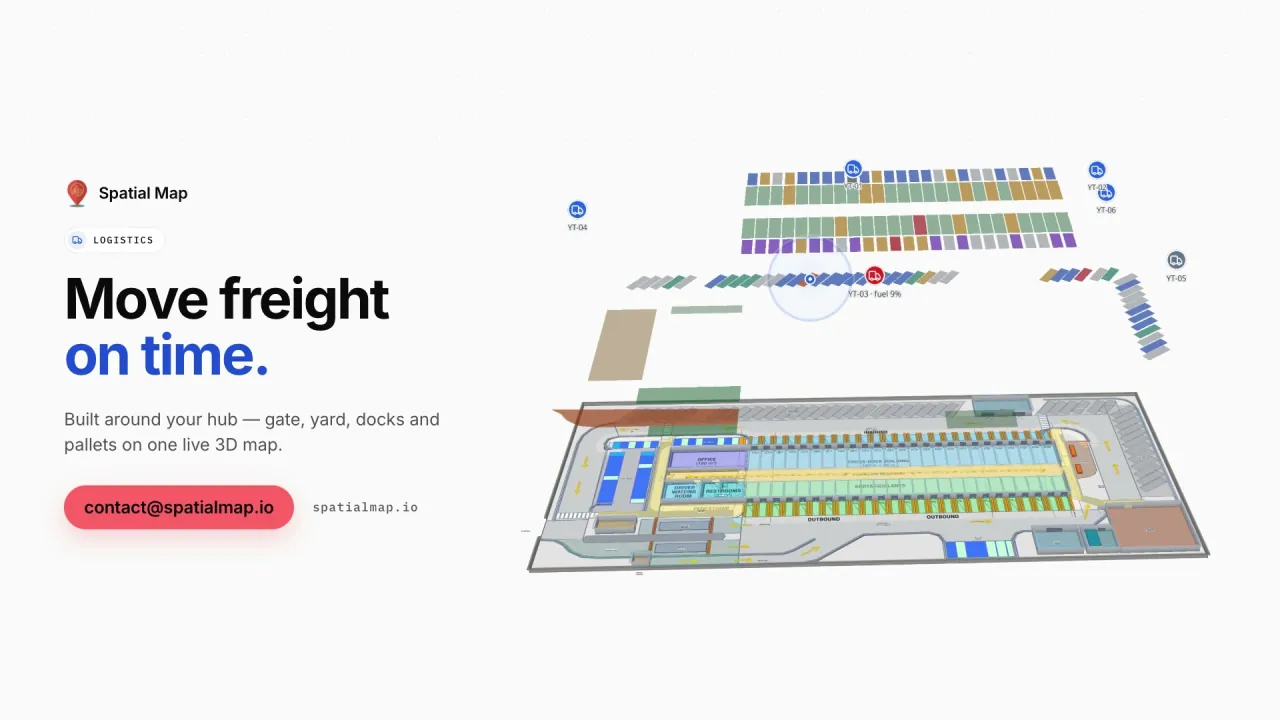
Map the depot’s yard slots, gate lanes and dock doors, tag trailers and containers, and colour each slot by dwell. An alert rule fires in the app when a unit has waited longer than you set, checked every 15 seconds, and the History player shows how long a trailer sat during a closure for the conversation with a carrier. The Eastport Cross-Dock demo has 50 dock doors and 44 yard slots on one map, and the yard visibility guide lists the data you need.

Offices, campuses and shared kit in the capital

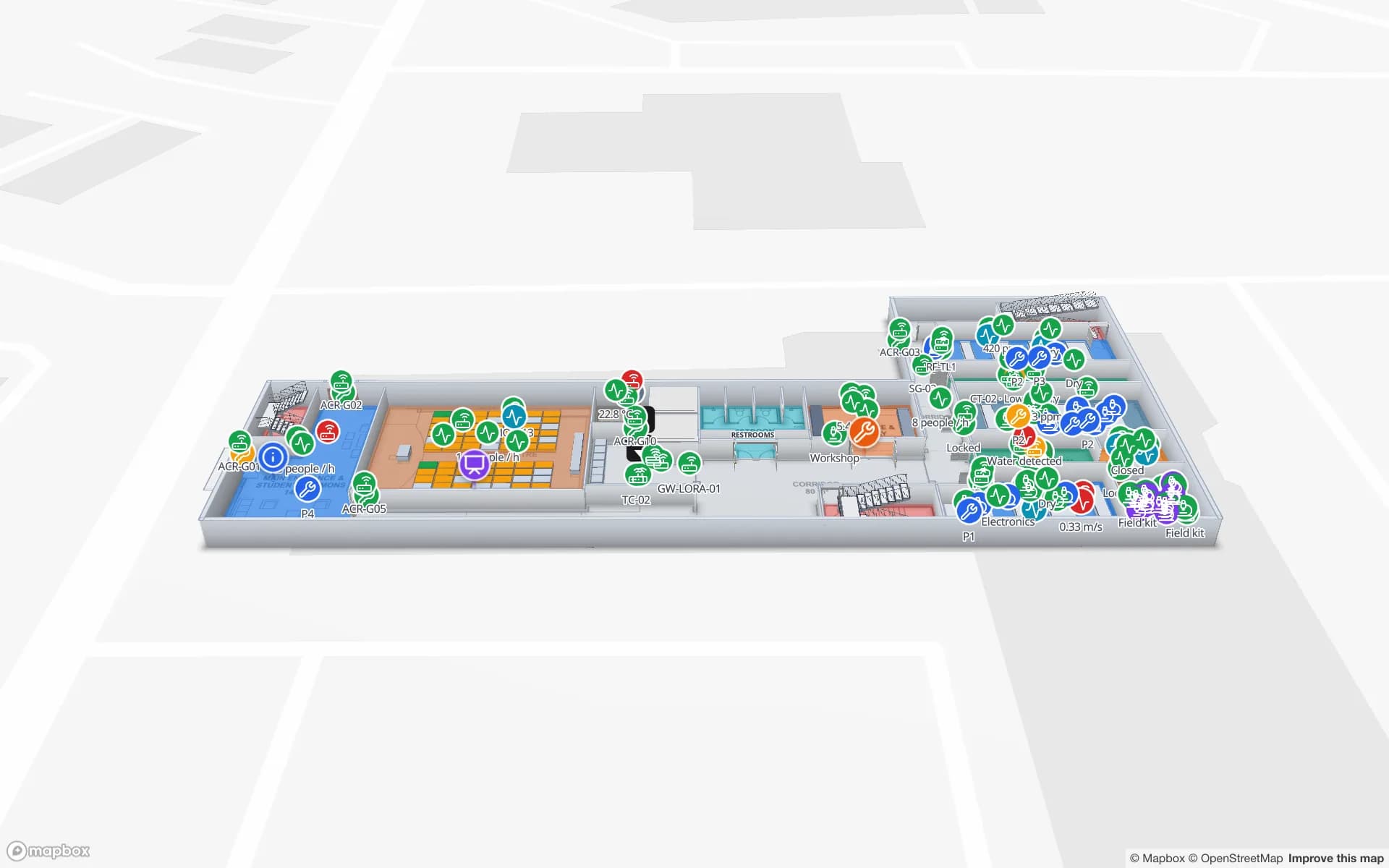
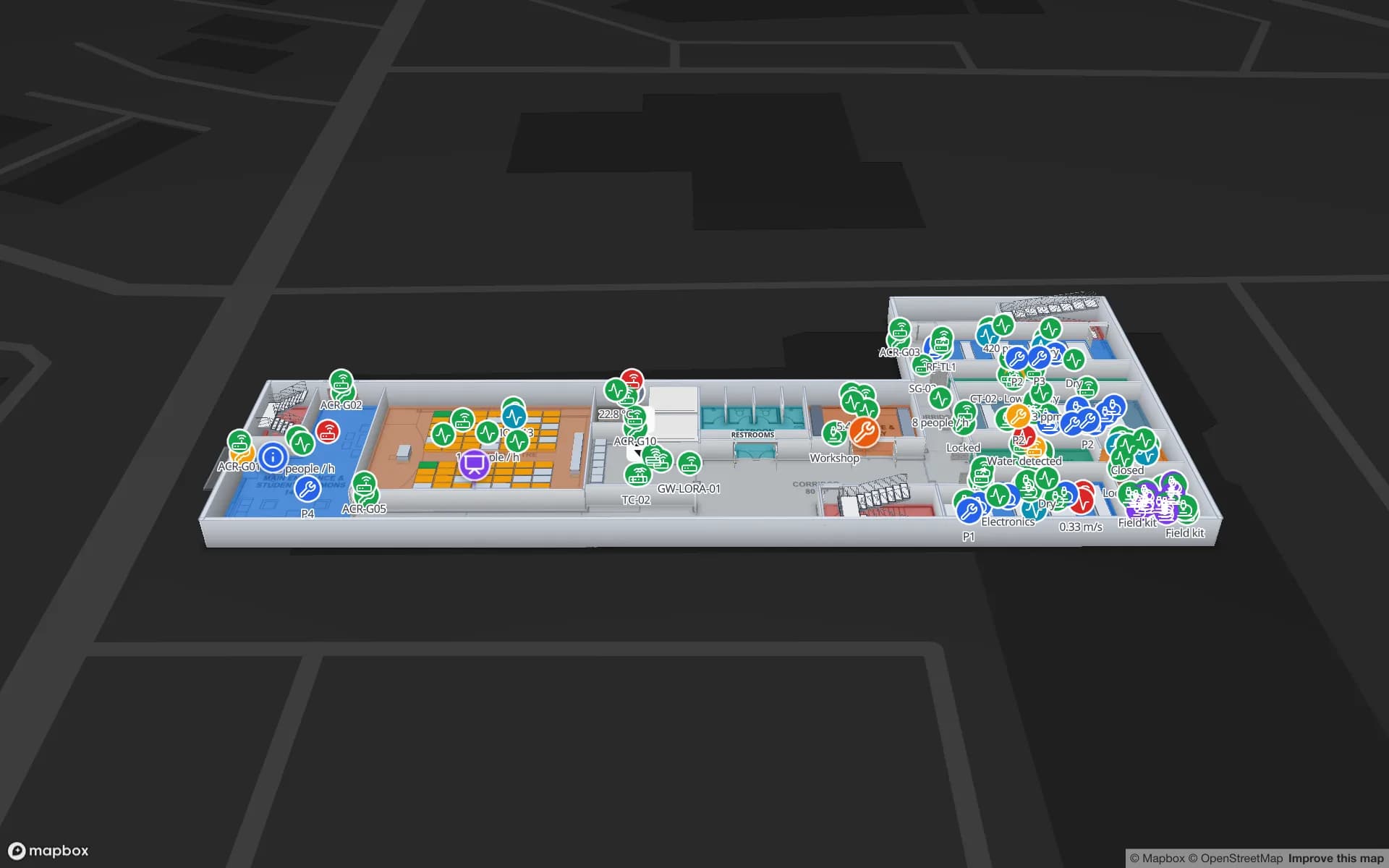
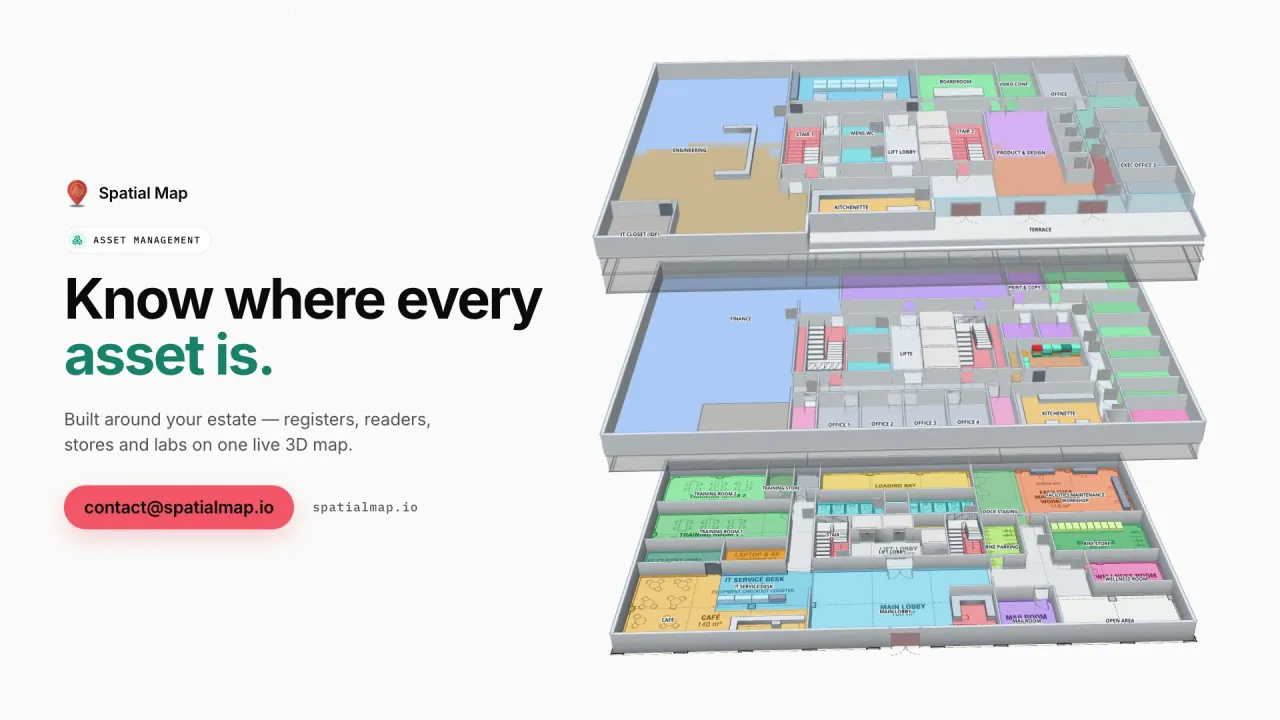
San José’s office buildings and university campuses have the opposite problem: assets that are portable and shared, spread over several floors. Laptops, meeting-room kit, loan equipment and lab instruments are usually audited rather than live-located. An RFID handheld walk updates the register room by room, a reader at the store door catches what leaves, and the map shows each floor with its assets by room. The Harborview demo shows equipment check-out, stores and spares on three floors, and the RFID asset management page walks through an audit.

Services for teams in San José

Where teams in the capital region usually start:

  • Free-zone plants start with asset tracking for fixtures, instruments and reusable containers, then link it to inventory tracking for components.
  • Depots and yards start with trailers and containers by dwell time, and add RFID at the doors.
  • RTLS and UWB is for large plants and yards that need continuous positions of vehicles or people; a BlueIOT server connects directly and other engines through the write API.
  • If you have no tags or readers yet, our team can source them on request, quoted per project, with warranty and device support from the manufacturer: see hardware and demo kits on request.
  • Asset back offices and ERP integrations are built as client projects, for example an asset management system. The product runs as cloud or on-premises.

Also served nearby

The same approach covers Alajuela and the airport area, Heredia, Cartago, Escazú, Santa Ana and Belén, and the free-zone parks of the Central Valley. Nothing needs to be installed at any of them: the map opens in a browser.

How Spatial Map does it

Building a San José asset map

  1. 01

    Load the asset register

    Upload a CSV or Excel list of fixtures, instruments or containers with tag IDs, owners, home stores and due dates as a table.

  2. 02

    Draw stores, cribs and lines

    Upload the plan, let AI Map draft the floor, and name each area the way your gateways and readers name it.

  3. 03

    Feed the reads

    RFID middleware and BLE gateways post rows through the table write API, or Spatial Map polls a REST endpoint.

  4. 04

    Add overdue and dwell rules

    In-app alerts for items overdue back to the crib, containers out too long and trailers waiting past their slot.

What San José teams track

Fixtures, dies and instruments

Last-seen store or line, owner and due dates, with overdue items coloured.

Reusable shipping containers

Totes and insulated shippers read at the despatch door and back in.

Trailers and yard slots

Dwell by slot, with alerts when a unit waits too long.

Office and campus equipment

A register by room and floor, audited by handheld walk.

See it on real demo facilities

Fictional names, real floor plans, live sensors, RFID, BLE tags and gateways — open any of them in the browser.

All 13 demo facilities

Asset tracking in San José: questions we get

Yes, as data. Keep the due date as a field in the asset table and add a style rule that colours items that are overdue or due soon; an alert rule can notify in the app. The calibration records themselves stay in your quality system, and Spatial Map makes no compliance claim.

Usually not first. Most plants start with RFID or BLE read points at store doors and line entries, which answers “which area was it last seen in”. Continuous positions need UWB anchors and are worth it mainly for forklifts or people in large halls. See RTLS and UWB.

It shows what is already in your yard: which trailers and containers are on which slot and for how long, and which pallets are staged for them. It does not know about the road, so closures are something your team enters or your system posts as data. Alerts appear in the app only.

No. It has no link to free-zone or customs systems; it shows what your own reads and records say. Those records stay where they are.

No. Spatial Map is sold online and our team works with customers in Costa Rica remotely, by video call and through the contact form, in Spanish or English. There are no local resellers or partners.

In US dollars, the same worldwide: a 7-day free trial for up to 5 facilities with no card, then Pro at $60 a month or $600 a year for up to 4 facilities. RFID hardware, if you ask us to source it, is quoted per project and is not part of the subscription.

Find every fixture before the next run.

Start the free trial and open the Summit demo, or send us the plan of a plant or depot and a sample of your asset list through the contact form.