Edmonton · An inland-port region, the Industrial Heartland and a 24-hour airport

Asset tracking in Edmonton, from the Heartland yard to the airport apron

Spatial Map shows where tagged equipment, tools and containers are on a live 3D map of each building and yard, using the reads and positions your RFID and BLE systems already produce. Asset tracking in Edmonton has a particular shape: a region that describes itself as an inland port, a processing area to the north-east that keeps contractors and equipment pools busy, and an airport cargo apron full of shared ground equipment. Each site is one facility, and all of them can sit in one workspace.

No credit card. Runs in the browser. Pro is $60/month for up to 4 facilities. Book a demo

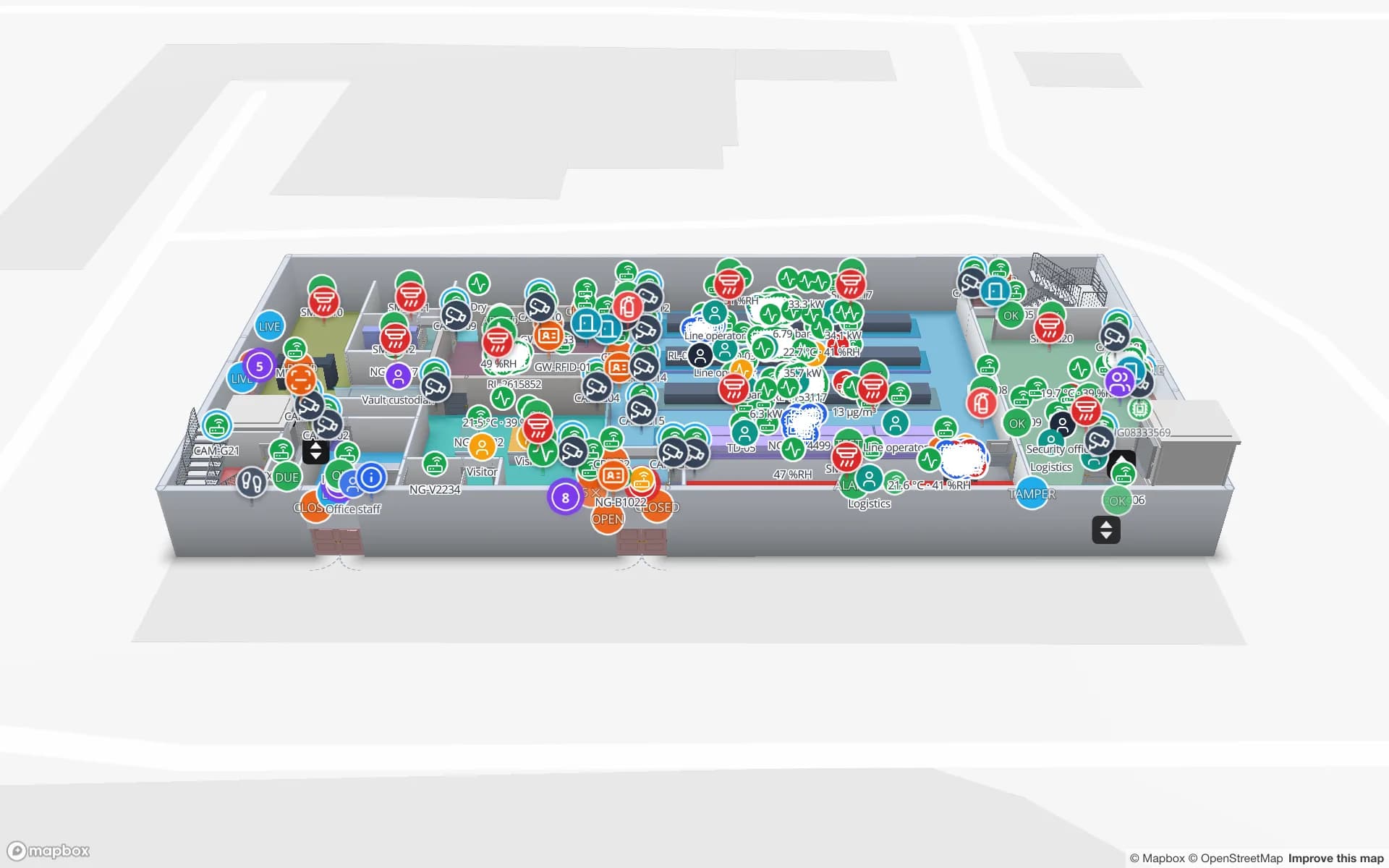
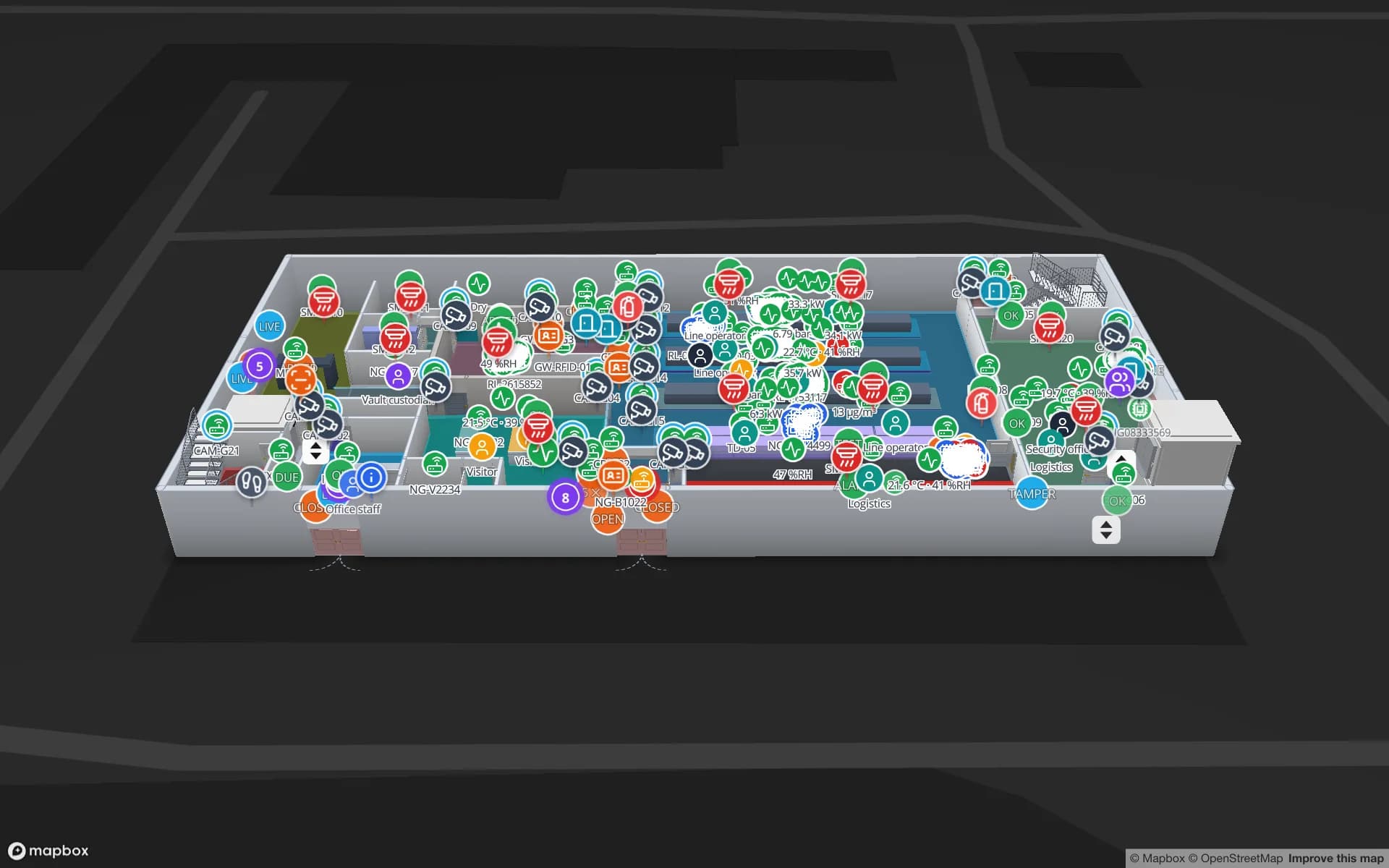
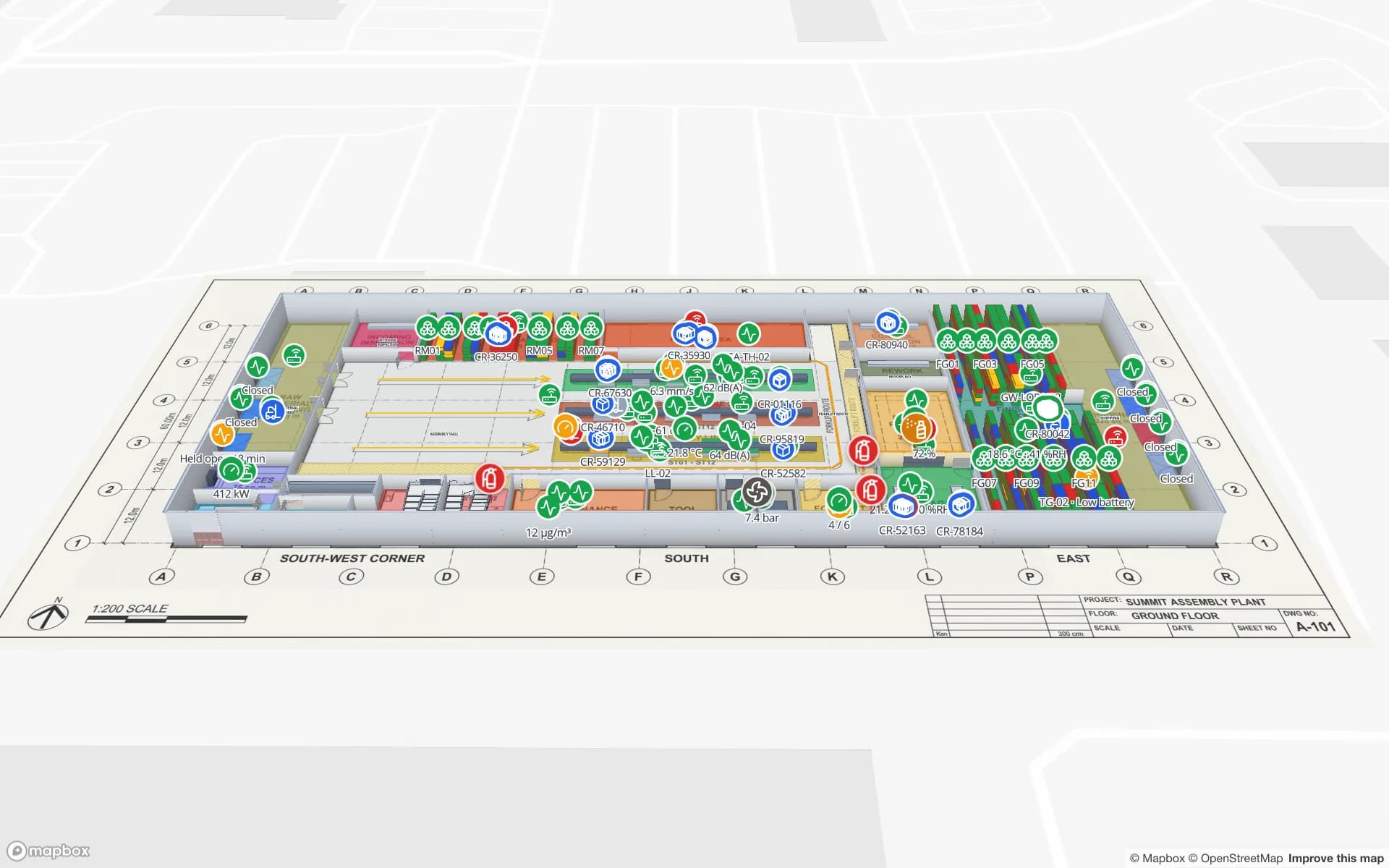
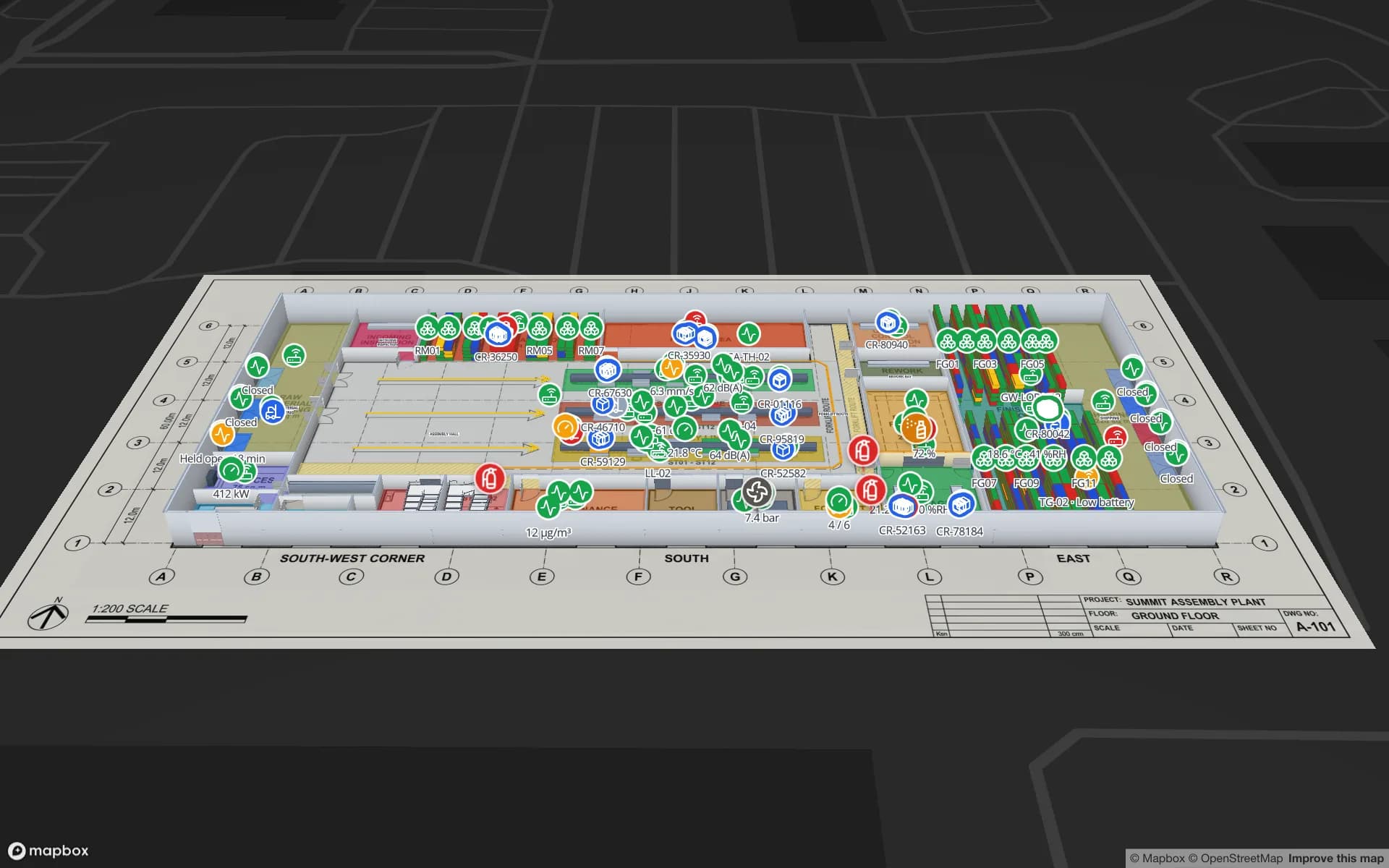
Summit Assembly Plant, a assembly plant demo, in the Spatial Map 3D viewer with live device markers
Summit Assembly Plant
Summit Assembly Plant, a demo assembly plant: lines, workstations, tools and crews located on the shop floor, and 867 raw-material and finished-goods rack locations.
Rack locations in the Summit assembly-plant demo
867
Floors in the Summit demo
2
How often alert rules are checked, with alerts shown in the app
15 s
Free trial, up to 5 facilities, no card
7 days

A whole region designated as an inland port

Edmonton’s regional economic development agency says the entire region is designated Port Alberta, an inland port, and is a Foreign Trade Zone with duty-deferral and export-distribution programmes. It calls the region “North America’s northernmost Region”, where air, rail, pipelines and roadways meet, and says it is linked by rail to the ports of Vancouver and Prince Rupert. Anthony Henday Drive circles the city and ties Highways 2 and 16 to the airport.

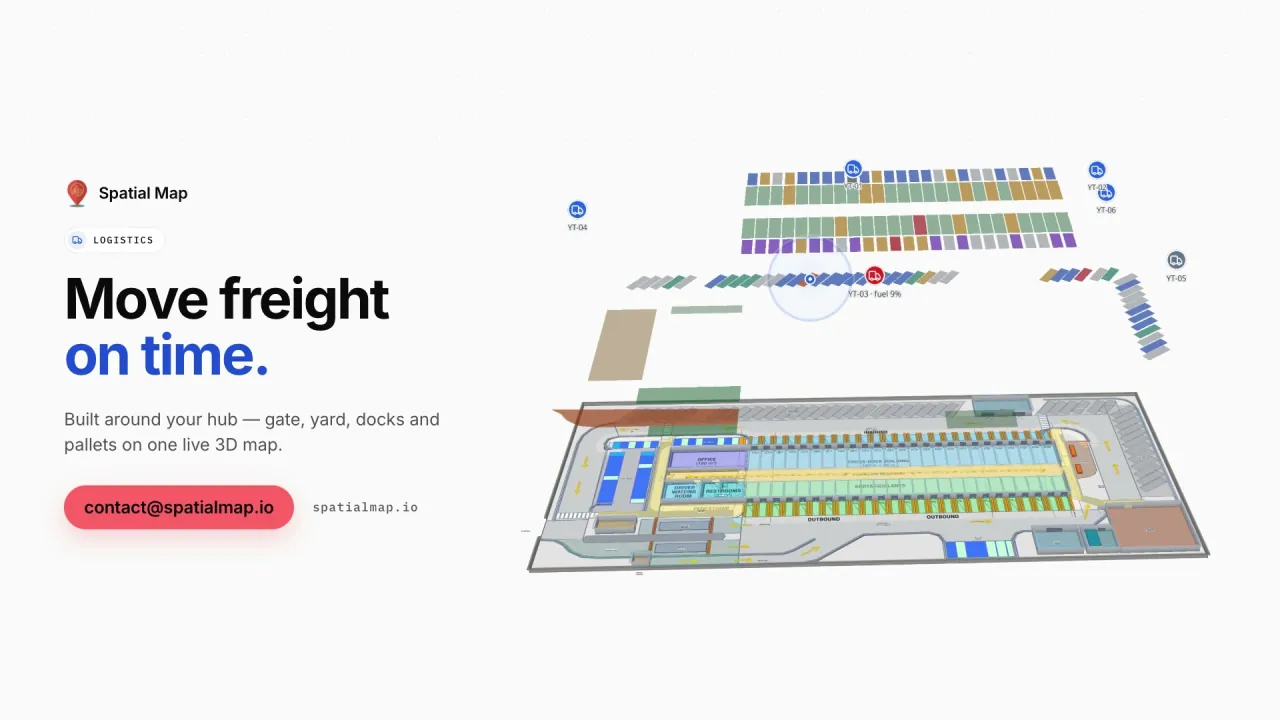
Trade-zone programmes are for your customs broker and accountants; Spatial Map does not connect to customs systems and makes no claim about them. What a region like that adds inside a building is movement: containers, trailers, chassis, pallets and returnable equipment arriving by rail and road, then leaving again. The Eastport demo shows the yard pattern with 44 yard slots, gate lanes and the workshop, and a unit’s last-seen zone is the first thing a yard supervisor asks for.


The Industrial Heartland and the equipment that serves it

The Government of Alberta describes Alberta’s Industrial Heartland as a designated industrial zone of 533 km² across the City of Fort Saskatchewan and the Counties of Lamont, Strathcona and Sturgeon, plus 49 km² in Edmonton’s Energy and Technology Park. It lists “world-scale oil and gas refineries, and chemical and petrochemical facilities” and calls the Edmonton region “Canada’s largest hydrocarbon processing region”.

We only use that as context. The practical point for asset tracking is the work around a processing region: contractors’ laydown yards, rental fleets, pumps and generators, scaffolding, calibrated instruments and tool containers that move between a yard, a shop and a site. A tag on each unit, read at the yard gate, the crib door or by a gateway named after the zone, gives the map each unit’s last-seen place; a table holds the register with owner, home yard, status and the date it is due back, and a style rule colours the overdue ones. RFID tool tracking covers the crib pattern. Spatial Map is a location and register tool. It is not an inspection or certification system, and it makes no claim about hazardous-area ratings: which tags and readers may be used in a classified area is a question for your hardware vendor and safety team.

Cargo Village: the apron’s shared equipment

The agency describes Edmonton International Airport as open 24 hours with no operational restrictions, with a Cargo Village of integrated couriers, cargo handlers, freight forwarders and customs brokers. Round-the-clock cargo handling means a lot of shared equipment shuttling between buildings: dollies, loaders, carts, pallet jacks, unit load devices and pallet nets, and the cages and totes that go with them.

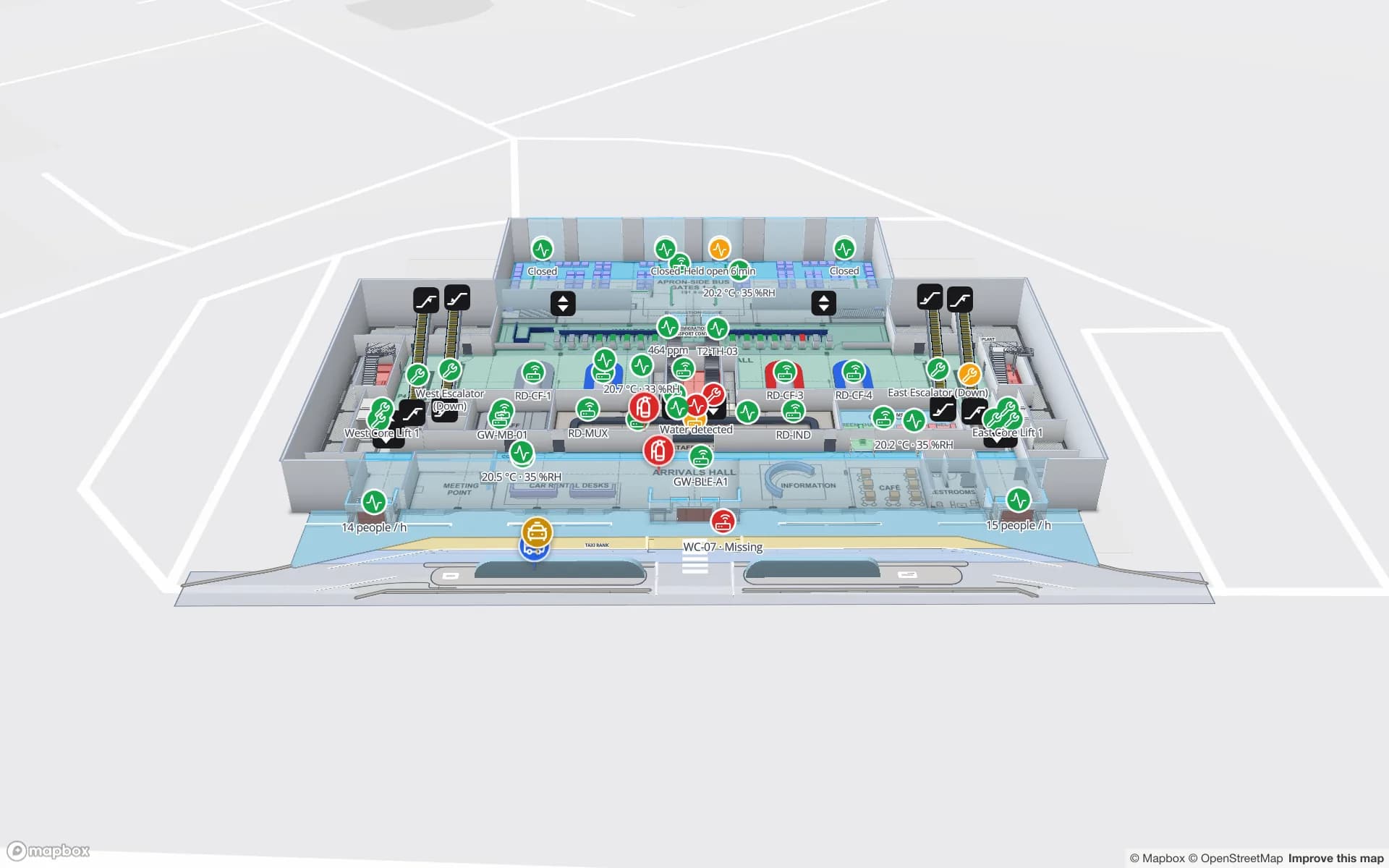
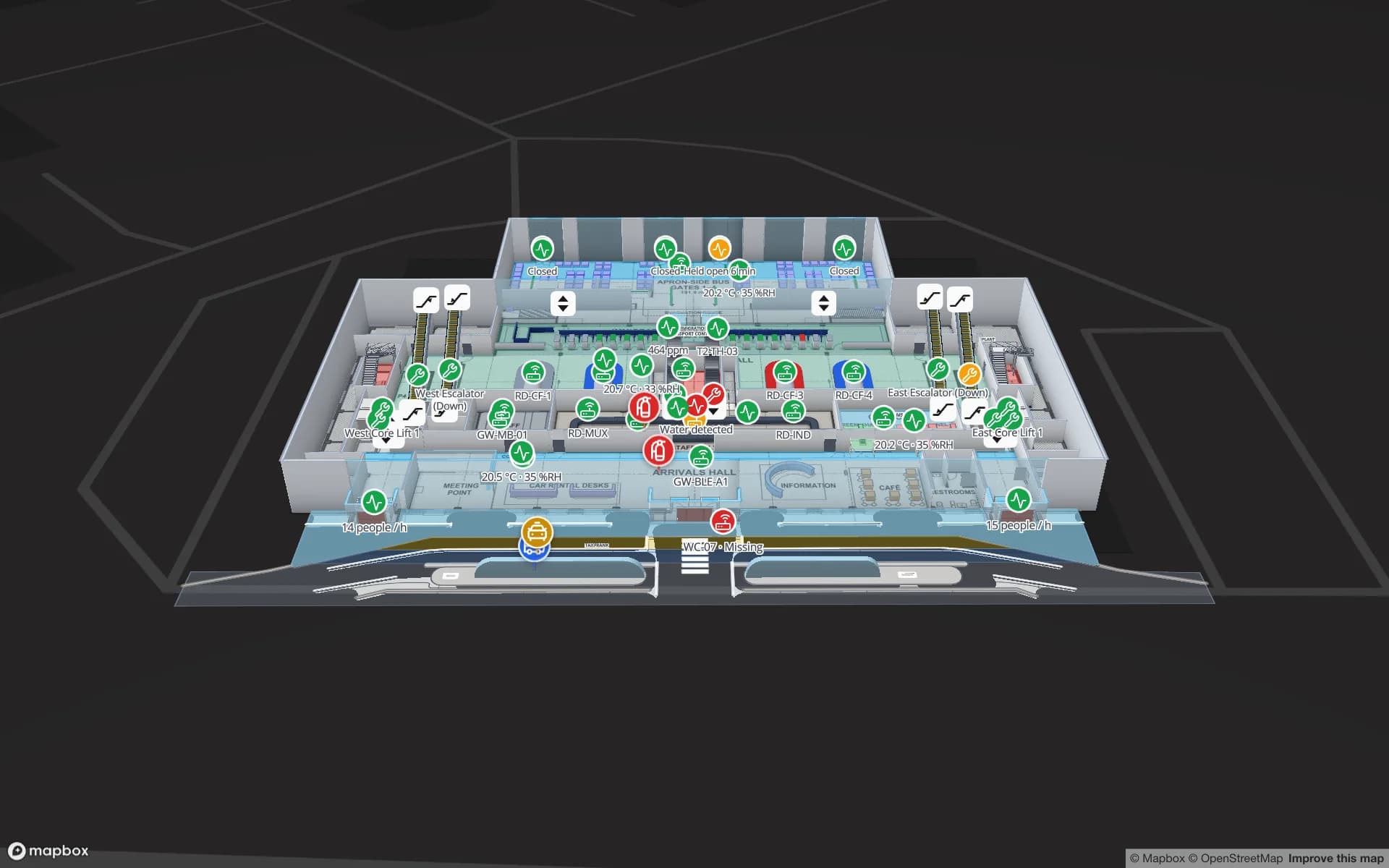
The register logic is the same as in a yard. Draw each building as a facility, name RFID read points or BLE gateways after the doors and the apron zones, and tag the items that go missing most. Where a team needs continuous positions, RTLS and UWB is the next step: a BlueIOT server connects directly, and other engines connect through the write API or REST polling. The Silverbay demo shows how a terminal is mapped by zone, and the post on airport terminal baggage RFID tracking covers the reader side.

Cold weather and a register that has to stay true

Winter changes how assets behave: batteries lose capacity, yard equipment stays outdoors, and tags on frozen or snow-covered units are harder to read. Ask your tag and reader vendor for the operating range of each device and test in your own yard in the coldest month; Spatial Map cannot verify hardware specifications.

What the map can do is notice silence. An alert rule on “not updated for N minutes” raises an in-app alert when a gateway or a tag stops reporting, so a unit that went quiet at the far end of the yard is a line on the Alerts page and not a surprise at the next audit. There is no email or SMS; alerts live in the bell, the toast and the Alerts page. The post on RFID handheld, fixed reader or gate helps choose where reads happen.

Services for teams in Edmonton

Edmonton teams tend to start in one of three places:

Also served nearby

The same page covers Nisku, Leduc, Acheson, Sherwood Park, Fort Saskatchewan and St. Albert, and the industrial areas of the surrounding counties. A manager in Edmonton can open the same live map as the crew at a remote yard.

How Spatial Map does it

Building an Edmonton asset map

  1. 01

    Load the register

    Upload a CSV or Excel list with tag IDs, owners, home yards and due dates as a table.

  2. 02

    Map yards, shops and floors

    Import the plan or draw the yard, and define stores, bays and apron zones as areas named like your read points.

  3. 03

    Connect reads and positions

    RFID middleware, BLE gateways and your ERP post rows through the write API, or a REST endpoint is polled.

  4. 04

    Add overdue and silence rules

    In-app alerts for kits short of items, equipment overdue for return and tags that stop reporting.

Where Edmonton teams track assets

Contractor yards and tool cribs

Check-out, last-seen zone and overdue items coloured on the plan.

Rail and road yards

Yard slots, trailers and chassis on one map with the gate lanes.

Plants and shops with moving parts

Raw material, work in progress and tools tied to the line and the dock.

Airport ground equipment

Carts, dollies and loaders by apron zone and building.

See it on real demo facilities

Fictional names, real floor plans, live sensors, RFID, BLE tags and gateways — open any of them in the browser.

All 13 demo facilities

Asset tracking in Edmonton — questions we get

It has no link to customs or trade-zone systems and makes no claim about those programmes. It shows where your own tagged units are inside your own buildings and yards, from your own reads, so it complements the paperwork rather than replacing it.

Yes. Each is its own facility, and a workspace can hold all of them. A named solution groups them so a manager opens one list, and a read-only share link can show one yard to a client with a chosen floor, layers and an expiry date.

That depends on the hardware and how you mount it, so ask the vendor for the operating range and test in your own yard in the coldest month. Spatial Map adds an in-app alert when a tag or gateway goes quiet; it cannot verify device specifications.

Yes. Your developers can push rows to a table through the write API (HTTPS, bearer API key, bulk upsert, 60 requests per minute per key), or Spatial Map polls a REST endpoint. CSV and Excel uploads work too. It does not write back to your ERP.

No. Spatial Map is sold online and our team works with customers in Canada remotely, by video call and through the contact form, in English or French. There are no local resellers or partners.

In US dollars, the same worldwide: a 7-day free trial for up to 5 facilities with no card, then Pro at $60 a month or $600 a year for up to 4 facilities. Larger estates are quoted as custom services, and hardware is quoted per project.

Track one equipment pool first.

Start the free trial and open the Summit demo, or send us your asset list and the plan of a yard or shop through the contact form.