Manchester · The airport, Trafford Park and the Ship Canal

RFID tracking in Manchester, from the airport apron to the canal-side shed

Spatial Map puts RFID reads on a live 3D map of the building where they happen, so a tag at a dock door becomes a pallet in a lane, a roll cage in a marshalling area or a carton on its way out. RFID tracking in Manchester follows one working corridor: air freight around Manchester Airport, the old industrial estate at Trafford Park, and the Ship Canal that runs out to Port Salford. Your readers and middleware do the reading; Spatial Map shows each read in place, next to stock, doors and sensors.

No credit card. Runs in the browser. Pro is $60/month for up to 4 facilities. Book a demo

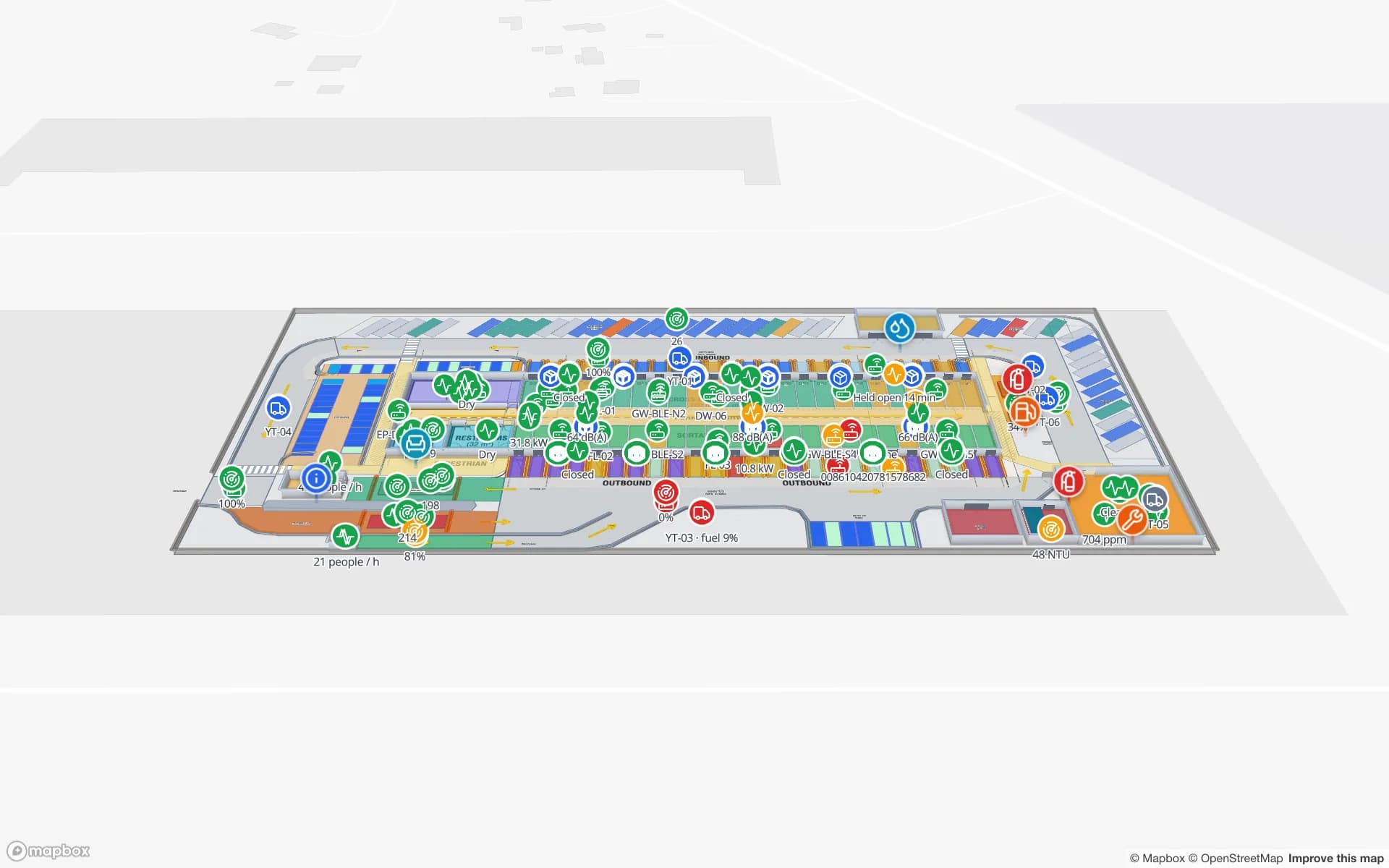
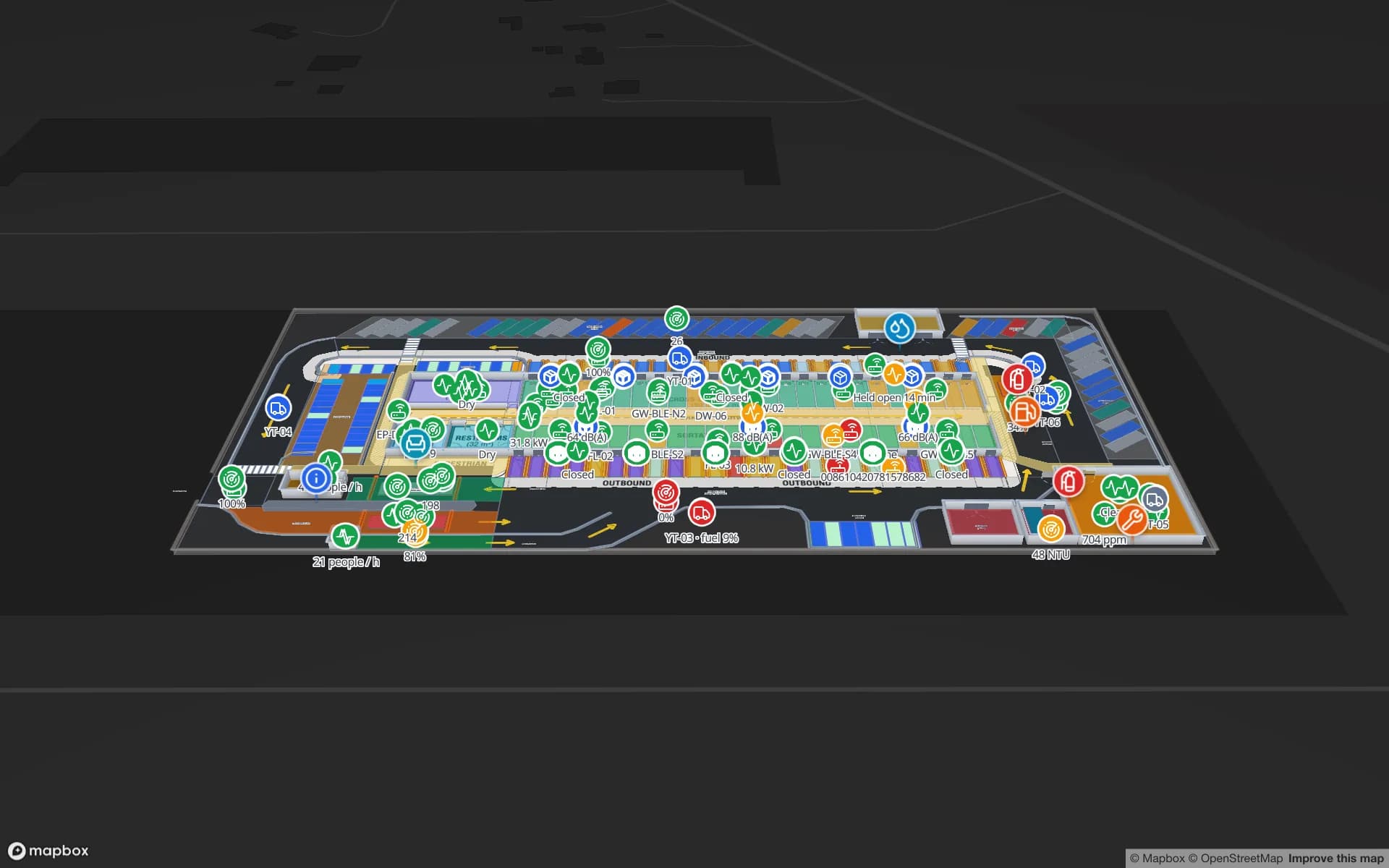
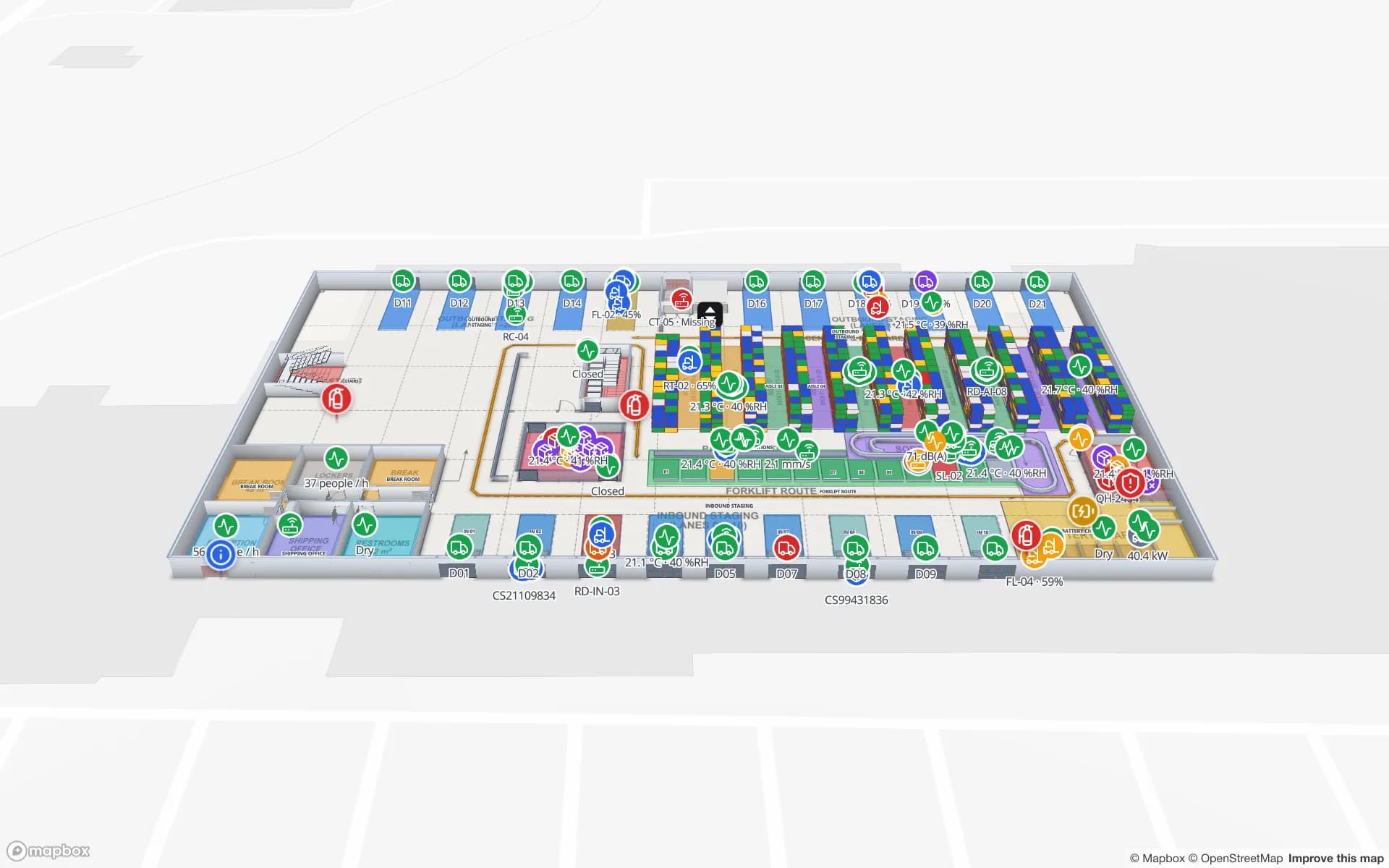
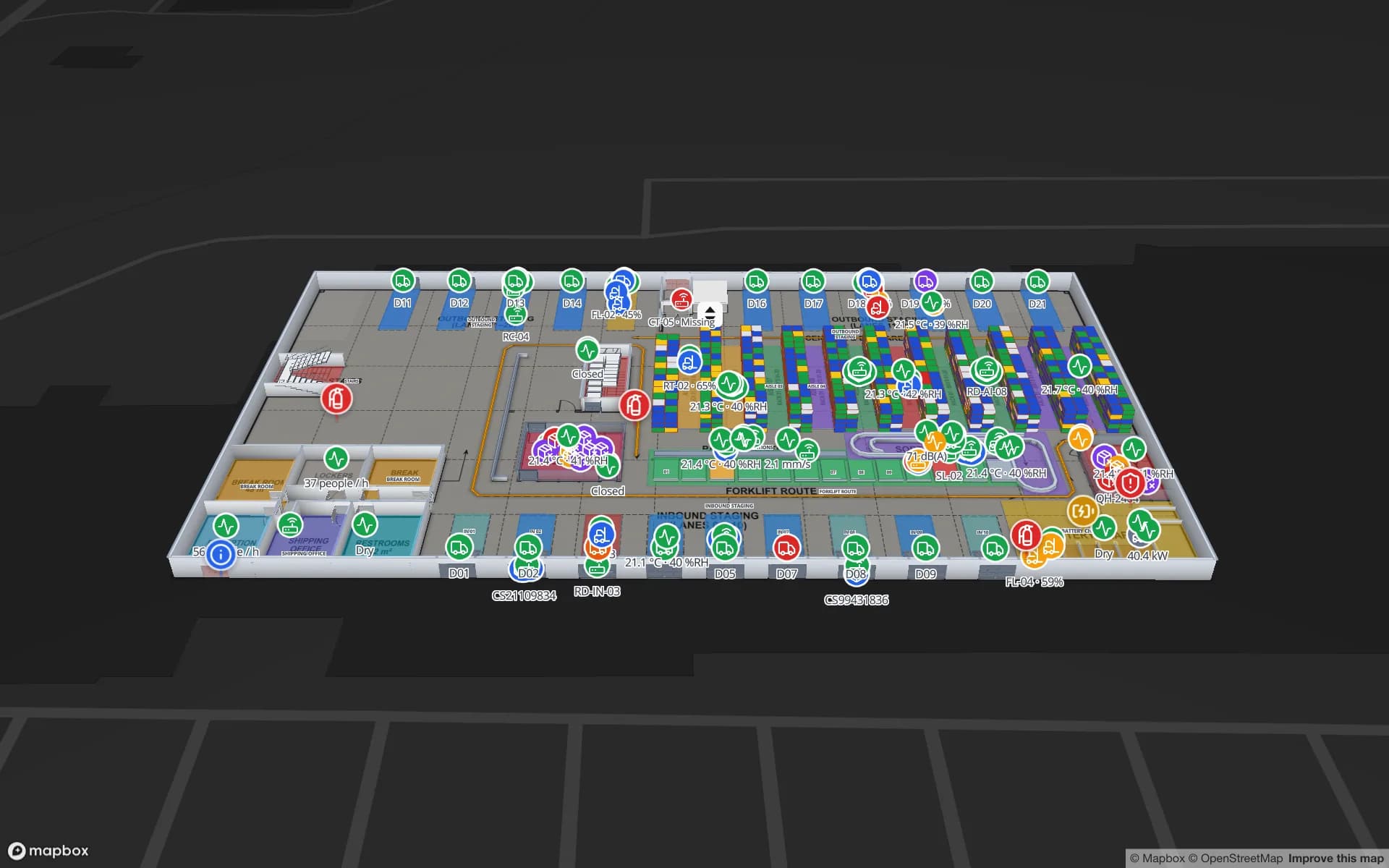
Crestline Fulfillment Center, a fulfillment center demo, in the Spatial Map 3D viewer with live device markers
Crestline Fulfillment Center
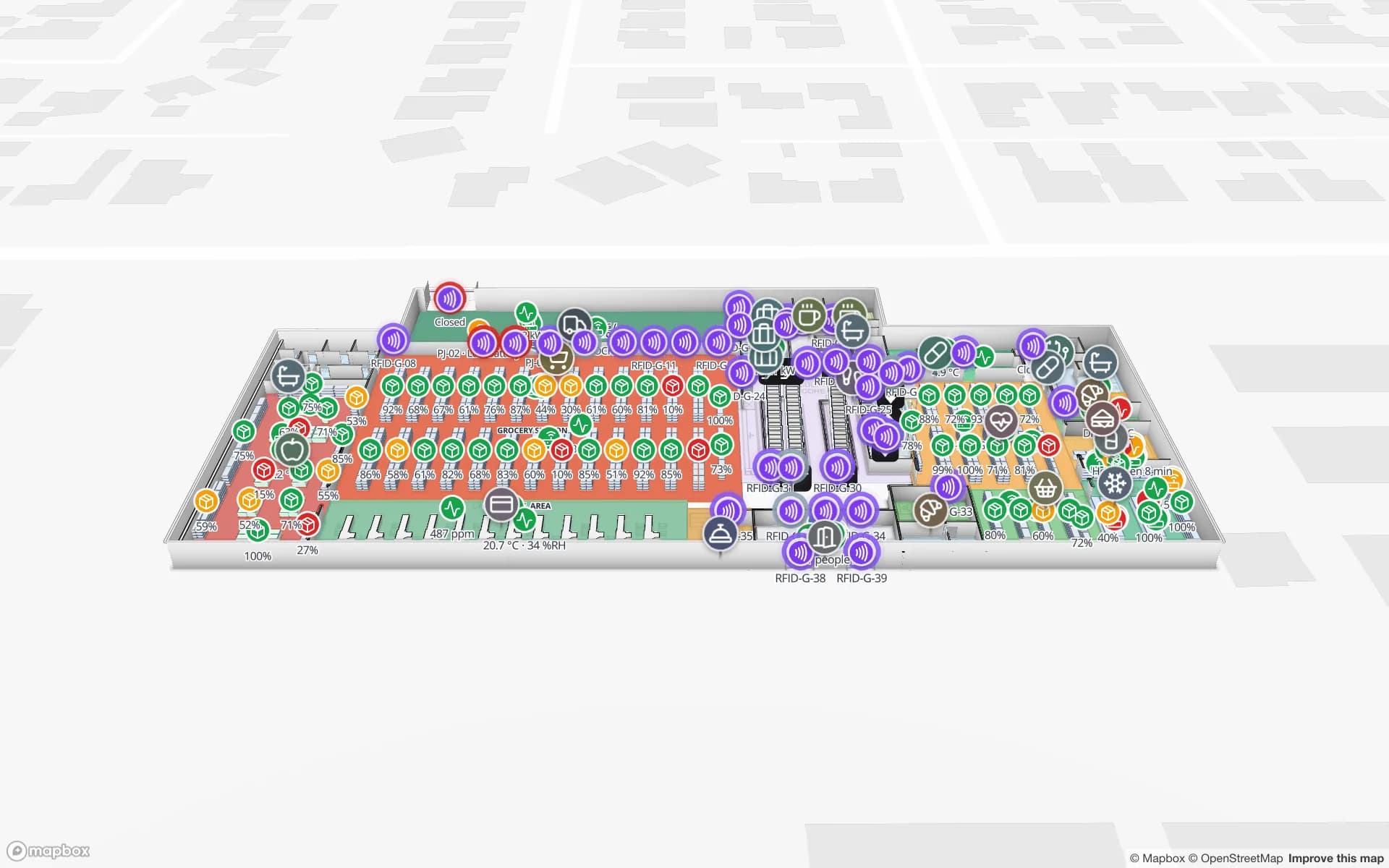
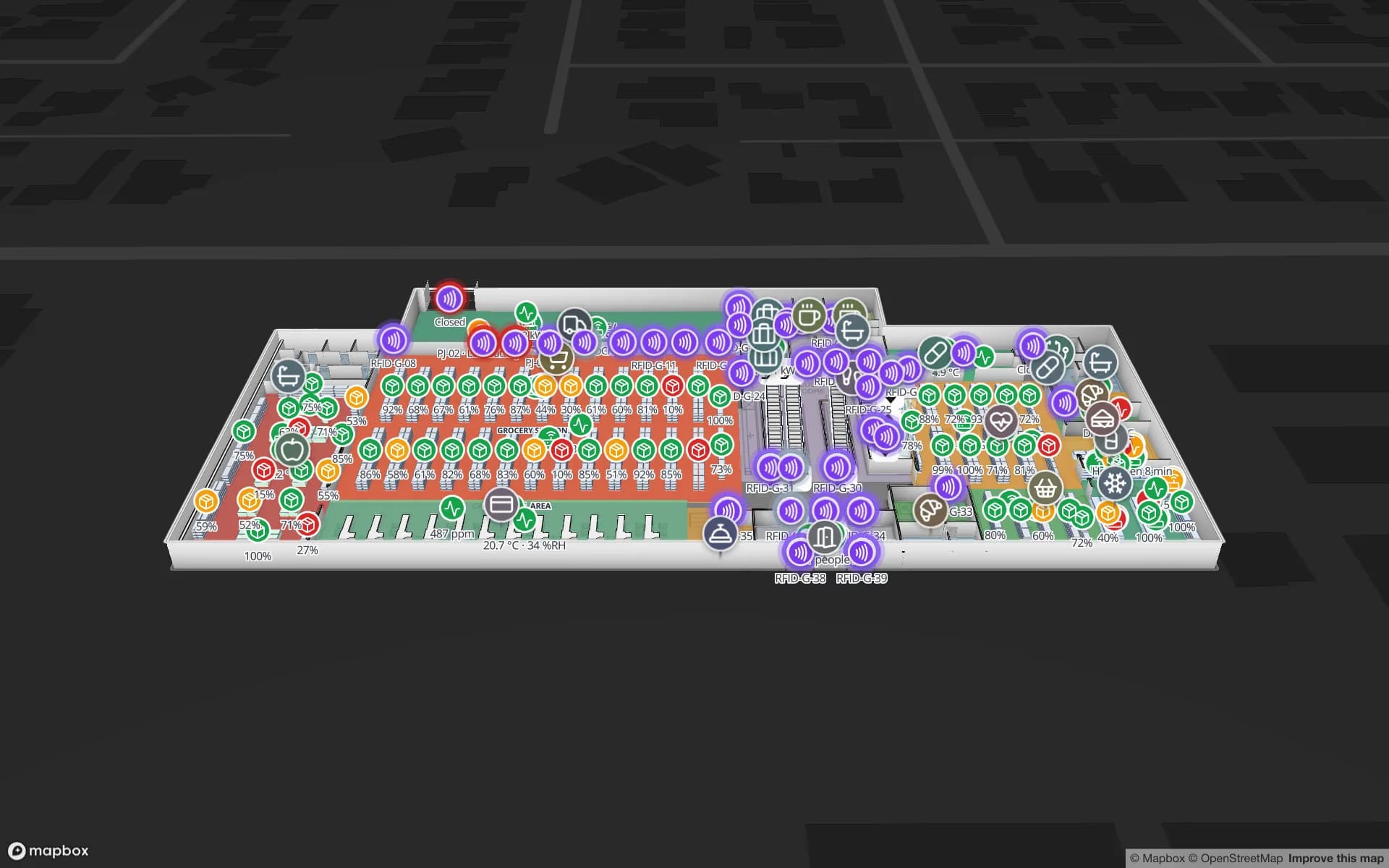
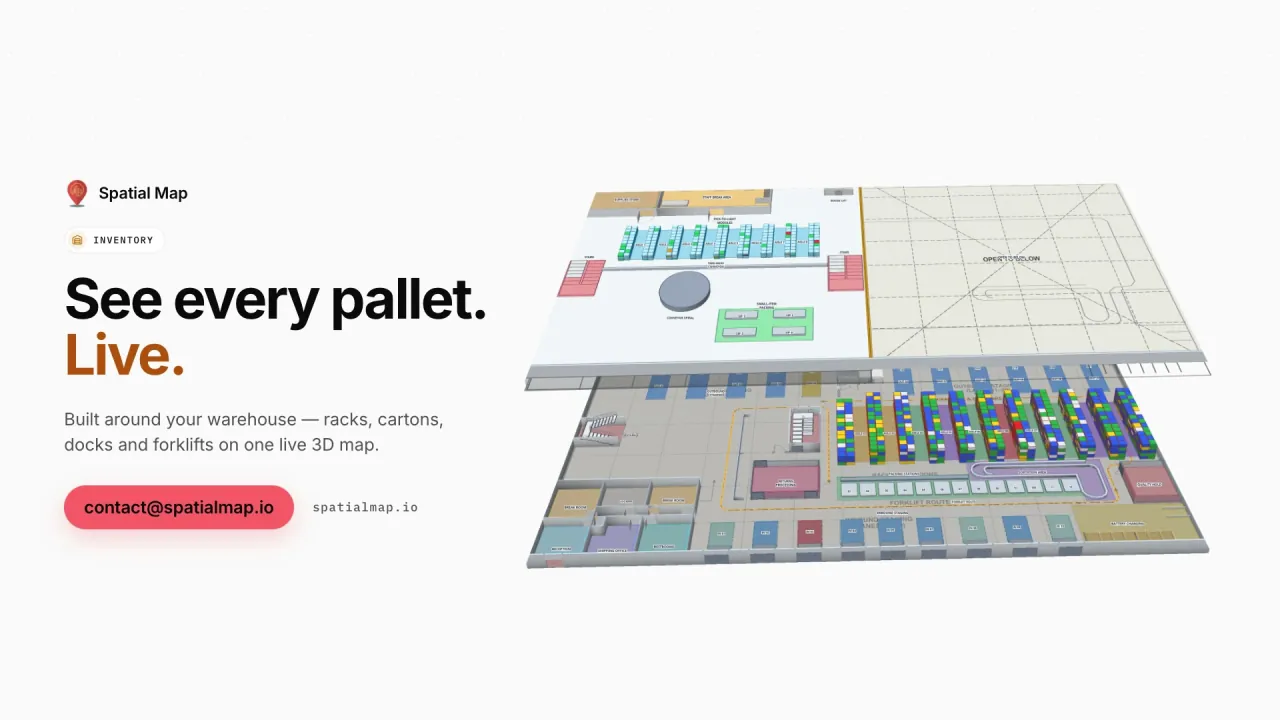
Crestline Fulfillment, a demo fulfilment centre: 2,204 rack locations across twenty racks, with carton tags read at docks, staging lanes and packing.
Rack locations in the Crestline fulfilment demo
2,204
Tagged units followed through the Northgate secure-store demo
863
How often alert rules are checked, with alerts shown in the app
15 s
Free trial, up to 5 facilities, no card
7 days

Manchester Airport and the freight forwarders around it

The airport describes its cargo operation as a global route network through the freighter and belly-hold cargo networks of the world’s leading operators, with a World Freight Terminal beside the apron, and it says Manchester hosts the largest concentration of freight forwarders outside London. That is the operator’s own description, but it matches how the work is organised: consignments arrive in the holds of passenger flights or on freighters, are broken down and consolidated by forwarders in sheds near the airport, and leave on trucks that have a collection slot.

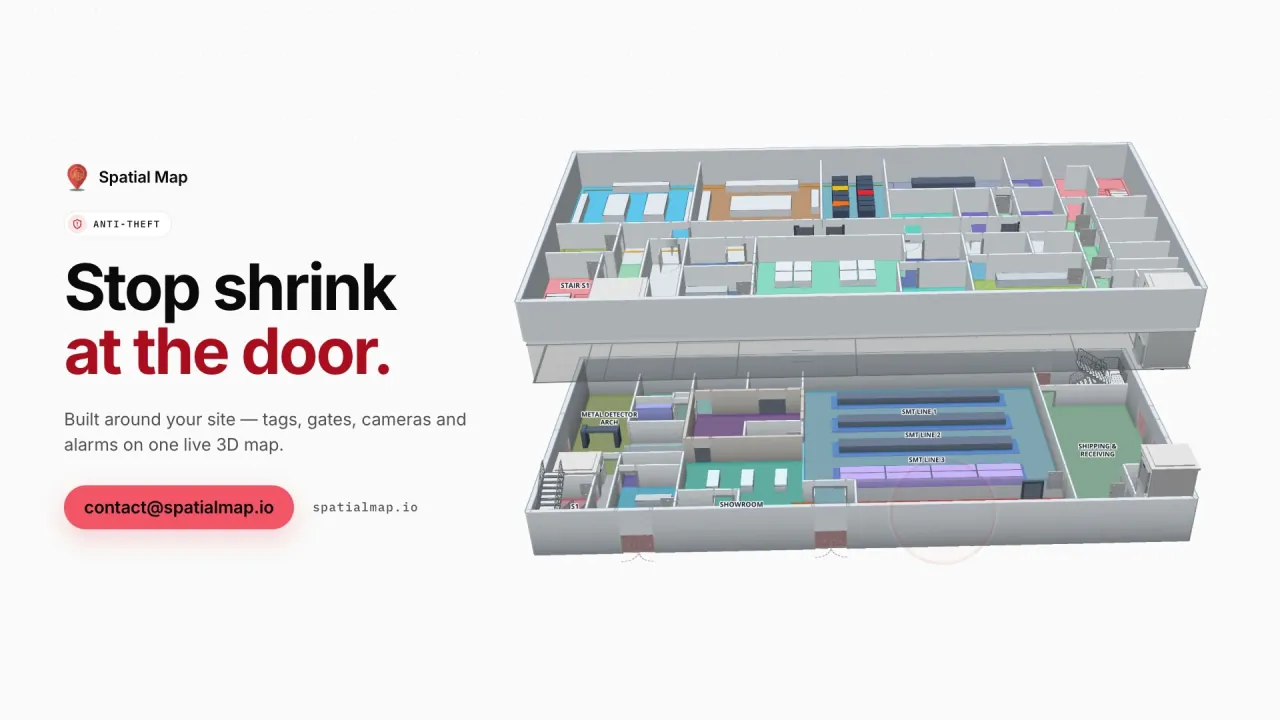
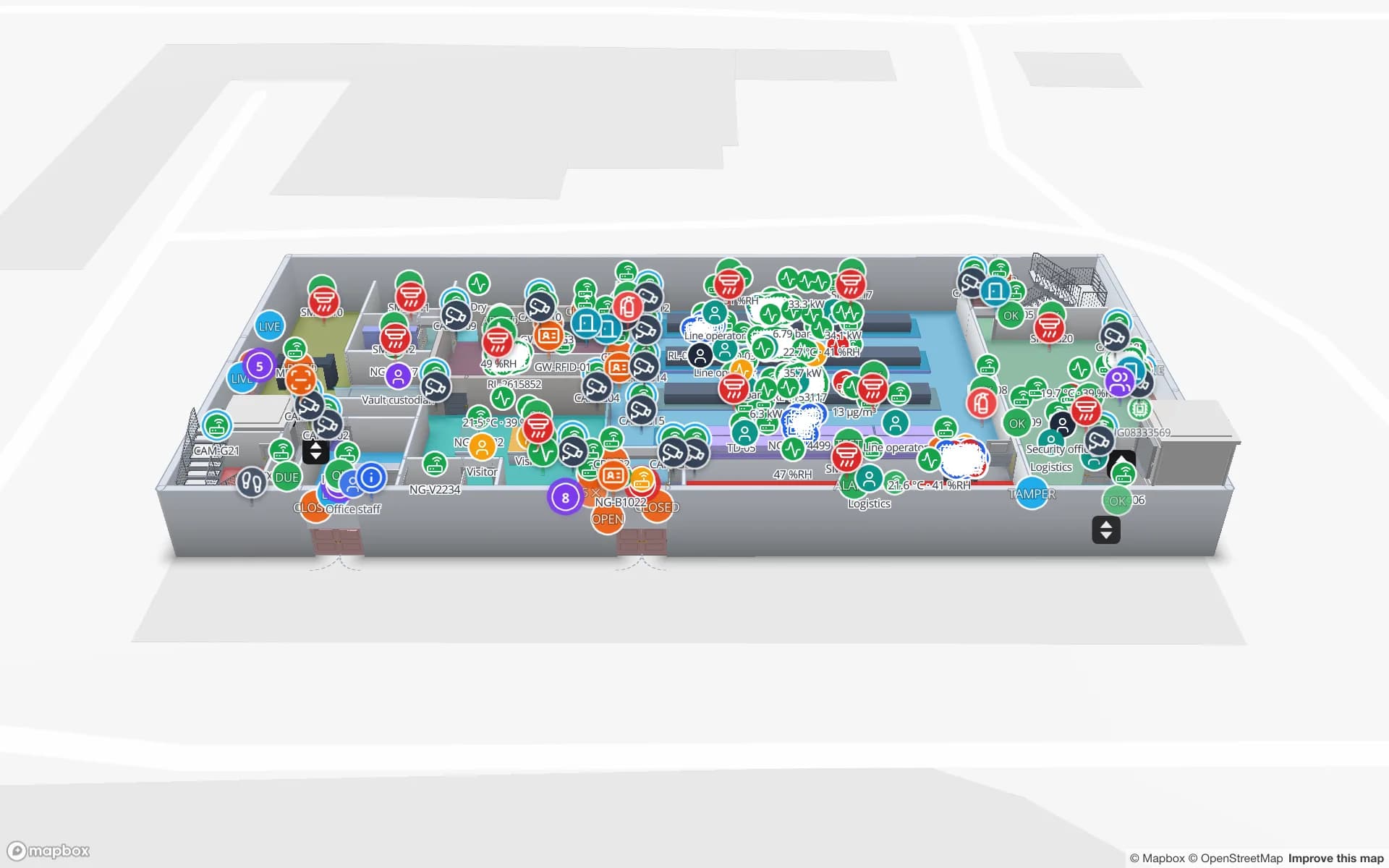
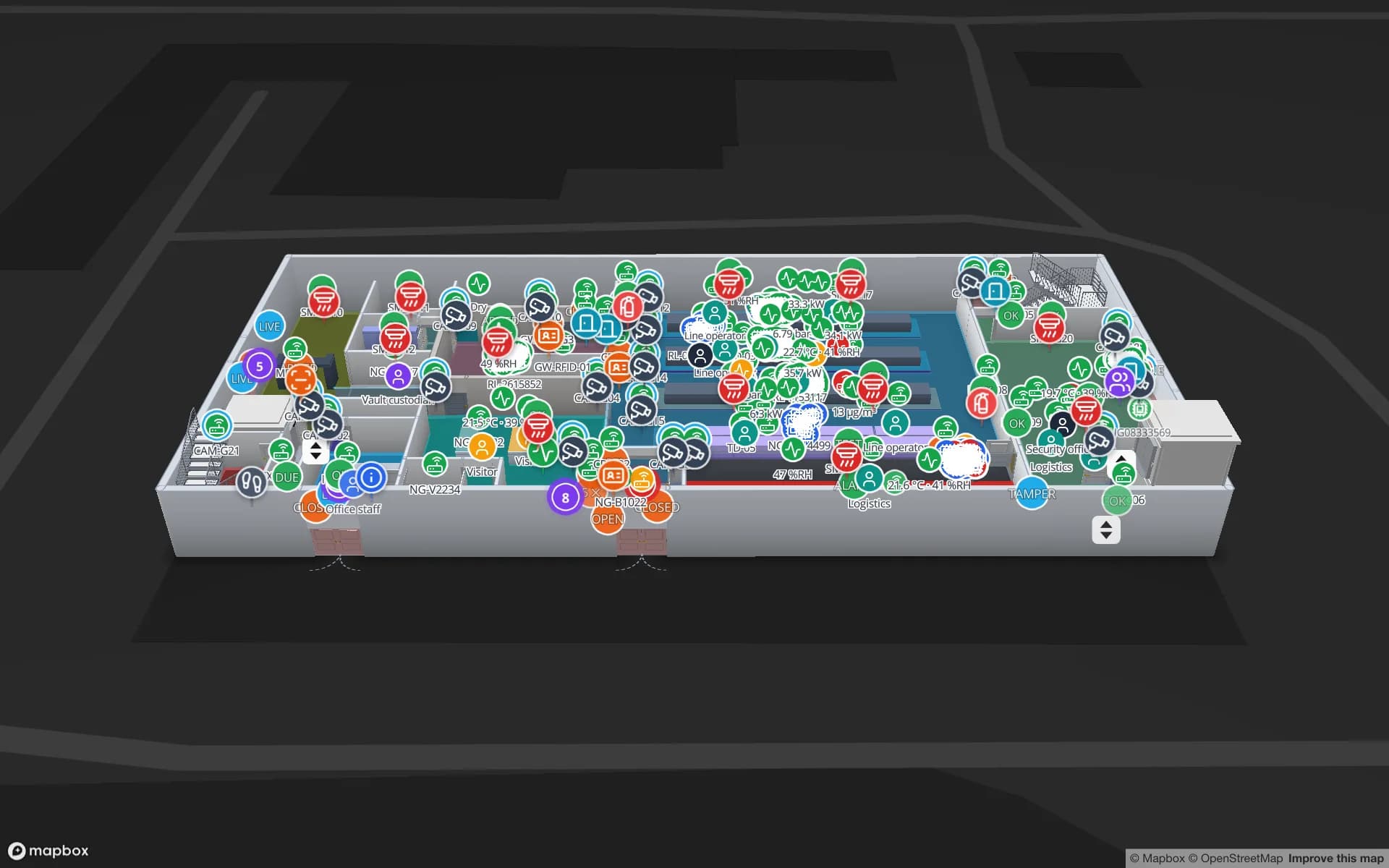
In a forwarder’s shed the unit you lose is a consignment, not a pallet. Tag the cage or ULD build-up when it is made, read it at the shed door and the airside handover, and the map shows what is staged, what is on the apron side and what is overdue. For high-value or sealed freight the Northgate demo follows 863 tagged units through a secure store, and the History player replays a unit’s path for an investigation. Spatial Map does not read air waybills, make customs entries or connect to the airport’s systems; it shows what your own reads and WMS say.
Trafford Park: an 1896 estate with a hundred kinds of building

Manchester City Council lists the first purpose-built industrial estate, created at Trafford Park, among the city’s “firsts” and dates it to 1896, and the Greater Manchester Spatial Framework’s historic-environment paper calls it the world’s first planned industrial estate. Rebuilt shed by shed over a century, the estate now holds Victorian works, post-war factory units and modern distribution boxes, often split among several tenants, and the best drawing of a unit may be a scan from the last fit-out.

Upload that drawing as it is (PDF, DWG from AutoCAD R2004 to R2018, placed as a picture, or a photograph), align it at real scale and let AI Map draft walls, doors, racks and areas for someone to review. AI Map is available on paid plans and the trial, with a monthly limit. Then add RFID where it pays back first: returnable roll cages and totes, finished-goods pallets at the despatch door, and the cage where high-value stock waits. The Crestline demo shows rack locations coloured by stock status and the staging lanes in front of the dock doors; see RFID warehouse management for dock-door portals.

The Ship Canal and Port Salford

The Manchester Ship Canal opened in 1894 and is 36 miles long, running from the Mersey Estuary into Manchester; its operator lists containers among the cargoes it carries for onward movement, alongside bulks, timber, metals and project cargo, and offers multi-user and port-centric warehousing. Port Salford, on the canal at Barton, has been described in Greater Manchester planning documents as the UK’s first inland tri-modal logistics facility: goods can arrive by water, rail or road.

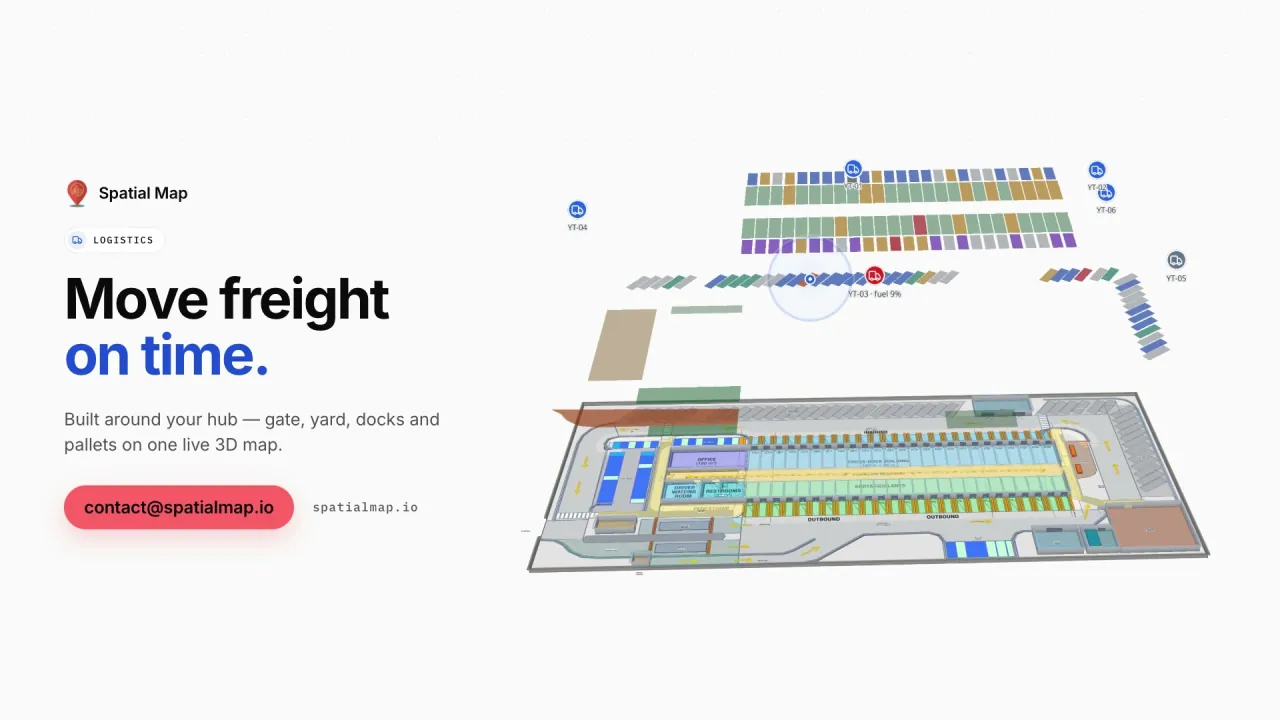
Three ways in means three kinds of arrival to reconcile. A box that comes by barge, a wagon that comes by rail and a trailer that comes by road all end up in the same shed, and the question inside is the usual one: which pallet is in which lane, and which trailer is waiting at which door. The Eastport demo shows 50 dock doors, 44 yard slots and 1,180 RFID pallets on one map. Spatial Map does not connect to the canal operator’s or the port’s systems, and it does not move goods; it shows what your readers see.

Fashion and online fulfilment: the returns lane

If your Manchester shed fulfils fashion or other online orders, its busiest and least predictable flow is usually returns: parcels come back unsorted, items are inspected, re-tagged or written off, and good stock goes back to a pick face. Item-level RFID tags on garments are read at the returns bench and again when the item is put away, so the stock record catches up with the shelf in minutes rather than at the next count.

Mark the returns area, quarantine bay and pick faces as areas on the plan, colour them by the status your WMS keeps, and a “count of matching items” rule can raise an in-app alert when too many items sit unprocessed. The post on RFID tags for metal, liquids and apparel lists what to test on garments with hangers, foil and metal trims before you buy tags in volume and how RFID stock counting works explains read rate versus count accuracy.

Services for teams in Manchester

Where Manchester teams usually start depends on the building:

  • Forwarders near the airport tend to begin with inventory tracking at the shed door and the cage, because a missed collection slot costs more than the consignment’s handling.
  • Trafford Park tenants with returnable roll cages, totes and tooling often start with asset tracking and add stock RFID afterwards.
  • RTLS and UWB matters mainly for large, busy yards and sheds where trucks and forklifts must be located continuously; most buildings will not need it first.
  • If you have no readers or tags yet, our team can source RFID readers, antennas and tags on request, quoted per project, with warranty and device support from the manufacturer: see hardware and demo kits on request.
  • For handheld stock-take apps, WMS integrations or retail-store software our team builds custom software as client projects, for example an RFID inventory system. Run the product as cloud or on-premises.

Also served nearby

The same approach covers Salford, Stockport, Oldham, Bury, Bolton and Warrington, and the sheds along the Ship Canal beyond the city boundary. Nothing needs to be installed at any of them: the map opens in a browser.

How Spatial Map does it

From the airport shed to the Trafford Park dock

  1. 01

    Pick one building

    A forwarder’s shed, a Trafford Park unit or a canal-side warehouse — wherever a missing cage or pallet costs most.

  2. 02

    Map doors, lanes and racks

    Upload the plan, photo or sketch, let AI Map draft the floor, and name read points the way your middleware names them.

  3. 03

    Connect reads and stock

    RFID middleware and your WMS post rows through the table write API, a polled REST endpoint or CSV and Excel uploads.

  4. 04

    Add door and silence rules

    In-app alerts for cages staged too long, returns left unprocessed and readers that stopped reporting.

What Manchester teams track

Forwarder sheds and cages

Consolidations staged, collected or overdue, with the read trail kept.

Trafford Park units and returnable cages

Stock by rack location and cages by area, read at the despatch door.

Canal-side and rail-served warehouses

Dock doors, yard slots and pallets from three kinds of arrival.

Shops and returns

Item-level reads at doors, stockrooms and floors across a multi-level store.

See it on real demo facilities

Fictional names, real floor plans, live sensors, RFID, BLE tags and gateways — open any of them in the browser.

All 13 demo facilities

RFID tracking in Manchester — questions we get

No. It does not read waybills, make declarations or connect to the airport’s or customs systems. It shows where consignments physically are inside your shed, from your own RFID reads and WMS, so it sits beside your forwarding system rather than replacing it.

No. There is no link to port or terminal systems. What it can show is what happens in your own building once a box, wagon or trailer has arrived: dock doors, yard slots and pallets from your own reads.

Yes. Draw each tenant’s area on the same plan and give them a read-only share link that shows only the floors and layers you choose, with an expiry date and a view cap. They do not need an account.

That depends on the tag, the item and how you read it, so test in your own returns area first. The post on RFID tags for metal, liquids and apparel lists what to check. Spatial Map does not make tags; it shows what your readers report.

No. Spatial Map is sold online and our team works with customers in the UK remotely, by video call and through the contact form. There are no local resellers or partners, and nothing is installed on site.

In US dollars, the same worldwide: a 7-day free trial for up to 5 facilities with no card, then Pro at $60 a month or $600 a year for up to 4 facilities. RFID hardware, if you ask us to source it, is quoted per project and is not part of the subscription.

Map one Manchester dock before the next peak.

Start the free trial and open the Crestline demo, or send us the plan of a shed and a sample of your reads through the contact form.