Seoul · Magok, Digital Media City, the metro and Incheon cargo

Asset tracking in Seoul, from lab bench to cargo shed

Spatial Map shows where tagged equipment, tooling and other assets are inside a building, on a live 3D map built from your floor plan and the reads your RFID and BLE systems already produce. Asset tracking in Seoul covers four kinds of place: research districts, media offices, transit buildings and the cargo sheds at Incheon airport that serve the capital. Each is its own facility, and all of them can sit in one workspace. The interface is English; labels you write can be in Korean.

No credit card. Runs in the browser. Pro is $60/month for up to 4 facilities. Book a demo

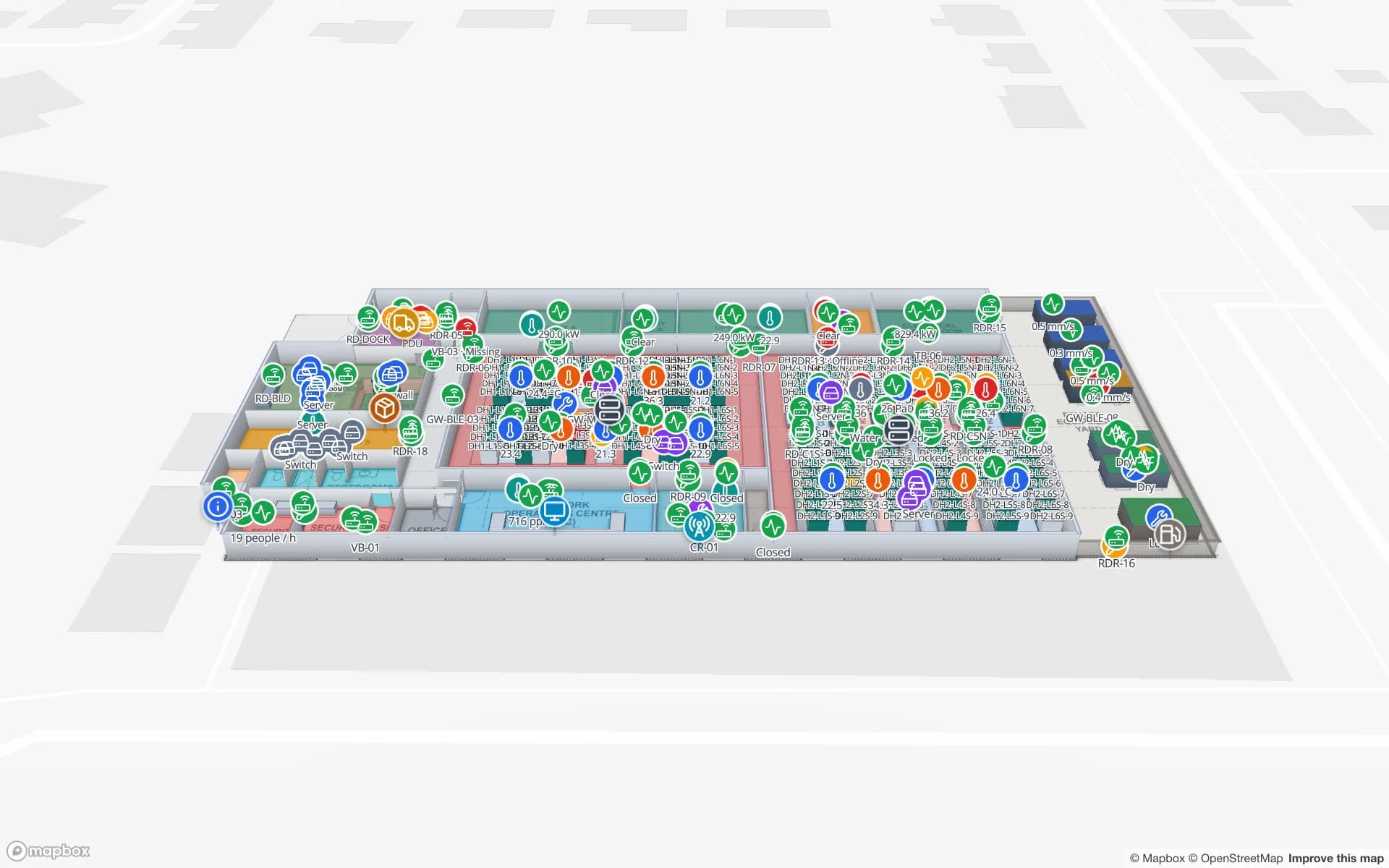
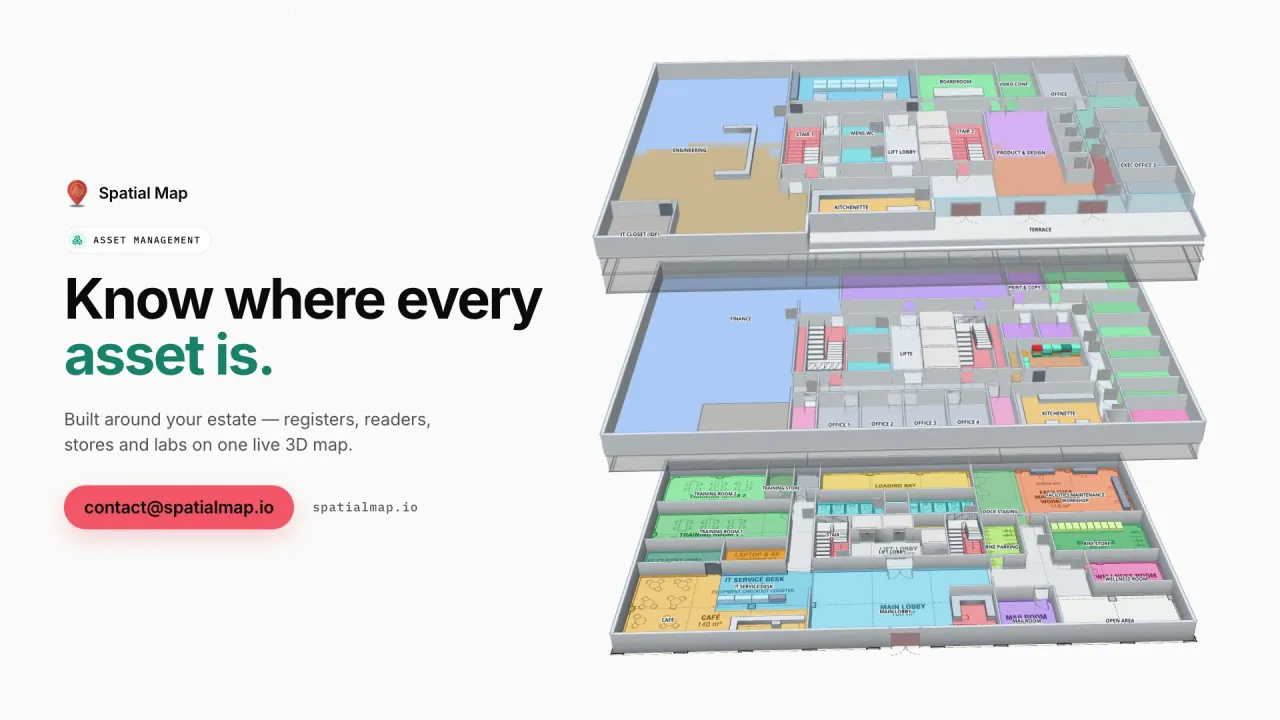
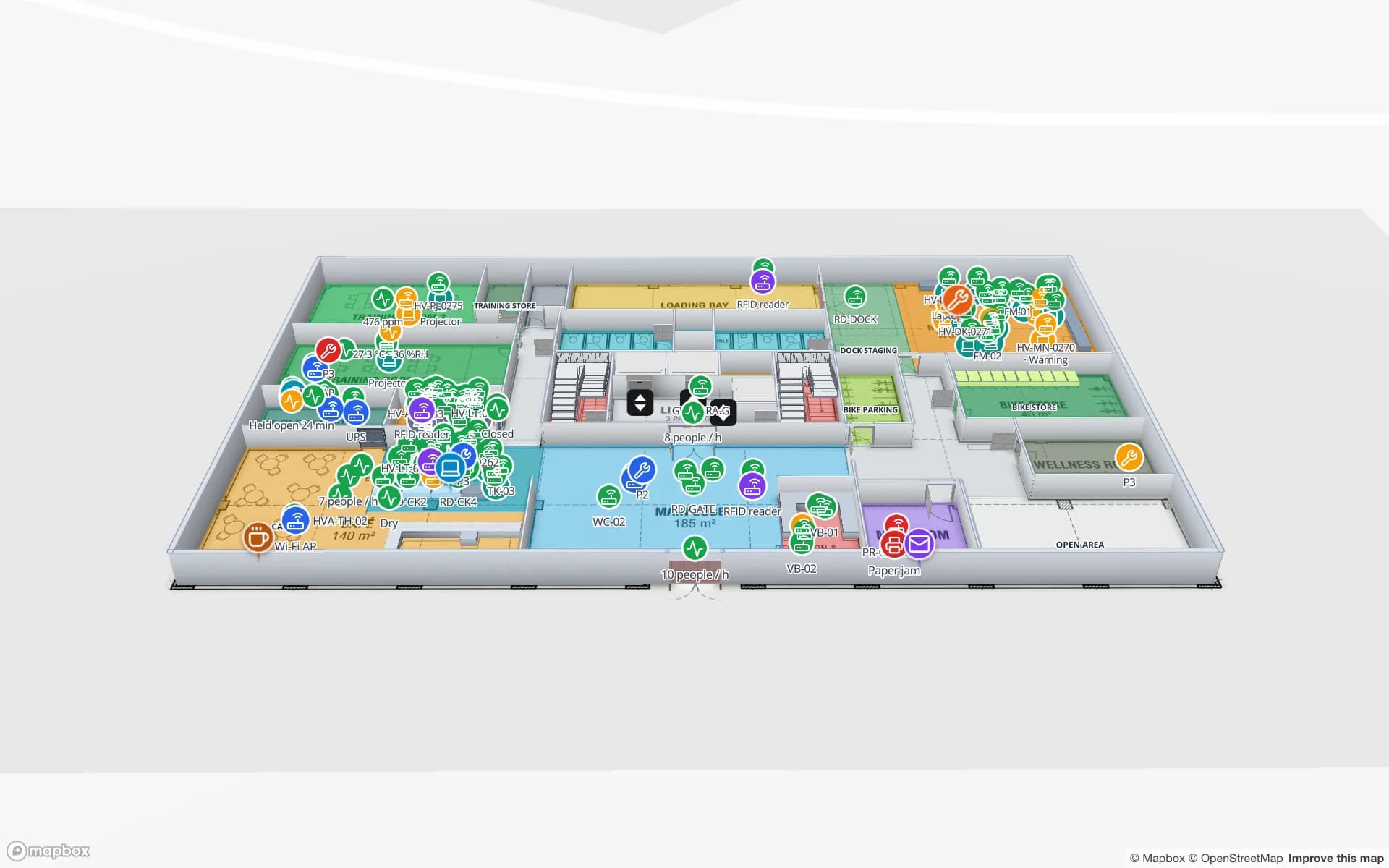
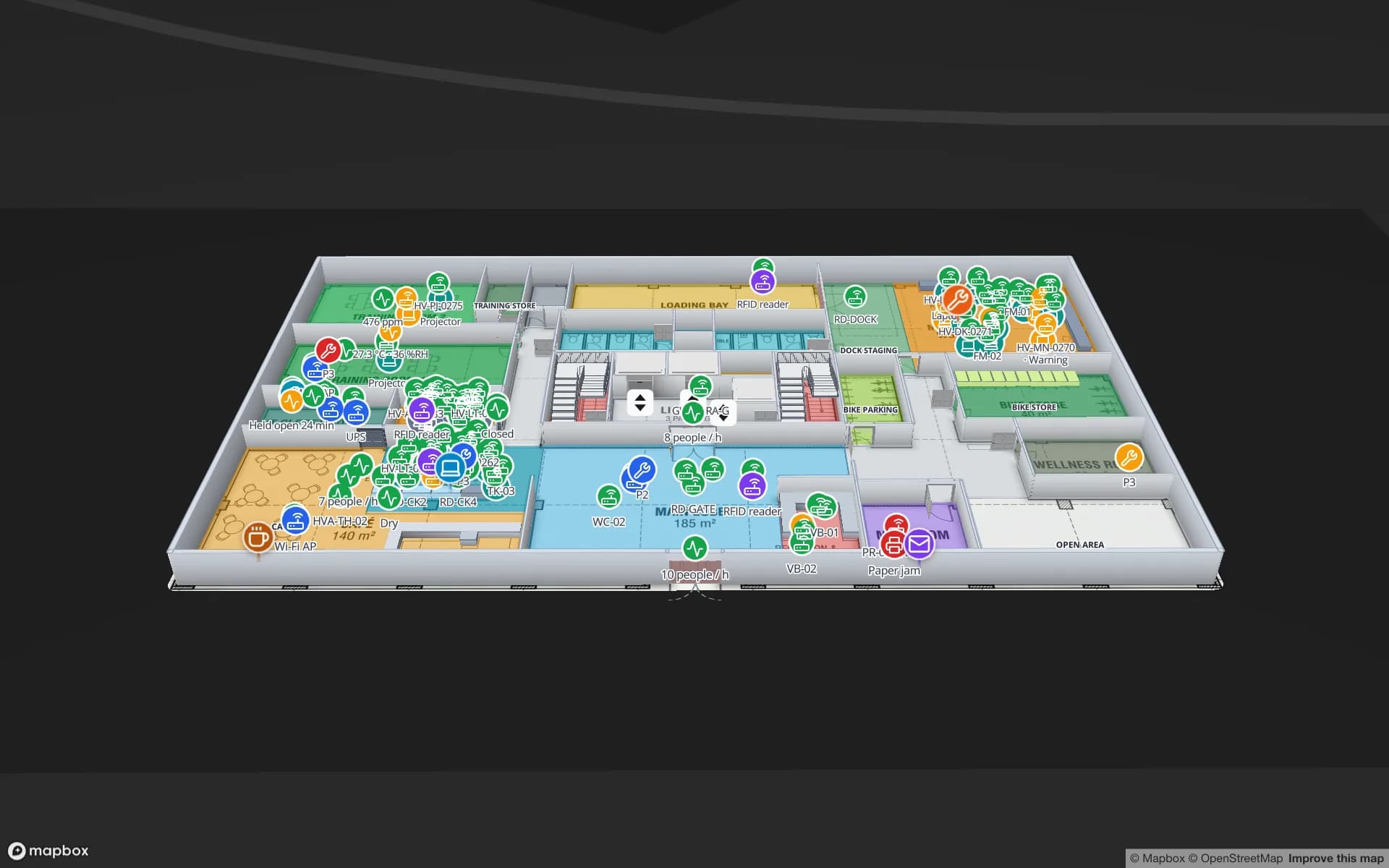
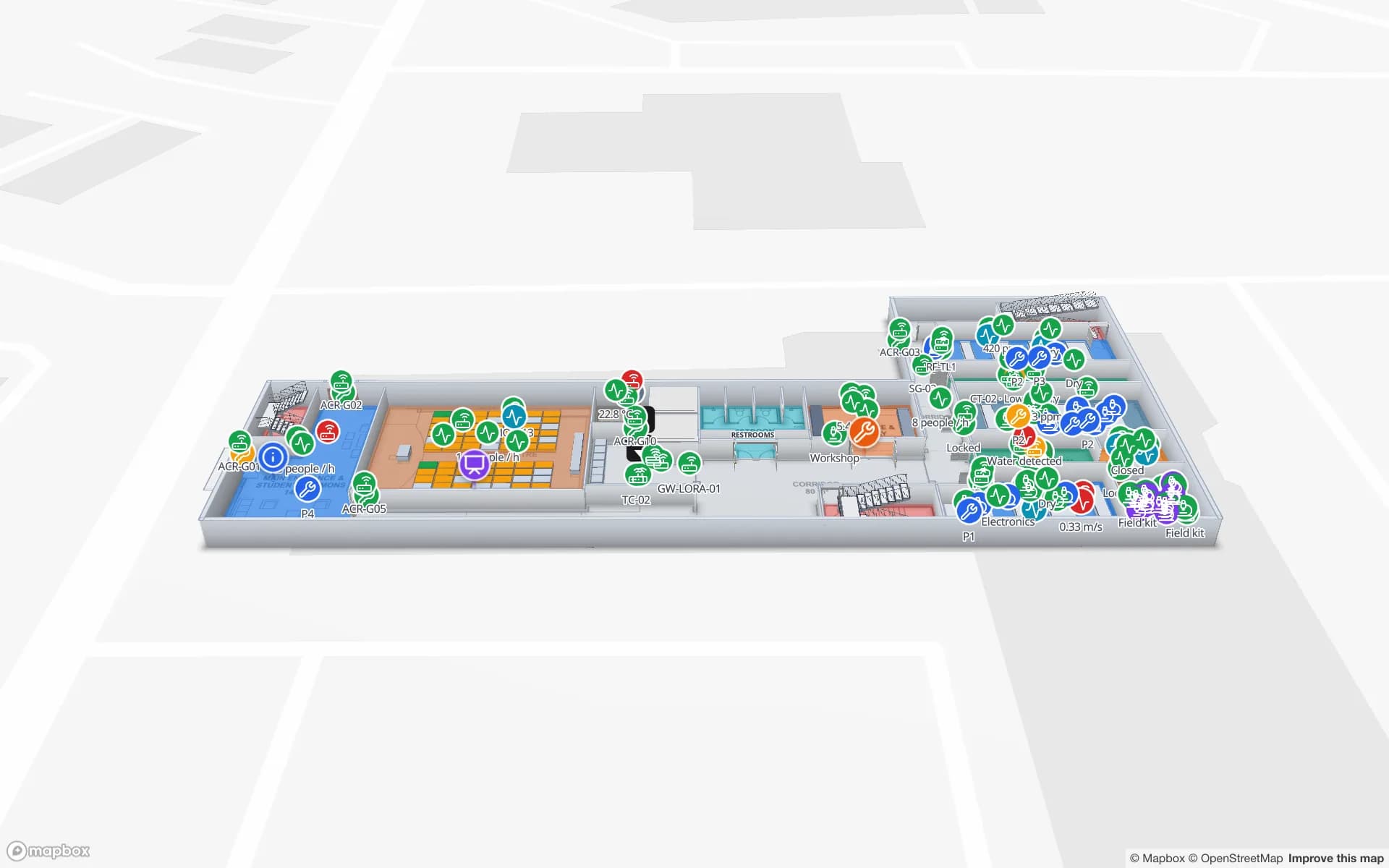
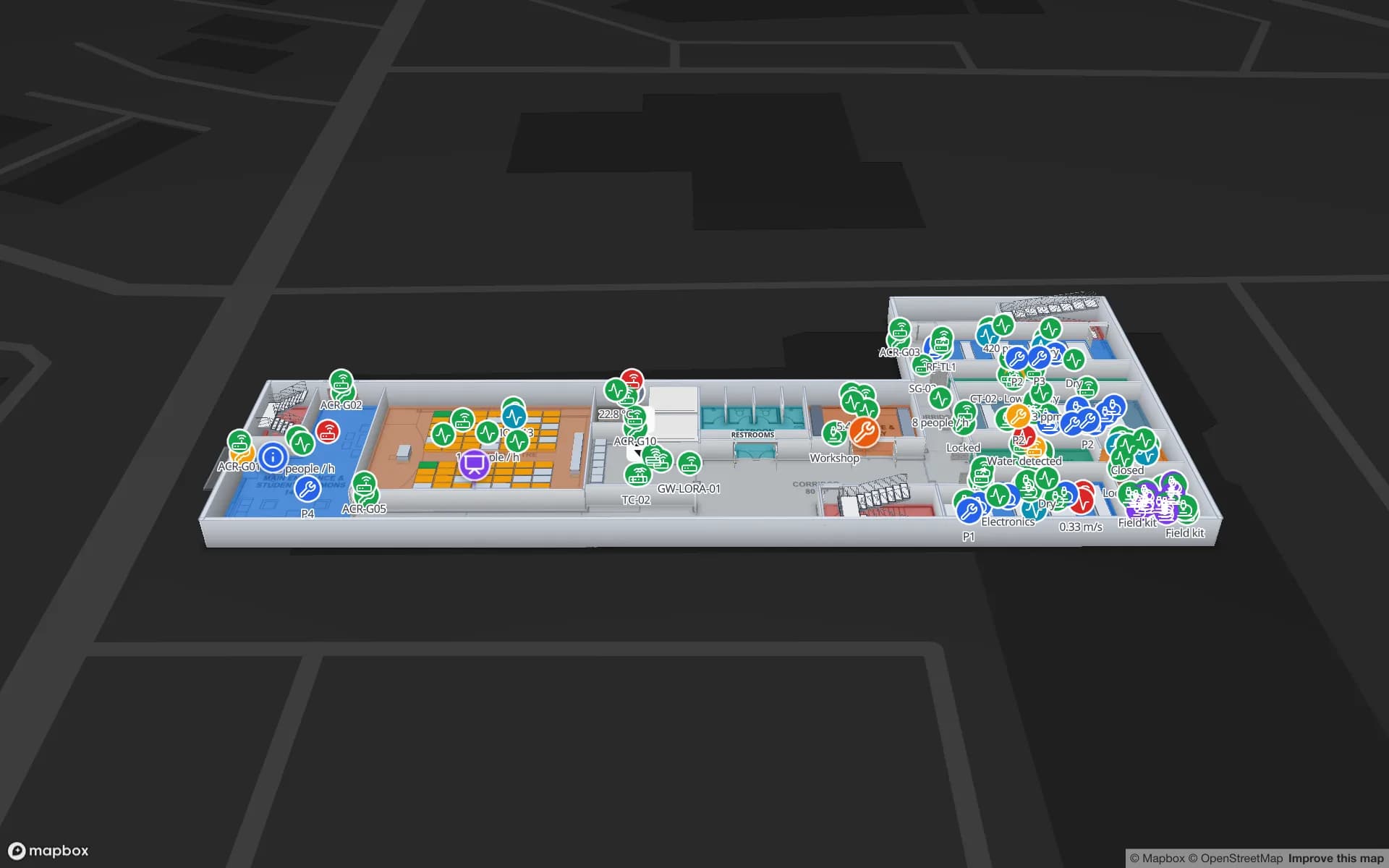
Harborview Corporate Campus — Building A, a corporate office building demo, in the Spatial Map 3D viewer with live device markers
Harborview Corporate Campus — Building A
Harborview Corporate Campus, a demo office building: the asset register, equipment check-out, stores and spares, work orders and meeting rooms on three floors.
Floors in the Harborview office demo
3
Floors in the Westbrook campus demo, with lab equipment bookings
2
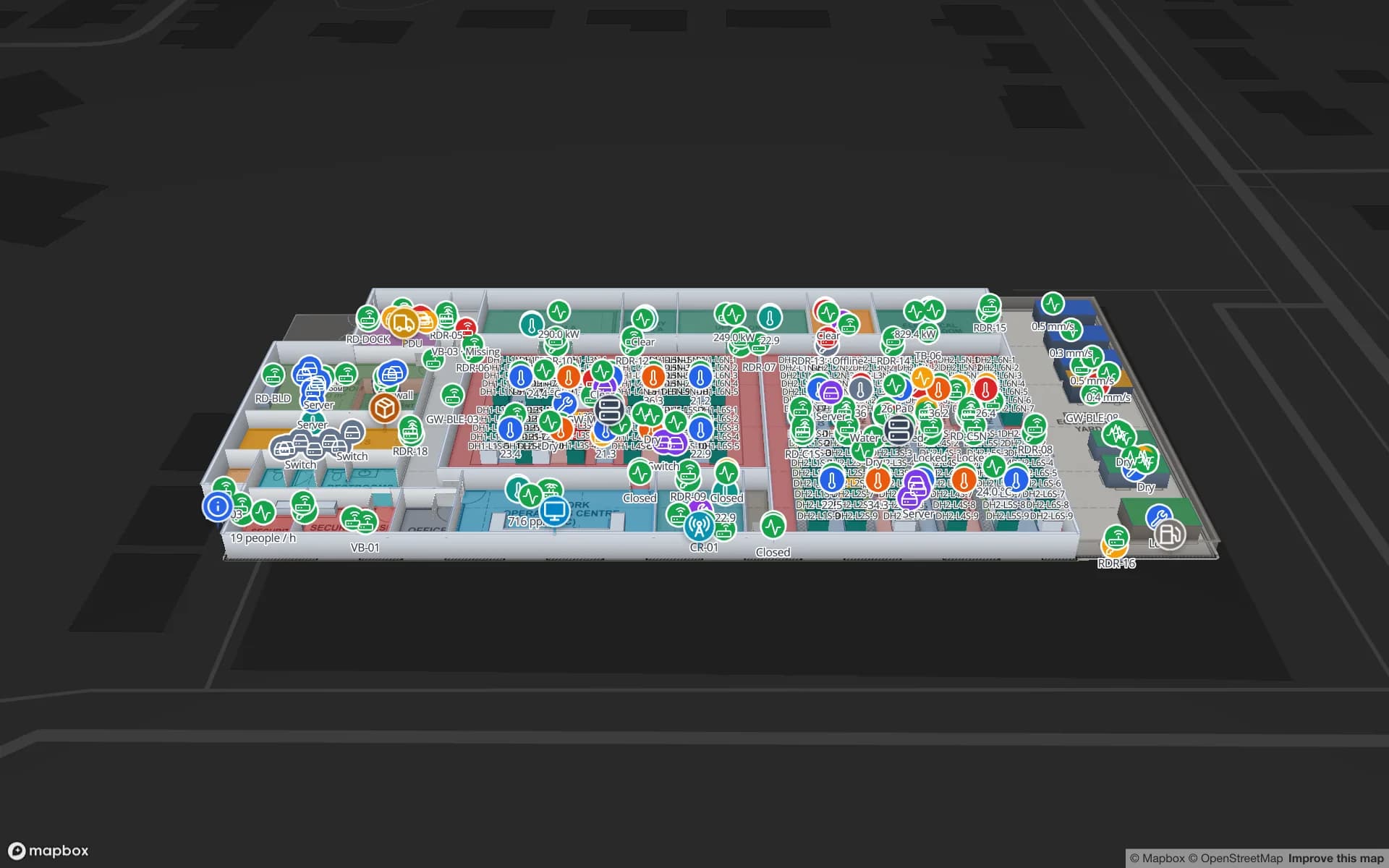
Cabinet rows in the Ridgeline data-hall demo
24
Free trial, up to 5 facilities, no card
7 days

Magok: a research district built from empty land

Magok covers 366.5 hectares in western Seoul and is overseen by the Seoul city government under the official English name Future City MAGOK, also called M Valley. The idea of turning the city’s last rice paddies into a research district was first raised in December 2005. A district of laboratories means equipment that is portable and shared: instruments, test rigs, sample carriers, spare parts and loan devices that move between benches, stores and teams.

Spatial Map keeps the asset register as a table with tag ID, owner, home store and status, and draws the building so each lab, store and corridor is an area. BLE tags with gateways named after those areas, or RFID tags read at the store door, tell your system where each item is last seen; a style rule colours items overdue for return, and the History player replays where one has been. The Westbrook demo shows lab equipment bookings and chemical stores on two floors, and RFID tool tracking covers the store-door pattern.
Digital Media City: studios, equipment and landfill history

Digital Media City, in Sangam-dong in Mapo District, was planned as a technology complex for broadcasting, film, games and music. The land was a landfill for the city’s waste from 1978 to 1993 and was first designated a housing development zone in March 1997, before it was redeveloped for media tenants. Pangyo Techno Valley, often compared with it, is in Seongnam in Gyeonggi Province, not in Seoul.

Media offices and studios share cameras, lighting, monitors and cables across many rooms and many productions. Tagging the pieces that leave the store is usually enough: an RFID read at the store door gives check-out and return, and a table of bookings tells the map which items should be where. Overdue items are coloured, and a count rule raises an in-app alert when a studio has fewer items than its booking. The Harborview demo shows equipment check-out, stores and spares and work orders on three floors.

The metro and the station: stores, depots and spares

Seoul’s subway Line 1 opened on 15 August 1974, and today the network is run by several operators, public corporations among them. Behind every line stand stores, depots and workshops where spare parts, tools and test equipment are kept and signed out. The AREX airport railway station at Seoul Station, which opened on 29 December 2010, links the city to Incheon airport and shows how one trip crosses several buildings and several owners.

Spatial Map does not run trains and does not connect to signalling or operations systems. It maps one owner’s buildings: a depot store drawn bay by bay, tool boards and spares with tags, and a table of who holds what. The Ridgeline data-hall demo, with 24 rows of cabinets and spares tied to the cabinet they belong to, is the closest pattern for a control or equipment room, and data-centre RFID asset tracking walks through it.

Incheon airport cargo, seen from Seoul

Incheon International Airport opened in 2001 on land between Yeongjong and Yongyu islands, and its free trade zone lists cargo terminals, global express cargo, cargo warehouses and special-purpose facilities among its activities; phase 1 included three cargo terminals. A Seoul-based forwarder or shipper works with equipment that moves between these sheds: pallets, cages, dollies and reusable containers that belong to one company and sit in another’s building.

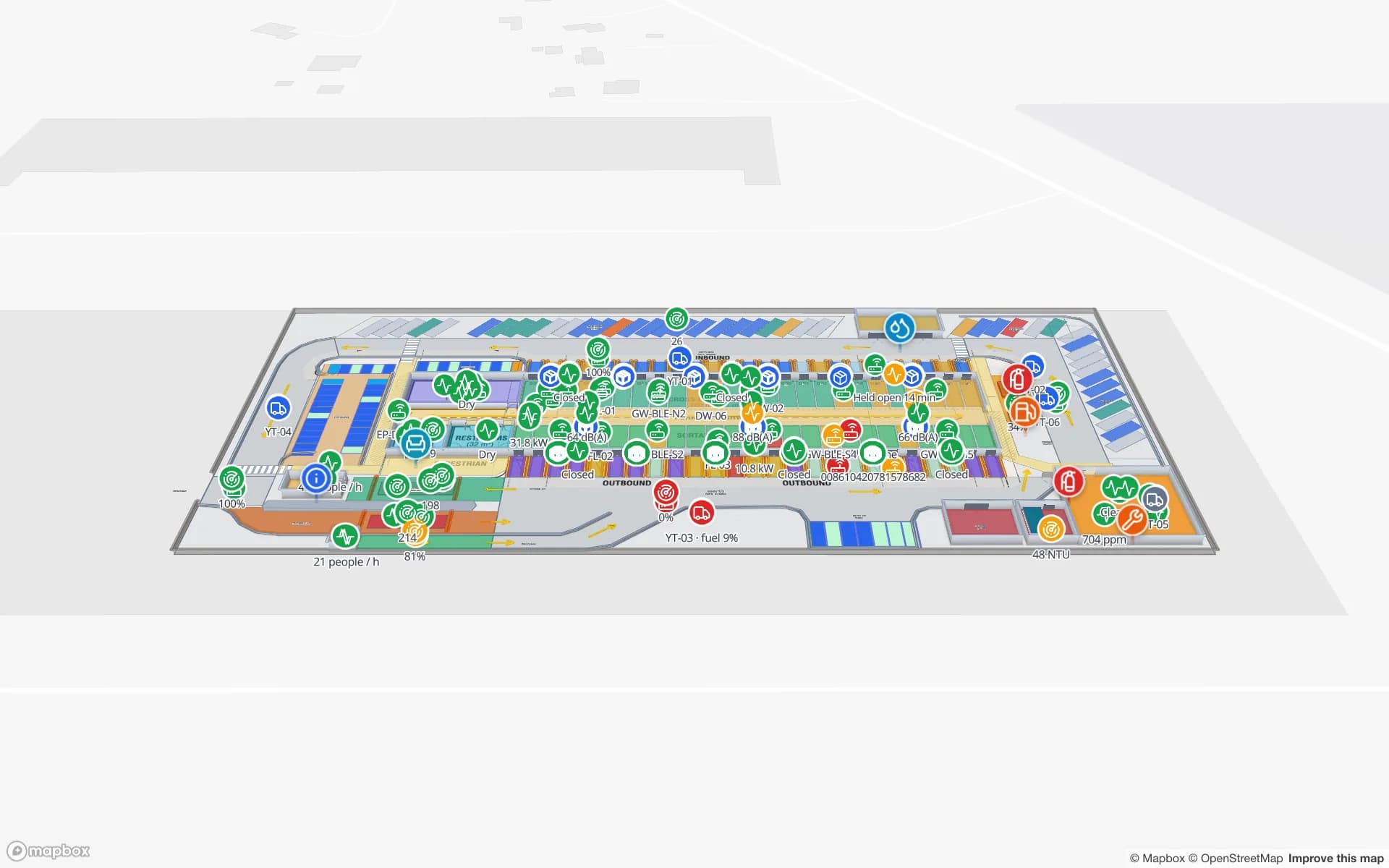
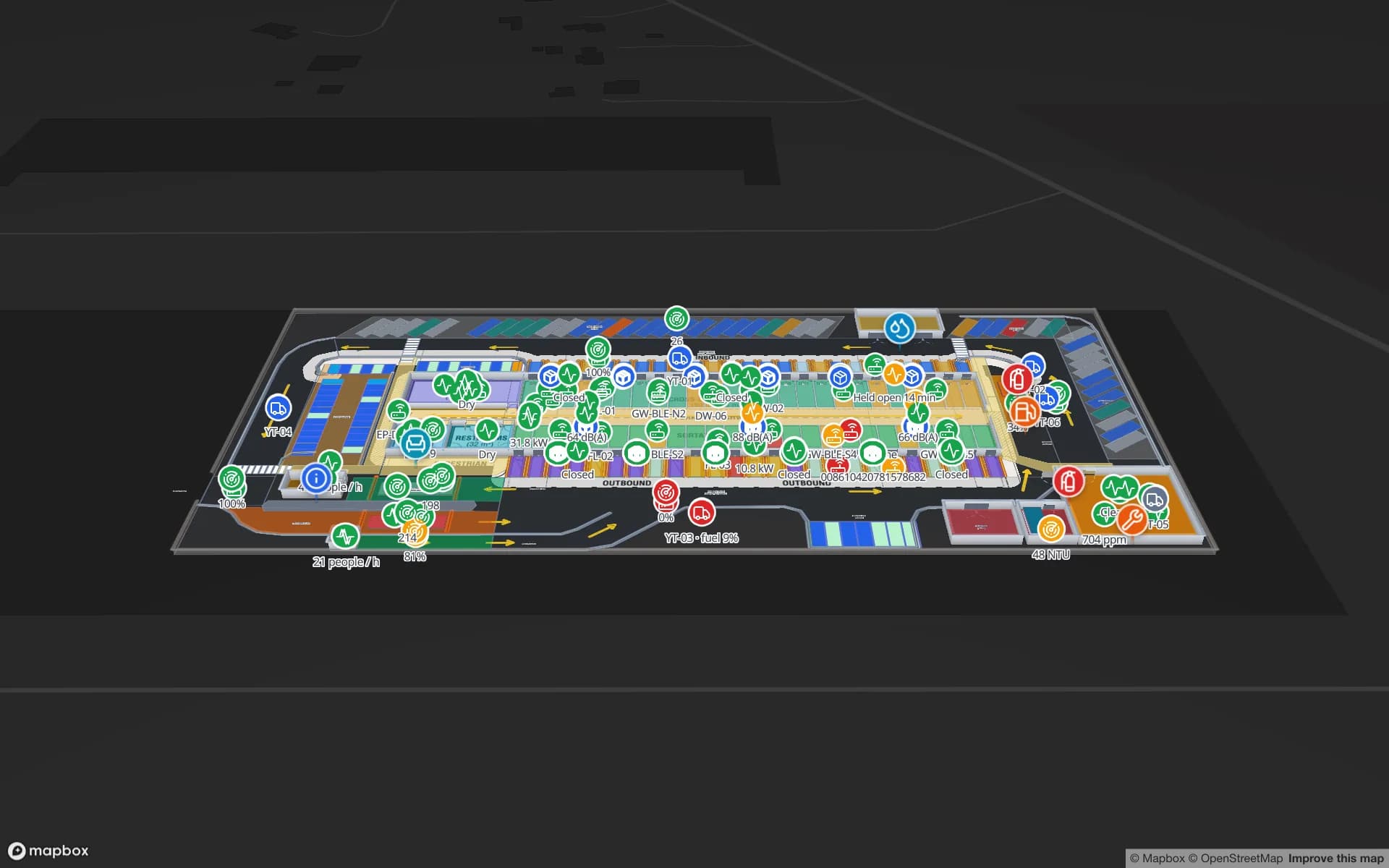
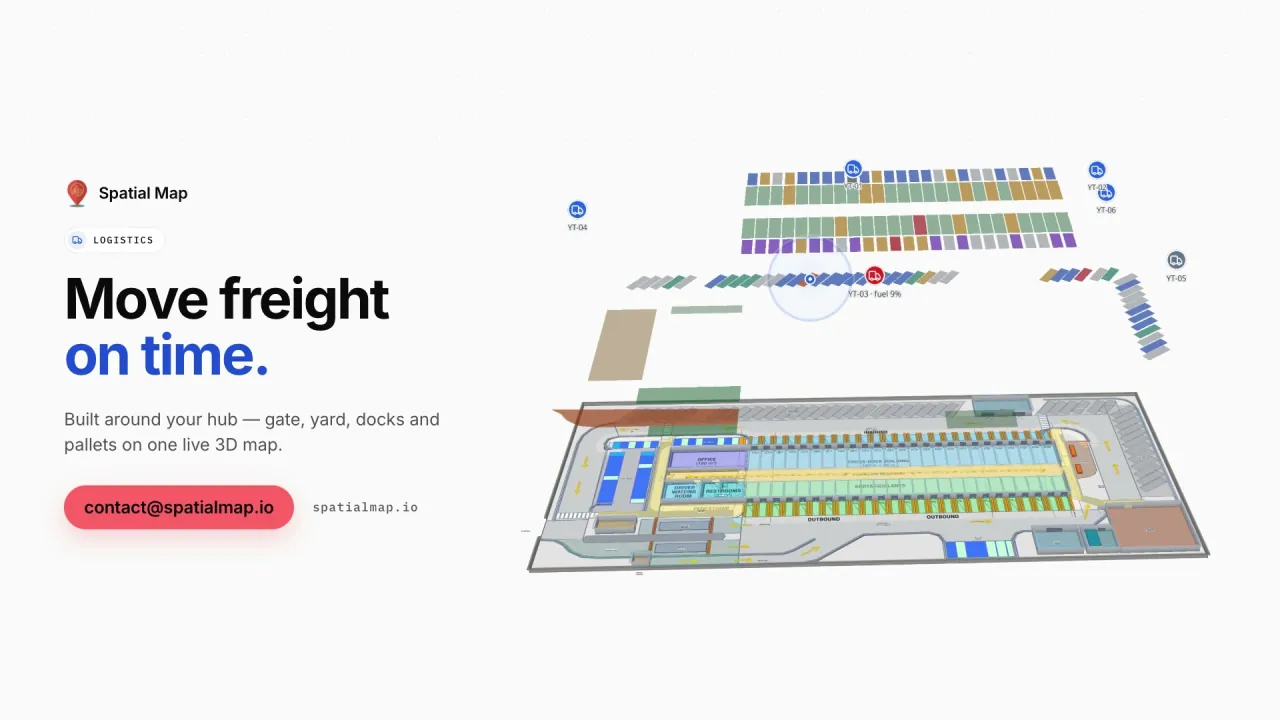
Those are exactly the assets that vanish between owners. Tag them with BLE or RFID, draw the shed as areas for bays and doors, and read at the door to see which items are in, which are out and how long each has been away; an alert rule such as “not seen for N hours” is raised in the app. The Eastport demo shows 50 dock doors, 44 yard slots and 1,180 RFID pallets on one map. Spatial Map has no link to airport or carrier systems.

Services for teams in Seoul

Seoul teams tend to follow three starting points:

  • Labs, studios and offices start with asset tracking as a register by room, often before any tags are bought, then add readers at the store door.
  • Depots and equipment rooms add indoor maps so a spare can be found by bay, with RFID tool tracking for check-out.
  • Forwarders and cargo-shed operators add inventory tracking for pallets and bays.
  • RTLS and UWB matters only where people or vehicles must be located continuously; a BlueIOT server connects directly and other engines through the write API.
  • Tags, gateways and readers can be sourced on request, quoted per project, with manufacturer warranty: see hardware and demo kits on request. An asset management system and other back offices are built as client projects.

Also served nearby

The same page covers Pangyo and Seongnam, Suwon, Goyang, Bucheon and Anyang, and Incheon city itself. Buildings anywhere in the capital region are mapped the same way and cost the same.

How Spatial Map does it

Building a Seoul asset map

  1. 01

    Load the asset register

    Upload a CSV or Excel list of assets with tag IDs, owners and home locations as a table.

  2. 02

    Map the stores and floors

    Import the plan, align it, and draw labs, stores, studios and bays as areas named like your gateways and readers.

  3. 03

    Connect reads and positions

    RFID middleware, BLE gateways and your ERP post rows via the write API or a polled REST endpoint.

  4. 04

    Add overdue and silence rules

    In-app alerts for items overdue at a borrower, rooms short of equipment and tags that stop reporting.

Where Seoul teams track assets

Lab instruments and shared equipment

Bookings, last-seen rooms and chemical stores on a campus map.

Studio and office equipment

Check-out at the store door, overdue items coloured on the plan.

Equipment rooms and spares

Cabinets, spares and checked-out parts tied to the room or rack they belong to.

Cargo-shed pallets and cages

Items read at the dock doors, with time away from each owner.

See it on real demo facilities

Fictional names, real floor plans, live sensors, RFID, BLE tags and gateways — open any of them in the browser.

All 13 demo facilities

Asset tracking in Seoul: questions we get

Often RFID at the store door, where an item is checked out and back in, and BLE for the few high-value items you want to find between reads. Spatial Map shows either, as long as your system sends a tag ID with a read point, zone or position.

No. Start with the items that move or go missing. The map shows whatever your table says; tags only make it more automatic.

No. It has no link to airport, carrier, rail or signalling systems. It maps your own buildings from your own reads and tables, and your systems stay in place.

Yes. Your developers can push rows to a table through the write API (HTTPS, bearer API key, bulk upsert, 60 requests per minute per key), or let Spatial Map poll a REST endpoint. CSV and Excel uploads work too.

No. The app is in English, Spanish, French, German, Arabic and Chinese. Labels, names and table values you write can be in Hangul and appear as written.

No. Spatial Map is sold online and our team works with customers in South Korea remotely, in English, by video call and through the contact form. There are no local resellers or partners.

In US dollars, the same worldwide: a 7-day free trial for up to 5 facilities with no card, then Pro at $60 a month or $600 a year for up to 4 facilities. Larger estates are quoted as custom services.

Track one shared-equipment pool first.

Start the free trial and open the Harborview demo, or send us your asset list and the plan of a lab, studio or cargo shed through the contact form.