Tijuana · Otay Mesa, Florido and the San Diego border

RFID tracking in Tijuana, for plants that ship across the Otay Mesa line

Spatial Map puts RFID reads on a live 3D map of the building where they happen, so a tag at a dock door becomes a carton in a staging lane, a pallet in a trailer or a tote at a line side. RFID tracking in Tijuana is shaped by one fact: the plants here are a few kilometres from the United States, so what matters is the last hour before the truck leaves and the first after it returns. Your readers and middleware do the reading; Spatial Map shows each read in place.

No credit card. Runs in the browser. Pro is $60/month for up to 4 facilities. Book a demo

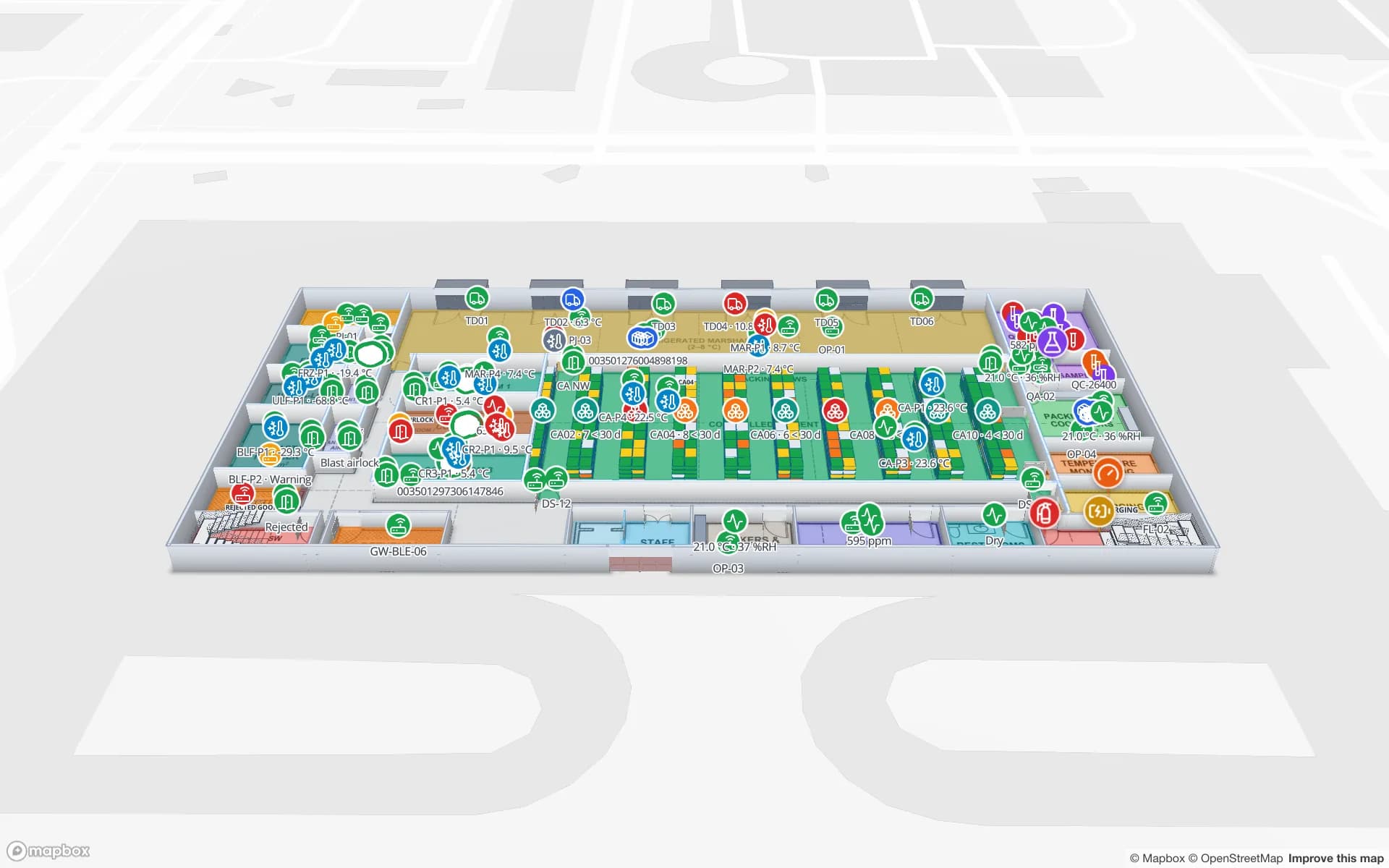
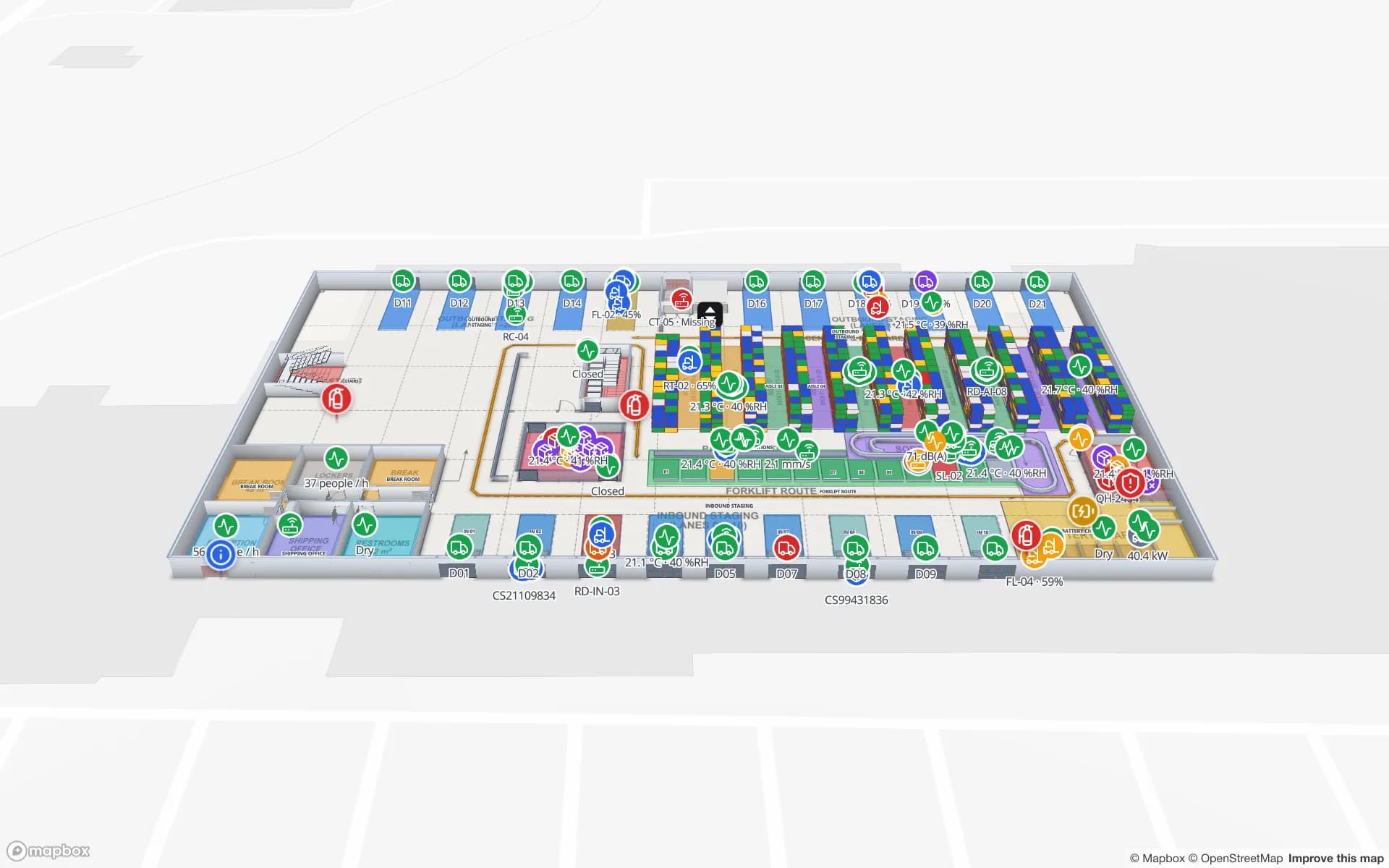
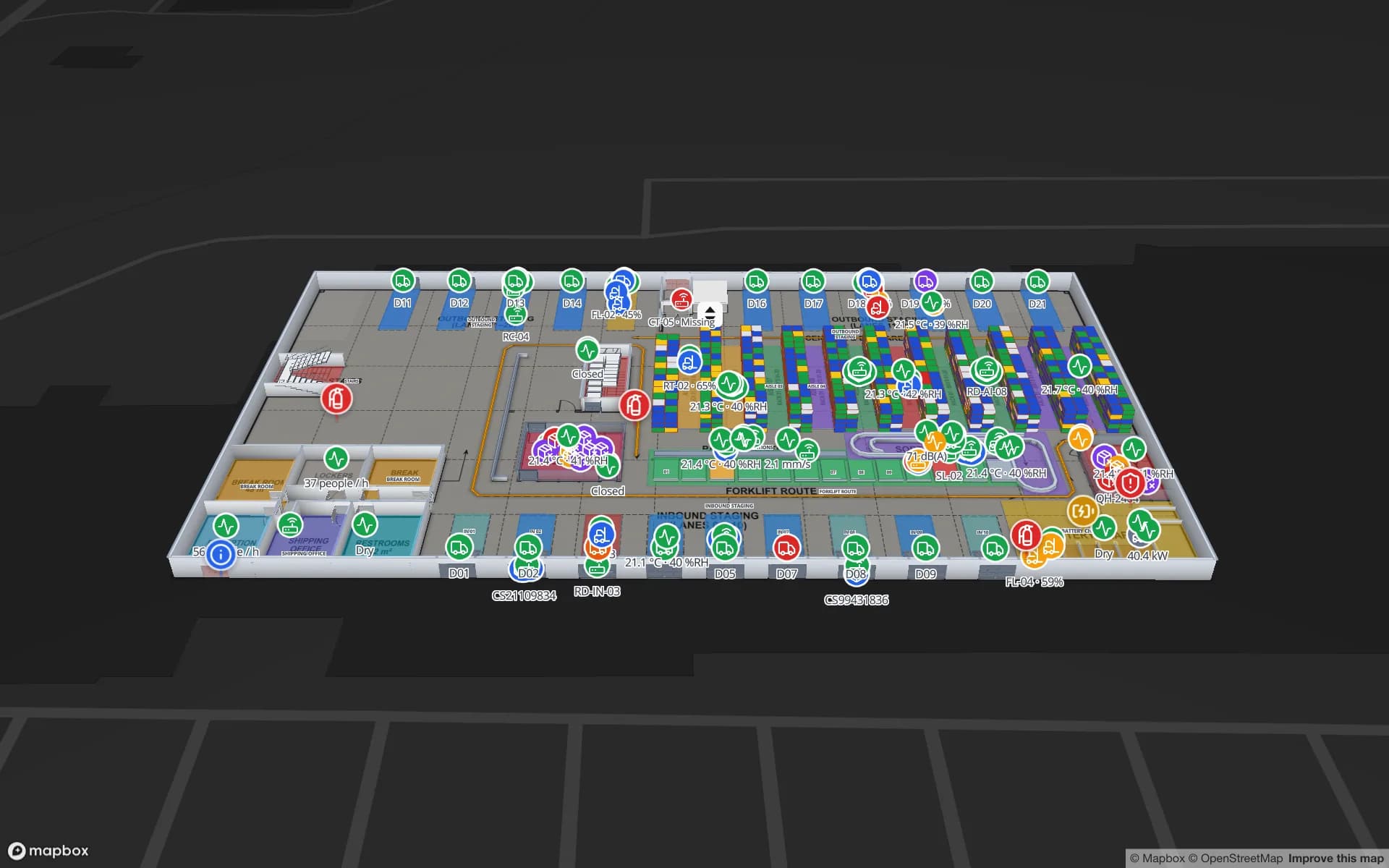
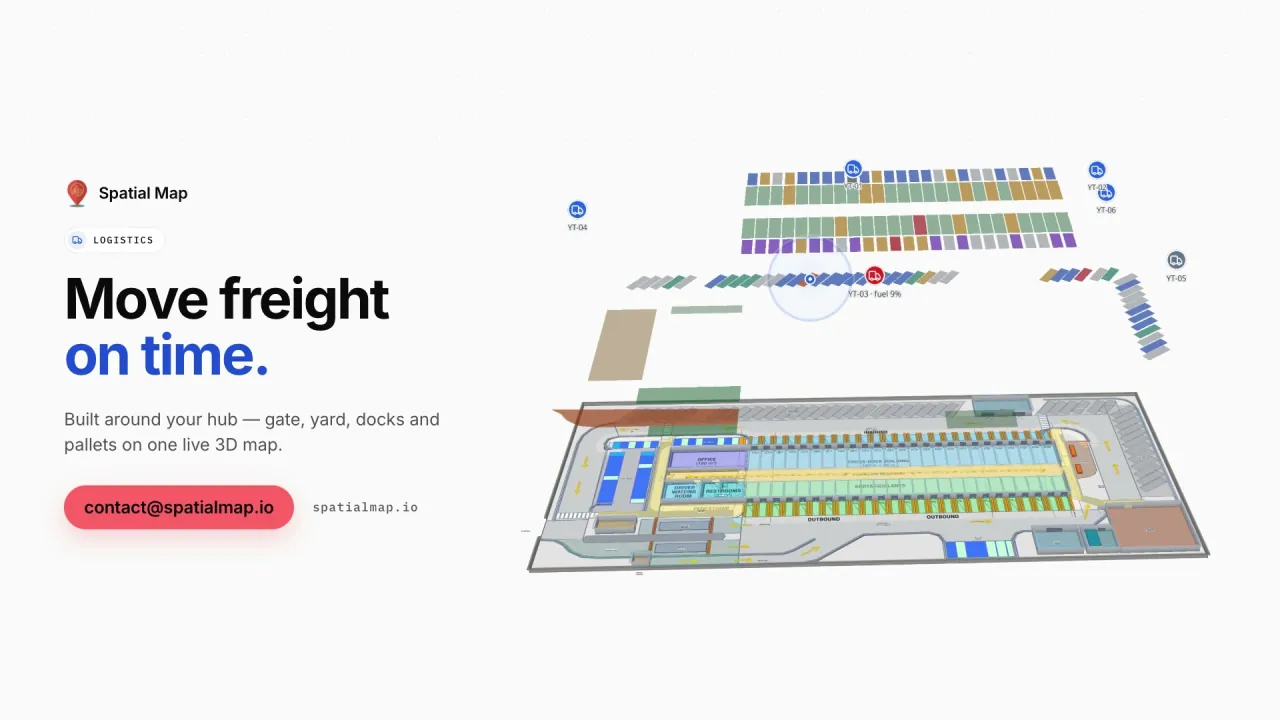
Eastport Cross-Dock Freight Hub, a cross-dock & trailer yard demo, in the Spatial Map 3D viewer with live device markers
Eastport Cross-Dock Freight Hub
Eastport Cross-Dock, a demo freight hub: 50 dock doors, 44 yard slots and 1,180 RFID pallets, with the gate and weighbridge.
Dock doors in the Eastport cross-dock demo
50
RFID pallets moving through Eastport
1,180
How often alert rules are checked, with alerts shown in the app
15 s
Free trial, up to 5 facilities, no card
7 days

Otay Mesa: the crossing built for trucks

The Otay Mesa port of entry opened in 1983, built mainly to take commercial truck traffic away from the San Ysidro crossing about 5.2 miles to the west; commercial vehicles cannot use San Ysidro. Tijuana’s plants and freight yards therefore cluster toward Otay Mesa, and the final leg of almost every export is a short drive to a queue.

RFID earns its place in the hour before that drive. Tag cartons or pallets at packing, read them at the dock door and again at the gate, and the map shows which cartons of an order are staged, which are still on the floor and which have left; a row of readers at a door is a gate, and the RFID gates page explains how to place them. The Eastport Cross-Dock demo shows 50 dock doors, 44 yard slots and 1,180 RFID pallets on one map. Spatial Map does not read border wait times or connect to customs or inspection systems.
A second crossing is planned, a little further east

Otay Mesa East is a planned border crossing about two miles east of the existing one, linking Tijuana’s Otay Centenario area with East Otay Mesa in San Diego County and designed mainly for trucks and commercial vehicles. Opening dates for it have moved more than once, so none is given here.

For a plant or forwarder the practical point is that yards and dock layouts may change when freight patterns do. A map that opens in a browser is easy to redraw: upload the new plan, let AI Map draft doors and areas for a person to review, and move lanes as the flow changes. Keep the Tijuana yard and your San Diego warehouse as two facilities in one workspace to see both sides of a shipment.

Twin plants: Otay Mesa and Florido

Baja California’s economy has a strong focus on tariff-free, export-oriented manufacturing, and many of Tijuana’s maquiladoras sit in the Otay Mesa and Florido sections of the city. A twin-plant operation splits one product between two sides of the border: components cross south, finished goods or sub-assemblies cross north.

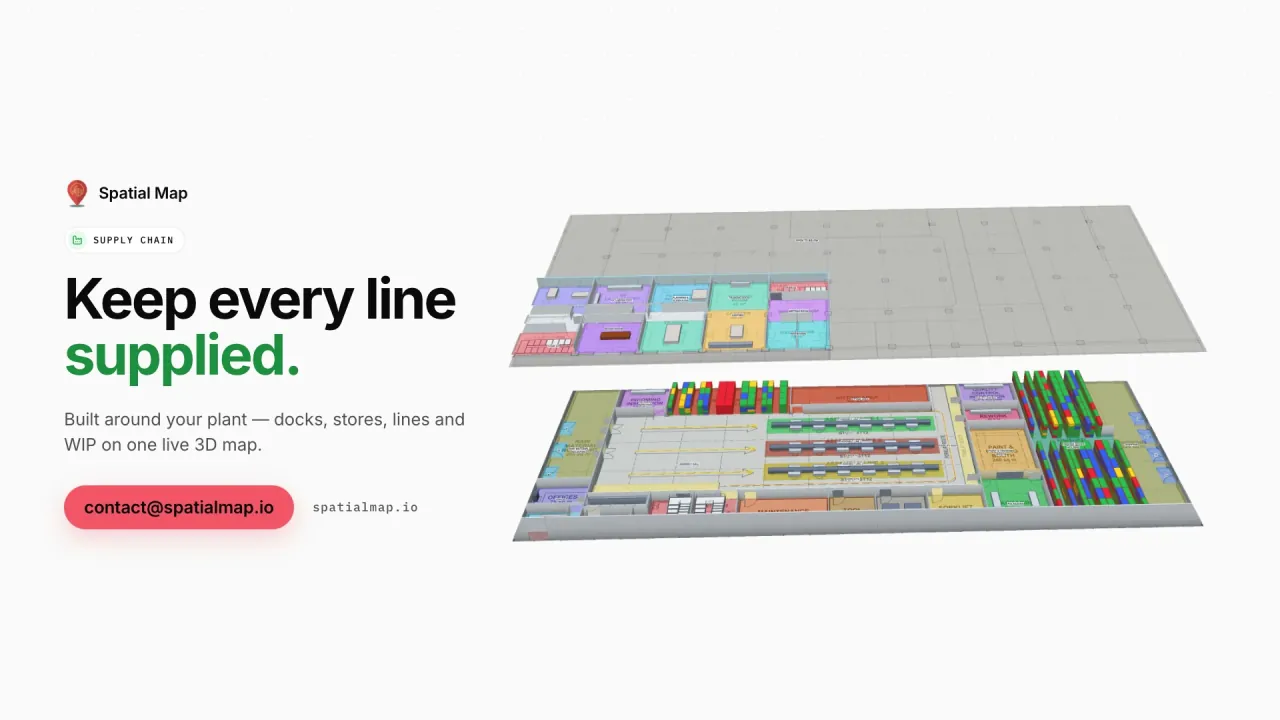
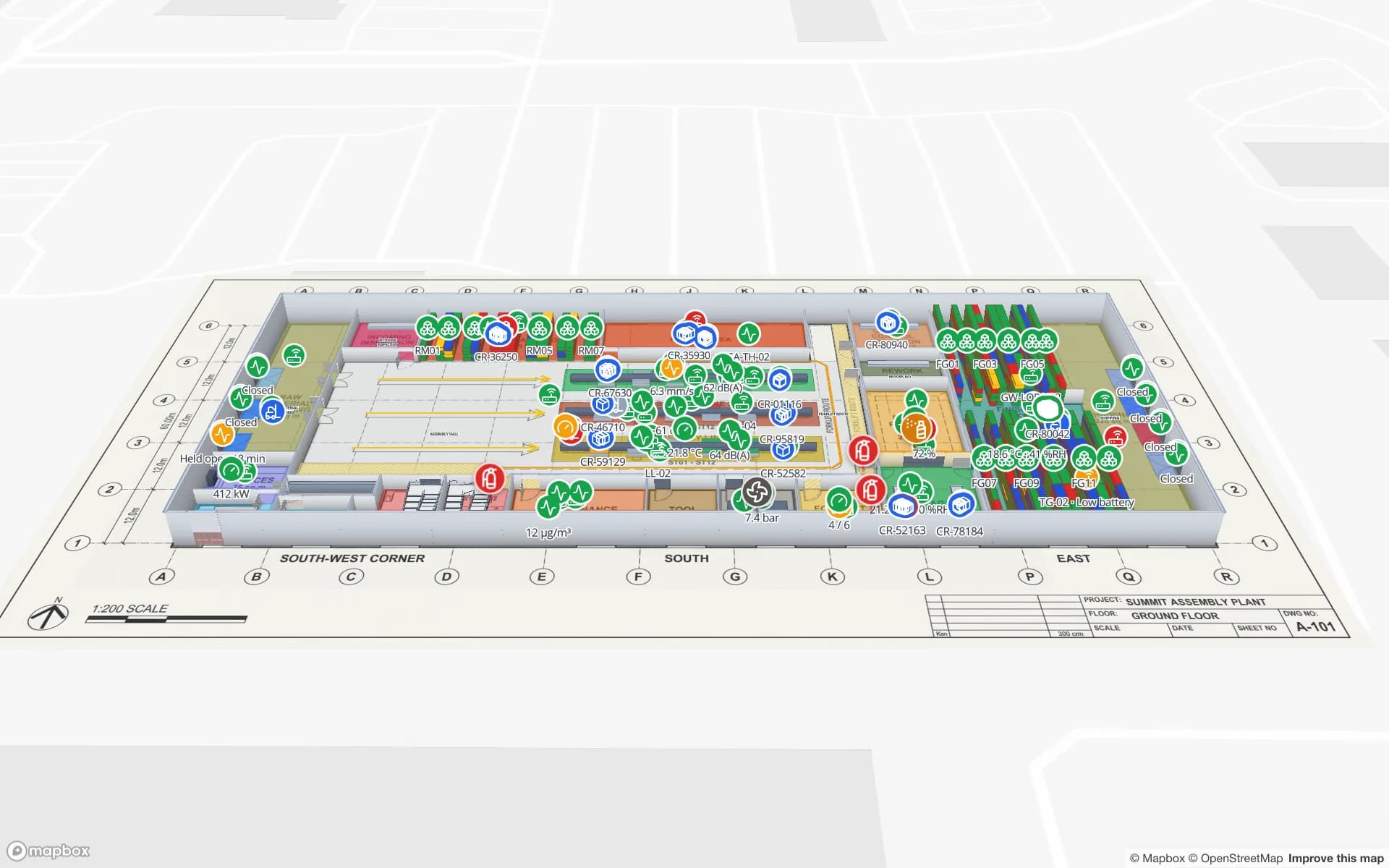
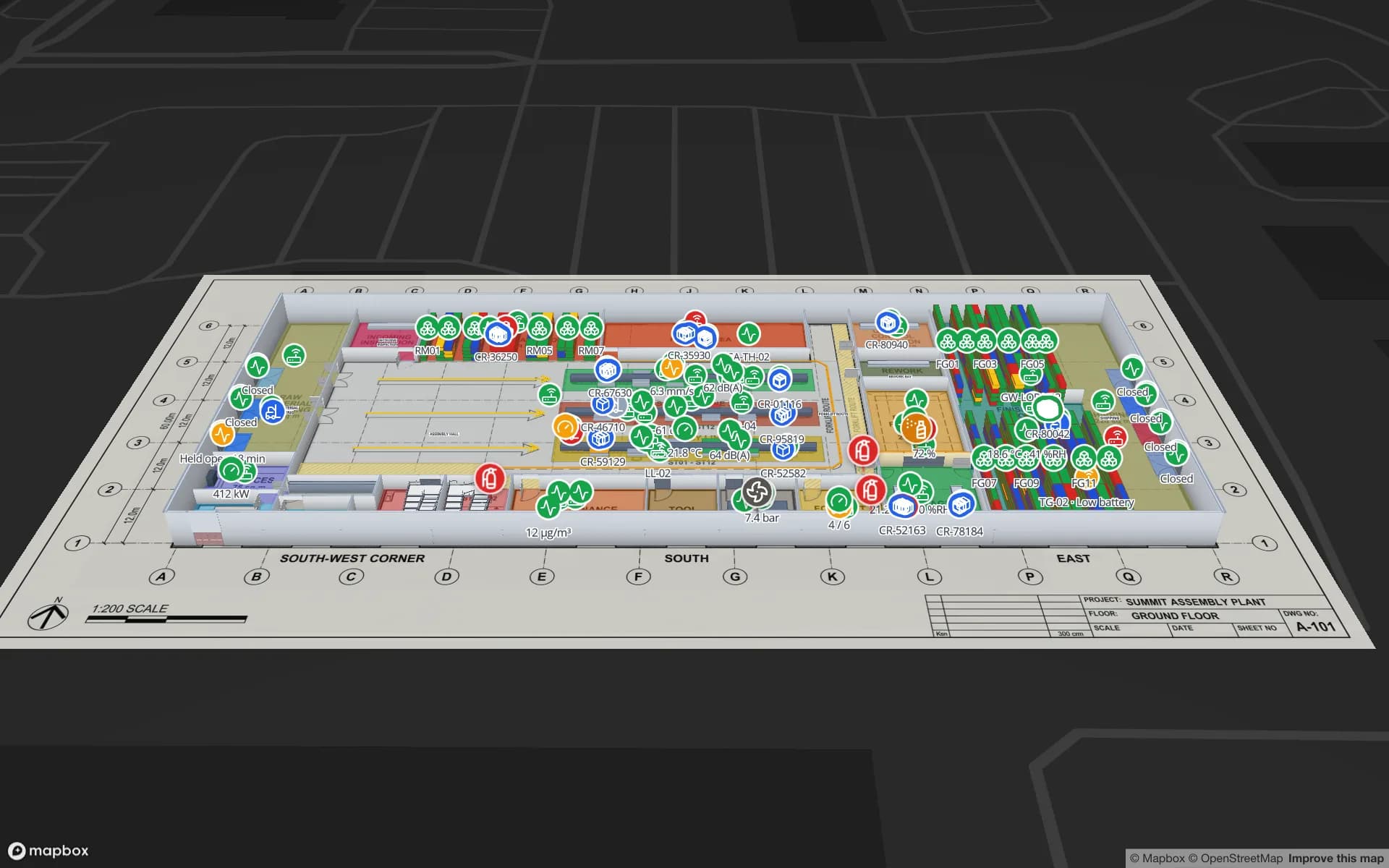
Under IMMEX, the Ministry of Economy’s programme for temporary imports used in export production, the floor question is which imported lot is on which line and which finished cartons belong to which export order. Spatial Map draws lines, WIP buffers and racks, colours them from your MES or ERP, and shows RFID-tagged carriers and totes by their last read; returnable totes and racks are the assets that are easiest to lose track of at a border. The Summit Assembly demo shows 867 rack locations, WIP carriers read between stations and receiving and shipping docks. Your IMMEX and customs records stay in your own systems.

Medical-device cartons and the quarantine bay

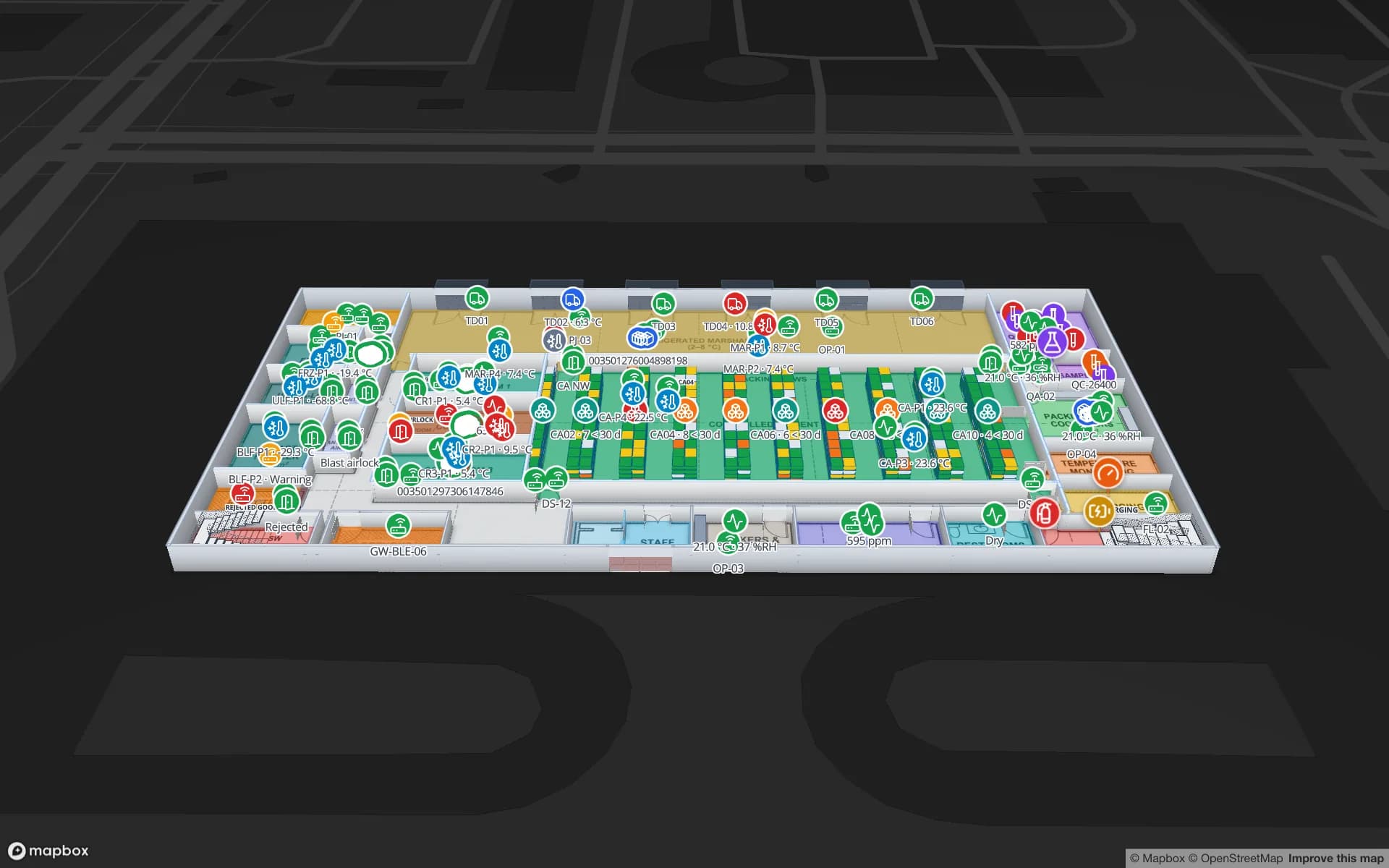
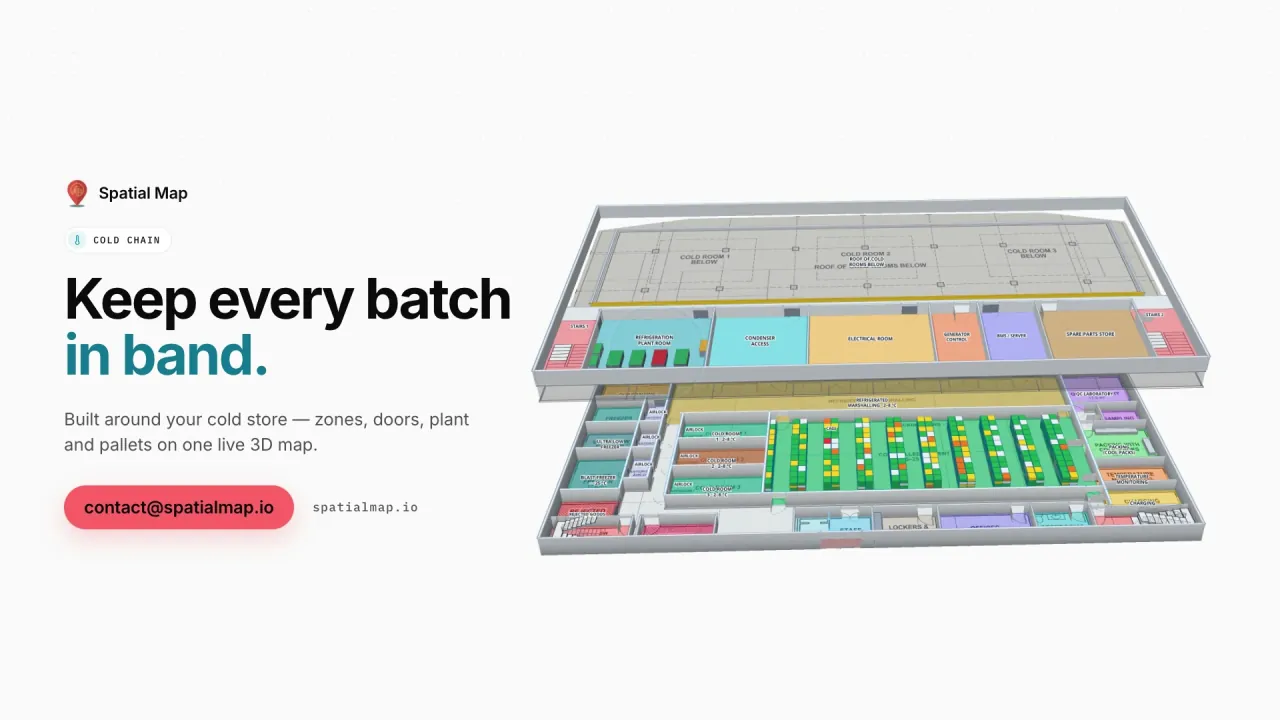
Tijuana is widely described as a major medical-device manufacturing centre. For a plant of that kind, RFID is useful for the physical flow of cartons, totes and held lots: a quarantine area, a staging lane, a shipping door. A held lot has a tagged pallet or tote read at the quarantine door, and the map shows where it sits; a table of lots from your quality system colours the bays. Your quality system remains the record, and Spatial Map makes no claim about FDA, ISO or any other compliance regime. Test tags on foil, plastic and sterile packaging in your own bay first. The Polar Pharma demo shows quarantine areas and 1,140 rack locations.

The airport on the line

Tijuana’s international airport sits next to the border. The Cross Border Xpress, a 120-metre (390 ft) pedestrian bridge that opened to passengers on 9 December 2015, links it to Otay Mesa in San Diego, and only ticketed airline passengers may use it. It is people, not cargo, but it shows how close the line is to the airport sheds and why plants in this area are planned as one operation across two countries. For a building that holds goods for both sides, temperature monitoring and RFID stock counts sit on the same map.

Services for teams in Tijuana

Where Tijuana teams usually start:

Also served nearby

The same approach covers Tecate, Playas de Rosarito, Ensenada and Mexicali elsewhere in Baja California. Nothing needs to be installed at any of them: the map opens in a browser.

How Spatial Map does it

From the line to the Otay Mesa queue

  1. 01

    Pick one building

    A plant dock, a cross-dock yard or a quarantine bay, wherever a missing carton costs most.

  2. 02

    Map doors, lanes and racks

    Upload the plan or a photo, let AI Map draft the floor, and name read points the way your middleware names them.

  3. 03

    Connect reads and orders

    RFID middleware and your ERP post rows through the table write API, a polled REST endpoint or CSV and Excel uploads.

  4. 04

    Add staging and silence rules

    In-app alerts for cartons staged too long, short loads before the truck leaves and readers that stopped reporting.

What Tijuana teams track

Cross-dock yards near the border

Dock doors, yard slots and pallets staged for the next crossing.

Twin-plant production

Lines, WIP carriers, returnable totes and racks by location.

Medical-device quarantine and controlled stores

Held lots, quarantine areas and storage readings in place.

Finished-goods distribution

Every rack location coloured from WMS stock.

See it on real demo facilities

Fictional names, real floor plans, live sensors, RFID, BLE tags and gateways — open any of them in the browser.

All 13 demo facilities

RFID tracking in Tijuana — questions we get

No. It has no link to customs, inspection or border-crossing systems and does not read wait times. It shows what happens inside your own building, from your own RFID reads, ERP or WMS and sensors.

Yes. Keep each building as a facility in one workspace and group them into a named solution, for example by customer. A report or a read-only share link can cover several. Owner, Admin, Editor and Viewer roles control who can change what.

RFID or BLE tags on totes and racks give a last-read location at each site, and a table of totes by owner and status shows where they should be. Spatial Map does not read tags itself and does not follow a tote between readers that are not connected to it, so each side needs its own reads.

Fixed readers, portals or handhelds approved for use in Mexico; UHF settings differ between countries, so ask your supplier for the right model and region. Spatial Map has no reader drivers: your middleware posts reads to a table with the write API, or exposes a REST endpoint Spatial Map polls. Our team can source devices on request, quoted per project.

Yes. Spanish is one of six interface languages and each user picks their own. See the services page in Spanish.

No. Spatial Map is sold online and our team works with customers in Mexico remotely, by video call and through the contact form. There are no local resellers or partners.

In US dollars, the same worldwide: a 7-day free trial for up to 5 facilities with no card, then Pro at $60 a month or $600 a year for up to 4 facilities. RFID hardware, if you ask us to source it, is quoted per project and is not part of the subscription.

Map one Tijuana dock before the next crossing.

Start the free trial in Spanish or English and open the Eastport demo, or send us the plan of a plant dock or cross-dock yard and a sample of your reads through the contact form.