Toulouse · Aerospace Valley, Blagnac airport, schools and labs

Asset tracking in Toulouse, from the tool crib to the hangar apron

Spatial Map shows where tagged equipment, tooling and other assets are on a live 3D map of each building, using the reads and positions your RFID and BLE systems already produce. Asset tracking in Toulouse is shaped by an industry that spreads over two regions and many small suppliers: the jigs, gauges, test benches and ground-support equipment that make aircraft and parts move between sites more often than anyone’s register admits. Each site is its own facility, in French or English.

No credit card. Runs in the browser. Pro is $60/month for up to 4 facilities. Book a demo

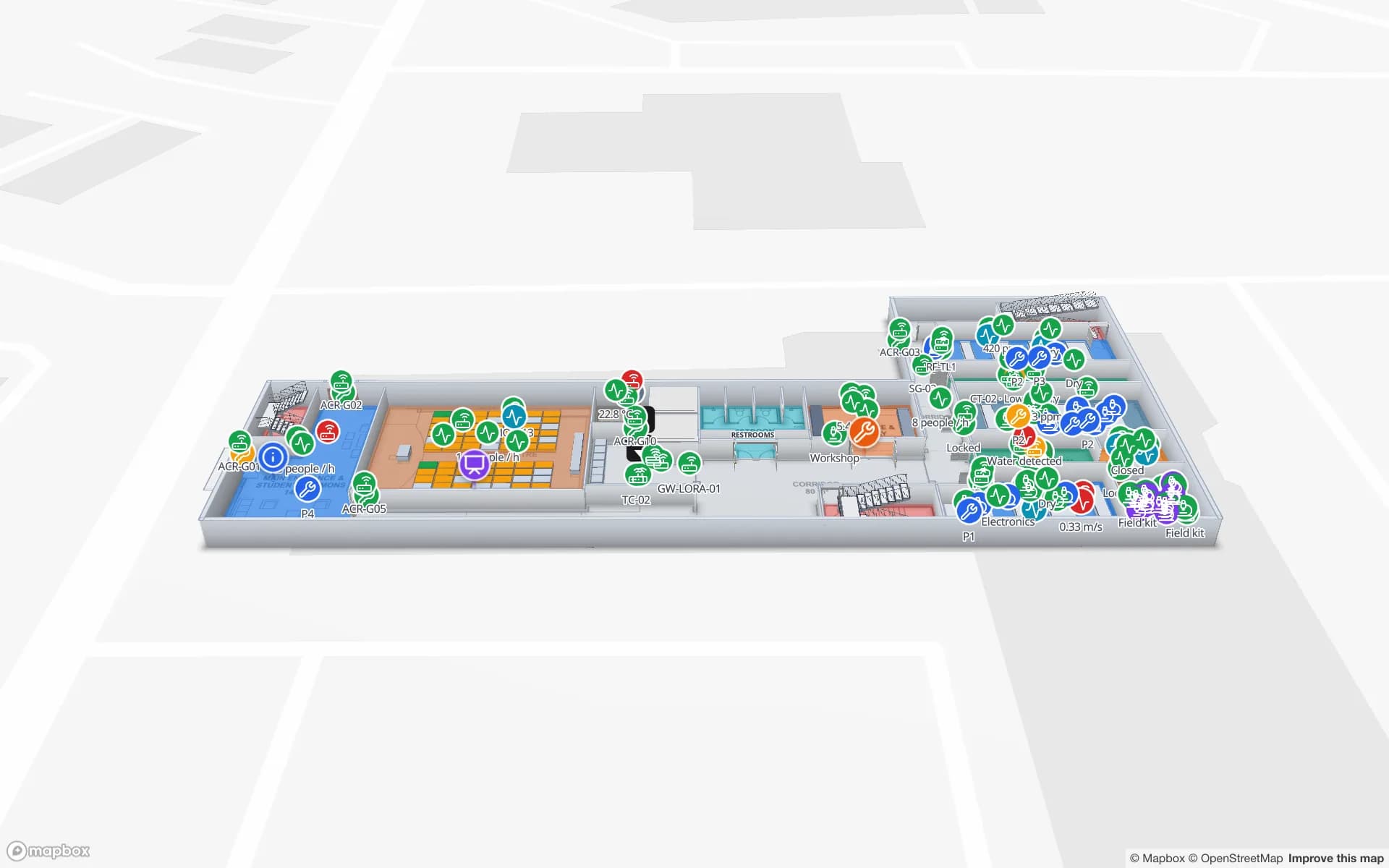
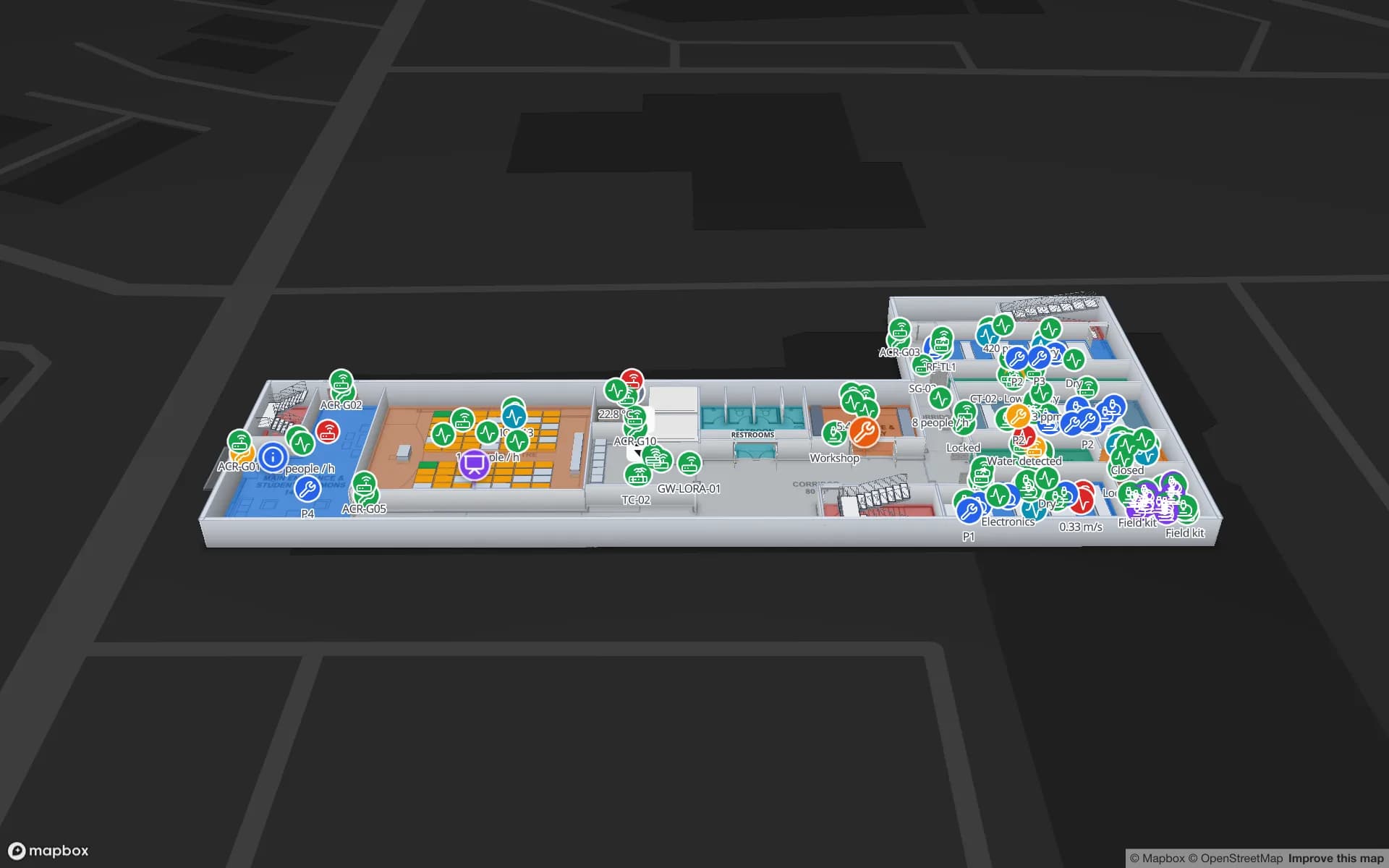
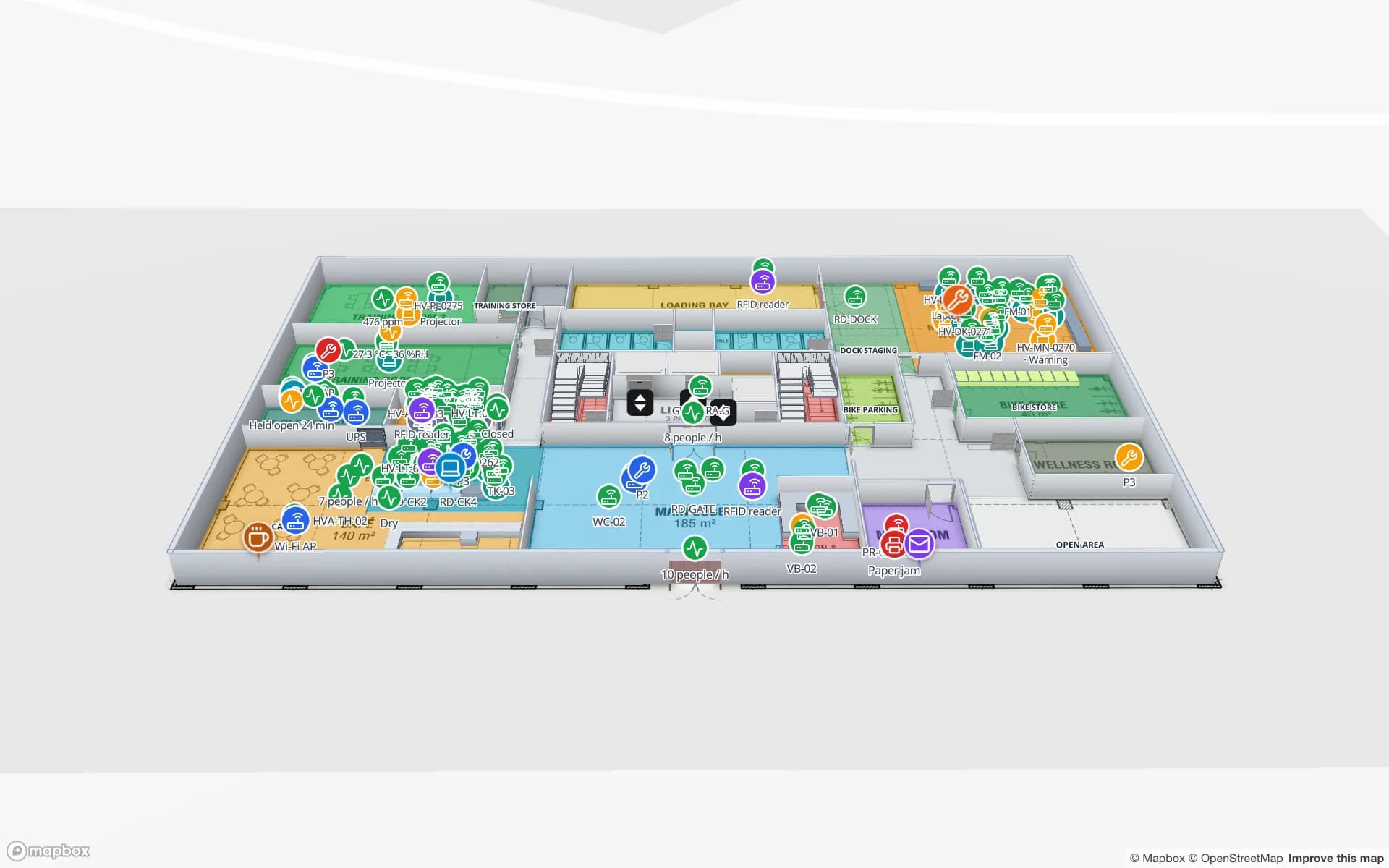
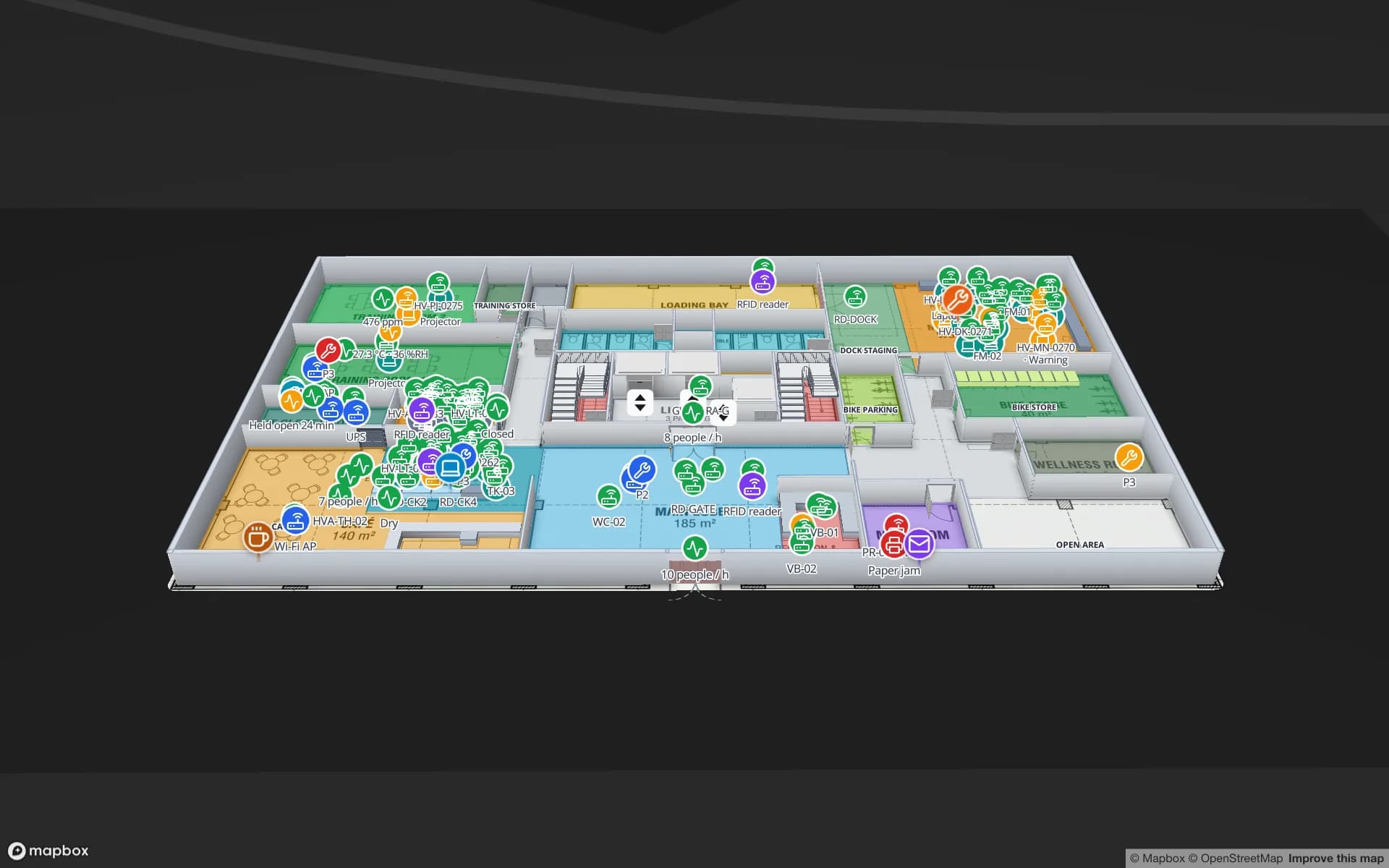
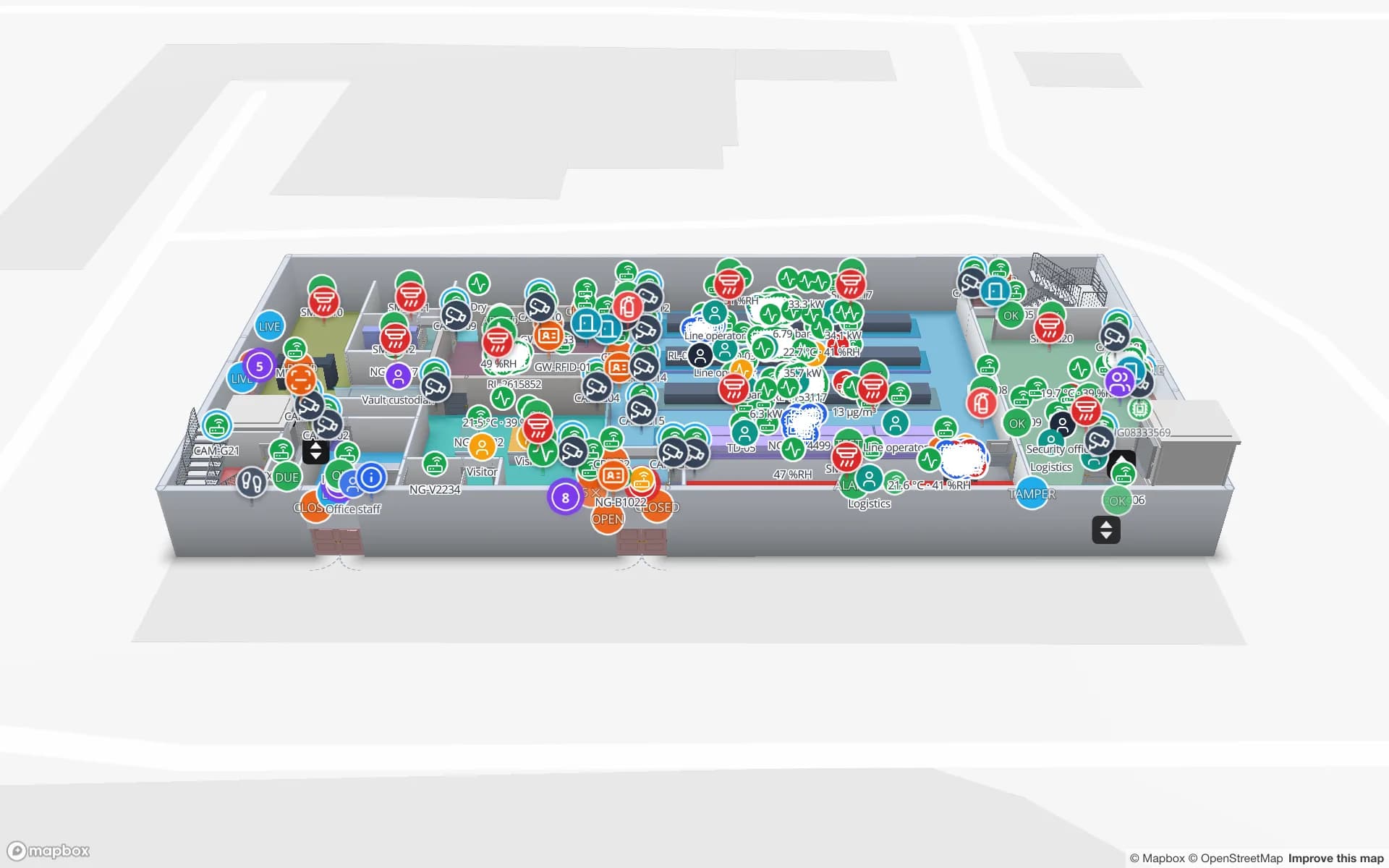
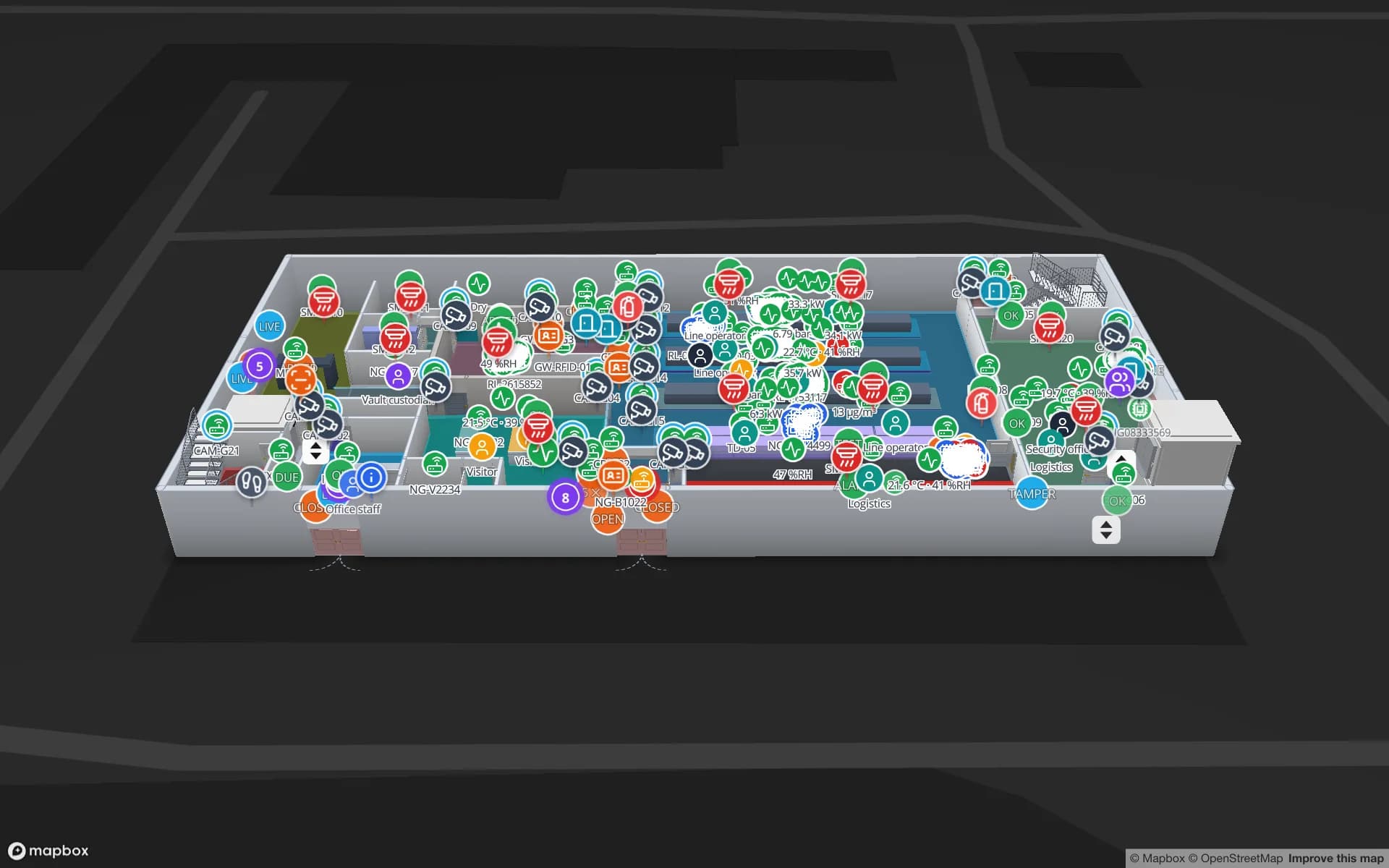
Northgate Electronics — Assembly & Secure Store, a electronics assembly & secure store demo, in the Spatial Map 3D viewer with live device markers
Northgate Electronics — Assembly & Secure Store
Northgate Electronics, a demo electronics plant with a secure store: access points, CCTV, choke-point counters and high-value stock on two floors.
Assets in the Northgate demo plant
119
Floors in the Northgate demo, with its secure store
2
French interface, alongside English, German, Spanish, Arabic and Chinese
Français
Free trial, up to 5 facilities, no card
7 days

An ecosystem that spans two regions

Aerospace Valley calls itself the leading European competitiveness cluster in the aerospace sector, serving aeronautics, space and drones in the Occitanie and Nouvelle-Aquitaine regions, with its headquarters in Toulouse. The regional development agency, AD’OCC, says the final assembly lines for commercial aircraft are in Toulouse and lists skills from avionics and electrical systems to composites, fasteners and additive manufacturing. Counts of companies and jobs differ between the cluster and the agency, depending on what each counts, so we quote none.

What matters for an asset register is the shape. A few very large buildings sit at the end of a long chain of small and mid-sized suppliers, and the things that circulate along it are not parts but means of production: forming and drilling jigs, lifting beams, test equipment, measuring gauges, returnable containers, ground-support equipment. They belong to one site, are used at another and are repaired at a third, and the cost of “where is it?” is a station that cannot start.
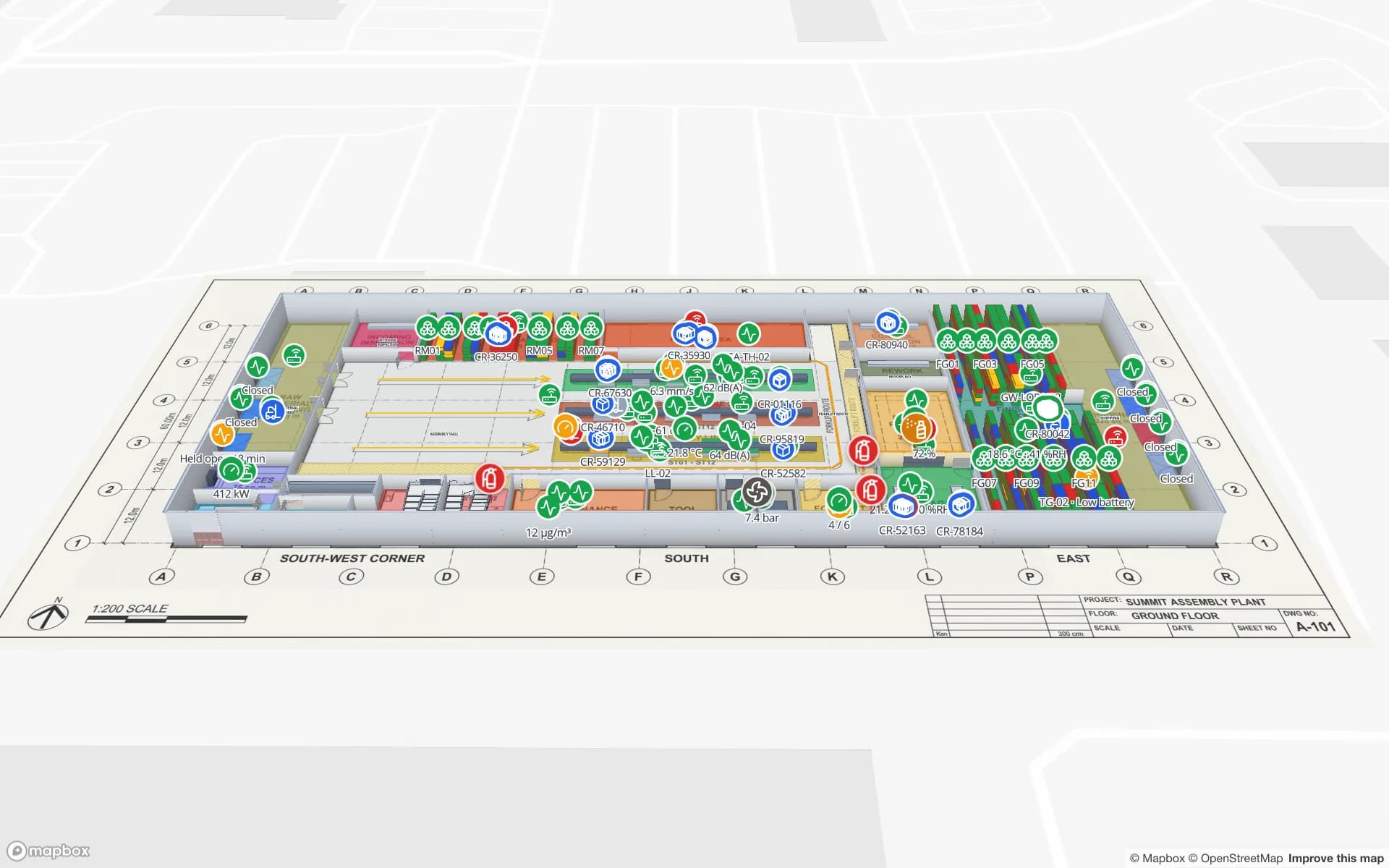
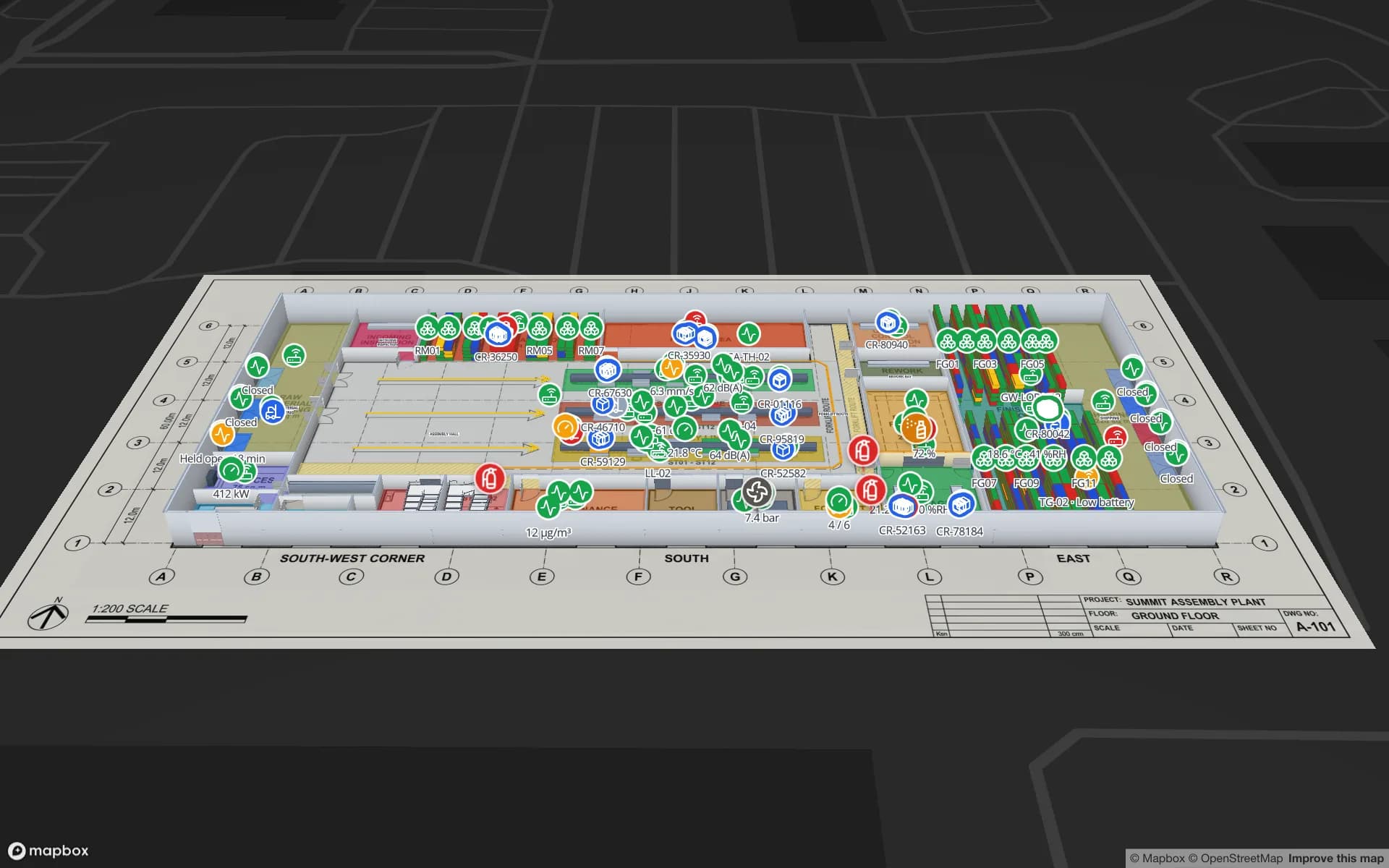
Tooling, gauges and kits: the assets that stop a station

Keep the register as a table: tag ID, description, owner site, home store, status and a calibration or inspection due date. Draw each plant so every store, tool crib, bay and line is an area. RFID tags read at the tool-crib door, or BLE tags with gateways named after the rooms, tell your system where each item is; the map shows its last-seen area, a style rule colours items past their due date, and the History player replays where an item has been.

Be clear about what that is. Spatial Map shows and colours what your records say; it does not manage calibration certificates, quality records or traceability for aircraft parts, and it makes no compliance claim for any aerospace quality standard. Those stay in your quality system, and the map helps people find the item that the record refers to. RFID tool tracking explains the crib pattern, and the Northgate demo shows tools located room by room beside a secure store with access points.

Blagnac airport and the equipment around the aprons

Toulouse-Blagnac Airport’s management company describes its business as infrastructure serving air travel and the businesses hosted on the airport. It also says one of its two runways was renovated, with the work completed in October 2020, to guarantee safe conditions and to meet the needs of the aircraft manufacturers based there. Around the aprons and hangars the assets are mobile and shared: tugs, steps, ground power units, tooling trolleys, flight-test equipment.

For equipment that moves between buildings, BLE tags and gateways give room-level presence at modest cost, and the BLE page explains how it works. For a few high-value or safety-relevant items, an RTLS engine can give a position; a BlueIOT server connects directly, while others post positions through the write API, and Spatial Map never computes a position from signal strength itself. A heatmap of where equipment sits during a shift, with heat stopping at walls, shows which bay is crowded; see real-time indoor asset tracking.

Schools, labs and test benches

Toulouse is also a student city for the sector: the agency’s brochure lists ISAE-SUPAERO and ENAC, the National School of Civil Aviation, among the engineering and aviation schools, and says 40 establishments train high-school students for aeronautics and space careers. Teaching labs and research benches carry the same problem on a smaller scale: instruments, sensors, microcontroller boards and consumables shared between teams and rooms, and a spare that vanishes before a practical.

The Westbrook demo shows the pattern: lab equipment and staff located by room, container tags on chemicals and samples, environment monitors with live readings. A check-out table with a due-back date coloured red when overdue covers most of what a lab needs. The agency also describes hydrogen work in the region, including renewable-hydrogen production and distribution at the Toulouse and Tarbes airports; test rigs like that carry sensors, and Spatial Map can show their live readings on the plan, but it is not a safety system and does not replace the rig’s own protections.

Sensitive sites: where the map is allowed to live

Many aerospace buildings restrict where data may go. Spatial Map runs in the cloud or on-premises, and the same app is available as an MIT-licensed open-source edition that a team can self-host inside its own network with a free Mapbox token. Access is per facility through four built-in roles and custom roles, and share links expose only the floors and layers you choose, with an expiry date. Ask your security officer what a given site allows; we make no claim about security approvals.

The map is also useful before any hardware: a first version needs only the floor plan and a spreadsheet of assets with their last known room. Add readers or tags where an item has actually gone missing.

Services for teams in Toulouse

Where Toulouse teams usually start depends on the building:

  • Suppliers and plants usually begin with asset tracking for tooling, gauges and returnable containers, then add inventory tracking for kits and raw material.
  • Maintenance and ground-handling teams start with BLE presence per room or bay; RTLS and UWB is for the few places where an exact position is worth the infrastructure.
  • Schools and labs begin with a check-out register and a plan of each building, often in a single afternoon.
  • If you have no readers, tags or beacons yet, our team can source devices on request, quoted per project, with warranty and device support from the manufacturer: see hardware and demo kits on request.
  • Where a connector or a handheld app is missing, our team builds custom software such as POS or booking systems and ERP integrations as client projects.

Also served nearby

The same page covers Blagnac and Colomiers beside the airport, Cugnaux and Muret to the south, Balma and Labège to the east, and Tarbes and Montauban within the wider Occitanie supplier network. Nothing needs to be installed at any of them: the map opens in a browser.

How Spatial Map does it

From a spreadsheet of assets to a live map

  1. 01

    List the assets that cost you time

    Jigs, gauges, test equipment, ground equipment, returnable containers: one row each, with an owner and a home room.

  2. 02

    Draw the buildings

    Upload a plan, photo or CAD file and mark stores, cribs, bays and lines as areas.

  3. 03

    Tag and connect

    Tag the items that go missing; readers or gateways post reads through the write API, or a polled REST endpoint, or a CSV upload to begin.

  4. 04

    Colour and alert

    Style rules for overdue items and in-app alerts for equipment not seen for N minutes or an area below its count.

What Toulouse teams track

Tool cribs and secure stores

Tooling and gauges checked out and back, with access points and counters beside the store.

Assembly lines and kitting

Kits, carriers and tools located by station and line.

Lab and test equipment

Instruments and samples by room, with overdue check-outs coloured on the plan.

Offices and engineering buildings

Shared equipment, spares and meeting-room kit by floor.

See it on real demo facilities

Fictional names, real floor plans, live sensors, RFID, BLE tags and gateways — open any of them in the browser.

All 13 demo facilities

Asset tracking in Toulouse — questions we get

No. It can hold a due date per item and colour overdue ones, and it keeps row history for the reads you send, but it is not a calibration or traceability system and makes no compliance claim for any aerospace quality standard. Your quality system stays the record.

Spatial Map can run on-premises, and the MIT-licensed open-source edition is self-hosted with Docker Compose and a free Mapbox token, with no plans or limits. Whether either is acceptable on a given site is for your security team to decide.

It depends on the question. RFID at the tool-crib door answers “is it in or out”; BLE tags with gateways answer “which room”; UWB answers “where in the bay” but needs anchors. Start with the cheapest that answers the question you actually ask; the post on RFID versus BLE for asset tracking compares them.

Yes. Send a read-only share link that opens only the floors and layers you choose, with an expiry date, or filter a table to the items on loan. Suppliers do not need an account for a read-only link.

Yes. French is available alongside English, German, Spanish, Arabic and Chinese, and each user picks their own. Item names, room names and report titles stay as you write them, accents included.

No. Spatial Map is sold online and our team works with customers in France remotely, by video call and through the contact form, in French or English. There are no local resellers or partners.

In US dollars, the same worldwide: a 7-day free trial for up to 5 facilities with no card, then Pro at $60 a month or $600 a year for up to 4 facilities. Tags and readers, if you ask us to source them, are quoted per project and are not part of the subscription.

Map one tool crib before the next audit.

Start the free trial in French or English and open the Northgate demo, or send us a plan of a plant, hangar or lab and a spreadsheet of the assets you keep losing through the contact form.