Latin America · Brazil

Indoor mapping & RFID tracking in Brazil

Spatial Map is browser-based software for indoor mapping & RFID tracking in Brazil: a plant, warehouse or store floor plan becomes a live 3D map, coloured by the data your WMS, MES, RFID readers and sensors already produce. In a country of 203 million people, most of what is made or imported moves through a few places: the ports of Santos and Paranaguá, the sheds around São Paulo and the factories of the Manaus free trade zone. The app is not available in Portuguese, but your own room names, rack codes and reports appear exactly as you type them.

No credit card. Runs in the browser. Pro is $60/month for up to 4 facilities. Book a demo

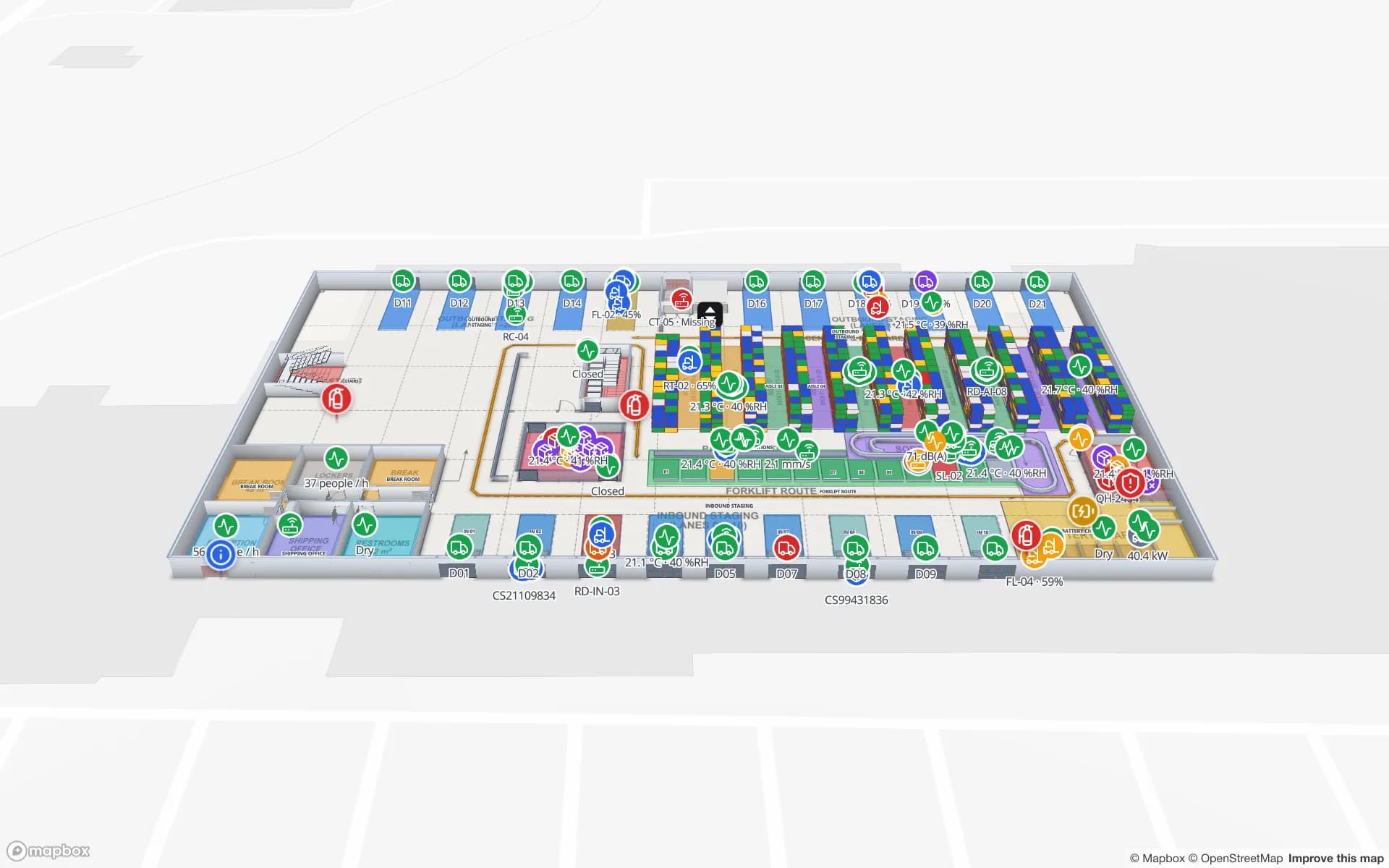
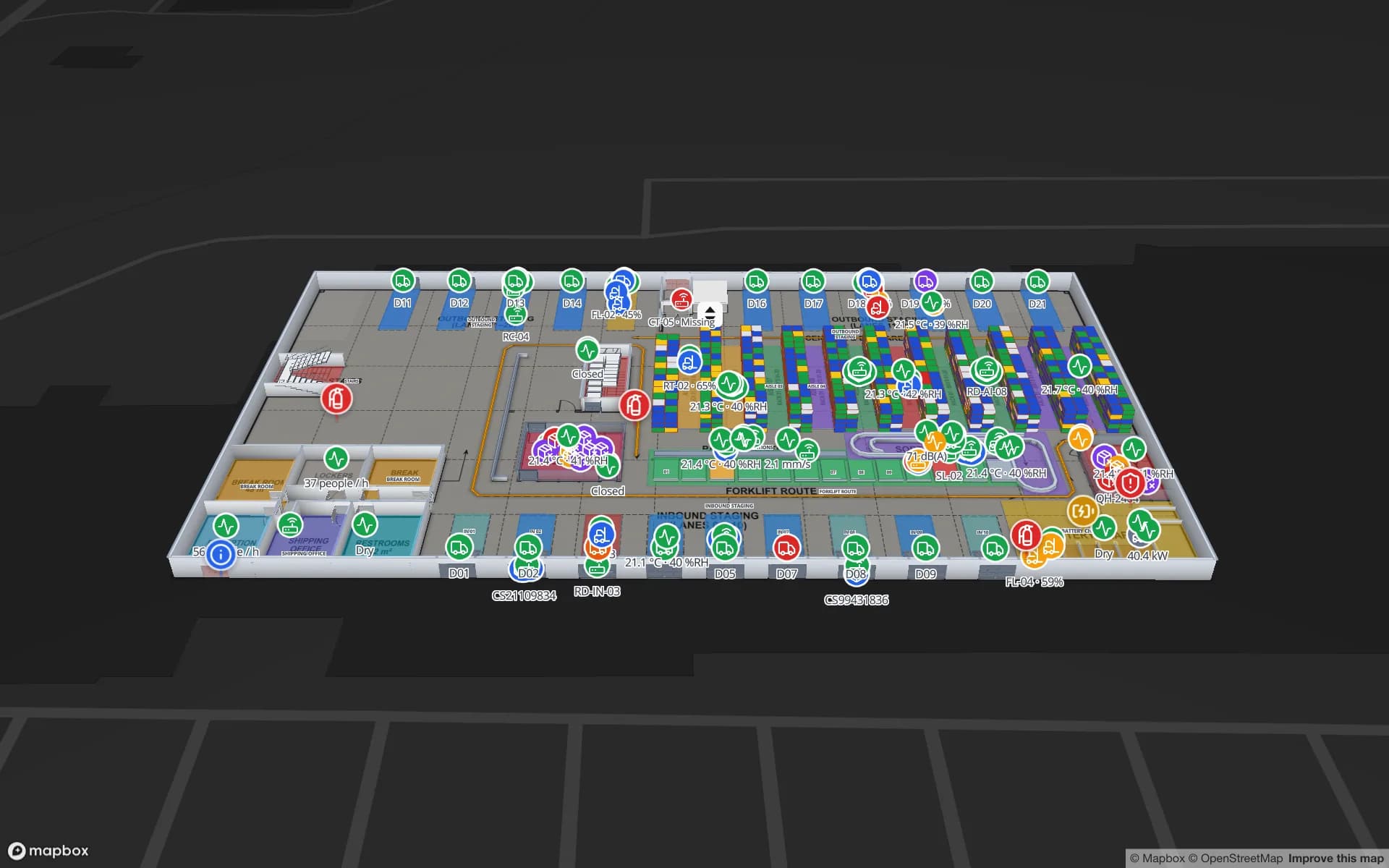
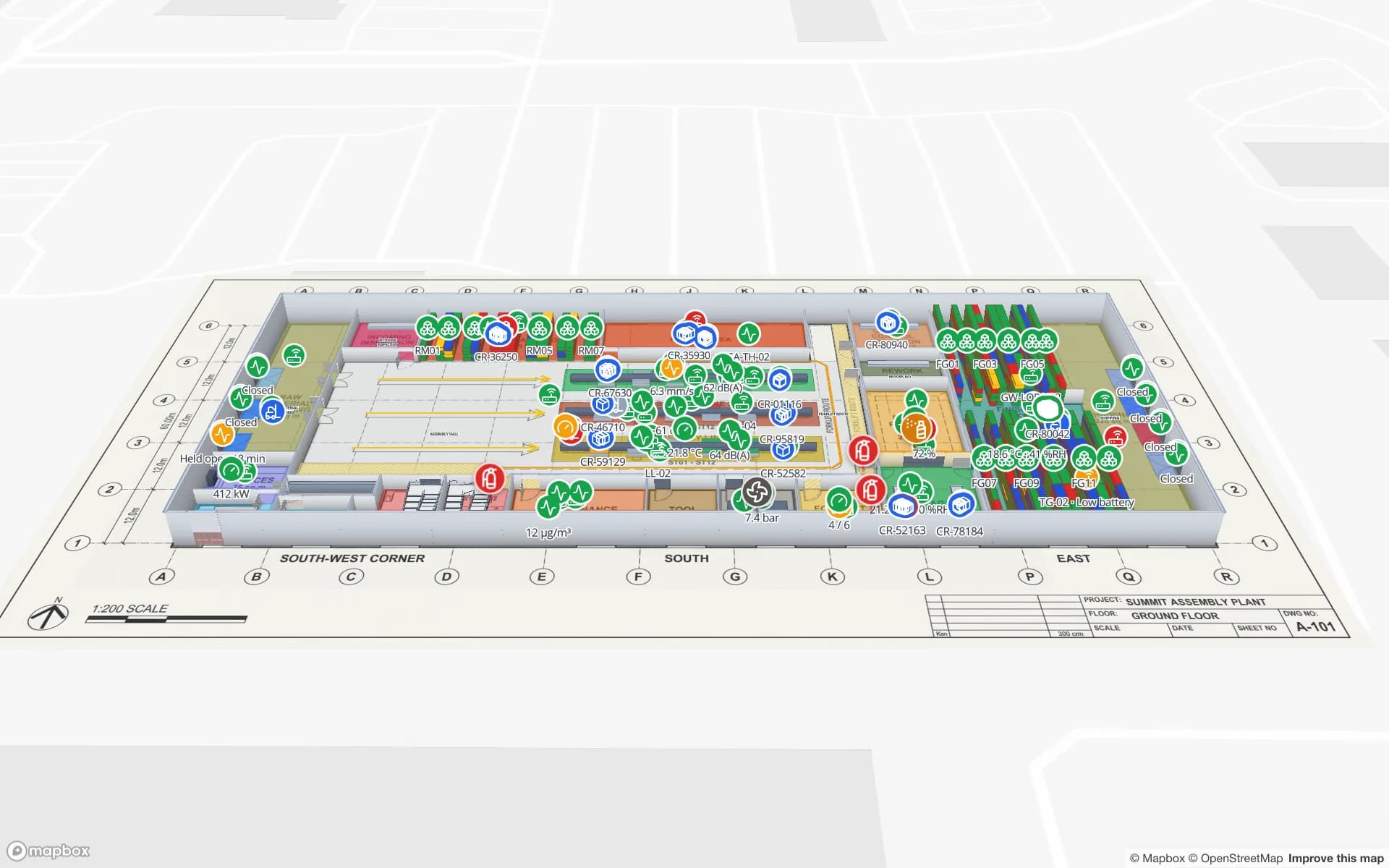
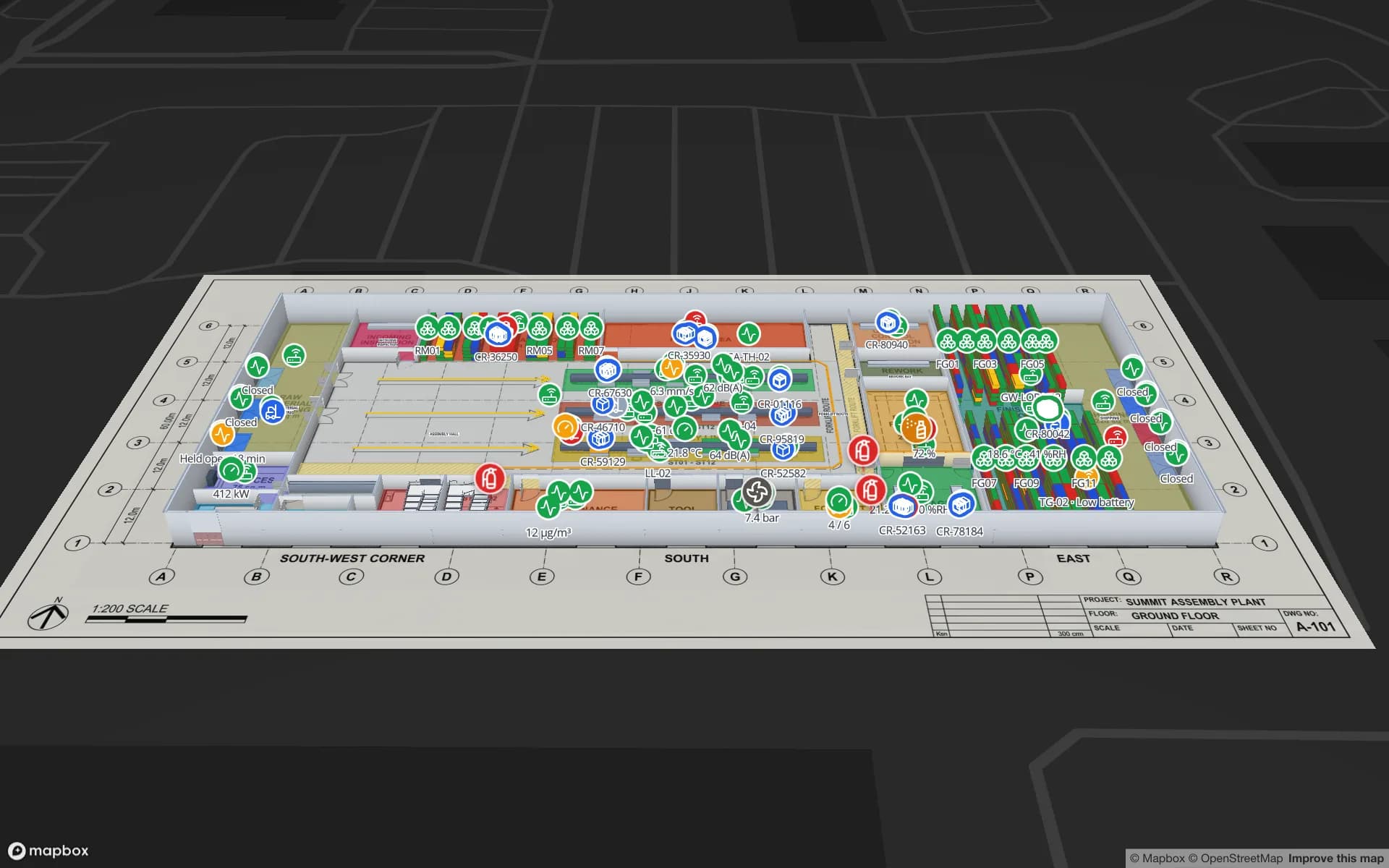
Summit Assembly Plant, a assembly plant demo, in the Spatial Map 3D viewer with live device markers
Summit Assembly Plant
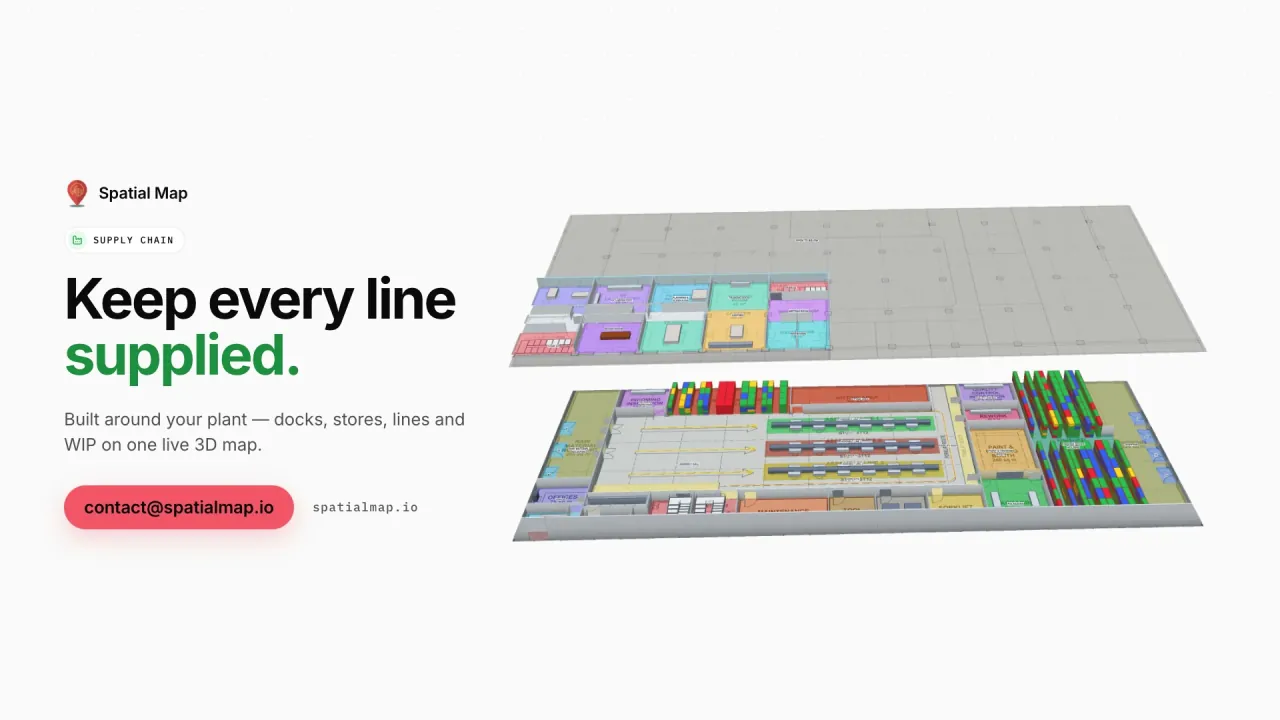
Summit Assembly Plant, a demo plant: assembly lines and workstations, WIP carriers read by RFID between stations, and 867 rack locations for raw materials and finished goods.
Rack locations in the Summit Assembly demo plant
867
RFID pallets moving through the Eastport cross-dock demo
1,180
Interface languages, each user picks their own; Portuguese is not one of them yet
6
Free trial, up to 5 facilities, no credit card
7 days

Santos and Paranaguá: the two ports behind the warehouses

The Port of Santos, in São Paulo state, was founded on 2 February 1892, is owned by the federal government and run by the Santos Port Authority, and is reached by the Anchieta and Imigrantes highways and by rail. It is Brazil’s leading container port. Paranaguá, in Paraná, works differently: it is the largest port in Brazil for grain exports and the first for exports of soy flour and vegetable oil, managed by the state-run APPA, which also manages the Port of Antonina.

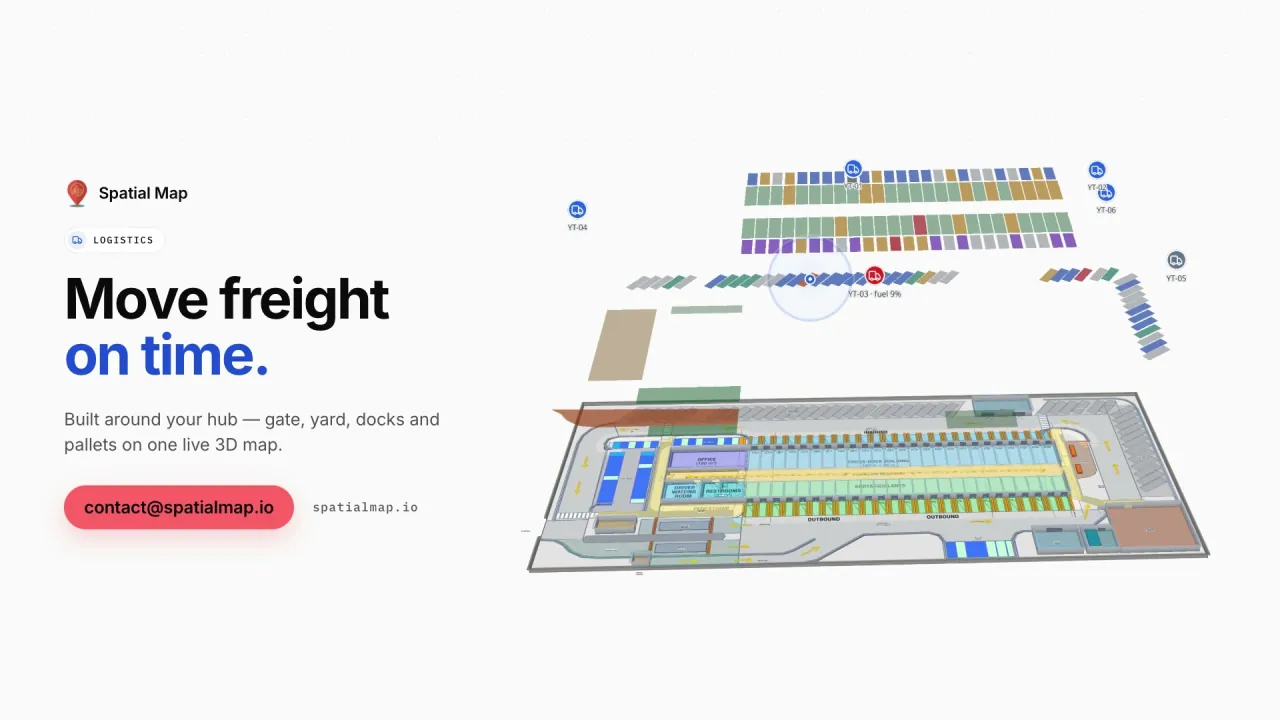
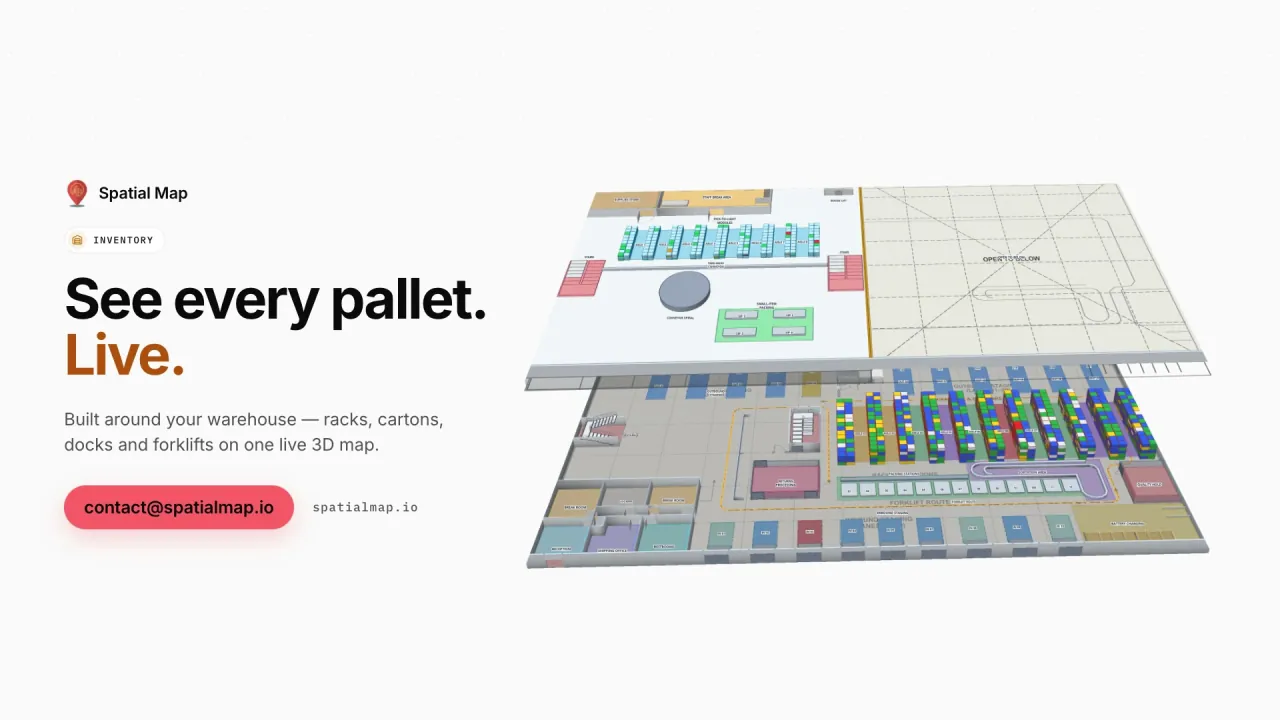
A container or a bulk shipment spends only a short time at the quay. The longer stay is in the shed: a container depot or cross-dock unpacking imports, a warehouse stuffing exports, a trailer waiting for its dock door. Spatial Map draws those buildings — dock doors, yard slots, gate and weighbridge, staging lanes — and colours them from your yard or WMS data, while RFID pallets show at the door that last read them, as in the Eastport Cross-Dock demo with 50 dock doors, 44 yard slots and 1,180 RFID pallets. It does not connect to port, customs or terminal systems; it shows what your own reads and records say is inside your building.


Greater São Paulo, where most of it lands

Greater São Paulo has 39 municipalities and 20,743,587 inhabitants at the 2022 census, and is described as the most industrialised region of Brazil, with the ABC industrial belt on its south-eastern edge. Goods come up from Santos, go out through two big cargo airports and are distributed from sheds all around the ring. That is a topic of its own: see warehouse tracking in São Paulo.

Plants in the region and elsewhere in Brazil have the layout the Summit Assembly demo shows: lines, workstations, WIP carriers read between stations, and racks for raw materials and finished goods, all coloured from your MES or ERP. A read-only share link gives a customer or a group office one plant, with chosen floors, layers and an expiry date, without an account.

Manaus: a factory zone that is far from everything

The Manaus Free Trade Zone was redefined by Decree-Law No. 288 of 28 February 1967, with a legal area of 10,000 km², and its administration, SUFRAMA, was created that August by Decree No. 61.244. Tax incentives, according to the historical record, attracted investment into a city on the Amazon that is a long way from the markets its factories serve.

For a plant there, distance means that stock in transit, inbound components and spares are expensive to lose. The same map pattern applies: WIP carriers read at each station, racks for components with rack-level stock from your ERP, dock doors for inbound and outbound trucks, and in-app alerts when a line’s buffer runs low. Head office can follow the plant through a share link instead of waiting for a weekly spreadsheet.

Language and personal data

Portuguese is the only official language of Brazil. The Spatial Map interface is available in English, Spanish, French, German, Arabic and Chinese, and each user picks their own; Portuguese is not available yet, so teams in Brazil would use English or Spanish. Content you write yourself — facility names, rack codes, report titles, accents and cedillas included — appears exactly as typed, in any language.

Where location data relates to people, Brazil’s general data protection law (Law 13.709 of 14 August 2018, amended in 2019 by Law 13.853, which created the national data protection authority, the ANPD) is the context. Your legal advisers decide what applies; most plant and warehouse projects tag pallets, carriers and equipment rather than staff. A data processing agreement is available.

Services for teams in Brazil

Where Brazilian teams usually start depends on the building:

  • Port-side warehouses and 3PLs usually begin with inventory tracking at dock doors and in staging lanes, because a pallet in the wrong lane costs a loading slot.
  • Plants begin with asset tracking for returnable carriers, tools and forklifts, then add RFID for work in progress.
  • RTLS and UWB fits large yards and plants that must locate vehicles or people continuously; most buildings will not need it first.
  • If you have no readers or tags yet, our team can source RFID readers, antennas and tags on request, quoted per project, with warranty and device support from the manufacturer; reader approvals and UHF bands differ by country, so ask your supplier. See hardware and demo kits on request.
  • Our team builds Android RFID handheld apps, ERP and WMS integrations and other custom software, such as POS or booking systems, as client projects; the product itself runs as cloud or on-premises. Custom setup is quoted through our services page, in English.

Also served

The same approach covers Rio de Janeiro, Belo Horizonte, Curitiba, Porto Alegre, Recife, Salvador, Fortaleza and Brasília, and the industrial towns around them. Nothing needs to be installed on site: the map opens in a browser.

How Spatial Map does it

From floor plan to live map in Brazil

  1. 01

    Import the layout

    A PDF, a DWG from AutoCAD R2004–R2018 (placed as a picture) or an image of the plant, warehouse or store, placed at scale.

  2. 02

    Draw or draft the floor

    Racks with their locations, dock doors, lines, cold rooms and stairs — or let AI Map draft them from the plan for a person to review.

  3. 03

    Connect your systems

    WMS, MES or RFID middleware posts rows to a table through the write API, or Spatial Map polls a REST endpoint; CSV and Excel uploads work too.

  4. 04

    Share across sites

    Group facilities into solutions, watch in-app alerts and send read-only links and reports to customers and head office.

What Brazilian teams map first

Port-side cross-docks

Dock doors, yard slots and RFID pallets staged for the next truck or vessel cut-off.

Factory lines and stores

WIP carriers and racks coloured from the MES, shared with a customer or head office.

E-commerce fulfilment

Rack locations coloured from WMS stock, staging lanes and packing output.

Food and pharma cold stores

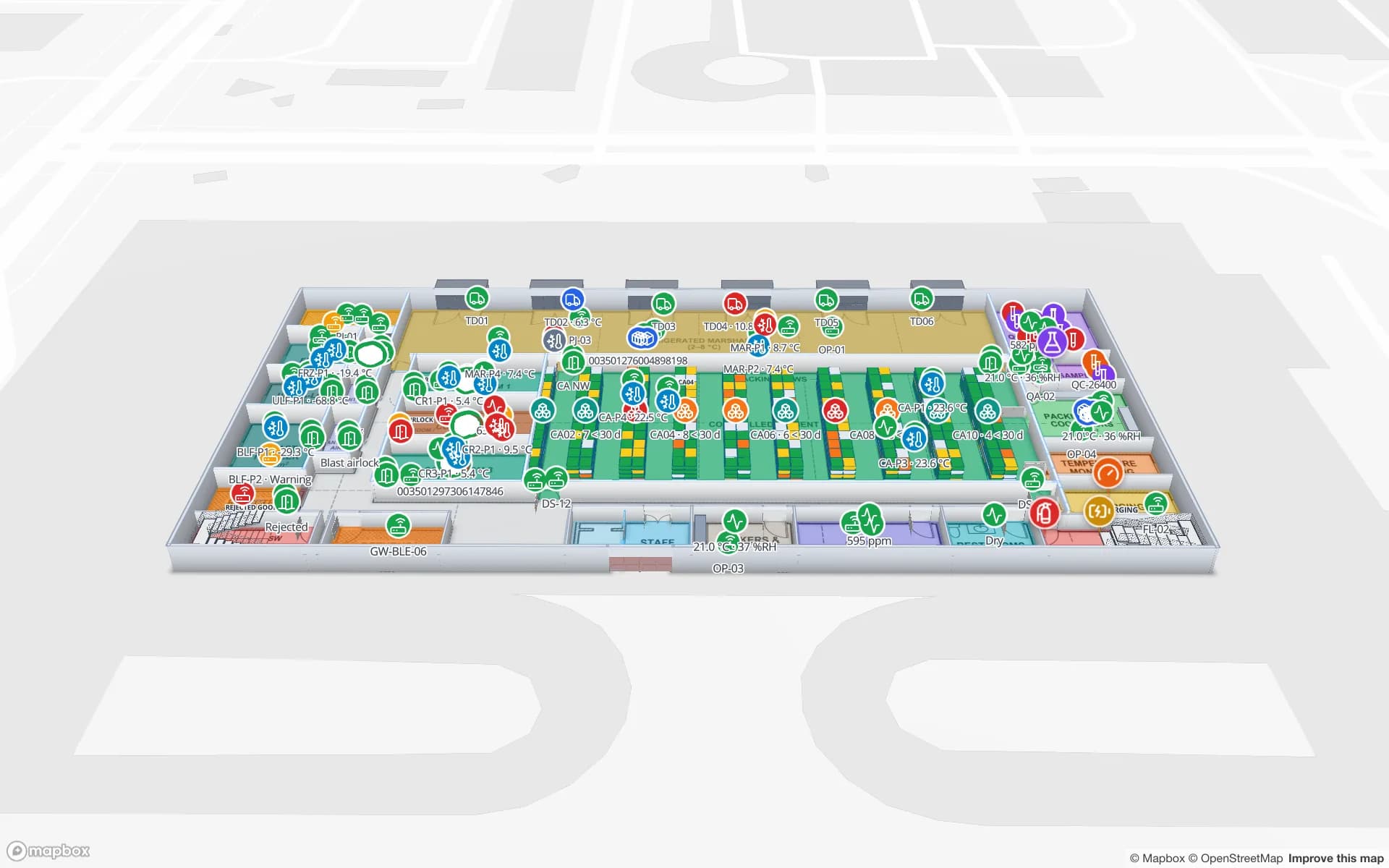
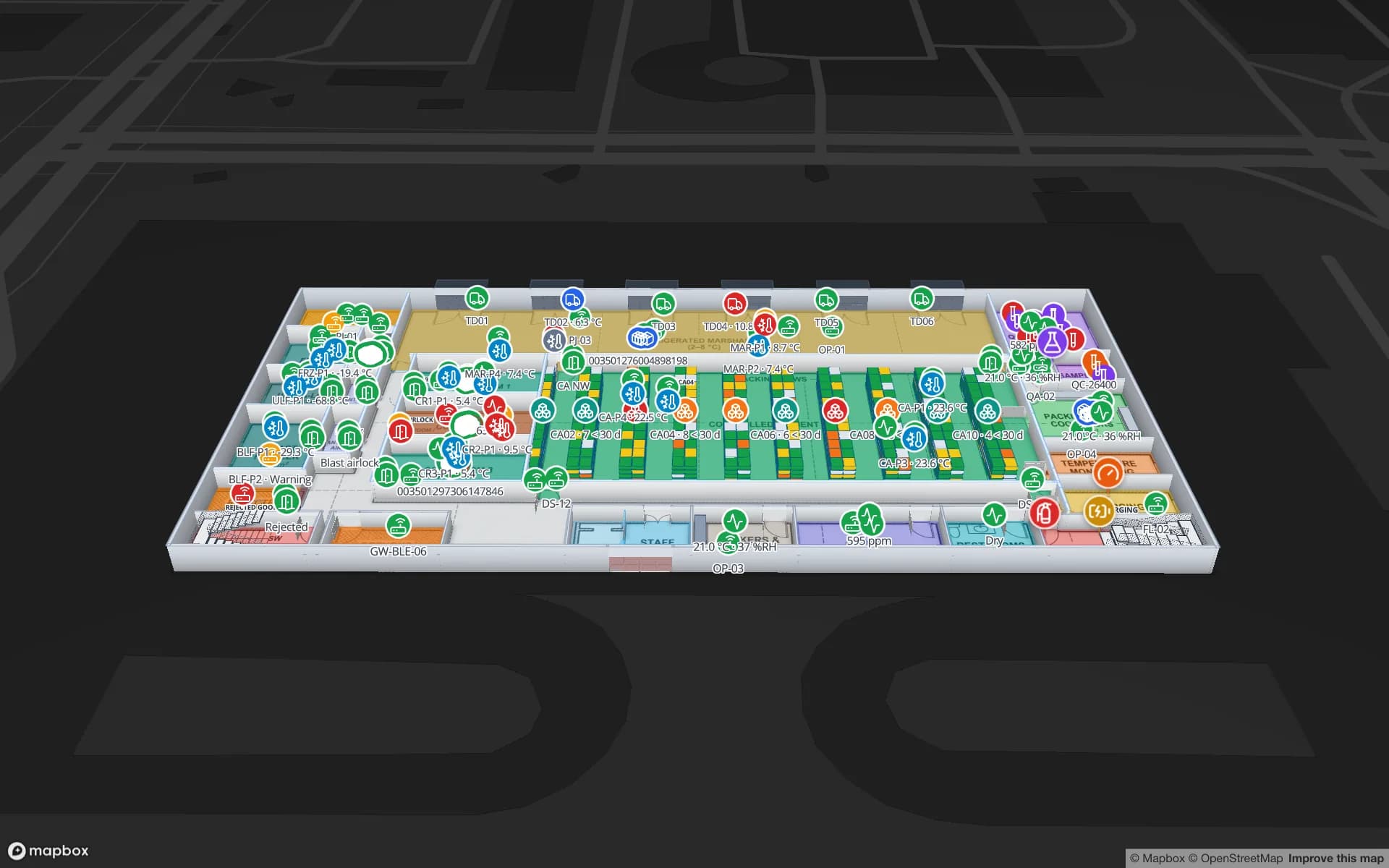
Cold rooms tinted by live temperature, with in-app alerts on excursions.

See it on real demo facilities

Fictional names, real floor plans, live sensors, RFID, BLE tags and gateways — open any of them in the browser.

All 13 demo facilities

Indoor mapping & RFID tracking in Brazil — questions we get

No. The interface is available in English, Spanish, French, German, Arabic and Chinese, and each user picks their own. Teams in Brazil would use English or Spanish. Everything you write yourself — facility names, rack codes, report titles — appears exactly as typed, in Portuguese or any other language.

No. Spatial Map has no link to port community, customs or terminal systems. It shows what happens inside your own building, from your own WMS, RFID reads and sensors, so it complements the systems that run the port rather than replacing them.

Brazil’s general data protection law (LGPD) is the context when location data relates to people, and your legal advisers decide what applies. Many projects avoid the question by tagging pallets, carriers and equipment instead of staff. A data processing agreement is available.

Any fixed readers, portals or handhelds approved for use in Brazil — ask your supplier to confirm approval and the UHF band. Spatial Map has no reader drivers: your middleware posts reads to a table with the write API (HTTPS, bearer API key, bulk upsert, 60 requests per minute per key), or exposes a REST endpoint that Spatial Map polls.

Yes. Keep each site as a facility in one workspace, group them into a named solution, and give head office Viewer roles or read-only share links. Owner, Admin, Editor and Viewer roles control who can change what.

No. Spatial Map is sold online and our team works with customers in Brazil remotely, by video call and through the contact form, in English. There are no local resellers or partners.

In US dollars, the same worldwide: a 7-day free trial for up to 5 facilities with no credit card, then Pro at $60 a month or $600 a year for up to 4 facilities. Larger estates are quoted as custom services.

Put your first Brazilian site on a live map.

Start the free trial and open the Eastport or Summit demo, or send us the plan of a shed or plant and a sample of your WMS or RFID data through the contact form.