Dar es Salaam · The port, inland depots and Kwala

Warehouse tracking in Dar es Salaam, from Kurasini to the Kwala yard

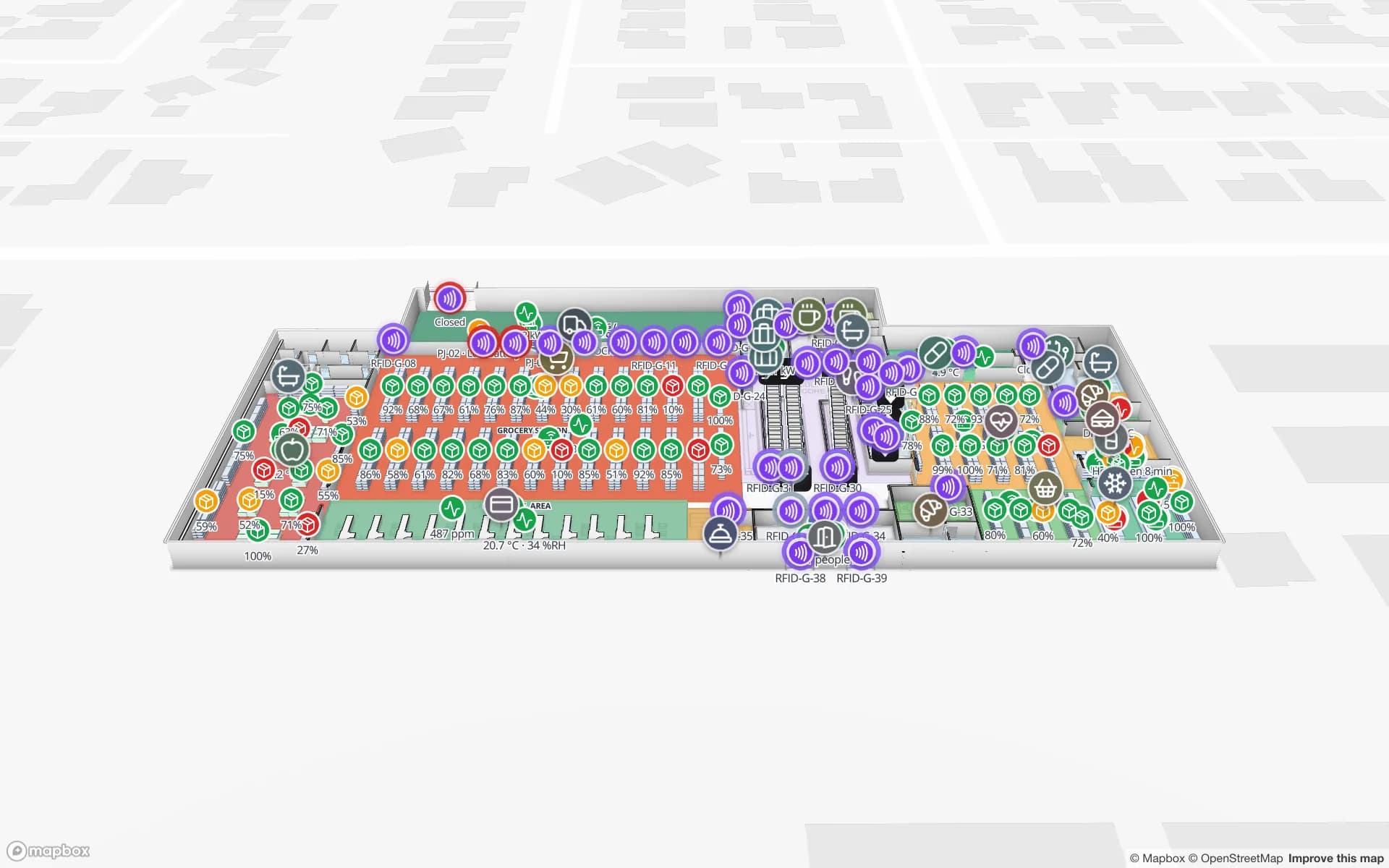
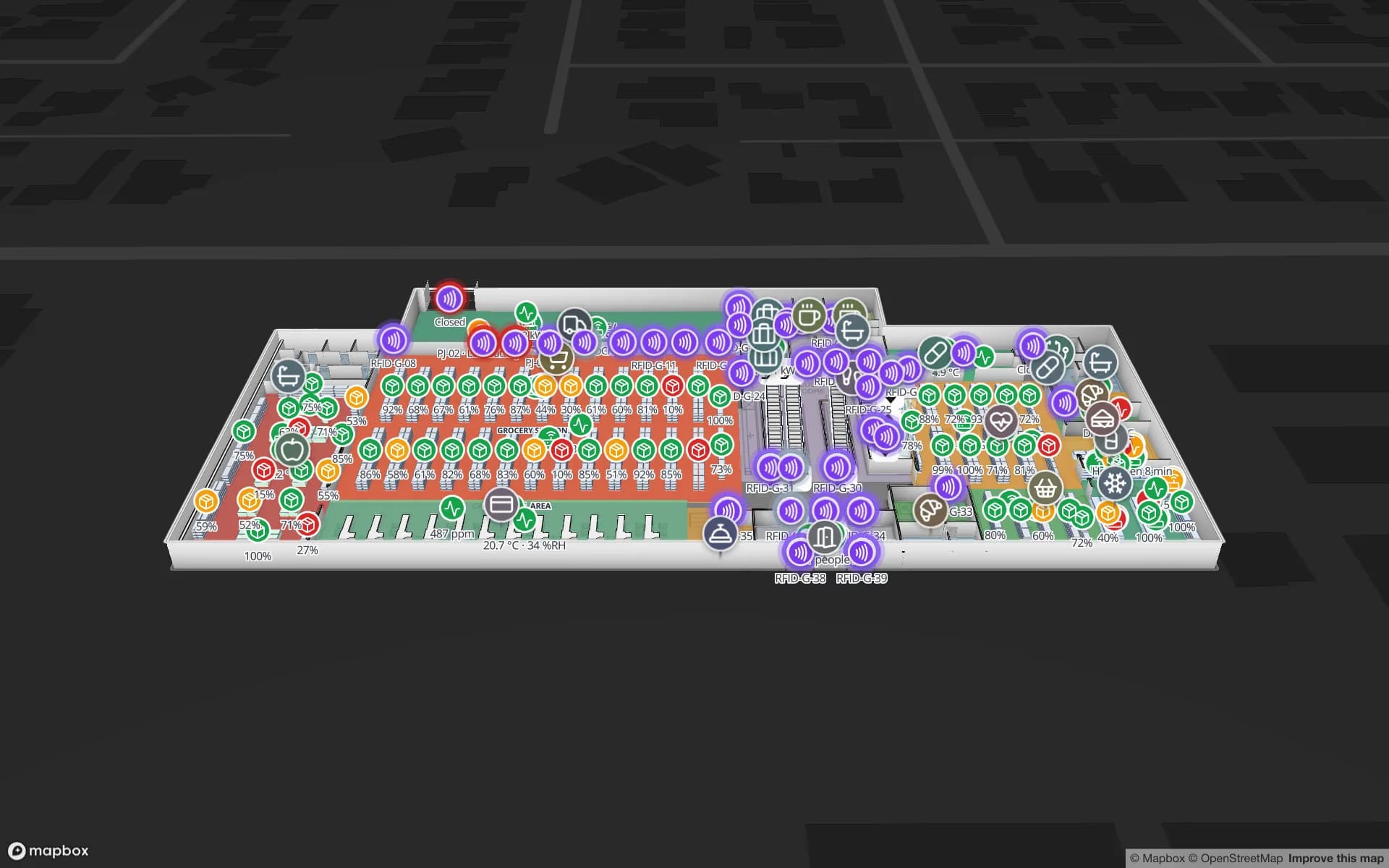
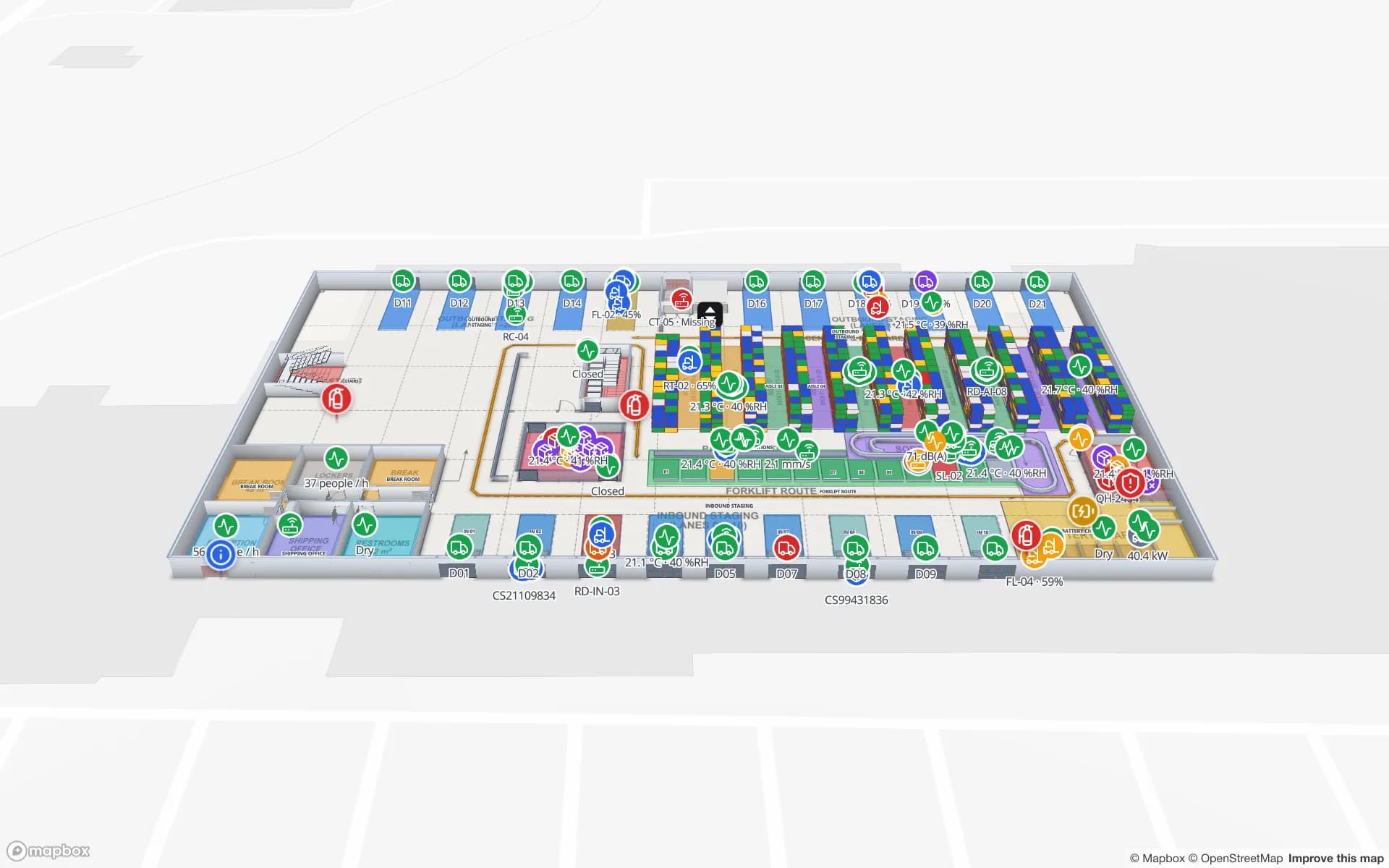
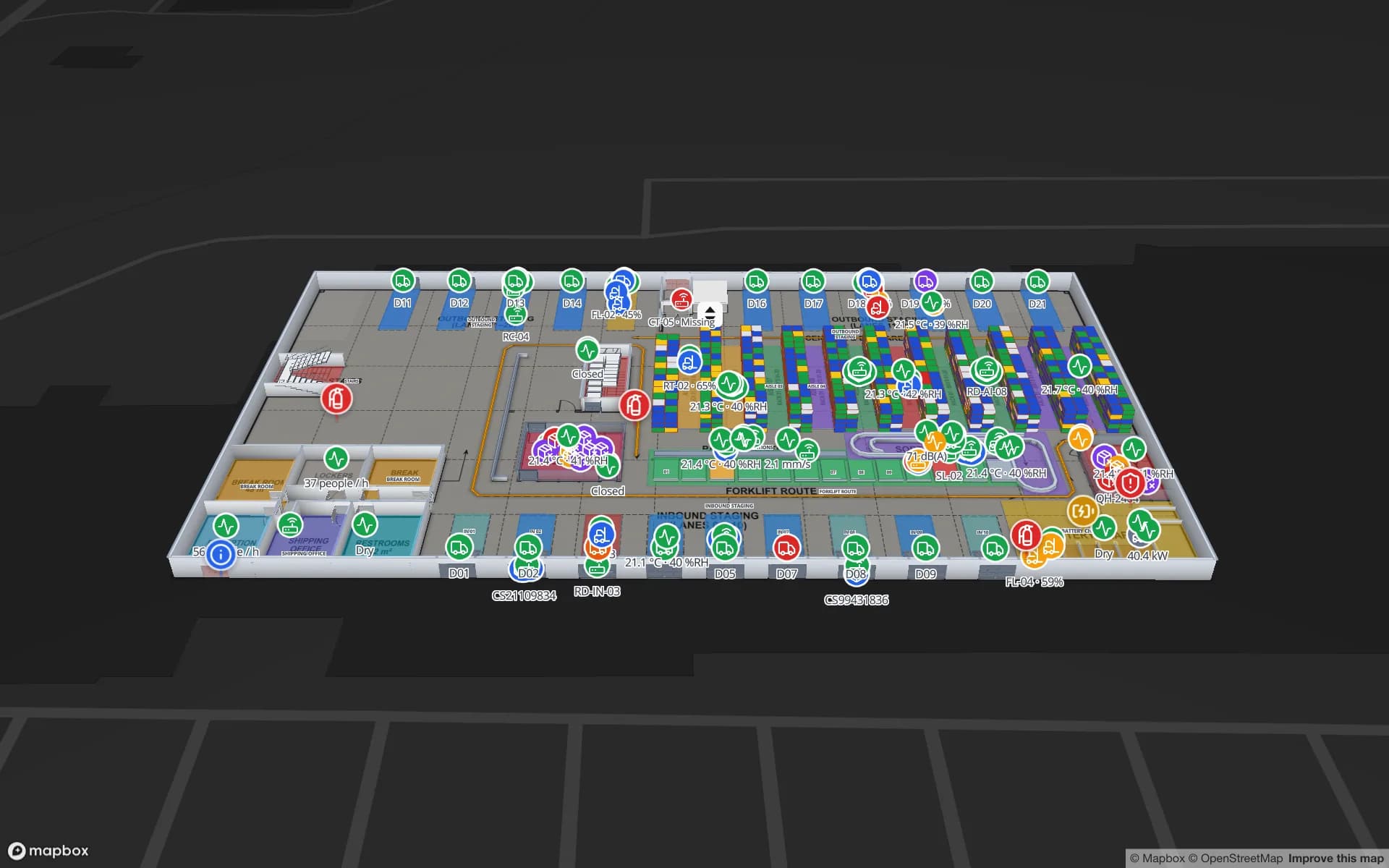
Spatial Map shows a warehouse as a live 3D map: racks and lanes coloured from your stock list, dock doors and yard slots coloured by what stands in them, and RFID pallets placed at the reader that last saw them. Warehouse tracking in Dar es Salaam is shaped by the port: it handles about 95% of Tanzania’s international trade and serves seven landlocked countries, so a large share of what is stored in the city is cargo waiting for another country’s truck. Each shed, depot and yard is its own facility, and all of them can share one workspace.

No credit card. Runs in the browser. Pro is $60/month for up to 4 facilities. Book a demo

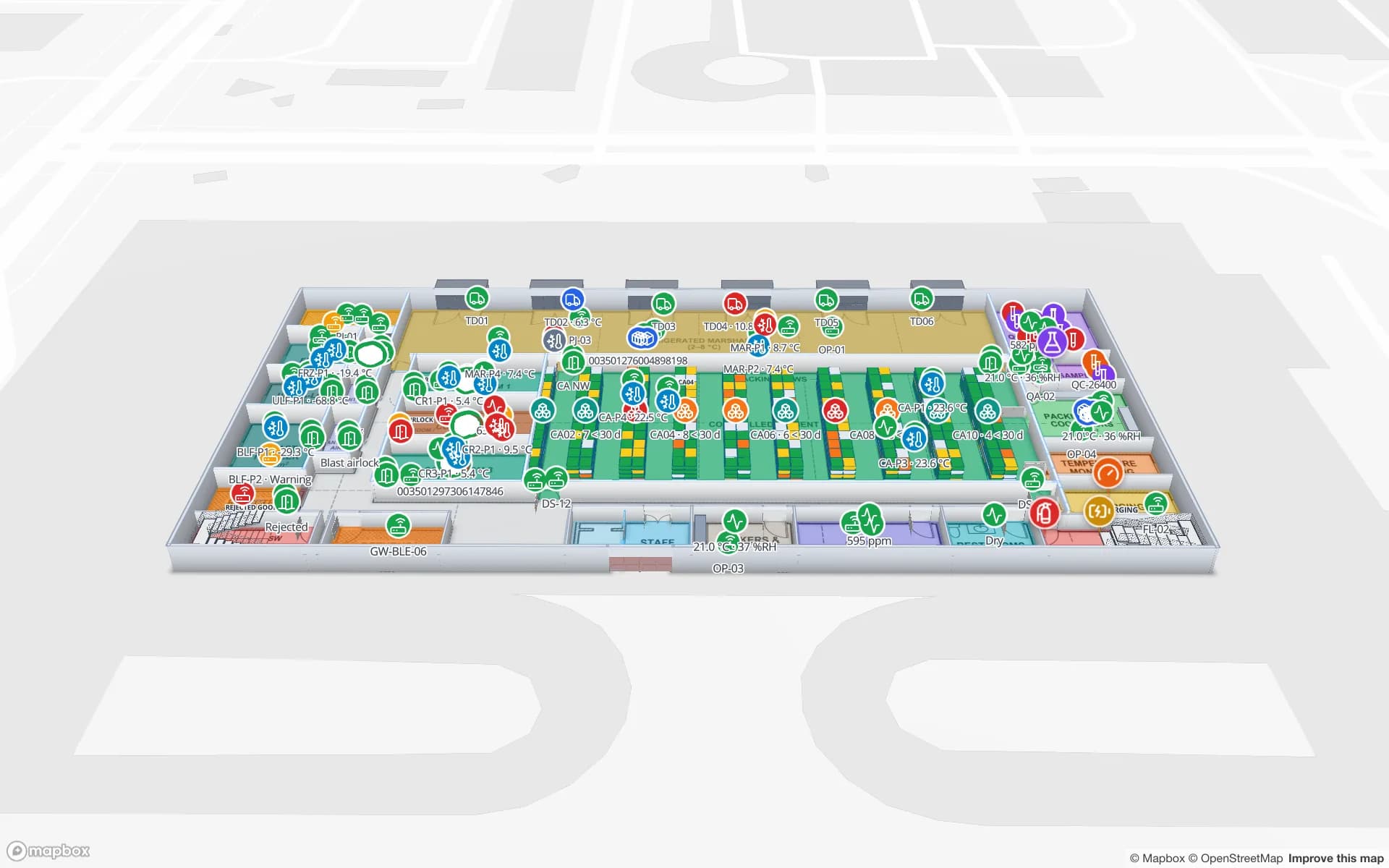
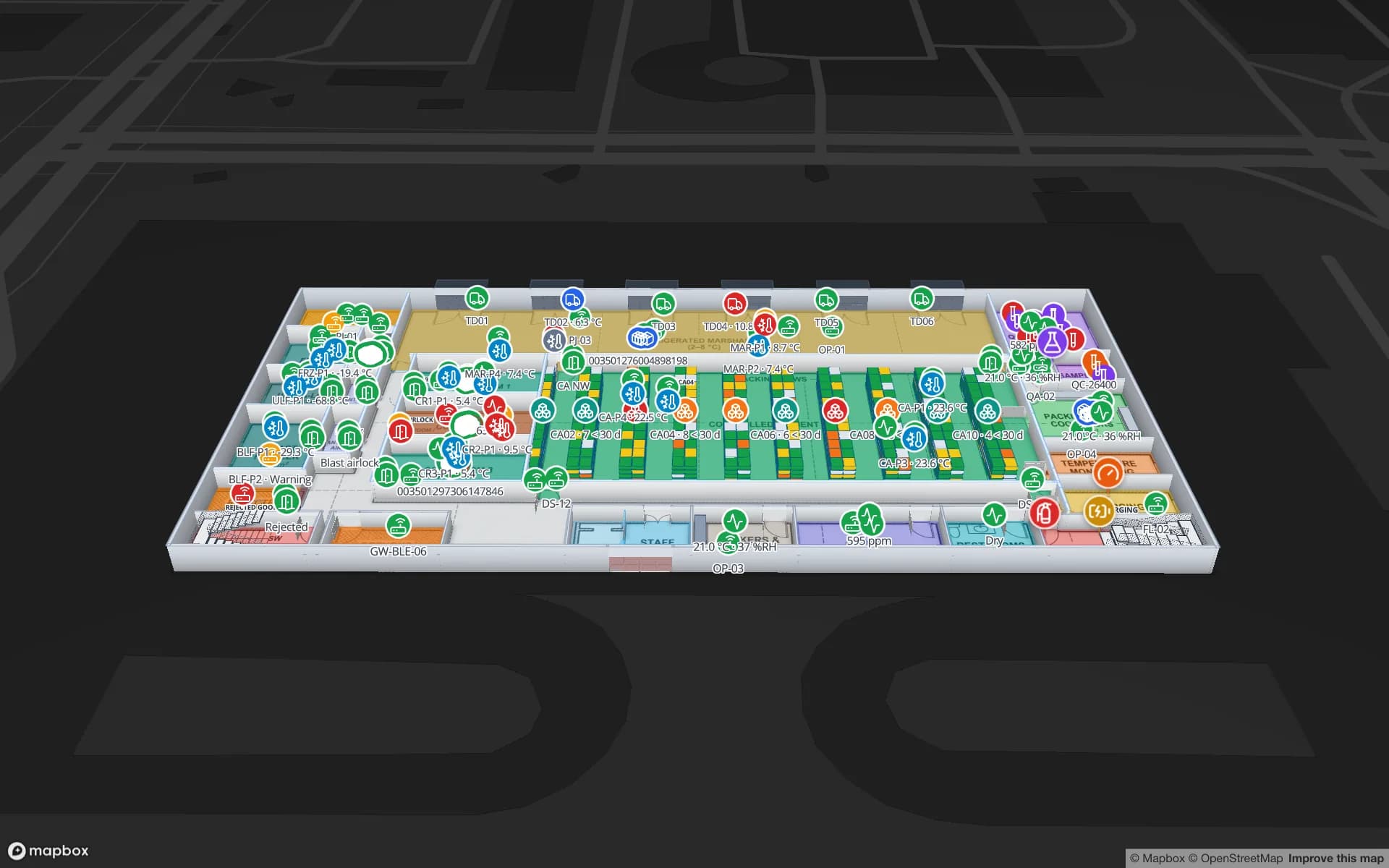
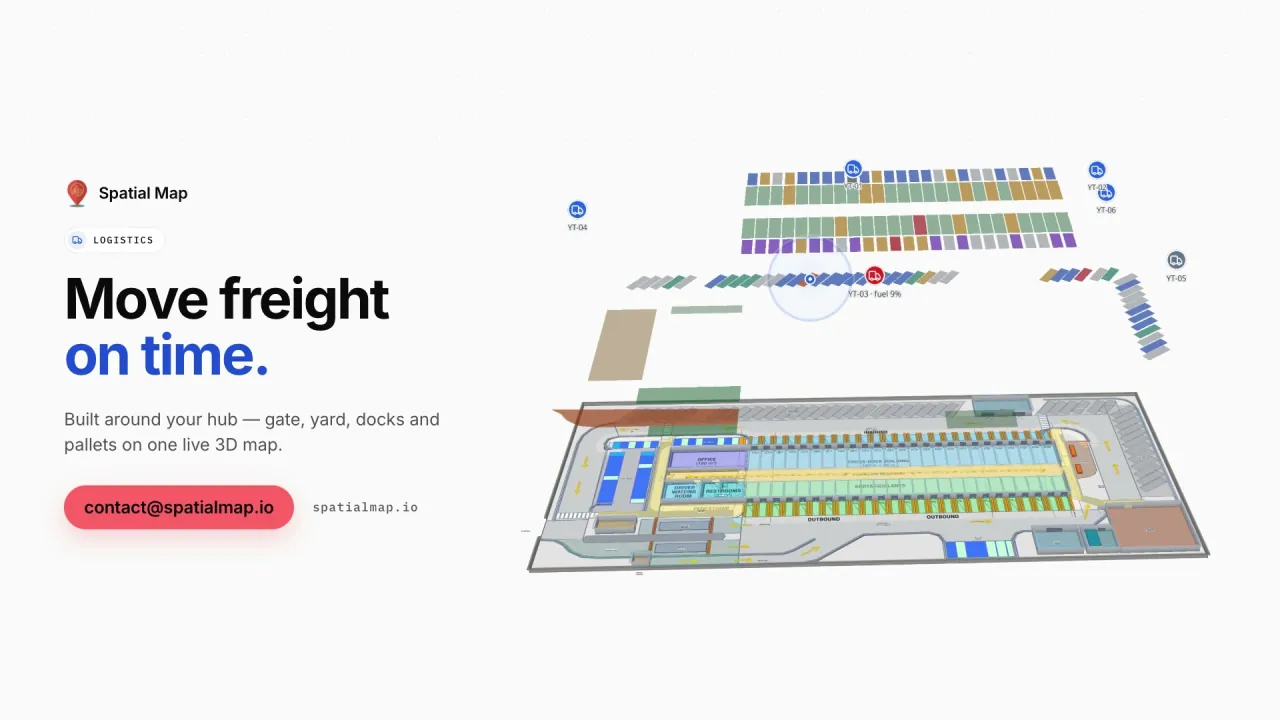
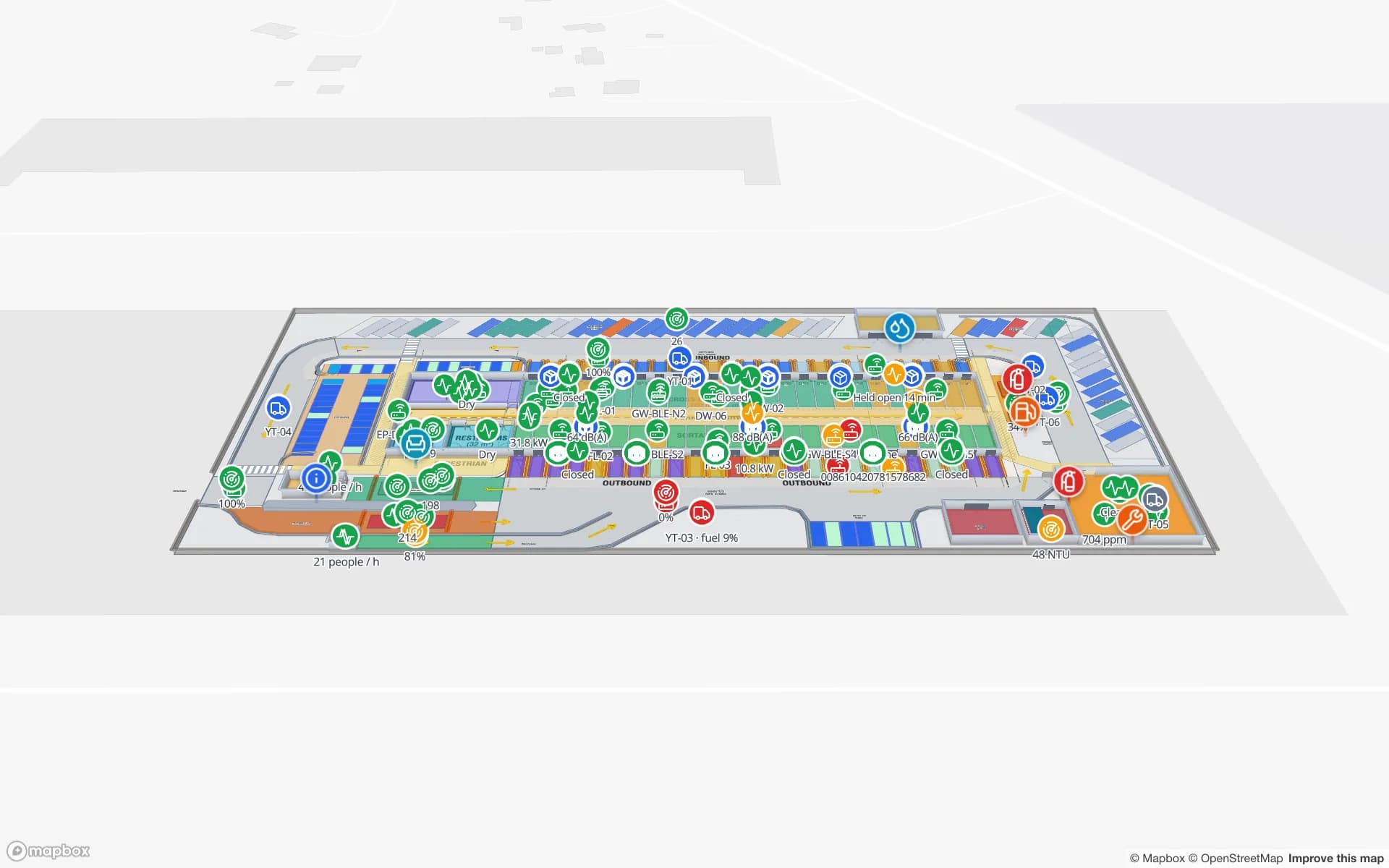
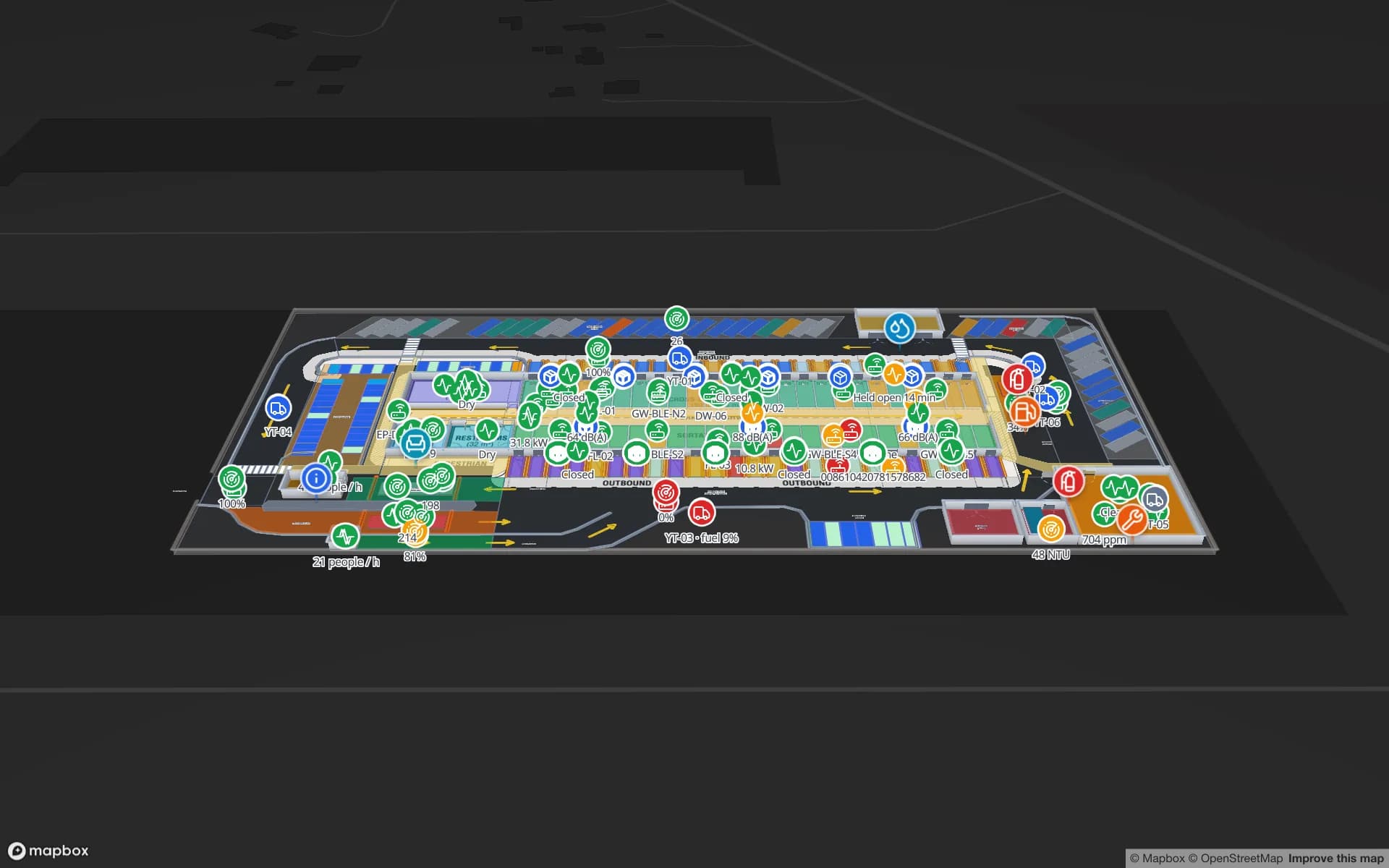
Eastport Cross-Dock Freight Hub, a cross-dock & trailer yard demo, in the Spatial Map 3D viewer with live device markers
Eastport Cross-Dock Freight Hub
Eastport Cross-Dock, a demo freight hub: 50 dock doors, 44 yard slots and 1,180 RFID pallets, with the gate and weighbridge.
Dock doors in the Eastport cross-dock demo
50
Yard slots in the Eastport demo
44
RFID pallets moving through Eastport
1,180
Free trial, up to 5 facilities, no card
7 days

Kurasini and the gateway for seven countries

The port authority’s Dar es Salaam office is at One Bandari Road, Kurasini, and the port it runs has a quay of about 2,600 metres and a rated capacity of 14.1 million tonnes of dry cargo and 6.0 million tonnes of bulk liquid a year. It handles about 95% of Tanzania’s international trade and serves Zambia, the Democratic Republic of the Congo, Burundi, Rwanda, Malawi, Uganda and Zimbabwe, which means that behind a single gate sit consignees in eight countries.

Transit cargo is a warehouse problem of a particular kind: pallets arrive for different consignees, wait for different trucks, and leave on different days. Draw one lane or area per destination, tag each pallet at receiving, and the map shows what is waiting for whom and for how long; an in-app alert rule can flag a pallet that has sat in a lane for a set number of days. Customs and transit documents stay in their own systems, and Spatial Map has no link to them.
Inland depots and container freight stations

The port authority’s dry-port table lists three working facilities: the Ubungo inland container depot, the Kwala inland container depot and a container freight station that, per the table, has an annual capacity of 300,000 tons and is used for receiving empty, export and full containers, stripping and stuffing, and verification. Ubungo’s table entry shows 18,605 square metres of shaded storage and 87,010 square metres of yard; Kwala’s lists a yard of 600,000 square metres.

Those are big yards. Spatial Map draws the gate, the weighbridge, numbered slots and the stripping shed, and colours each slot from the rows your yard system or scanner posts: container present, laden, empty, held. The Eastport demo shows 44 yard slots with a gate and weighbridge. In the shed, RFID portals at the doors place each stripped pallet in its lane, and the post on yard visibility, dock doors and trailers walks through the pattern.

Kwala and the standard gauge railway

The Kwala dry port in Kibaha District, Coast Region, roughly 90 to 105 kilometres from Dar es Salaam depending on the source, was opened on 31 July 2025. It is connected to the standard gauge railway, electric SGR freight trains run between Dar es Salaam and Dodoma, and the aim stated at the opening is to decongest the port and reduce logistics costs. Reports say it is expected to take up to 30% of the cargo currently processed at the port.

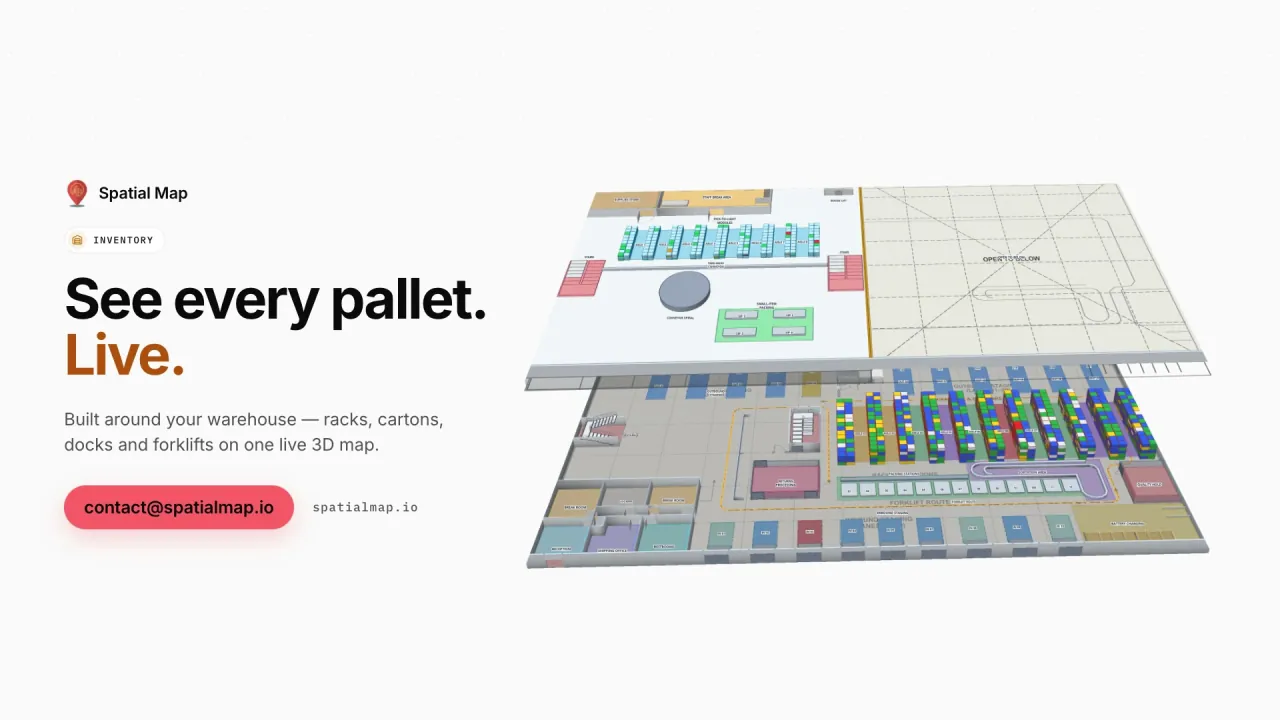
For a warehouse that receives block-train cargo, the useful question is what happened between the wagon and the rack. Draw the rail-side docks and the lanes, post a row for each pallet or container as your scanner reads it, and the map shows the receiving flow from the gate. The Crestline demo shows dock doors, staging lanes and 2,204 rack locations.

Kurasini and the planned dry ports

The authority lists a further dry port at Kurasini in Dar es Salaam, as well as sites at Ihumwa in Dodoma, Fela in Mwanza, Katosho in Kigoma and Isaka in Shinyanga, all described as planned. When a new depot opens, a plan is usually already in a CAD file. Upload it as a PDF or DWG (AutoCAD R2004–R2018, placed as a picture), let AI Map draft walls, doors and racks for a person to review, and the depot is mapped before the first pallet arrives. AI Map is available on paid plans and the trial, with a monthly limit.

For the mid-sized warehouses elsewhere in the city, the useful start is the stock list: import a CSV or Excel export, colour the racks by stock status, and add RFID at the doors where losses hurt most.

Services for teams in Dar es Salaam

Dar es Salaam teams usually begin with one of the following:

  • Clearing and forwarding agents, and transit warehouses, start with inventory tracking by lane and consignee at the dock doors.
  • Depot and yard operators add asset tracking for reach stackers, forklifts, trailers and chassis.
  • RTLS and UWB matters mainly for big yards and plants where vehicles and people must be located continuously; most warehouses will not need it first.
  • If you have no readers or tags yet, our team can source RFID readers, antennas and tags on request, quoted per project, with manufacturer warranty: see hardware and demo kits on request.
  • Where in-house IT is thin, our team builds Android RFID handheld apps, WMS and yard integrations and POS or booking systems as client projects. Run it as cloud or on-premises.

Also served nearby

The same page covers Kibaha, Kisarawe, Mkuranga, Kigamboni and Bagamoyo. Dodoma, Arusha and Mwanza are covered with the Tanzania overview.

How Spatial Map does it

From the port gate to the rack

  1. 01

    Pick one building

    A transit shed, a depot yard or a distribution centre — wherever a missing pallet costs a truck.

  2. 02

    Map lanes, slots and racks

    Upload the plan, let AI Map draft the floor for review, and number yard slots the way your yard system does.

  3. 03

    Connect reads and stock

    RFID middleware, scanners and your WMS post rows through the table write API, a polled REST endpoint or CSV and Excel uploads.

  4. 04

    Add lane and silence rules

    In-app alerts for pallets waiting too long, slots held past their time and readers that stopped reporting.

What Dar es Salaam teams track

Transit sheds by consignee

Lanes per destination, pallets waiting for trucks, days in the shed.

Depot and CFS yards

Numbered slots, gates and weighbridges coloured by what stands in them.

Distribution centres

Stock by bin, staging lanes and trailer yard before the next run.

Cold stores for produce and medicines

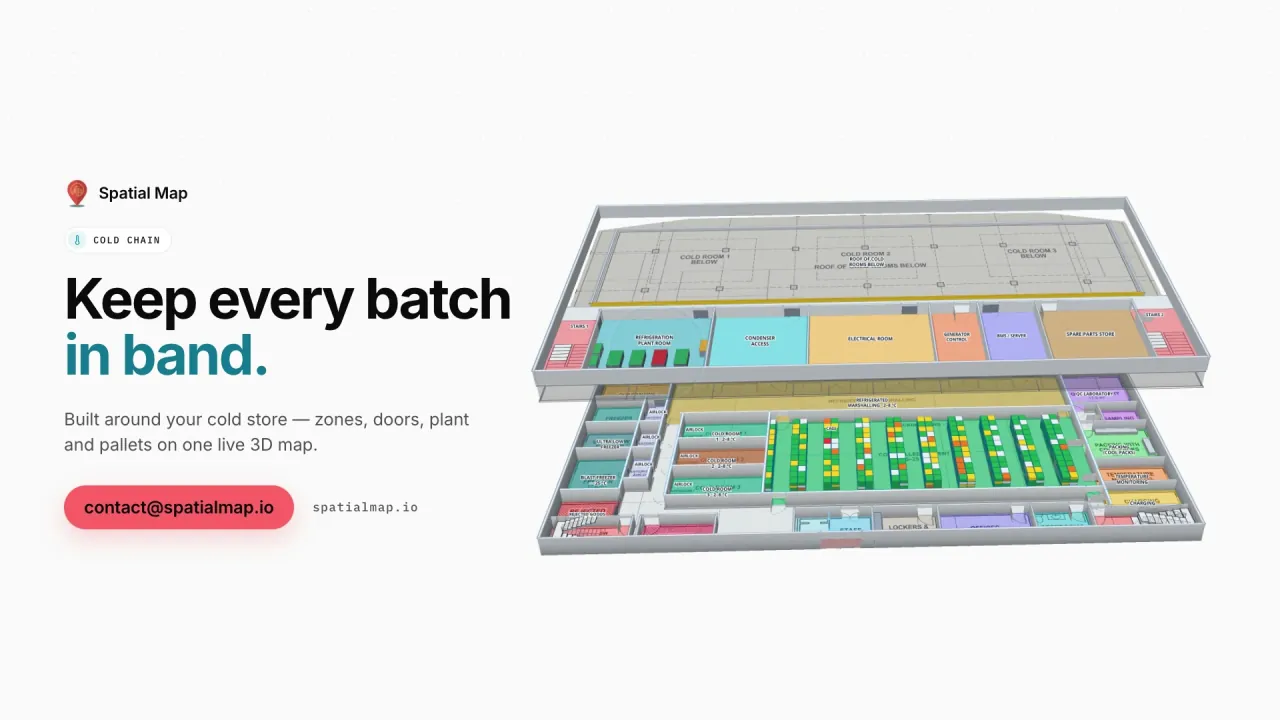
Cold rooms by live temperature, held pallets marked.

See it on real demo facilities

Fictional names, real floor plans, live sensors, RFID, BLE tags and gateways — open any of them in the browser.

All 13 demo facilities

Warehouse tracking in Dar es Salaam — questions we get

No. It shows what happens inside your own shed or yard, from your own stock list, RFID reads, scanners and sensors, so it complements port, customs and rail systems rather than replacing them.

Draw one lane or area per consignee or destination, tag the pallets at receiving, and let your WMS post the owner as a field. The map colours stock by owner, and a read-only share link can be locked to one customer’s floor and layers, with an expiry date.

Yes. Draw the gate, weighbridge and slots, then colour each slot from the rows your yard system or scanner posts. An in-app alert rule can flag a unit that has been in a slot too long.

Yes. Upload a PDF, a DWG from AutoCAD R2004–R2018 or a photo, align it at real size and let AI Map draft the walls, doors and racks for a person to review. Our services team can also do the mapping remotely.

No. Spatial Map is sold online and our team works with customers in Tanzania remotely, by video call and through the contact form. There are no local resellers or partners.

In US dollars, the same worldwide: a 7-day free trial for up to 5 facilities with no card, then Pro at $60 a month or $600 a year for up to 4 facilities. RFID hardware, if you ask us to source it, is quoted per project and is not part of the subscription.

Map one Dar es Salaam shed before the next truck.

Start the free trial and open the Eastport demo, or send us the plan of a transit shed or depot yard and a sample of your stock list through the contact form.