South Asia · Sri Lanka

Indoor mapping and RFID tracking in Sri Lanka

Spatial Map is browser-based software for indoor mapping and RFID tracking in Sri Lanka: it turns the floor plan of an apparel plant, a free-zone factory, a port warehouse or a tea store into a live 3D map fed by your readers, scanners and sensors. The country’s trade runs through one island port and a few industrial zones around it, so the buildings that matter are close together, and one workspace can hold them all.

No credit card. Runs in the browser. Pro is $60/month for up to 4 facilities. Book a demo

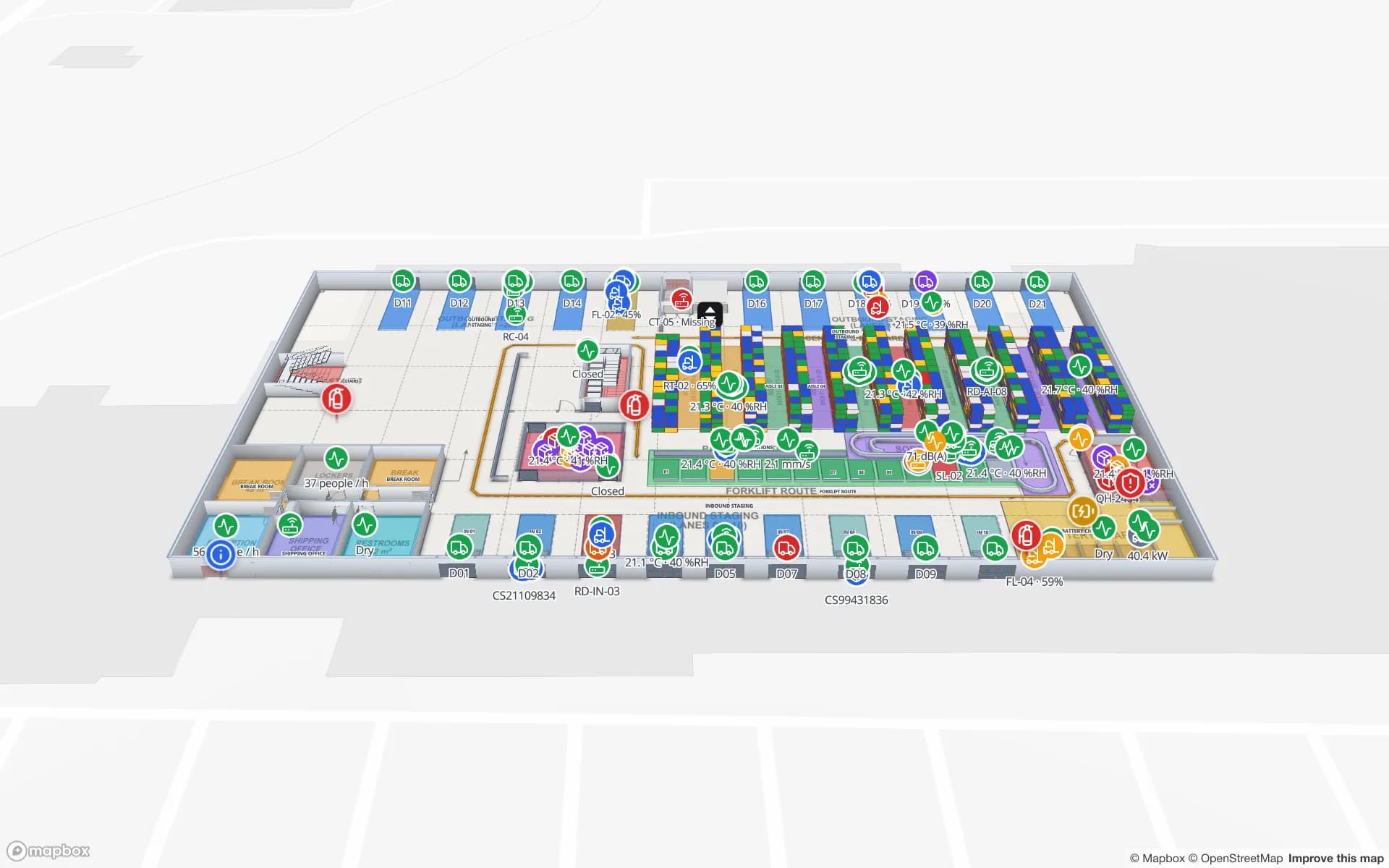
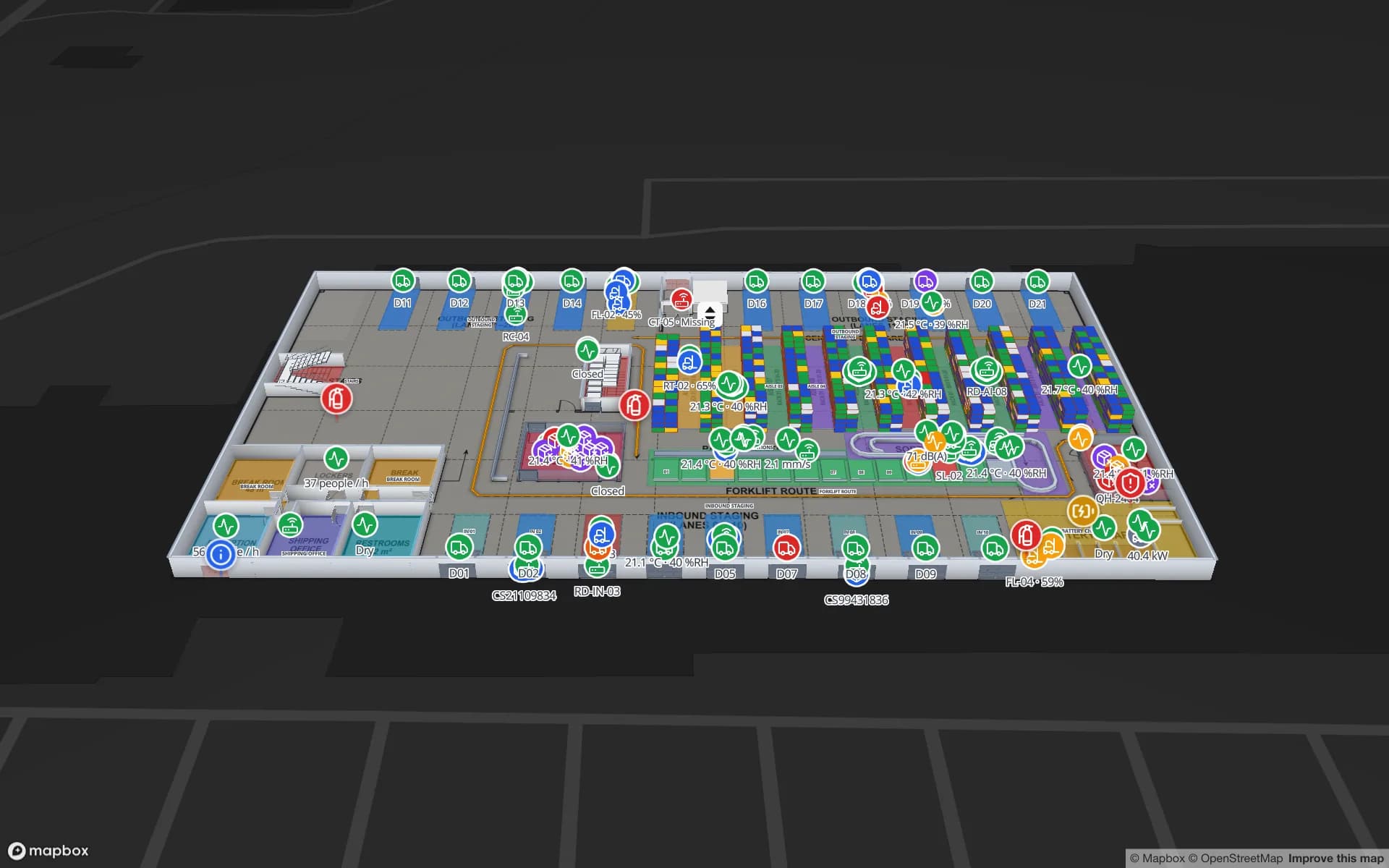
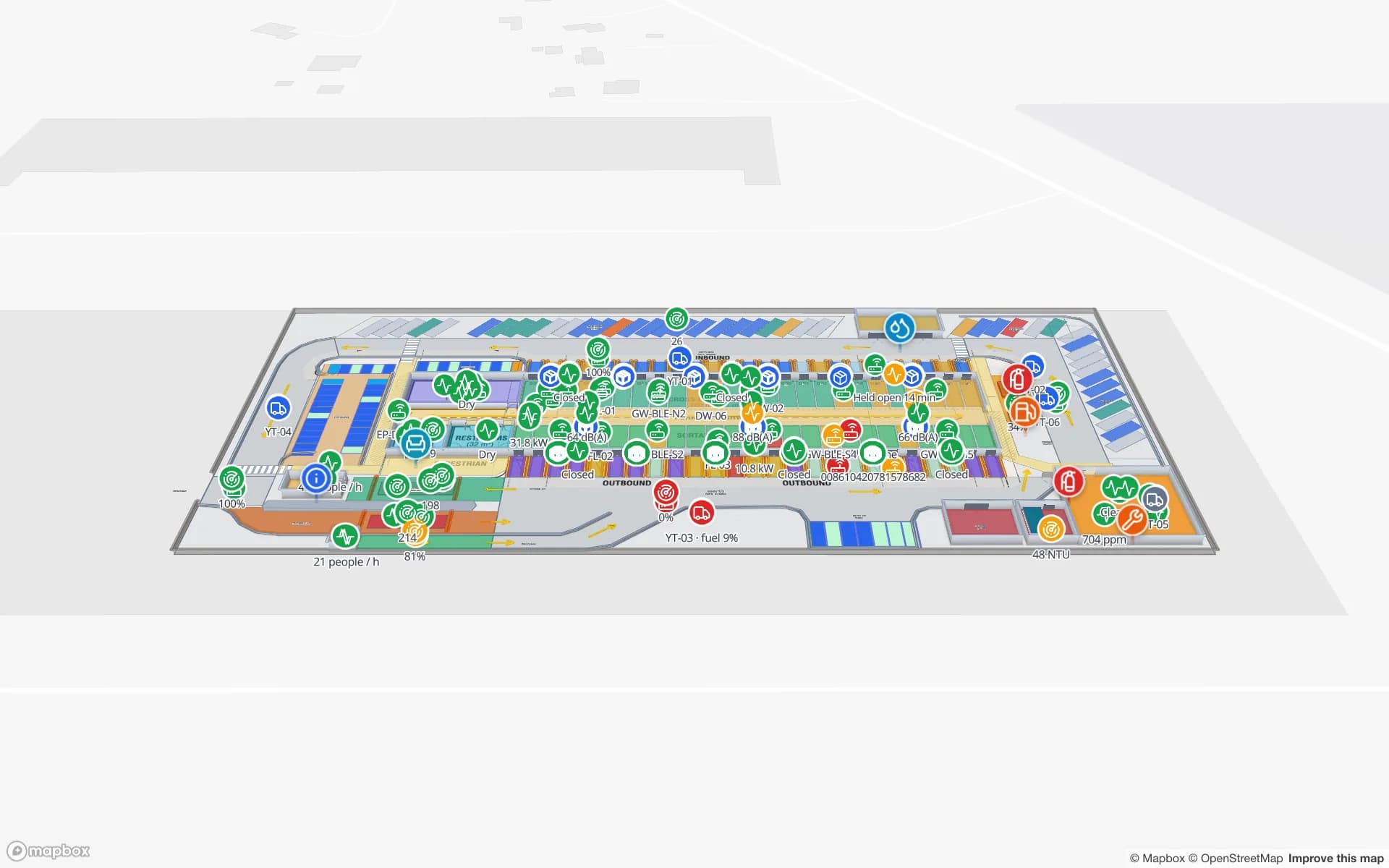
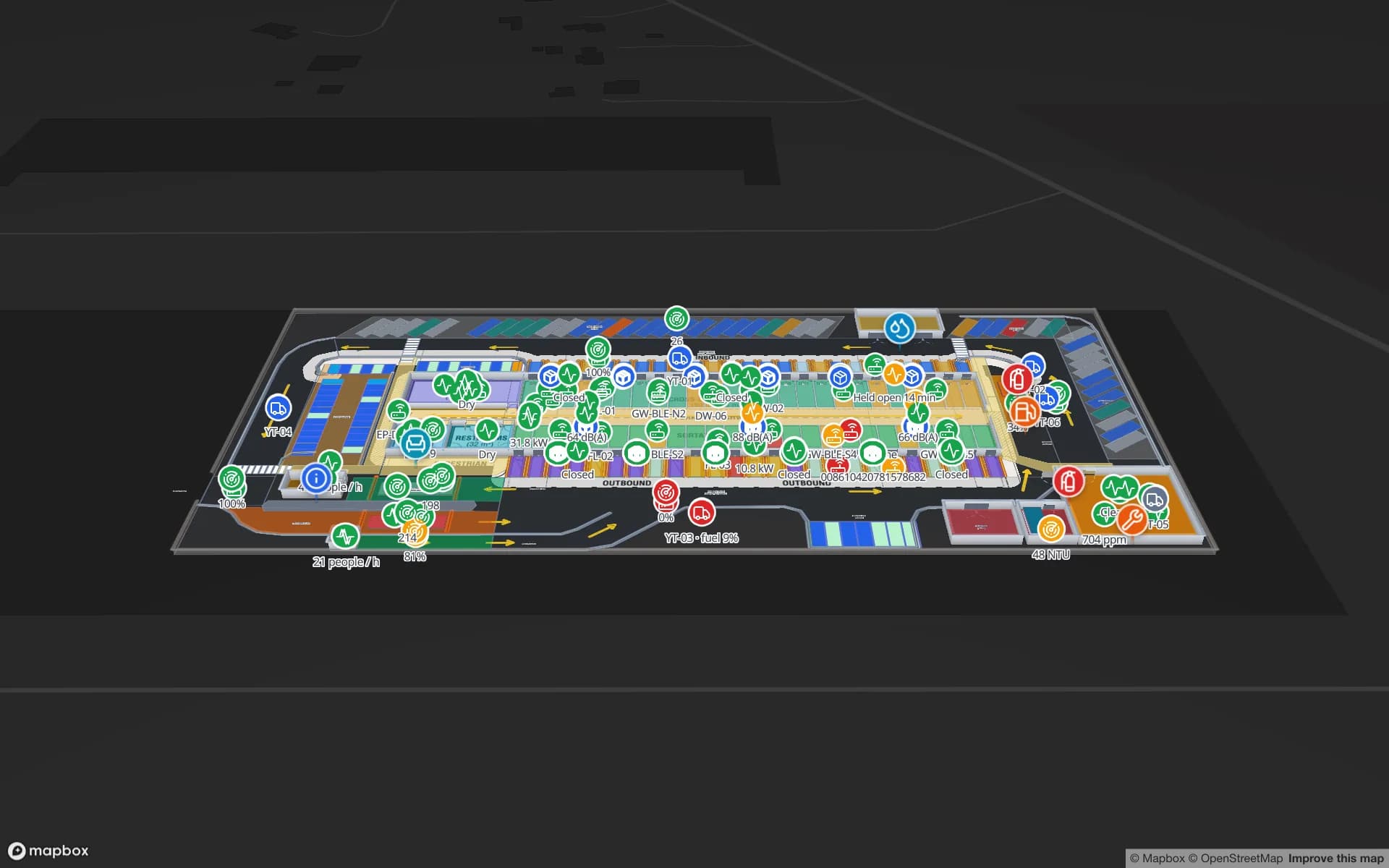
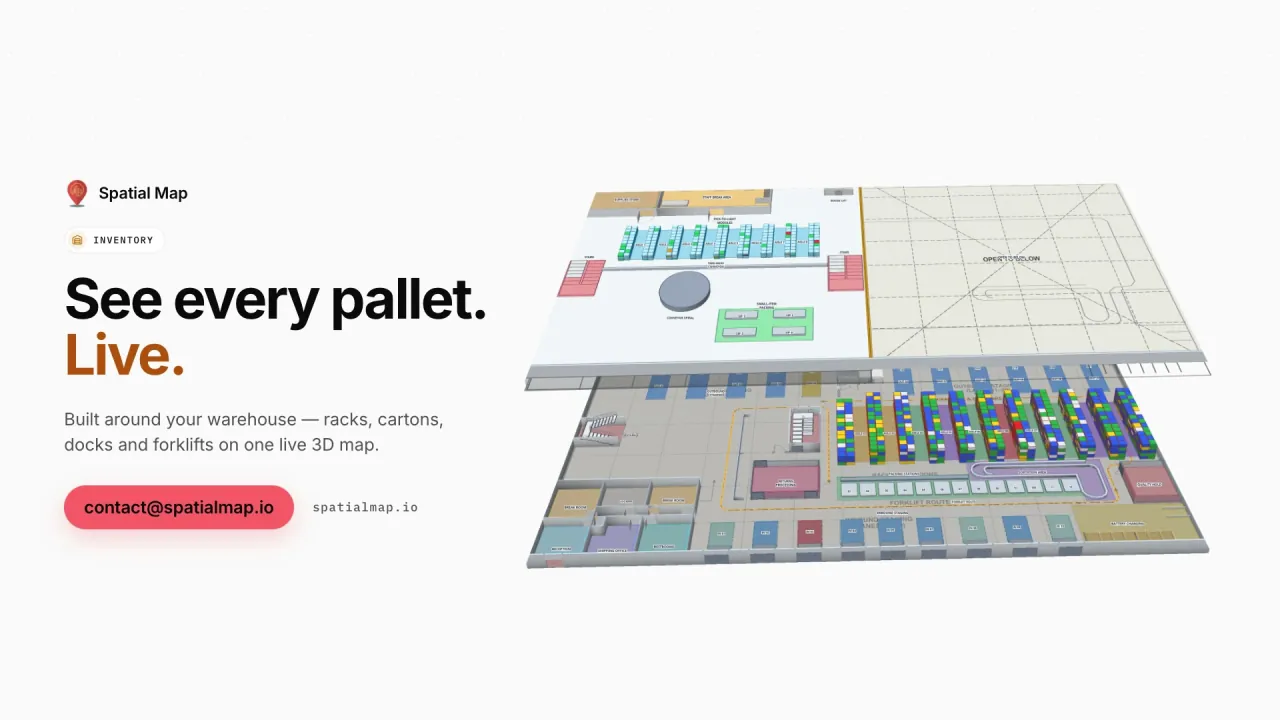
Inventory film: “See every pallet. Live.” beside the two floors of Crestline Fulfillment Center in 3D
The Inventory film: racks coloured by stock status, pick modules and RFID reads in the Crestline fulfilment centre, with 2,204 rack locations.
Rack locations in the Crestline inventory demo
2,204
Raw-material and finished-goods locations at Summit
867
Software to install on the factory floor
0
Free trial, up to 5 facilities, no card
7 days

Apparel at the centre of exports

The Export Development Board reported that Sri Lanka’s apparel exports reached over USD 4.82 billion in January–November 2025, up 4.9 % on the year, and that apparel accounted for 32 % of total export earnings in that period. A plant in that chain cuts, sews, finishes and packs for brand customers, with fabric and trims coming in and cartons going out.

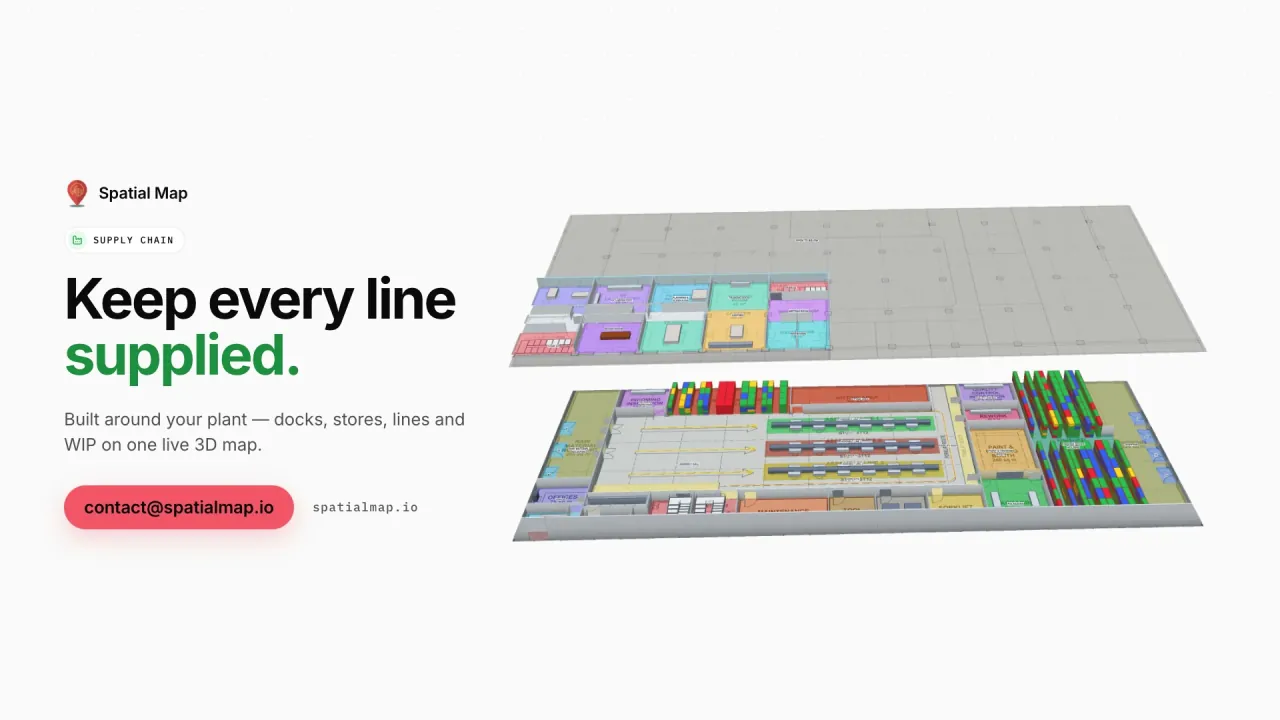
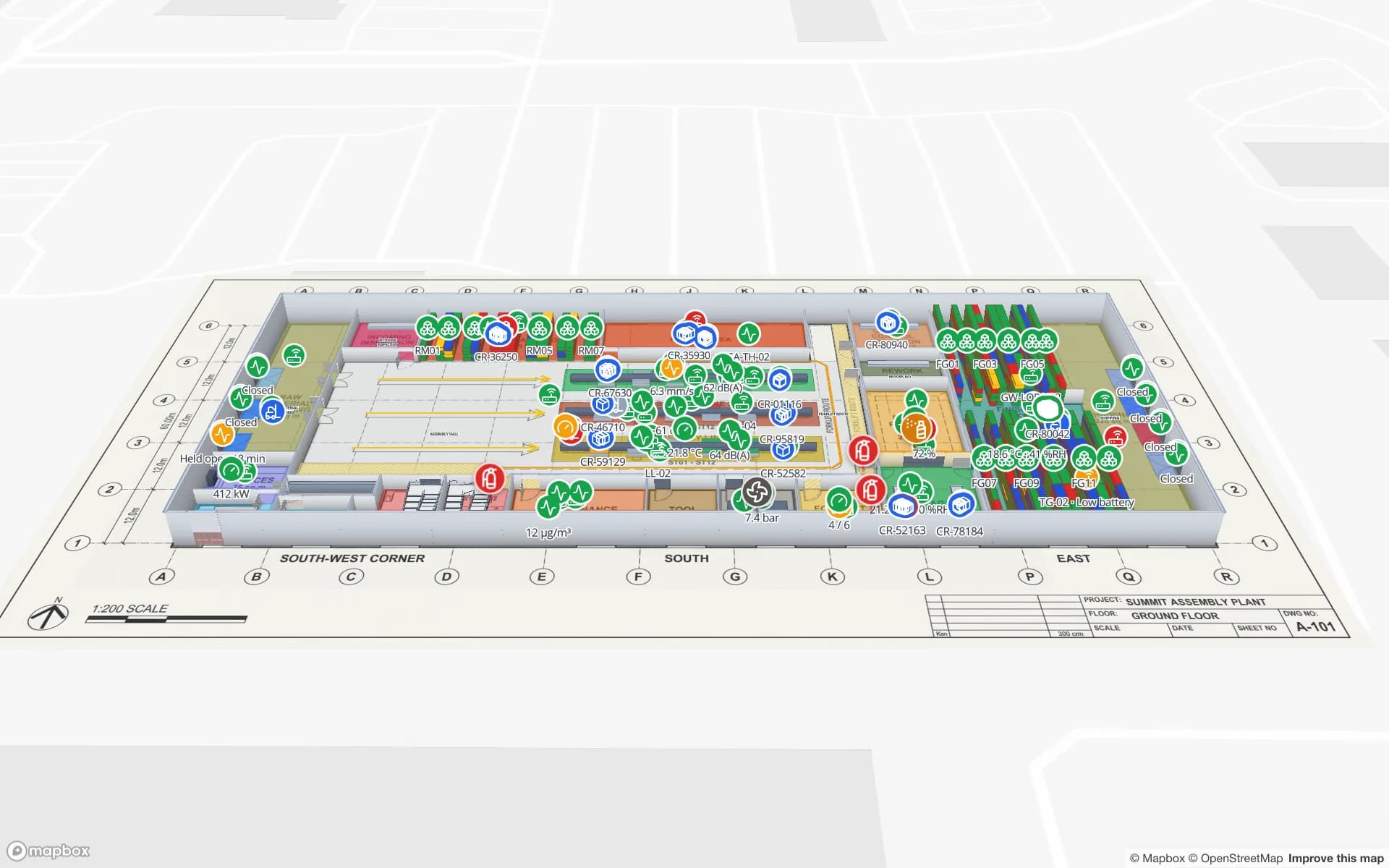
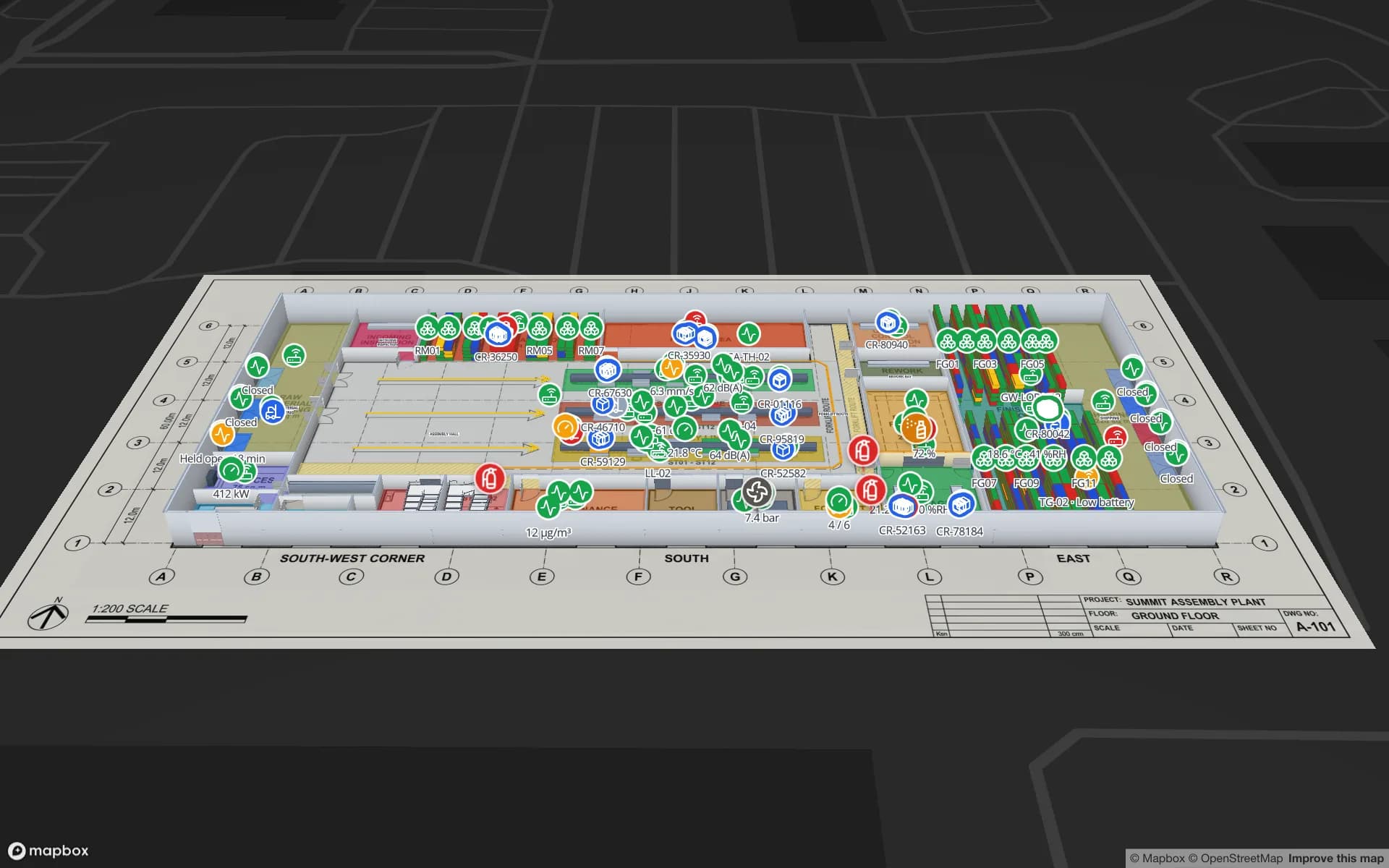
Spatial Map maps each building floor by floor, and colours lines, work-in-progress buffers and trims stores from your ERP or production data. A cart or bundle scanned at the end of a line moves on the map, and a store that is short of a trim shows before the line stops. The Summit Assembly demo shows the pattern with three lines, seven docks and 351 RFID WIP carriers.
A port that handles a record number of containers

The Port of Colombo handled an all-time high of 8,291,178 TEUs in 2025, which the Daily Mirror calls the top transhipment hub in South Asia. The Sri Lanka Ports Authority describes transshipment as the port’s main business, mainly serving India and other South Asian nations. Most of those boxes never enter a warehouse, so the buildings that matter on land are the container freight stations, bonded stores and factories that handle the import and export side. The city has its own page: inventory tracking in Colombo.

Export processing zones: Katunayake and Biyagama

The Board of Investment manages export processing zones and specialised industrial parks across the island. Its own description of Katunayake EPZ is “Sri Lanka’s first and largest”, opposite Bandaranaike International Airport, with apparel, electronics, rubber-based products and precision manufacturing among its sectors, a bonded area for hub operations and a dry port for import and export cargo. Biyagama EPZ commenced in 1985, 24 km from Colombo, and the BOI lists apparel and electronics among its main sectors.

In a zone unit, the useful map is of the shed: bonded stock by bay, finished goods by order and the despatch door. BOI service units, customs and freight forwarders operate inside Biyagama, and Spatial Map does not connect to any of them; it shows what your own scans and ERP say.

Tea: stock that lives in lots

Sri Lanka’s 2025 tea production was 264.1 million kg, up from 262.6 million kg in 2024, according to a market report cited by the Sunday Times, and the same report tracks the weekly offerings at the Colombo Tea Auction. Tea moves in lots, from estate factories to broker stores to buyers’ warehouses. A store map with bays coloured by lot, grade or status, and counts updated from a handheld walk-through, is a plain way to see which lots are sold, which are waiting for collection and which have not moved. Humidity matters for tea; see warehouse temperature mapping.

Languages and the Personal Data Protection Act

The constitution makes Sinhala and Tamil the languages of administration and legislation (16th Amendment, 1988) and English a link language (13th Amendment, 1987). The Spatial Map interface is in English, Arabic, Chinese, French, German and Spanish, with no Sinhala or Tamil, but everything you type — rack codes, room names, lot names, report titles — can be in Sinhala or Tamil script and appears as typed.

Sri Lanka’s Personal Data Protection Act, No. 9 of 2022 (as amended), has a Data Protection Authority that has existed since 2023, and a gazette of 22 July 2026 brings its core processing, controller-and-processor and cross-border provisions into force on 1 January 2027. It matters when a tag can be linked to a person, such as a worker’s badge; tags on cartons, trolleys and stock identify no one. Your legal advisers decide what applies. A data processing agreement is available and the security page explains how data is protected.

Services for teams in Sri Lanka

Where Sri Lankan teams usually start:

Also served

Beyond Colombo, the same approach covers Negombo and Katunayake, Kandy, Galle, Kurunegala, Jaffna, Trincomalee and Hambantota. None has a separate page; the product is the same everywhere because it runs in a browser and is sold online.

How Spatial Map does it

From floor plan to live map

  1. 01

    Import the plan

    A PDF, a DWG from AutoCAD R2004–R2018 or a scan of the plant, shed or store, placed at real size.

  2. 02

    Draw the building

    Lines, racks with locations, bays, dock doors, stairs and lifts, and the stores beside them.

  3. 03

    Connect the data

    ERP, RFID middleware and scanners post rows to a table, or Spatial Map polls a REST endpoint.

  4. 04

    Share and alert

    Read-only links for managers and customers, and in-app alerts for the team.

What teams in Sri Lanka map first

Apparel lines and WIP

Carts and bundles by line, with starved lines flagged.

Trims and finished-goods stores

Thousands of SKUs on a rack map, coloured from the ERP.

Container freight stations

Dock doors, yard slots and pallets staged before the vessel.

Stores with sensitive stock

Tea, fabric or pharma stores with temperature readings on the plan.

See it on real demo facilities

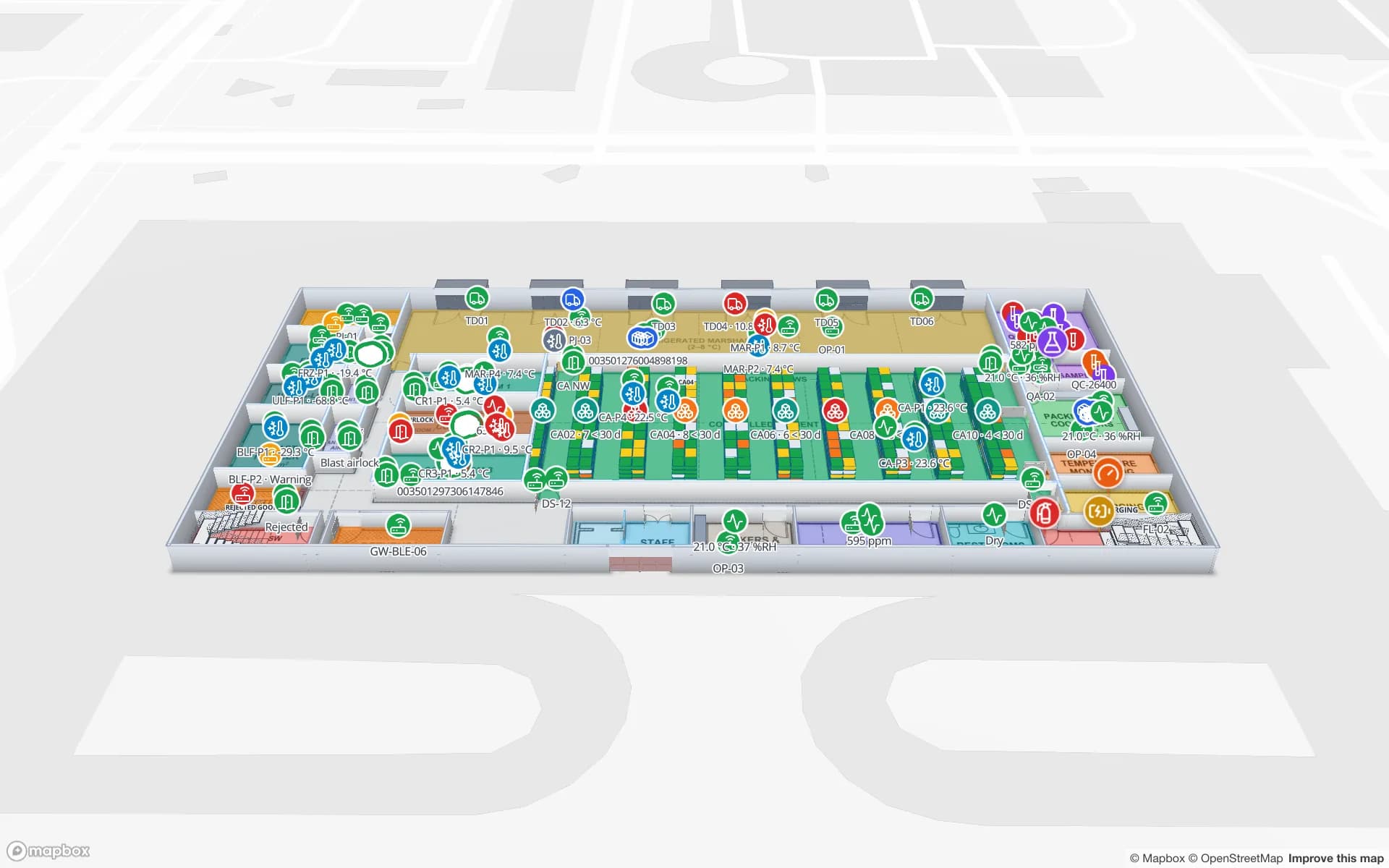
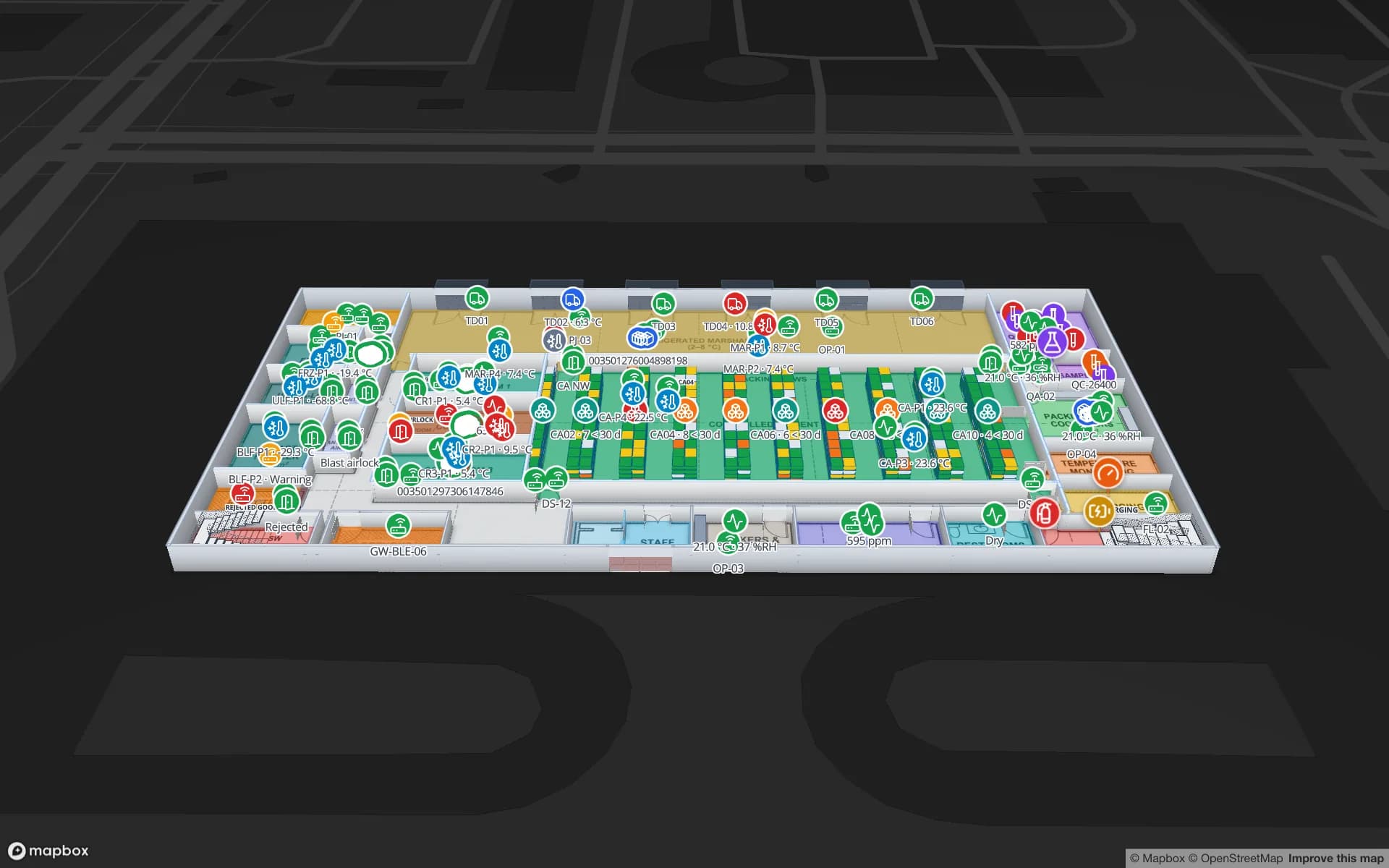
Fictional names, real floor plans, live sensors, RFID, BLE tags and gateways — open any of them in the browser.

All 13 demo facilities

Questions from teams in Sri Lanka

No. The app is in English, Arabic, Chinese, French, German and Spanish. Your own names, rack codes and report titles can be in Sinhala or Tamil script and appear exactly as typed.

No. It shows your own buildings — racks, bays, dock doors — coloured by the data your scanners, ERP and sensors send. Port, customs and zone records stay in their own systems.

It is context when a tag can be linked to a person, for example a staff badge. Tags on cartons, trolleys and stock identify no one. Your legal advisers decide what applies; a data processing agreement is available.

Yes. They can push rows to a table through the write API (HTTPS, bearer API key, bulk upsert, 60 requests per minute per key), or expose a REST endpoint that Spatial Map polls. CSV and Excel uploads work too.

No. Spatial Map is sold online and our team works with customers in Sri Lanka remotely, by video call and through the contact form.

The same worldwide, in US dollars: a 7-day free trial for up to 5 facilities with no card, then Pro at $60 a month or $600 a year for up to 4 facilities. There is no rupee price list. Hardware, if you ask us to source it, is quoted per project.

Map your first Sri Lankan plant or store this week.

Start the free trial, or send us a floor plan and a sample of your stock, scan or sensor data through the contact form.