South Asia · Bangladesh

RFID tracking and indoor mapping software for Bangladesh

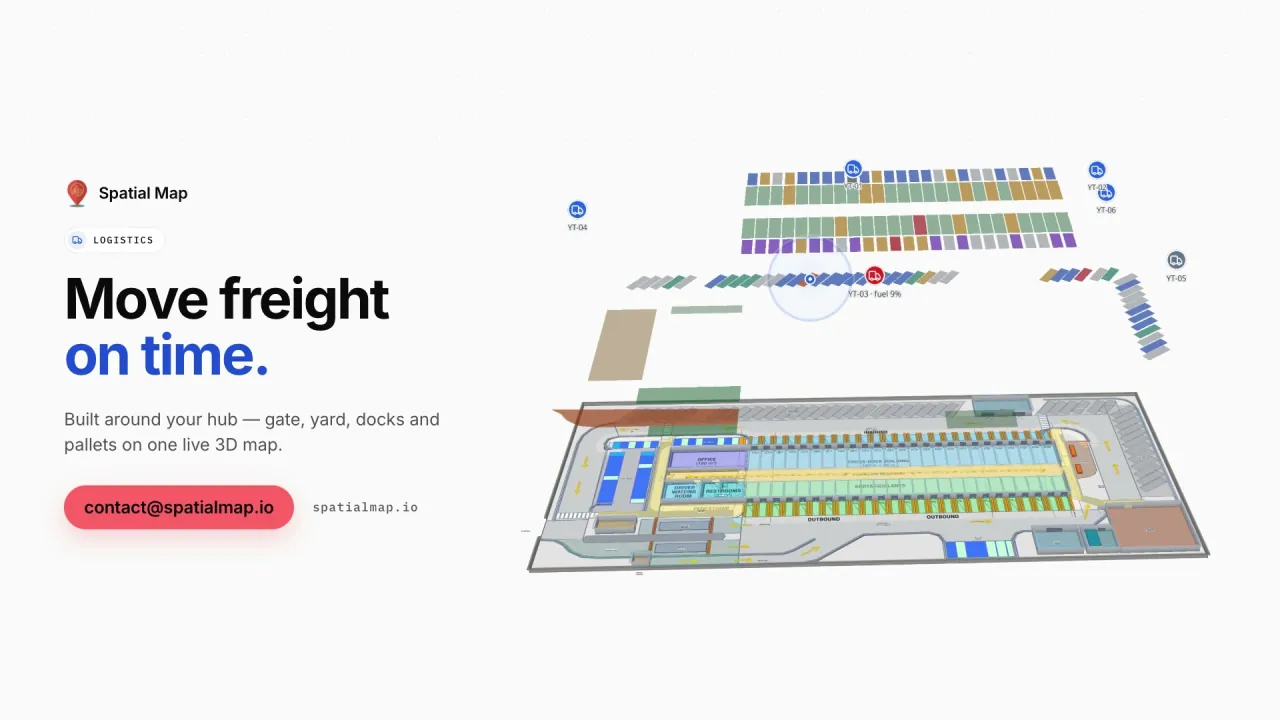
Spatial Map gives RFID tracking and indoor mapping in Bangladesh a live 3D map of each building in the garment chain: the cutting, sewing and finishing floors of factories around Dhaka, Gazipur and Chattogram, the packing hall where buyer RFID labels are checked, and the depots and warehouses on the way to the port. Cartons, bundles and pallets your systems already scan appear where they actually are.

No credit card. Runs in the browser. Pro is $60/month for up to 4 facilities. Book a demo

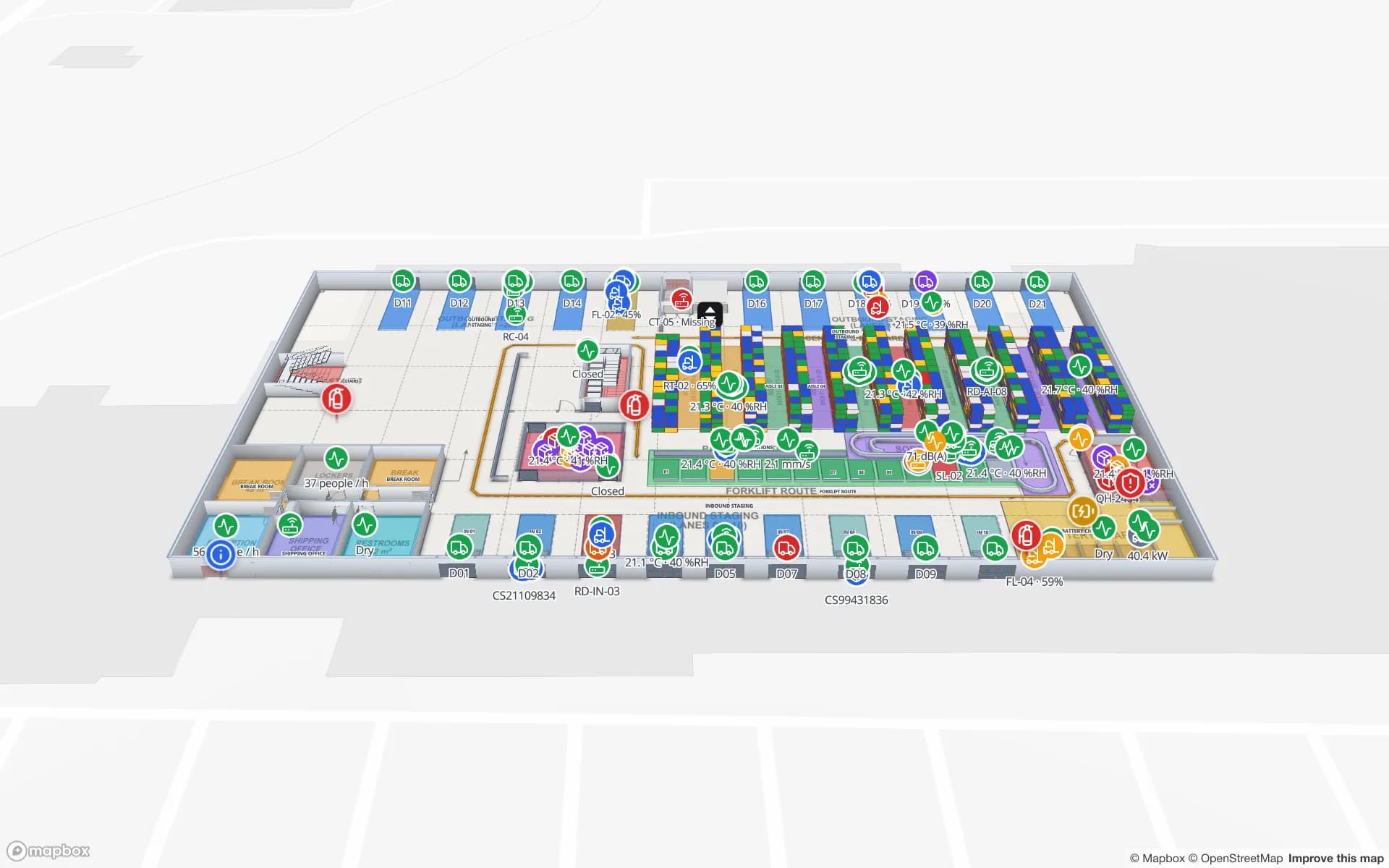
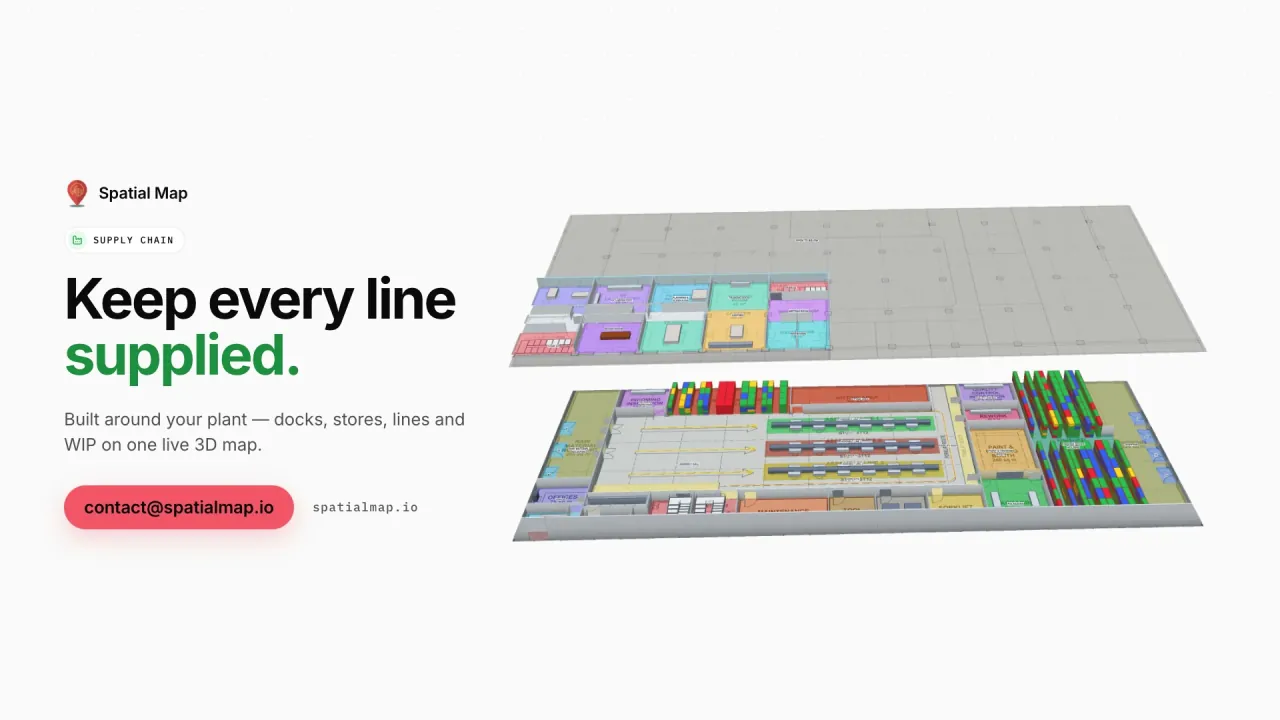
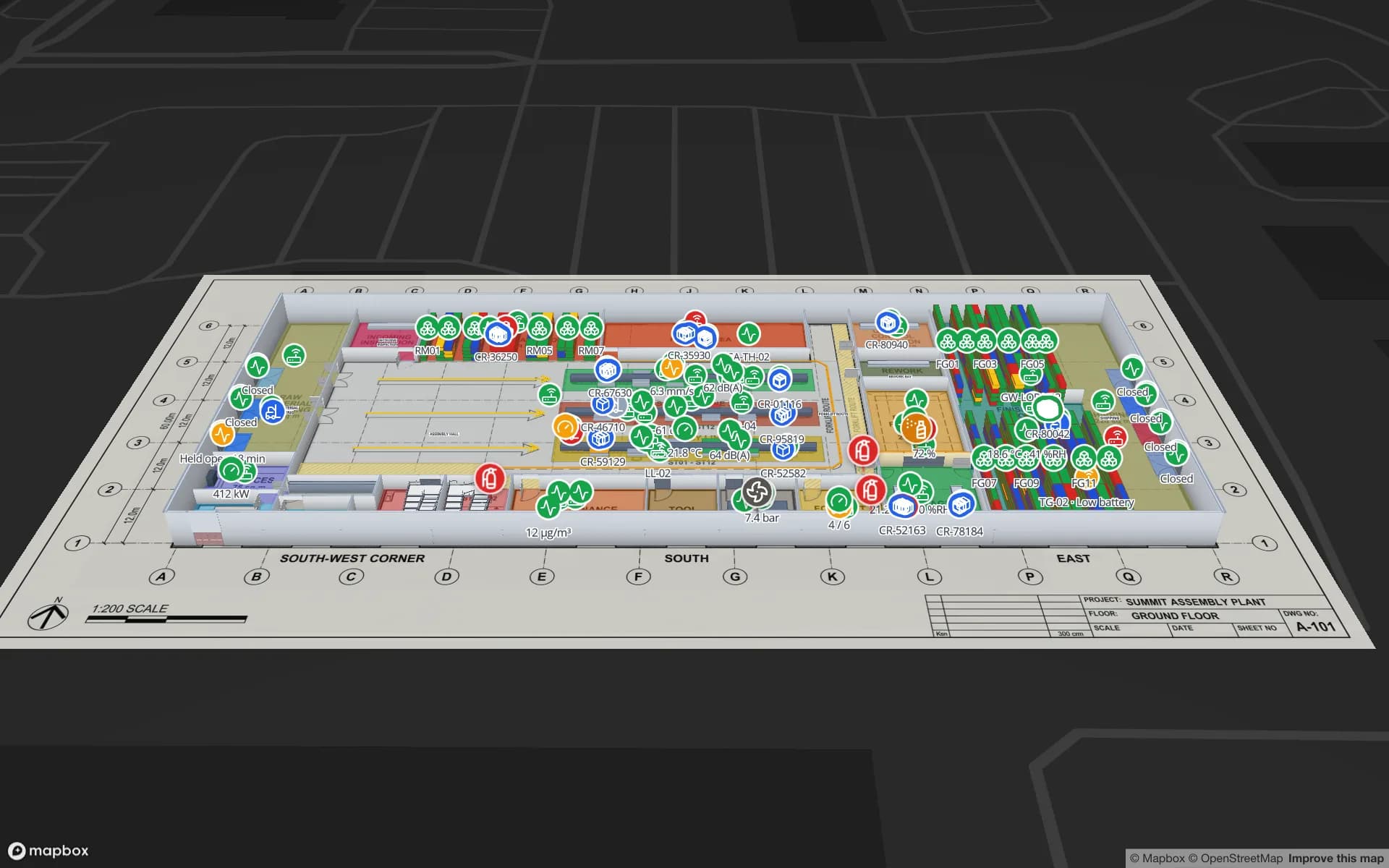
Supply Chain film: “Keep every line supplied” beside the floors of Summit Assembly Plant in 3D
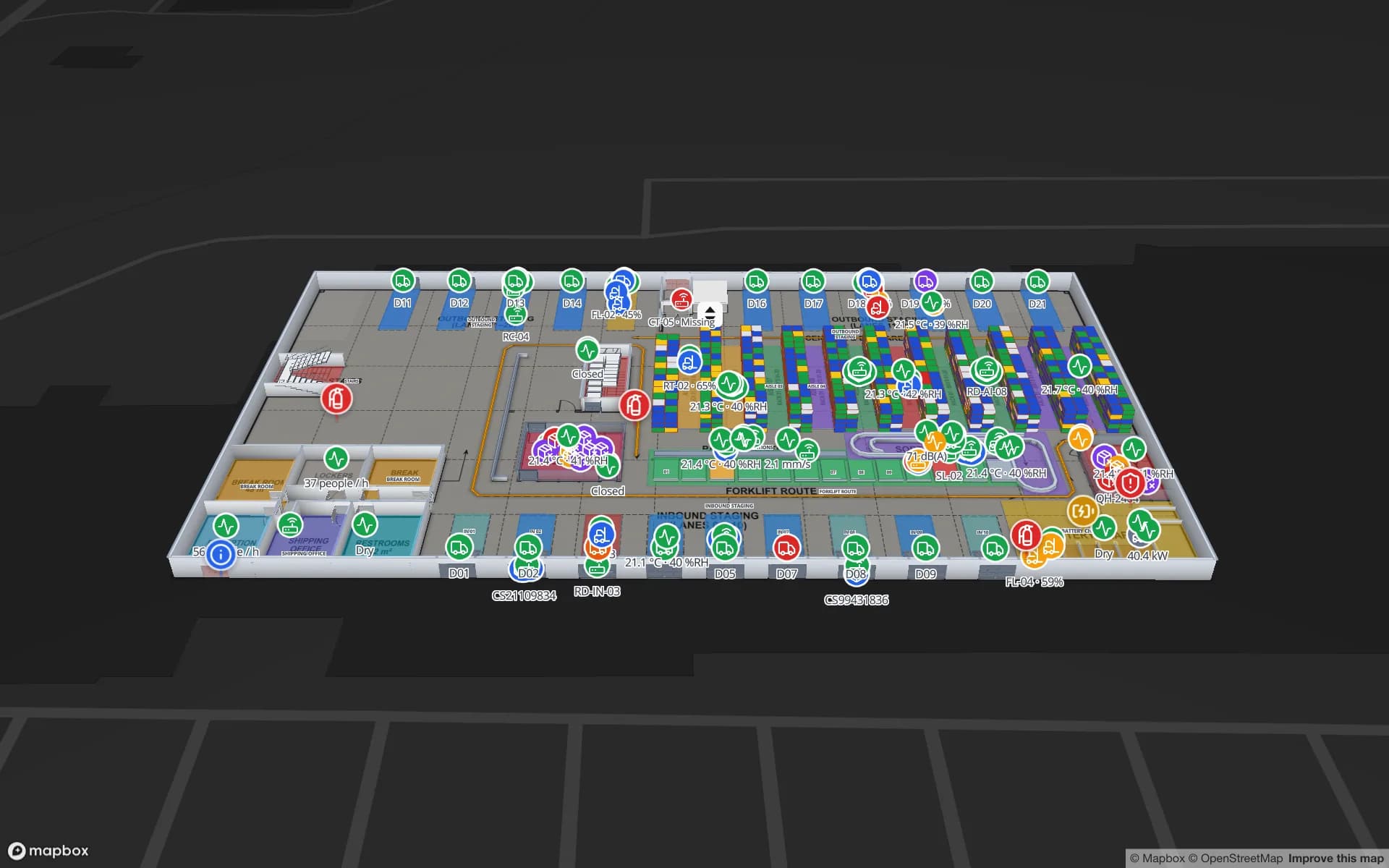
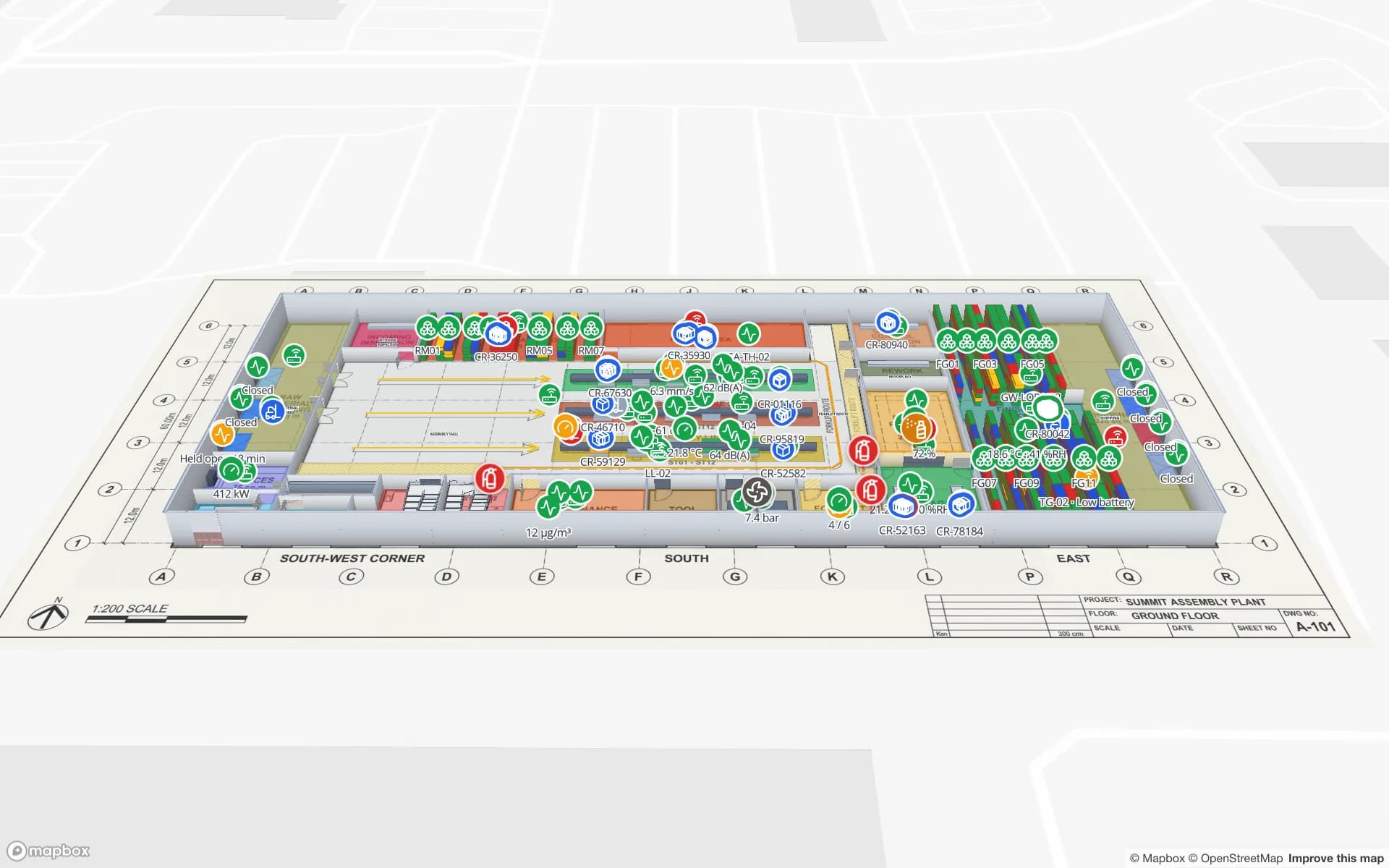
The Supply Chain film: Summit Assembly Plant with 3 lines, 7 docks and 351 RFID WIP carriers, and a held lot traced to the line it starves.
RFID WIP carriers in the Summit plant demo
351
Raw-material and finished-goods rack locations at Summit
867
Software to install on the factory floor
0
Free trial, up to 5 facilities, no card
7 days

A country built on garment exports

Ready-made garments account for the large majority of Bangladesh’s export earnings, from knitwear and T-shirts to woven shirts, denim and outerwear. Factories cluster around Dhaka — Gazipur, Savar and Ashulia, Narayanganj — and around Chattogram, many of them inside the export processing zones run by BEPZA. A large factory may run several buildings of cutting, sewing, washing, finishing and packing floors.

Spatial Map maps each building floor by floor and colours lines, WIP buffers and fabric and trims stores from your ERP or production data. A bundle or cart scanned at the end of a line moves on the map; a line starved of cut pieces shows before the supervisor’s report. The Summit Assembly demo shows the pattern with three lines, seven docks and 351 RFID WIP carriers.
RFID labels that buyers ask for

Many international apparel brands and retailers now ask their suppliers to apply RFID labels or tags at source, so that garments arrive at the brand’s distribution centres and stores already tagged. For the factory that usually means encoding or receiving pre-encoded labels, attaching them at finishing or packing, and checking each carton’s contents before it ships. The exact requirements come from each buyer.

Spatial Map does not encode labels. What it adds is the floor: the tunnel reader or carton-audit station on the packing-hall plan, each carton read placed at the station and the shipping dock, and the cartons that failed a check marked where they wait. RFID for retail stores shows what happens to those tags after they reach the shop, and our post on RFID tags for apparel covers tag choice.

Chattogram: the port and its off-dock depots

Chattogram is Bangladesh’s main seaport and handles most of its seaborne trade, including most garment exports. Export cartons are usually stuffed into containers at private off-dock depots around the port rather than at the quay, and import fabric and trims are unstuffed there too.

A depot on the map has its sheds, stuffing bays and stacking yard, with cartons staged by container and by buyer. RFID or barcode scans at the shed door show which cartons are loaded and which are still waiting before the vessel cut-off. The Eastport demo shows dock doors, yard slots and 1,180 RFID pallets. Spatial Map does not connect to port or customs systems.

Dhaka warehousing and the road to the port

Much of the country’s consumption and its garment supply chain meet around Dhaka: FMCG and pharma distributors’ warehouses, trims and accessories stores, and the rail-linked Kamalapur inland container depot. Goods move between Dhaka and Chattogram by road and rail, and air freight through Hazrat Shahjalal International Airport fills the gap when a shipment is late.

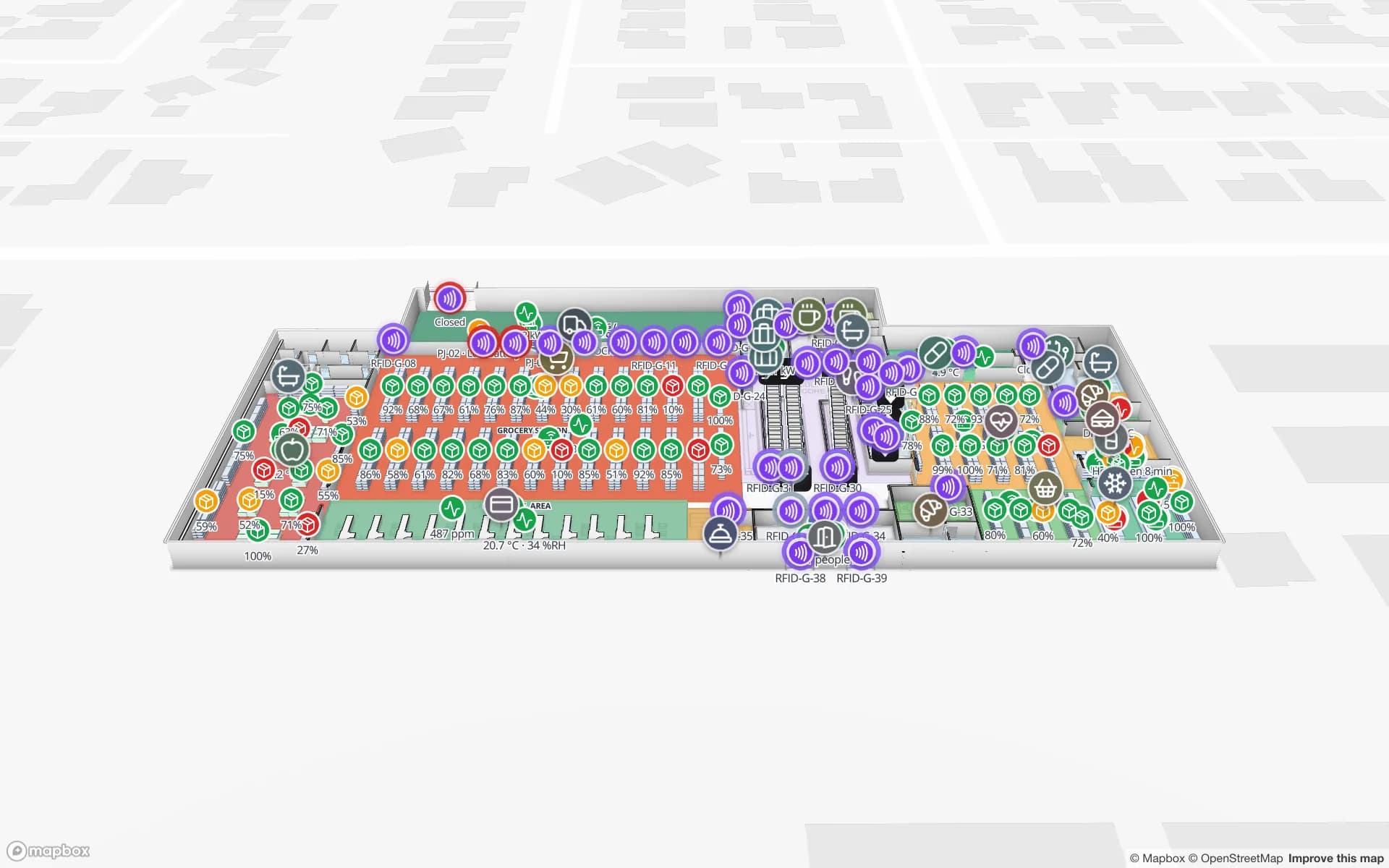
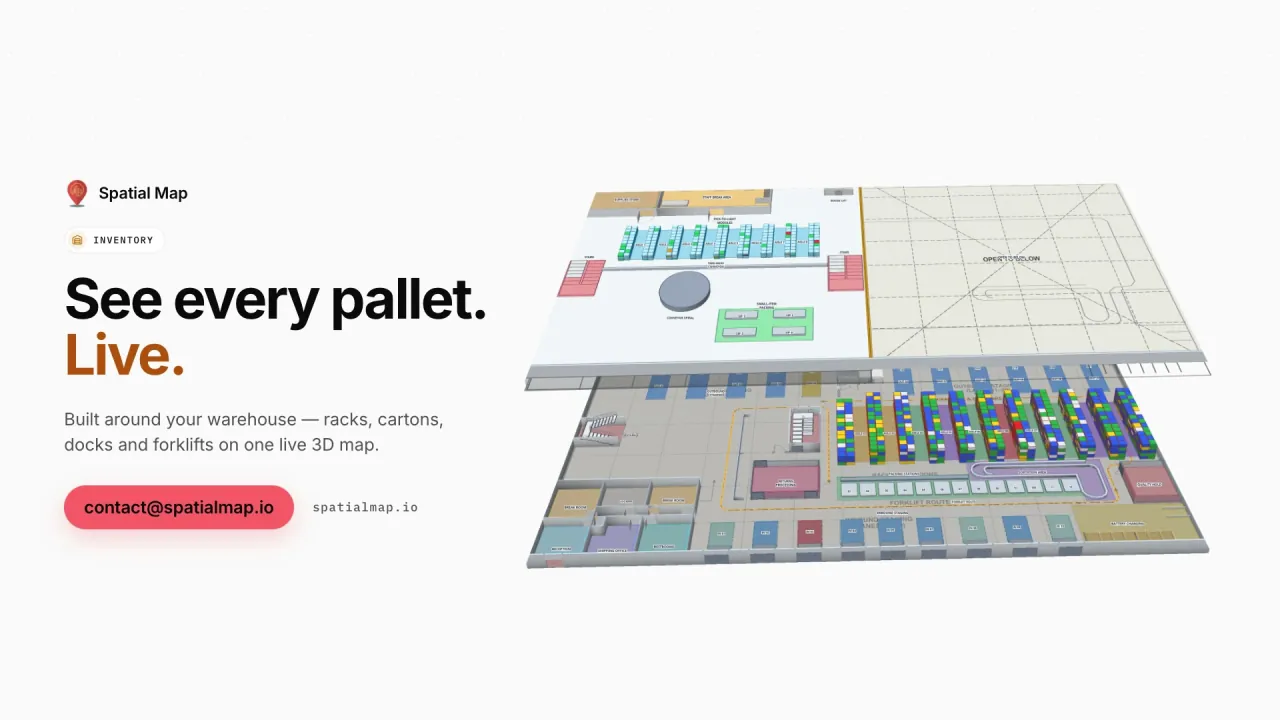
A trims store with thousands of SKUs — buttons, zips, labels, thread — is a rack map with bins coloured by stock from your ERP; a distributor’s warehouse shows rack-level stock and the dispatch dock. The Crestline demo shows 2,204 rack locations on one map.

Auditors, data and language

Buyers and their auditors visit factories often, and building, fire and social compliance are checked by the buyer’s own programmes. A read-only share link can show an auditor exactly the floors and layers you choose — exits, fire equipment, assembly points — with an expiry date, without an account. Spatial Map is not an audit or certification tool and makes no compliance claim.

Bangladesh issued a Personal Data Protection Ordinance in 2025; it matters if tracking is tied to workers, and your legal advisers decide what applies. Most projects tag bundles, cartons and equipment, not people. The interface is in English (also Arabic, Chinese, French, German and Spanish), not Bengali; your own labels can be written in Bengali script. Spatial Map is sold online in US dollars and our team works remotely through the contact form.

How Spatial Map does it

From a factory floor plan to a live map

  1. 01

    Upload each floor

    The factory layout as PDF, DWG or a scan, one per floor, placed at real size.

  2. 02

    Draw lines and stations

    Cutting tables, sewing lines, finishing, packing and the carton-audit station.

  3. 03

    Feed production and scans

    ERP or production data and RFID or barcode scans post rows to tables.

  4. 04

    Share with buyers and auditors

    Read-only links per buyer, reports in PDF or Excel, history you can replay.

What teams in Bangladesh use it for

Sewing lines and WIP

Bundles and carts by line, with starved lines flagged.

Packing and carton audit

Buyer RFID checks at the packing station and cartons staged for shipment.

Trims and fabric stores

Thousands of SKUs on a rack map, coloured from the ERP.

See it on real demo facilities

Fictional names, real floor plans, live sensors, RFID, BLE tags and gateways — open any of them in the browser.

All 13 demo facilities

Questions from teams in Bangladesh

No. Encoding and printing are done by your label supplier, printer or encoding station, to the buyer’s specification. Spatial Map shows where cartons and garments were read — at packing, carton audit and the dock — on the factory map.

Only what you share. A read-only link shows the floors and layers you pick, can expire on a date and has a view cap. The buyer needs no account and cannot edit anything.

Usually each building is a facility and each floor a level within it. Both buildings sit in one workspace and can be grouped into a solution, so reports cover the whole factory.

Not yet. It is in English, Arabic, Chinese, French, German and Spanish. Line names, store names and report titles can be written in Bengali and appear as typed.

The worldwide price, in US dollars: a 7-day free trial for 5 facilities with no card, then Pro at $60 a month or $600 a year for up to 4 facilities. There is no taka price list or local reseller.

Map one factory floor and its packing hall.

Start the free trial, or send a factory layout and a sample of your carton scans through the contact form.