Dammam & Khobar · the Eastern Province

RFID tracking in Dammam and Khobar for industrial stores, spares and the port

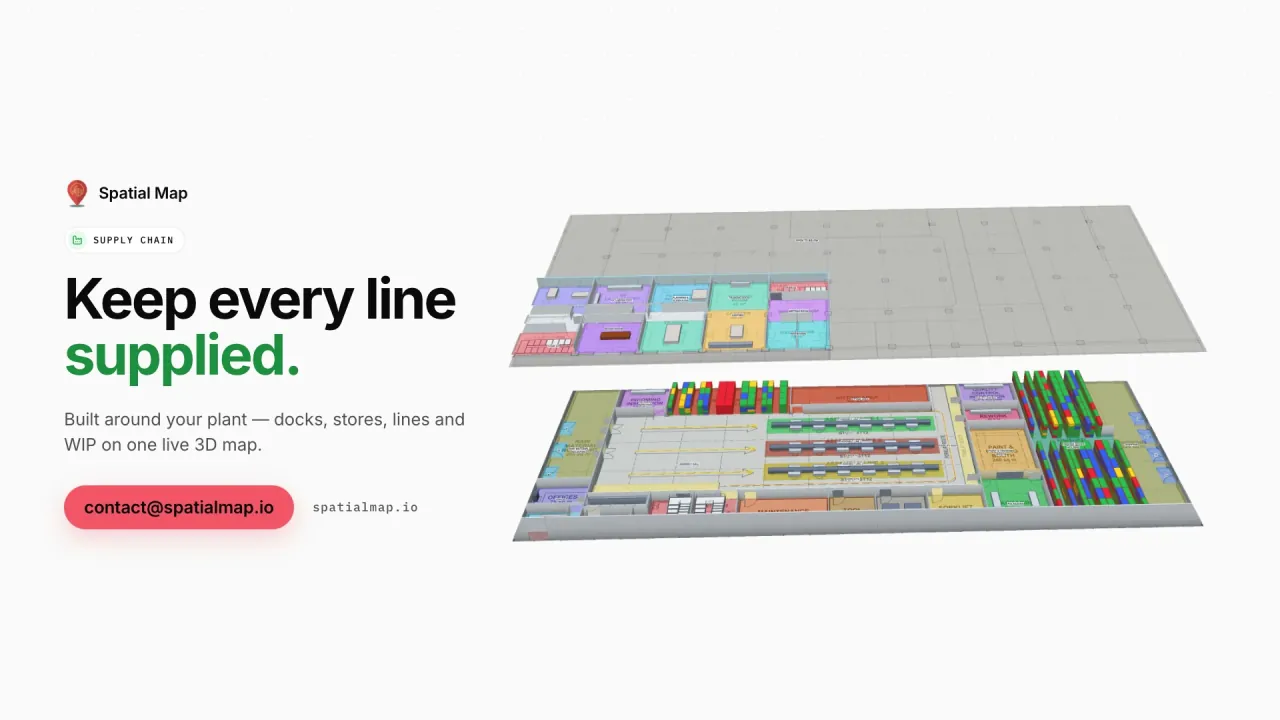
Spatial Map places RFID reads on a live 3D map of the store, workshop or warehouse where they happen, using the readers and middleware you choose. RFID tracking in Dammam and Khobar is shaped by industry: the Eastern Province is the centre of the Kingdom’s oil, gas and petrochemical sector, and its supply chain runs on spare parts, tools, chemicals and project materials moving between King Abdulaziz Port, the industrial cities around Dammam and the plants up the coast at Jubail.

No credit card. Runs in the browser. Pro is $60/month for up to 4 facilities. Book a demo

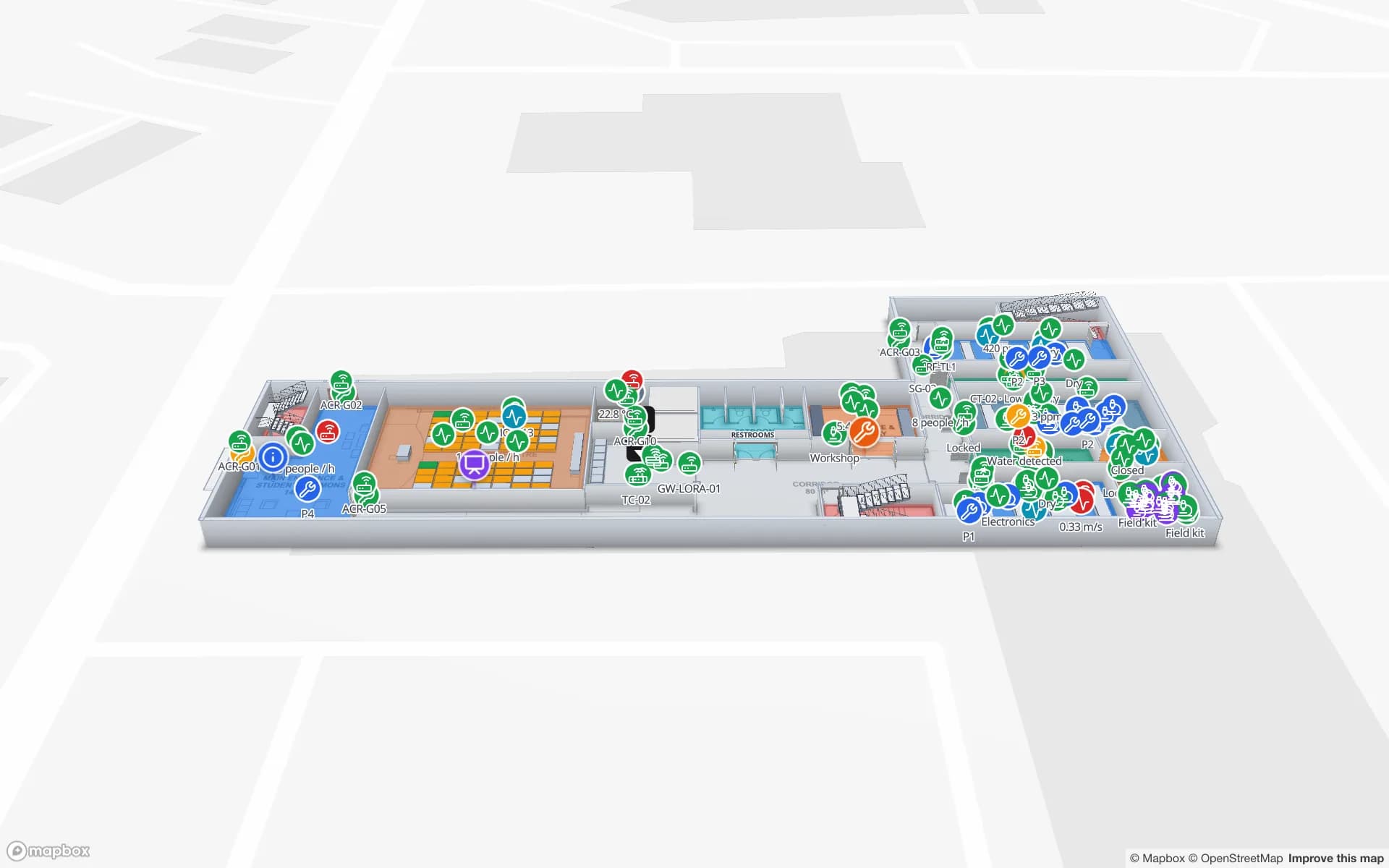
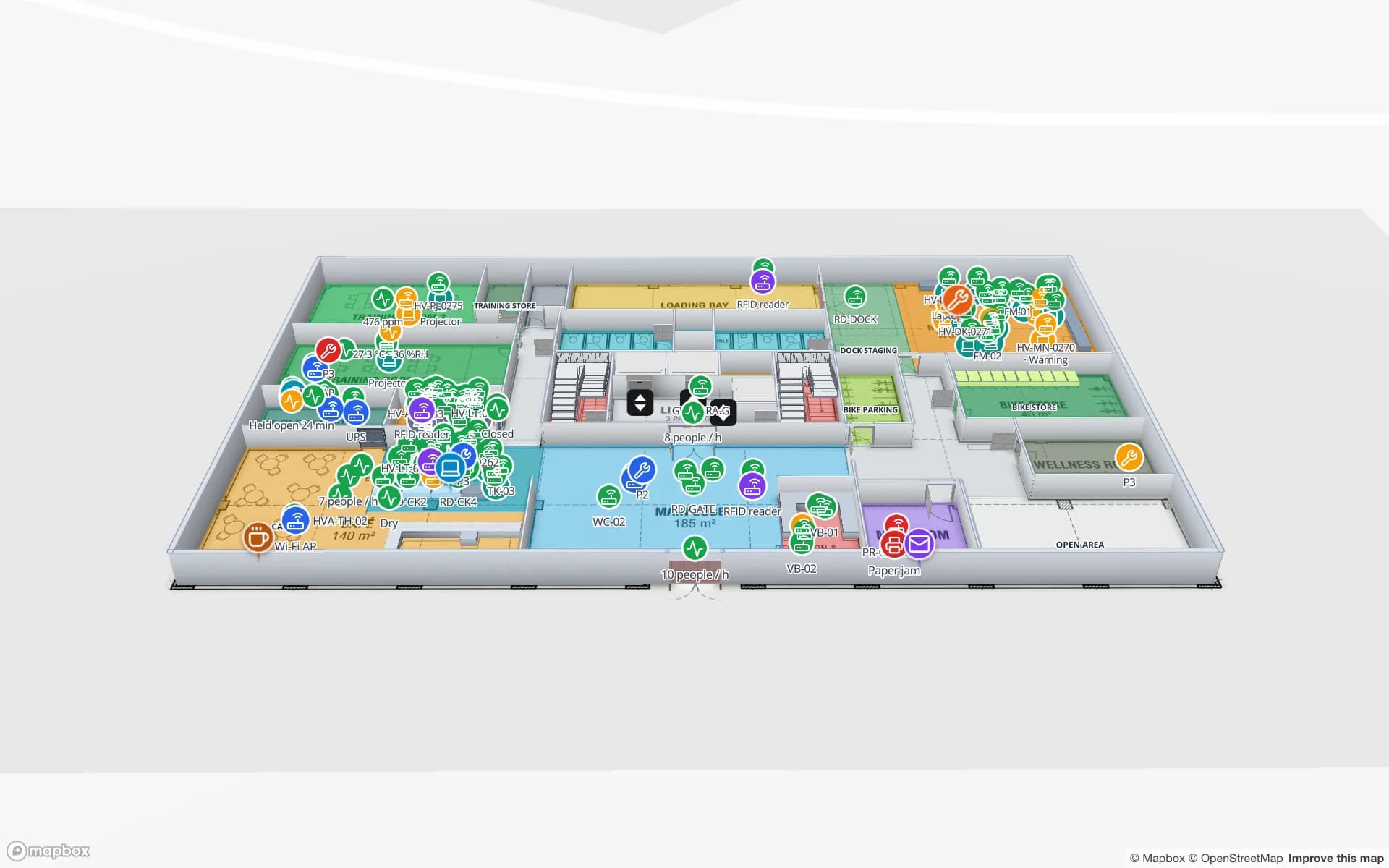
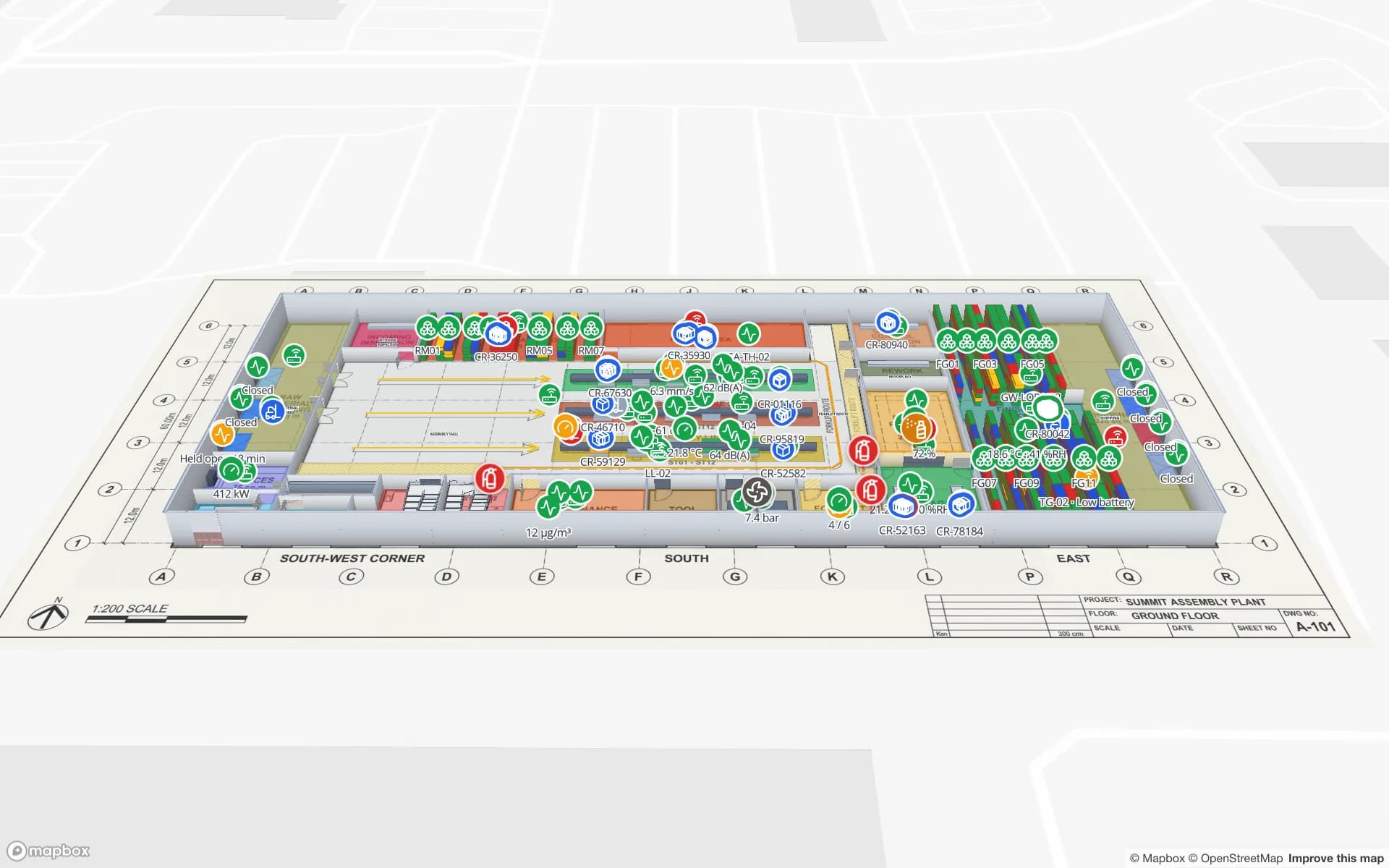
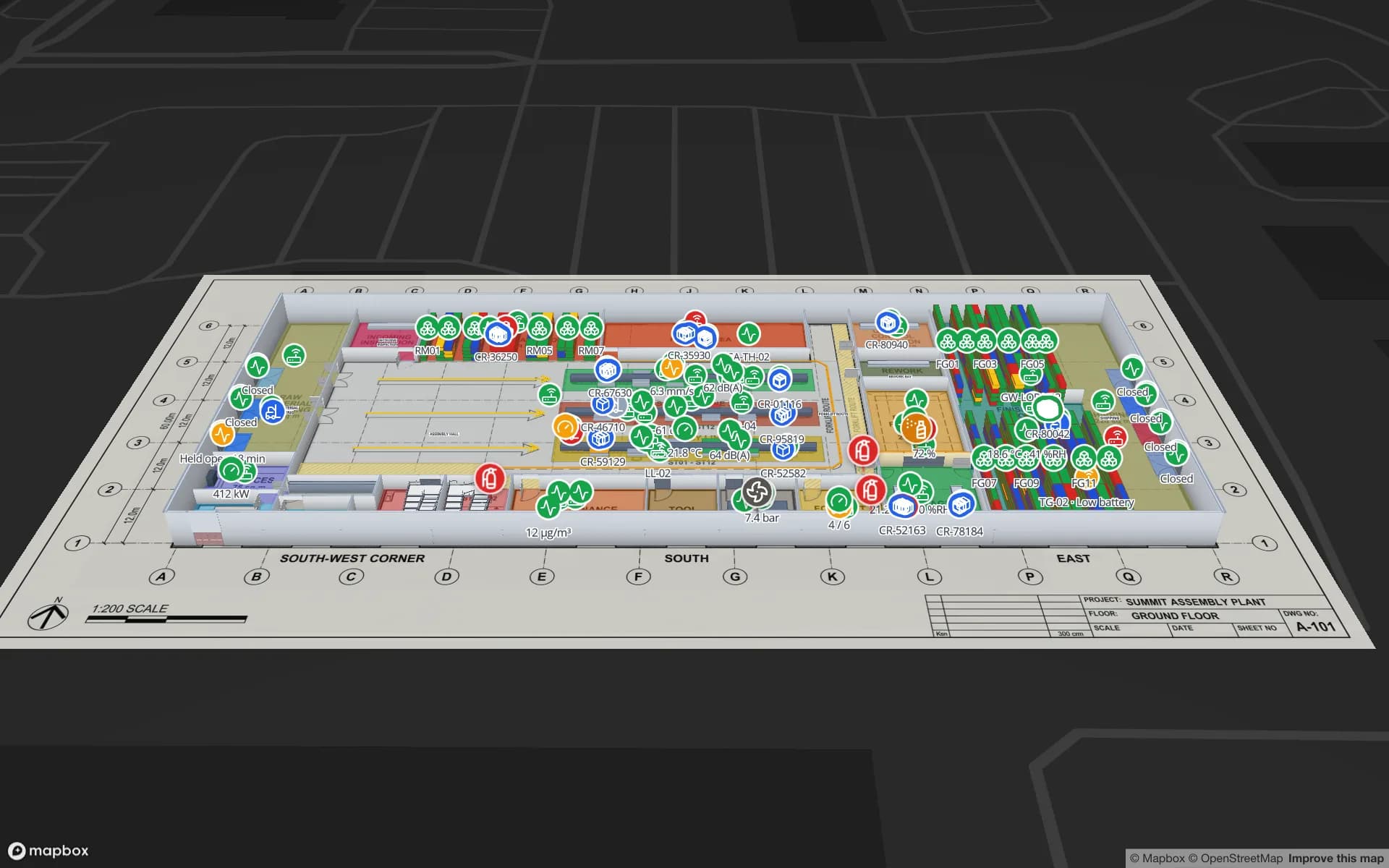
Eastport Cross-Dock Freight Hub, a cross-dock & trailer yard demo, in the Spatial Map 3D viewer with live device markers
Eastport Cross-Dock Freight Hub
Eastport Cross-Dock, a demo freight hub: gate and weighbridge, 44 yard slots, 50 dock doors and RFID-tagged pallets moving from inbound to outbound doors.
RFID-tagged pallets in the Eastport cross-dock demo
1,180
Rack locations in the Summit Assembly plant demo
867
Roles: Owner, Admin, Editor and Viewer
4
Free trial, up to 5 facilities, no card
7 days

An industrial supply chain, not a retail one

Most RFID writing is about shops and fashion. In the Eastern Province the tagged items are different: pump and compressor parts, valves, instruments, seals, safety equipment, drums of chemicals and pre-kitted materials for maintenance jobs. Many are metal, many are large, and a single missing critical spare can hold up a plant.

That changes the hardware — on-metal and rugged tags, handhelds for yard counts, fixed readers at store gates (our guide to RFID tags for metal and liquids covers the choices) — but not the map. Each bin, rack and laydown area is drawn on the store’s floor plan, and each tagged item appears where it was last read. A search for a part number shows the rack and level, as in the Summit Assembly demo’s 867 rack locations.
King Abdulaziz Port and the route inland

King Abdulaziz Port in Dammam is the Kingdom’s main port on the Gulf and the main entry for cargo bound for the eastern and central regions, with rail freight running inland towards Riyadh. Urgent spares can come by air instead, through King Fahd International Airport, which is recorded as the world’s largest airport by land area. Bonded stores, distributors’ warehouses and cross-docks around the port and in Dammam’s industrial cities turn that cargo into deliveries for plants, contractors and shops.

At those sites, dock-door and gate reads place each pallet at its door or lane, trailers sit in yard slots, and weighbridge transactions arrive as table rows. The King Fahd Causeway to Bahrain is close by, so a depot in Dammam and one in Bahrain can sit in one workspace — see Bahrain for the other end of the bridge.

Turnarounds: tools and kits for a shutdown

A planned plant shutdown brings a large temporary workforce, contractor tool cribs, lifting gear and hundreds of pre-kitted material sets to a site for a few weeks. The questions are always the same: which kits have been issued, which laydown area holds what, and which tools have not come back.

Tag the tool boxes and kit crates, read them at the crib window and the laydown-yard entrance, and the map shows each one in its area. A report counts kits per area and job, and an alert rule using “number of matching items” against a threshold raises an in-app alert when a laydown area falls short before a job starts. For the tool side in detail, see RFID tool tracking.

Chemical drums, labs and controlled stores

Laboratories and chemical stores need to know that each container is in the store it belongs in. With a container tag read at store doors and an “allowed store” field in each row, an alert rule set to “a row matches” fires when a container is read in the wrong store, and Show on map opens the room where it was seen.

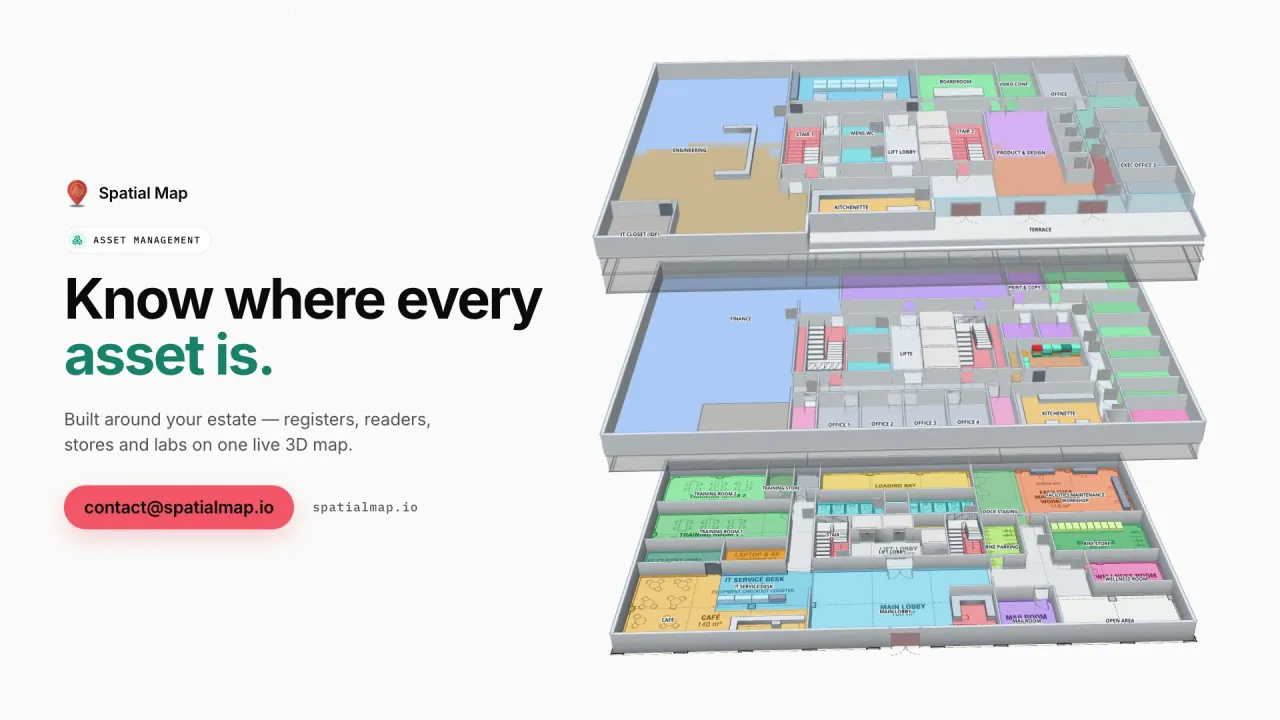
The Westbrook University demo is a science building, not a plant, but its chemical and hazmat stores, container tags and lab environment sensors follow the same pattern. Spatial Map shows locations and states; your safety management system and procedures remain the record.

Khobar and Dhahran offices: IT and fixed-asset audits

Head offices and engineering offices in Khobar and Dhahran hold laptops, instruments and survey equipment that move between floors, sites and people. An RFID audit with a handheld, walked floor by floor, gives each asset a last-seen room; Spatial Map shows the result on the floor plan and lists what was not found. See RFID IT asset audits and the Harborview demo for the office pattern.

How Spatial Map does it

An Eastern Province RFID rollout

  1. 01

    Draw stores and laydown yards

    Import the store, workshop or yard plan, align it, and draw racks, bins, cages and laydown areas.

  2. 02

    Load the item master

    Upload a CSV or Excel export with tag IDs, part numbers and allowed stores as a table.

  3. 03

    Connect readers and handhelds

    Fixed-reader middleware posts reads over the write API; handheld counts arrive as file uploads.

  4. 04

    Add rules for shortfalls and strays

    Count thresholds per laydown area and wrong-store rules, raised as in-app alerts with Show on map.

Where RFID starts in Dammam and Khobar

Critical spares stores

Spares by rack and level, searchable by part number, with last-read times.

Port-side and causeway depots

Dock doors, yard slots, weighbridge and RFID pallets on one site map.

Turnaround tools and kits

Kits and tool boxes by laydown area, with shortfalls raised before the job.

See it on real demo facilities

Fictional names, real floor plans, live sensors, RFID, BLE tags and gateways — open any of them in the browser.

All 13 demo facilities

RFID in Dammam and Khobar — questions we get

Yes, with the right tags. On-metal and rugged tags exist for that purpose, and your hardware supplier chooses them for your parts. Spatial Map only receives the reads, so the tag choice does not change anything on the map.

Yes. With the item master in a table and racks drawn with their bays and levels, a search or filter on the part number shows the rack, level and last-read time of each tagged item.

Yes, inside the app. An alert rule that counts matching items against a threshold raises an alert with a severity and message for the roles you choose, and resolves itself when the count recovers. There is no email, SMS or push delivery.

No. Reads and stock flow into Spatial Map through the write API, REST polling or file uploads; there is no write-back to ERP or WMS. Our team can build an integration as a separate custom project.

Yes, through a read-only share link limited to the floors and layers they need, with an expiry date and a view cap. They need no account, and you can revoke the link at any time.

The same worldwide, in US dollars: a 7-day free trial for up to 5 facilities, then Pro at $60 a month or $600 a year for up to 4 facilities. Larger estates are quoted as custom services.

Put your Eastern Province store on the map.

Start the free trial, upload a store plan and an item export, or send us both with a sample of your read log through the contact form.