Cork · The harbour, the plants at Ringaskiddy and chilled food

Cold chain monitoring in Cork, from the reefer dock to the quarantine room

Spatial Map shows temperature probes, door sensors and tagged pallets on a live 3D map of the building they sit in, so a cold room, a freezer and a reefer dock read as one picture. Cold chain monitoring in Cork is shaped by a harbour and the industries around it: a port that handles every kind of cargo, plants on the harbour shore that make medicines and medical devices, and food that has to stay cold on its way out. Your sensors measure; Spatial Map shows each reading in place and keeps the history.

No credit card. Runs in the browser. Pro is $60/month for up to 4 facilities. Book a demo

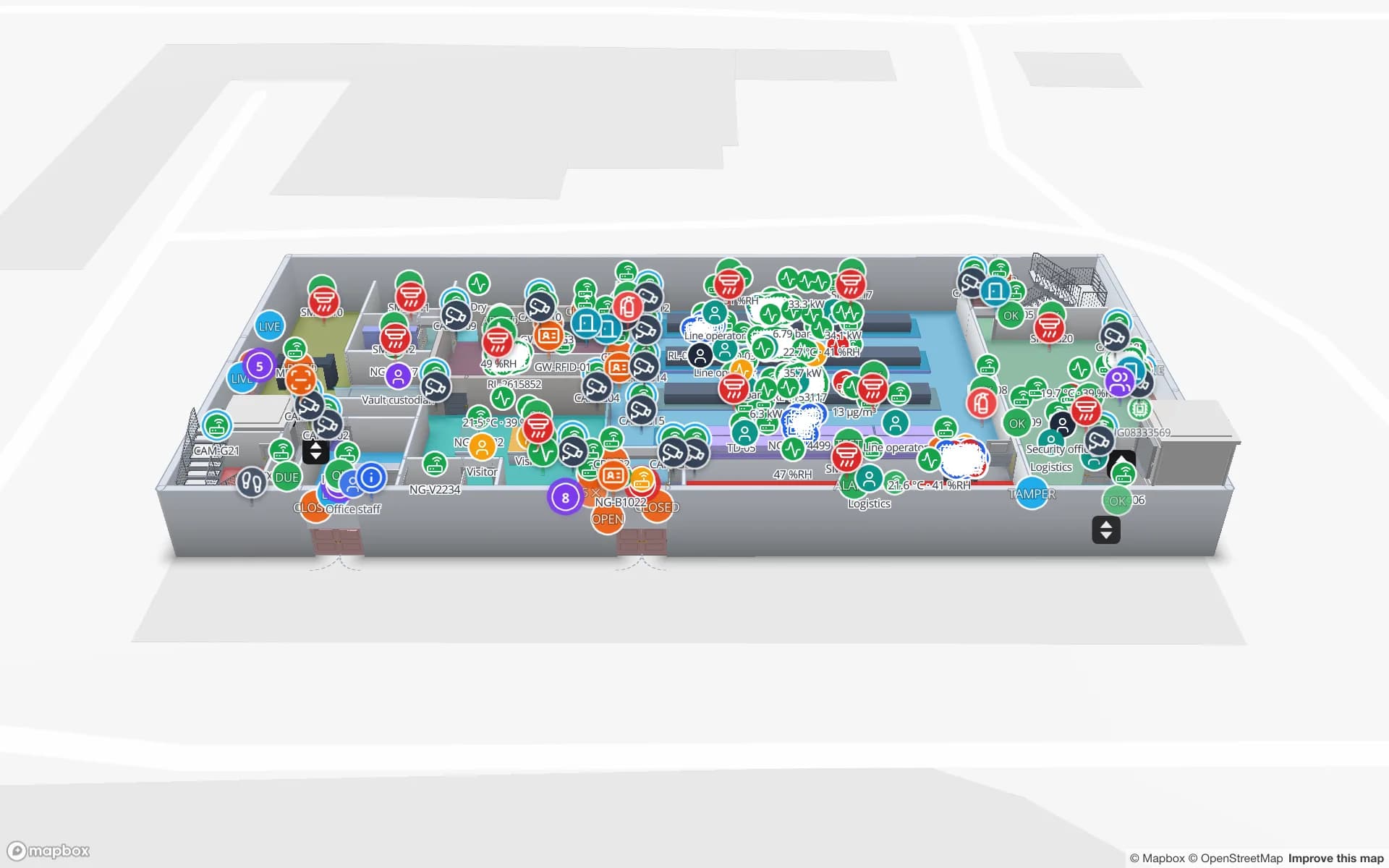
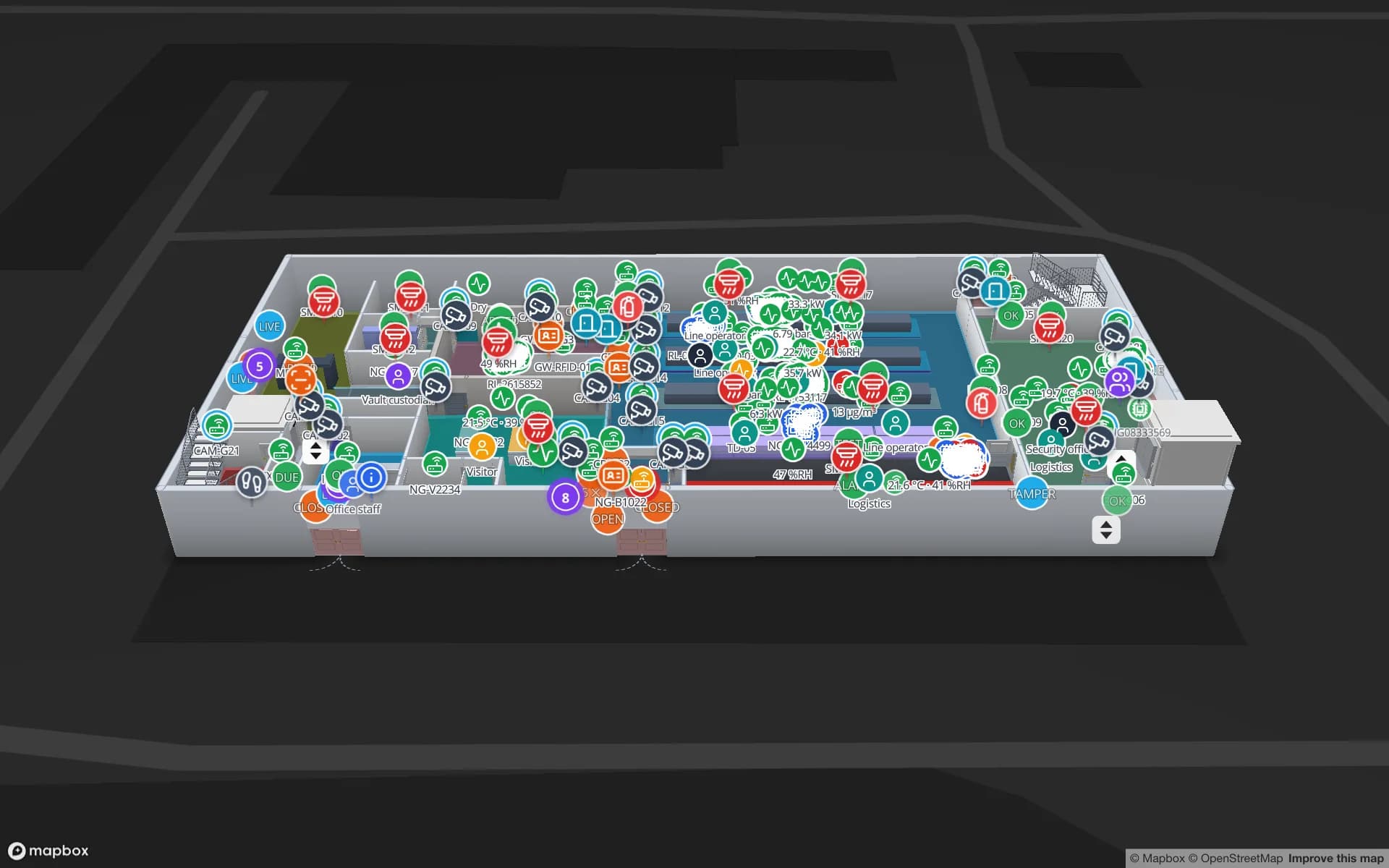
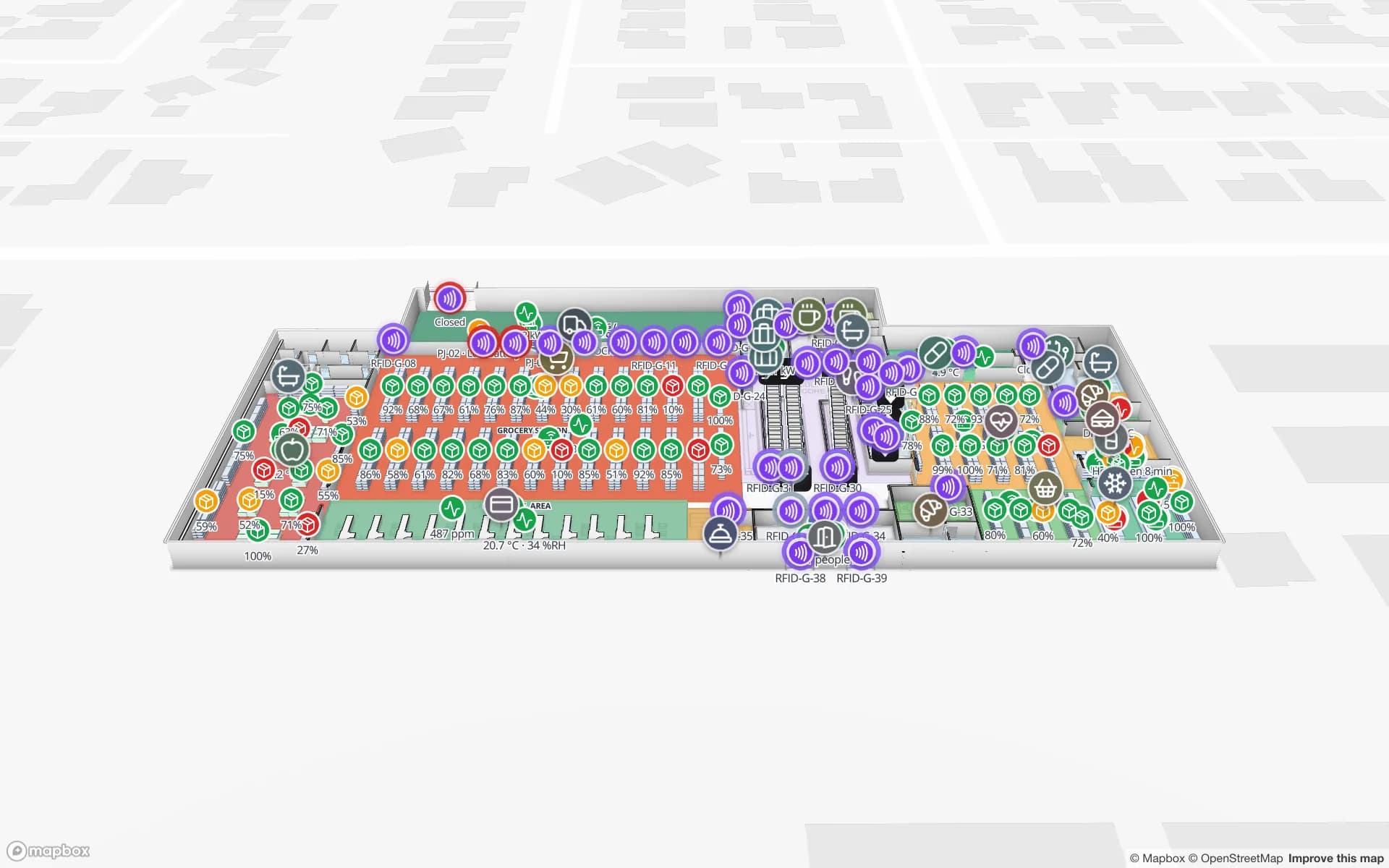
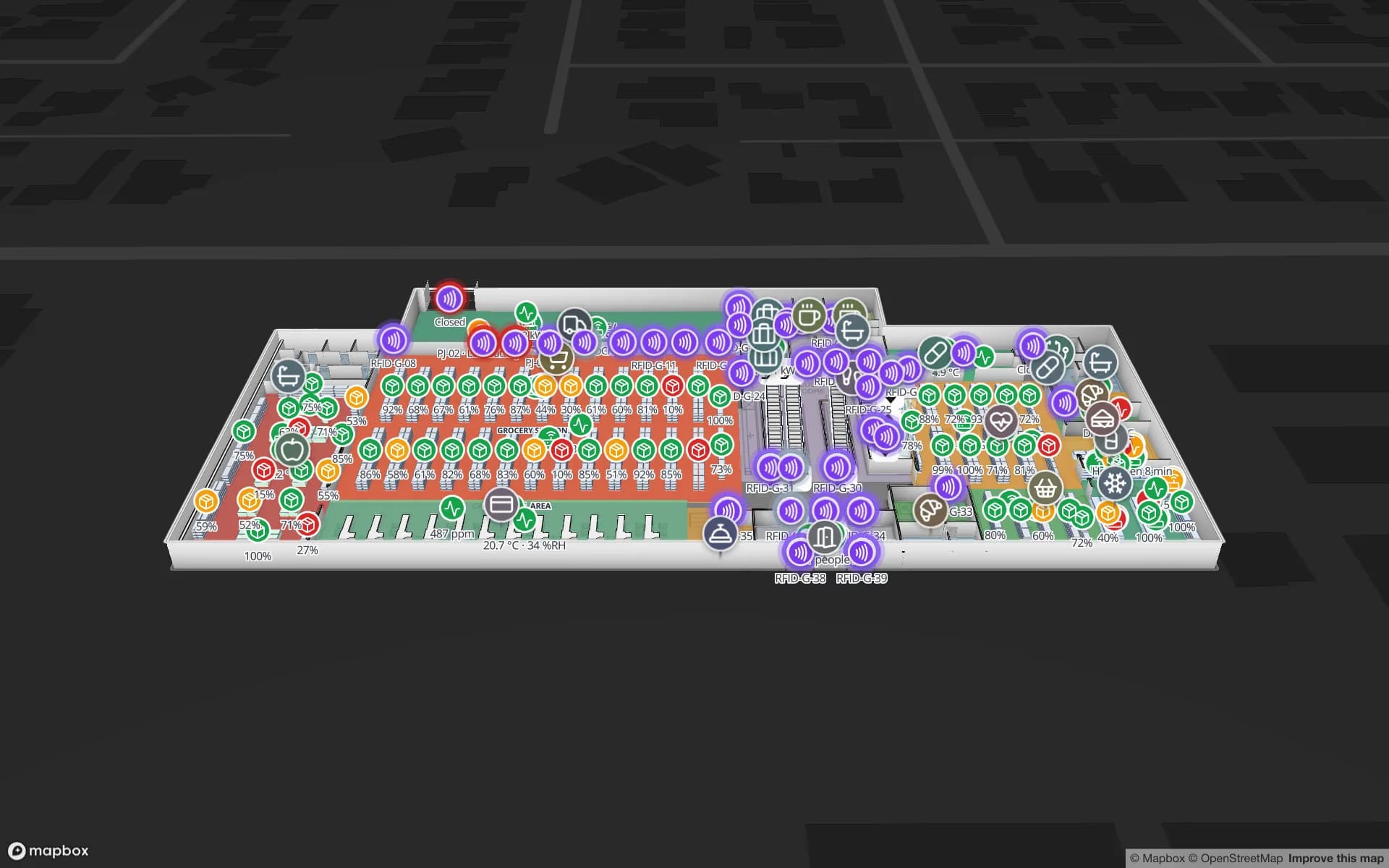
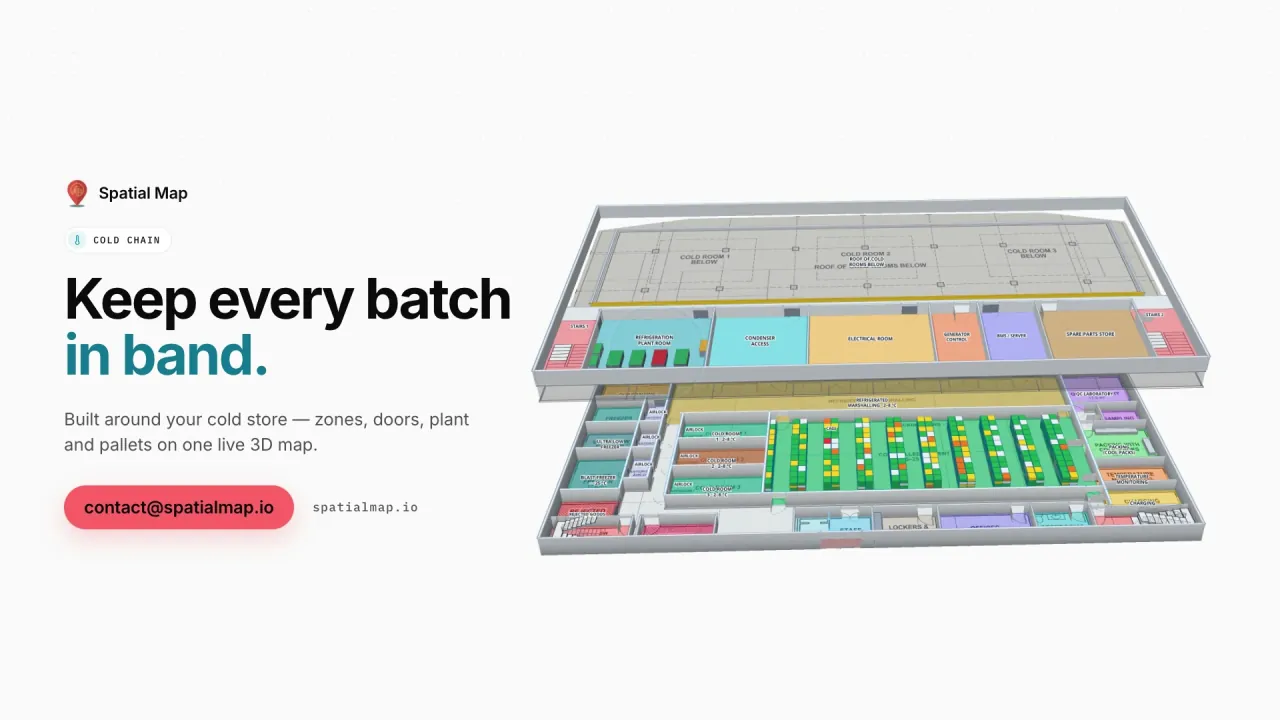
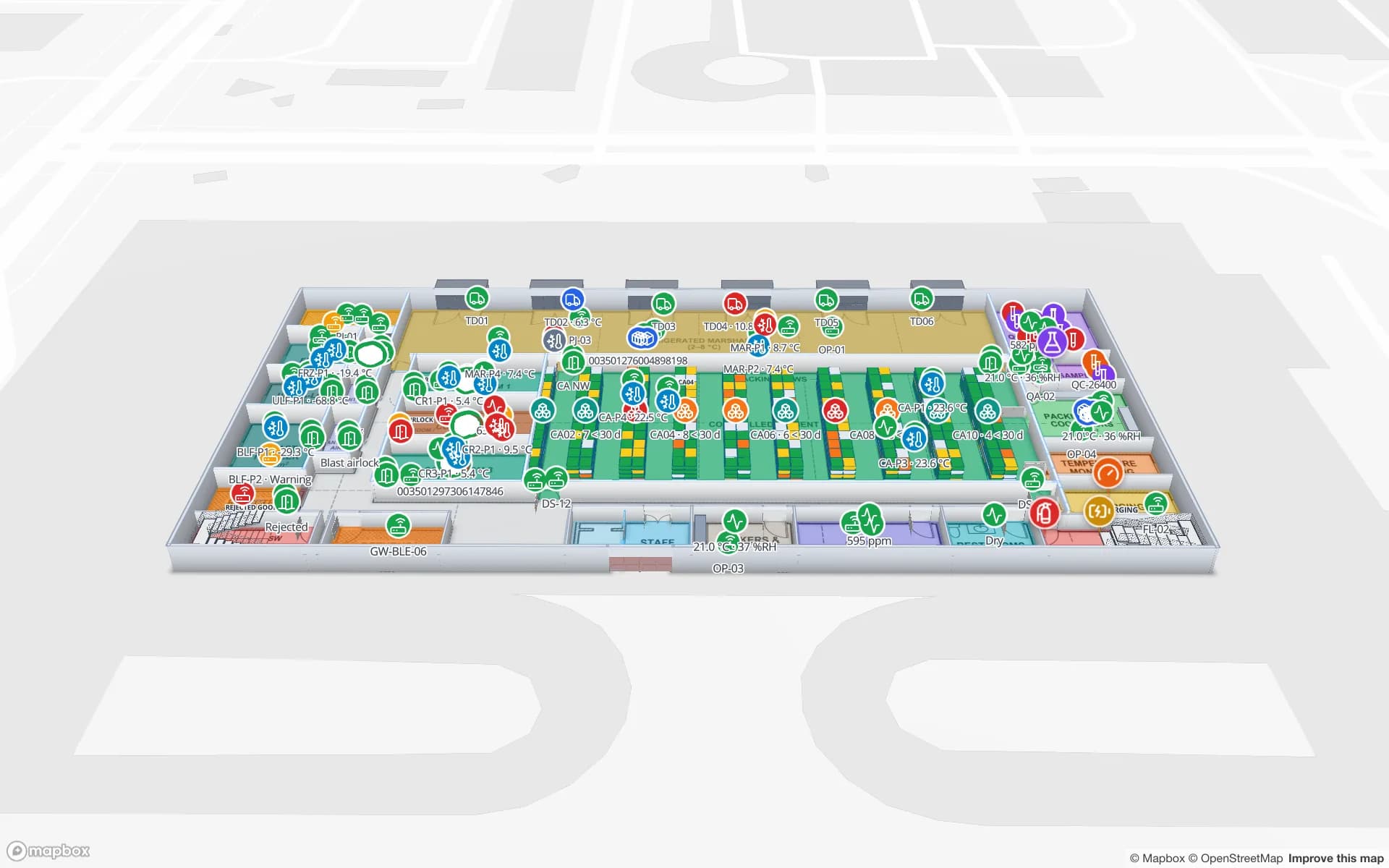
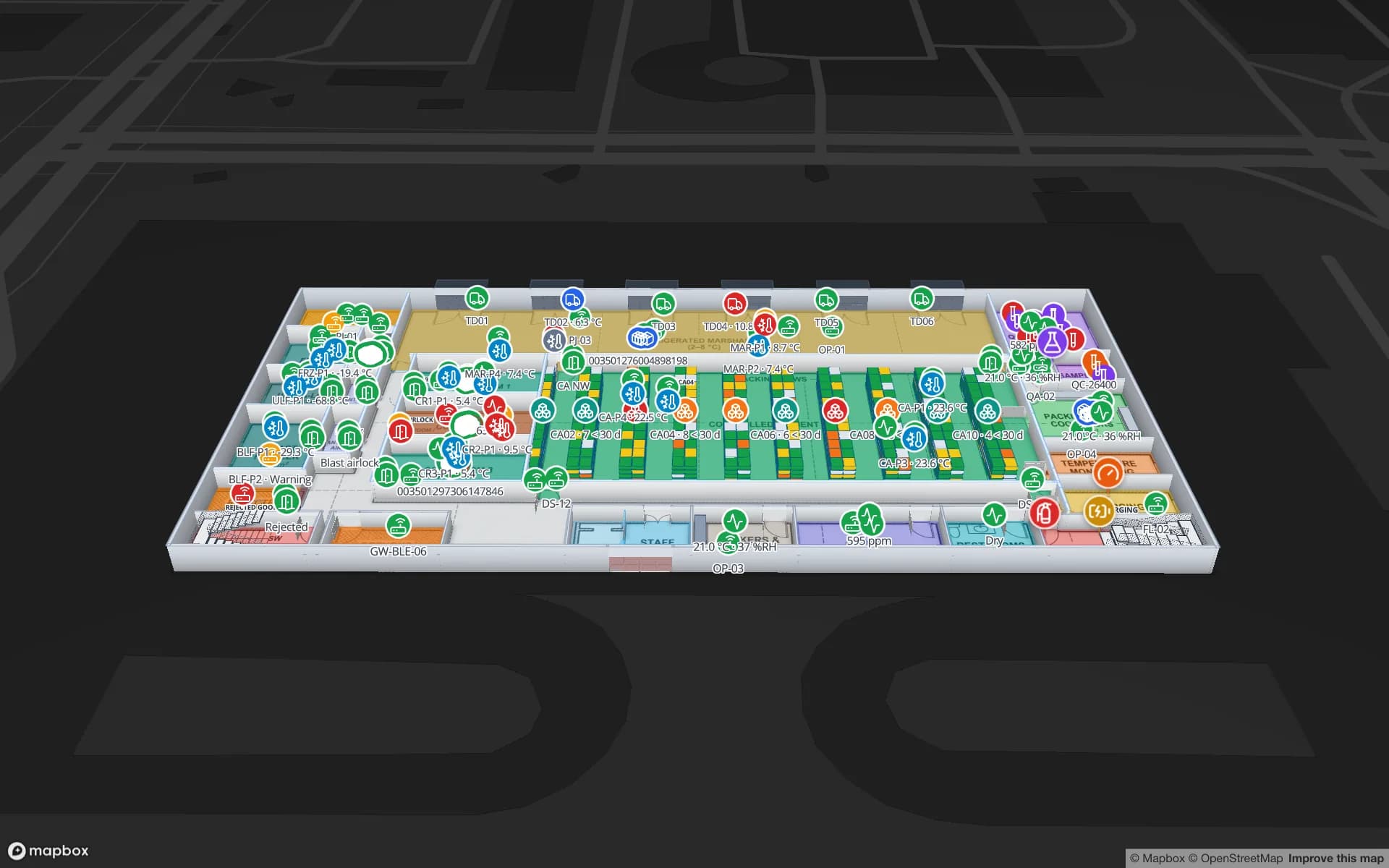
Polar Pharma — Cold Storage & QC Facility, a pharmaceutical cold store & qc lab demo, in the Spatial Map 3D viewer with live device markers
Polar Pharma — Cold Storage & QC Facility
Polar Pharma, a demo cold store and QC facility: temperature zones and probes, cold-room doors, reefer docks, quarantine and 1,140 rack locations.
Temperature zones in the Polar Pharma cold-chain film
8
Probes and door sensors in the same film
35
Rack locations in the Polar Pharma demo
1,140
Free trial, up to 5 facilities, no card
7 days

Cork Harbour: a port that handles every mode

The Port of Cork says it has four distinct locations in Cork and is one of two Irish ports that handle all six shipping modes: lift-on/lift-off, roll-on/roll-off, liquid bulk, dry bulk, break bulk and cruise. It describes a new deepwater Cork Container Terminal at Ringaskiddy backed by a recent €89 million investment. For a business with chilled or frozen goods, that mix means refrigerated boxes and trailers arriving in several forms, and cold stores that have to take each of them in.

Draw the cold store, its doors and its reefer docks, tint each cold room from its probes and mark the pallets that wait at a dock. The Polar Pharma demo shows cold rooms, freezers, reefer docks and quarantine on one map, and the cold-chain film shows a cold room leaving its 2 to 8 °C band, with the excursion report behind it. Spatial Map does not connect to the port’s systems or know when a reefer will arrive; it shows what your own sensors and WMS say.


Pharma, med-tec and agri-food: three kinds of cold

The port says its top customers come from IT, med-tec, pharma, chemical and agri-food. Three of those need their goods held in a temperature band, but the bands and the stakes differ. Pharma and medical products are held by lot in controlled rooms, with a record kept for each; chilled and frozen food moves in volume and quickly; chemicals and some device materials need controlled ambient storage.

On one map each of those becomes a layer: a zone for each room tinted by its probes, doors coloured by state, pallets by lot or status, and the quarantine and returns areas set apart. Row history keeps every reading and every move, reports export as PDF, Excel, CSV or JSON, and the post on pharma cold storage and QC temperature monitoring explains how the readings fit. Spatial Map makes no compliance claim: your quality system remains the record for any regulated product.

Ringaskiddy and the plants on the harbour shore

Ringaskiddy lies on the western side of Cork Harbour, about 15 km from Cork city by the N28, and is described as an important industrial centre, especially for pharmaceutical manufacturing. Plants of that kind keep incoming materials, intermediates and finished product in rooms with their own temperature requirements, often behind doors that are logged, and ship out through the harbour only a short way off.

A plant is more than one cold room. Temperature mapping a store, with probes placed on a grid, shows which corner runs warm; the heat view then shows the pattern across a floor; and the cold-room doors, which are often the cause of an excursion, sit on the same map as the probes. See cold-storage temperature monitoring and heatmaps for how it is done. The Ireland page covers pharma and medtech across the country, and the Dublin page the capital’s port and airport.

Monitoring means noticing silence

A flat line on a chart can be a stable room or a dead probe. Alert rules in Spatial Map are checked every 15 seconds and can match when a row meets a condition, when it keeps matching for a number of minutes, or when a row has not been updated for a number of minutes, so a probe that stops reporting is raised as well as one that reads too warm. Alerts have a severity, a message, the roles or members to notify and auto-resolve, and can be acknowledged and shown on the map. They appear in the app only, in the bell, a toast and the Alerts page, with no email, SMS or push.

Readings reach the map through the table write API (HTTPS, bearer key, bulk upsert, 60 requests per minute per key), a polled REST endpoint or CSV, Excel, JSON or GeoJSON uploads. Spatial Map does not make or calibrate sensors, and the only built-in device driver is for a BlueIOT RTLS server; temperature loggers and gateways connect through the write API or REST polling. The post on warehouse sensor alert rules shows common rule sets.

Services for teams in Cork

Where Cork teams usually start depends on the building:

  • Cold stores and plants usually begin with temperature monitoring and IoT sensor monitoring of one room, then add doors, then pallets.
  • Distribution and port-side stores add inventory tracking so that stock in each temperature zone is visible next to its readings.
  • RTLS and UWB matters mainly for large sites where vehicles and people must be located continuously; most buildings will not need it first.
  • If you have no probes, tags or beacons yet, our team can source sensors, RFID and BLE hardware on request, quoted per project, with warranty and device support from the manufacturer: see hardware and demo kits on request.
  • Integrations with your monitoring system and handheld apps are built as client projects, including an asset management system; the product runs as cloud or on-premises.

Also served nearby

The same approach covers Little Island, Ringaskiddy, Cobh, Carrigaline, Midleton, Mallow and Ballincollig, and the food and distribution sites along the N40 and N25. Nothing needs to be installed at any of them: the map opens in a browser. The interface is in English and is not available in Irish.

How Spatial Map does it

From the cold room to the excursion report

  1. 01

    Pick one room or store

    The cold room, freezer or reefer dock where an excursion costs most.

  2. 02

    Draw rooms, doors and docks

    Upload the plan, photo or sketch, let AI Map draft the floor, and draw each temperature zone as an area.

  3. 03

    Connect probes and doors

    Loggers, door sensors and your WMS post rows through the table write API, a polled REST endpoint or CSV and Excel uploads.

  4. 04

    Add excursion and silence rules

    In-app alerts for rooms out of band, doors open too long and probes that stopped reporting, with reports for the file.

What Cork teams monitor

Pharma cold rooms and quarantine

Zones tinted by probes, doors by state and stock held or released by status.

Chilled and frozen distribution

Reefer docks, cold rooms and pallets on one map, with an excursion report.

Port-side cross-docks

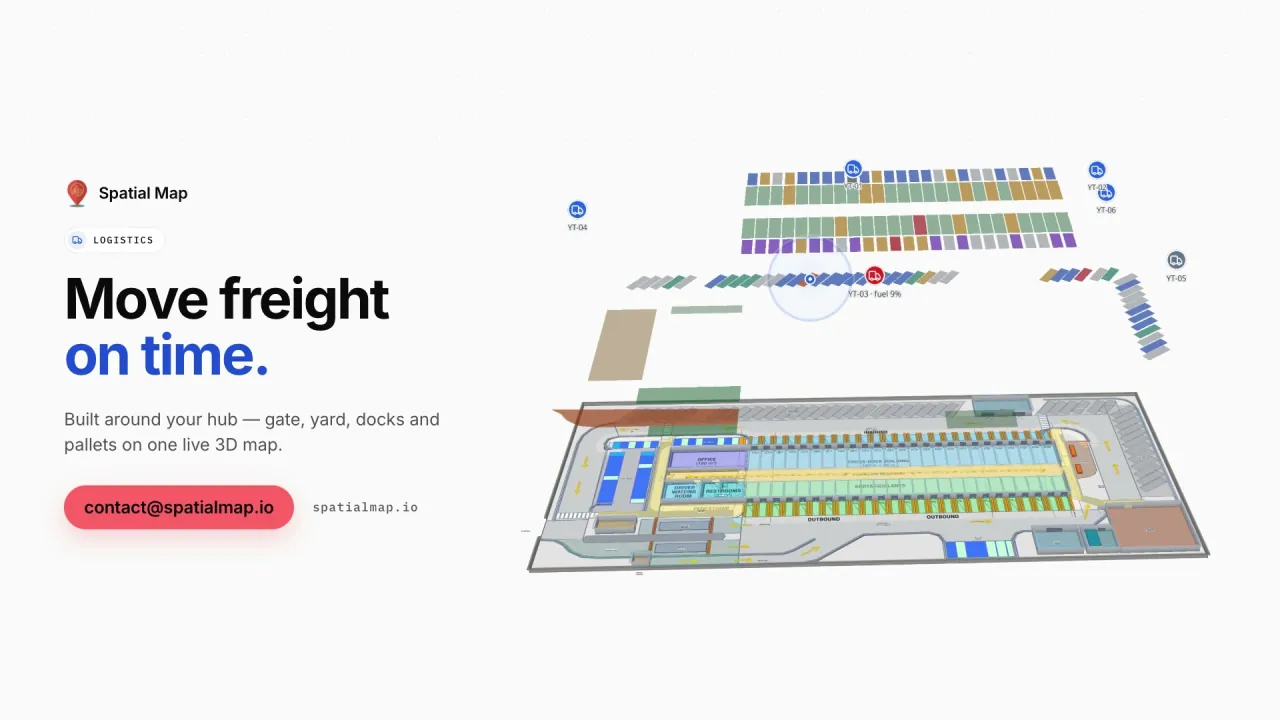
Dock doors, yard slots and pallets staged against each trailer.

Plant stores and secure rooms

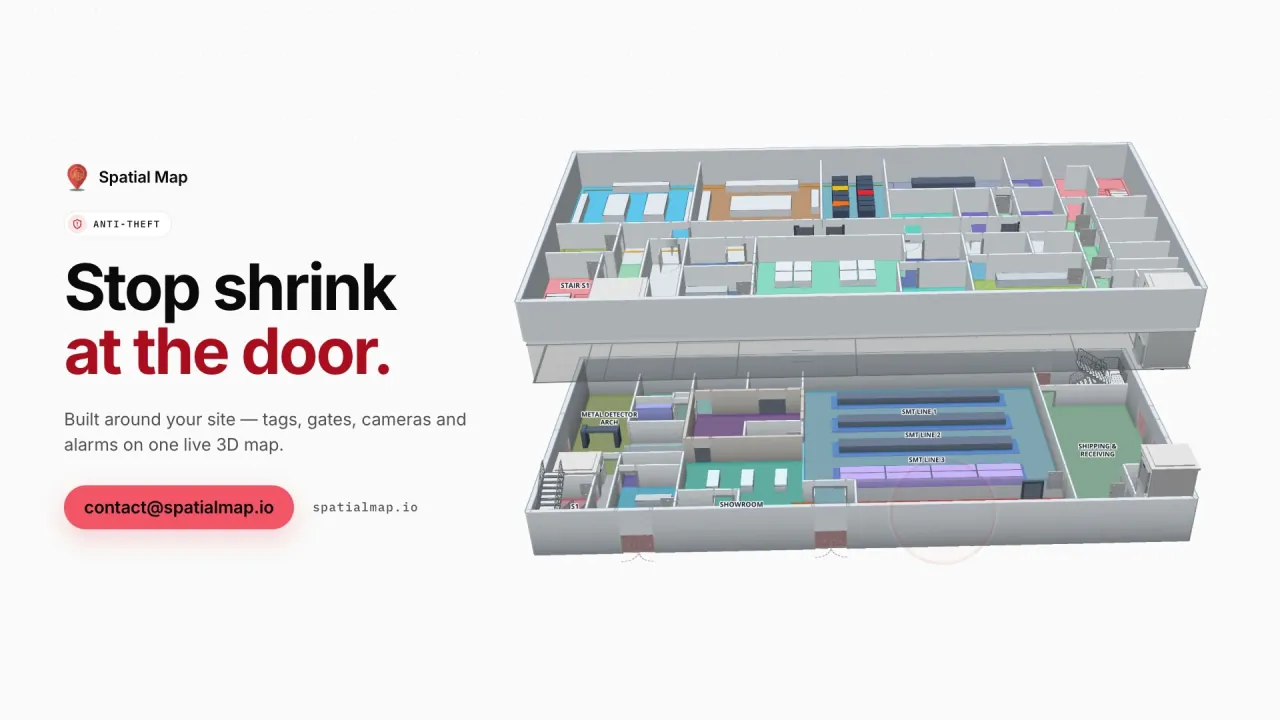
Controlled rooms and high-value components with a read trail.

See it on real demo facilities

Fictional names, real floor plans, live sensors, RFID, BLE tags and gateways — open any of them in the browser.

All 13 demo facilities

Cold chain monitoring in Cork — questions we get

No. It shows live temperatures, door states and stock status on the map, keeps row history and exports reports. It makes no compliance claim: your quality system and procedures remain the record for any regulated product.

No. Your loggers and gateways send readings to a table through the write API, or Spatial Map polls a REST endpoint, or you upload CSV, Excel or JSON files. The only built-in device driver is for a BlueIOT RTLS server, not for temperature sensors.

Yes. An alert rule can match when a row has not been updated for a number of minutes, and rules are checked every 15 seconds. Alerts appear in the app (bell, toast and Alerts page); there is no email, SMS or push.

Only if something measures it. Spatial Map shows the room’s probes tinting the zone and the pallets inside it by status or lot. A probe or tag that measures the pallet itself can send its own readings and appear as a marker.

No. Spatial Map is sold online and our team works with customers in Ireland remotely, by video call and through the contact form. There are no local resellers or partners, and nothing is installed on site.

No. Pricing is the same worldwide and in US dollars: a 7-day free trial for up to 5 facilities with no card, then Pro at $60 a month or $600 a year for up to 4 facilities. Sensors and RFID hardware, if you ask us to source them, are quoted per project and are not part of the subscription.

Map one Cork cold room before the next excursion.

Start the free trial and open the Polar Pharma demo, or send us the plan of a cold store and a sample of your probe data through the contact form.