Guayaquil · The Estero Salado port, banana and shrimp

Cold chain monitoring in Guayaquil, from the packing station to the reefer yard

Spatial Map does cold chain monitoring in Guayaquil on a live 3D map of each building: every cold room, pre-cooling tunnel and reefer dock coloured by its latest sensor reading, every reading kept as history, in-app alerts when a room stays out of range or a sensor stops reporting. Guayaquil is where much of Ecuador’s perishable export crosses to the sea: banana and shrimp come in from the provinces around it, wait in chilled buildings, and leave through a port on the Estero Salado. The app is available in Spanish.

No credit card. Runs in the browser. Pro is $60/month for up to 4 facilities. Book a demo

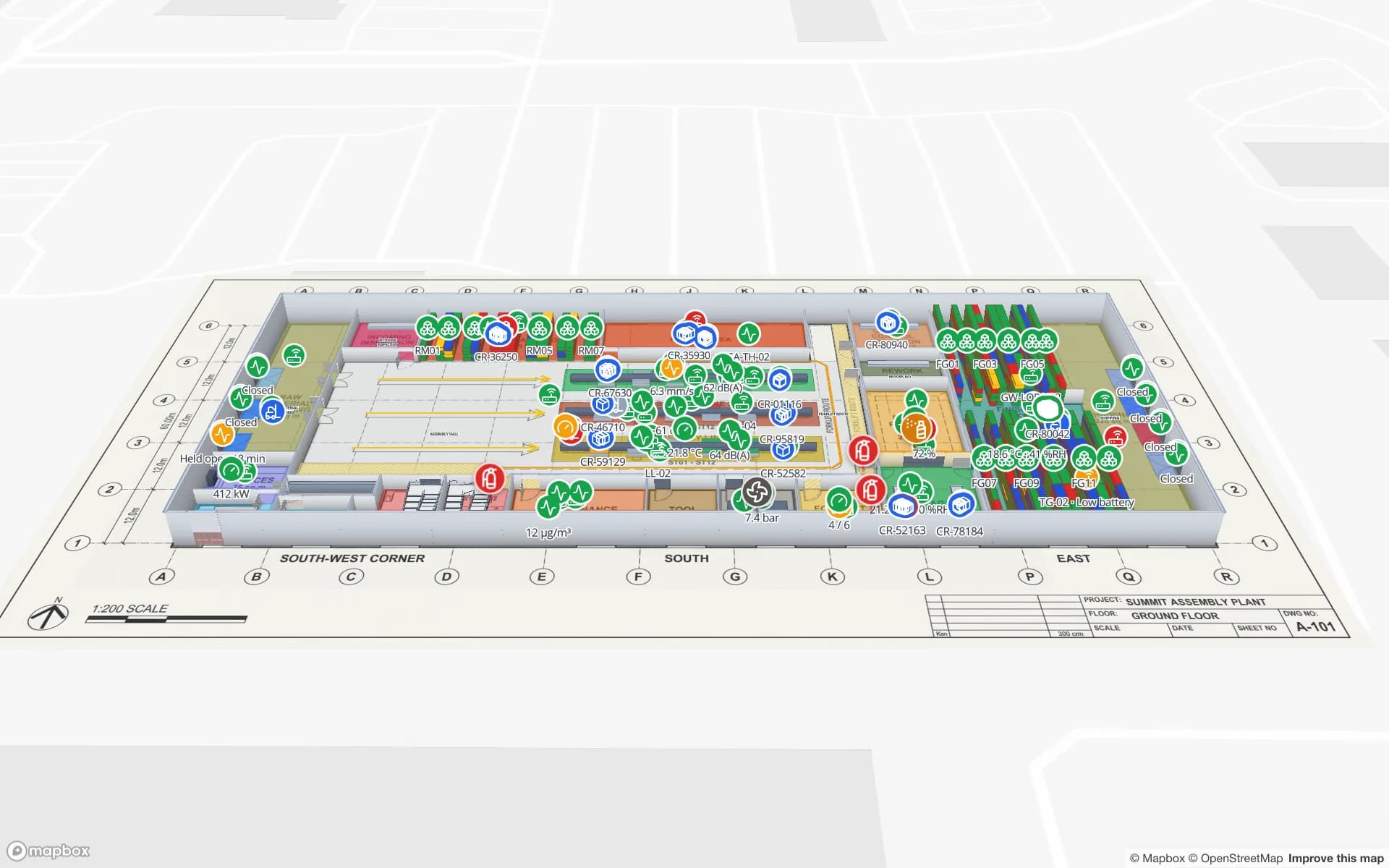
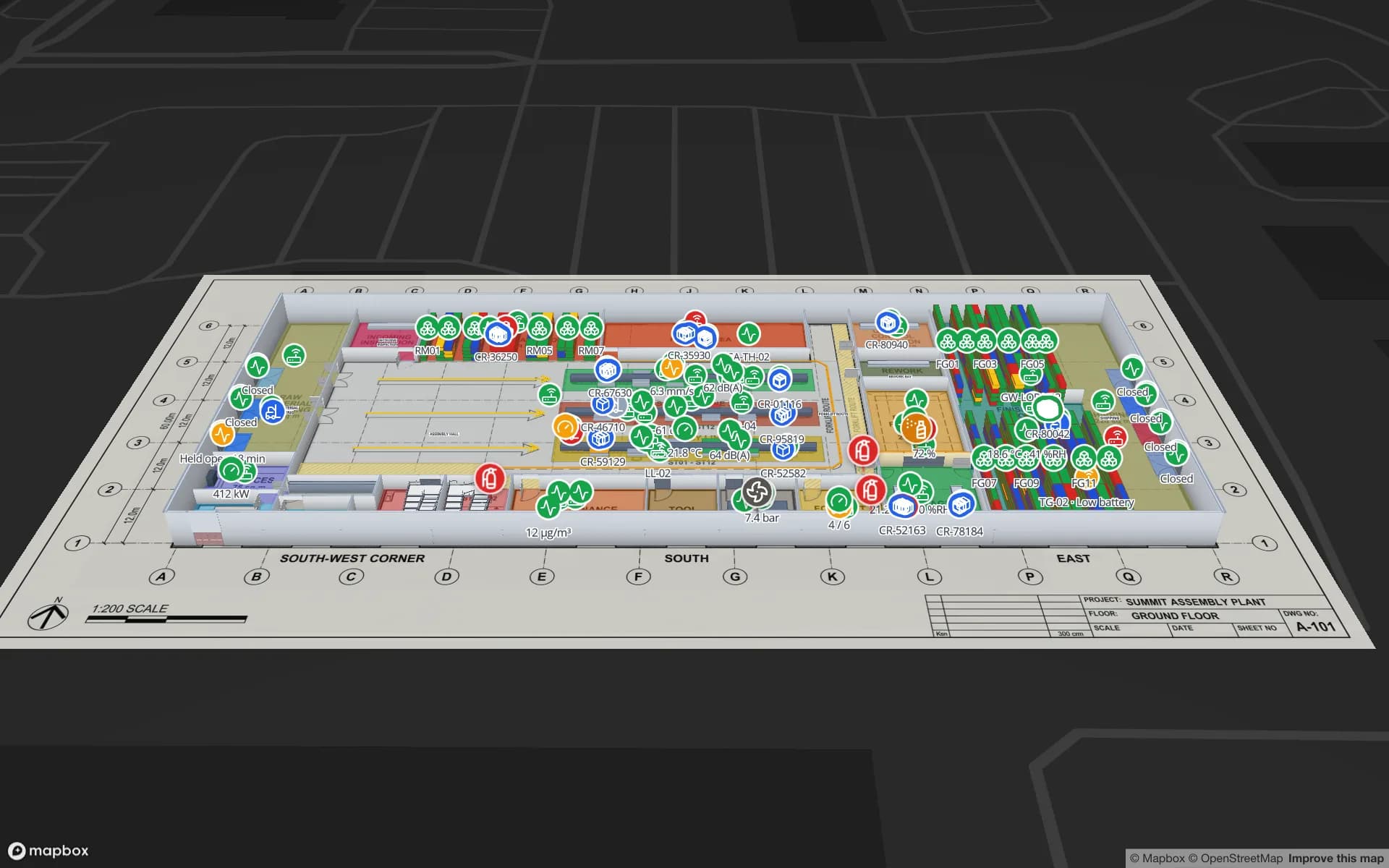
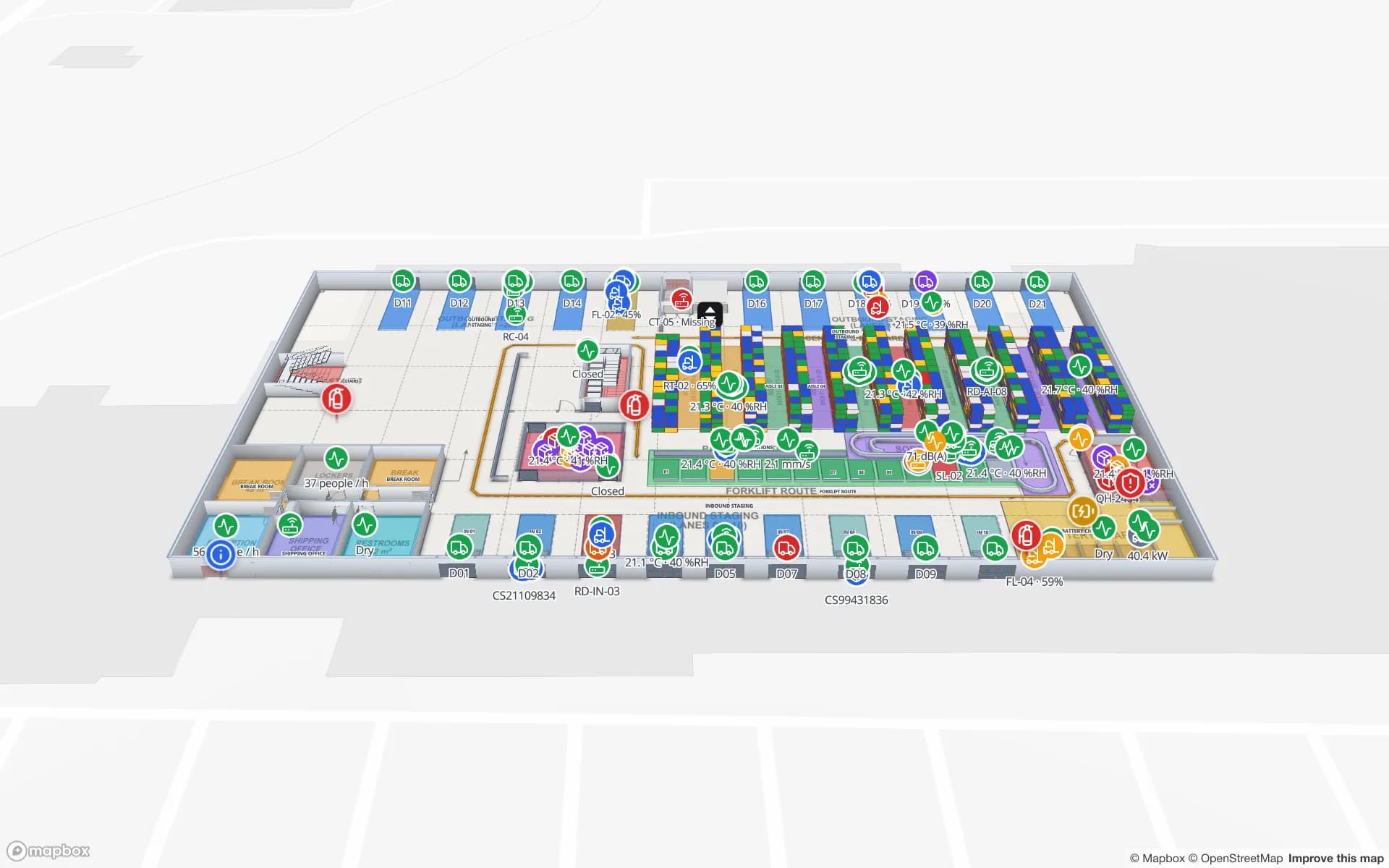
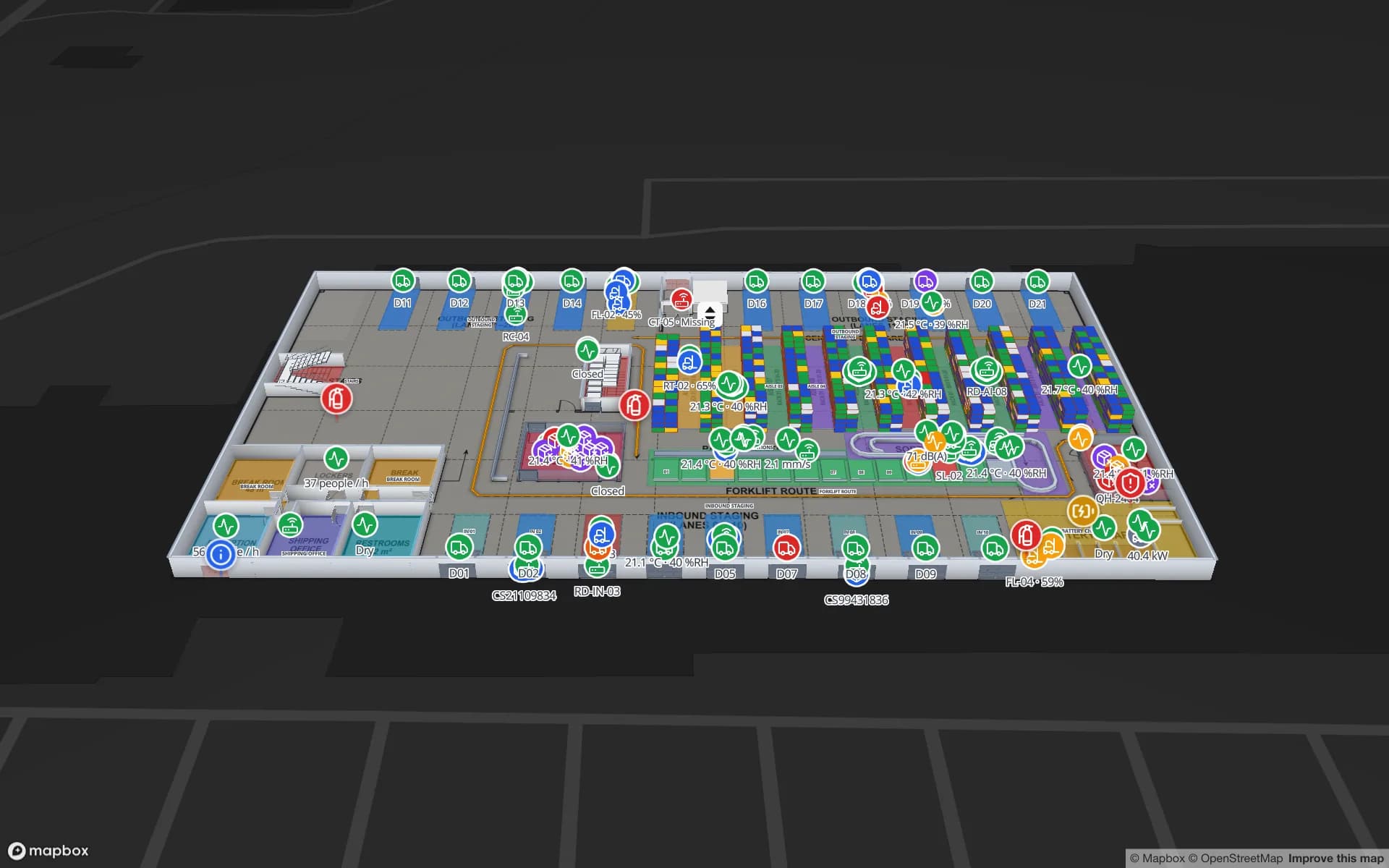
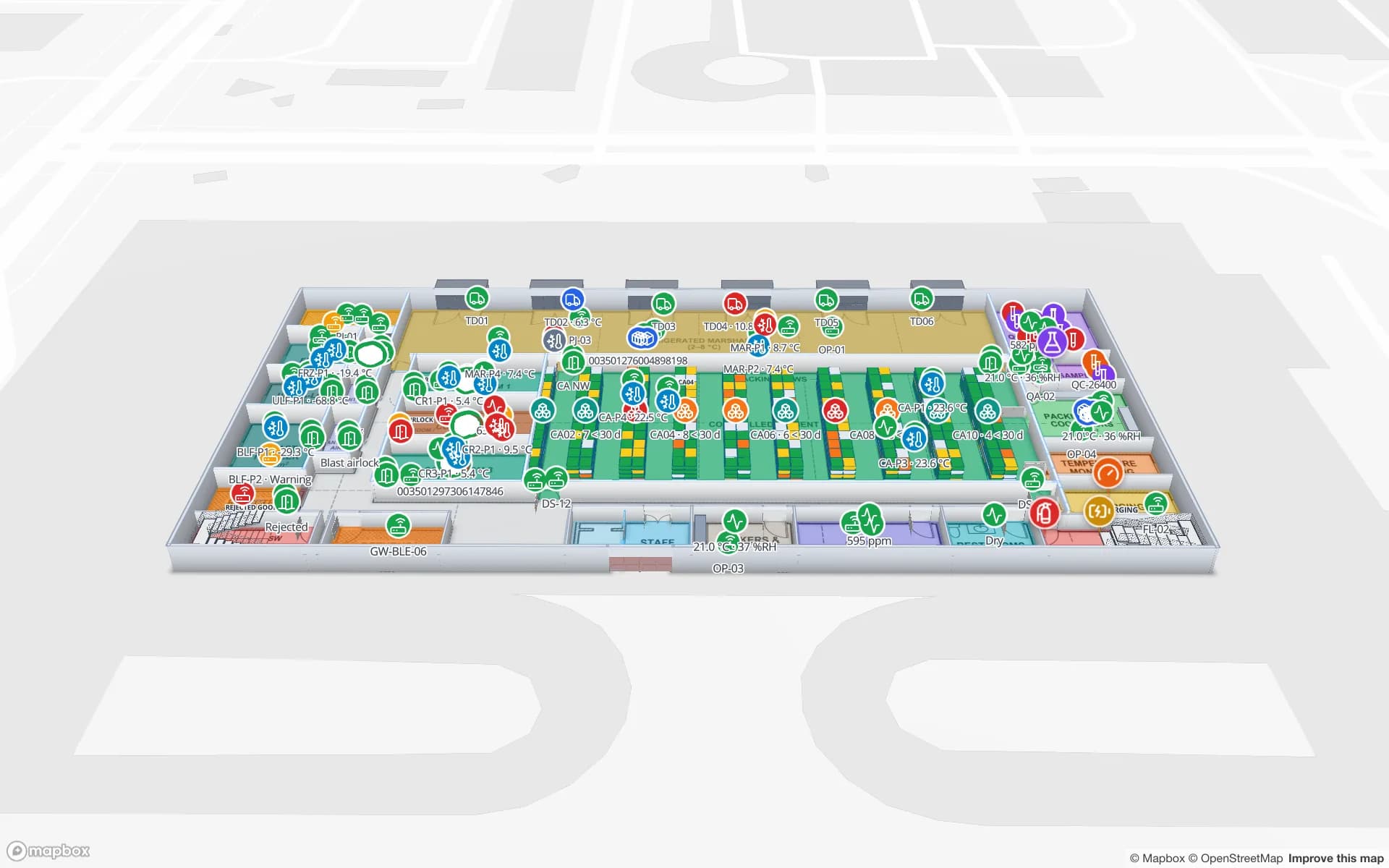
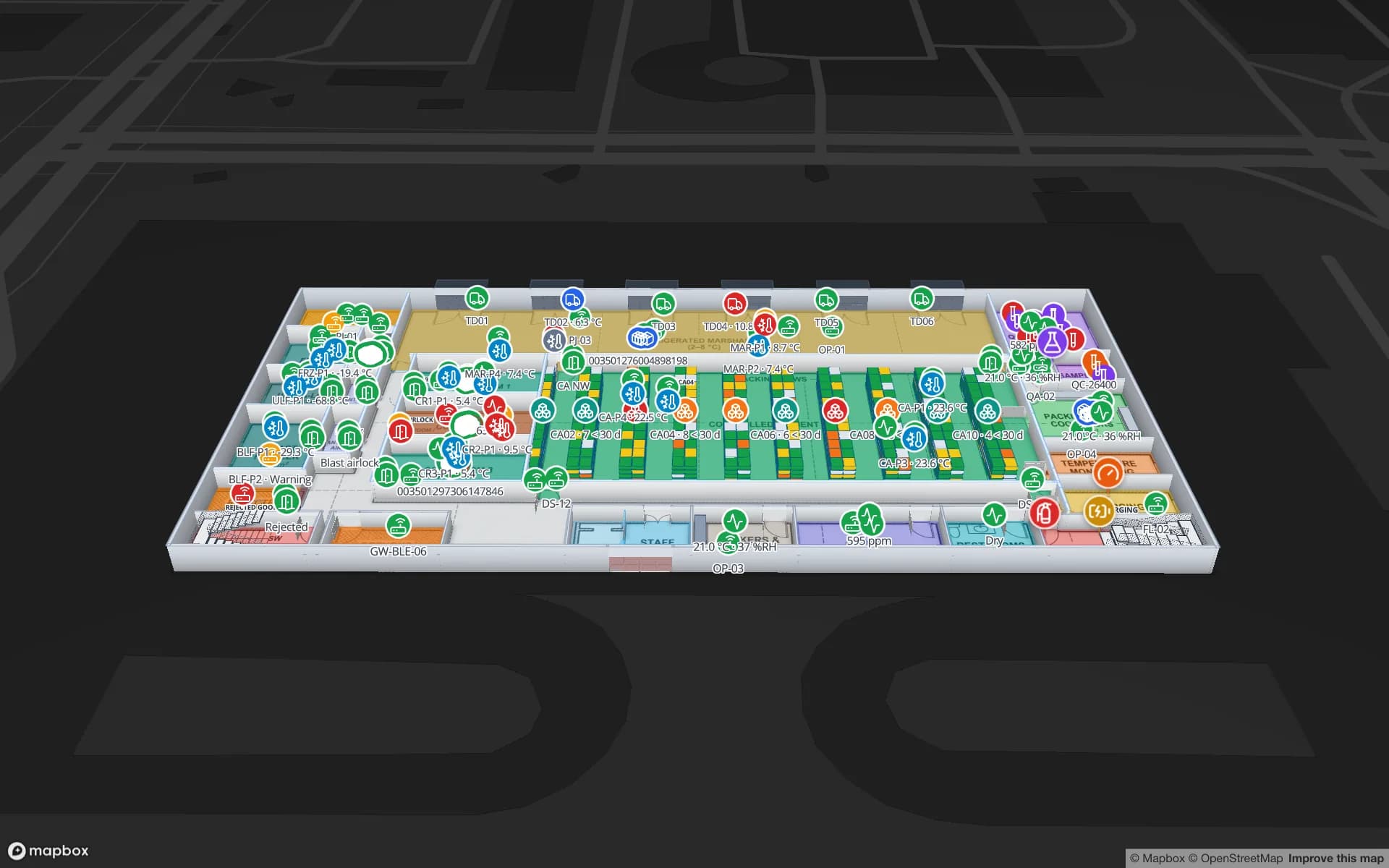
Polar Pharma — Cold Storage & QC Facility, a pharmaceutical cold store & qc lab demo, in the Spatial Map 3D viewer with live device markers
Polar Pharma — Cold Storage & QC Facility
Polar Pharma, a demo cold store: temperature zones tinted from their probes, cold-room doors, reefer docks and 1,140 rack locations.
Rack locations in the Polar Pharma cold-store demo
1,140
How often alert rules are checked, with alerts shown in the app
15 s
Spanish interface, one of six app languages
Español
Free trial, up to 5 facilities, no card
7 days

A port on the Estero Salado

The Port of Guayaquil lies on the Estero Salado, about 10 km south of the city’s commercial centre, where it was moved in 1963. The port authority reported that it handles 85 % of Ecuador’s non-oil commercial transactions, on 2019 data, and terminals also operate in the rural parish of Posorja. The city itself sits on the west bank of the Guayas River, about 60 km north of the Gulf of Guayaquil.

Most of the cold chain between the farm and the ship is in buildings around that port: packing stations, container freight stations, cold stores and the reefer yards where refrigerated containers wait for their vessel. Spatial Map draws the reefer rows, plugs, gate lanes and docks as areas and colours each from the readings your reefer-monitoring or gateway system posts. It does not connect to terminal or customs systems, and your yard planning stays where it is.
Banana: the box, the pallet and the container

Ecuador supplied 36 % of the world’s exported bananas in 2016–2018, and the provinces of Los Ríos and Guayas, which surround Guayaquil, produced 70 % of national output in 2022. A banana travels in a box, on a pallet, in a container that must be at the right temperature from the packing station to the destination.

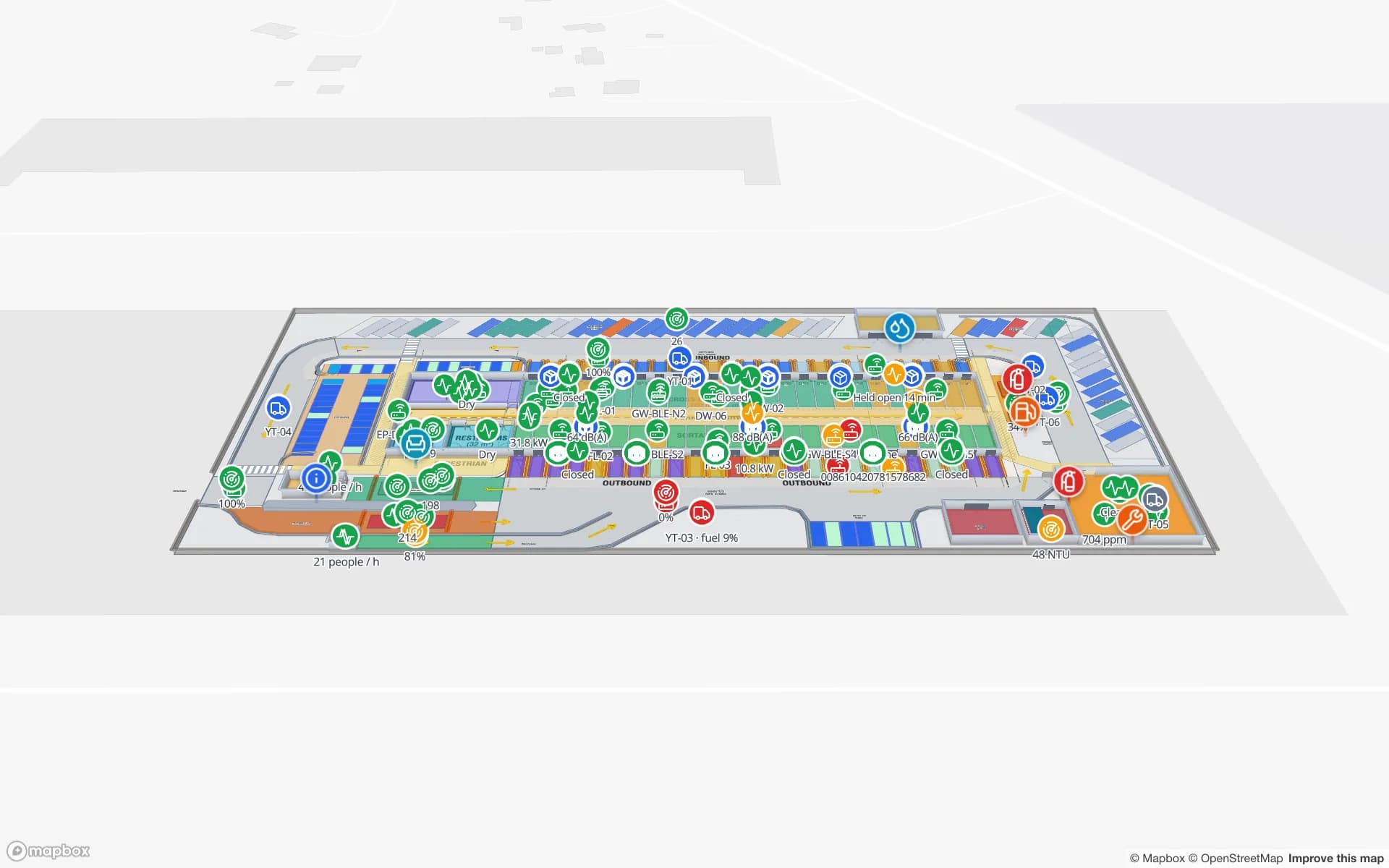
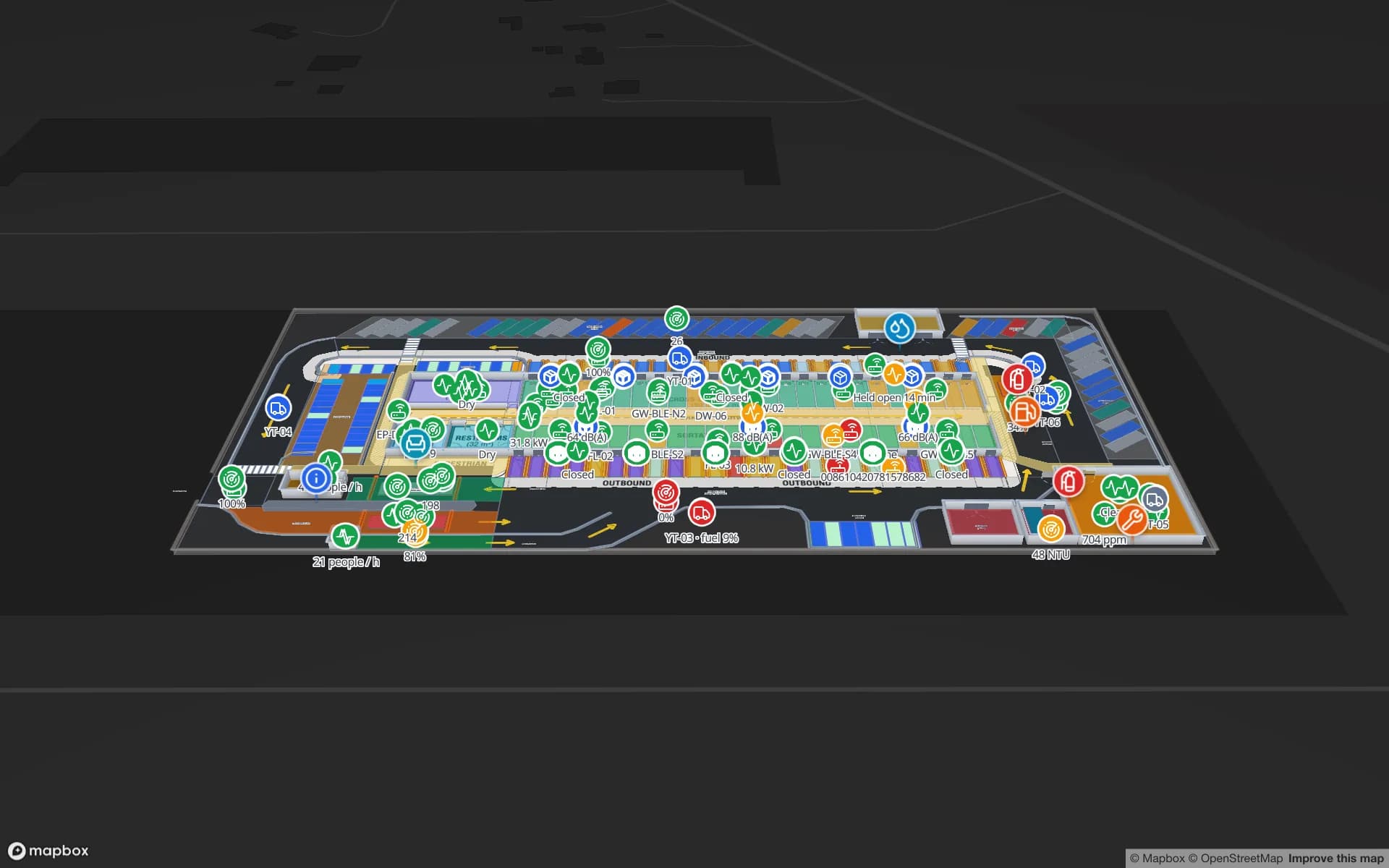
Where it pays to look closely is the handover. At the packing station the pallet is built and read at the door; at the freight station it is stuffed into a container; at the yard the container waits for a vessel. On a floor plan each step is an area, and a table of pallets and containers from your own system shows which is where. A cold-chain rule such as “container plug not reporting for 15 minutes” appears in the app, and the History player replays the night when a buyer claims. The Polar Pharma demo shows reefer docks and cold rooms; the Eastport Cross-Dock demo shows yard slots and gates.

Shrimp: plants, freezers and lots

Shrimp earned Ecuador US$3.06 billion in 2017, and a processing plant handles it in strict sequence: receiving, grading, peeling or heading, freezing, glazing, packing and cold storage. Each stage has its own temperature and its own lot, and a buyer asks which pond or batch a carton came from.

Draw each stage as an area, hold the lot list as a table and tint freezer rooms from their probes. RFID or barcodes on cartons at packing and at the cold-store door tell the map which lot is in which room; a heatmap of probe readings shows the warm corner of a large store. Your quality system and any export documents remain the record, and Spatial Map makes no compliance claim. The post on cold storage temperature monitoring and heatmaps shows how a heatmap is read, and warehouse temperature mapping shows where to put probes.

Heat, humidity and the rainy season

Guayaquil has a tropical savanna climate: hot and humid, with heavy rain from January to April, especially in El Niño years, and average annual rainfall of 1,185.7 mm for 1991–2020. A packing station or a cold-store dock opens its doors all day in that air, so door-open time and warm-air ingress matter as much as the plant’s capacity.

The map helps in plain ways. A door sensor next to a cold-room door tints the door open, a probe near the door shows the temperature in the first metre inside, and an alert rule “door open for more than 5 minutes” appears in the app with Show on map. Moisture on sensors, readers and cabling is a decision for your hardware vendor and integrator: ask for the operating range and test in your own dock. Spatial Map can only tell you when a reading stops arriving; see warehouse sensor alert rules.

A river city: Guayaquil, Durán and the roads out

Guayaquil had 2,650,288 residents in 2022 and 3,193,267 in its metro area, and most of its industry sits in the city or its peripheral areas. Across the river, Durán is part of the same freight system, reached by the bridges and roads that cross the Guayas.

For a company with a plant in Durán, a packing station inland and a freight station near the port, one workspace holds three facilities; each building has its own floors and alerts, and one read-only share link can show a buyer the one plant it needs to see, without an account. Spatial Map is sold in US dollars, the currency Ecuador has used since 2000, and the same price applies everywhere.

Services for teams in Guayaquil

Where Guayaquil teams usually start:

Also served nearby

The same approach covers Durán, Daule, Samborondón, Milagro, Machala and Posorja. Nothing needs to be installed at any of them: the map opens in a browser.

How Spatial Map does it

From the packing station to the reefer yard

  1. 01

    Pick one building

    A packing station, a freezer store or a reefer yard, wherever an excursion costs most.

  2. 02

    Map rooms, doors and rows

    Upload the plan or a photo, let AI Map draft the floor, and name rooms, probes and reefer rows the way your system names them.

  3. 03

    Connect sensors and stock

    Probe gateways, reefer monitoring and RFID middleware post rows through the table write API, a polled REST endpoint or CSV and Excel uploads.

  4. 04

    Add excursion and silence rules

    In-app alerts for rooms out of range, doors left open and sensors that stopped reporting.

What Guayaquil teams monitor

Banana packing stations

Pre-cooling and cold rooms by live temperature, with pallets staged by container.

Reefer yards and freight stations

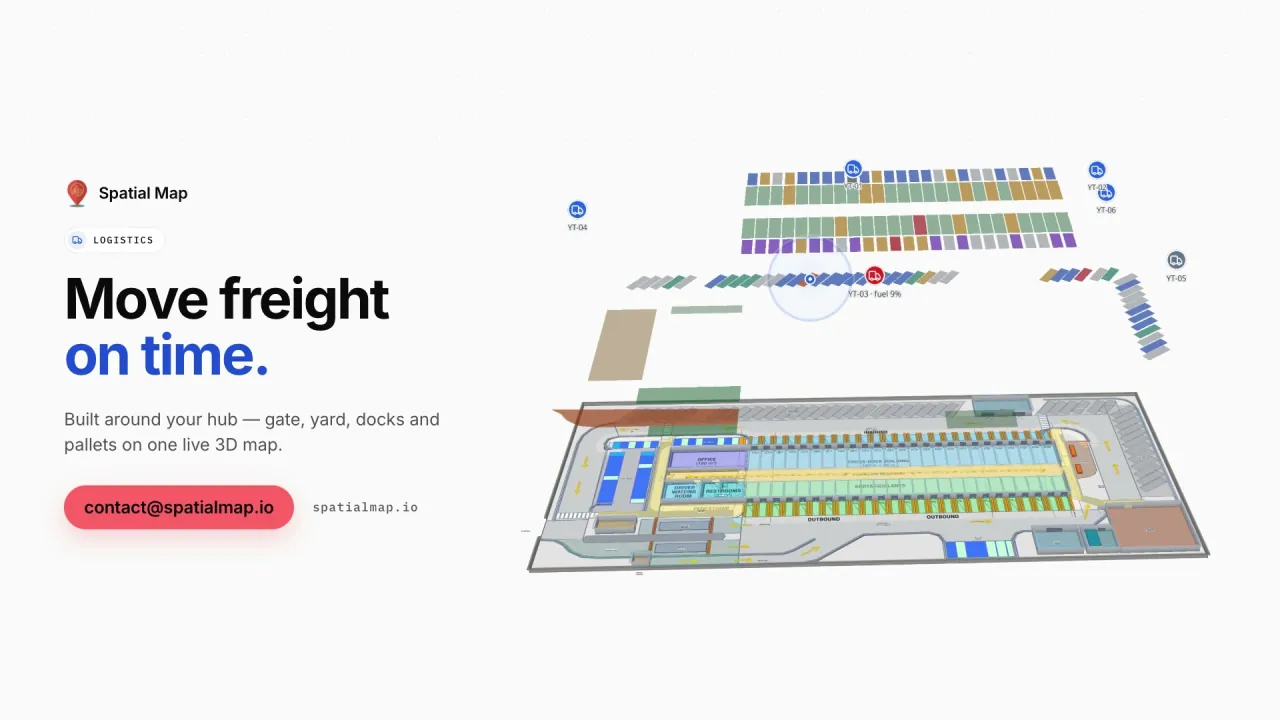
Yard slots, plugs, gate lanes and docks for containers waiting on a vessel.

Shrimp processing and freezers

Stages and rooms by lot and temperature, with row history for claims.

Packing and processing lines

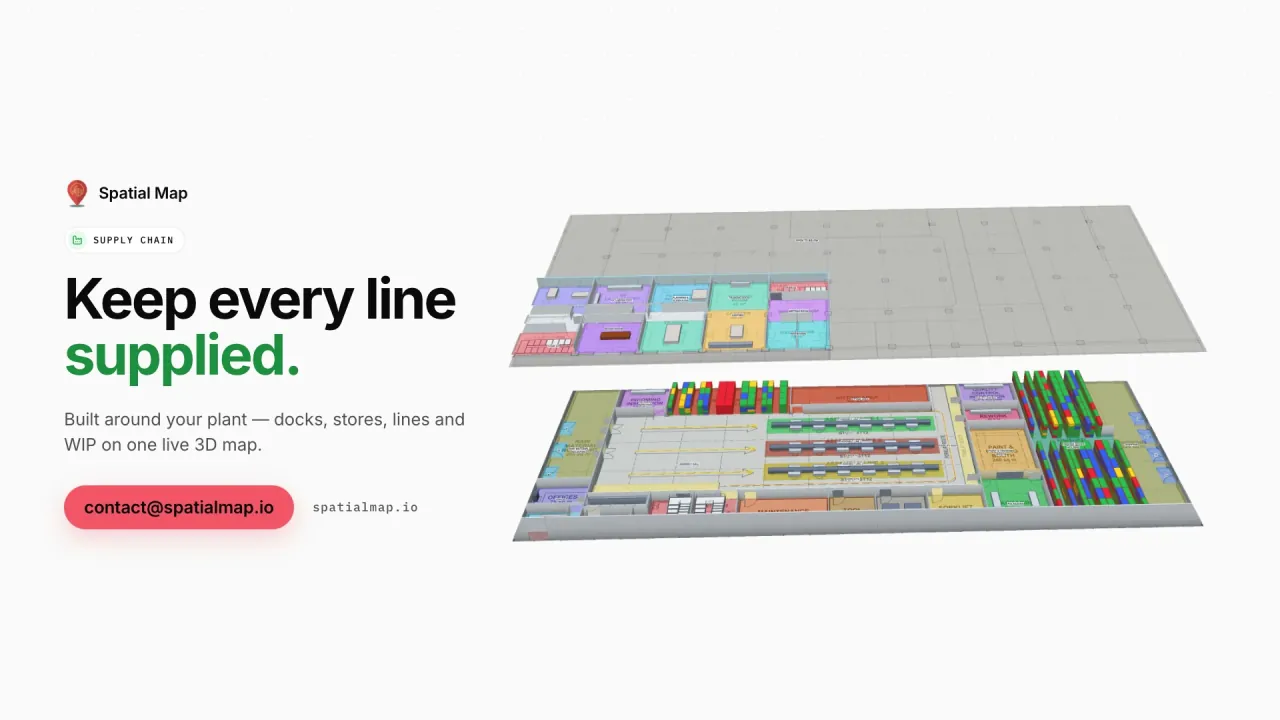
Lines, WIP carriers and materials racks coloured from your own system.

See it on real demo facilities

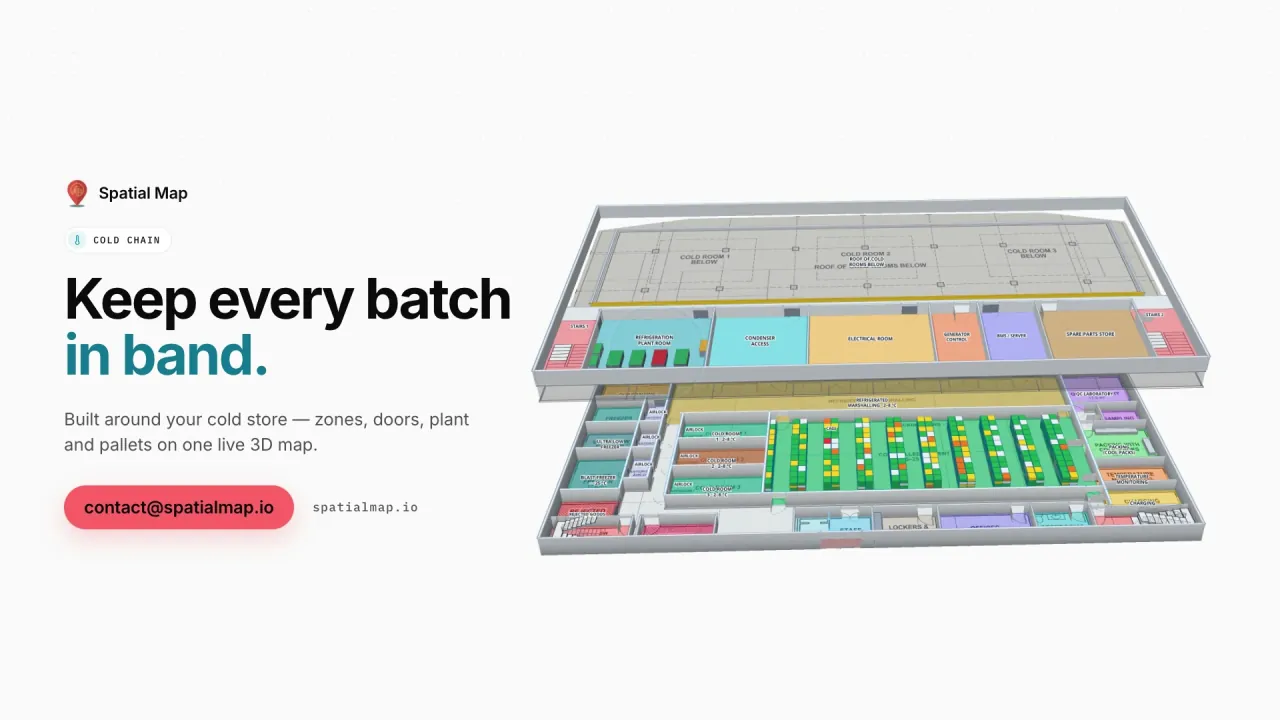
Fictional names, real floor plans, live sensors, RFID, BLE tags and gateways — open any of them in the browser.

All 13 demo facilities

Cold chain monitoring in Guayaquil: questions we get

No. It does not control equipment or measure anything itself. It shows readings your sensors, gateways and reefer monitoring system post, on the plan of the building, keeps them as history and raises in-app alerts. Your monitoring and quality systems stay the record.

It can show reefer rows and plugs as areas, coloured from whatever your reefer-monitoring system or terminal posts to a table, with an in-app alert when a plug stops reporting. It does not talk to the container itself or to the terminal’s systems.

That depends on the hardware you choose and how you mount it, so ask the vendor for its operating range and test in your own dock. Spatial Map does not make hardware; what it adds is visibility, such as an in-app alert when a sensor goes quiet.

Yes. Hold each buyer’s lots as rows in a table and give each a read-only share link with the layers you choose, an expiry date and a view cap, and no account is needed. Inside the workspace, four built-in roles and custom roles control who can edit.

Yes. They can push rows to a table through the write API (HTTPS, bearer API key, bulk upsert, 60 requests per minute per key), or expose a REST endpoint that Spatial Map polls. If you would rather not build it, our team does integrations as client projects.

Yes. Spanish is one of six interface languages, with English, French, German, Arabic and Chinese; Quechua is not available. See the services page in Spanish.

No. Spatial Map is sold online and our team works with customers in Ecuador remotely, by video call and through the contact form. There are no local resellers or partners.

In US dollars, the same worldwide: a 7-day free trial for up to 5 facilities with no card, then Pro at $60 a month or $600 a year for up to 4 facilities. Sensors and readers, if you ask us to source them, are quoted per project and are not part of the subscription.

Put one Guayaquil cold room on a live map.

Start the free trial and open the Polar Pharma demo, or send us the plan of a packing station, freezer store or reefer yard and a sample of your sensor readings through the contact form.