Africa · Mozambique

Indoor mapping & RFID tracking in Mozambique

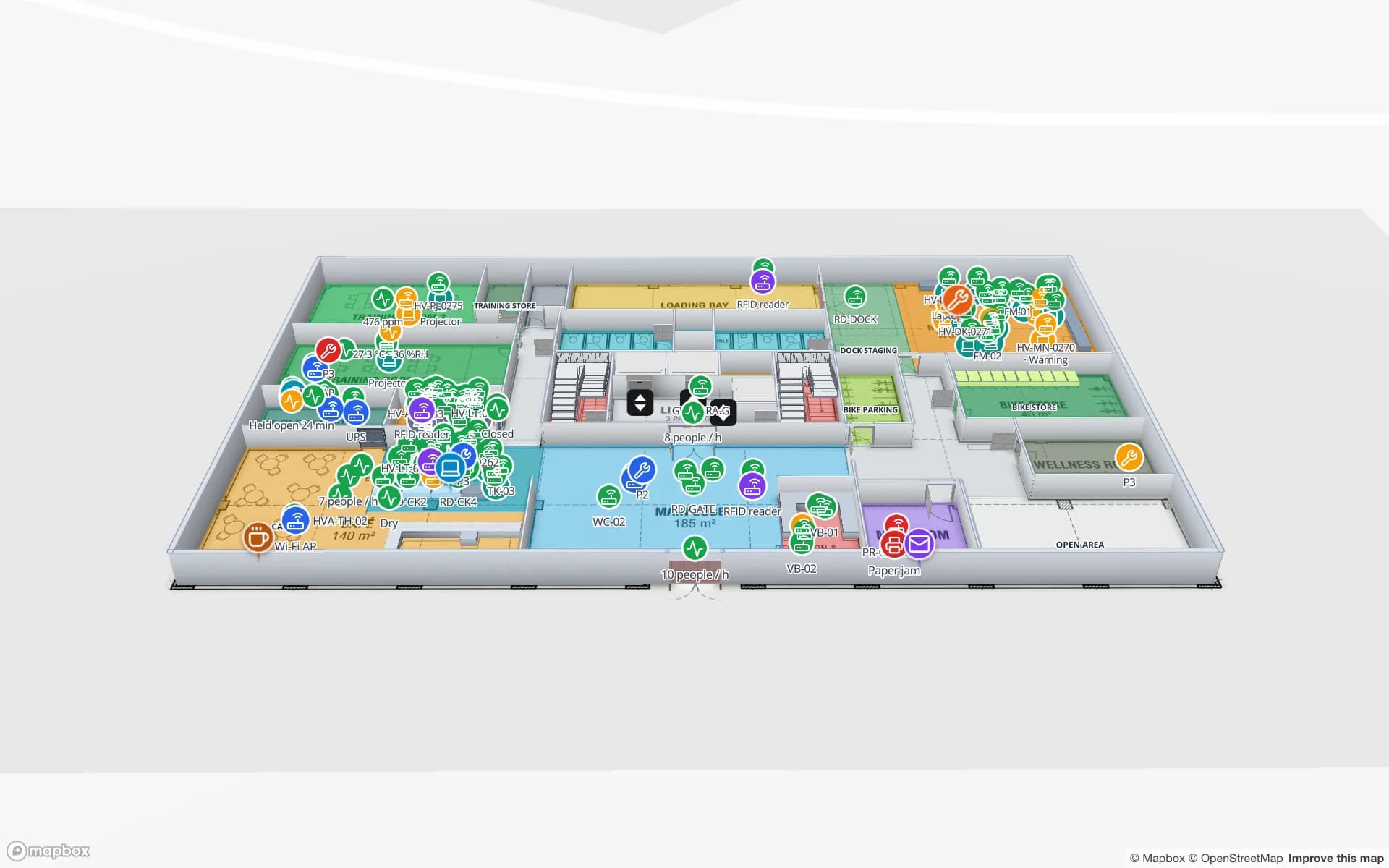
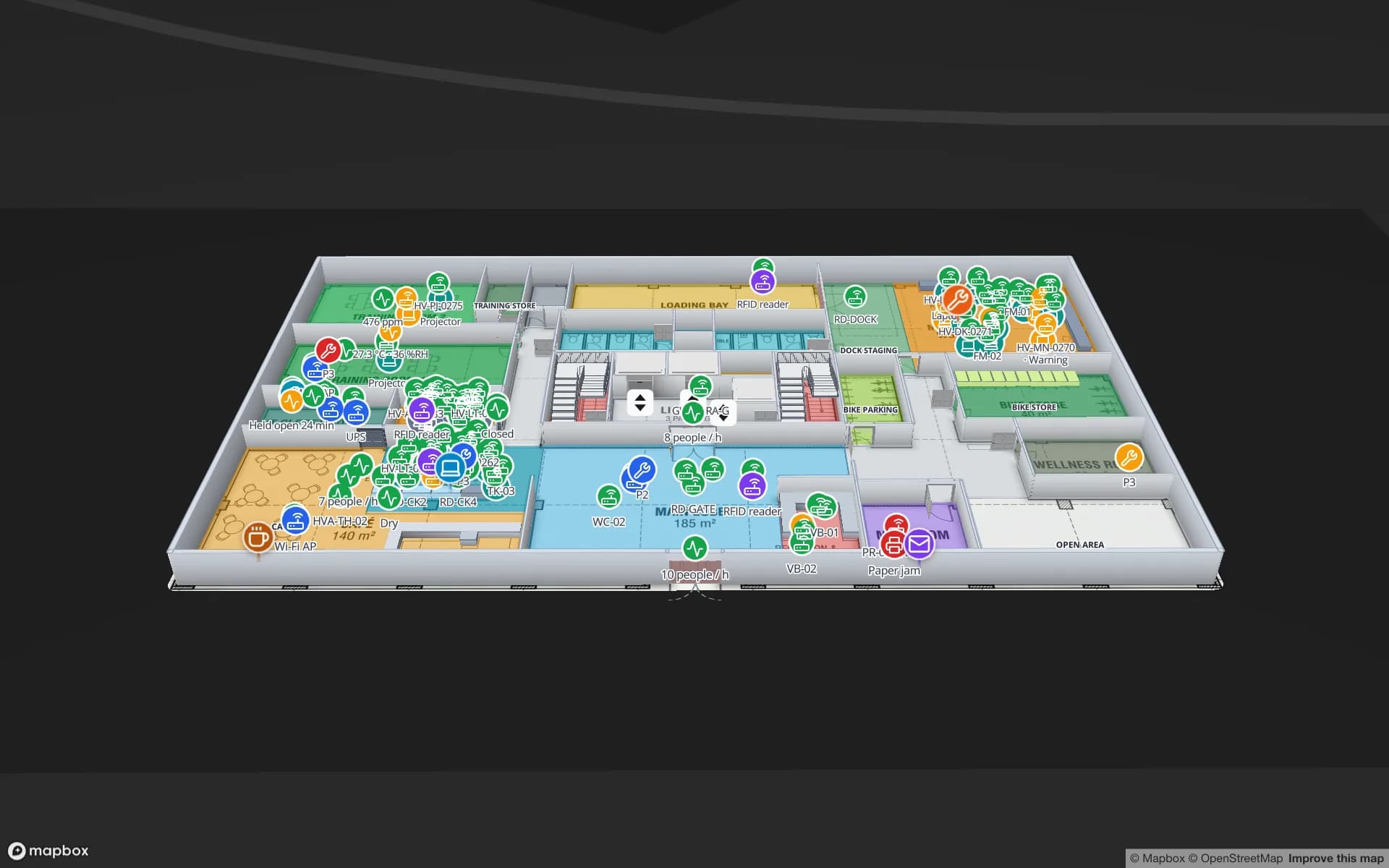
Spatial Map is browser-based software for indoor mapping & RFID tracking in Mozambique: it turns the floor plan of a warehouse, depot or plant into a live 3D map fed by your readers, gateways and sensors. Mozambique’s trade is shaped by the ports on its long coast and the roads and railways that run inland, above all the corridor between Maputo and South Africa, so the buildings that matter most sit along a few short routes and can share one map. Portuguese is the national language, and the app has no Portuguese interface, which this page explains plainly.

No credit card. Runs in the browser. Pro is $60/month for up to 4 facilities. Book a demo

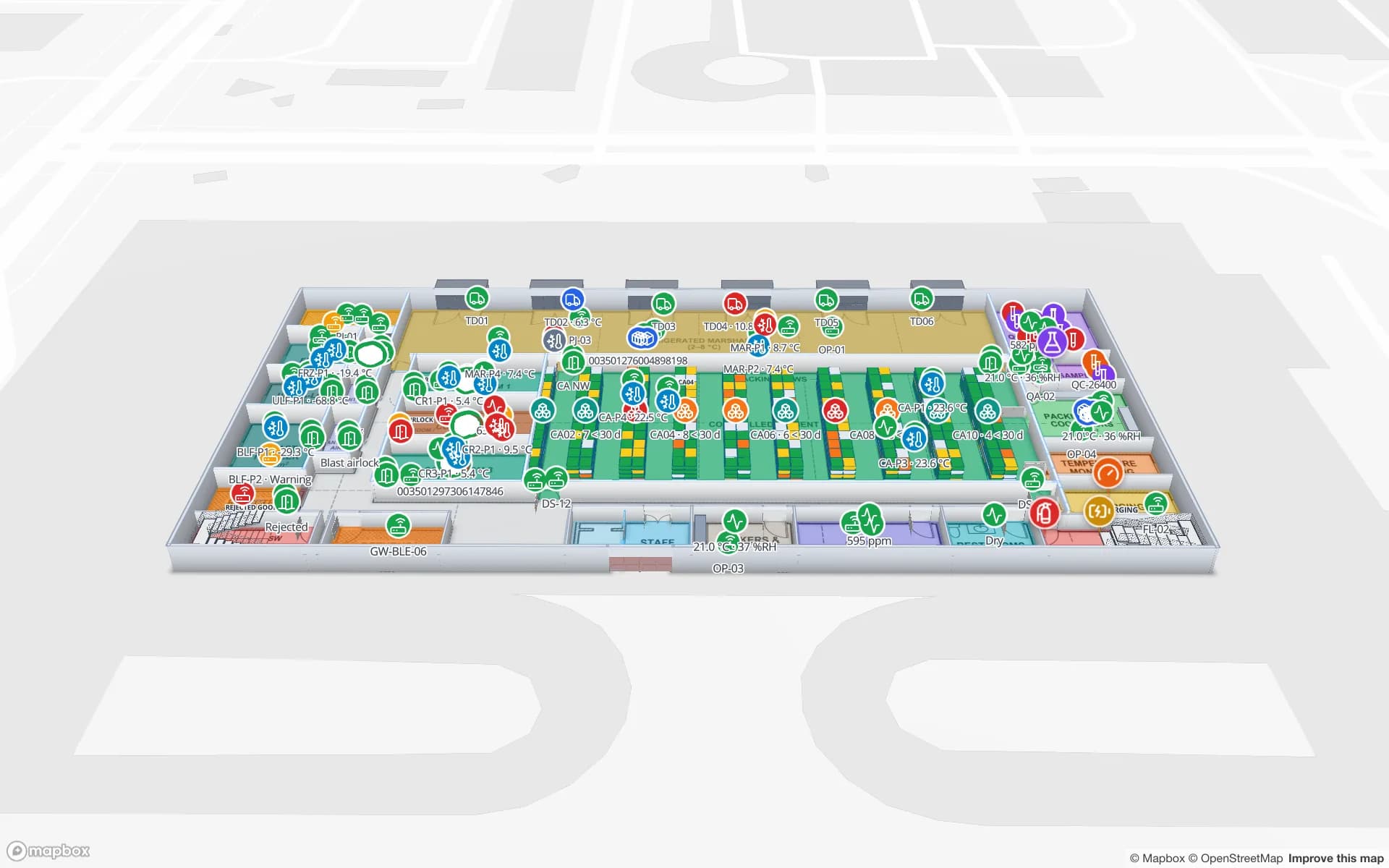
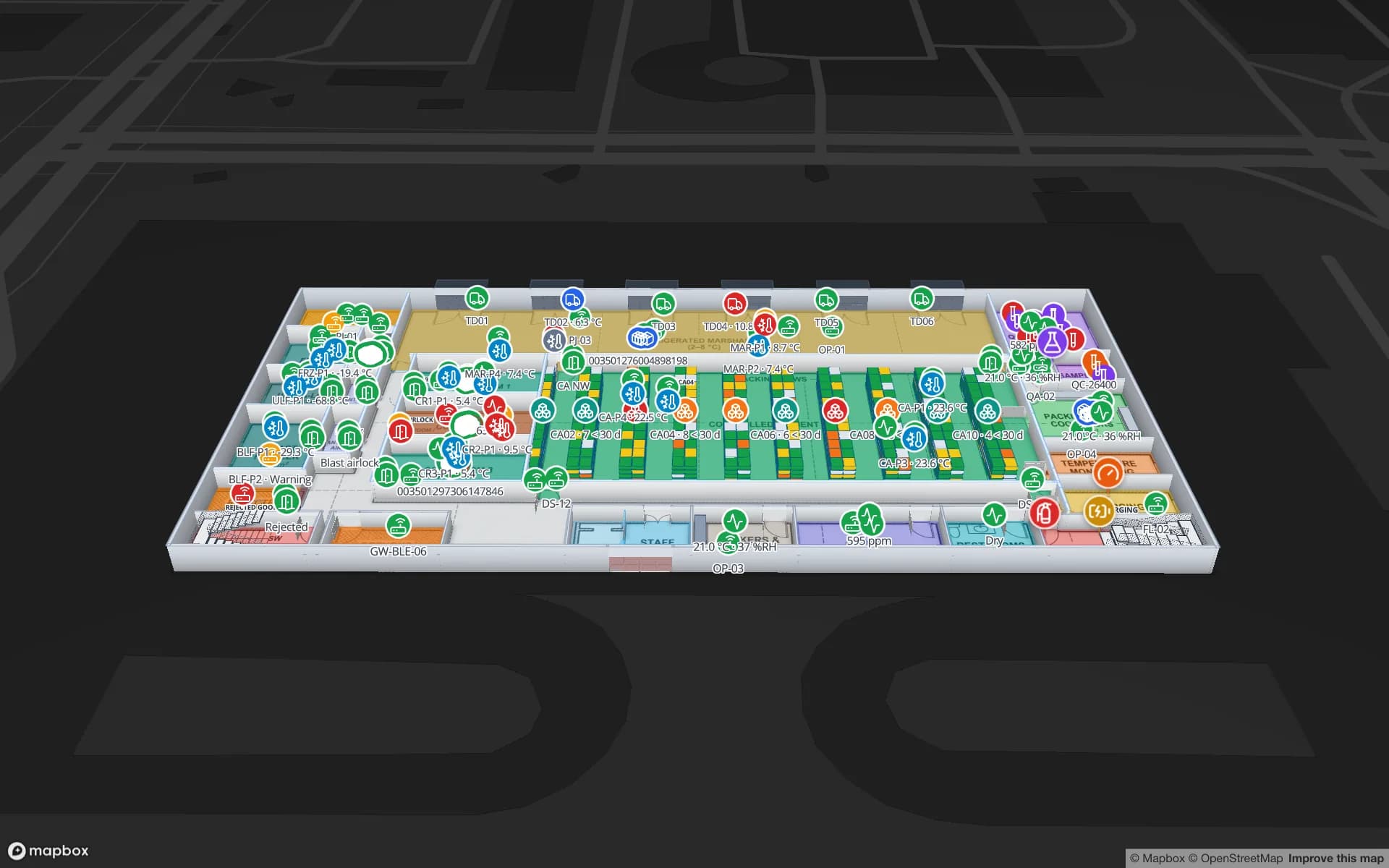
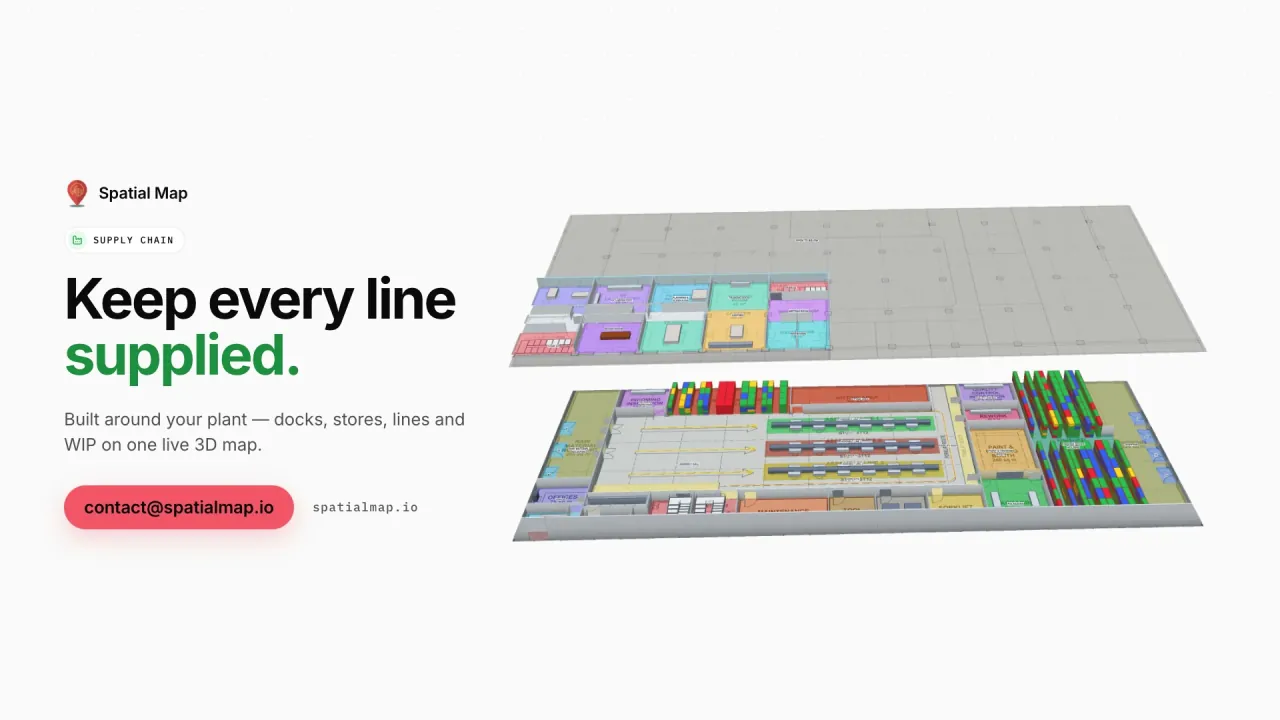
Supply Chain film: “Keep every line supplied” beside the floors of Summit Assembly Plant in 3D
The Supply Chain film: material and goods moving between plant, cross-dock and distribution centre across the Spatial Map demo workspace.
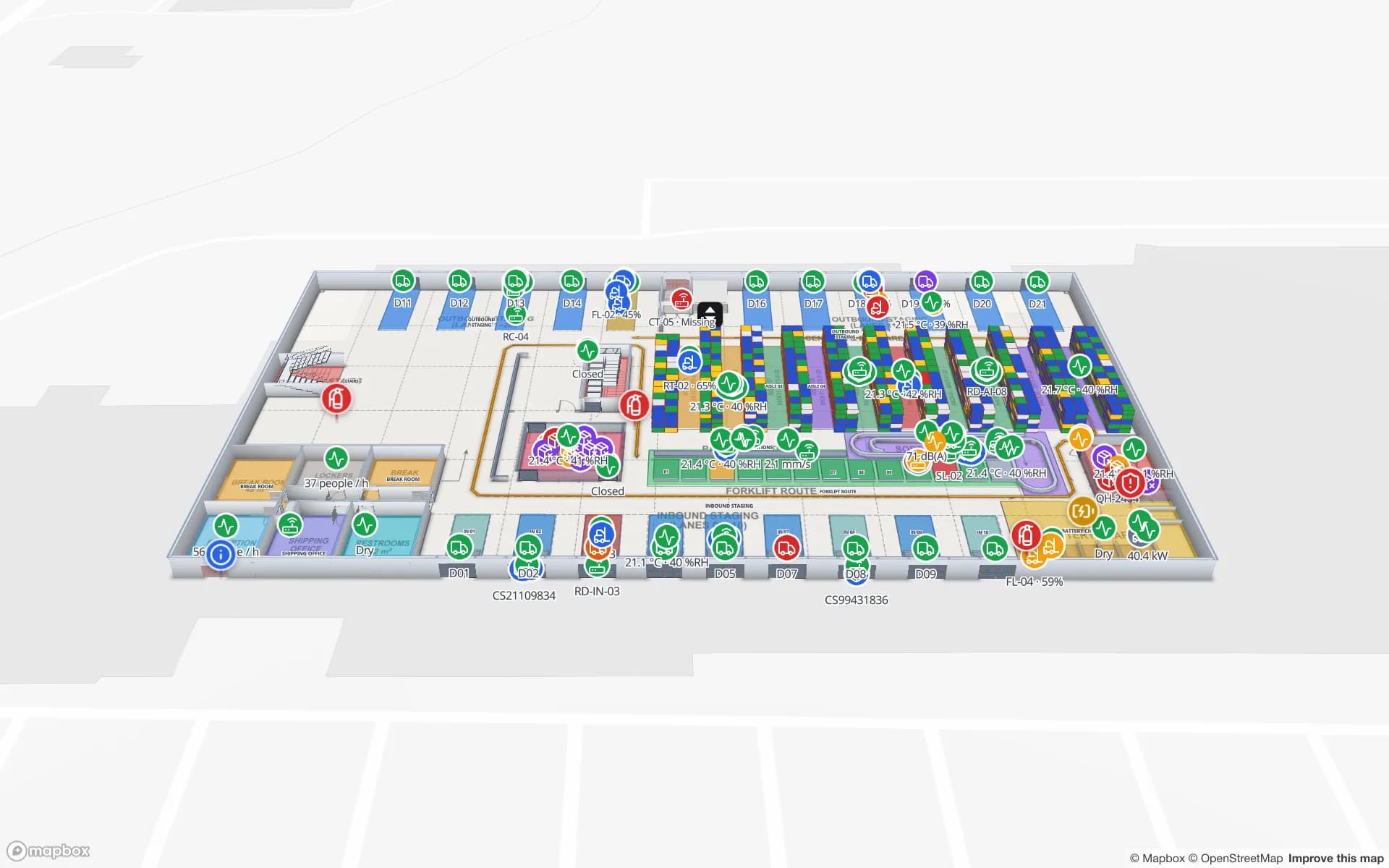
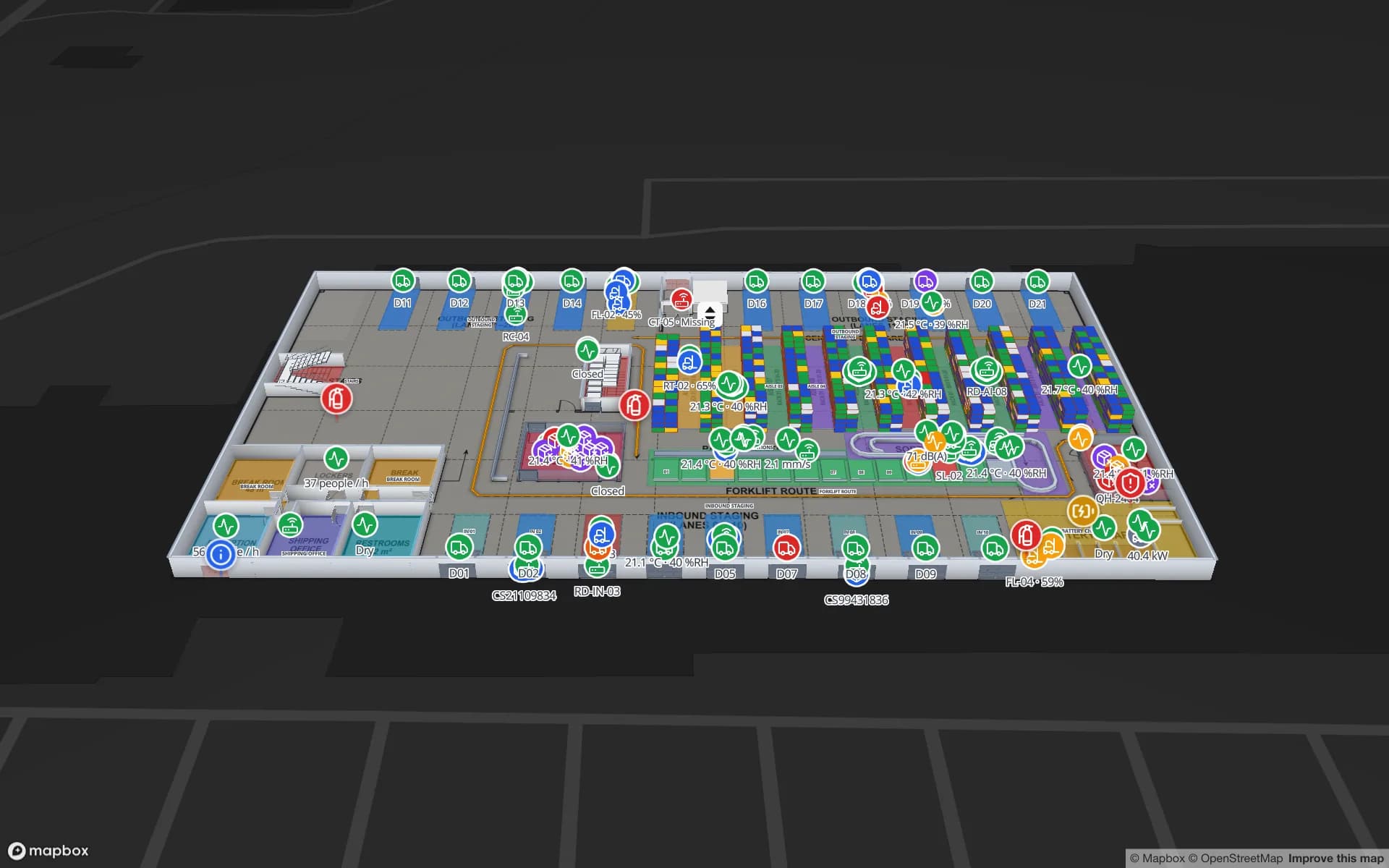
Dock doors in the Eastport cross-dock demo
50
Yard slots in the Eastport demo
44
Apps to install — share links open in a phone browser
0
Free trial, up to 5 facilities, no card
7 days

The Port of Maputo and its two terminal areas

The Port of Maputo, in Maputo Bay, is built around two terminal areas: the Maputo Cargo Terminal, whose sub-terminals handle steel, liquid bulk, sugar, cars, coastal traffic, containers, grain, molasses and general cargo, and the Matola Bulk Terminal for aluminium, coal and grain. The port reports having handled 32.0 million tons in 2025, 3.4% more than the year before. Much of it is on its way somewhere else: a reference source puts goods in transit at just over half of the cargo through Mozambique’s eight seaports in 2022.

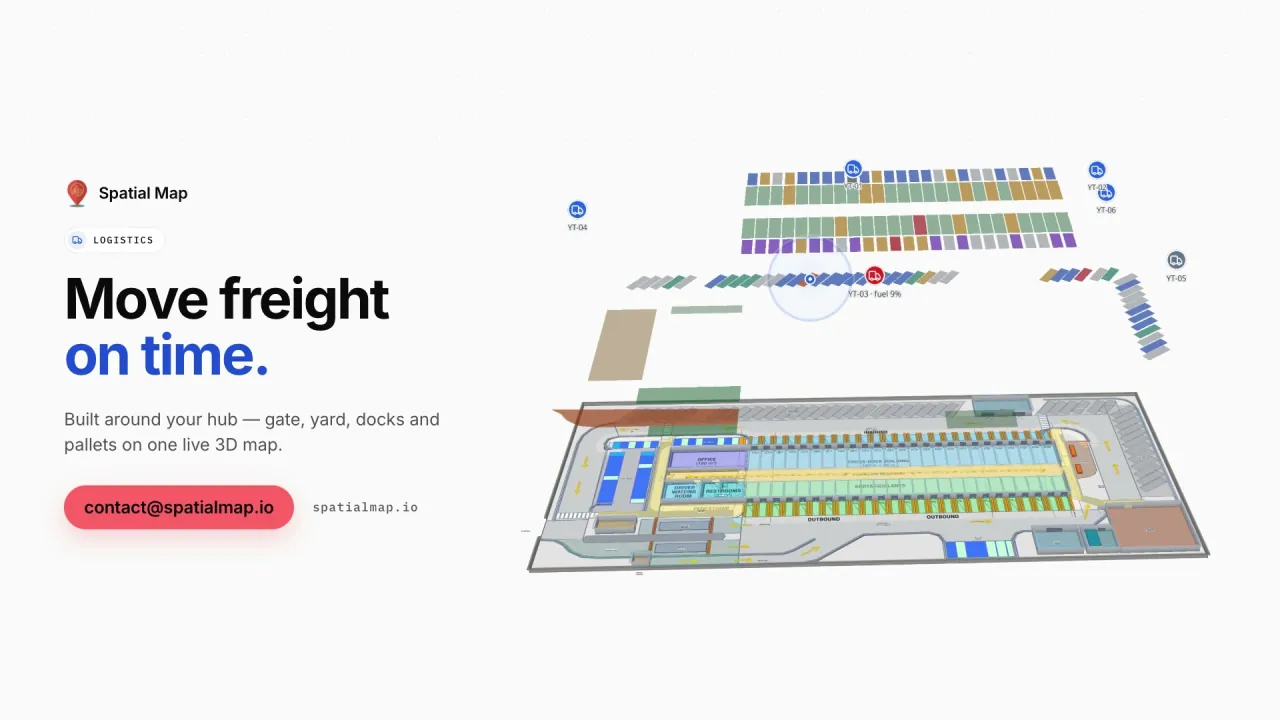
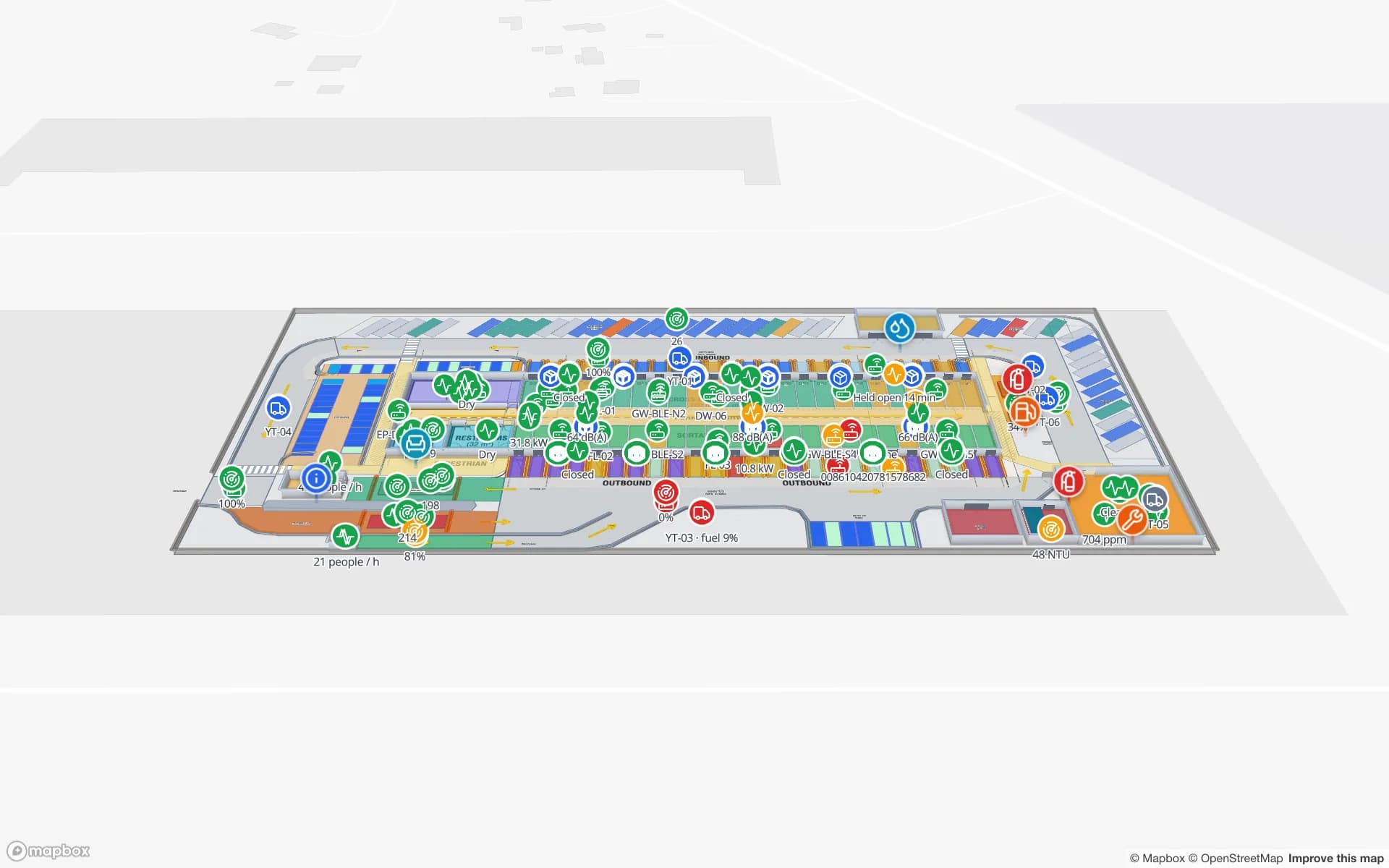
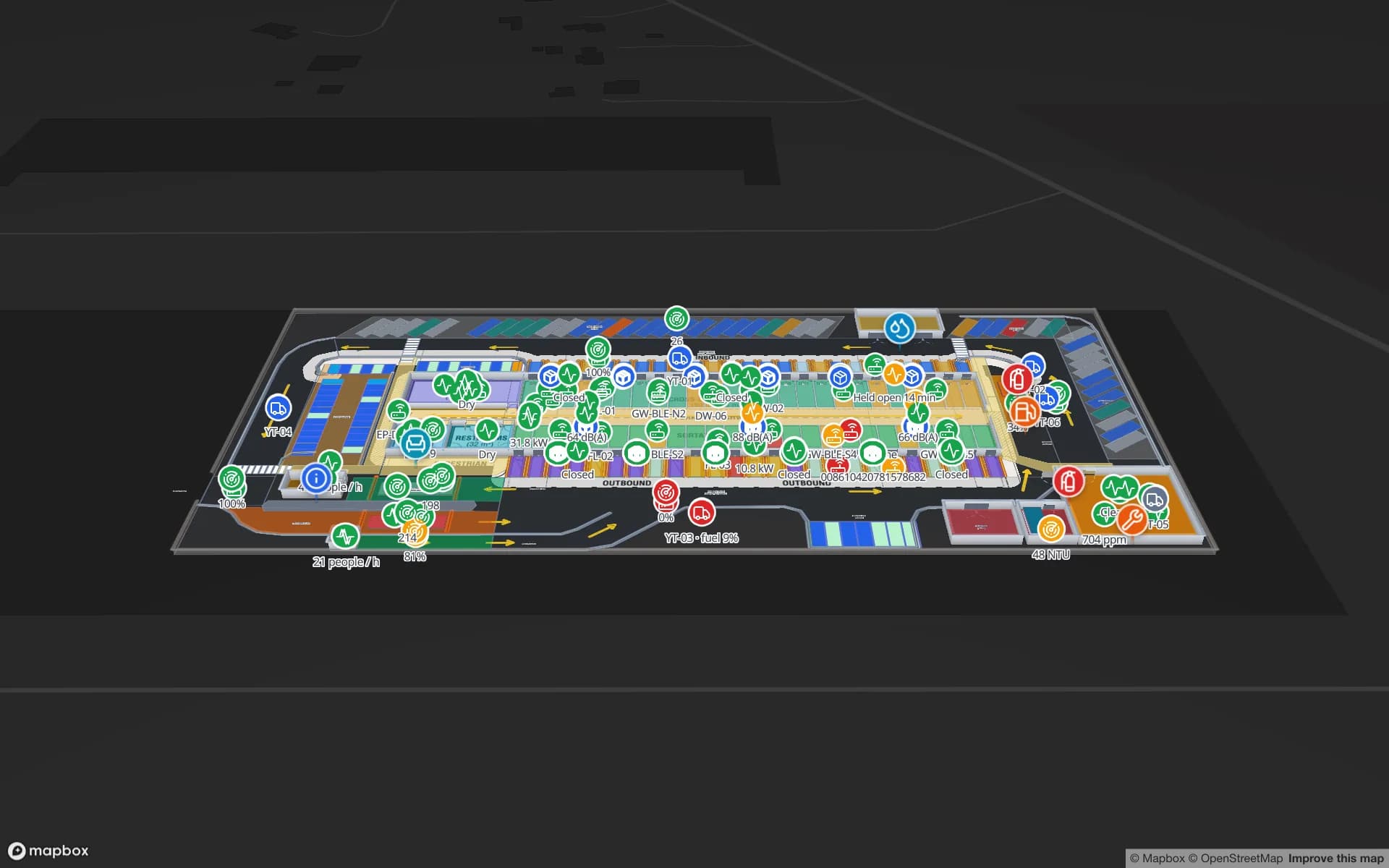
Every box, truck and wagon that passes through needs a place to wait, and the city page, RFID tracking in Maputo, goes through the buildings around the port. Spatial Map draws your own dock doors, yard slots and lanes and colours them from your yard or WMS data; it does not connect to port, customs or rail systems. The Eastport demo shows 50 dock doors, 44 yard slots and 1,180 RFID pallets on one map.
The corridor to South Africa

The Maputo Development Corridor connects Maputo with Gauteng, Limpopo and Mpumalanga. The N4 runs 405 km from Pretoria to Komatipoort, and Mozambique’s EN4 covers the 90 km from Ressano Garcia to Maputo; a 30-year toll-road concession was signed with both governments in 1997. South Africa is also Mozambique’s largest trading partner, according to the US Commercial Service, followed by China, India, the Netherlands and Portugal.

Along that road sit the places where trucks wait: border-side bonded yards, cross-docks, and warehouses that split a truckload into several orders. On a Spatial Map yard plan each slot takes the colour of what stands in it, the gate and weighbridge are drawn in, and an in-app alert rule can flag a unit that has been in a slot too long. The post on yard visibility, dock doors and trailers shows the pattern. Spatial Map does not connect to the border or customs systems.

Bulk exports, sugar and cold chains

Mozambique’s exports include aluminium, coal, bulk electricity, cotton, prawns, cashews, sugar and citrus, according to a reference summary, and the Matola Bulk Terminal and the cargo terminal’s sugar and grain sub-terminals sit right beside the city. The stores behind them range from open stockpiles to cold rooms for prawns and fruit.

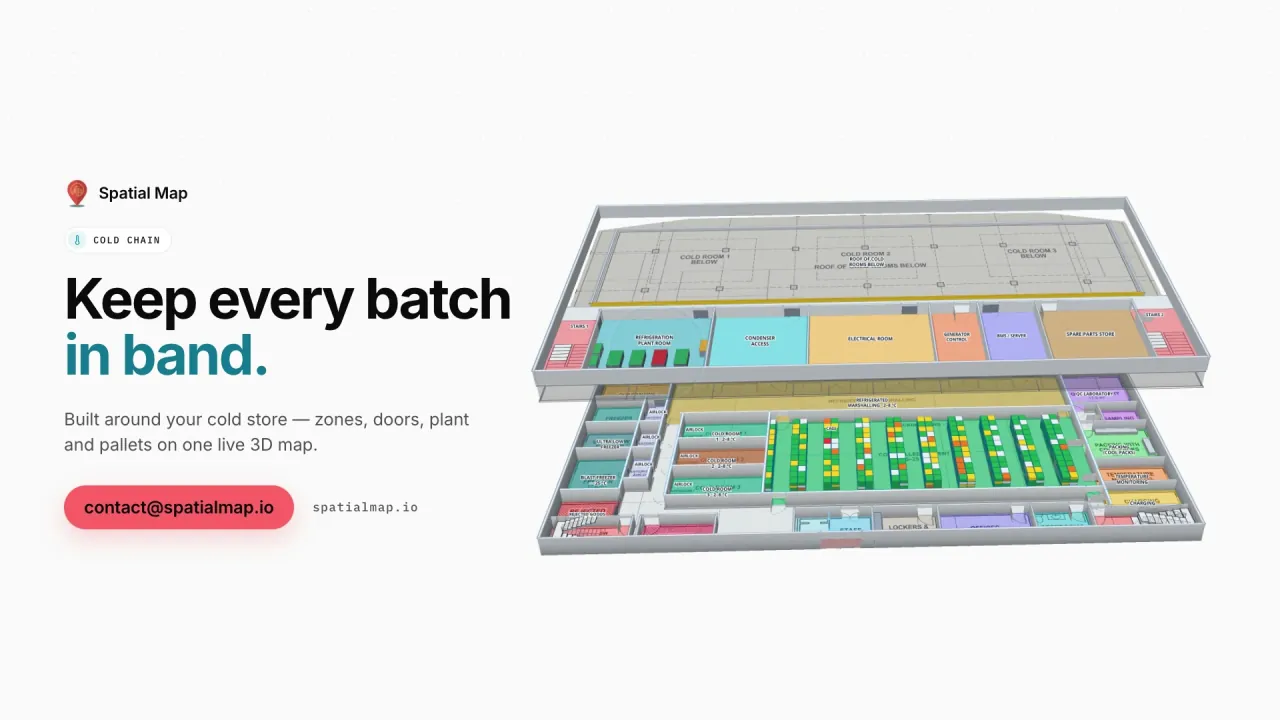
On the map, each cold room and store takes the colour of its latest sensor reading, pallets waiting for collection show at their bay, and in-app alerts flag a room that stays warm or a sensor that stops reporting. The Polar Pharma demo shows the pattern in a cold store with 1,140 rack locations, and the cold-chain solution explains the rules. Spatial Map shows readings; it does not certify a store.

Construction, power and the gas projects

The US Commercial Service lists power generation, design and construction, fast-moving consumer goods and franchising among Mozambique’s leading sectors, and refers to large natural-gas projects in Cabo Delgado as a driver of demand for imports. Projects of that kind run on stores of spares, consumables and equipment spread over yards and workshops.

A register of tagged assets, a map of the store and a rule that flags items overdue for return give such sites the same visibility as a factory. RFID tool tracking covers the crib pattern, and the Harborview demo shows equipment check-out, stores and spares. For larger plants where vehicles and people must be located continuously, see RTLS and UWB.

Portuguese, and what the app does and does not speak

Portuguese is Mozambique’s language of administration. Spatial Map’s interface is English, French, Spanish, German, Arabic and Chinese, and there is no Portuguese interface: teams in Mozambique usually work in English, and names you type yourself — rooms, racks, report titles, column headings — can be in Portuguese and appear exactly as typed. Please do not expect translated menus.

Mozambique’s data-protection framework is still developing, with the Electronic Transactions Law (Law 3/2017) and the Constitution as the main instruments cited today; check the current status with your legal advisers. It matters when location data can be linked to a person, such as a driver’s or picker’s badge; tags on pallets and tools do not identify anyone. Your legal advisers decide what applies. A data processing agreement is available and the security page explains how data is protected.

Also served

The same approach covers Matola, Beira, Nacala, Nampula, Tete and Pemba. They have no pages of their own, and nothing needs to be installed at any of them: the map opens in a browser. Spatial Map is sold online, and our team works with customers in Mozambique remotely, by video call and through the contact form.

How Spatial Map does it

From floor plan to live map

  1. 01

    Import the plan

    A PDF, a DWG from AutoCAD R2004–R2018 or a scan of the warehouse, depot or cold store.

  2. 02

    Draw the building and yard

    Racks, dock doors, numbered yard slots, gates and cold rooms, or let AI Map draft them for review.

  3. 03

    Connect the data

    WMS, RFID middleware, a yard system or sensor gateways post rows to a table, or Spatial Map polls a REST endpoint.

  4. 04

    Share by phone

    Read-only links for drivers, agents and contractors, and in-app alerts for the team.

What teams in Mozambique map first

Port-side warehouses and yards

Dock doors, yard slots and pallets staged by consignee.

Cold stores for fish and fruit

Cold rooms by live temperature, held pallets marked.

Distribution centres

Rack-level stock by bin and staging lanes before store runs.

Equipment and spares stores

Registers by store, last-seen area and items overdue for return.

See it on real demo facilities

Fictional names, real floor plans, live sensors, RFID, BLE tags and gateways — open any of them in the browser.

All 13 demo facilities

Questions from teams in Mozambique

No. The app is available in English, French, Spanish, German, Arabic and Chinese. Your own room names, rack codes, column headings and report titles can be written in Portuguese and appear exactly as typed.

Yes. A read-only share link opens in any phone browser, with only the floors and layers you choose, an expiry date and a view cap. There is no app to install, and Spatial Map has no released mobile app.

No. It shows your own buildings — dock doors, yard slots, racks and cold rooms — coloured by the data your WMS, readers and sensors send. Port, border, rail and customs records stay in their own systems.

Draw one lane or area per consignee or destination, tag the pallets at receiving, and let your WMS post the owner as a field. The map colours stock by owner, and a read-only share link can be locked to one customer’s floor and layers, with an expiry date.

Where location data can be linked to a person, for example through a staff badge, your legal advisers decide what applies. Spatial Map only shows the data you send it, and a data processing agreement is available.

No. Spatial Map is sold online and our team works with Mozambican customers remotely, by video call and through the contact form. There are no local resellers or partners.

The same worldwide, in US dollars: a 7-day free trial for up to 5 facilities with no card, then Pro at $60 a month or $600 a year for up to 4 facilities. Larger networks are quoted as custom services.

Map your first Mozambican site this week.

Start the free trial, or send us a floor plan and a sample of your WMS, RFID or yard data through the contact form.