Bergen · Bryggen, the harbour and the seafood trade

Cold chain monitoring in Bergen, from the stockfish loft to the salmon dock

Spatial Map shows live temperature, humidity and door readings from your own sensors on a 3D map of the room, store or dock where they are taken, with the History player to replay a night. Cold chain monitoring in Bergen has an unusually long memory: the city has traded fish since the Hanseatic merchants of Bryggen, and a seafood store today holds fresh, frozen, salted and dried products that each need a different room. It is a map of what your sensors say, not a monitoring system of record.

No credit card. Runs in the browser. Pro is $60/month for up to 4 facilities. Book a demo

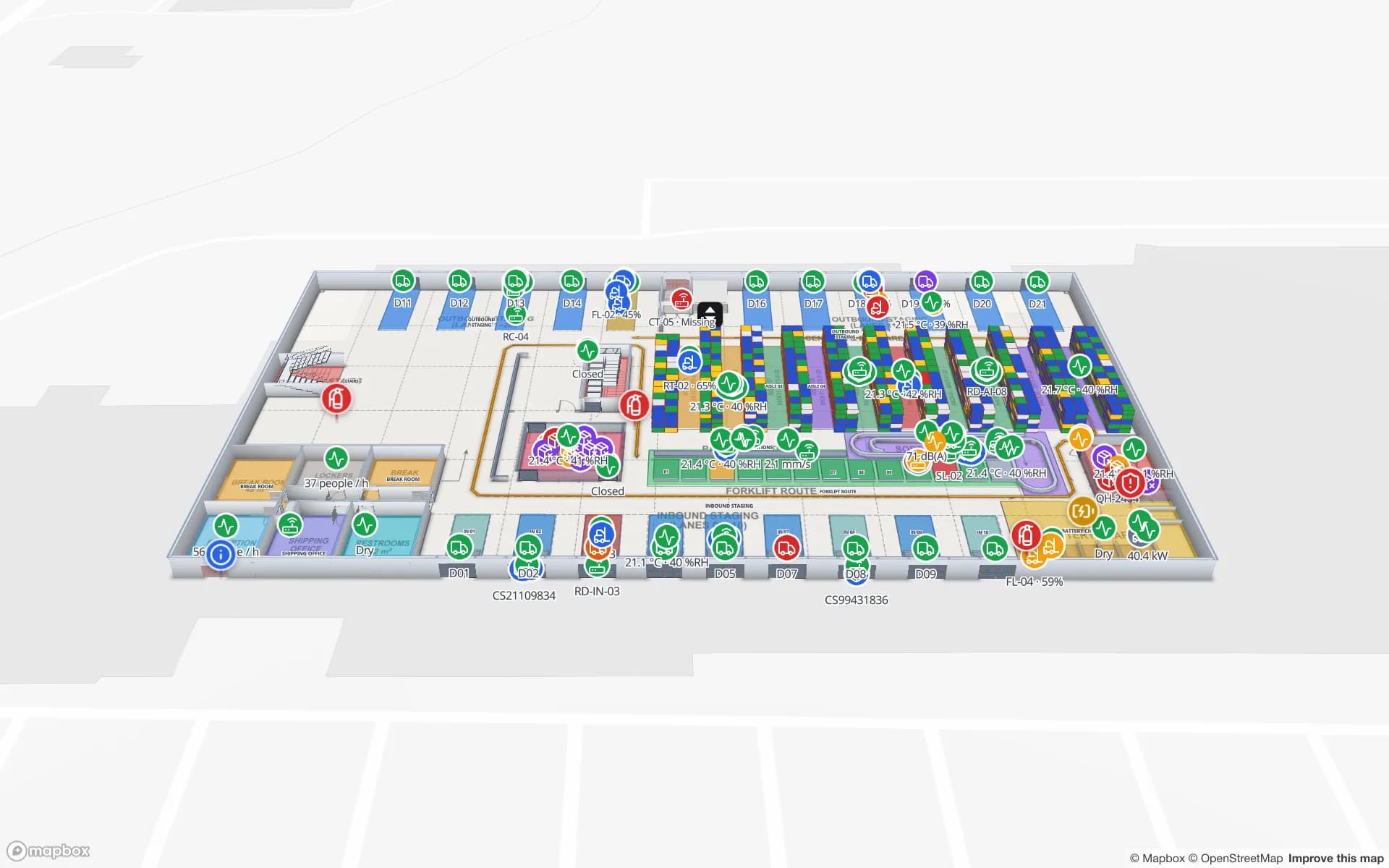
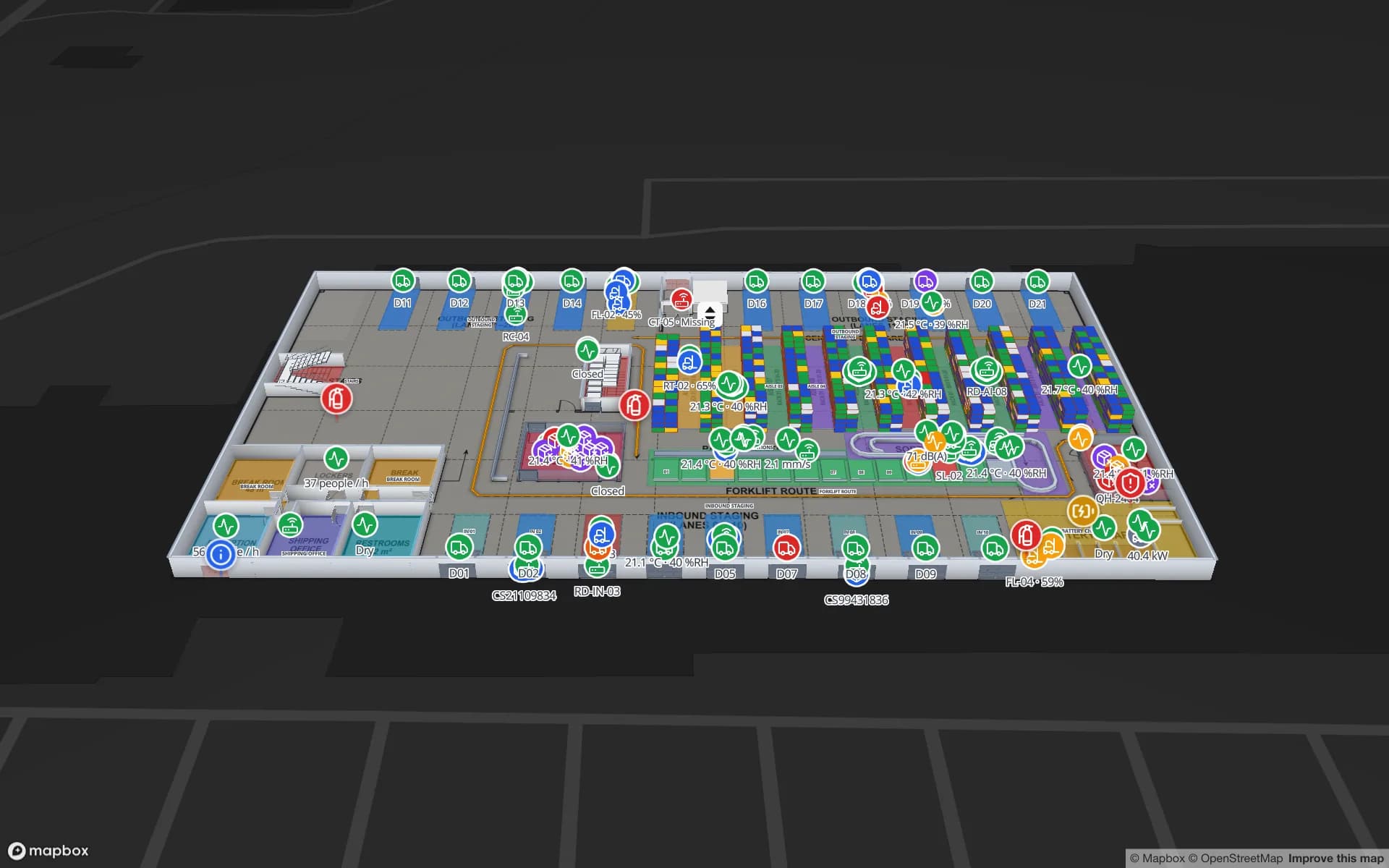
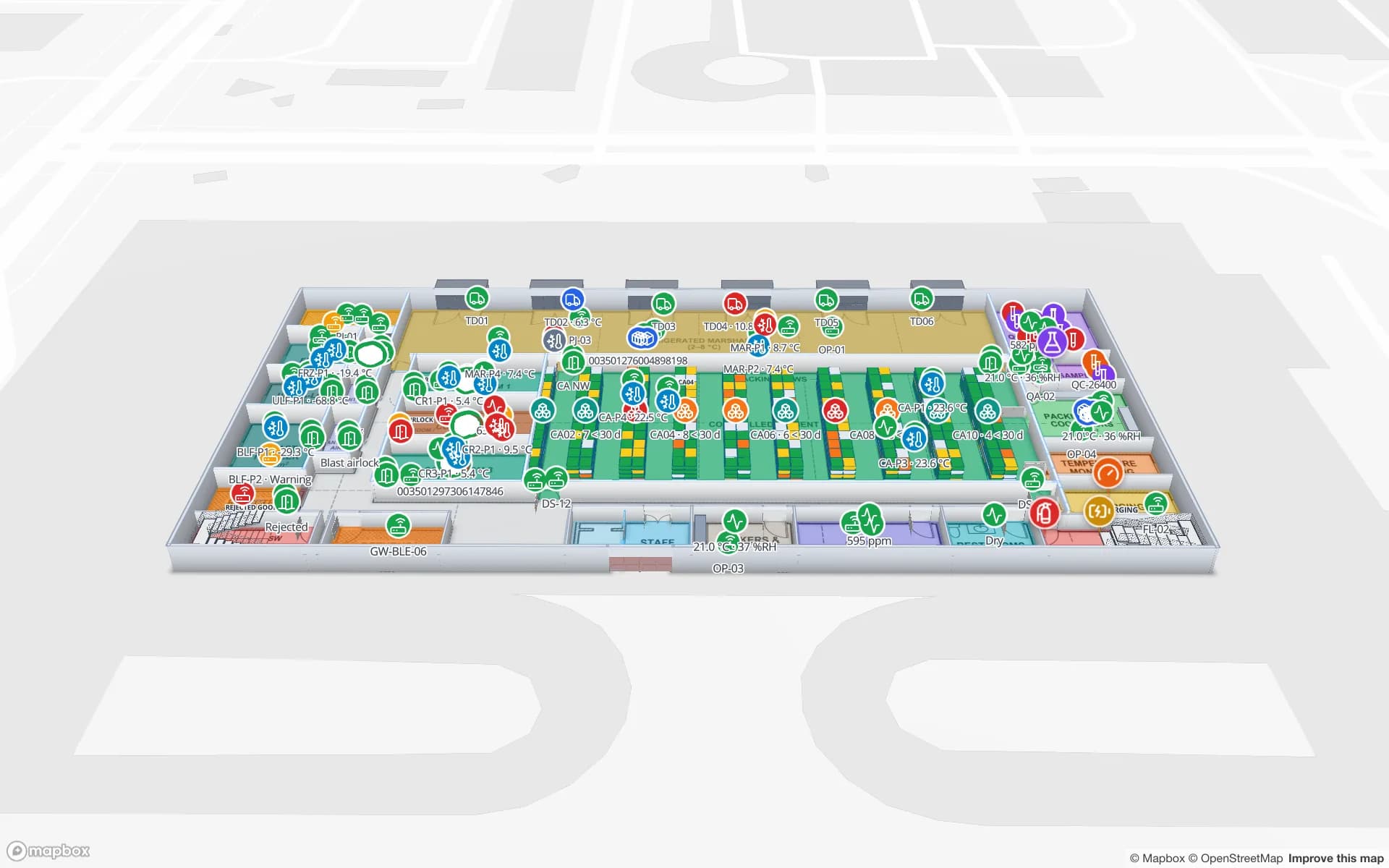
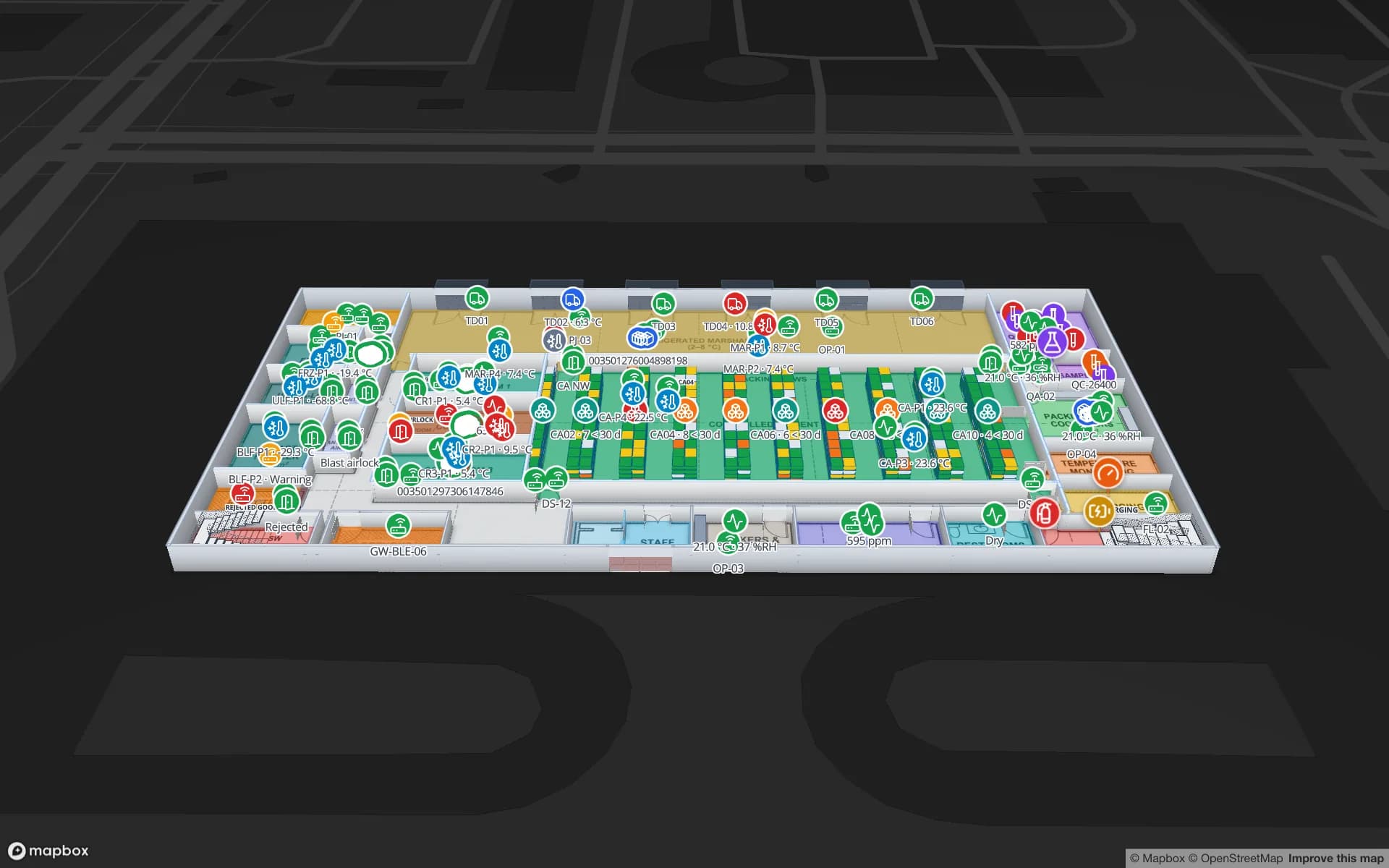
Polar Pharma — Cold Storage & QC Facility, a pharmaceutical cold store & qc lab demo, in the Spatial Map 3D viewer with live device markers
Polar Pharma — Cold Storage & QC Facility
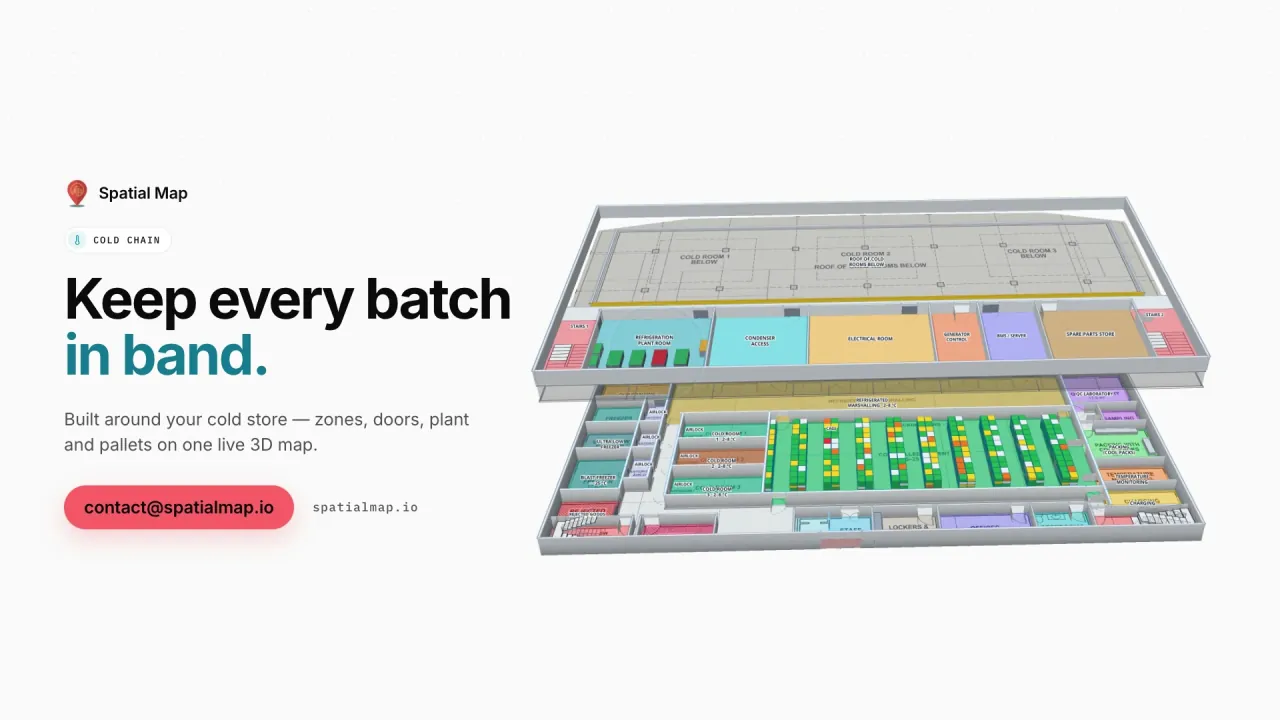
Polar Pharma Cold Storage & QC Facility, a demo cold store: temperature zones, cold rooms and docks with live probe, door and pallet markers, and 1,140 rack locations on two floors.
Rack locations in the Polar Pharma cold-store demo
1,140
Floors in the Polar Pharma demo
2
How often alert rules are checked, with alerts shown in the app
15 s
Free trial, up to 5 facilities, no card
7 days

Bryggen: a fish store that has been rebuilt after every fire

A Hanseatic League trading office, a kontor, was set up at Bryggen around 1350 and ran until 1754. Its warehouses stored stockfish from northern Norway and cereal brought in from Europe, and the stockfish trade made Bergen one of the largest trading centres in northern Europe. Fire damaged the Hanseatic buildings in 1702 and another fire destroyed parts of the quay in 1955; Bryggen was listed as a UNESCO World Heritage Site in 1979, and its buildings now house museums, shops and restaurants.

The lesson for a modern store is the product, not the timber. Stockfish was dried in the open air and kept dry; fresh fish was and is a different job, and a store that holds both has rooms with very different conditions. Spatial Map does not tell you what a room should be. You set the band for each room in your own system, and a style rule colours the room green inside it, amber near the limit and red outside, so a glance at the floor shows which of the rooms is wrong.


The product mix decides the room mix

The Norwegian Seafood Council’s report for October 2026 gives a sense of how varied the export trade is. Norway exported seafood worth NOK 18.2 billion in the month and NOK 151.3 billion for the year to date, up 1 per cent. Farmed fish made up 76 per cent of the October value; salmon alone was 159,810 tonnes and NOK 13 billion, the highest monthly salmon export value on record. The same report lists fresh cod at 2,498 tonnes and frozen cod at 2,745 tonnes, clipfish at 6,921 tonnes and stockfish at 267 tonnes, worth NOK 128 million. These are national figures, not Bergen’s share.

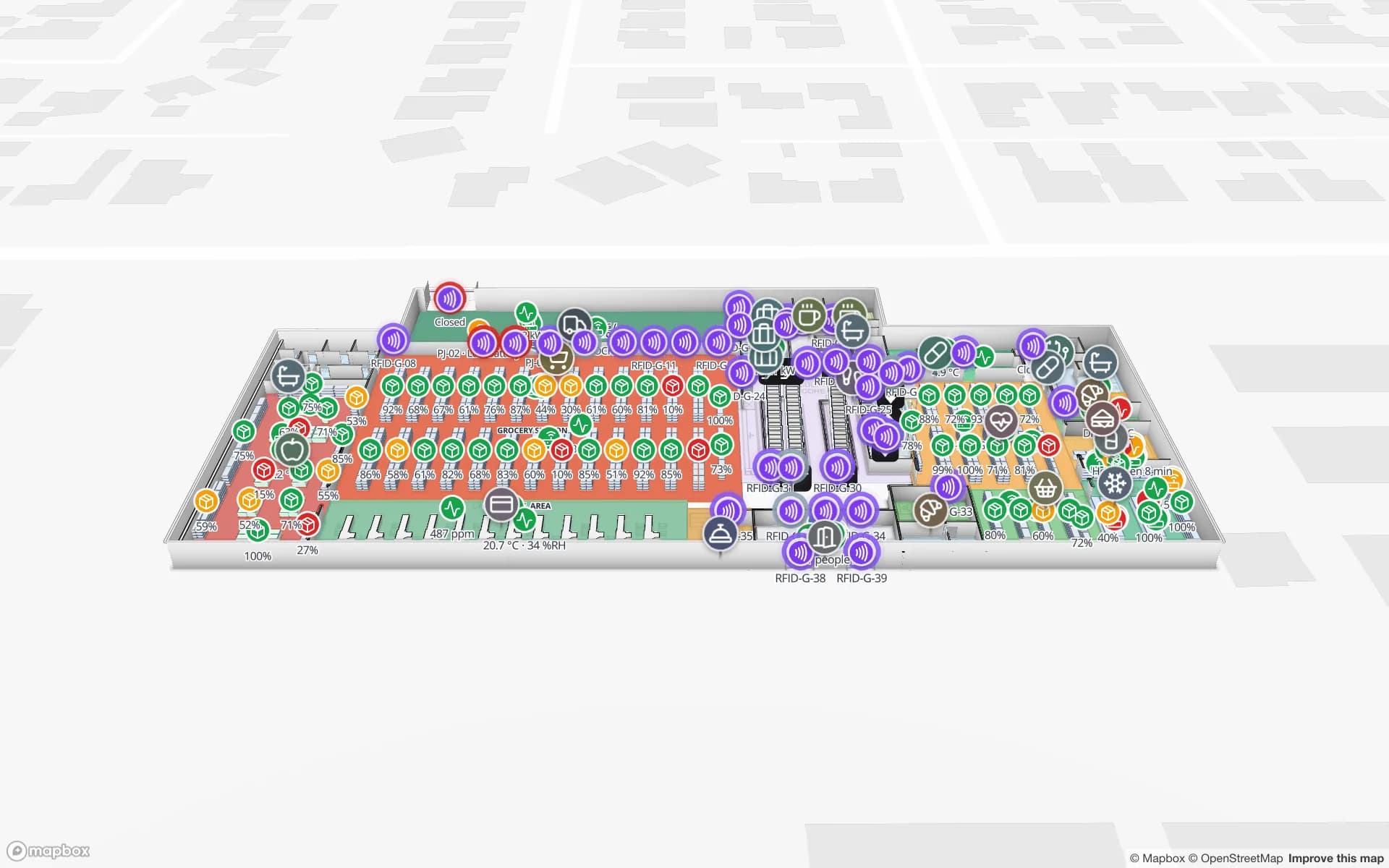
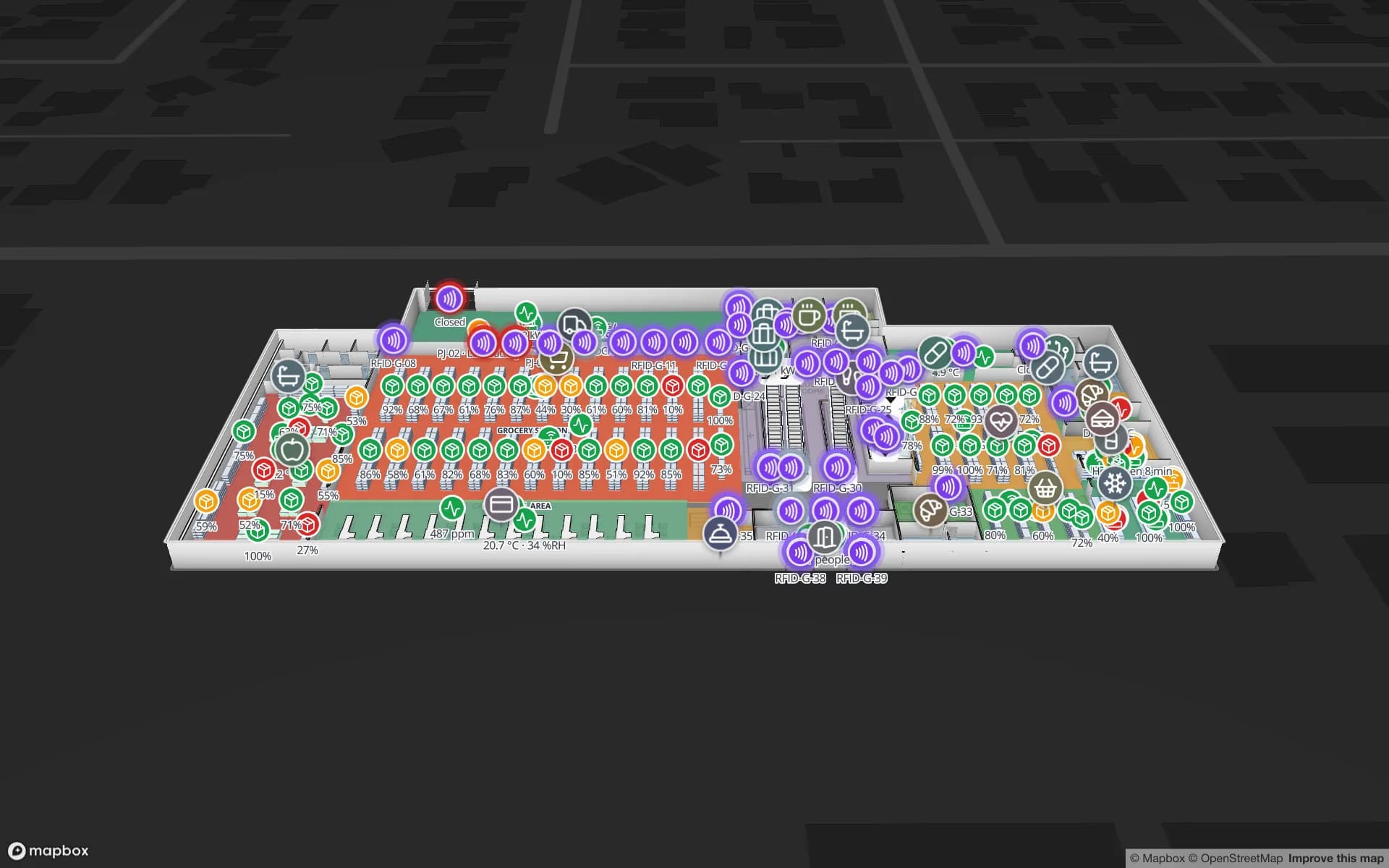
For a packing hall or cold store, that mix is a list of rooms. Fresh salmon waits on a short clock and leaves quickly; frozen cod sits in a freezer store; clipfish and stockfish are salted or dried and kept in other conditions. Draw each room and dock, send probe, humidity and door readings from your logger platform to a table, and style rules colour each room against its own band. The Polar Pharma demo is a pharmaceutical cold store rather than a fish plant, but it shows the same building blocks: temperature zones, cold-room doors, reefer docks and pallets on hold. Your quality system remains the record.

The harbour, and a wet climate

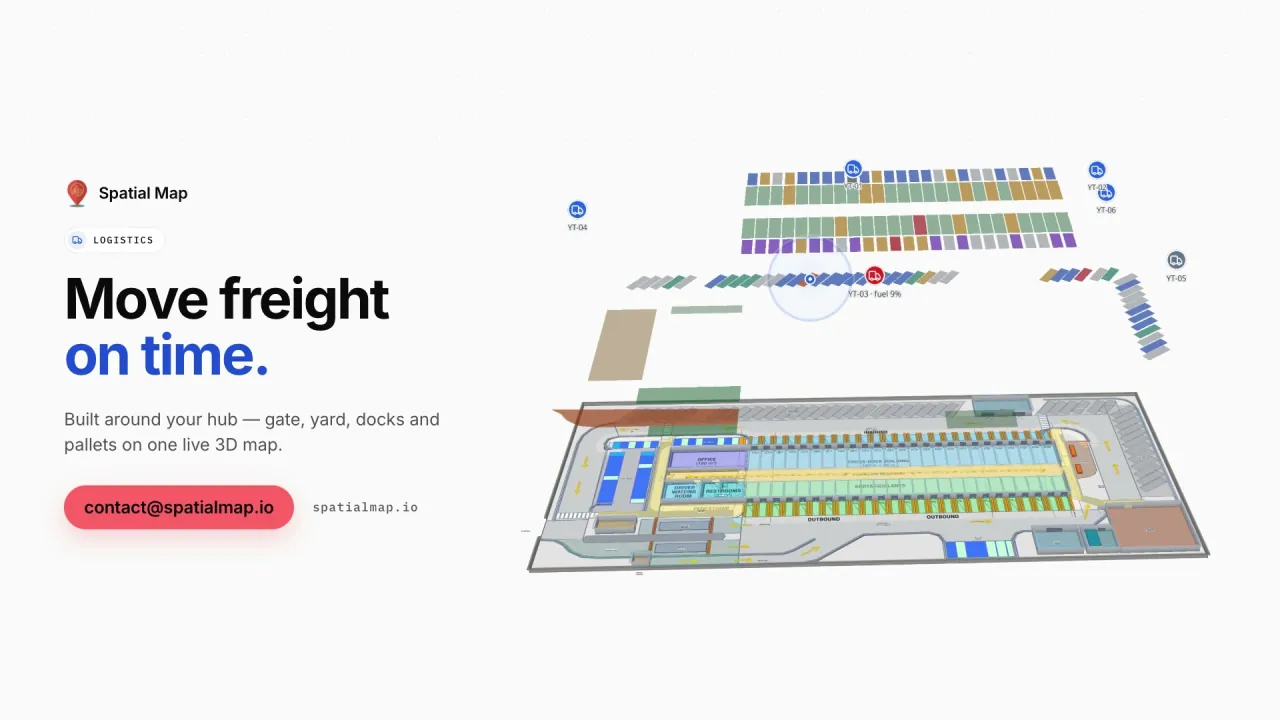
The Port of Bergen calls itself the most important maritime hub in Western Norway, with cruise, offshore, leisure and freight docks, and Bergen is described as an international centre for aquaculture, shipping, the offshore petroleum industry and subsea technology. For a seafood store near the quay, the work is the door: product comes in from a vessel or a truck, waits at a dock, passes a cold room and leaves again, and every minute outside its band counts.

The weather adds its own problem. Bergen has an average of about 200 days a year with more than a millimetre of rain and annual precipitation of around 2,500 millimetres (1991–2020 averages), so loading bays are wet, doors open into humid air, and condensation shows up where cold air meets it. Put humidity sensors on the map beside the temperature probes, add a door sensor to every dock, and an alert rule “matches for N minutes” raises an in-app alert when a door stays open or a room stays warm. The post on warehouse sensor alert rules shows how the rules are built, and the temperature monitoring page covers the sensor side.

What the map does not do

Say it plainly: Spatial Map does not measure temperature, has no validated or qualified status, and does not send email, SMS or push — alerts appear in the app, on the bell and the Alerts page, with Show on map. The alarm that wakes a person at night stays in your monitoring or building-management system, and the map reads from the same sensors so that anyone can see which room, which door and which pallet.

What the map adds is the place and the time: the History player replays a night’s readings on the plan, a report exports to PDF, Excel, CSV or JSON for the quality file, and a read-only link lets a customer’s auditor see one floor without an account. Sensors come from your integrator; our team can source devices on request, quoted per project, with warranty from the manufacturer, and gateways post rows to a table through the write API. For a wider view of Norwegian seafood stores and supply bases see Norway.

Services for teams in Bergen

Where Bergen teams usually start depends on what is in the room:

  • Seafood packers and cold stores start with temperature monitoring of rooms and doors, then add inventory tracking for pallets by room.
  • Exporters and forwarders near the harbour start with door and temperature readings at the docks, and RFID at the door only where the pallet count matters.
  • Sensor-heavy sites look at IoT sensor monitoring for gateways and tables.
  • If you have no sensors, gateways or tags yet, our team can source them on request, quoted per project: see hardware and demo kits on request.
  • Integrations with a quality or building-management system, and other custom software, are built as client projects; the product runs as cloud or on-premises.

Also served nearby

The same page covers Askøy, Øygarden and Sotra, Os and Fana, Åsane and Knarvik, and Voss inland. Nothing needs installing at any of them: the map opens in a browser, and the interface is in English, not Norwegian — room names such as “Frysehotell” or “Tørrfisklager” stay exactly as you type them. For the capital see Oslo.

How Spatial Map does it

From a cold room to a live seafood-store map

  1. 01

    Pick one store

    A packing hall, a freezer store or a harbour-side dock — wherever an excursion costs most.

  2. 02

    Draw rooms and doors

    Upload the plan, align it, and draw rooms, docks and door sensors as areas and markers named like your loggers.

  3. 03

    Connect your sensors

    Loggers, gateways and your monitoring platform post rows through the table write API, a polled REST endpoint or CSV uploads.

  4. 04

    Set bands per room

    Style rules for in-range, near-limit and out-of-range, set per room type, and in-app alerts for open doors and sensors that stopped reporting.

What Bergen teams monitor

Freezer stores and cold rooms

Probe readings, humidity and door states by room, with History to replay a night.

Harbour-side docks

Dock doors, staging lanes and pallets waiting for a truck or a vessel.

Pallet stock by room

Rack locations coloured by stock and temperature, with held pallets marked.

Shop and kitchen fridges

Fridge and freezer sensors on the shop floor, with the stock room behind.

See it on real demo facilities

Fictional names, real floor plans, live sensors, RFID, BLE tags and gateways — open any of them in the browser.

All 13 demo facilities

Cold chain monitoring in Bergen — questions we get

No, and it makes no such claim. It shows readings that your own sensors and systems send, on a map. Your quality system, loggers and procedures remain the record for any regulated product.

Not Spatial Map. Alert rules raise in-app alerts on the bell and the Alerts page, with Show on map, but nothing goes out by email, SMS or push. Keep the escalation in the monitoring or building system that already pages your on-call person.

Yes. Each room is an area with its own style rule and alert rule, so a freezer store, a chill room and a dry loft can each be coloured against their own band. The bands are yours; Spatial Map does not set them.

The History player replays rows from your tables on the map for a chosen period, a read-only link can be locked to one floor with an expiry date, and reports export to PDF, Excel, CSV or JSON. It shows what your sensors reported; it does not replace your own records.

No. The interface is available in English, German, French, Spanish, Arabic and Chinese, so Norwegian teams use it in English. Room names, report titles and table contents are yours and can be in Norwegian, æ, ø and å included.

No. Spatial Map is sold online and our team works with customers in Norway remotely, by video call and through the contact form. There are no local resellers or partners.

In US dollars, the same worldwide: a 7-day free trial for up to 5 facilities with no card, then Pro at $60 a month or $600 a year for up to 4 facilities. Sensors and gateways, if you ask us to source them, are quoted per project.

Map one Bergen cold room before the next night shift.

Start the free trial and open the Polar Pharma demo, or send us the plan of a packing hall, a freezer store or a harbour-side dock and a sample of your sensor readings through the contact form.