Southeast Asia · Cambodia

Indoor mapping & RFID tracking in Cambodia

Spatial Map is browser-based software for indoor mapping & RFID tracking in Cambodia: it turns the floor plan of a garment factory, a zone warehouse or a freight shed into a live 3D map fed by your scanners, RFID readers and sensors. Cambodia’s formal employment rests heavily on one sector and a set of zones, so the buildings that matter are similar, close together and numerous, and one workspace can hold a whole group of them.

No credit card. Runs in the browser. Pro is $60/month for up to 4 facilities. Book a demo

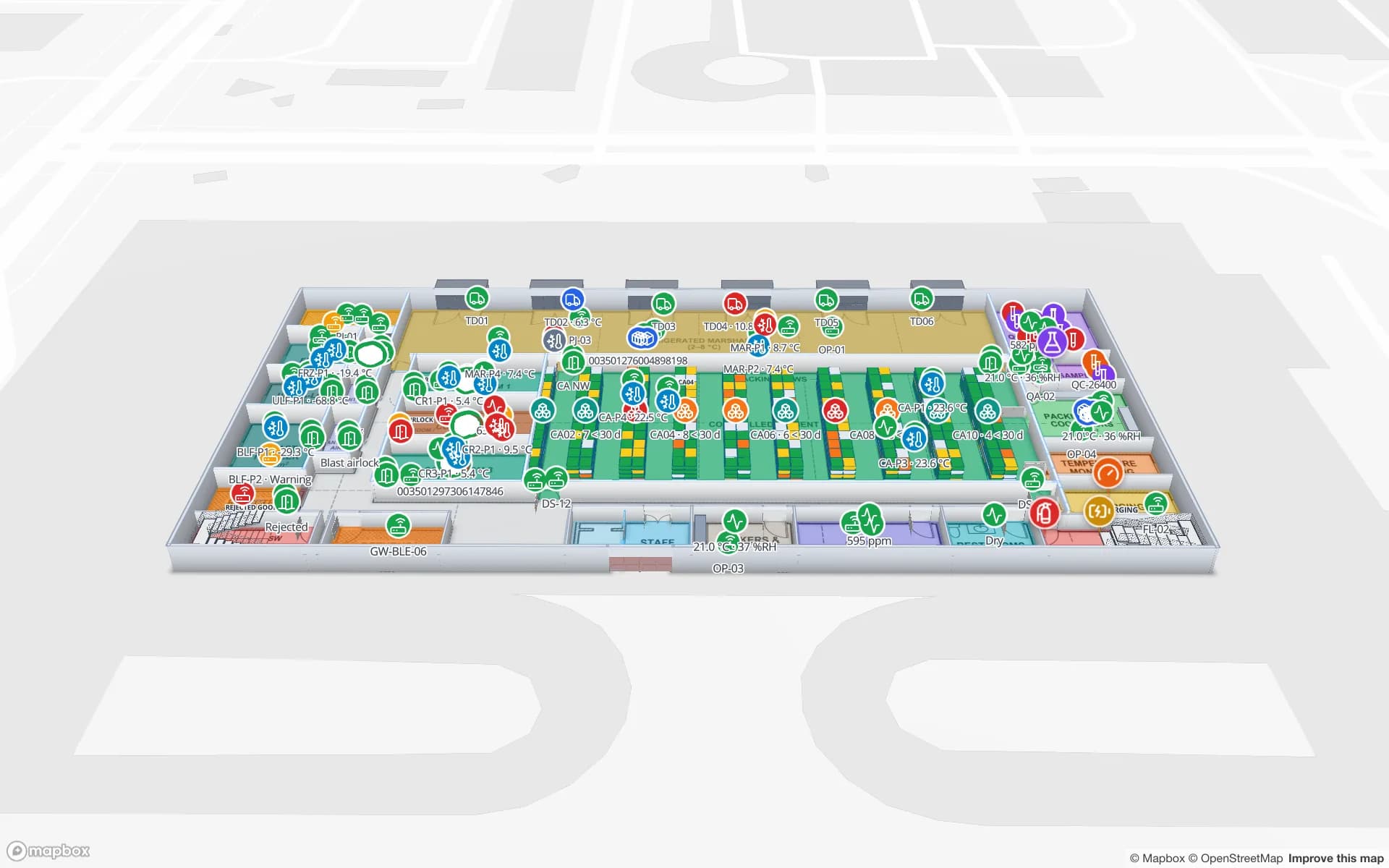
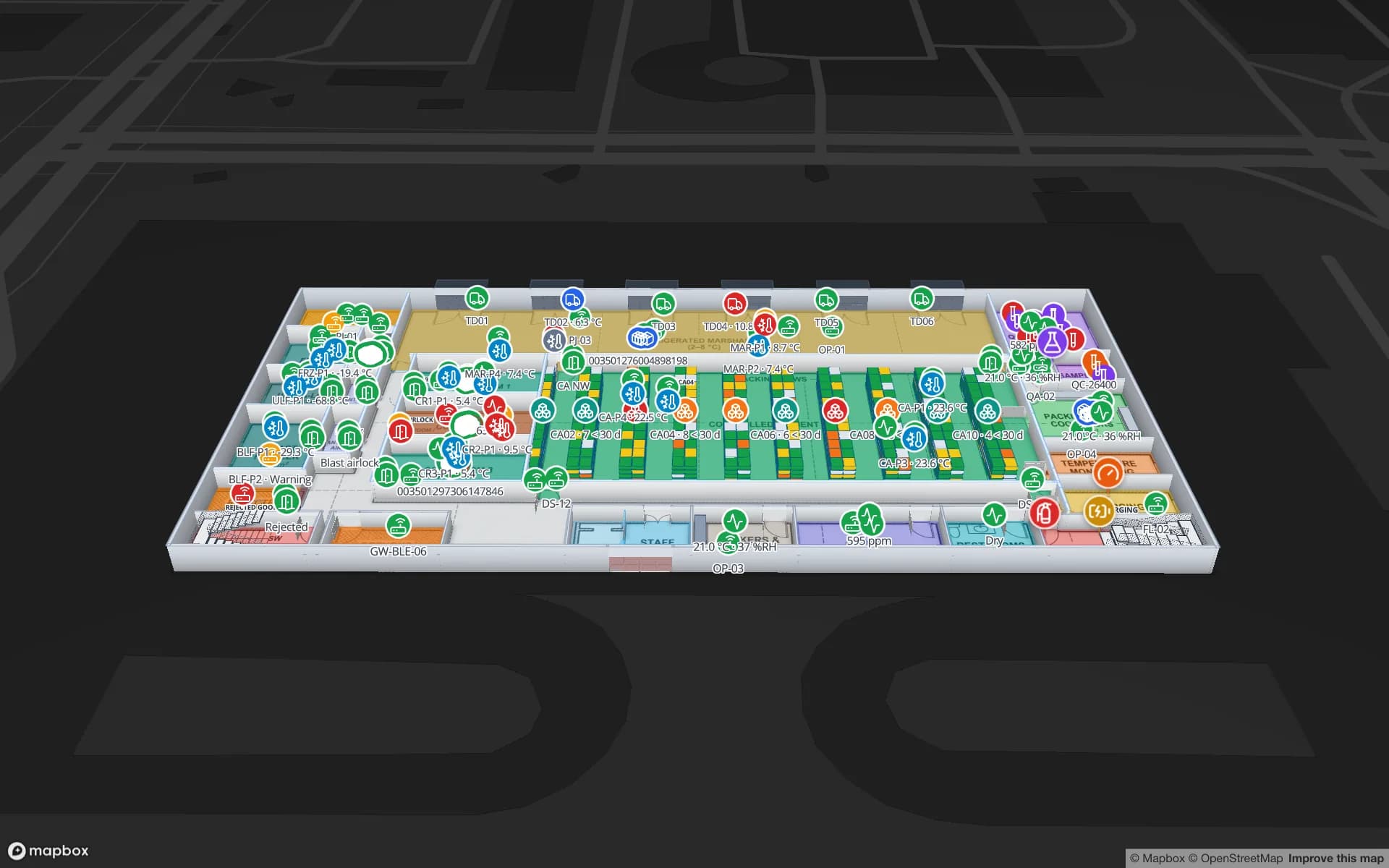
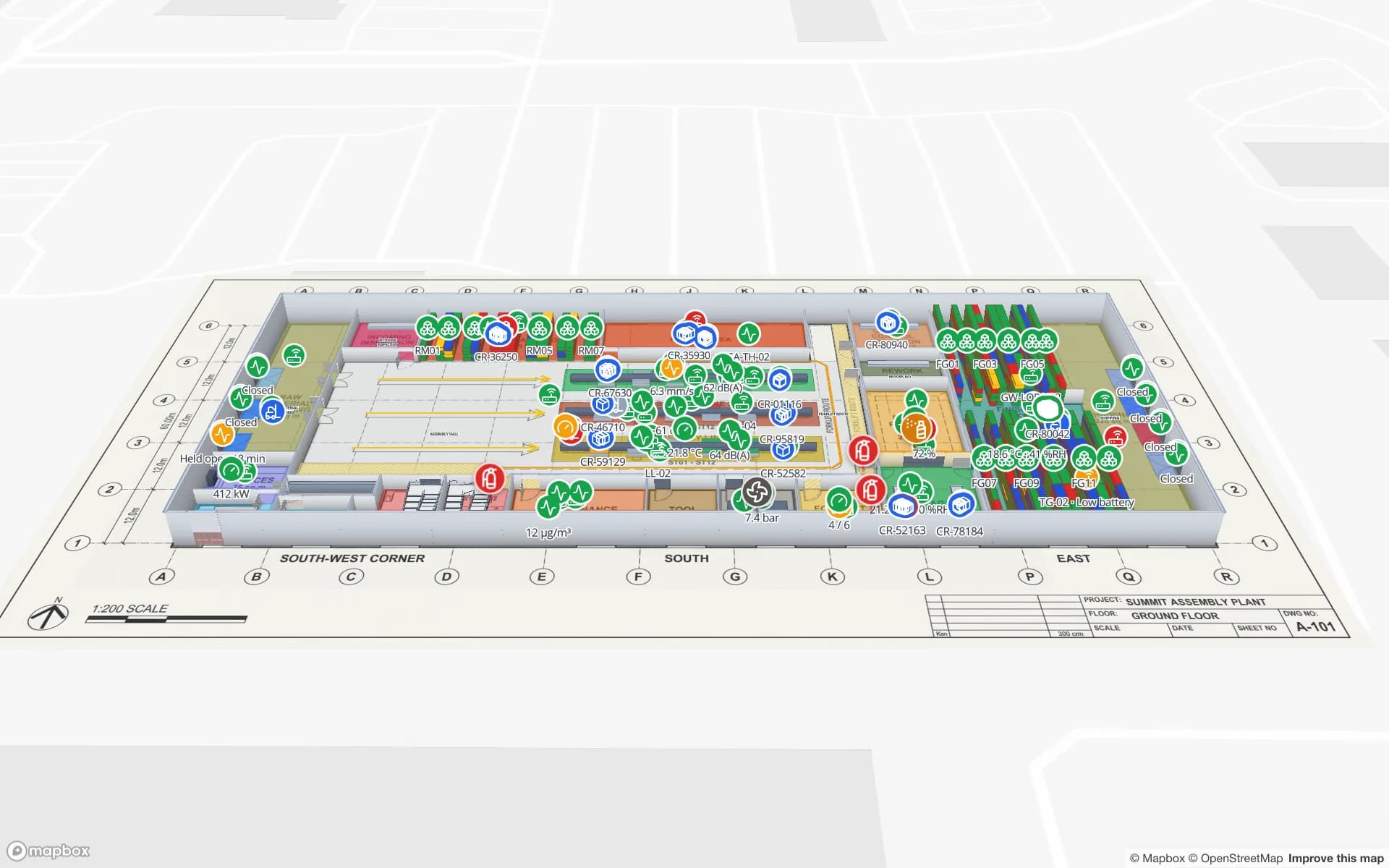
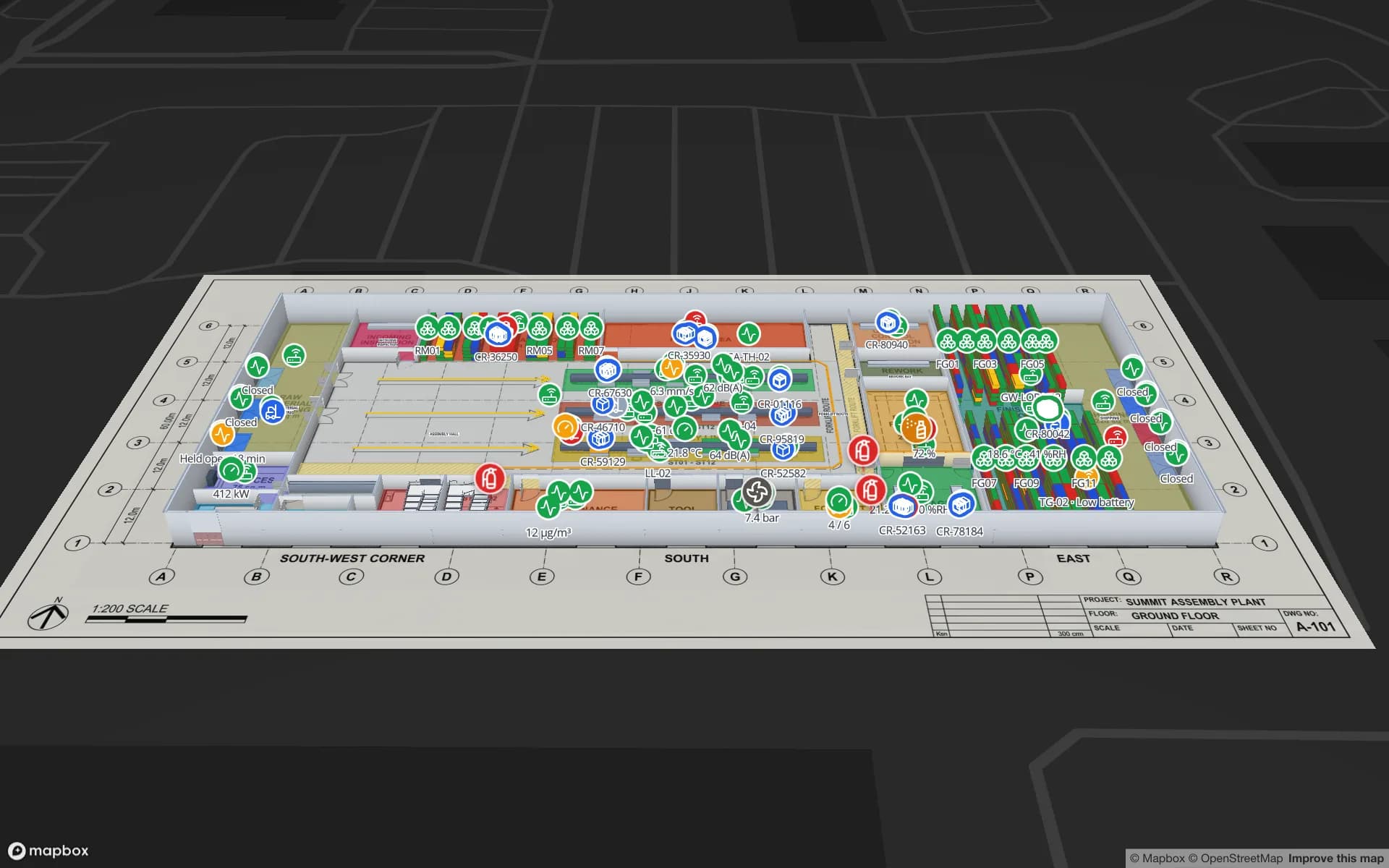
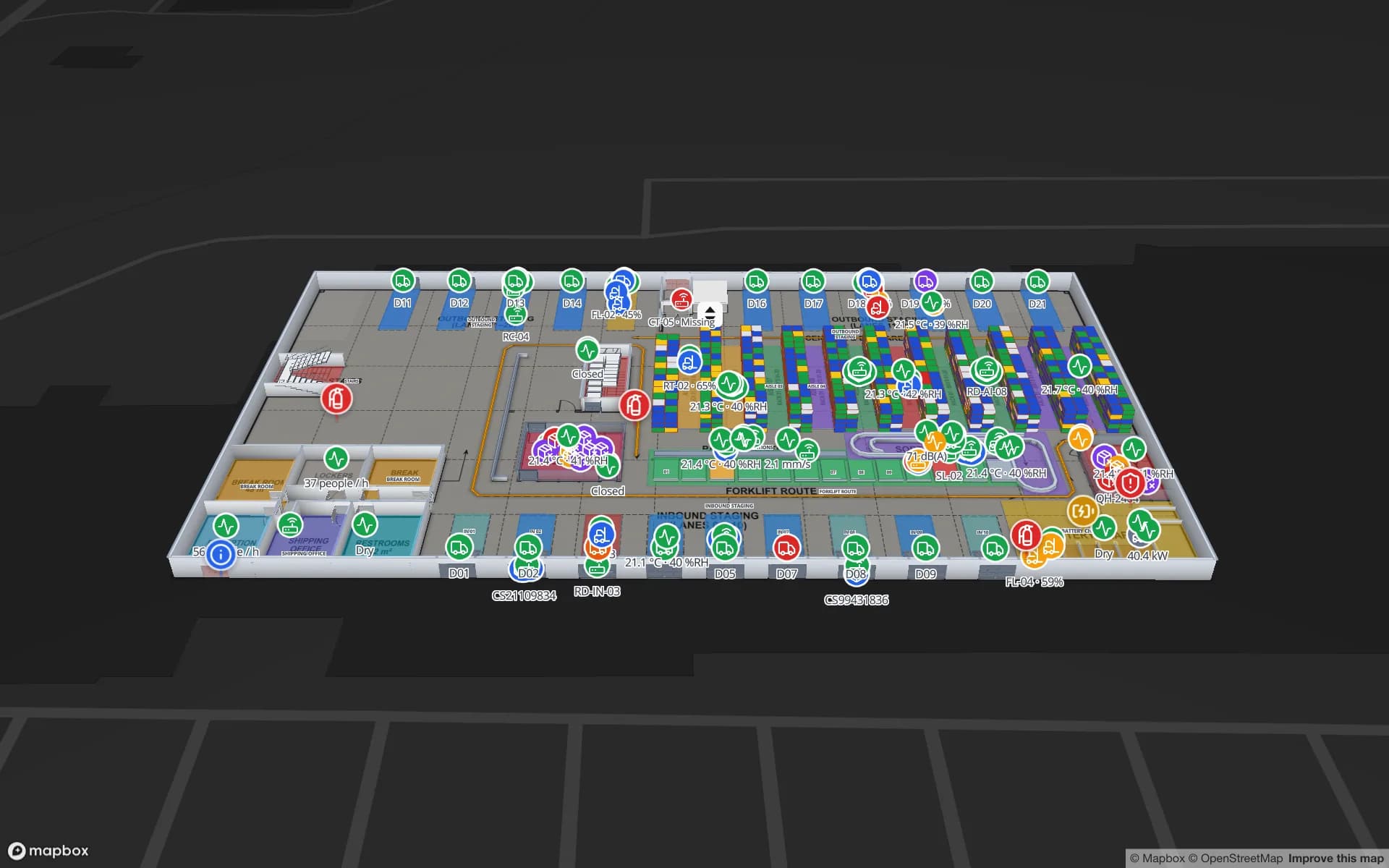
Summit Assembly Plant, a assembly plant demo, in the Spatial Map 3D viewer with live device markers
Summit Assembly Plant
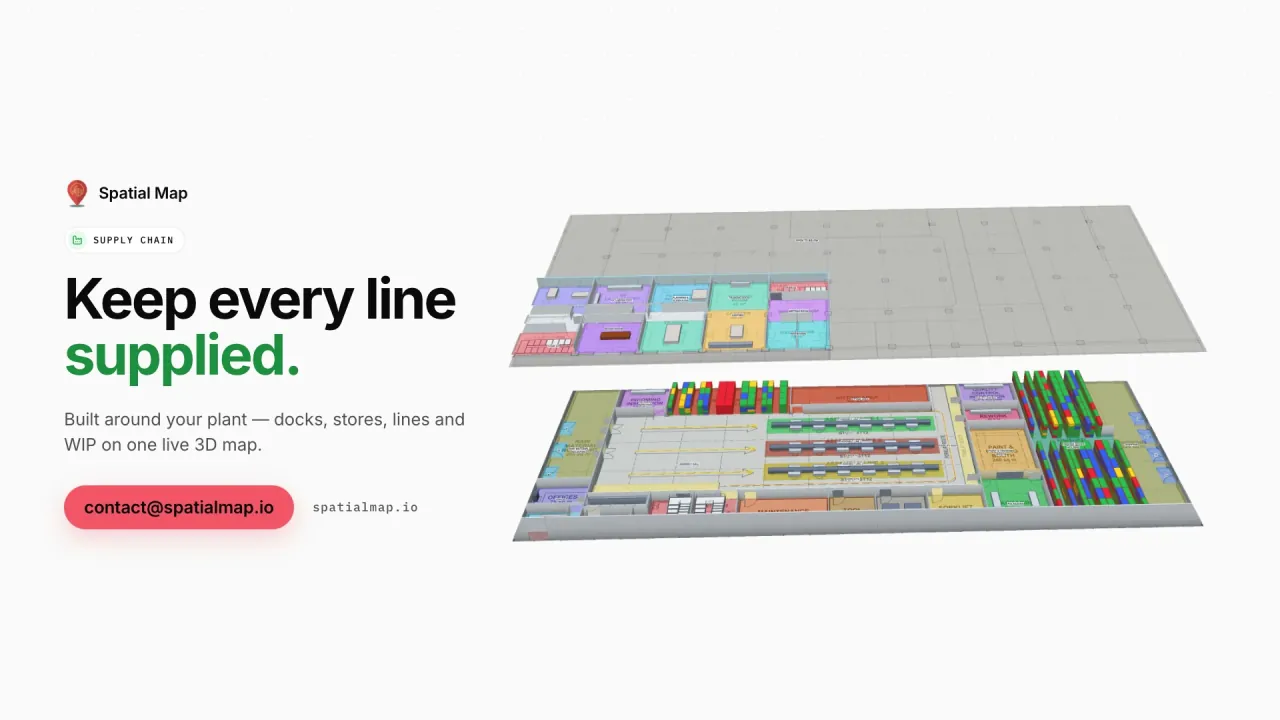
Summit Assembly Plant, a demo plant: production lines, work in progress and 867 raw-material and finished-goods rack locations, with the docks that feed them.
Rack locations in the Summit Assembly demo plant
867
RFID work-in-progress carriers at Summit
351
Software to install: it runs in any modern browser
0
Free trial, up to 5 facilities, no card
7 days

Garments, travel goods and footwear

The World Bank describes the garment, travel goods and footwear sector as the backbone of Cambodia’s formal employment: it directly employed more than one million workers in 2025, most of them women. The US government’s country commercial guide adds that the United States is Cambodia’s largest single-country export destination, taking about 38 percent of exports, mainly garments, footwear and travel goods, and that Cambodia sold USD 12.6 billion of goods to the United States in 2024.

A factory in that chain cuts, sews, finishes and packs against a buyer’s order, so the useful unit is the bundle, the carton and the order. Spatial Map draws the floor, the lines and the buffers between them, and colours them from your production or ERP data. A bundle or carton read at the end of a line moves on the map, and a store that is short of a trim shows before a line stops. The Summit Assembly demo shows the pattern with 867 raw-material and finished-goods locations and 351 RFID work-in-progress carriers.
Special economic zones

The Council for the Development of Cambodia reports, for the first half of 2024, 26 operating special economic zones with 745 investment projects and more than 180,000 employees. A zone is a landlord with many tenants: each tenant factory is its own building with its own stock, and the zone’s own warehouses and gates sit beside them.

Each tenant building can be its own facility in a workspace, and a zone operator or an integrator can show a read-only share link for one building without giving access to the rest. Links can carry an expiry date, a view cap and a choice of floors and layers. For one example, see Phnom Penh.

Ports, a new airport and the trade deals behind them

Sihanoukville Autonomous Port, on the Bay of Kampong Som, is Cambodia’s only deep-water port, and the river port at Phnom Penh sits where the Tonlé Sap meets the Mekong. Techo International Airport, on the outskirts of Phnom Penh in Kandal province, began operating on 9 September 2025, and all passenger and cargo flights moved there from the old airport that day. Cambodia belongs to ASEAN and RCEP, and has free trade agreements with China and South Korea (2022) and the United Arab Emirates (2024), the same guide notes.

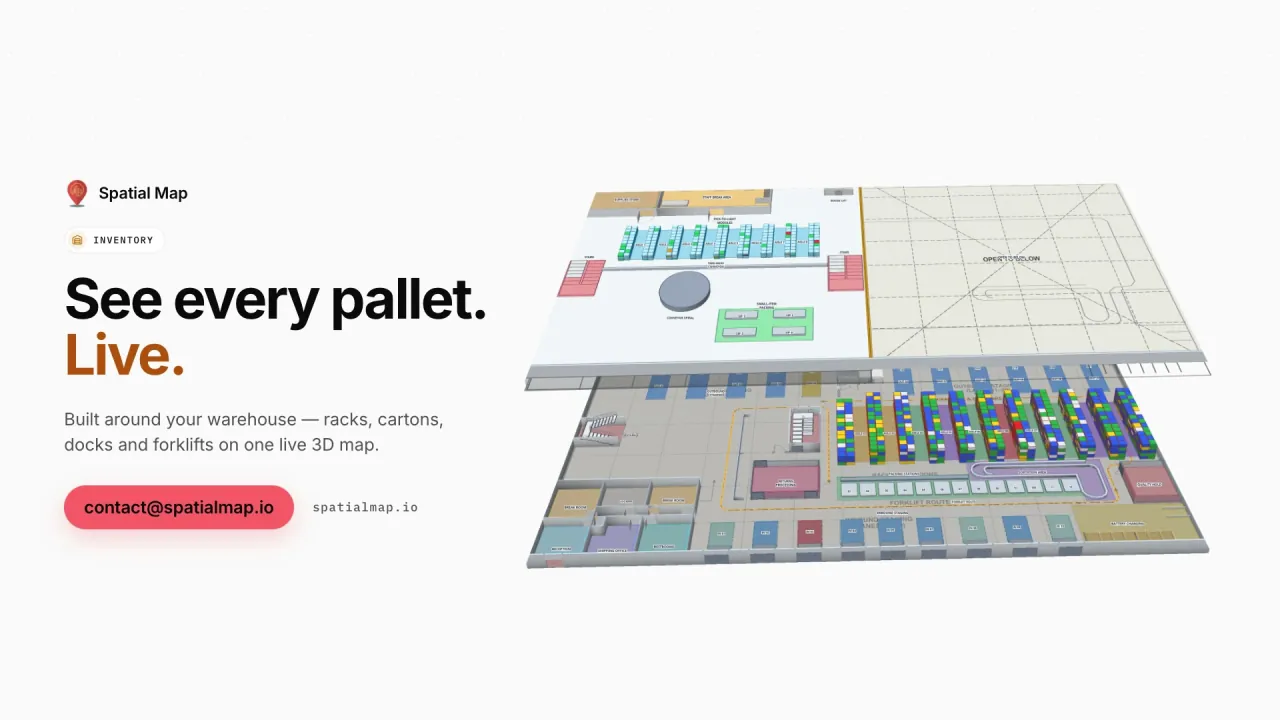
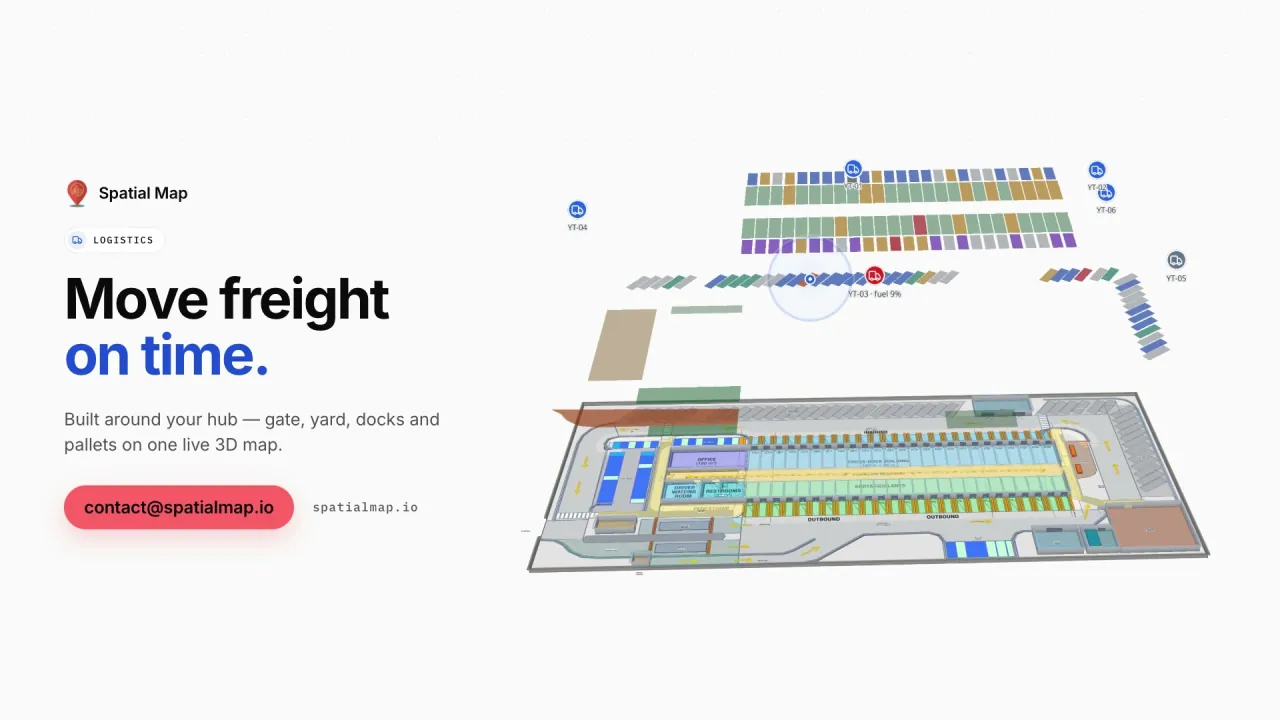
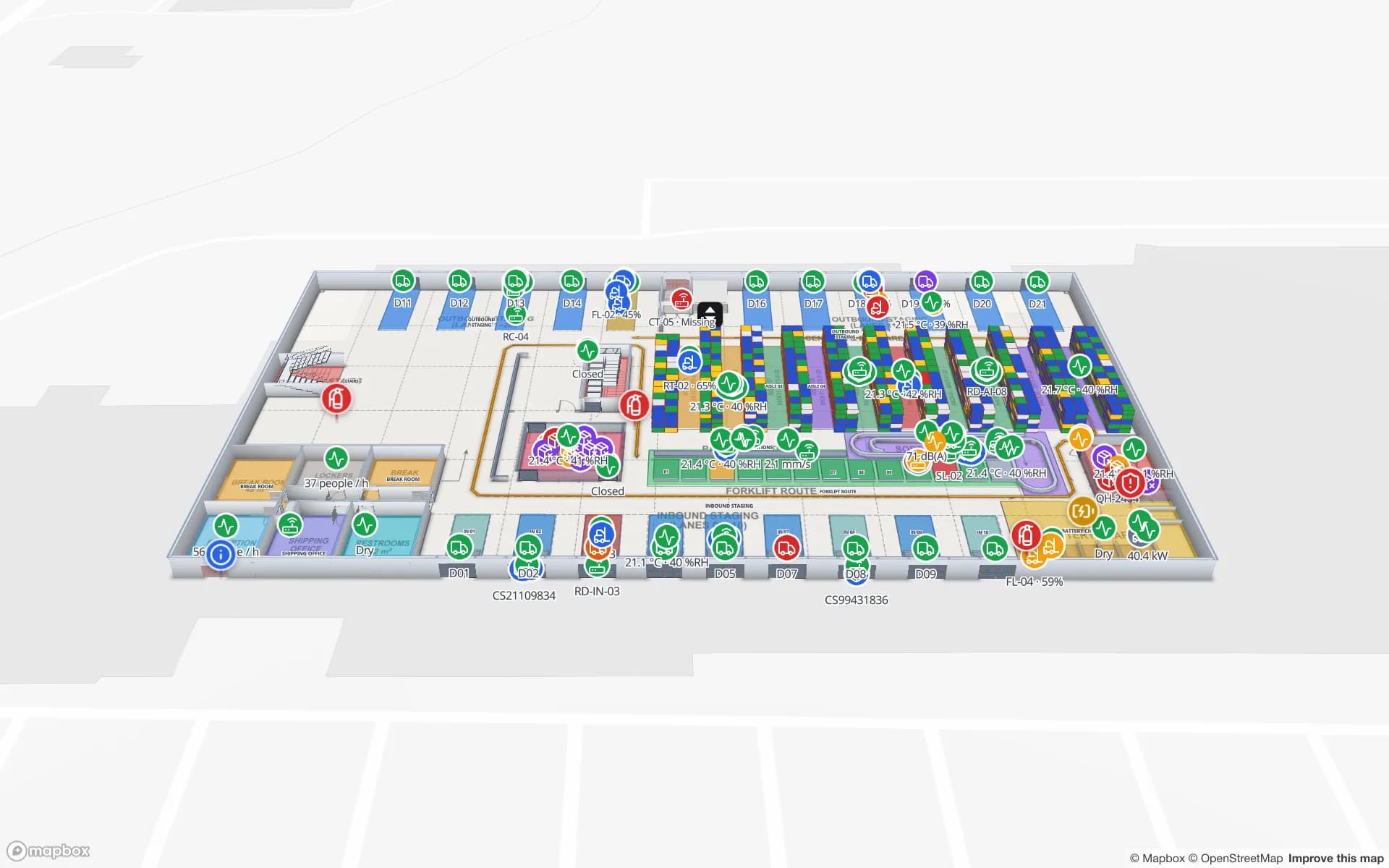
None of that runs through Spatial Map. Ports, airports and customs keep their own systems and records. What the map adds is the inside of your own sheds: staging lanes in front of the dock, containers waiting to be stuffed, cartons staged by destination. The Eastport demo shows 50 dock doors, 44 yard slots and 1,180 RFID pallets in one view.

Buyers ask questions, your records answer them

Brand buyers visit, audit and ask for order status. Spatial Map makes no compliance or audit claim and is not a quality system; your own records remain the record. What it can do is show a visitor, read-only, which cartons of an order are packed, staged and shipped, using links limited to the floors and layers you choose, and export reports to PDF or Excel. Tags on cartons, trolleys and stock identify no one; if a badge or tag can be tied to a worker, treat that as personal data and take legal advice before using it.

Language and working with us

The Spatial Map interface is in English, Arabic, Chinese, French, German and Spanish. There is no Khmer interface. Names, rack codes, room names and report titles you type, in Khmer or any other language, appear exactly as written. Spatial Map is sold online at the same USD price worldwide, and our team works with customers in Cambodia remotely, in English, by video call and through the contact form. A data processing agreement is available and the security page describes how data is protected.

Services for teams in Cambodia

Where Cambodian teams usually start:

  • Garment and footwear factories start with RFID tracking on cartons and bundles, or with barcodes first and RFID where it pays back.
  • Zone warehouses and freight sheds start with inventory tracking at the dock door.
  • Factories add asset tracking for sewing machines, cutting tables and forklifts.
  • If you have no readers or tags yet, our team can source RFID, BLE and UWB devices on request, quoted per project, with warranty and device support from the manufacturer: see hardware and demo kits on request.
  • Handheld apps, ERP and WMS links and other custom software are built as client projects; the product runs as cloud or on-premises.

Also served

Beyond Phnom Penh, the same approach covers Sihanoukville, Siem Reap, Battambang, Poipet, Bavet and Kampong Cham. None has a separate page; the product is the same everywhere because it runs in a browser and is sold online.

How Spatial Map does it

From floor plan to live map

  1. 01

    Import the plan

    A PDF, a DWG from AutoCAD R2004–R2018 or a scan of the factory, shed or store, placed at real size.

  2. 02

    Draw the building

    Lines, buffers, racks with locations, dock doors, stairs and lifts, and the stores beside them.

  3. 03

    Connect the data

    ERP, RFID middleware and scanners post rows to a table, or Spatial Map polls a REST endpoint.

  4. 04

    Share and alert

    Read-only links for visitors and managers, and in-app alerts for the team.

What teams in Cambodia map first

Garment lines and work in progress

Bundles and carts by line, with starved lines flagged.

Finished-goods cartons by order

Racks and staging lanes coloured by order status.

Zone and port-side freight sheds

Dock doors, yard slots and pallets staged before the container.

Sensitive stores

Humidity or temperature readings on the plan for fabric, food or pharma stores.

See it on real demo facilities

Fictional names, real floor plans, live sensors, RFID, BLE tags and gateways — open any of them in the browser.

All 13 demo facilities

Questions from teams in Cambodia

No. The app is in English, Arabic, Chinese, French, German and Spanish, and each user picks their own. Your own room names, rack codes and report titles can be in Khmer and appear exactly as typed.

No. Airports, ports and customs run their own systems and Spatial Map has no link to them. It shows what happens inside your own building, from your own RFID reads, scans, ERP and sensors.

Yes. A read-only share link can carry an expiry date and a view cap and can be limited to chosen floors and layers, so one building is shown without giving access to the rest of the workspace. Spatial Map makes no compliance or audit claim.

Yes. They can push rows to a table through the write API (HTTPS, bearer API key, bulk upsert, 60 requests per minute per key), or expose a REST endpoint that Spatial Map polls. CSV and Excel uploads work too.

No. Spatial Map is sold online and our team works with customers in Cambodia remotely, by video call and through the contact form. There are no local resellers or partners.

In US dollars, the same worldwide: a 7-day free trial for up to 5 facilities with no card, then Pro at $60 a month or $600 a year for up to 4 facilities. There is no riel price list. Hardware, if you ask us to source it, is quoted per project.

Map your first Cambodian factory or shed this week.

Start the free trial, or send us a floor plan and a sample of your carton, scan or sensor data through the contact form.