Doha · Lusail, Hamad Port and the airport

Asset tracking in Doha for venues, the port and the airport

Spatial Map shows where tagged equipment, crates, vehicles and crews are on a live 3D map of each building, using the reads and positions your RFID and BLE systems already produce. Asset tracking in Doha has a particular shape: a compact capital where stadiums, exhibition halls, towers, Hamad Port and Hamad International Airport share equipment and staff across a busy events calendar. All of those sites can sit in one workspace.

No credit card. Runs in the browser. Pro is $60/month for up to 4 facilities. Book a demo

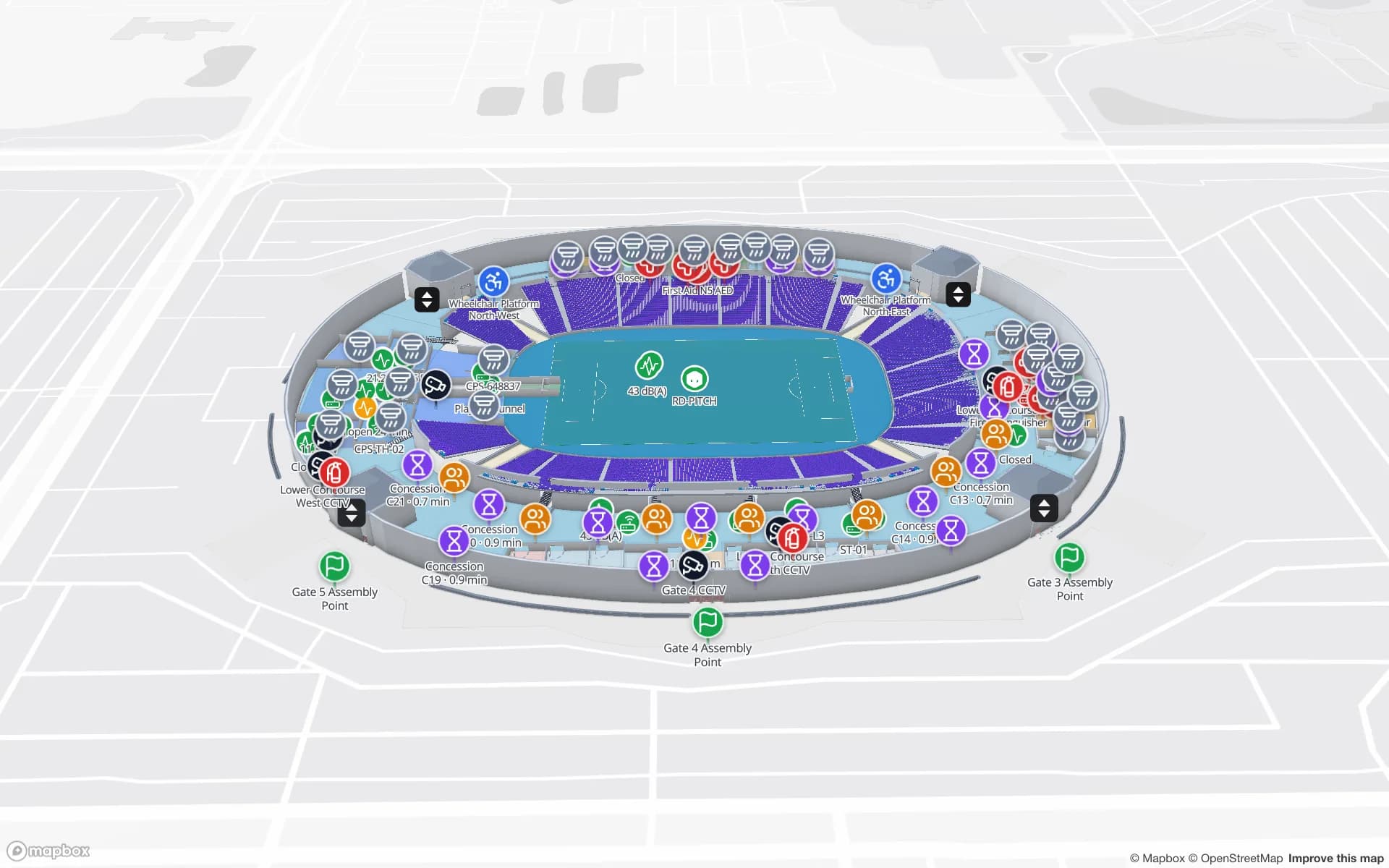
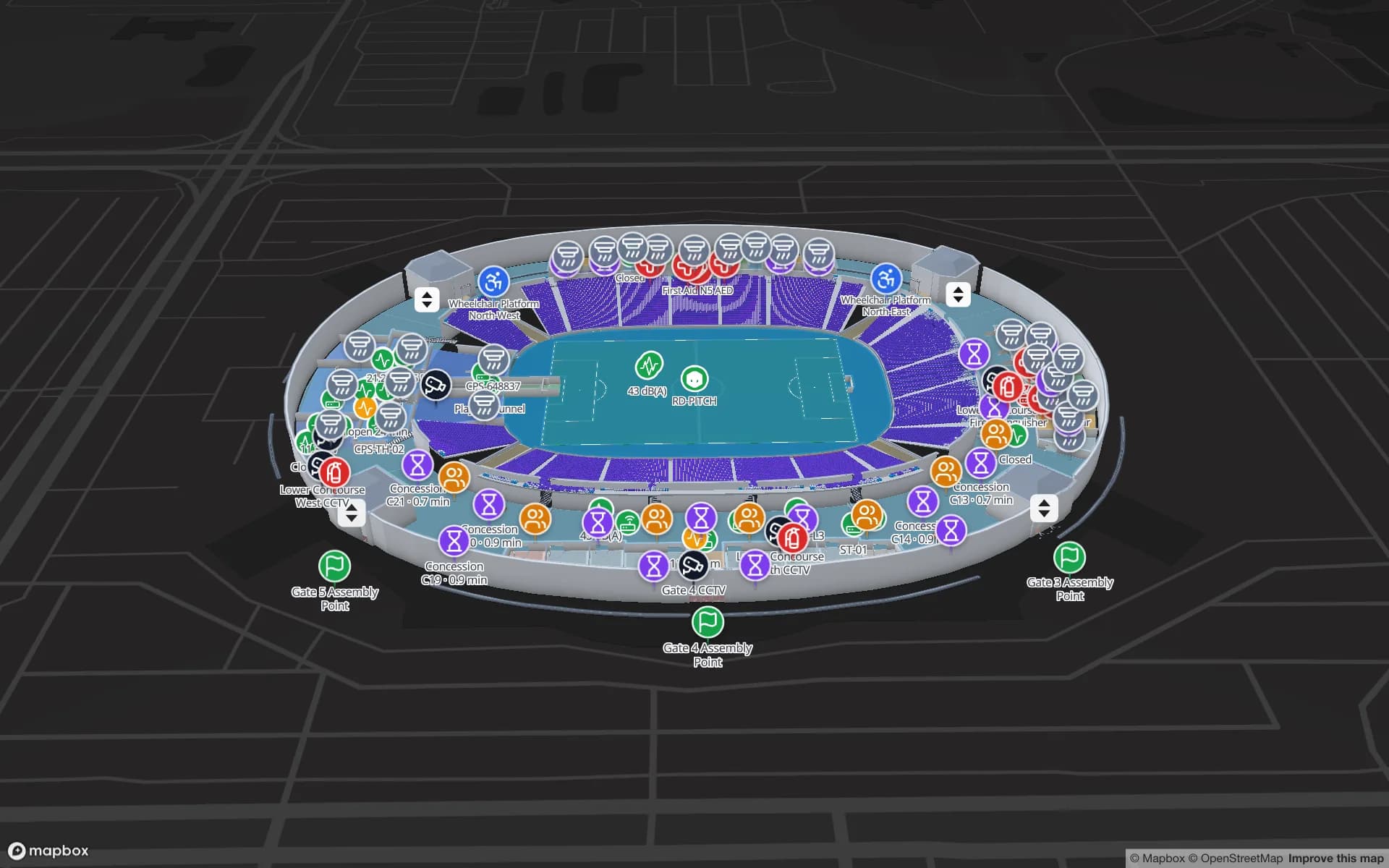
Crown Park Stadium, a stadium demo, in the Spatial Map 3D viewer with live device markers
Crown Park Stadium
Crown Park Stadium, a demo venue: kit crates tracked by RFID, staff and equipment located by concourse over BLE, next to gates and crowd counters.
Concourse levels in the Crown Park stadium demo
2
How often alert rules are checked, with alerts in the app
15 s
Facilities on Pro, all in one workspace
4
Arabic interface with full right-to-left layout
العربية

One equipment pool, many venues

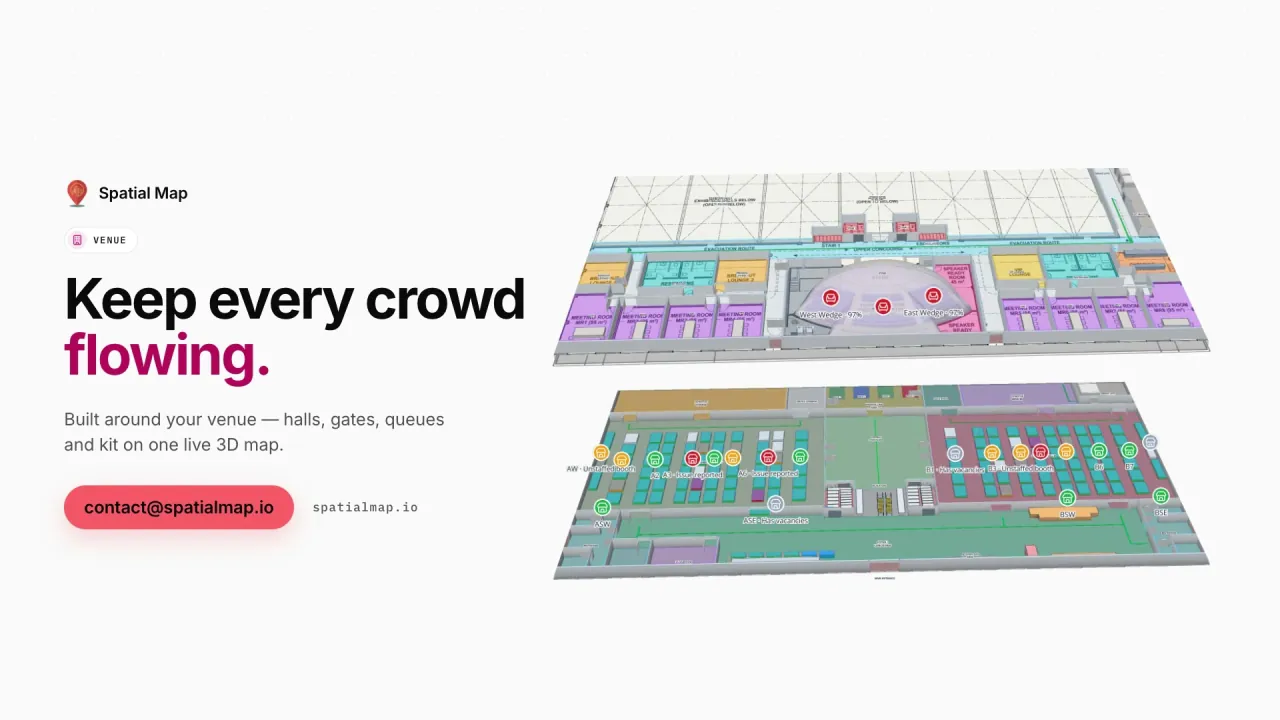
Doha’s 2022 World Cup stadiums keep hosting tournaments: the FIFA Arab Cup in December 2025 used six of them, with the final at Lusail Stadium, and Doha is due to host the 2030 Asian Games. A multi-venue tournament in a compact city means the same equipment works several venues in turn: barriers, AV kit, radios, medical carts and signage move from a central store to one stadium, then to the next.

Put the store and each venue in one solution, read tagged crates at each loading dock, and a report counts items per site. An alert rule that compares the number of matching items with a threshold raises an in-app alert when a venue is short of what it needs before gates open, and resolves itself once the missing crates are read in.
Lusail: maintenance assets in a new district

Lusail is a newly built district that combines a stadium, boulevards, towers, hotels and malls, with plans announced to convert parts of Lusail Stadium for community use. For a facilities contractor the assets that matter are the moving ones: cleaning machines, access platforms, maintenance carts and spares that are shared between buildings.

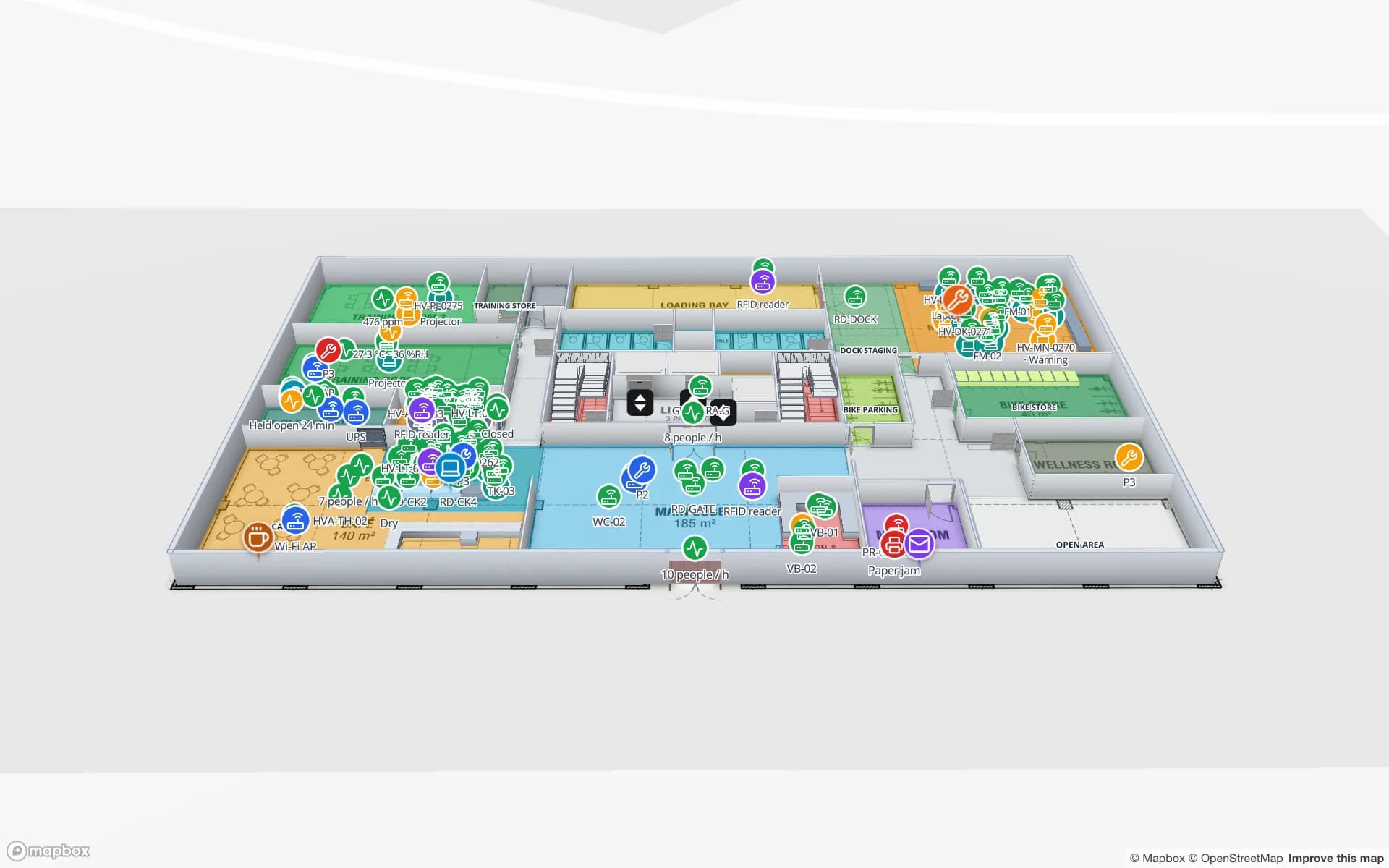
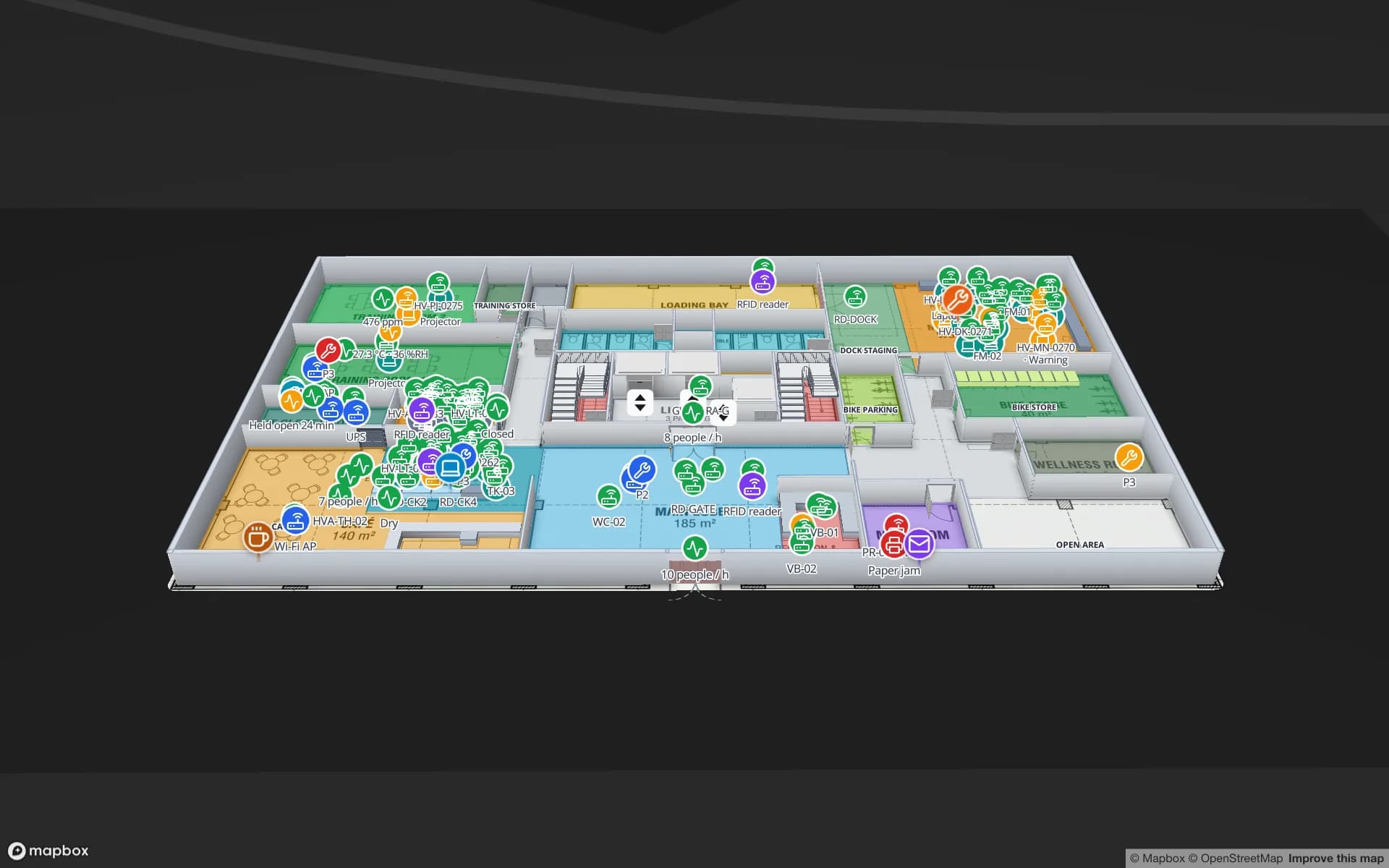
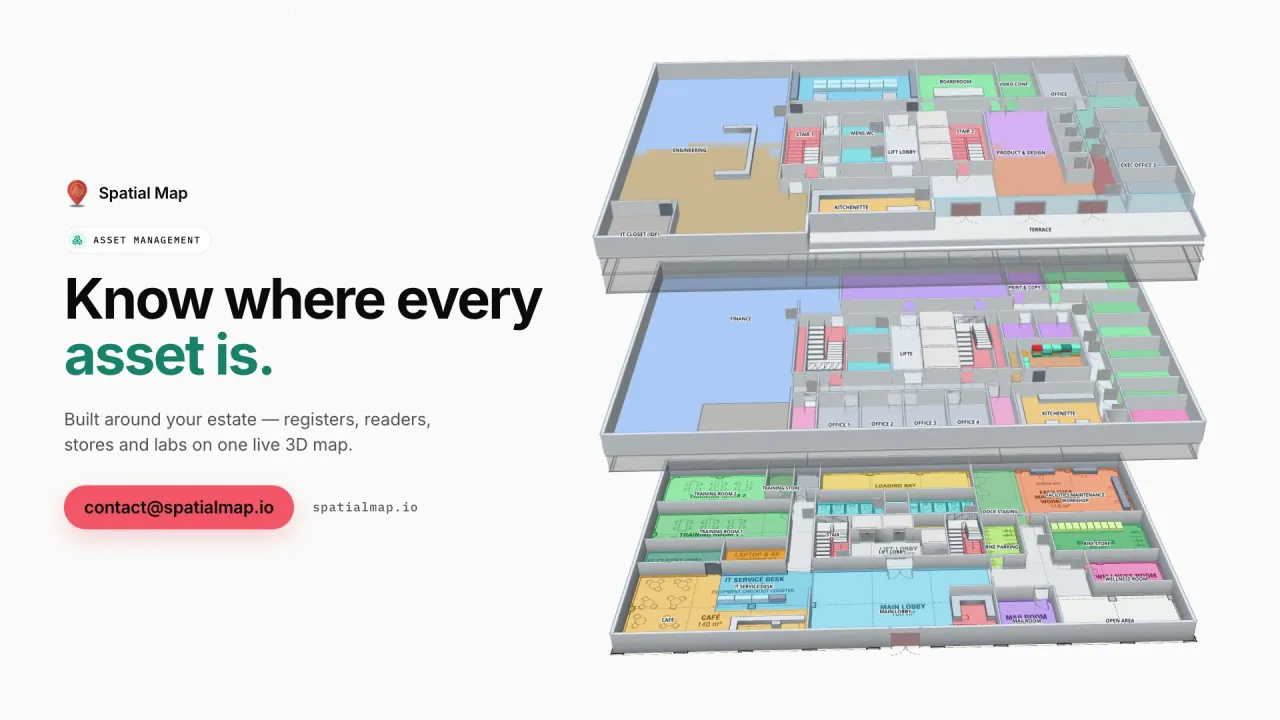
BLE tags on those assets, with gateways named after zones, let your gateway software report which zone each one is in; Spatial Map shows it on the right floor of the right building. A style rule colours idle or overdue items, and the Harborview demo shows the work-order and equipment-checkout side on three floors.

Hamad Port: forklifts, tractors and packaging

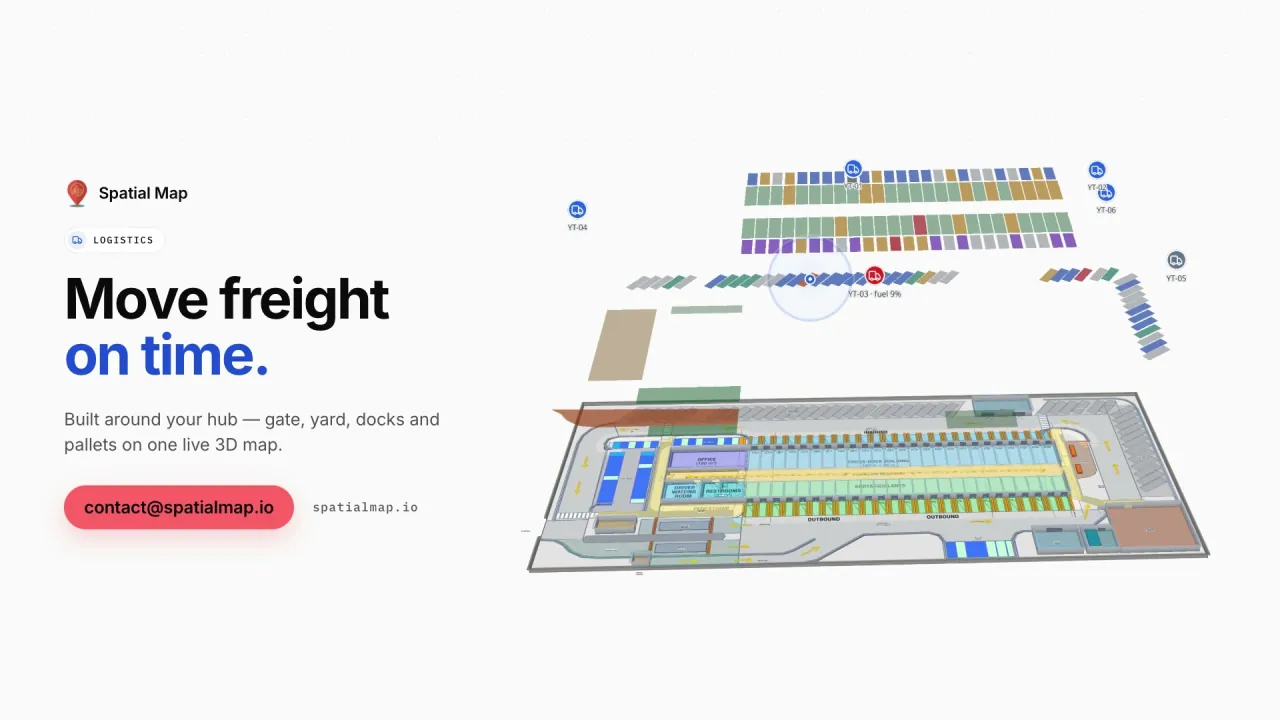
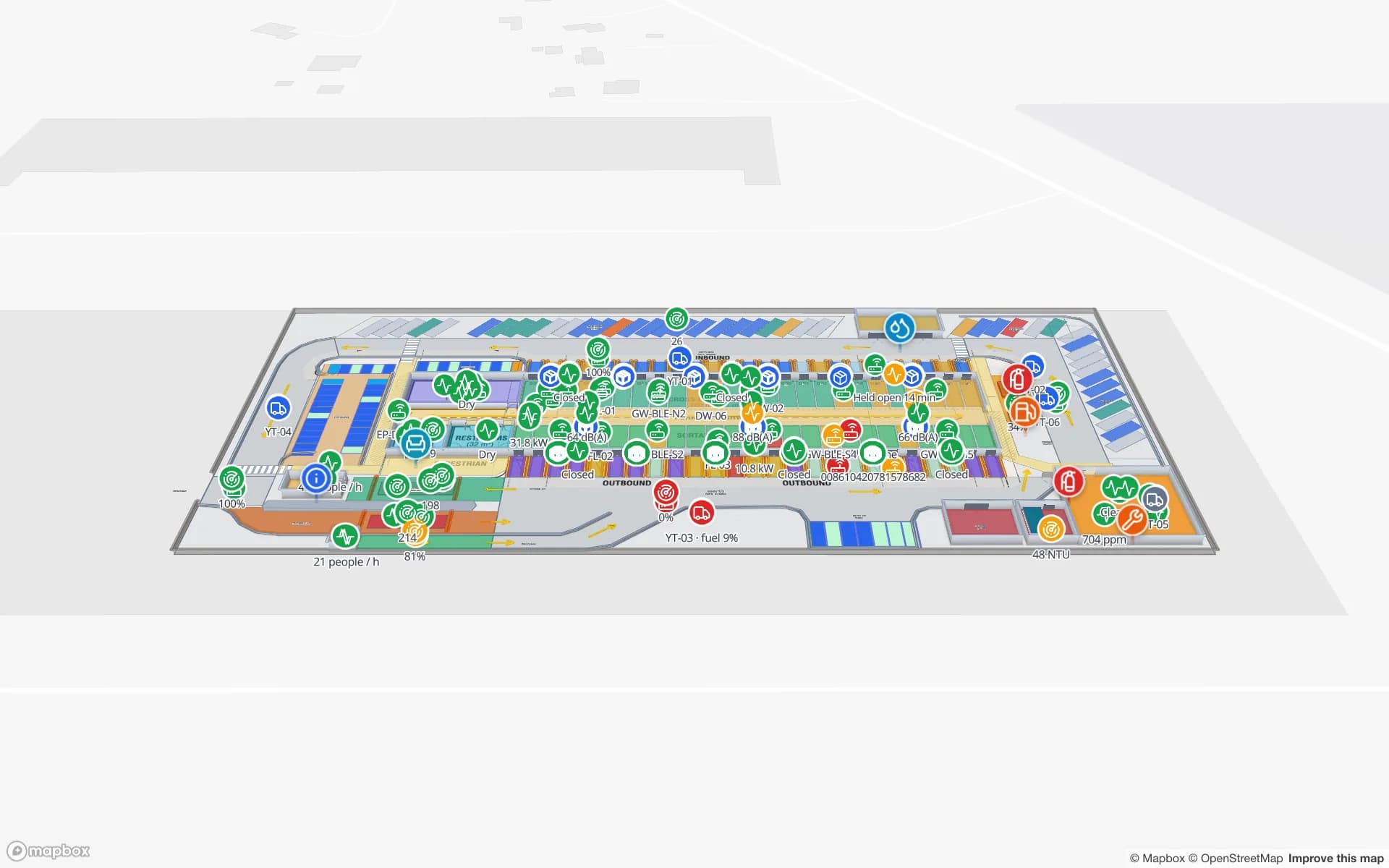
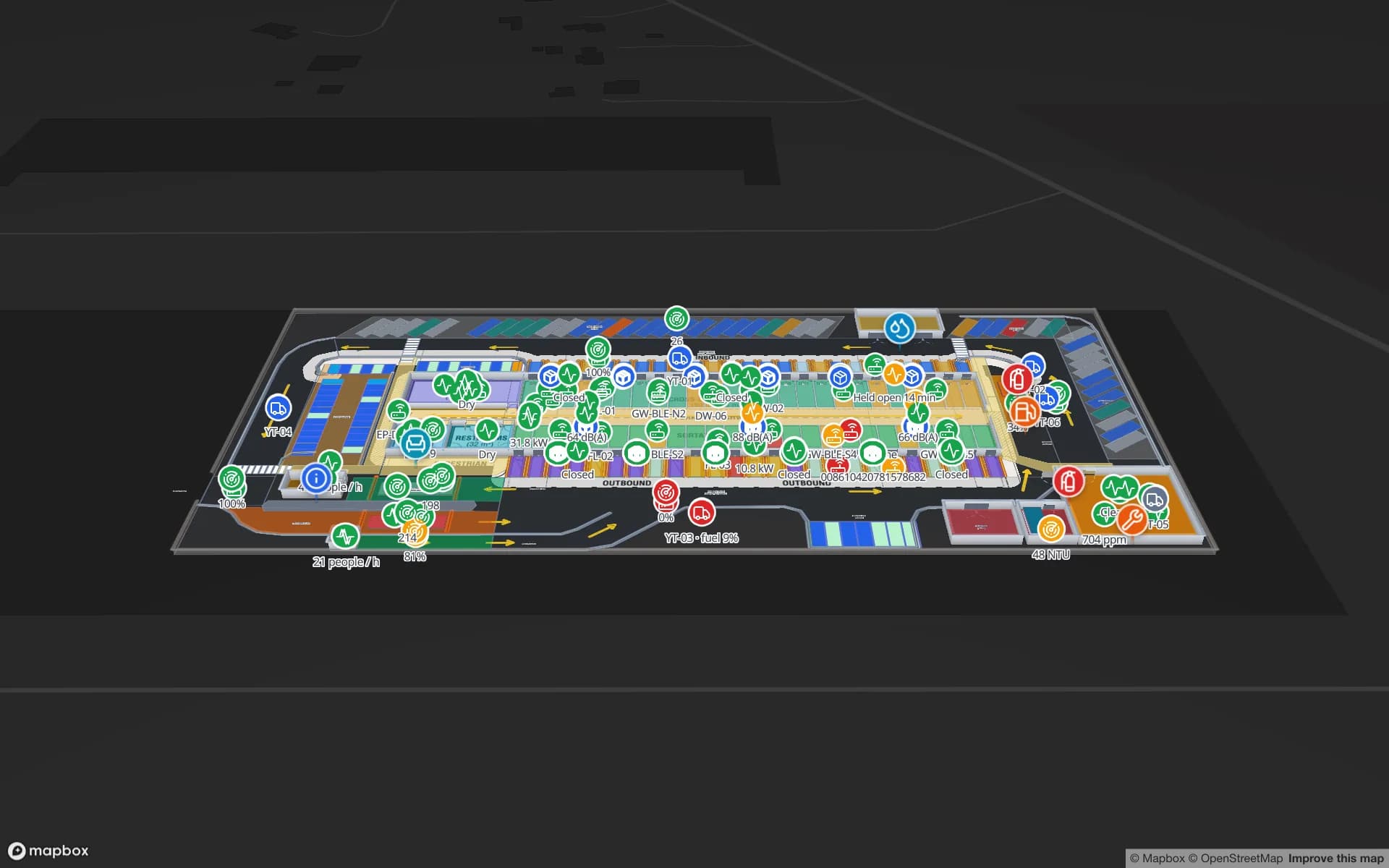
Around Hamad Port and the Umm Alhoul free zone beside it, warehouses and cross-docks run fleets of forklifts and yard tractors and pools of returnable pallets and racks. Positions from your RTLS or telematics posted to a table place each vehicle on the site map; RFID reads at doors place the packaging.

Shown as a heatmap, forklift positions reveal where traffic bunches up, with heat that stops at walls and closed doors. The Eastport demo shows yard tractors, dock doors and pallets on one site. Spatial Map does not calculate positions itself; it shows the ones your system sends.

Hamad International Airport: equipment that serves passengers

In a terminal the size of Hamad International’s, assistance teams look after wheelchairs, buggies and loan equipment spread across piers and levels. Tags report a last-seen zone, and a status field from your system (available, in use, out of service) colours each item.

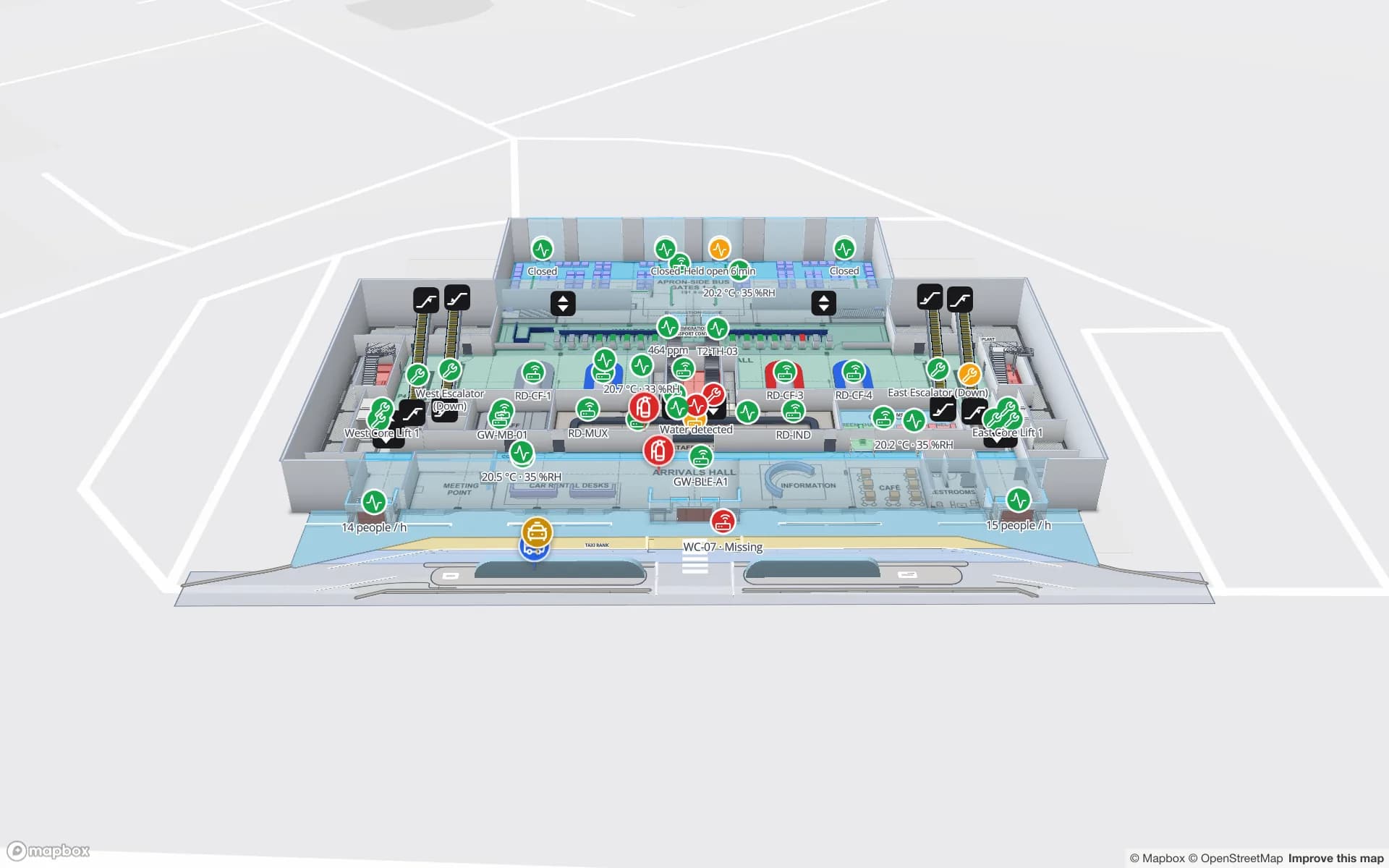
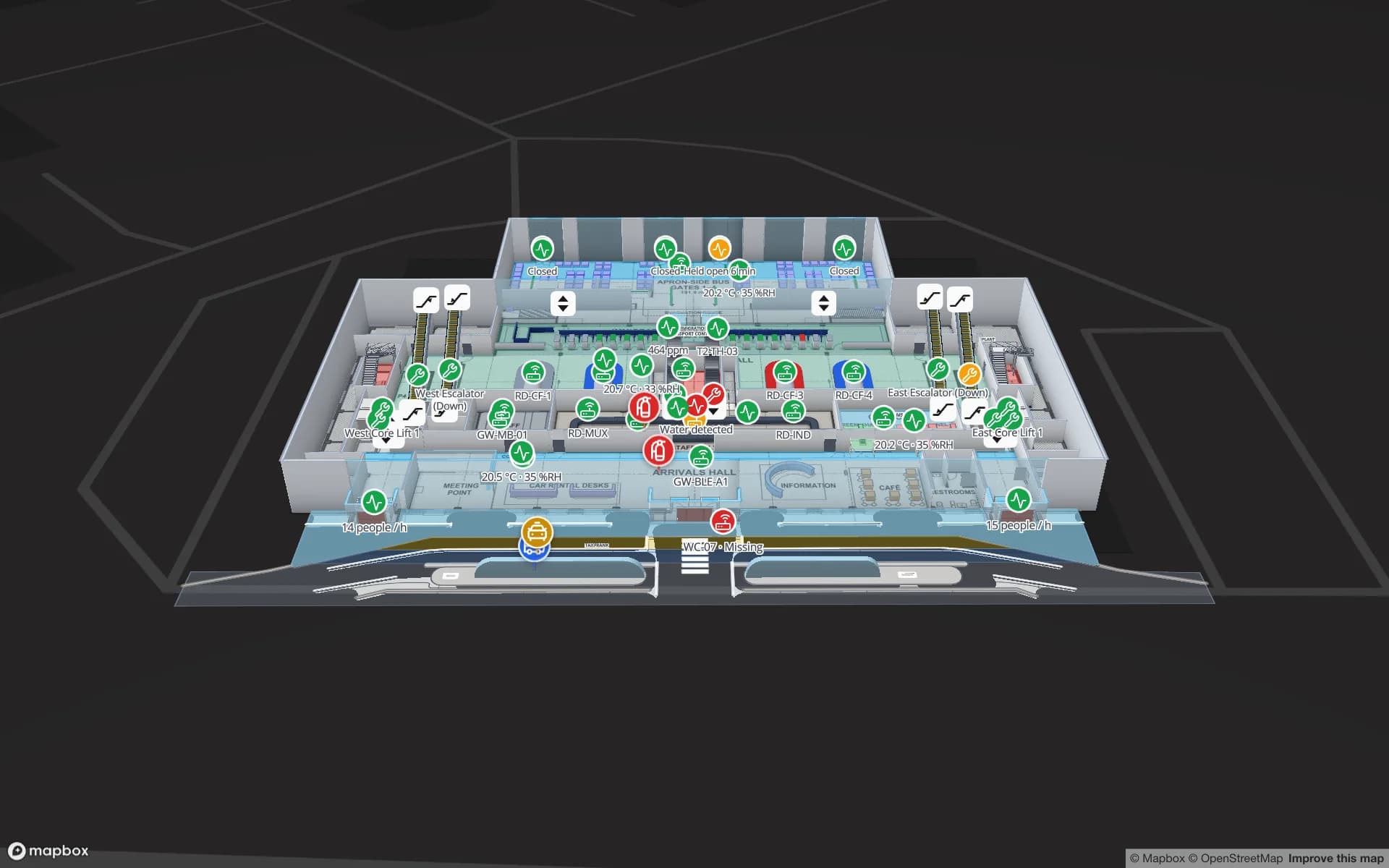
Two rules make the difference: “not updated for N minutes” flags a tag whose battery has died or that has left coverage, and a count rule warns when a pier has too few available chairs. With Ask AI (beta), a duty manager can ask “how many available wheelchairs are on the departures level?” and get a read-only answer with links to the map. The Silverbay demo shows the terminal pattern.

How Spatial Map does it

Setting up asset tracking across Doha sites

  1. 01

    Load the asset register

    Upload a CSV or Excel list of assets with tag IDs, owners and home sites as a table.

  2. 02

    Map the store and each venue

    Import every building’s plan, align it, and name zones the way your gateways and readers name them.

  3. 03

    Connect reads and positions

    RFID middleware and BLE gateway software post rows through the write API or a polled REST endpoint.

  4. 04

    Add count and silence rules

    Alerts for venues below their kit count and for tags that stop reporting, shown in the app.

Where Doha teams track assets

Tournament equipment pools

Crates and kit counted by store and venue, shortfalls raised before gates open.

Port-side fleets and packaging

Forklifts, yard tractors and returnable pallets on the site map, traffic as a heatmap.

Terminal passenger equipment

Wheelchairs and loan equipment by pier and level, coloured by status.

See it on real demo facilities

Fictional names, real floor plans, live sensors, RFID, BLE tags and gateways — open any of them in the browser.

All 13 demo facilities

Asset tracking in Doha — questions we get

Yes. With the store and venues in one solution and crates read at each dock, a report counts items per site, and an alert rule raises an in-app alert when a venue is below its threshold. It resolves itself when the count is back to normal.

Often both. Passive RFID suits many crates read at doors and docks; BLE suits fewer, valuable items you want to find between reads, such as carts and medical equipment. Spatial Map shows either, as long as your system sends a tag ID with a read point, zone or position.

The map keeps showing its last reported zone. An alert rule set to “not updated for N minutes” flags it in the app, and the device reports show which tags and gateways have gone quiet.

Yes, with Ask AI (beta): questions about the open facility, answered from its tables with links that show the items on the map. It is read-only, masks personal values before the model sees them and has a monthly question limit per workspace.

No. Spatial Map runs in the browser and is sold online; our team works with Qatari customers remotely, in Arabic or English, through video calls and the contact form.

In US dollars, the same worldwide: a 7-day free trial for up to 5 facilities, then Pro at $60 a month or $600 a year for up to 4 facilities. Estates with more venues are quoted as custom services.

Track one equipment pool across your Doha venues.

Start the free trial and open the Crown Park and Eastport demos, or send us your asset list and venue plans through the contact form.