Qatar · RFID tracking

RFID tracking in Qatar for port warehouses, air cargo and food reserves

Qatar brings in most of its food, building materials and consumer goods by sea and air, through Hamad Port and Hamad International Airport, and keeps strategic stocks of staple foods on hand. RFID tells you which pallet passed which door. Spatial Map puts those reads on a 3D map of the free-zone warehouse, the cargo shed or the cold store, so the people running Qatar’s supply lines see stock where it physically is — in Arabic or English.

No credit card. Runs in the browser. Pro is $60/month for up to 4 facilities. Book a demo

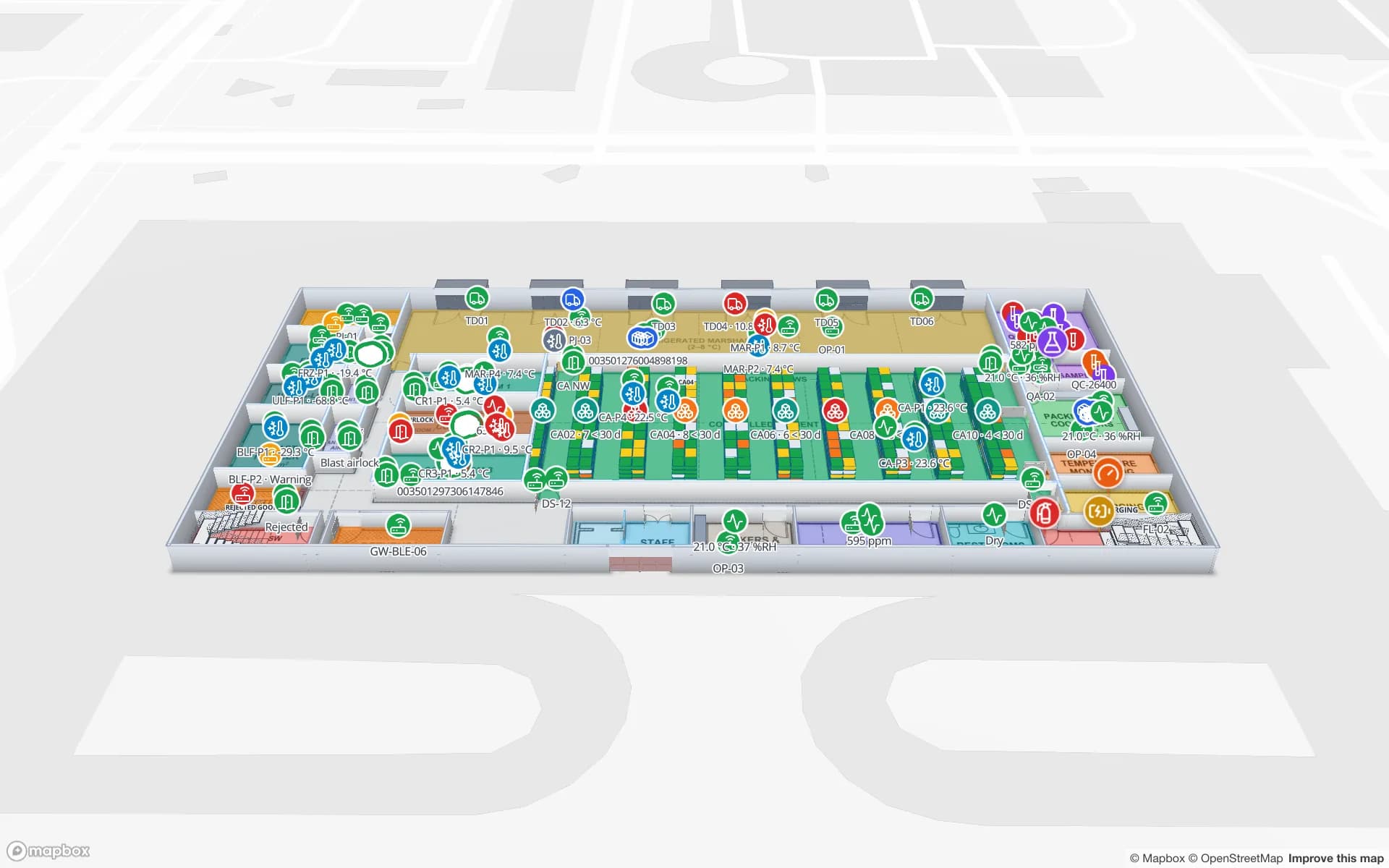
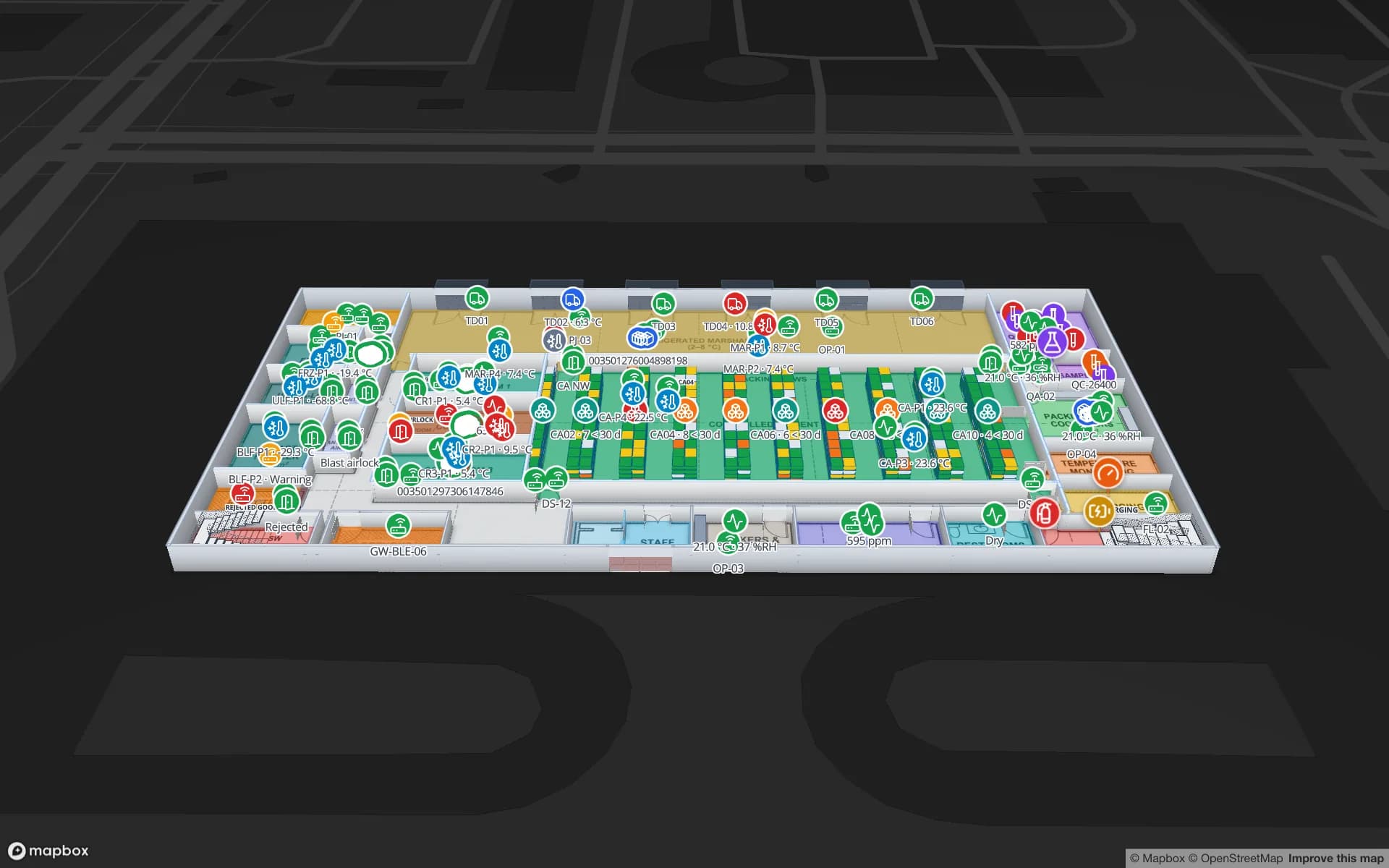
Polar Pharma — Cold Storage & QC Facility, a pharmaceutical cold store & qc lab demo, in the Spatial Map 3D viewer with live device markers
Polar Pharma — Cold Storage & QC Facility
Polar Pharma, a demo cold store: tagged pallets placed in the cold room or freezer where they were last read, with every room tinted by its probes.
Rack locations across cold rooms in the Polar Pharma demo
1,140
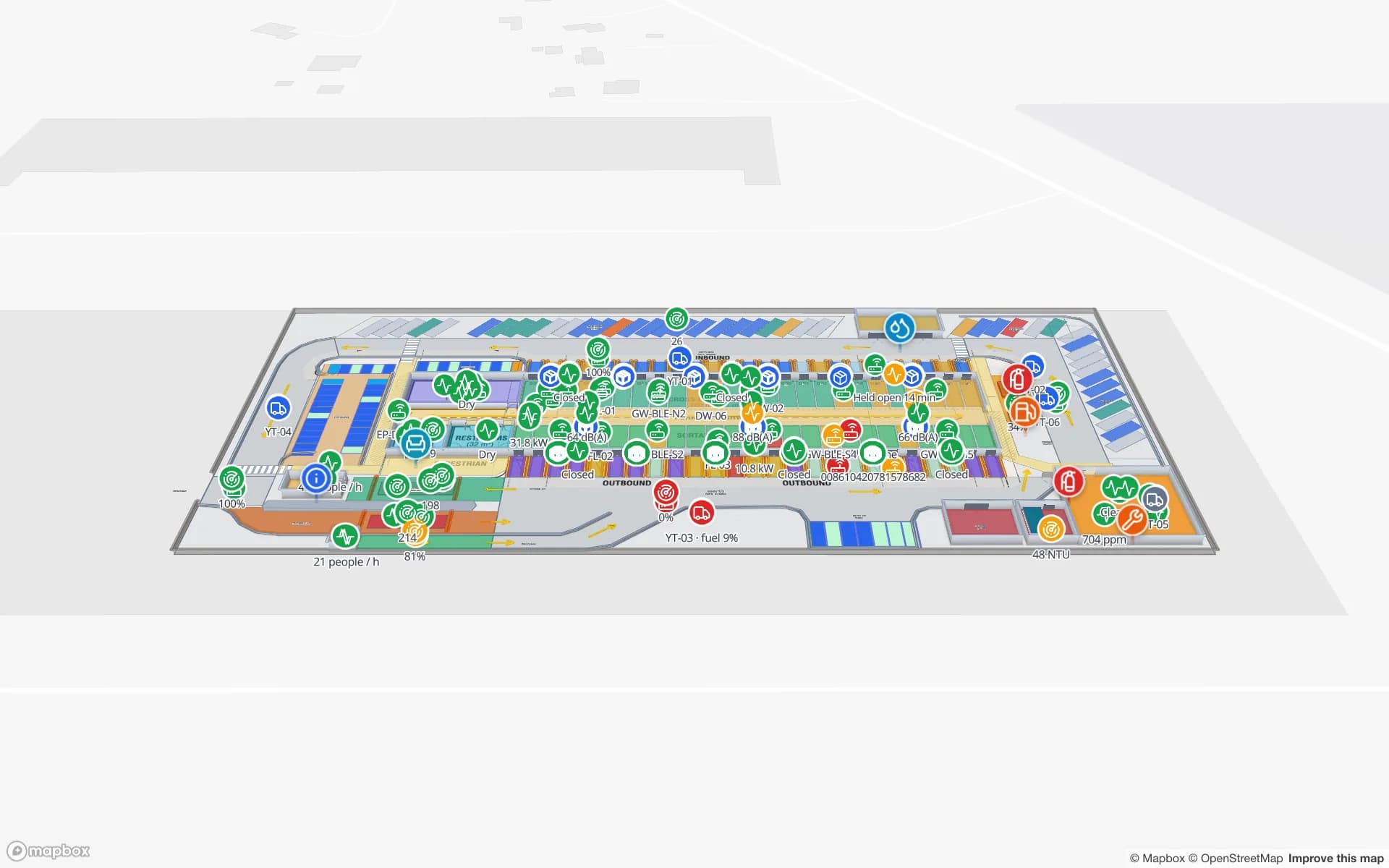
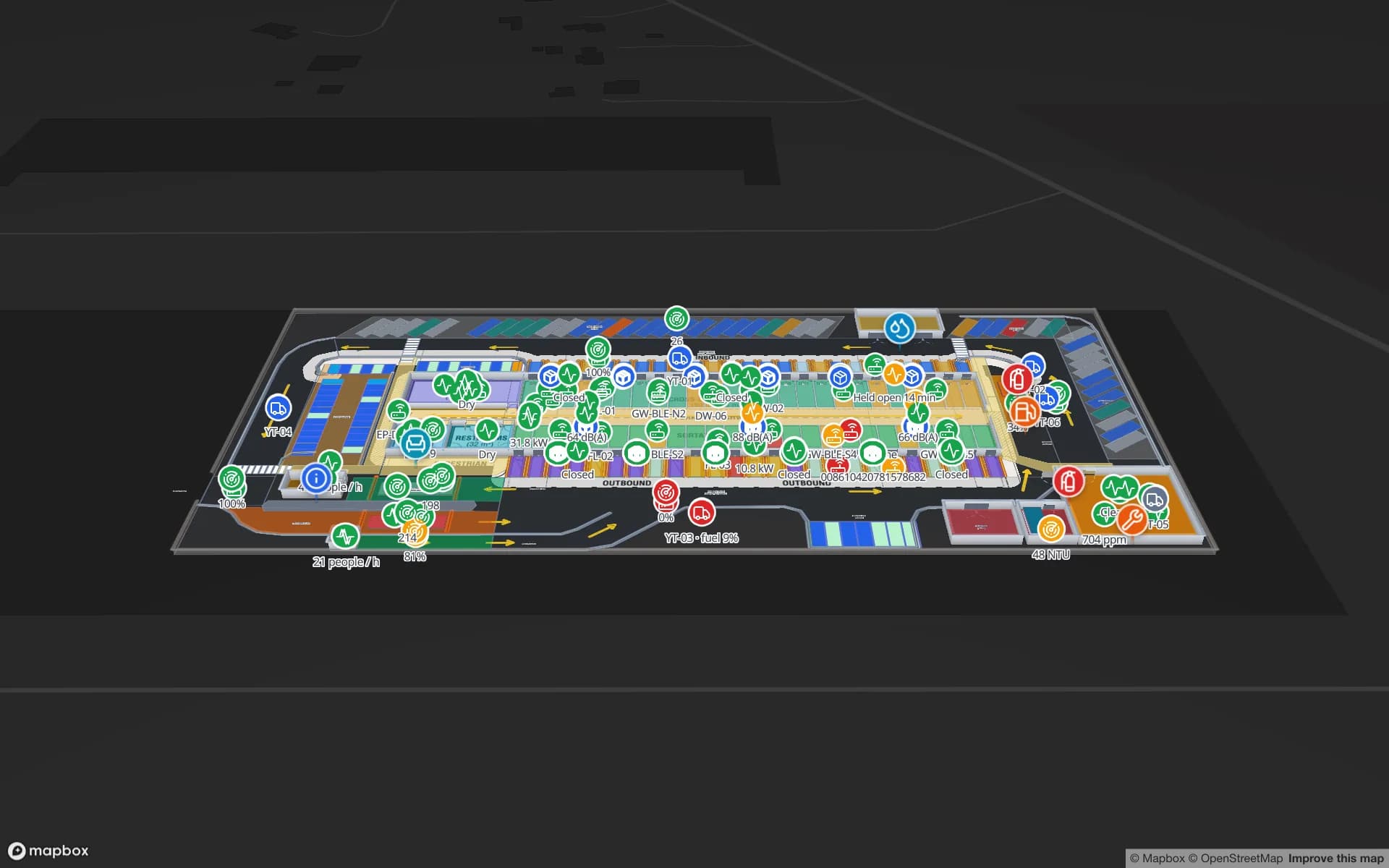
RFID pallets in the Eastport cross-dock demo
1,180
RFID readers across the three-floor Retail Mart demo
85
Free trial, up to 5 facilities, no credit card
7 days

Supply lines that start at the quay and the runway

Hamad Port, south of Doha, is Qatar’s main gateway for containers and general cargo, and the Qatar Free Zones — Ras Bufontas beside the airport and Umm Alhoul beside the port — were set up so logistics, distribution and light-manufacturing businesses could operate right next to them. Hamad International Airport is both a large transfer hub and a major air-cargo gateway. Behind all three sits a long-standing national focus on food security, which keeps importers, distributors and storage operators watching what is in their cold rooms and how long it has been there.

The general explanation of tags, readers and middleware is on our RFID page. Here we cover the Qatari settings where reads on a map pay off: port-side and free-zone warehouses, air cargo, food reserves, Doha retail and the equipment pools behind big events.
Destuffing at Hamad Port and the free zones

A container from Hamad Port is emptied in a few hours and its contents scatter: some pallets to racks, some to a re-pack area, some straight back out. Portals at the receiving doors and the re-pack area read each tagged pallet. If your middleware carries the container number or shipment reference in each row, a style rule colours every pallet from one container the same way, and the map shows at a glance which have reached a rack and which are still on the floor.

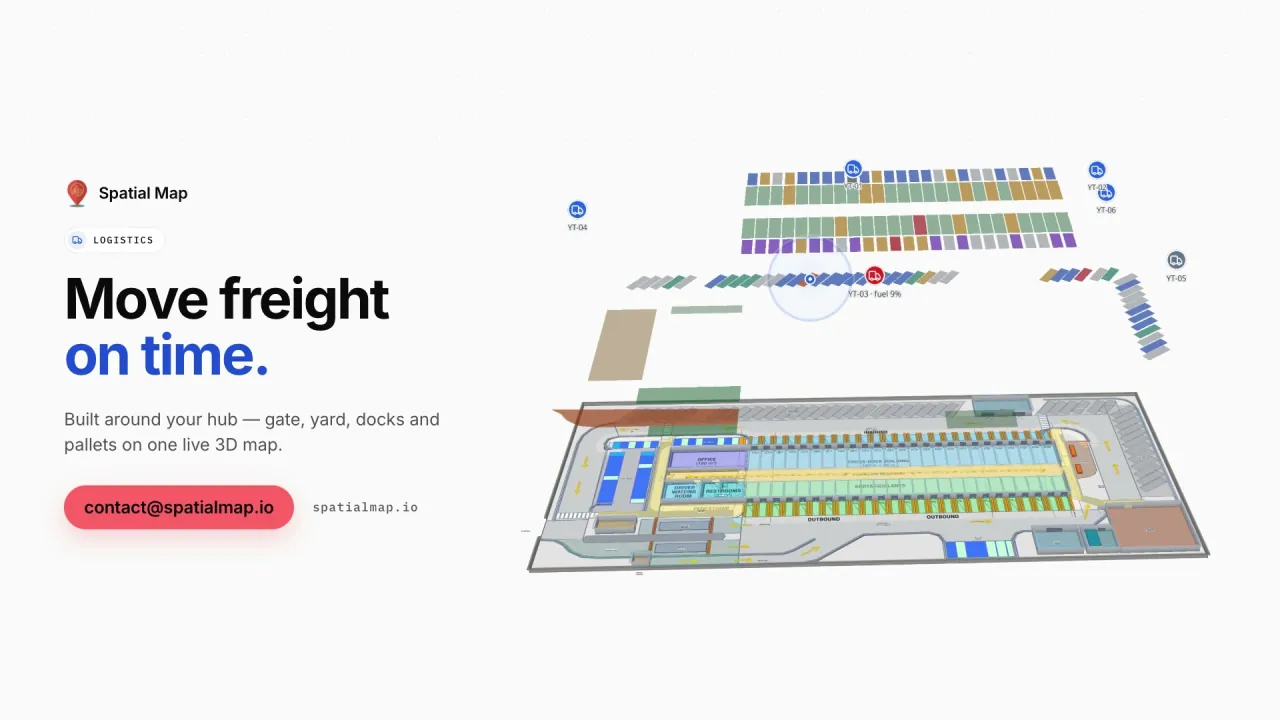
For a free-zone operator serving several clients, each client’s stock can sit in its own table and be shared through a read-only link limited to its layers. Spatial Map does not connect to customs or port systems; it shows what your reads and your WMS say is in the building. The Eastport demo shows the dock side of this, with 50 dock doors and 1,180 RFID-tagged pallets.

Air cargo around Hamad International Airport

Cargo terminals and forwarders’ sheds near the airport handle shipments that are short on time and often sensitive to temperature: fresh food flown in, pharmaceuticals, e-commerce parcels. Readers at acceptance doors, build-up and break-down areas and cool rooms record where each tagged pallet was last seen, and the map makes that visible to the duty manager without running a query.

Spatial Map sits beside your cargo management system rather than replacing it, and it does not follow flights or anything outside your buildings. It shows the shed: which zone a shipment is in, how long it has been there and whether its cool room is in range. Every change to a table row is kept, so a data link set to Historical movement can replay how a shipment moved during a shift.

Strategic food stocks and the import cold chain

Food security has been a national priority in Qatar for years, with strategic reserves of staple goods, expanding local production of dairy and vegetables, and a large, steady flow of chilled and frozen imports. For distributors and storage operators that means two questions at once: where is each pallet, and has its room stayed in range? Tagged pallets read at cold-room doors answer the first; temperature probes posting readings to a table answer the second; Spatial Map shows both on the same floor plan.

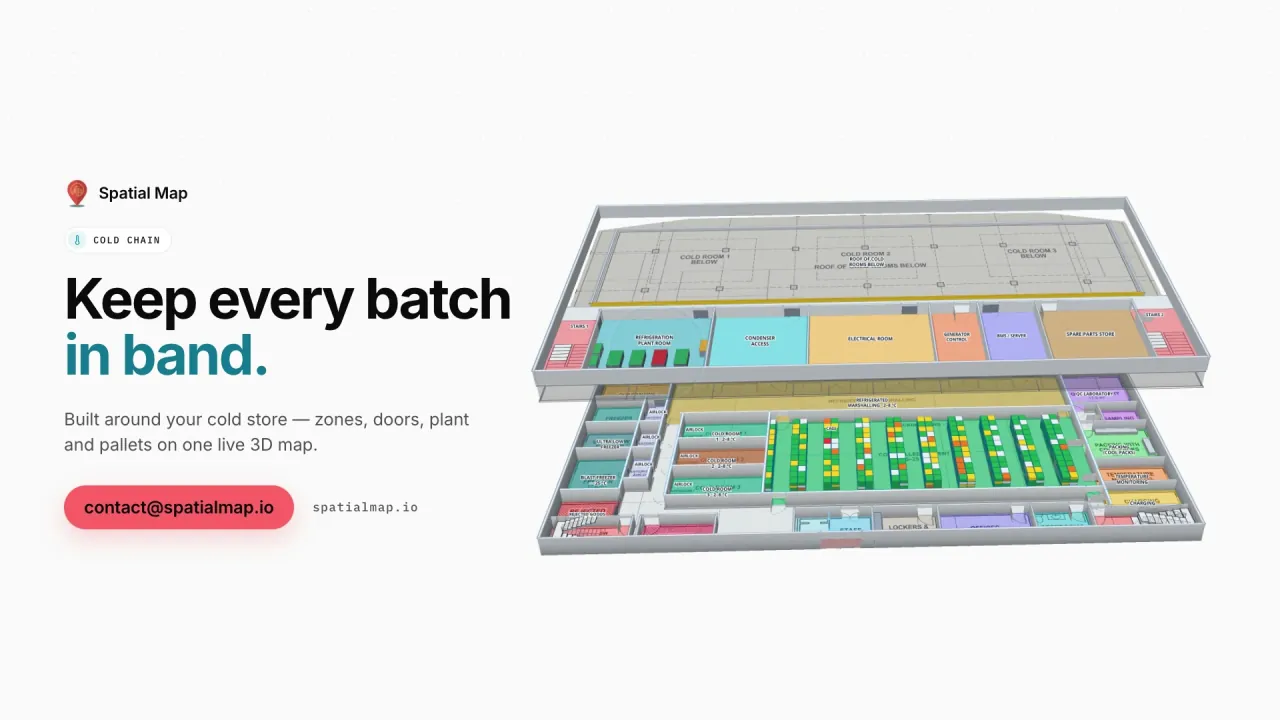
An expiry or received-date field lets a style rule colour pallets by age, so stock that should be rotated first stands out in the rack. The Polar Pharma demo is a pharmaceutical cold store, but its pattern — 1,140 rack locations across cold rooms, freezers and ambient storage, door sensors and stock on hold — is the one a food reserve would use. Your HACCP and food-safety procedures remain the record; the map and exported reports make the evidence quicker to find.

Doha retail: stock and exits across floors

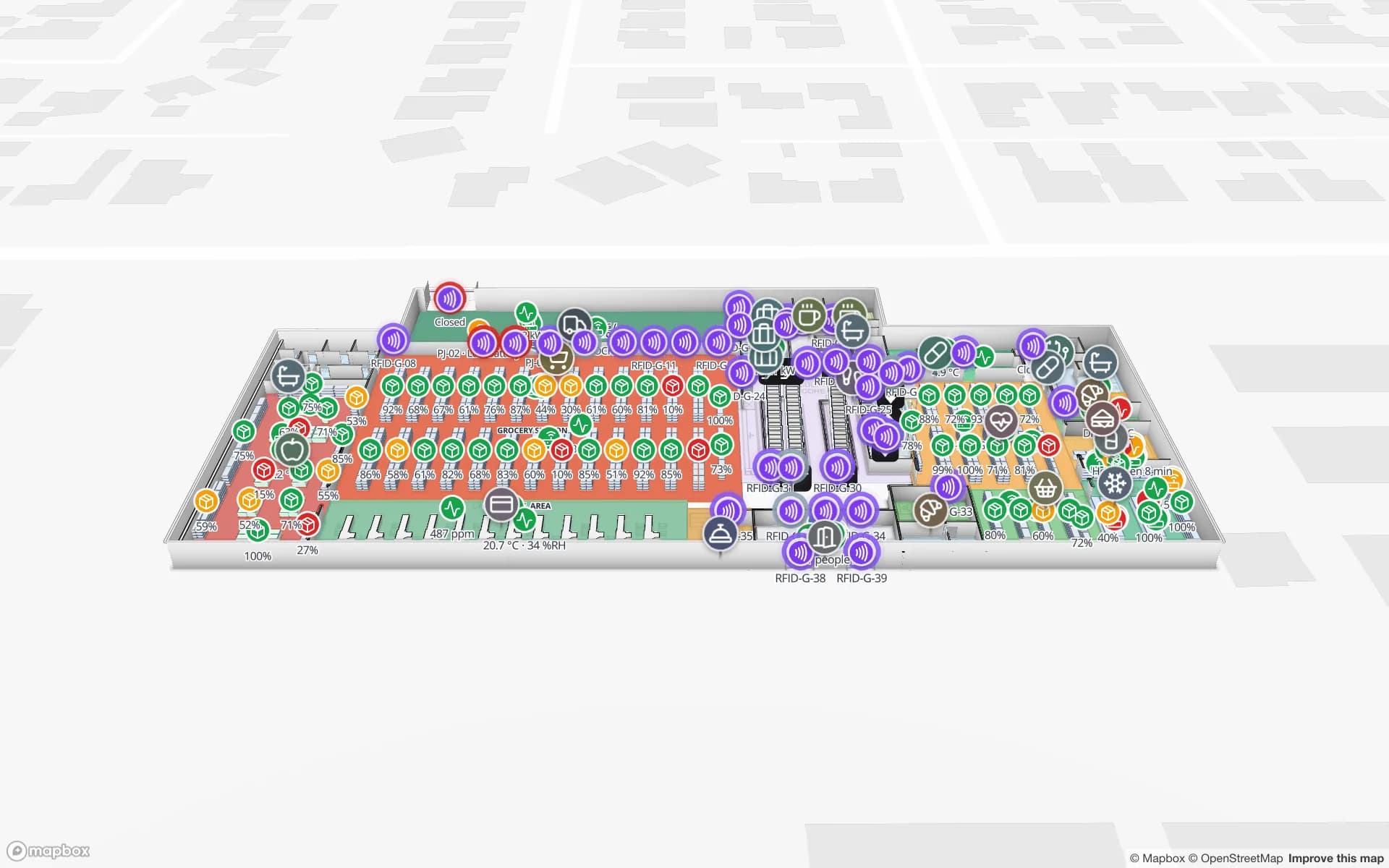
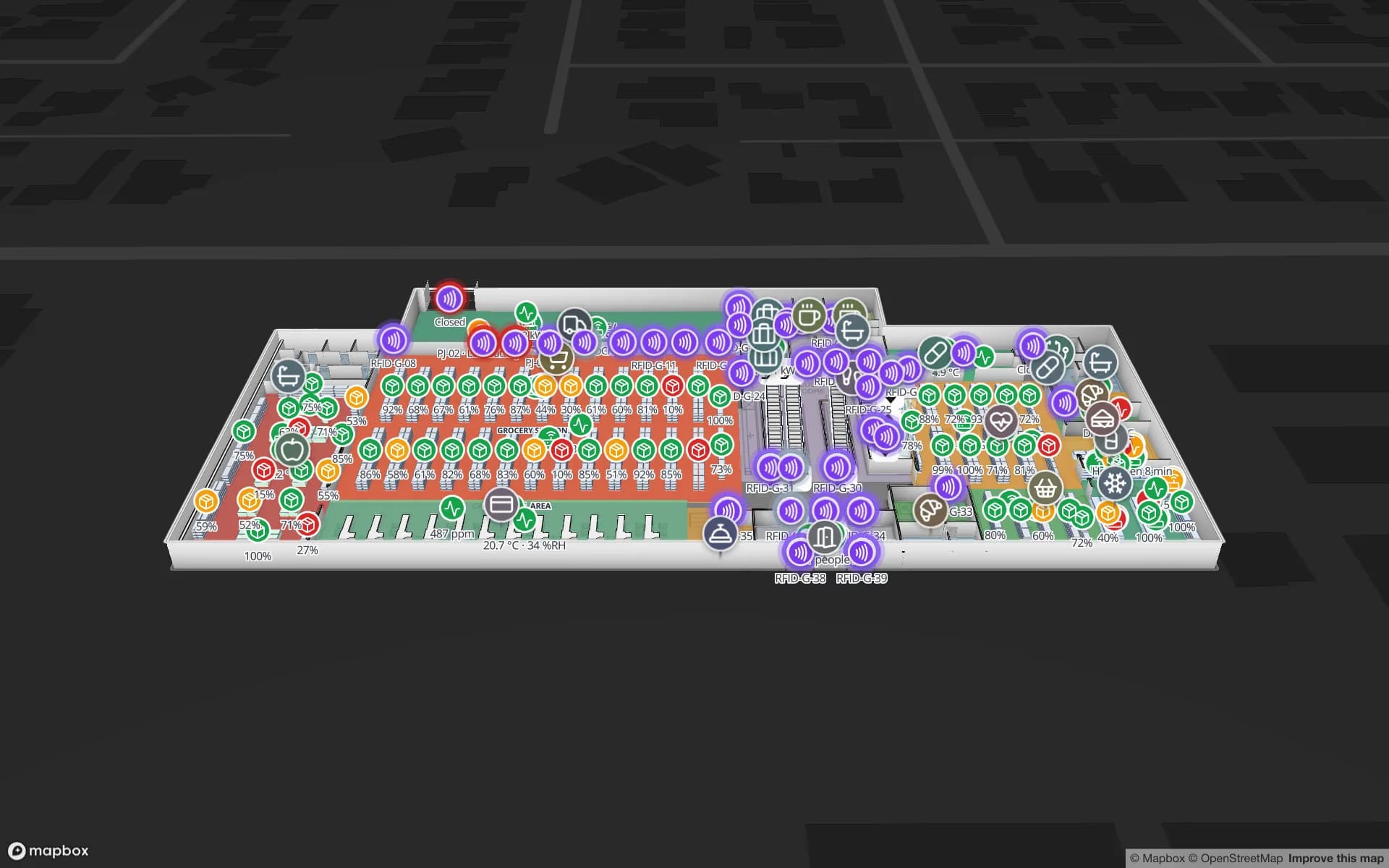
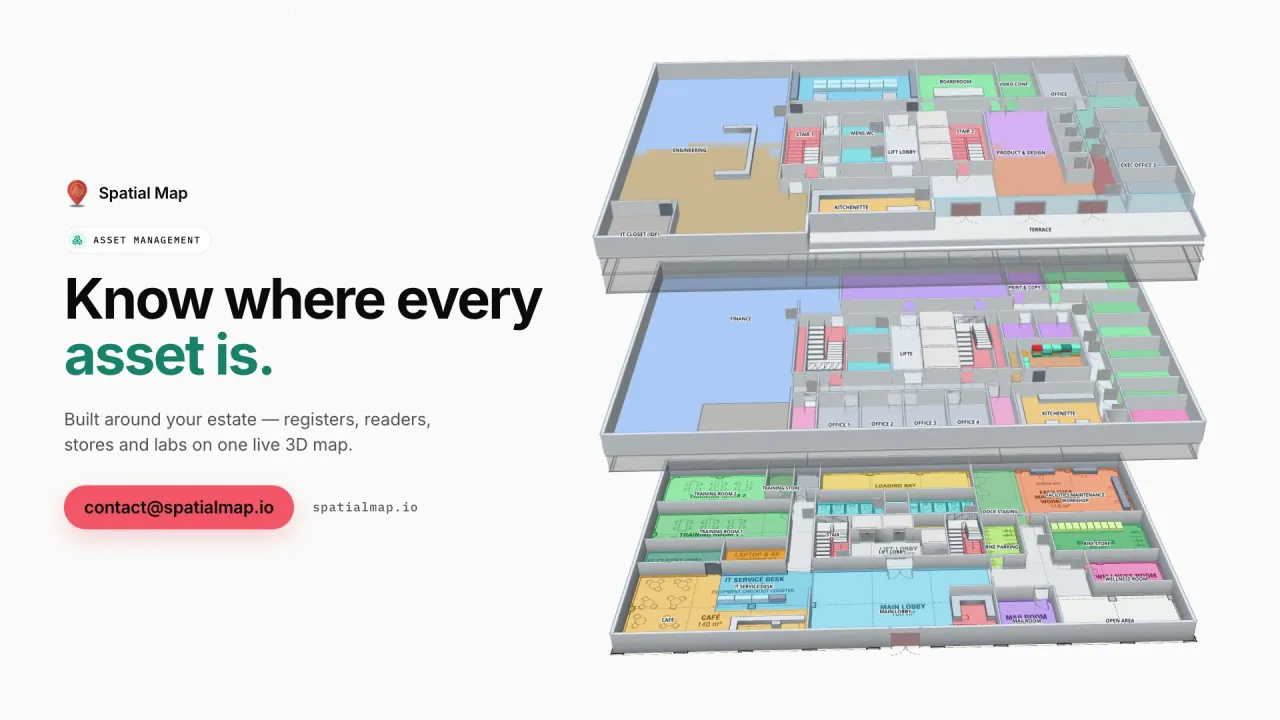
Much of Doha’s retail sits in large, multi-level malls, where a store’s stockroom, sales floor and exits can be on different levels. Item tags read at exits, escalators and stockroom doors, combined with daily shelf counts, give the store manager one picture per floor. The Retail Mart demo shows 85 readers across three floors, offline readers in red, next to shelf and department stock. It does not drive your EAS gates or send notifications; it shows where stock and losses are.

Returnable assets and event equipment

Qatar hosts a steady calendar of international tournaments, conferences and exhibitions, and each one moves cases of AV kit, barriers, signage, furniture and catering equipment between warehouses and venues — then back again. Tag the case or crate, read it at the warehouse door and at the venue’s loading dock, and the map shows how many pieces are at each site and which have not been read since the last event.

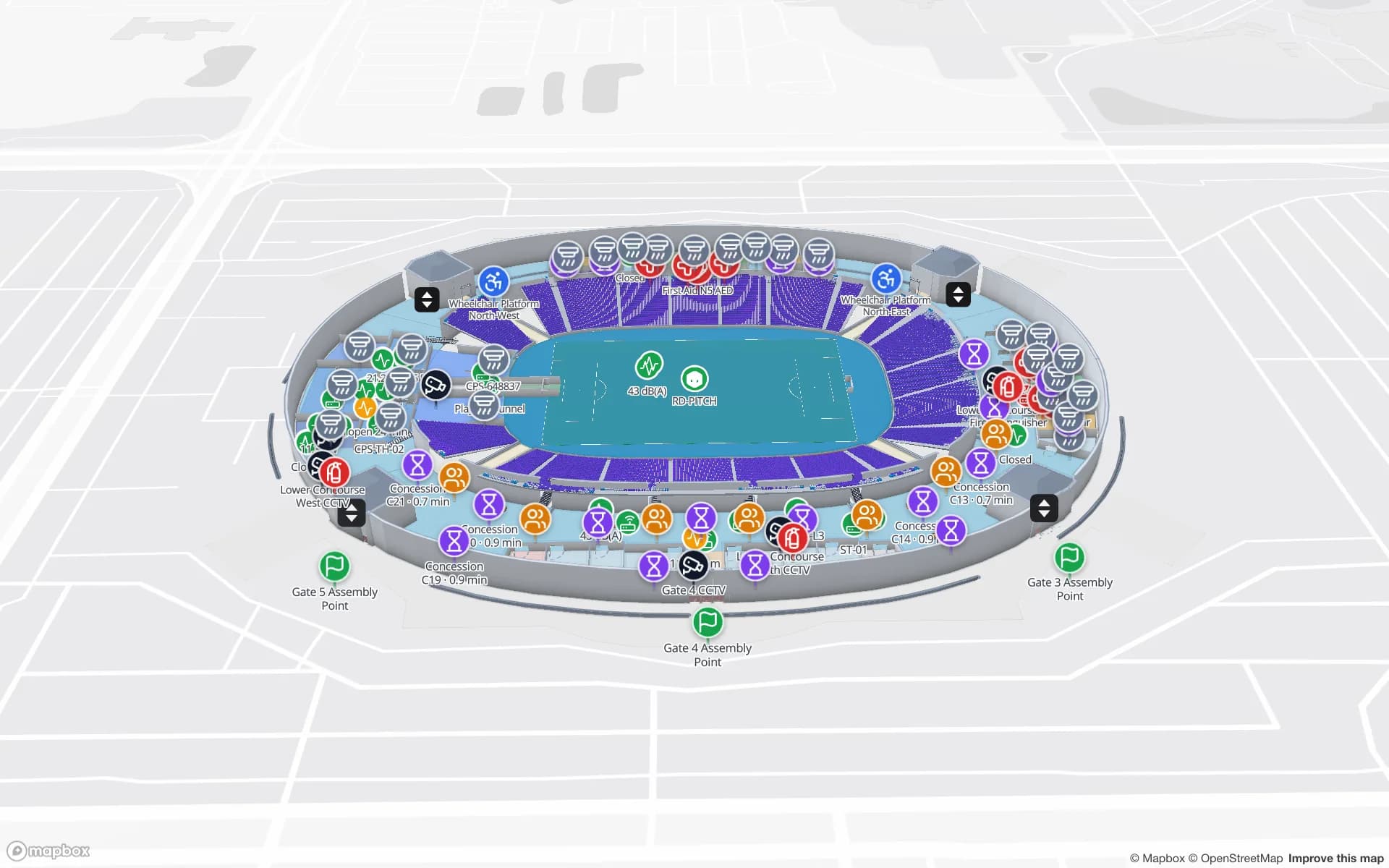
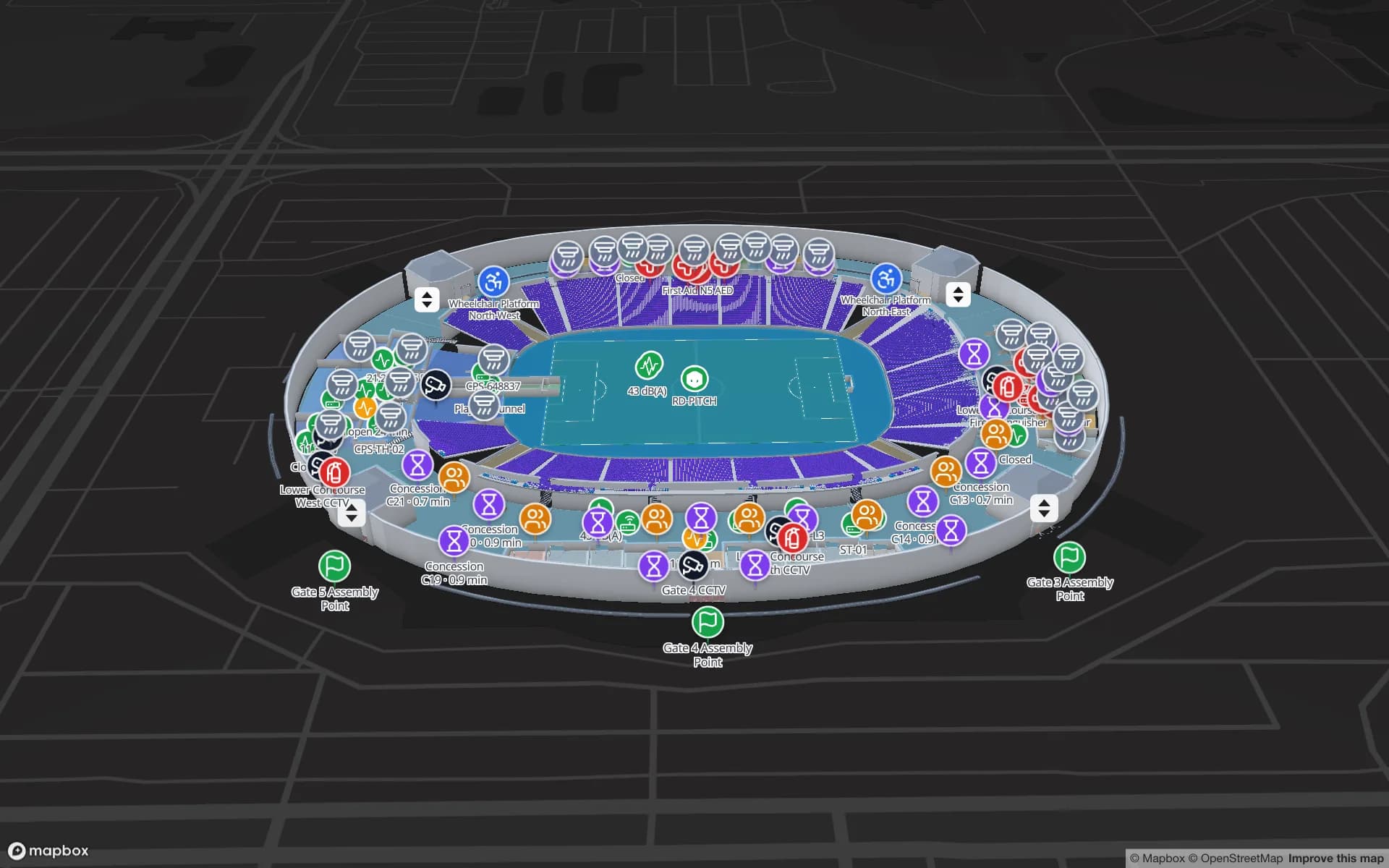
  • In the Crown Park stadium demo, kit crates are tracked around the venue alongside gates, concourses and crews.
  • Group the equipment store and every venue into one solution, so the whole pool is visible across sites.
  • Spatial Map does not follow a truck on the road: once a crate leaves, you see the outbound door it last passed.
How Spatial Map does it

How a Qatar RFID project comes together

  1. 01

    Draw the shed or store

    Import the warehouse, cargo shed or cold-store plan from PDF or DWG and trace receiving doors, re-pack areas, racks and cool rooms.

  2. 02

    Name doors, rooms and probes

    Give every portal, cold room and probe the same name your RFID middleware and temperature system use.

  3. 03

    Send reads and readings

    Middleware posts batched pallet reads and probe readings to tables over the write API, or Spatial Map polls a REST endpoint.

  4. 04

    Colour by container, client or age

    Style rules colour pallets by shipment, client or expiry; reports export to PDF or Excel; share links go to clients.

RFID use cases in Qatar

Port-side and free-zone warehouses

Pallets by container, client and door, with a read-only view for each client.

Air-cargo cool rooms

Shipments by zone in the shed, cool rooms in or out of range, and a replay of each shift.

Food reserves and stock rotation

Pallets coloured by expiry or received date, so first-to-expire stock stands out in the rack.

Doha mall stores

Exit, escalator and stockroom reads per floor next to shelf stock, offline readers in red.

Event equipment pools

Crates of AV kit, barriers and furniture counted by store and venue, with dormant pieces visible.

See it on real demo facilities

Fictional names, real floor plans, live sensors, RFID, BLE tags and gateways — open any of them in the browser.

All 13 demo facilities

RFID in Qatar — questions we get

Yes, if your middleware or WMS includes the container number or shipment reference in each row. A style rule colours pallets by that value and a filter narrows the map to one container, so pallets still on the floor stand out from those already racked.

No. It shows what your RFID reads and your WMS report about stock inside your buildings. Declarations, port bookings and cargo management stay in your existing systems.

Yes. Probe readings and pallet reads go to separate tables, and both are bound to the same floor plan, so each room is tinted by temperature and pallets appear in the room where they were last read. Spatial Map does not send notifications; it shows the state on the map and in reports.

Whichever fixed portals, gates or handhelds your hardware supplier provides for use in Qatar. Spatial Map has no reader drivers: your middleware posts reads to a table over HTTPS, or exposes a REST endpoint that Spatial Map polls on a schedule.

No. Spatial Map is sold online, and our team works with customers in Qatar remotely — by video call and through the contact form — in Arabic or English.

Pricing is the same worldwide, in US dollars: a 7-day free trial for up to 5 facilities, then Pro at $60 a month or $600 a year for up to 4 facilities. Larger estates are quoted as custom services.

See your Qatar warehouse or cold store with its reads on the map.

Start a free trial and open the Polar Pharma and Eastport demos, or send us a floor plan and a sample of your read log through the contact form.