South Africa · RFID for mines, retail and freight

RFID tracking in South Africa for mine stores, retail and port freight

Spatial Map shows RFID tracking in South Africa where it happens: every read from your readers and handhelds lands on a live 3D plan of the store, tool crib, distribution centre or port-side warehouse that produced it. Mining houses use RFID to see which spares and tools left the store; retail chains to follow cartons from the DC dock door to the shop floor; freight operators to check what came out of each container. Spatial Map does not read tags itself — your middleware does — but it gives everyone the same picture of the reads.

No credit card. Runs in the browser. Pro is $60/month for up to 4 facilities. Book a demo

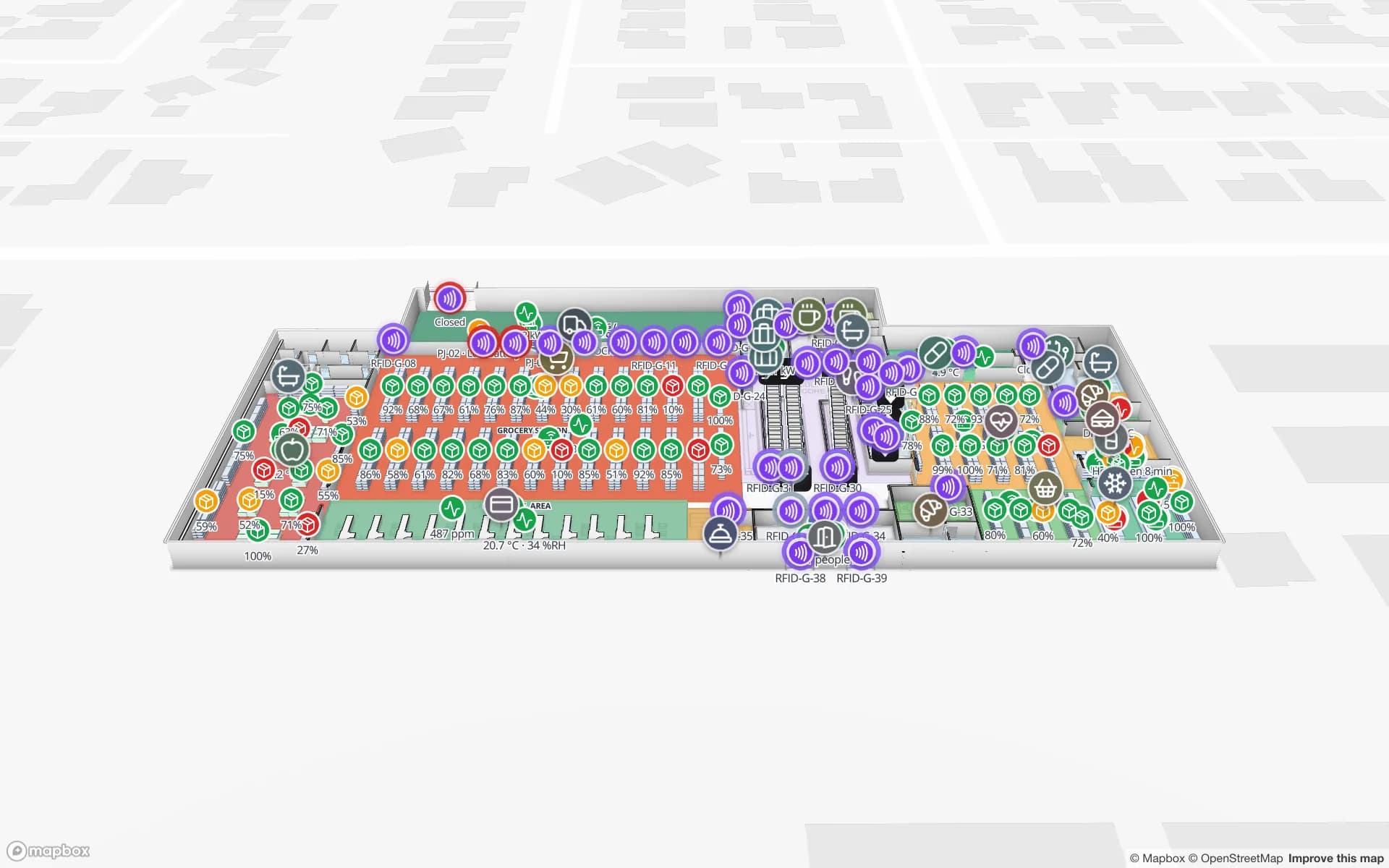
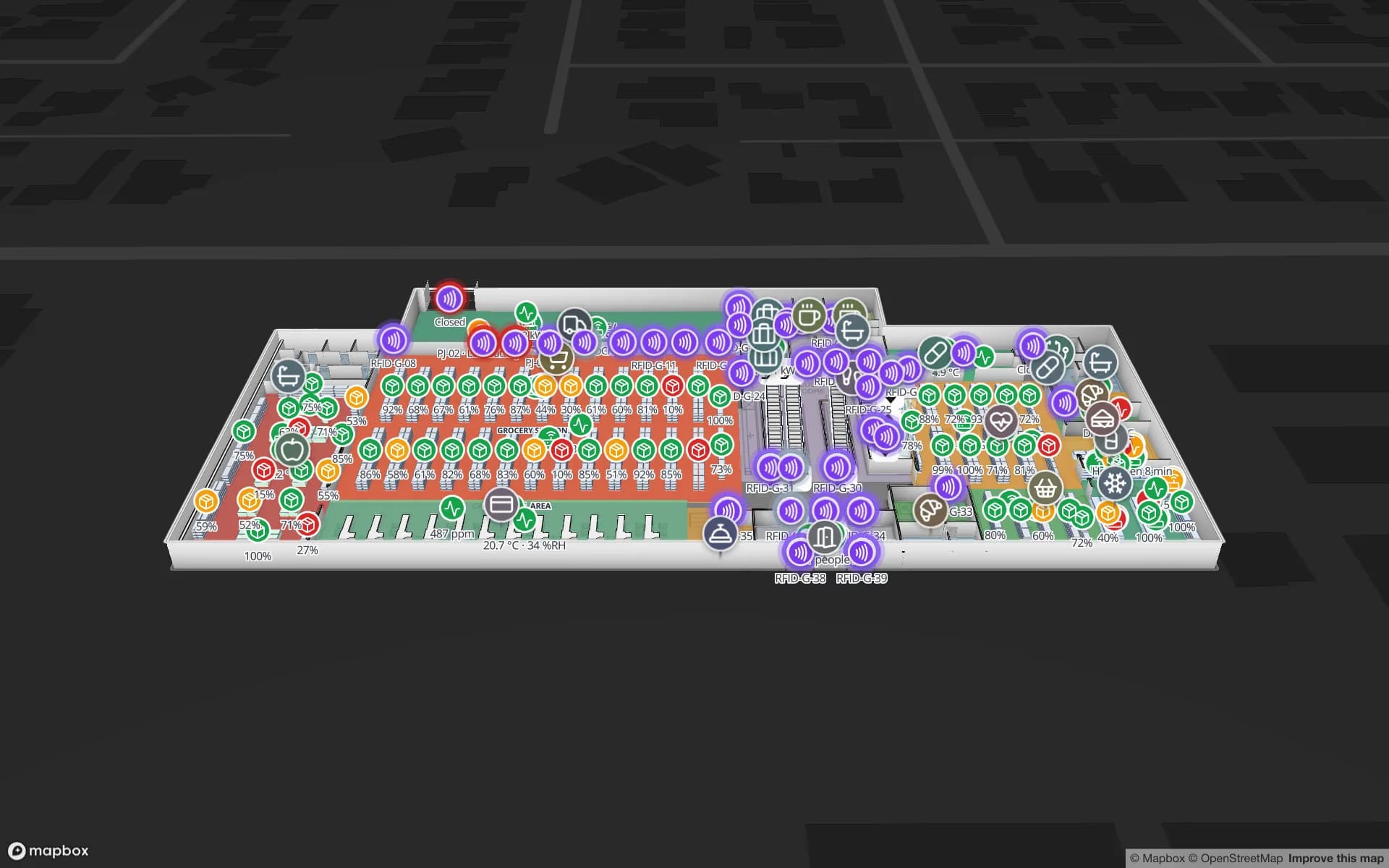
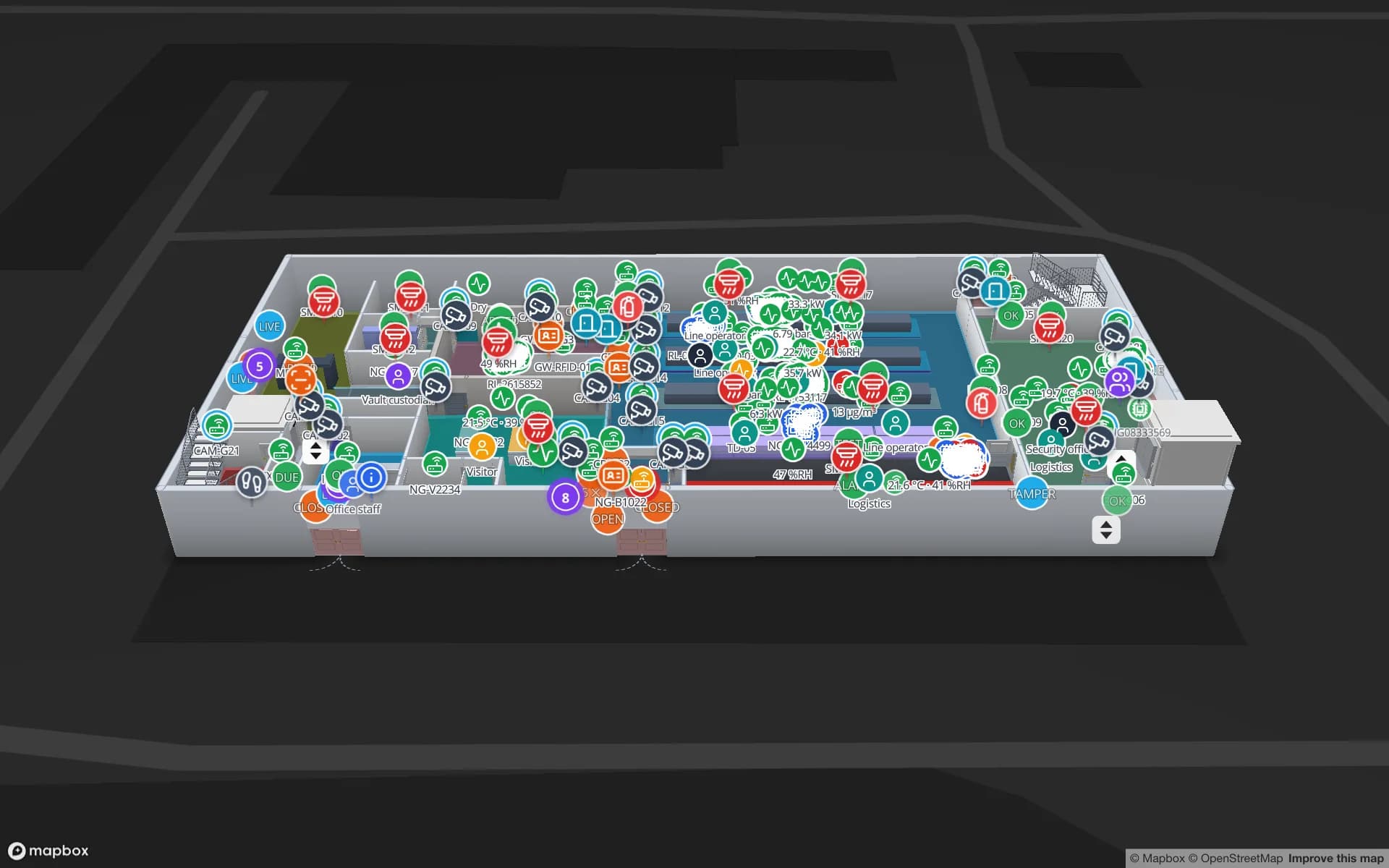
Retail Mart Store, a three-floor retail store demo, in the Spatial Map 3D viewer with live device markers
Retail Mart Store
Retail Mart, a three-floor demo store: 85 RFID readers at the entrances, escalators and lifts, beside shelf and department stock.
RFID readers in the Retail Mart demo store
85
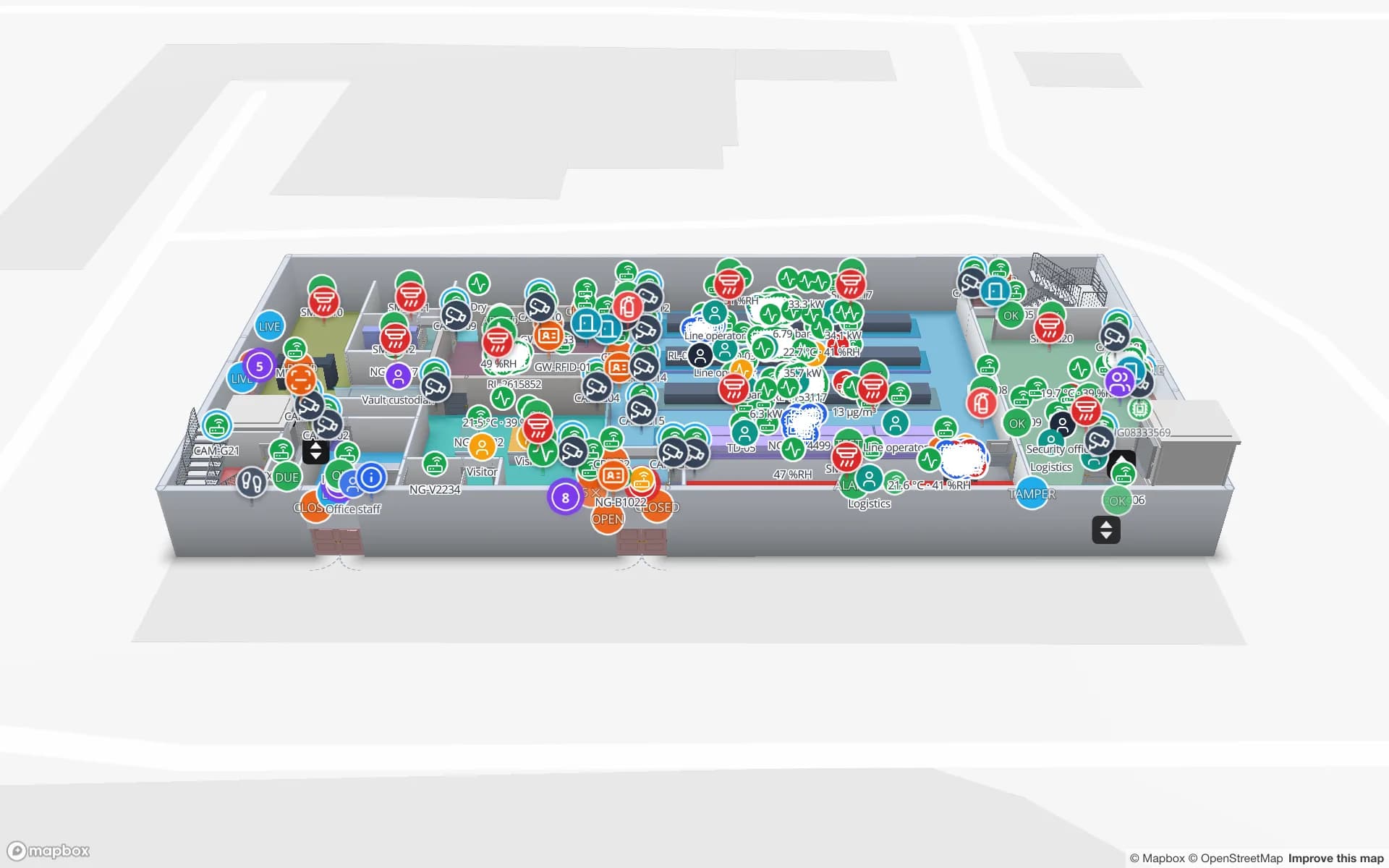
Tagged units in the Northgate secure-store demo
863
Write API requests per key — reads go in batches
60/min
Free trial, no credit card
7 days

Mine stores, tool cribs and rotable spares

A mine’s central store and its underground or workshop cribs hold the things production cannot run without: pump and conveyor spares, rotable components that go out for repair and come back, gas detectors, torque tools and other calibrated equipment. Tagging them and reading them at the crib door — or counting them with a handheld — records what was issued, to which section, and what is still out.

Spatial Map shows each tagged item at the reader or bin that last saw it, keeps its movements in row history and colours overdue or uncalibrated items with a style rule. Metal is the hard part: tool and spares tagging needs on-metal tags, covered in our post on RFID tags for metal, liquids and apparel. The store-side pattern is on RFID tool tracking.
Retail: DC dock door to shop floor

Clothing and general-merchandise retailers tend to tag at item level, and grocers often start with cartons, crates and returnable trays. Reads at the DC dock door, the store’s receiving door and the stockroom door show where stock is in that chain. Spatial Map draws each reader at its door with its last read and read count, and the Retail Mart demo shows 85 readers across three floors.

Spatial Map does not sound exit alarms — your EAS or RFID gates keep that job. It can raise an in-app alert when a rule matches, such as a high-value tag read at an exit or a reader that has stopped reporting, with Show on map to jump to it. See RFID for retail stores.

Containers through Durban

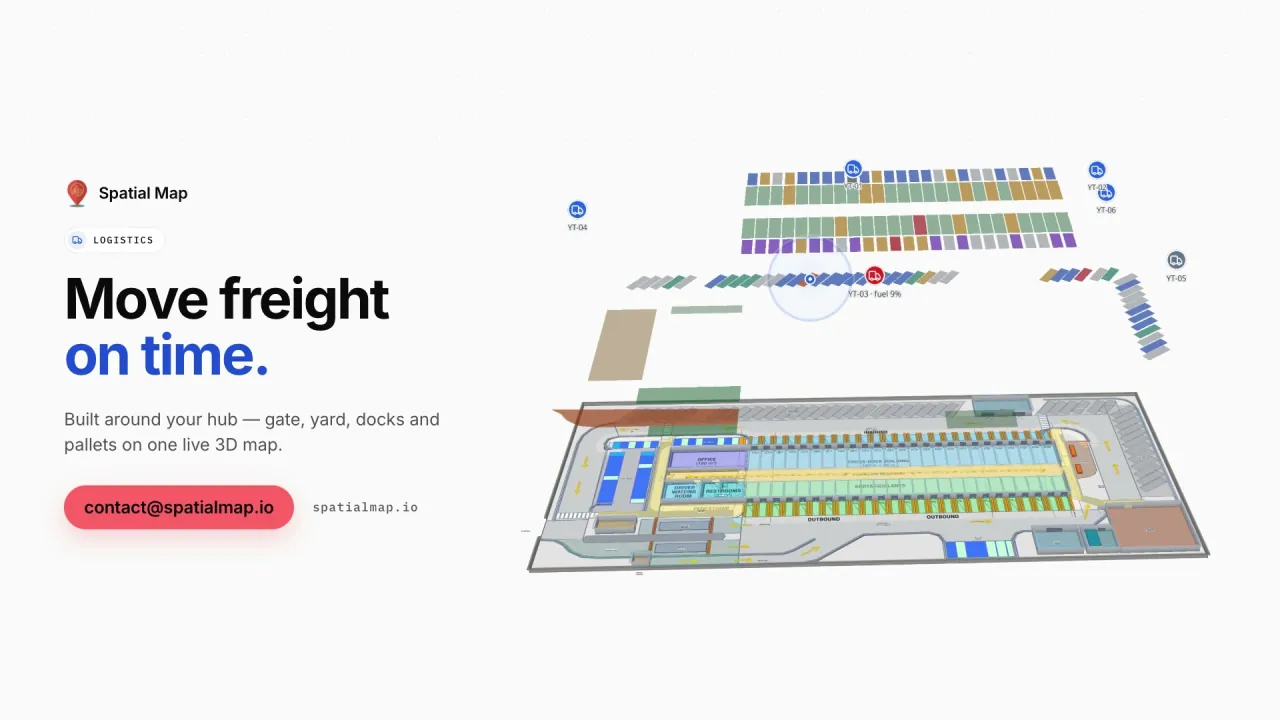
Warehouses in KwaZulu-Natal unpack containers that came through Durban and send the freight up the N3 to Gauteng. Tagging pallets as a container is stripped and reading them at the dock door into storage and again at the outbound lane gives a clean record of what each box held and which truck took it. The Eastport Cross-Dock demo follows 1,180 RFID pallets through 50 dock doors and 44 yard slots.

Readers, approvals and batched reads

Any fixed reader, portal or handheld your supplier provides can feed Spatial Map, provided it is approved for use in South Africa — radio equipment needs type approval from ICASA, so check with your supplier. Spatial Map has no reader drivers: your middleware or a small relay posts reads (tag, reader, time) to a table with the table write API at up to 60 requests a minute per key, so reads are sent in batches, or exposes a REST endpoint that Spatial Map polls.

Batching also helps when a site loses its link during load-shedding: the relay holds the reads and posts them when the connection is back, and the row history fills in.

Badges and POPIA

Tags on spares, cartons and pallets do not identify anyone. Reads become personal information under POPIA when they are tied to a person — a miner’s badge at the crib, a name against a tool. If you plan to do that, be clear about the purpose, tell staff and collect only what you need; your legal advisers decide what applies. Our DPA and security page describe how Spatial Map handles your data.

How Spatial Map does it

From crib and dock reads to one map

  1. 01

    Map the building

    Import the store, DC or warehouse plan from PDF or DWG and trace racks, cribs, docks and doors.

  2. 02

    Name every read point

    Add a marker or zone for each portal, crib door and dock door, named as your middleware names it.

  3. 03

    Send batched reads

    Your middleware or a relay posts reads to a table over HTTPS, holding them during outages.

  4. 04

    Alert and report

    In-app alerts on rules, a replayable read trail and reports exported to PDF or Excel.

RFID use cases in South Africa

Mine tool cribs

Tools and calibrated equipment issued and returned at the crib door.

Retail DCs and stores

Cartons from dock door to stockroom, with quiet readers flagged.

Container unpacking

Pallets read from container to storage to the outbound lane.

High-value stock

Units followed through cage gates with a replayable trail.

See it on real demo facilities

Fictional names, real floor plans, live sensors, RFID, BLE tags and gateways — open any of them in the browser.

All 13 demo facilities

RFID in South Africa — frequently asked questions

Yes, with on-metal tags designed for it; ordinary labels detune on metal. Your RFID supplier picks the tag for each item. Spatial Map then shows the reads on the store plan — it does not choose tags or drive readers.

Any fixed reader, portal or handheld your supplier provides that is approved for South Africa — ICASA type approval applies to radio equipment. Your middleware posts reads to a table with the write API, or exposes a REST endpoint Spatial Map polls.

No. Door alarms stay with your EAS or RFID gates. Spatial Map can raise an in-app alert (bell, toast and Alerts page) when a rule matches, and shows the read trail on the map. It does not send email, SMS or push notifications.

Your middleware or relay keeps them and posts them in batches when the connection returns, so the history fills in. A “not updated for N minutes” rule shows which readers went quiet.

No. Spatial Map is sold online and our team works with South African customers remotely, by video call and through the contact form.

The same worldwide, in US dollars: a 7-day free trial for up to 5 facilities with no credit card, then Pro at $60 a month or $600 a year for up to 4 facilities. Multi-site rollouts are quoted as custom services.

Put your crib, DC and dock reads on one map.

Start a free trial and open the Retail Mart and Northgate demos, or send us a floor plan and a sample of your reads through the contact form.