Abu Dhabi · KEZAD, Khalifa Port and Yas Island

RFID tracking in Abu Dhabi, from KEZAD plants to Yas Island venues

Spatial Map places RFID reads on a live 3D map of the building where they happen, so a tag passing a portal becomes a carrier at a workstation, a pallet in a lane or a crate at a venue dock. RFID tracking in Abu Dhabi tends to start in industry rather than in shops: plants and warehouses in the Khalifa Economic Zones beside Khalifa Port, air cargo at Zayed International Airport, and the event venues on Yas Island. Your readers and middleware do the reading; Spatial Map shows every read in place.

No credit card. Runs in the browser. Pro is $60/month for up to 4 facilities. Book a demo

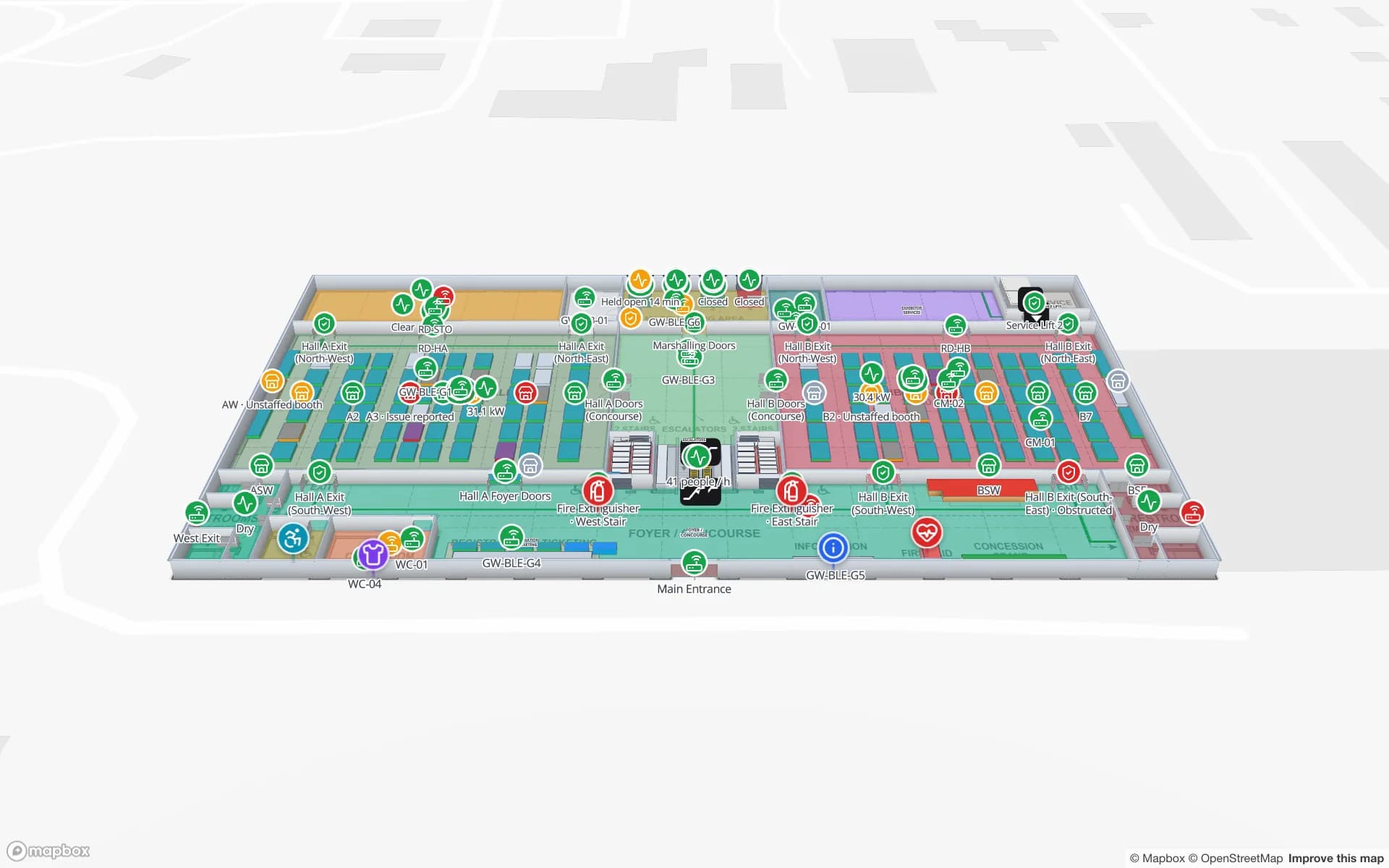
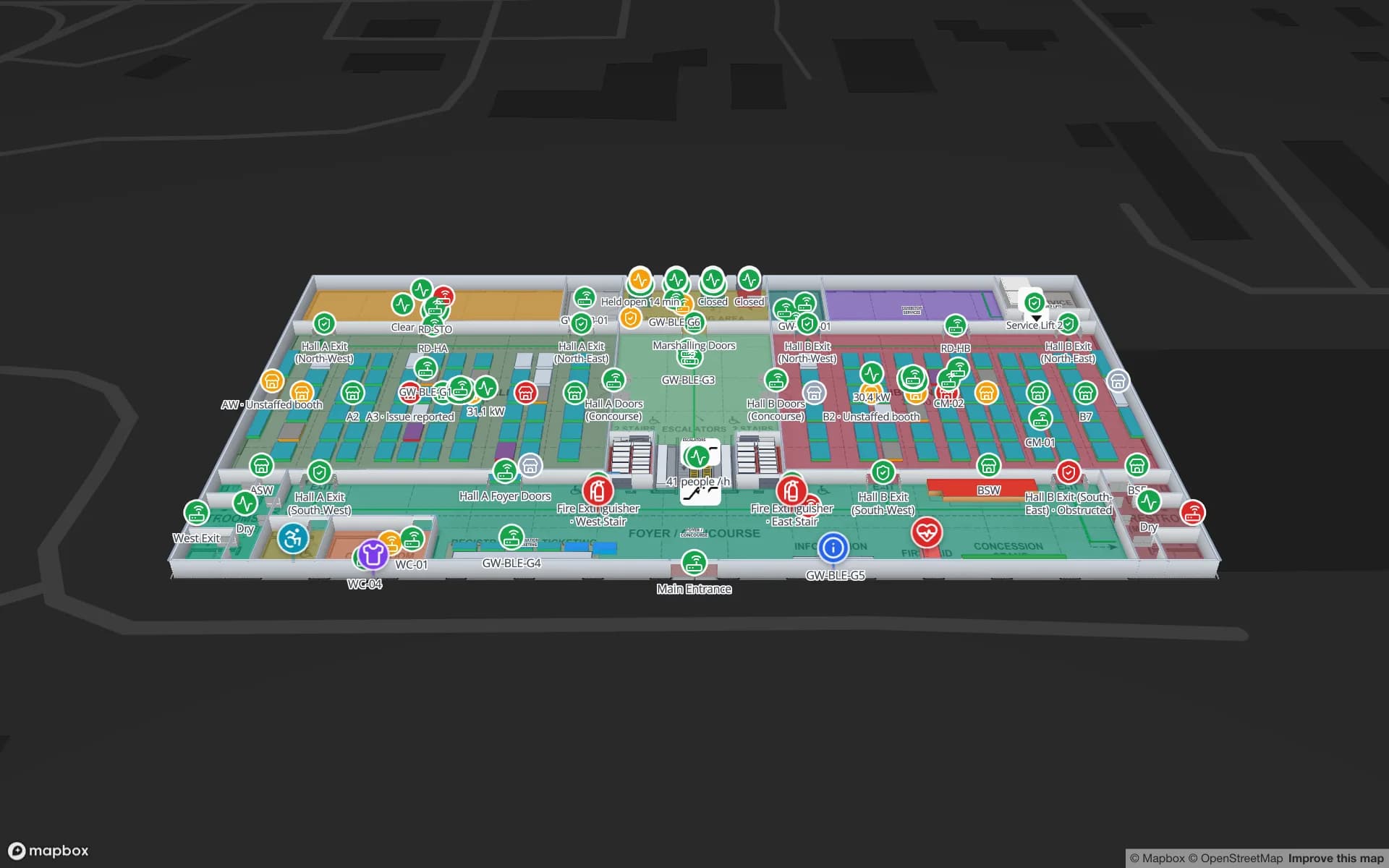
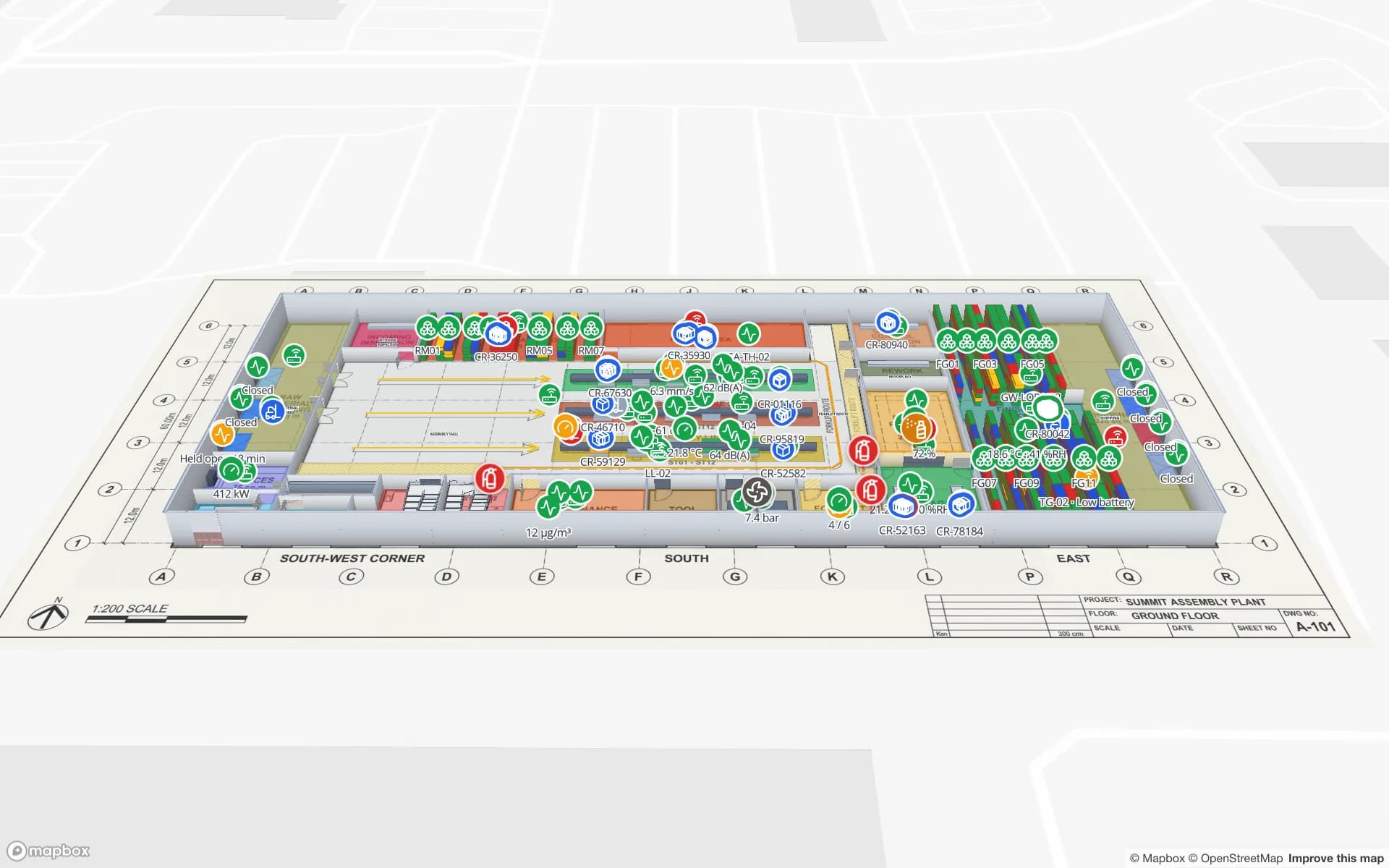
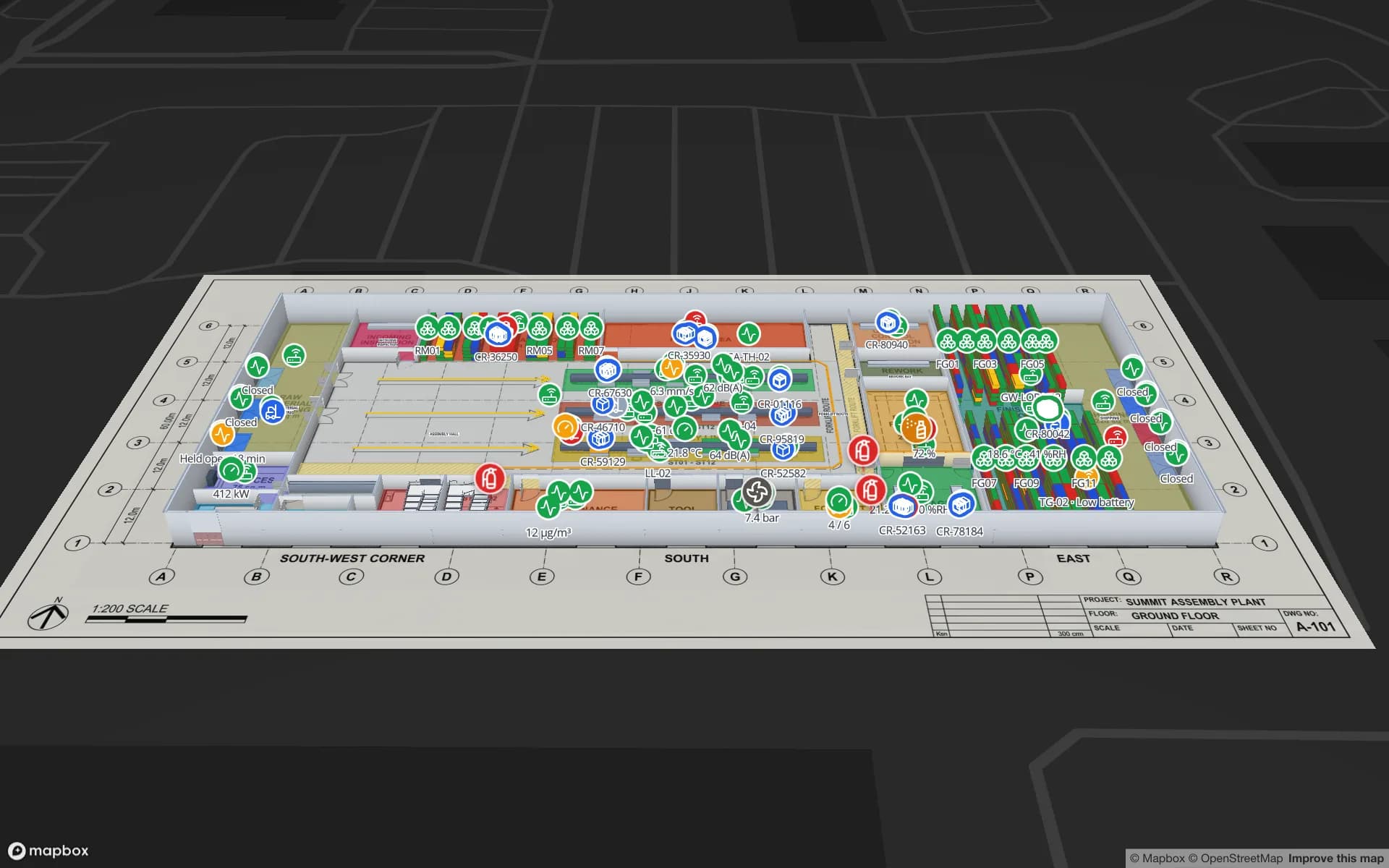
Summit Assembly Plant, a assembly plant demo, in the Spatial Map 3D viewer with live device markers
Summit Assembly Plant
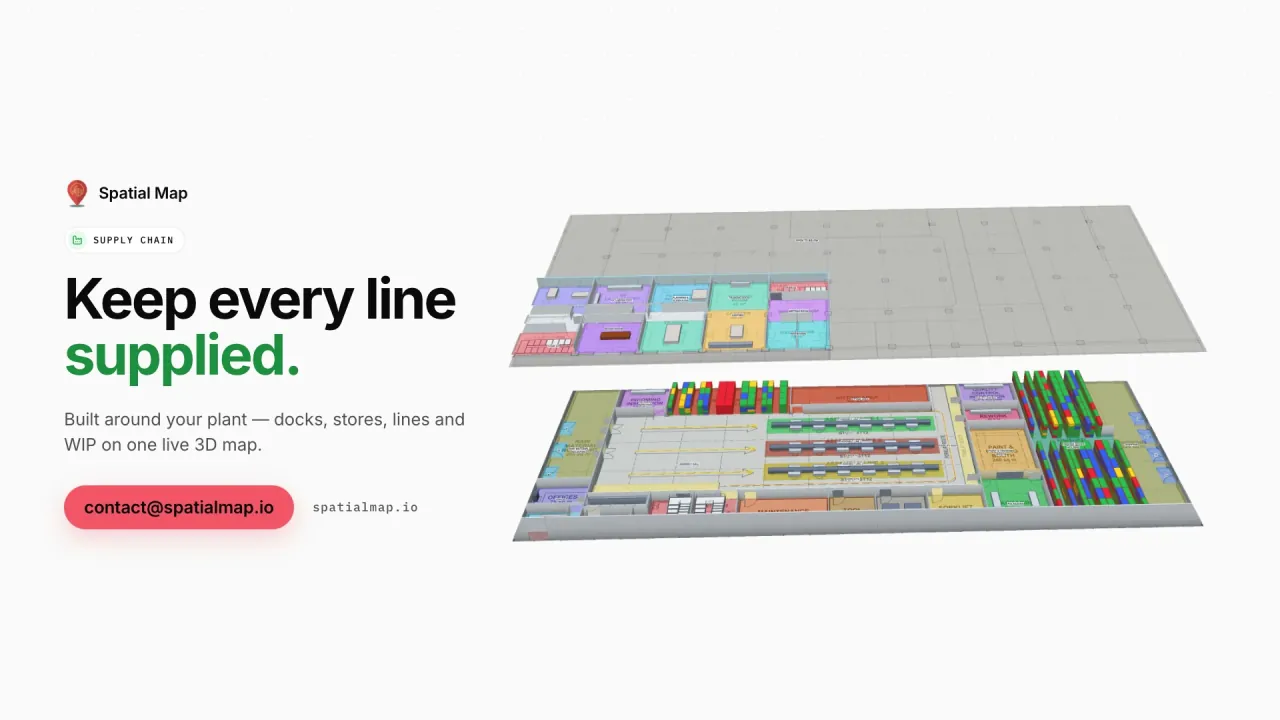
Summit Assembly Plant, a demo factory: RFID-tagged WIP carriers read between workstations, 867 raw-material and finished-goods rack locations, and receiving and shipping docks.
Rack locations in the Summit Assembly plant demo
867
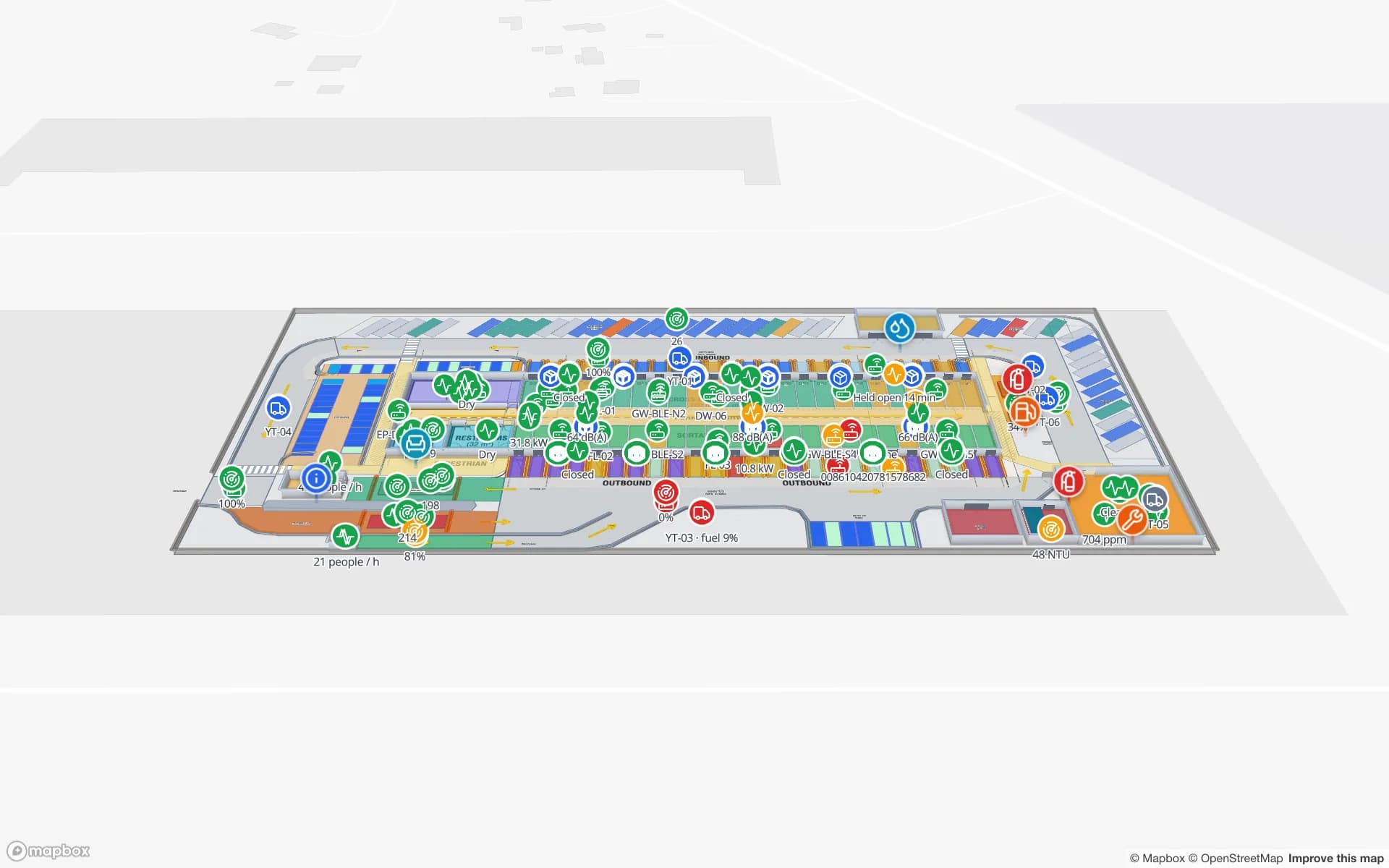
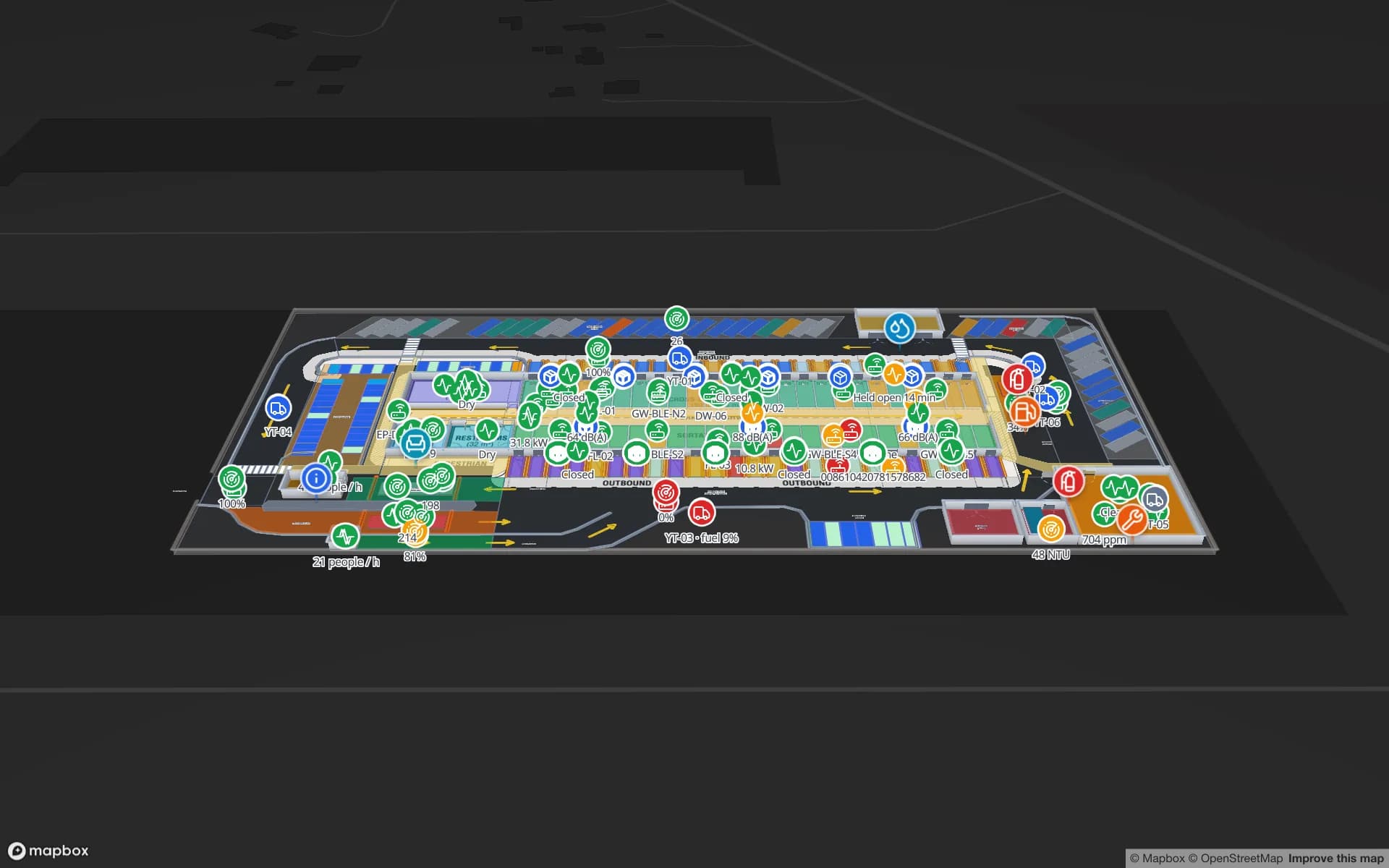
RFID-tagged pallets in the Eastport cross-dock demo
1,180
Ways in for reads: write API, REST polling, file upload
3
Free trial, up to 5 facilities, no card
7 days

KEZAD: RFID on the production floor

The Khalifa Economic Zones Abu Dhabi (KEZAD), part of AD Ports Group, combine industrial, logistics and free-zone land between Abu Dhabi and Dubai, with Khalifa Port as their maritime gateway. Many of the tenants make things, so RFID here is often about work in progress rather than finished stock: tags on carriers, stillages, moulds and tooling, read as they pass between stations, ovens, inspection and the warehouse.

On the plant map each read point is a marker or zone named as your middleware names it, and each carrier appears at the station where it was last read. An alert rule set to “not updated for N minutes” on the carrier table raises an in-app alert when a carrier has stopped moving, which is often the first sign of a bottleneck; Show on map puts the supervisor at the right station. The Summit Assembly demo shows lines, workstations, WIP and racks together.
Khalifa Port to the zone warehouse

Khalifa Port is AD Ports Group’s flagship deep-water port, and its containers have only a short trip into the KEZAD warehouses next to it. KEZAD also describes itself as linked to the Etihad Rail network, so a single receiving area can see port, road and rail arrivals in the same shift.

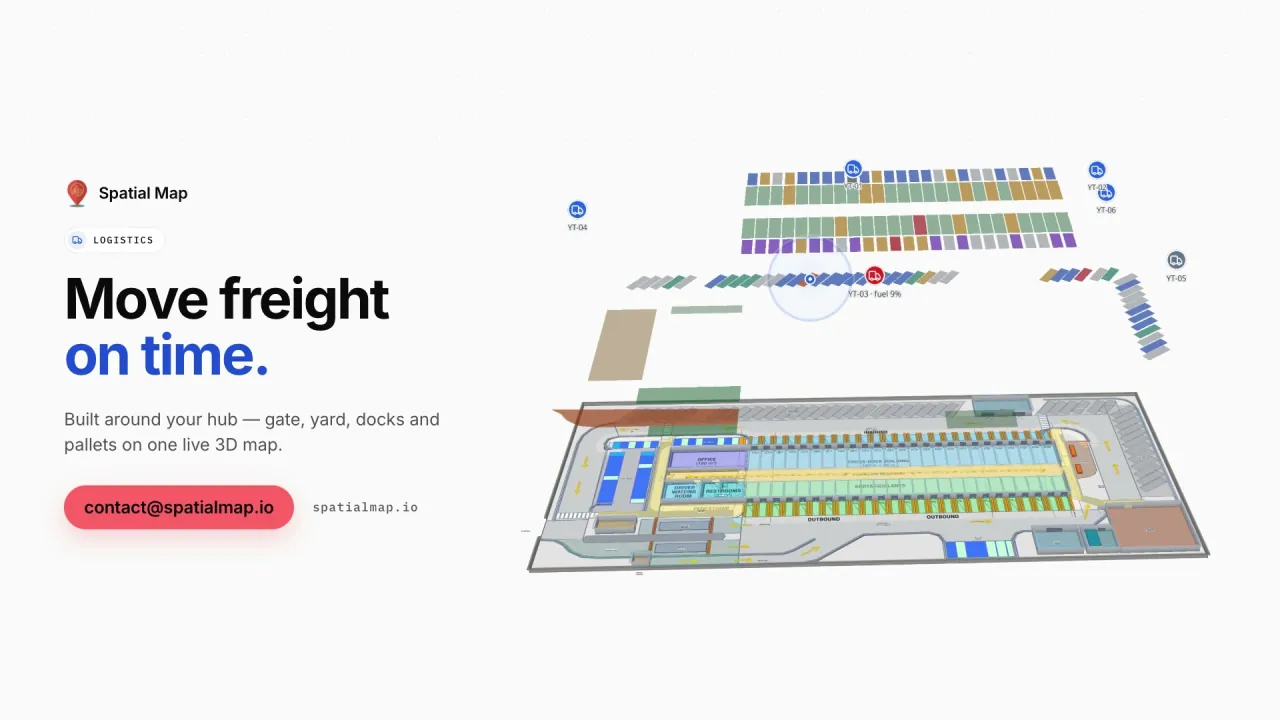
Portals at each receiving door turn those arrivals into reads. Weight the reads by a quantity field and show them as a heatmap, and the busiest doors and lanes stand out across the shift; switch to markers to see individual pallets. The Eastport demo shows dock doors, yard slots, gate and weighbridge with 1,180 RFID pallets. Spatial Map shows what your reads and WMS say is in the building; it does not connect to customs, port or rail systems.

Air cargo at Zayed International Airport

Abu Dhabi’s airport took the name Zayed International Airport in February 2024, around the official opening of its new Terminal A, which had begun receiving passengers in November 2023. Cargo moves through the same airport, much of it time-critical or temperature-sensitive.

In a cargo shed, RFID tags on unit load devices, dollies and cool containers read at acceptance doors, build-up areas and cool rooms show which zone each one is in and how long it has been there. Temperature probes in the cool rooms can sit on the same floor plan. Spatial Map sits beside your cargo management system and does not follow anything outside your buildings. The Silverbay Airport demo shows the terminal side, with RFID bag tags read from bag drop to the carousel.

Yas Island: crates, kit and venue docks

Yas Island is Abu Dhabi’s events district: Yas Marina Circuit has hosted the Formula 1 Abu Dhabi Grand Prix since 2009, and Etihad Arena is an indoor venue for concerts, fights and sport, alongside theme parks and hotels. Exhibitions run on the mainland at the national exhibition centre. Every big weekend moves cases of AV kit, hospitality furniture, barriers and signage from warehouses to venues and back.

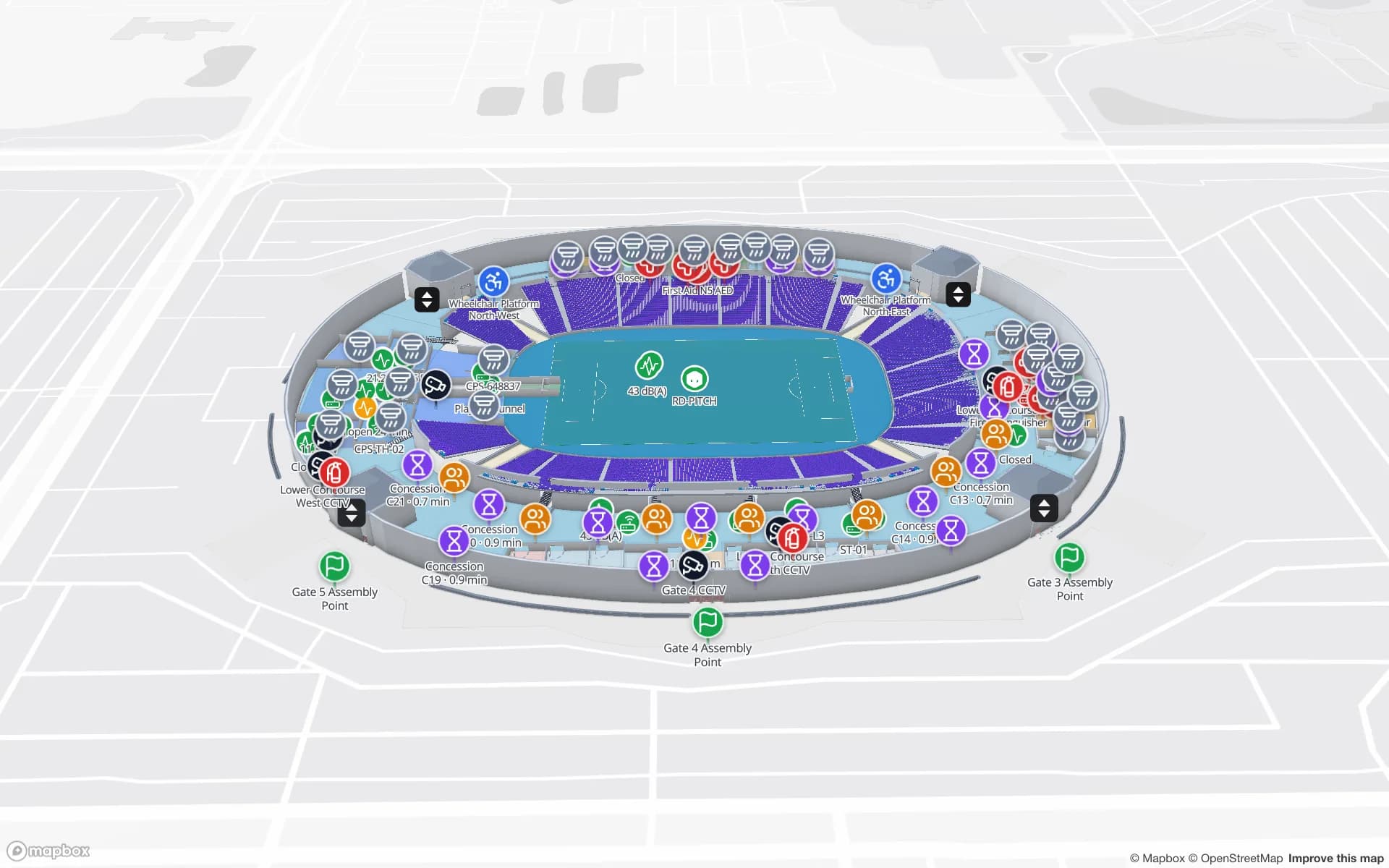
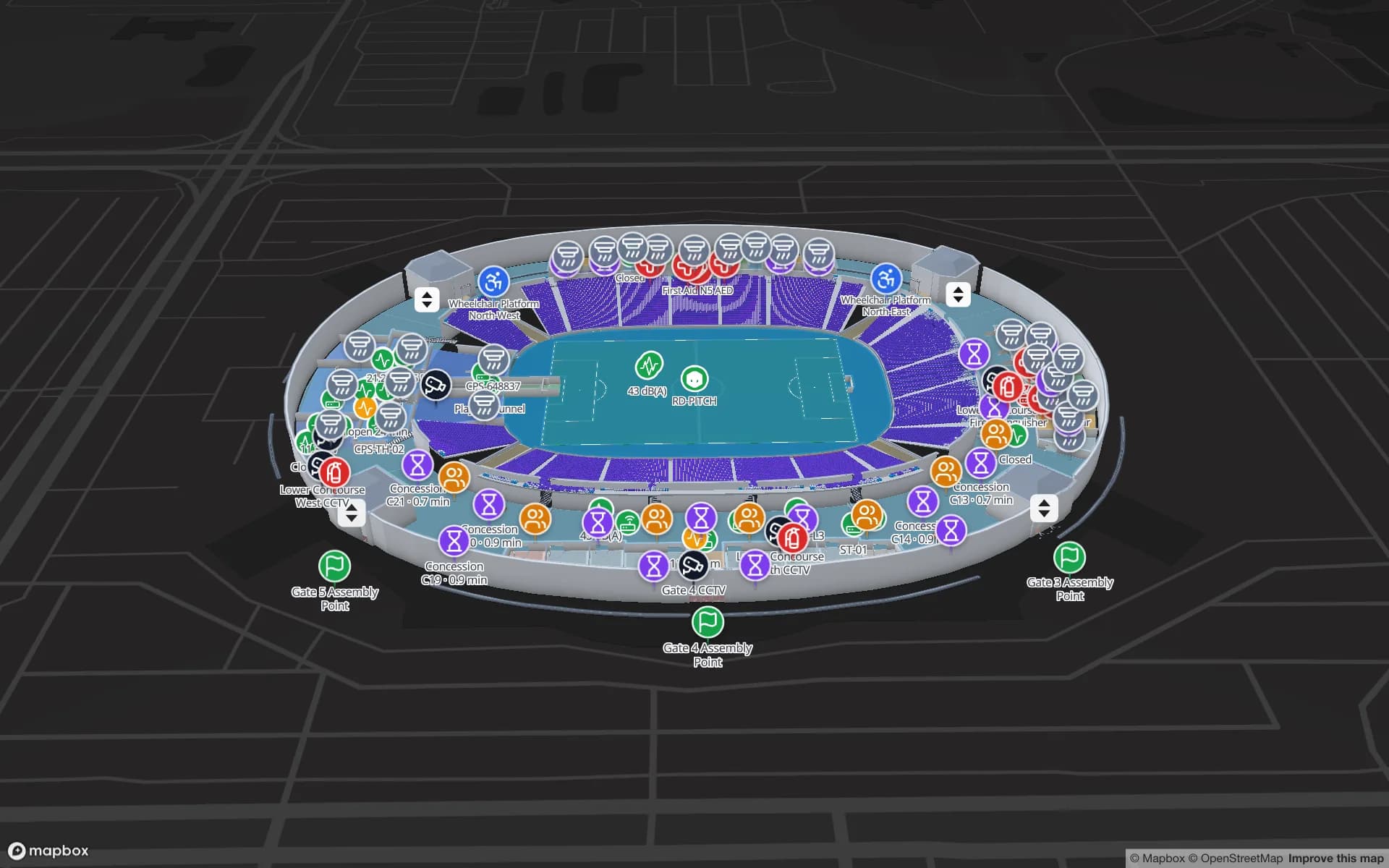
Tag the cases, read them at the warehouse door and the venue’s loading dock, and the map shows how many are at each site and which have not been read since the last event. Put the equipment store and each venue in one solution to see the whole pool together. The Crown Park stadium demo tracks kit crates around a venue; Lakeside Convention Center follows crates from dock to stand.

How Spatial Map does it

An Abu Dhabi RFID project, step by step

  1. 01

    Map the plant, shed or venue

    Import the PDF or DWG, align it, and draw or AI-draft stations, racks, doors, cool rooms and docks.

  2. 02

    Name every read point

    Each portal, line-side antenna and dock reader becomes a marker or zone with the exact name your middleware uses.

  3. 03

    Send reads in batches

    Middleware posts batched reads to a table over HTTPS, or exposes a REST endpoint that Spatial Map polls.

  4. 04

    Watch dwell, not just reads

    Alert rules flag carriers or ULDs that stop moving; reports export to PDF, Excel, CSV or JSON.

Where RFID starts in Abu Dhabi

KEZAD plants and WIP

Carriers by station, stalled carriers raised as in-app alerts, racks by stock.

Port-to-zone receiving

Reads at every receiving door, door load as a heatmap, pallets by lane.

Yas Island event kit

Cases counted by warehouse and venue, with dormant pieces easy to spot.

See it on real demo facilities

Fictional names, real floor plans, live sensors, RFID, BLE tags and gateways — open any of them in the browser.

All 13 demo facilities

RFID in Abu Dhabi — questions we get

Yes. Put a last-read time in each carrier row and add an alert rule set to “not updated for N minutes”. The alert appears in the app’s bell, as a toast and on the Alerts page, resolves itself when the carrier is read again, and Show on map opens the station where it stopped.

Yes, as long as your reader software or middleware can send rows with a tag ID and a read point. Spatial Map has no reader drivers. If you need a relay or an app written for your hardware, our team can build it as a custom project.

No. Data flows into Spatial Map through the table write API, REST polling or file uploads, and stays there. Updating stock or work orders in your ERP or WMS remains the job of your own integration.

Yes. Each site is a facility in the same workspace, grouped into a named solution. Reports can count tagged items per site, and roles (Owner, Admin, Editor, Viewer) decide who sees what.

No. It shows what your RFID reads and your WMS report about stock inside your buildings. Declarations, port bookings and rail bookings stay in the systems that handle them today.

In US dollars, the same worldwide: a 7-day free trial for up to 5 facilities, then Pro at $60 a month or $600 a year for up to 4 facilities. Larger estates are quoted as custom services.

Put your Abu Dhabi plant’s reads on the map.

Start the free trial and open the Summit Assembly and Eastport demos, or send us a floor plan and a sample of your read log through the contact form.