Oman · RFID tracking

RFID tracking in Oman, from Muscat to the ports of Sohar, Duqm and Salalah

Oman’s ports — Sohar on the Gulf of Oman, Duqm and Salalah on the Arabian Sea — and the dry port at Khazaen near Muscat are where much of the country’s warehousing is growing, alongside a fishing industry that runs on cold rooms. RFID tells you what crossed each door. Spatial Map shows those reads on a 3D map of the spare-parts store, the seafood cold store or the distribution centre serving Muscat, for a team working in Arabic or English.

No credit card. Runs in the browser. Pro is $60/month for up to 4 facilities. Book a demo

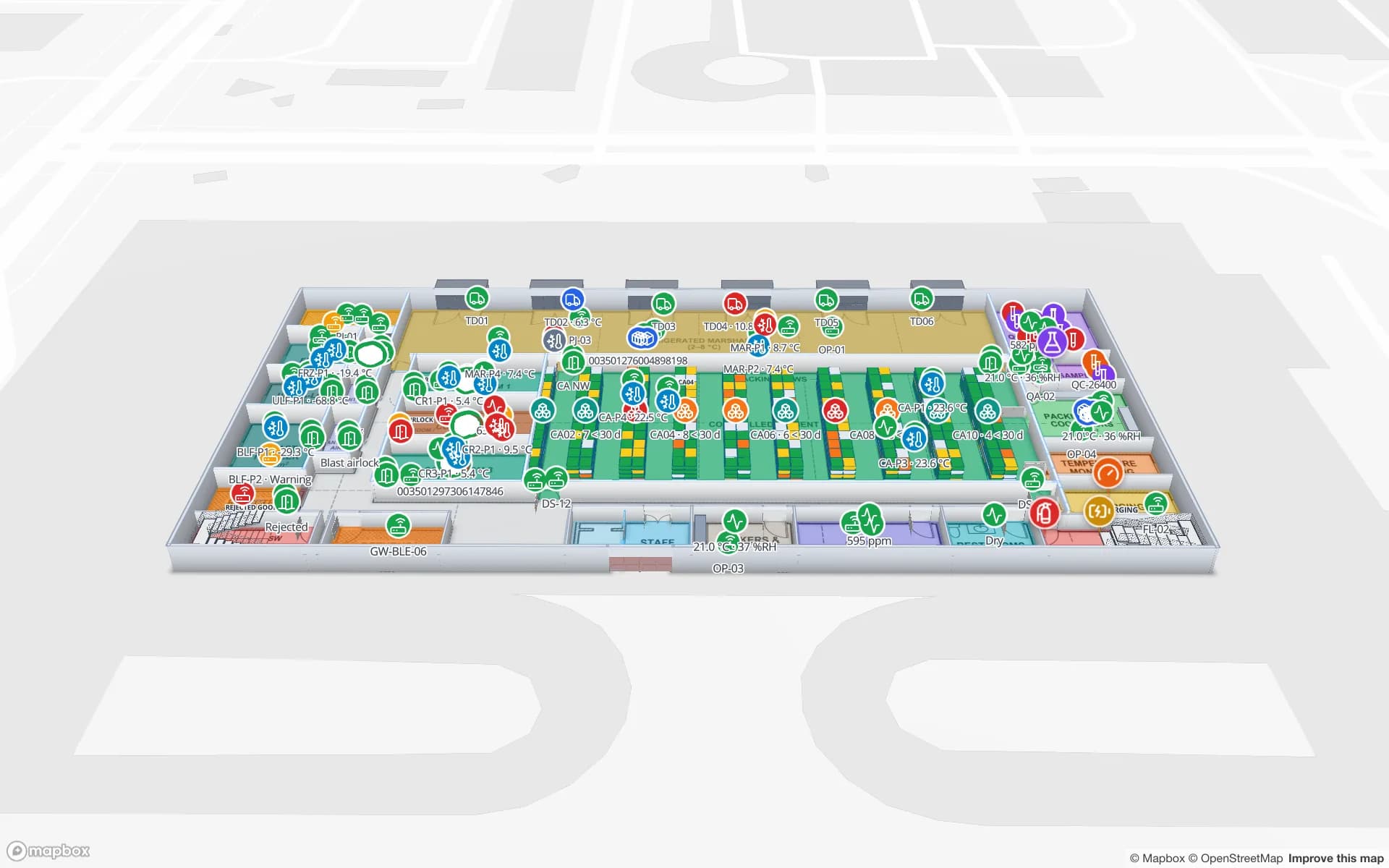
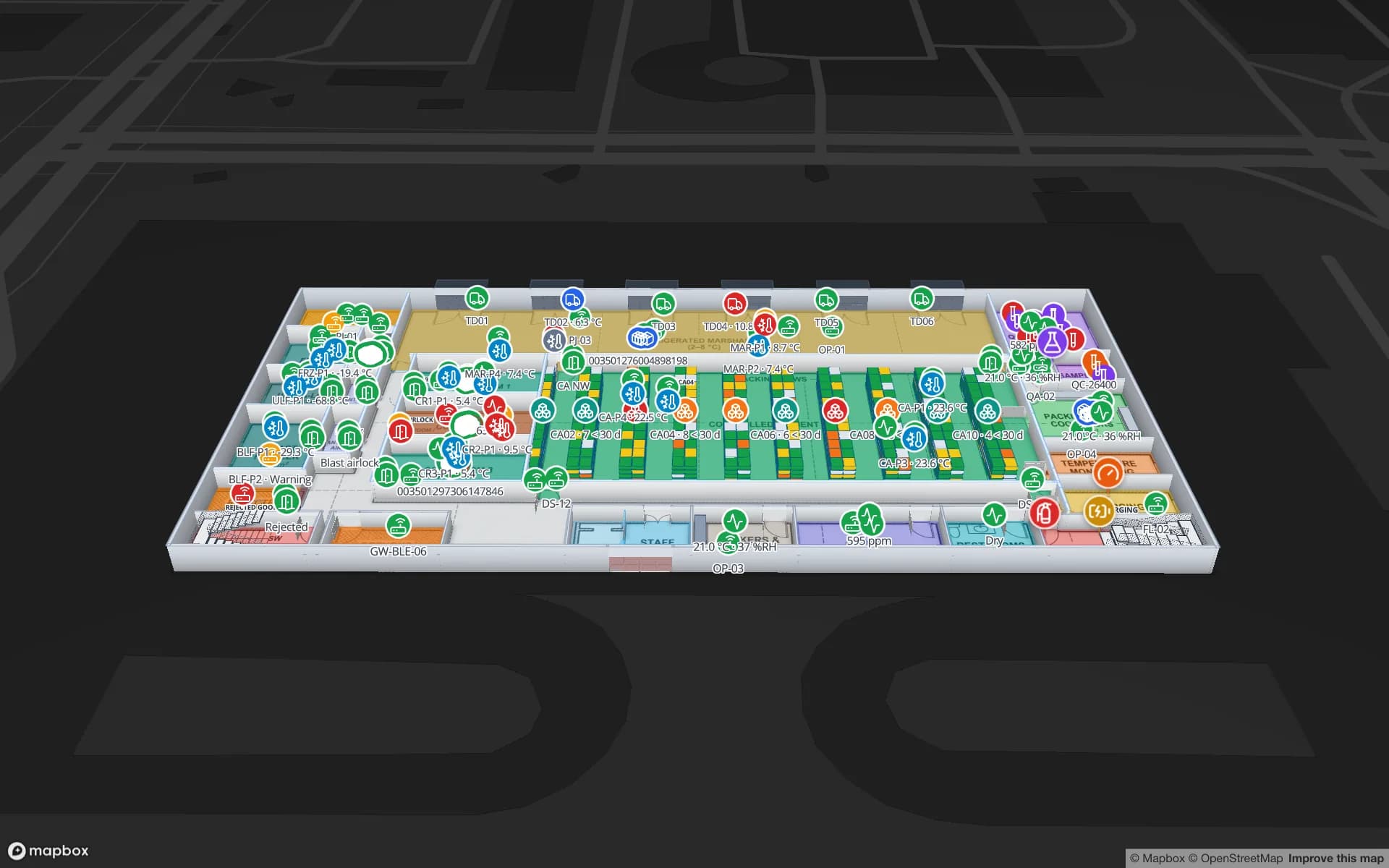
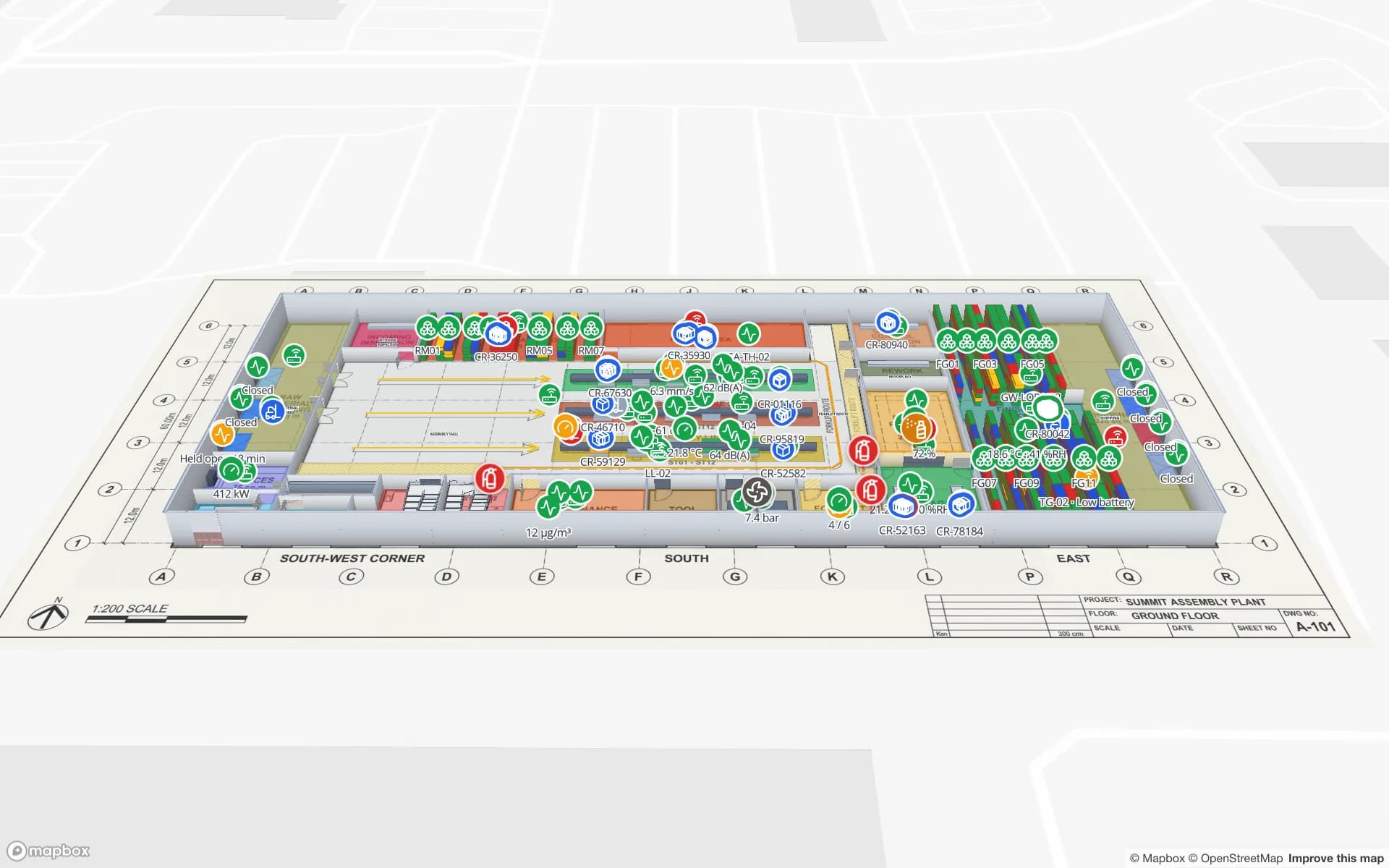
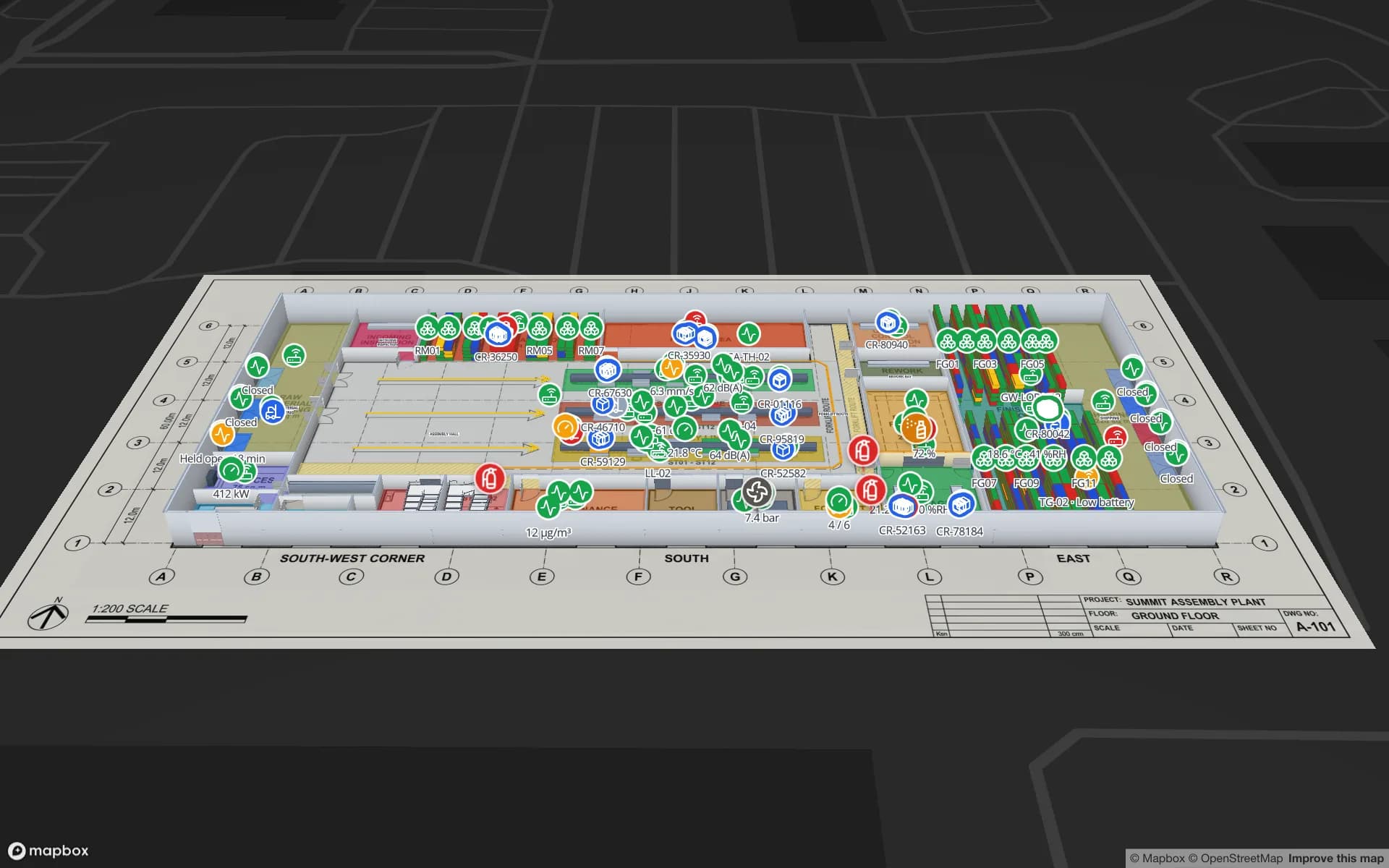
Summit Assembly Plant, a assembly plant demo, in the Spatial Map 3D viewer with live device markers
Summit Assembly Plant
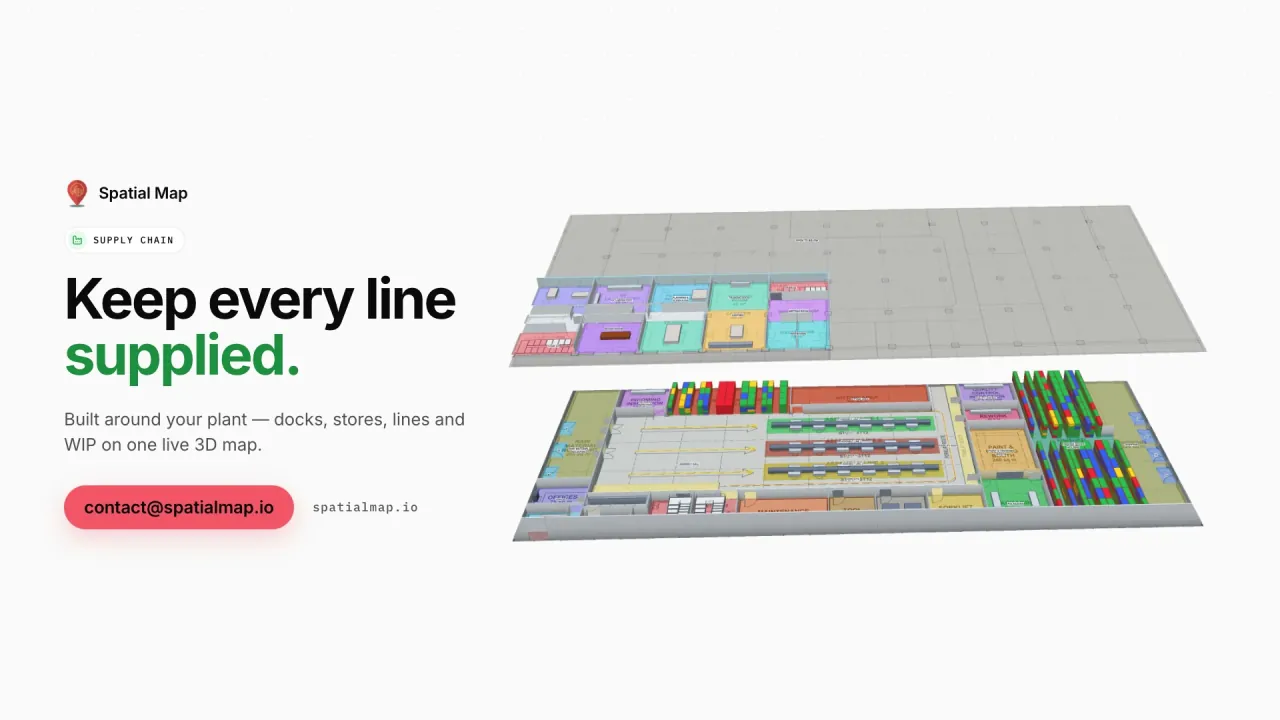
Summit Assembly, a demo plant: 867 raw-material and finished-goods rack locations next to the lines, docks and quality areas.
Raw-material and finished-goods rack locations in the Summit demo
867
Dock doors in the Eastport cross-dock demo
50
Rack locations across cold rooms in the Polar Pharma demo
1,140
Arabic interface with full right-to-left layout
العربية

Ports and economic zones on two coasts

Oman Vision 2040 counts logistics, manufacturing, fisheries and tourism among the sectors it aims to grow, and much of that growth is concentrated in a few places: the Port of Sohar and its freezone, the Duqm Special Economic Zone, the Port of Salalah in Dhofar, and Khazaen Economic City west of Muscat. Each has its own kind of warehouse, and its own reason to read RFID tags at the door.

For how tags, readers and middleware fit together, see our RFID page. This page goes through Oman site by site — and says plainly where a map helps and where it does not.


Sohar: industrial materials and critical spares

The industrial area around the Port of Sohar is home to heavy industry — metals, petrochemicals and their suppliers — and the freezone beside it hosts manufacturers and distributors. Their warehouses hold steel bundles, flanges, valves, pump parts and other spares for plants that cannot wait for a part. When a critical spare is needed, the question is rarely whether it is in stock; it is which bay, rack and bin it is in, and whether it left last week without being booked out.

Tag the bins, crates or the parts themselves (metal surfaces need on-metal tags, which your hardware supplier will advise on), read them at the receiving door and the issue counter, and Spatial Map shows each part at its rack location with its last movement. The Summit Assembly demo shows the pattern, with 867 raw-material and finished-goods rack locations next to the lines and docks.

Duqm: a zone still being built

The Duqm Special Economic Zone on the Arabian Sea coast combines a port, a ship-repair dry dock, a refinery and industrial land that is still being developed. In a zone like this, warehouses, laydown sheds and contractor stores open one at a time. Each can be mapped as its own facility the week it opens and grouped with the others into one solution, so a project or logistics manager sees materials across the zone instead of building by building.

While construction continues, a read-only share link with an expiry lets a contractor check what has arrived in their store without an account in your workspace.

Salalah transhipment and the Khazaen dry port

The Port of Salalah is a major transhipment hub, where many containers change ships rather than enter the country, and its container yard is run by the terminal’s own systems. Where RFID and a map earn their place is in the warehouses and freight stations around the port, where cargo is stripped, stored and consolidated again.

Khazaen Economic City plays a different role: its dry port lets cargo move inland, closer to the capital, into distribution centres that serve Muscat’s shops and businesses. In both places, portals at dock doors and staging lanes place pallets by door and lane before the truck leaves, as in the Eastport demo with its 50 dock doors and 44 yard slots.

Fisheries and the seafood cold chain

Fishing is one of Oman’s oldest industries, and processing plants, cold stores and exporters along the coast handle fresh, chilled and frozen catch. Pallets move from processing to blast freezers to cold rooms to reefer docks within hours, and the temperature of each room matters as much as the location of each pallet.

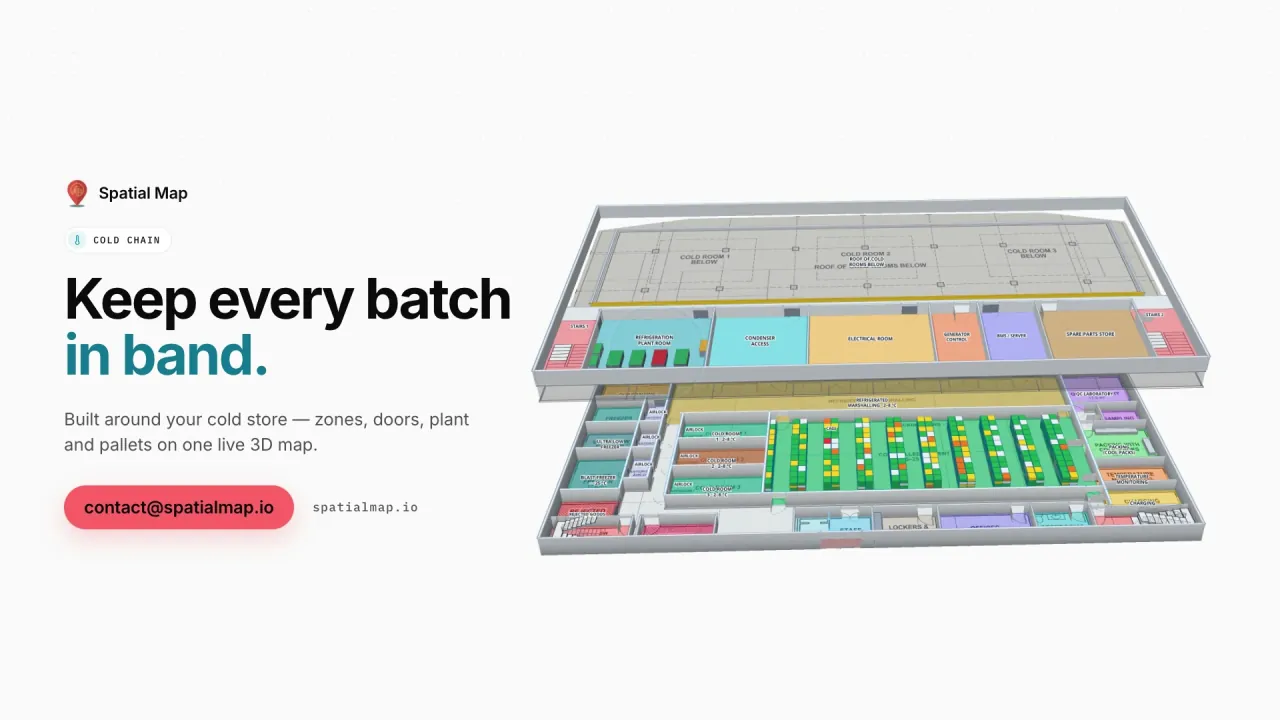
Pallet reads at cold-room doors and probe readings from the rooms share one map: rooms tinted by temperature, pallets placed in the room where they were last read, a lot or received-date field coloured by age. The Polar Pharma demo is a pharma cold store, but its cold rooms, freezers, reefer docks and held stock follow the same layout. Spatial Map does not send notifications or certify food safety; your HACCP records stay the record.

Retail chains across Muscat

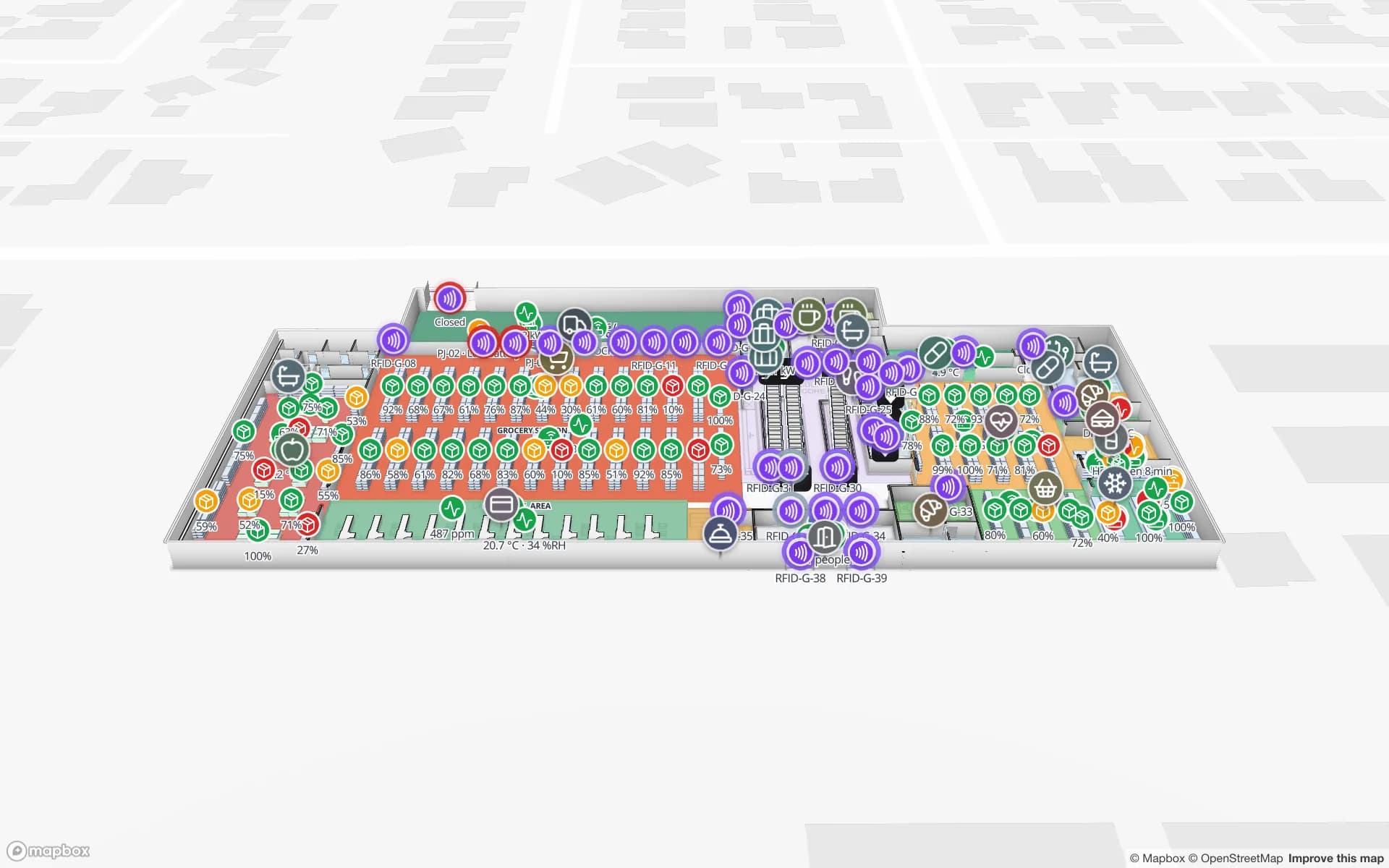
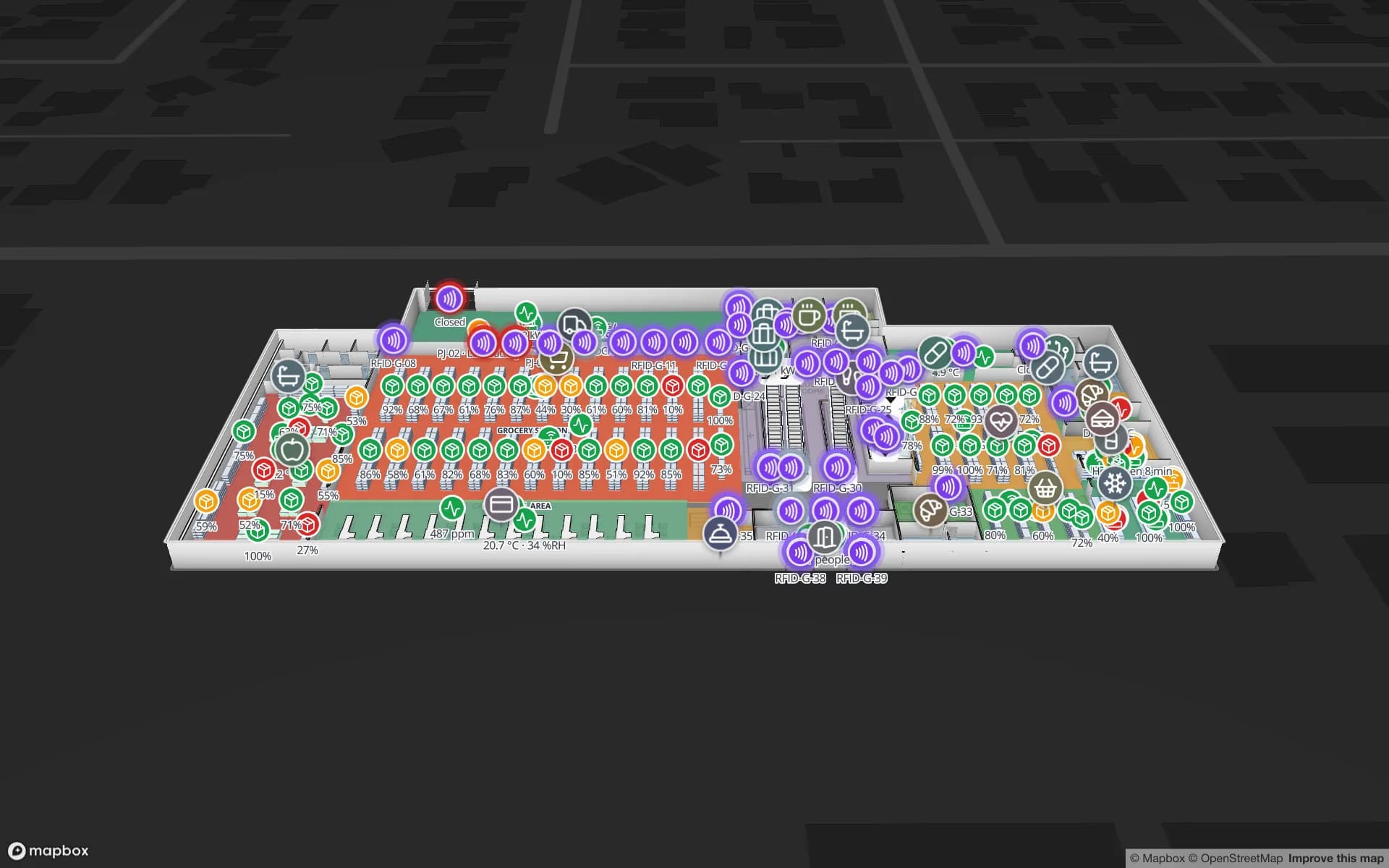
Grocery and retail chains in Muscat typically run a central distribution centre and many stores across the capital area. RFID at the DC’s doors and at store stockrooms and exits gives each level its own picture: cartons by lane at the DC, items by floor and exit in the store. Group the DC and the stores into one solution and an area manager gets a single read-only link across all of them. The Retail Mart demo shows the store side, with 85 readers over three floors.

How Spatial Map does it

How an Oman RFID rollout comes together

  1. 01

    Map each site

    Import the plan of each store, cold store or DC from PDF or DWG and trace doors, racks, bins and cold rooms.

  2. 02

    Match names to your systems

    Name read points, rooms and rack locations exactly as your RFID middleware and WMS name them.

  3. 03

    Feed the reads

    Middleware posts batched reads to a table over the write API (60 requests a minute per key), or we poll its REST endpoint.

  4. 04

    Join the sites

    Group Sohar, Duqm, Salalah and Muscat sites into one solution, with reports exported to PDF or Excel.

RFID use cases in Oman

Critical spares stores

Valves, pump parts and steel by bay, rack and bin, with the last issue-counter read.

Project materials in Duqm

Contractor stores and laydown sheds mapped as they open and grouped across the zone.

Port warehouses and the dry port

Pallets by dock door and staging lane before cut-off, in Salalah or at Khazaen.

Seafood cold stores

Pallets by cold room and freezer, rooms tinted by temperature, lots coloured by age.

Muscat retail chains

Exit and stockroom reads per store, all stores and the DC in one solution.

See it on real demo facilities

Fictional names, real floor plans, live sensors, RFID, BLE tags and gateways — open any of them in the browser.

All 13 demo facilities

RFID in Oman — questions we get

Yes. Draw the racks with the rack tool, which gives every location and bin a name, and feed bin-level stock or reads to a table. Each part then shows at its bin, coloured by status, with its last read kept in the row history.

No. Container yards at terminals such as Salalah are run by the terminal’s own systems. Spatial Map maps your buildings and your own yard areas, and shows the reads and stock your systems report there.

Metal affects reads, so on-metal tags and careful antenna placement are usually needed. That is a hardware choice for your RFID supplier; Spatial Map only receives the resulting reads and places them on the map.

Yes. Each site is its own facility; group them into one solution so facilities, reports and data sit together, and share a read-only link that covers them.

No. Spatial Map is sold online and our team works with customers in Oman remotely, by video call and through the contact form, in Arabic or English.

No. Pricing is the same worldwide, in US dollars: a 7-day free trial for up to 5 facilities, then Pro at $60 a month or $600 a year for up to 4 facilities. Multi-site estates can be quoted as custom services.

See your Oman store, cold room or DC with its reads on the map.

Start a free trial and open the Summit and Eastport demos, or send us a floor plan and a sample of your reads through the contact form.