Bahrain · RFID tracking

RFID tracking in Bahrain for port, causeway and plant logistics

Goods rarely stay still in Bahrain. They arrive by ship at Khalifa Bin Salman Port, are consolidated in a warehouse in the Bahrain Logistics Zone next door, and leave again by air or by truck over the King Fahd Causeway to Saudi Arabia. Every one of those handovers happens at a door, and a door is where an RFID portal reads. Spatial Map places those reads on a live 3D map of each building, so the shift planner in Hidd and the customer waiting across the causeway look at the same pallet at the same door.

No credit card. Runs in the browser. Pro is $60/month for up to 4 facilities. Book a demo

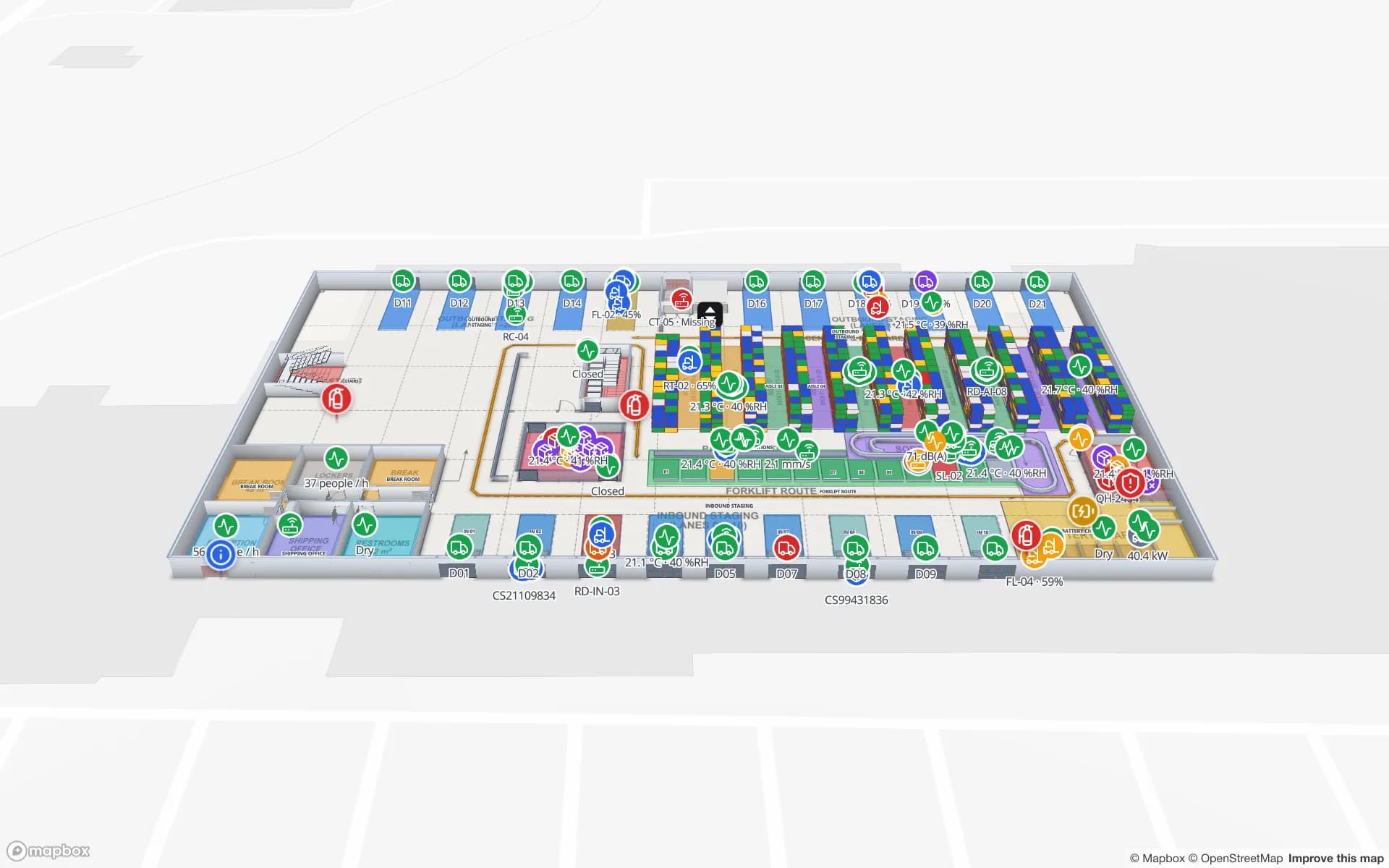
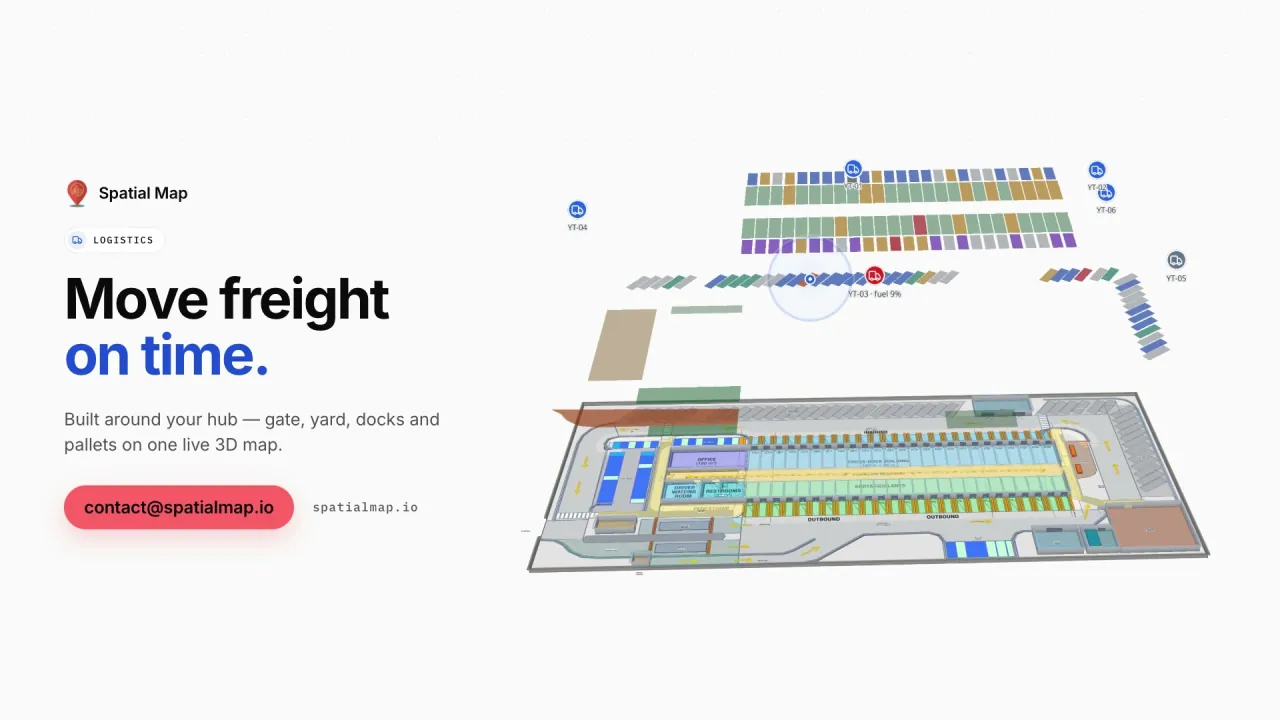
Logistics film: “Move freight on time” beside Eastport Cross-Dock and its trailer yard in 3D
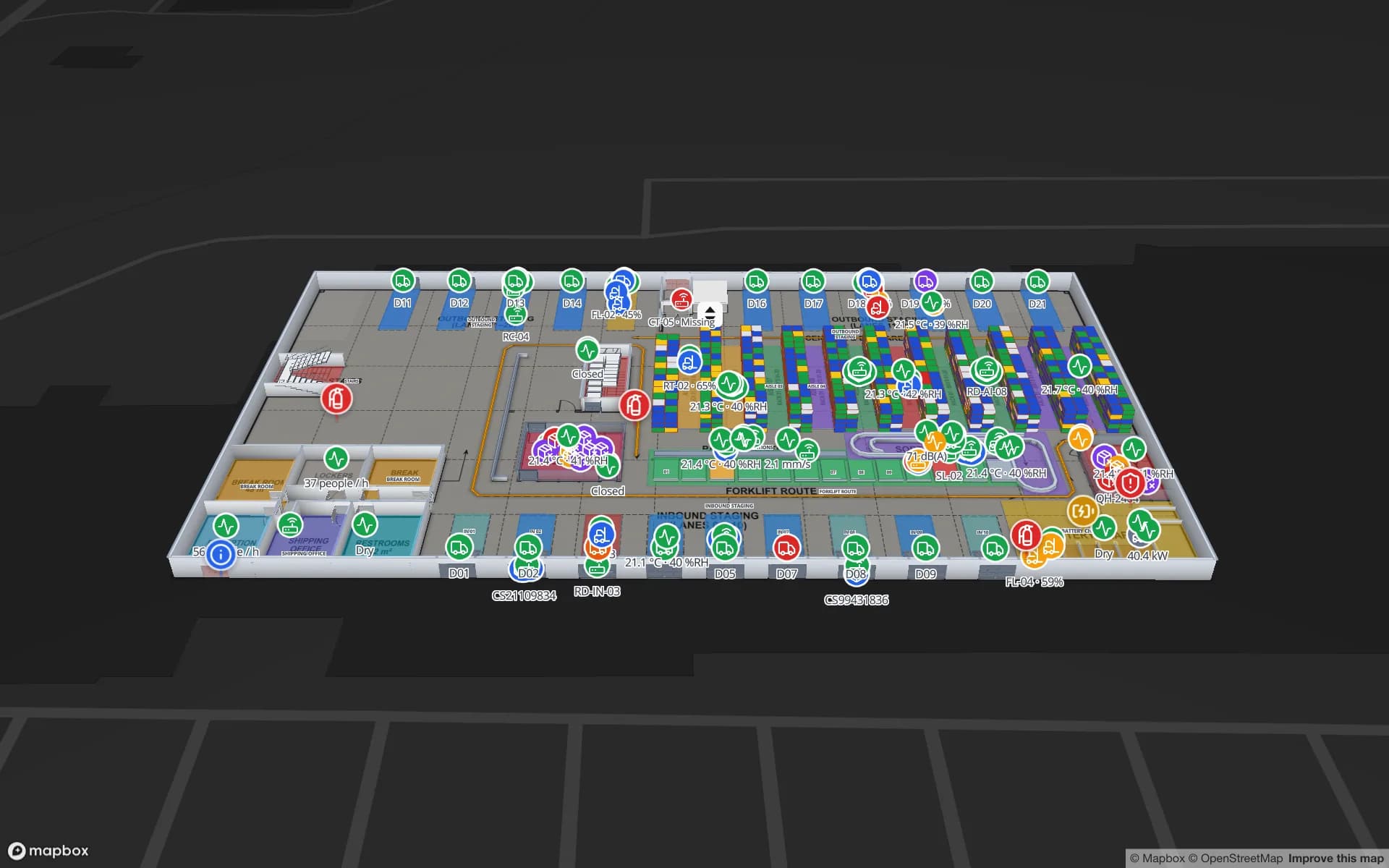
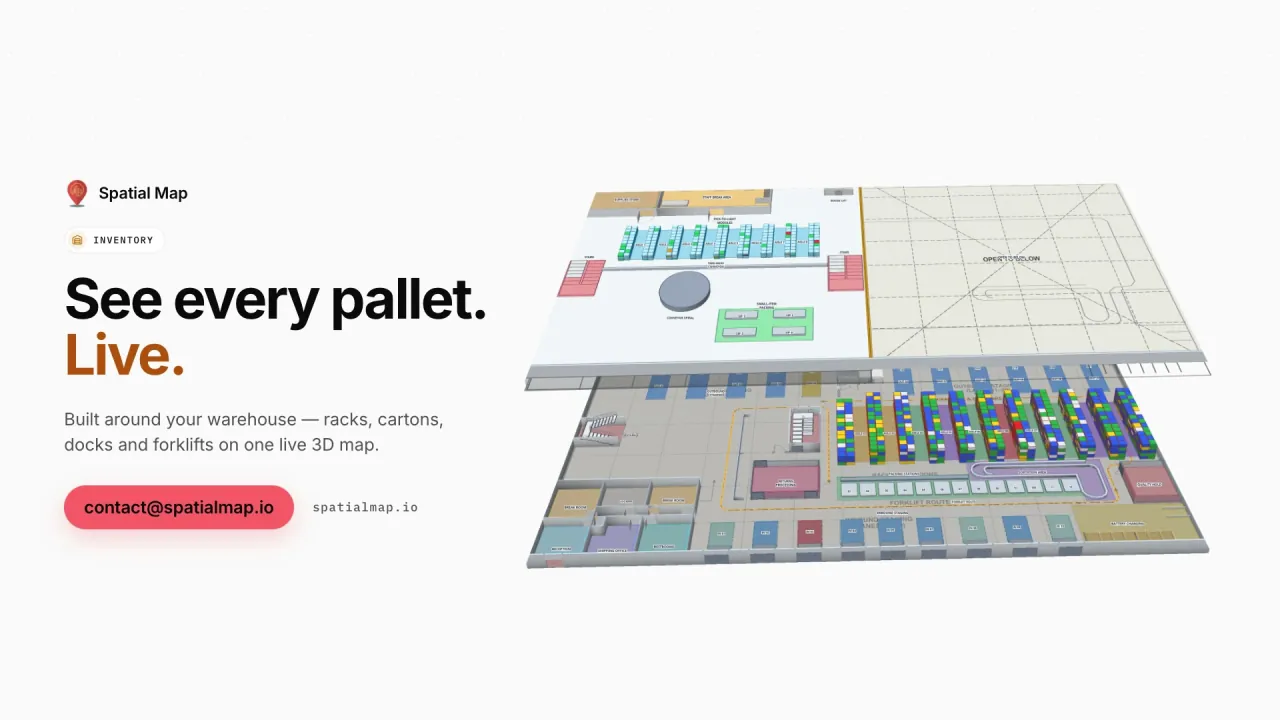
The Logistics film: Eastport Cross-Dock, a demo freight hub with 50 dock doors, 44 yard slots and 1,180 RFID pallets, and a short load caught before cut-off.
Dock doors in the Eastport cross-dock demo
50
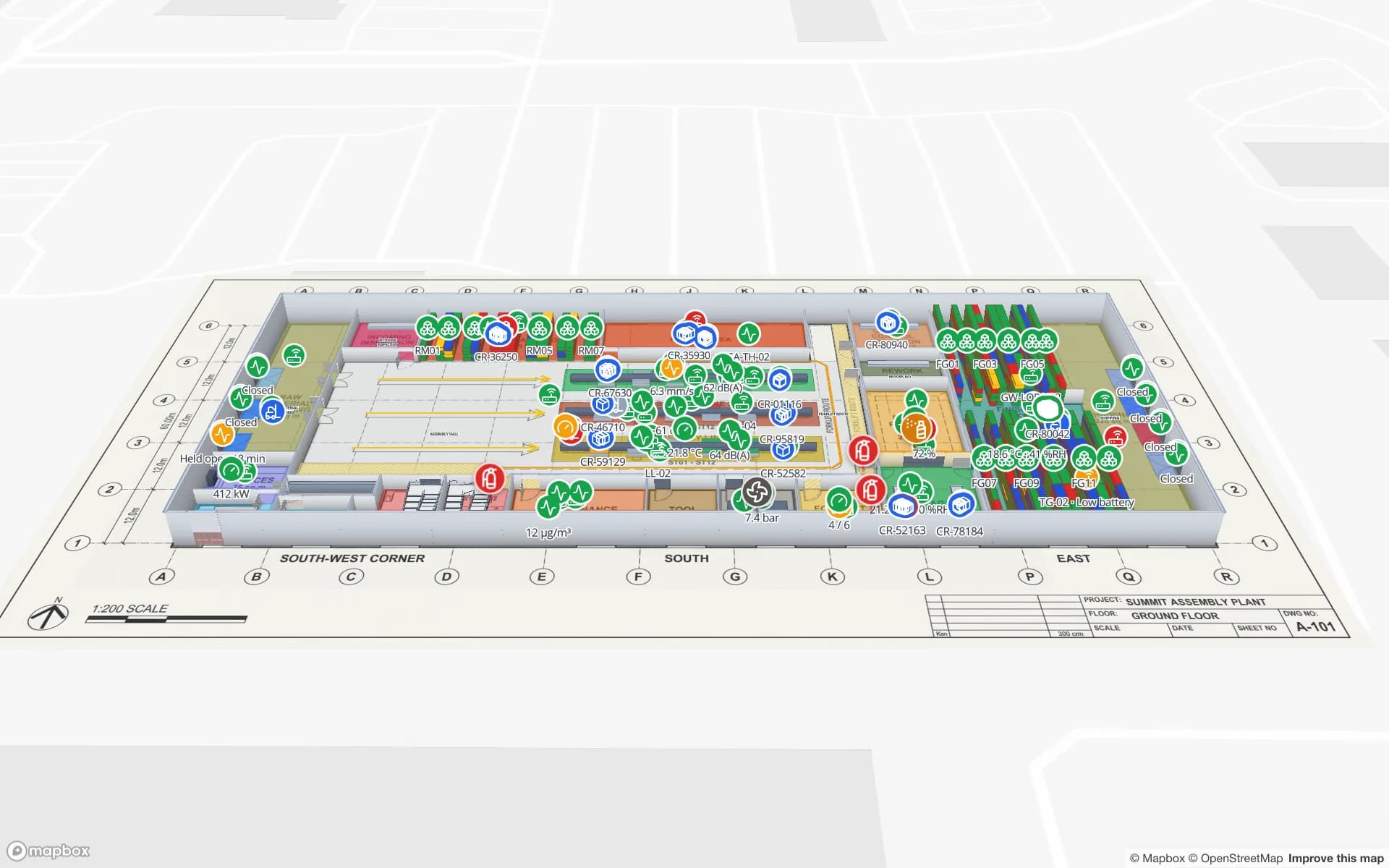
RFID-tagged WIP carriers in the Summit Assembly film
351
Raw-material and finished-goods rack locations at Summit
867
App languages, Arabic and English included
6

A small kingdom with a lot of handovers

Bahrain’s freight story is about connections rather than size. Khalifa Bin Salman Port at Hidd is the kingdom’s deep-water port, the Bahrain Logistics Zone sits beside it for bonded and value-added warehousing, the airport is a short drive away, and the King Fahd Causeway carries a steady stream of trucks to and from Saudi Arabia’s Eastern Province. A pallet can change building, vehicle and mode several times in a day — and each change is a moment when it can be miscounted or left behind.

How tags, readers and middleware fit together in general is on our RFID page. This page covers the four Bahraini settings where reads at the door matter most: sea-air consolidation, causeway trucking, aluminium downstream plants and retail.
Sea-air: from the quay to the cargo flight

Bahrain has made sea-air transfers part of its logistics offer: cargo that arrives by sea is broken down, relabelled or consolidated in the logistics zone and flown onward. The window between the container arriving and the flight cut-off is short, so the question on the warehouse floor is always the same — which shipments are still inside, and where.

Portals at the inbound door, the consolidation area and the outbound door give the movements. In Spatial Map each shipment shows at the door or zone where it was last read, and a cut-off or flight field in your data lets a style rule colour it by urgency. Spatial Map does not book flights, file declarations or connect to customs or airline systems; it shows what your reads and WMS say is physically in the building.

Causeway freight: read every pallet before the truck leaves

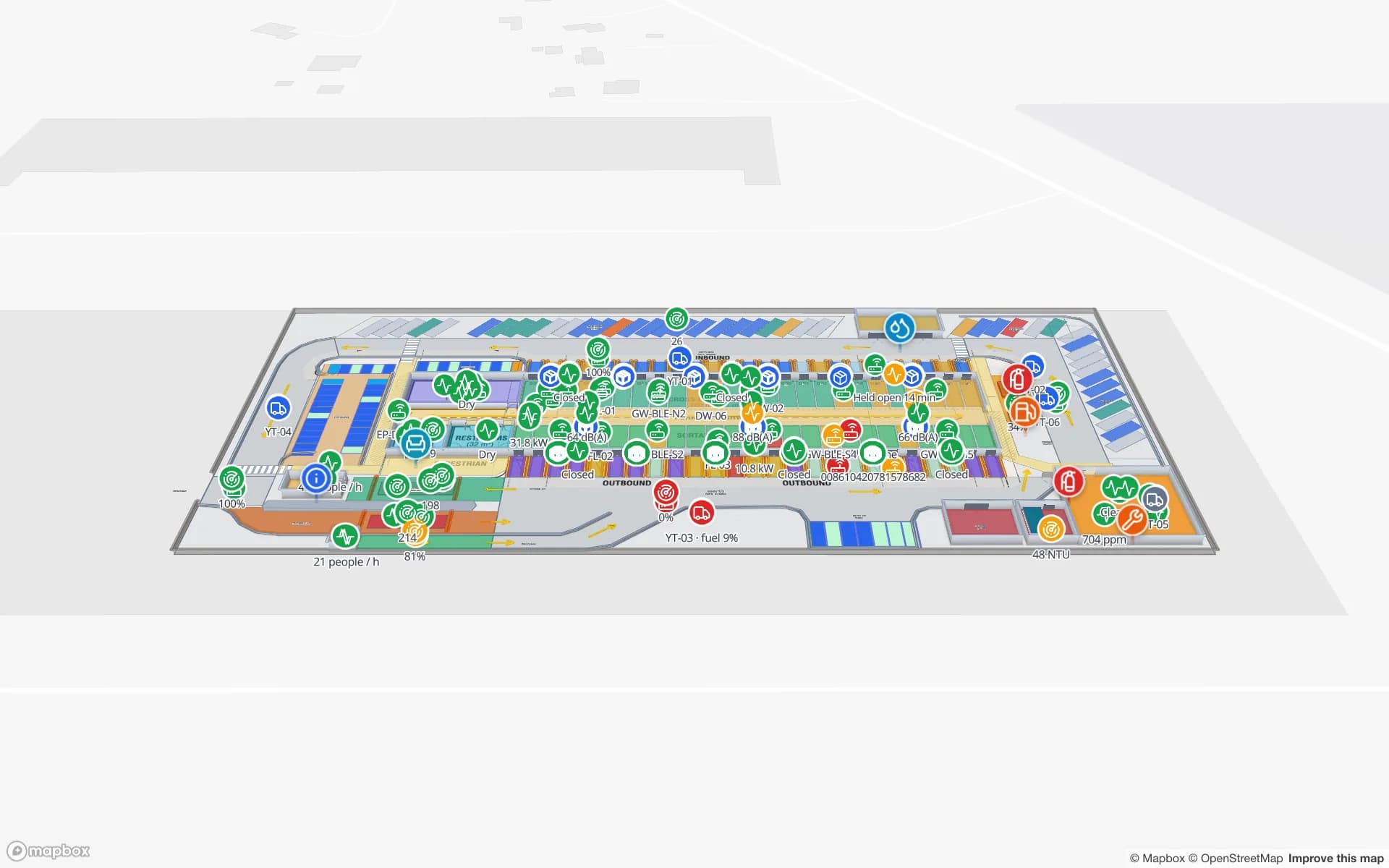
A short load discovered after a truck has crossed to Saudi Arabia costs a day, not an hour. The fix is unglamorous: read each pallet at the dock door as it is loaded, and compare the count with the load list before the doors close. Your middleware posts the reads to a table, the load list arrives as a CSV upload or a REST source, and each dock door on the map turns from loading to complete — or stays visibly short.

The Eastport demo shows the pattern on a larger site: gate lanes and weighbridges, trailers in yard slots, and a pallet staged in the wrong lane before cut-off. Once a trailer leaves, the map shows its pallets’ last read at your outbound door — Spatial Map maps your buildings, not the causeway or the road.

Aluminium downstream: coils, billets and finished goods

Bahrain is home to one of the world’s largest aluminium smelters, and a cluster of downstream manufacturers turns its metal into rolled coils, extrusion billets, cable and finished products. Their warehouses hold heavy, high-value units that look alike, sit in bays rather than neat racks and are moved by crane or forklift.

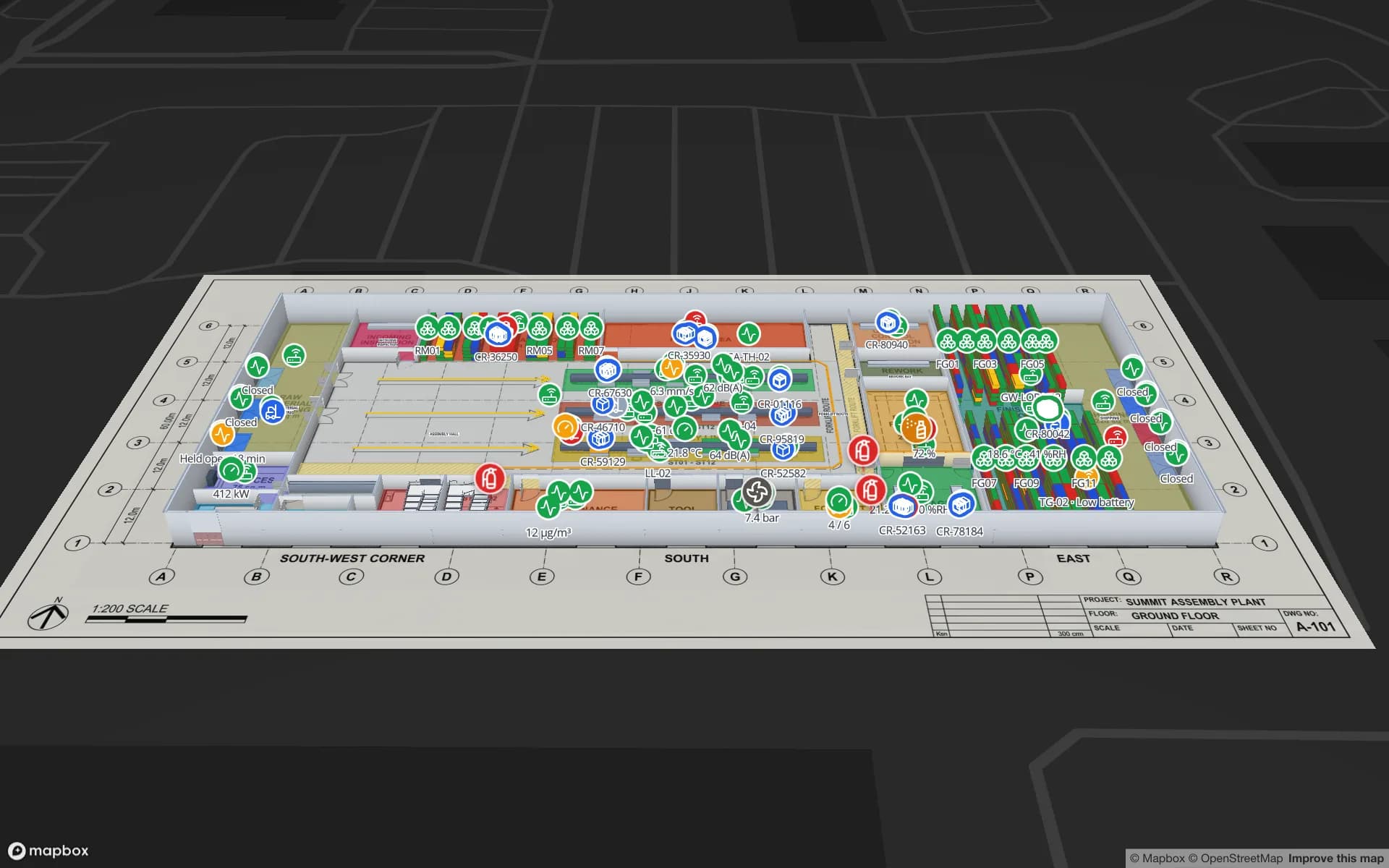
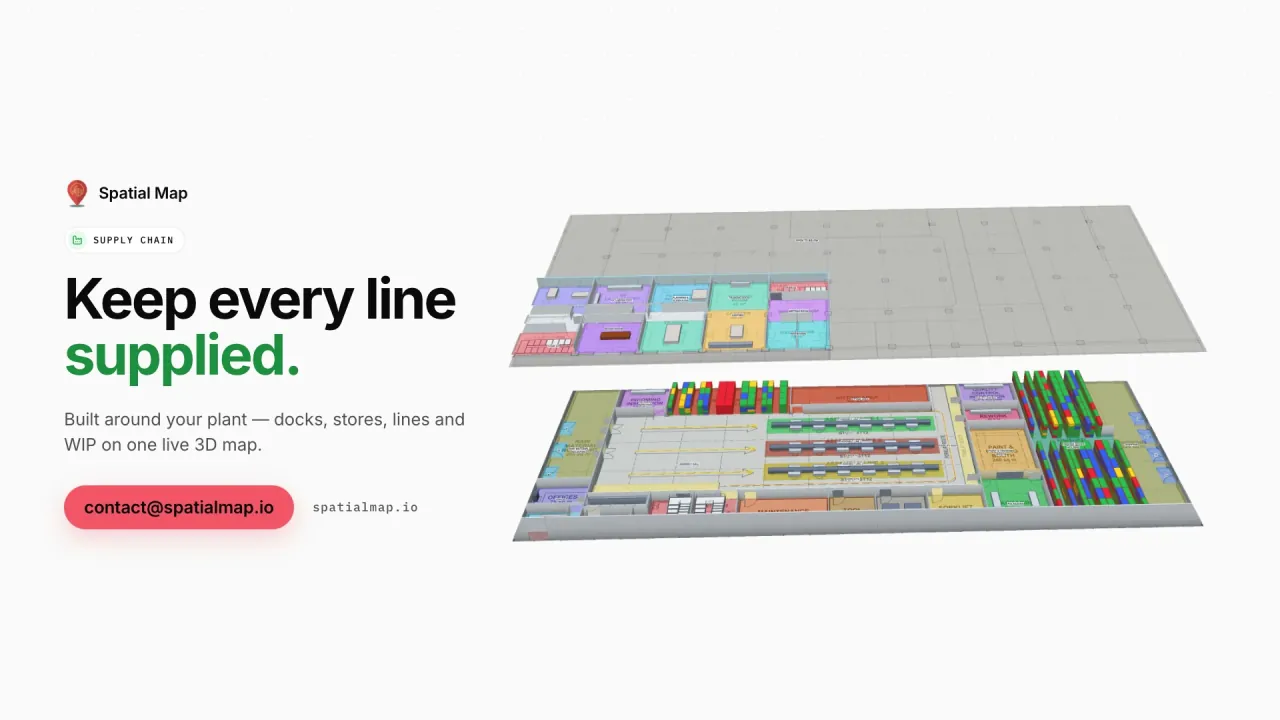
Tag the cradle, the bundle or the label rather than bare metal — your integrator chooses on-metal tags that read reliably — and read units at the casthouse or mill exit, the finished-goods bay and the dispatch door. The Summit Assembly demo shows the shape of it: raw-material and finished-goods racks with 867 locations, receiving and shipping docks, and a held lot traced to the line it affects.

  • Draw bays and lay-down areas as zones, and racks with the rack tool so each location has its own name.
  • Colour finished goods by order, customer or quality status straight from your ERP export.
  • Track the returnable cradles and stillages that come back from customers as assets, with their last door and date.

Retail, with shoppers from both sides of the causeway

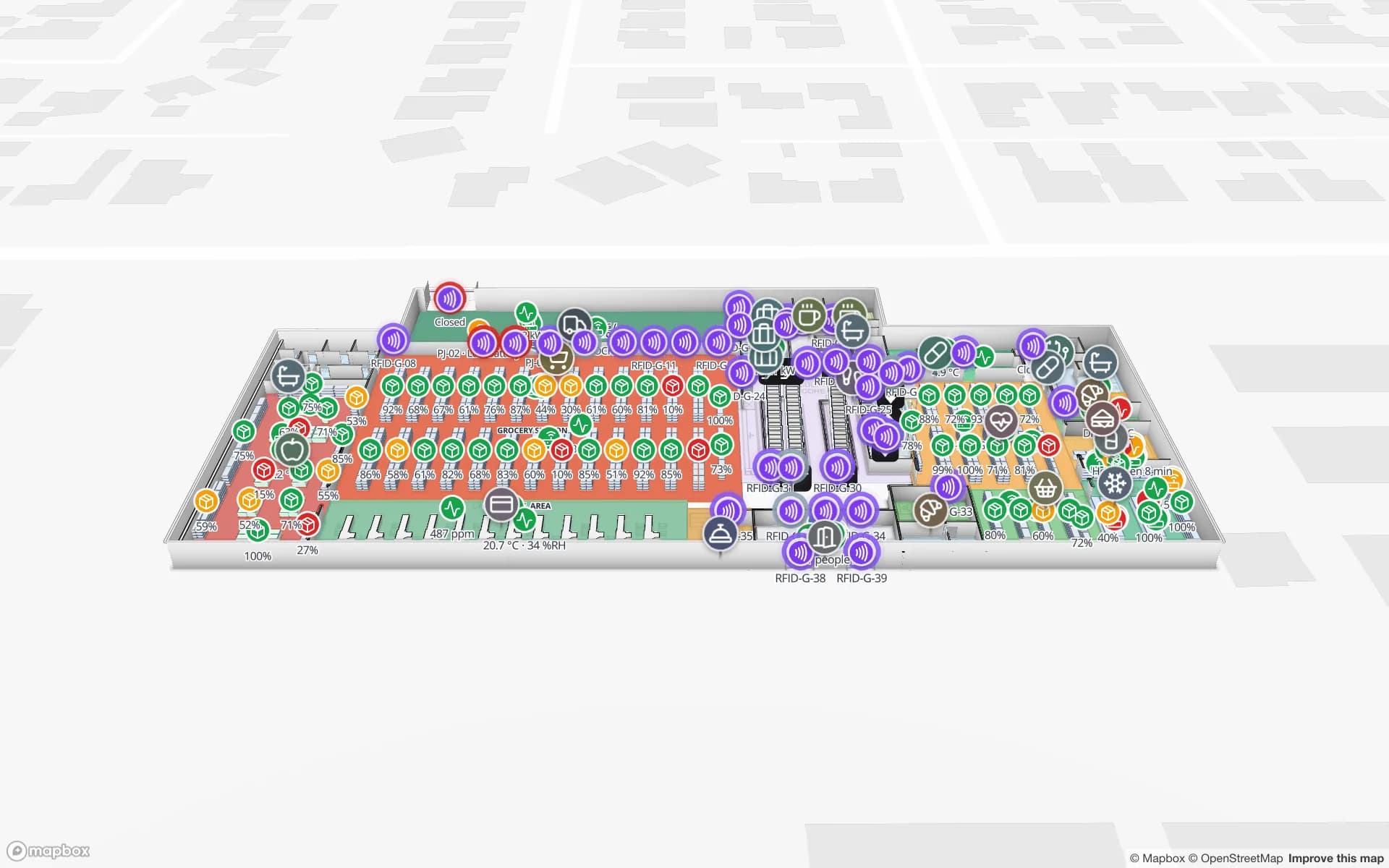
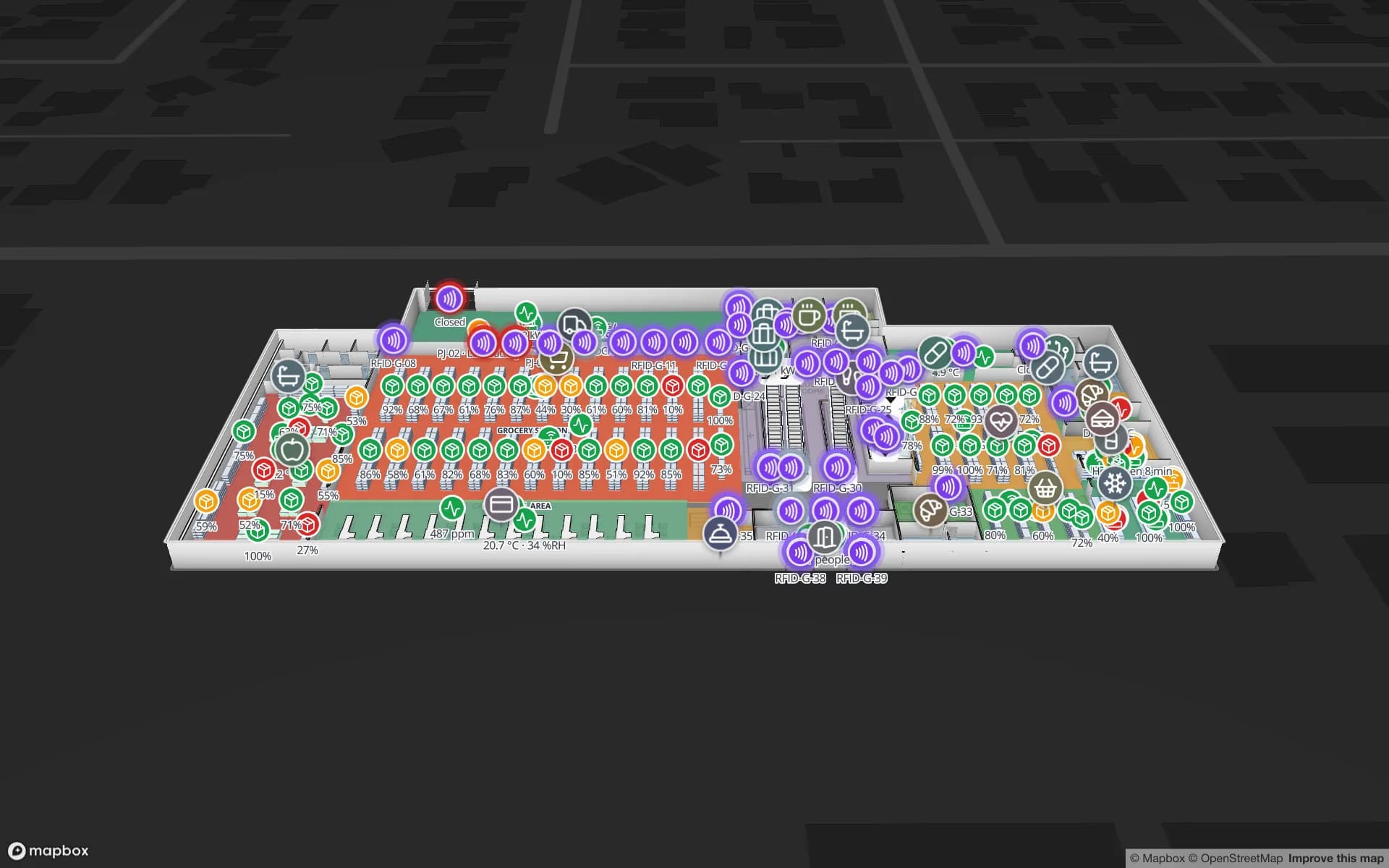
Bahrain’s malls draw weekend shoppers from the Eastern Province as well as residents, and peak days put pressure on stockrooms and exits alike. RFID readers at store exits, stockroom doors and escalator landings show up on a floor-by-floor map, with offline readers in red, as in the three-floor Retail Mart demo. Several stores become facilities in one solution, so a regional manager sees them together.

How Spatial Map does it

How a Bahrain RFID project comes together

  1. 01

    Map each site

    Import the PDF or DWG for the port-side warehouse, the logistics-zone unit or the plant, and trace doors, bays and racks.

  2. 02

    Name the read points

    Every portal, dock door and bay becomes a marker or zone, named exactly as your middleware reports it.

  3. 03

    Send reads and load lists

    Middleware posts batched reads to a table over the write API; load lists arrive as CSV uploads or a polled REST source.

  4. 04

    Group and share

    Group the sites into one solution and give each consignee a read-only, expiring share link.

RFID use cases we see in Bahrain

Sea-air consolidation

Shipments by door, zone and flight cut-off, from the inbound door to the outbound dock.

Causeway truck loading

Pallets read at each dock door and checked against the load list before the trailer leaves.

Aluminium coil and billet stores

Units by bay and status, from the mill exit to the dispatch door.

Returnable cradles and stillages

Pool counts per site and the units that have not come back from customers.

Mall stores

Exit and stockroom reads per floor, offline readers in red, several stores in one solution.

See it on real demo facilities

Fictional names, real floor plans, live sensors, RFID, BLE tags and gateways — open any of them in the browser.

All 13 demo facilities

RFID in Bahrain — questions we get

Yes. Keep each consignee’s reads in its own table and data link, then send them a read-only share link limited to those layers. It can expire, have a view cap and be revoked, and the customer needs no account.

No. Declarations and border processes stay in your existing systems. Spatial Map shows where pallets physically are in your buildings and exports reports to PDF, Excel, CSV or JSON for whoever needs them.

Bare metal is hard on UHF tags, so integrators use on-metal tags or tag the cradle, bundle or label. Spatial Map has no reader drivers and only receives reads, so it works with whichever tags and readers your integrator chooses.

Inside your buildings, yes: each read places it at a door or zone. Between buildings Spatial Map shows the last read at one site’s outbound door and the first read at the next; it does not track vehicles on the road.

No. Spatial Map is sold online and our team works with customers remotely, by video call and through the contact form, in English or Arabic. The product runs in the browser, so nothing is installed on site.

Prices are in US dollars and the same worldwide: a 7-day free trial for up to 5 facilities, then Pro at $60 a month or $600 a year for up to 4 facilities. Larger estates are quoted as fixed-price custom services.

Put your dock doors and their reads on a map.

Start a free trial and open the Eastport and Summit demos, or send us a floor plan and a sample of your read log through the contact form.