USA · RFID for fulfillment and retail

RFID tracking software for US warehouses, 3PLs and retail stores

Item-level RFID has moved from pilot to mainstream in US retail, and the cartons, totes and pallets behind it flow through 3PL and e-commerce fulfillment centers. Spatial Map puts the reads from those buildings on a live 3D floor plan — dock doors, pick modules, packing, store exits — so operations, loss prevention and your clients see the same picture.

No credit card. Runs in the browser. Pro is $60/month for up to 4 facilities. Book a demo

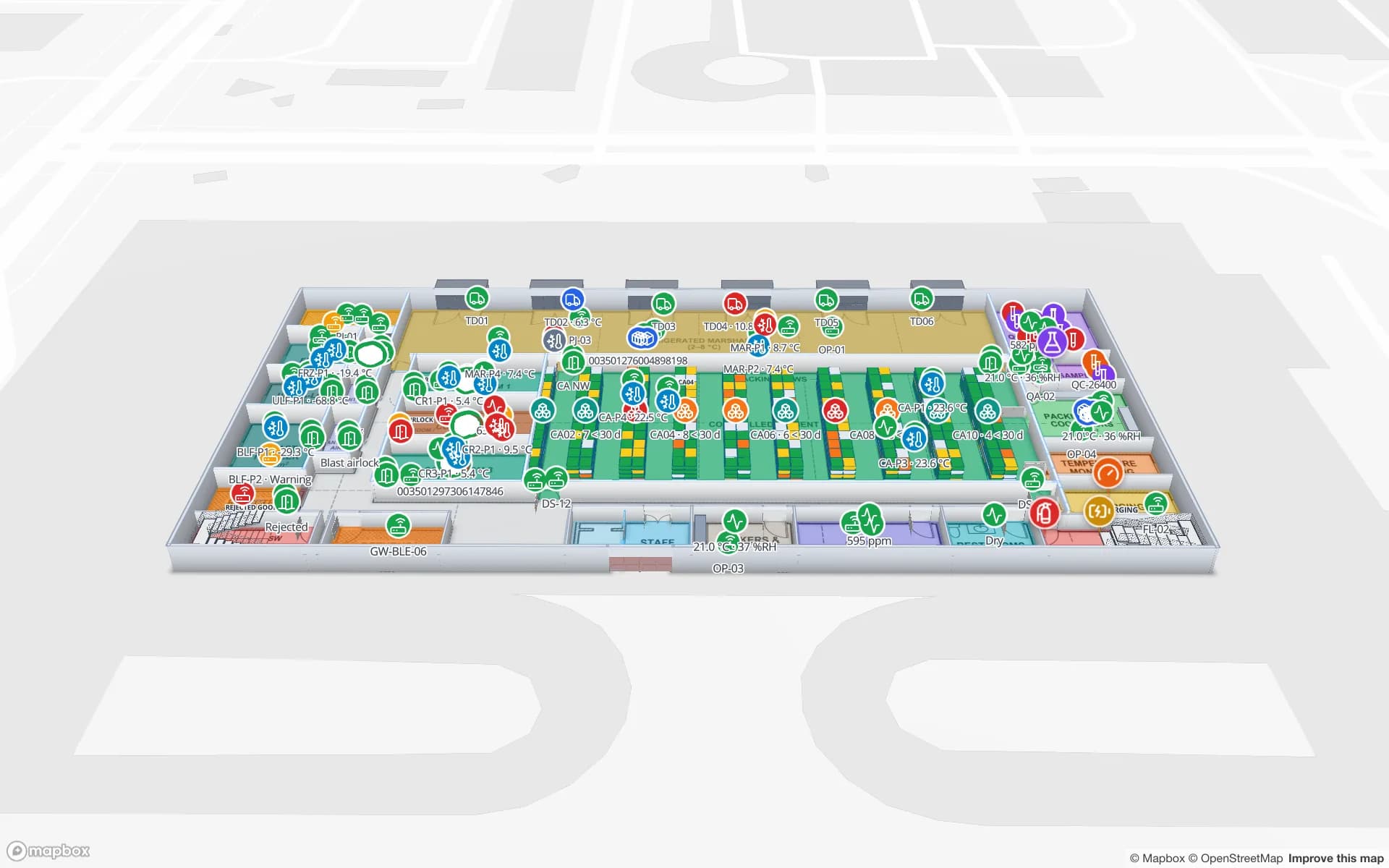
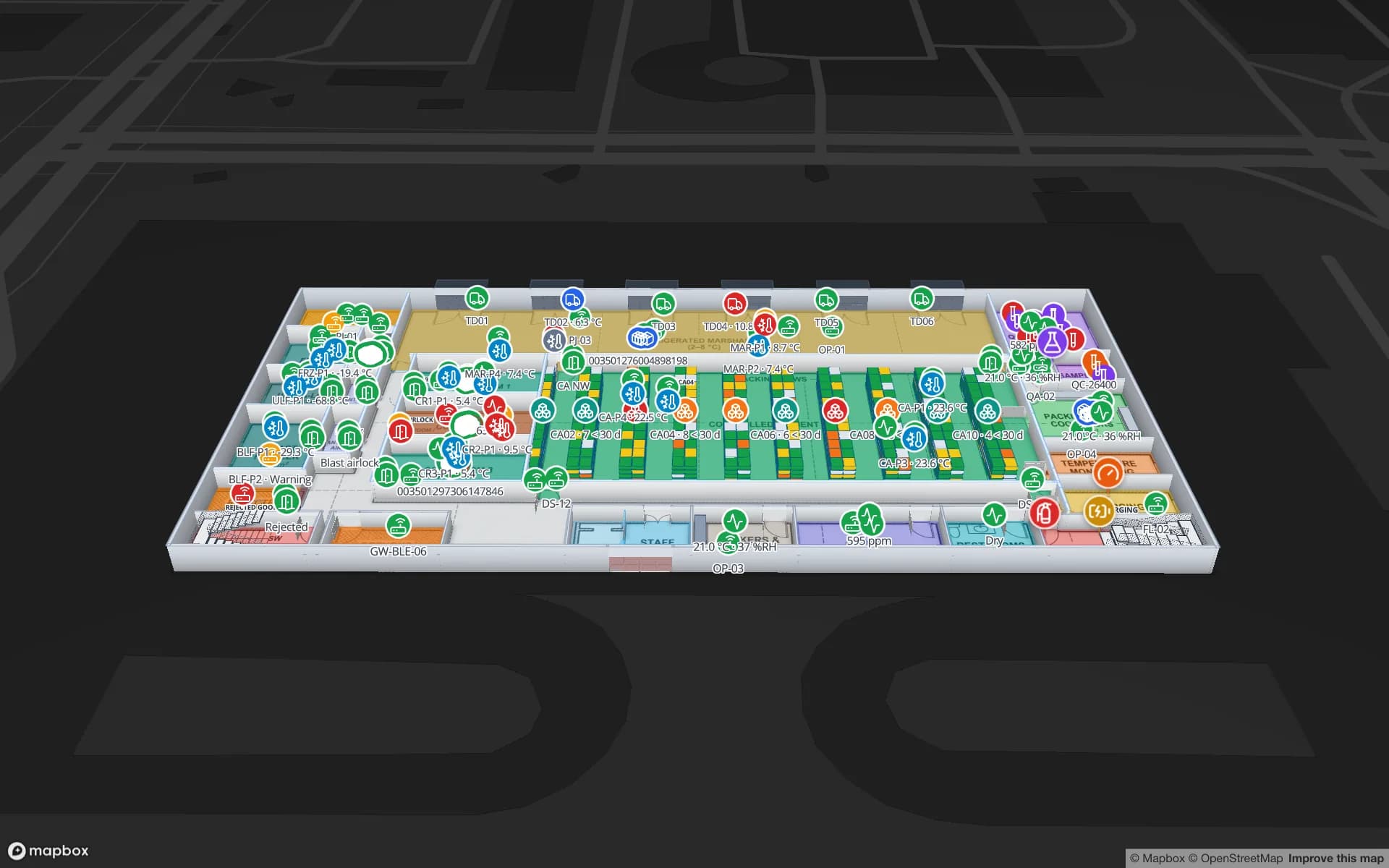
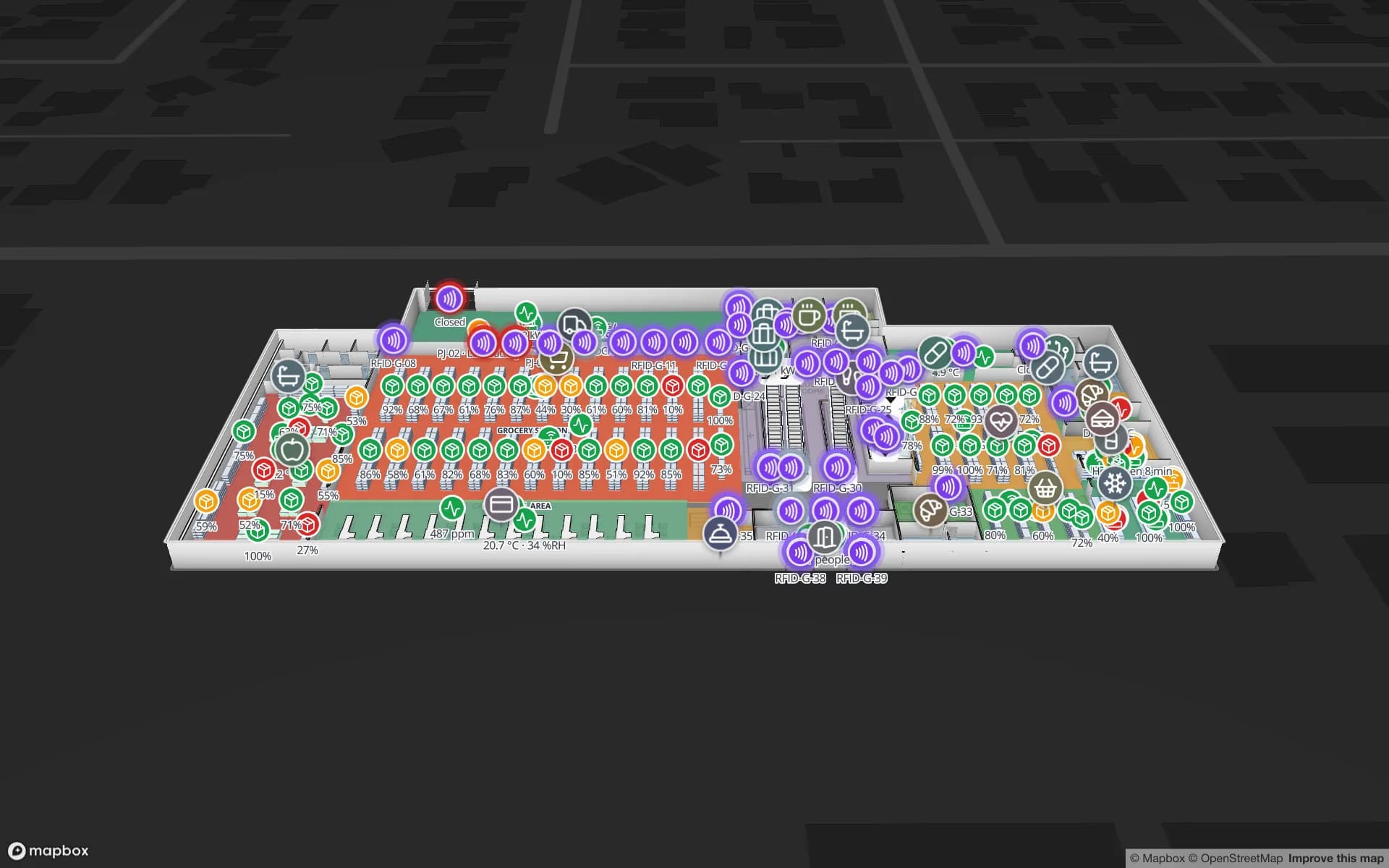
Crestline Fulfillment Center, a fulfillment center demo, in the Spatial Map 3D viewer with live device markers
Crestline Fulfillment Center
Crestline Fulfillment Center, a demo e-commerce site: carton tags read at docks, lanes and packing across 20 racks with 2,204 locations.
Rack locations in the Crestline fulfillment demo
2,204
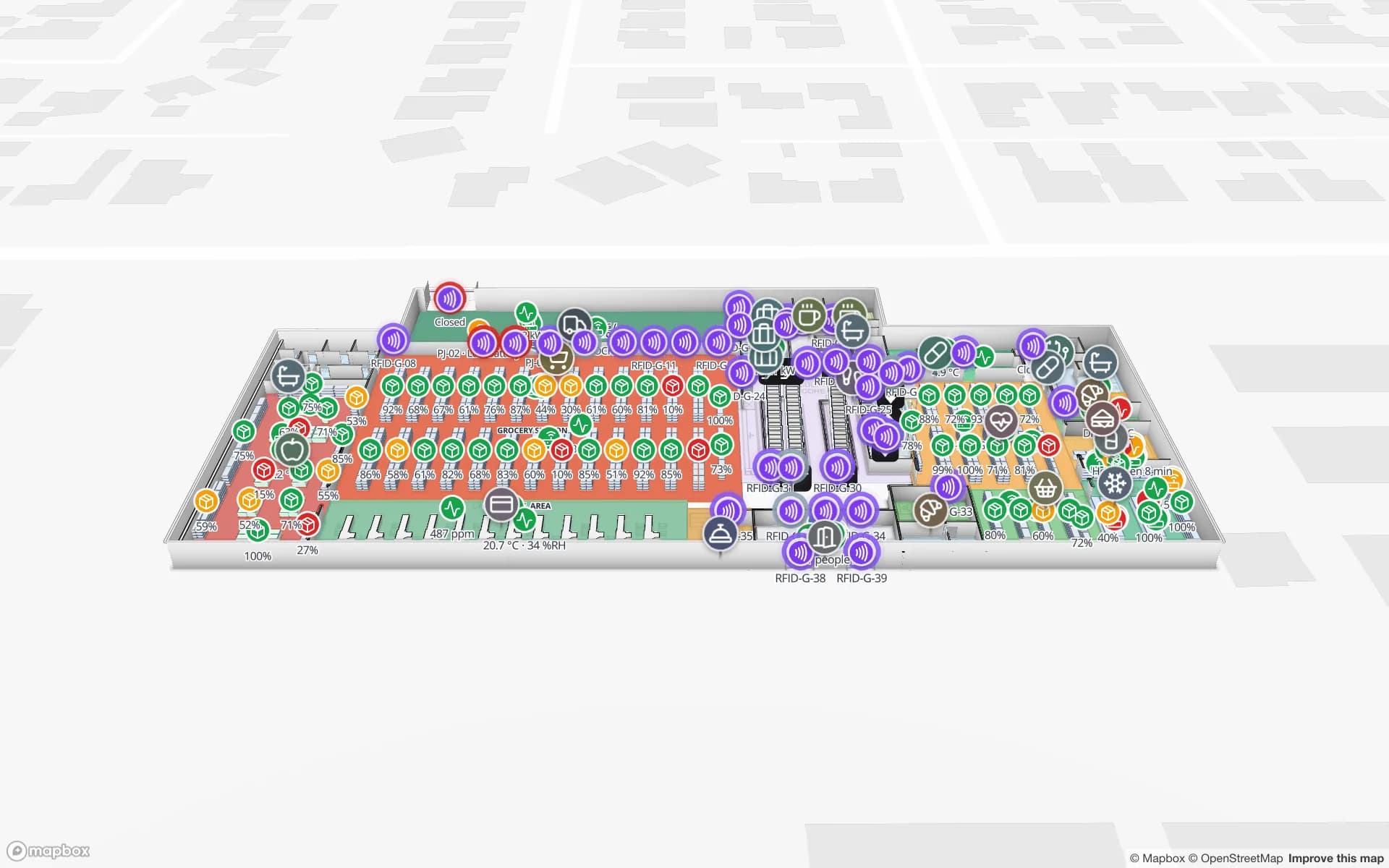
RFID readers in the Retail Mart demo store
85
Per month for up to 4 facilities (Pro)
$60
Free trial, no credit card
7 days

Why US operators are adding RFID now

Several large US retailers have asked their suppliers to tag apparel and, increasingly, other categories at item level, and many brands now ship tagged goods by default. That pushes RFID upstream into the distribution centers and 3PL buildings that receive, store, pick and ship those goods. At the same time, US e-commerce has raised the bar for order accuracy and speed, and shrink remains a top concern for store operators.

Our RFID tracking software page covers tags, readers and middleware in general. This page is about the US warehouse and retail use cases and how they play out on a live map.
3PLs and e-commerce fulfillment

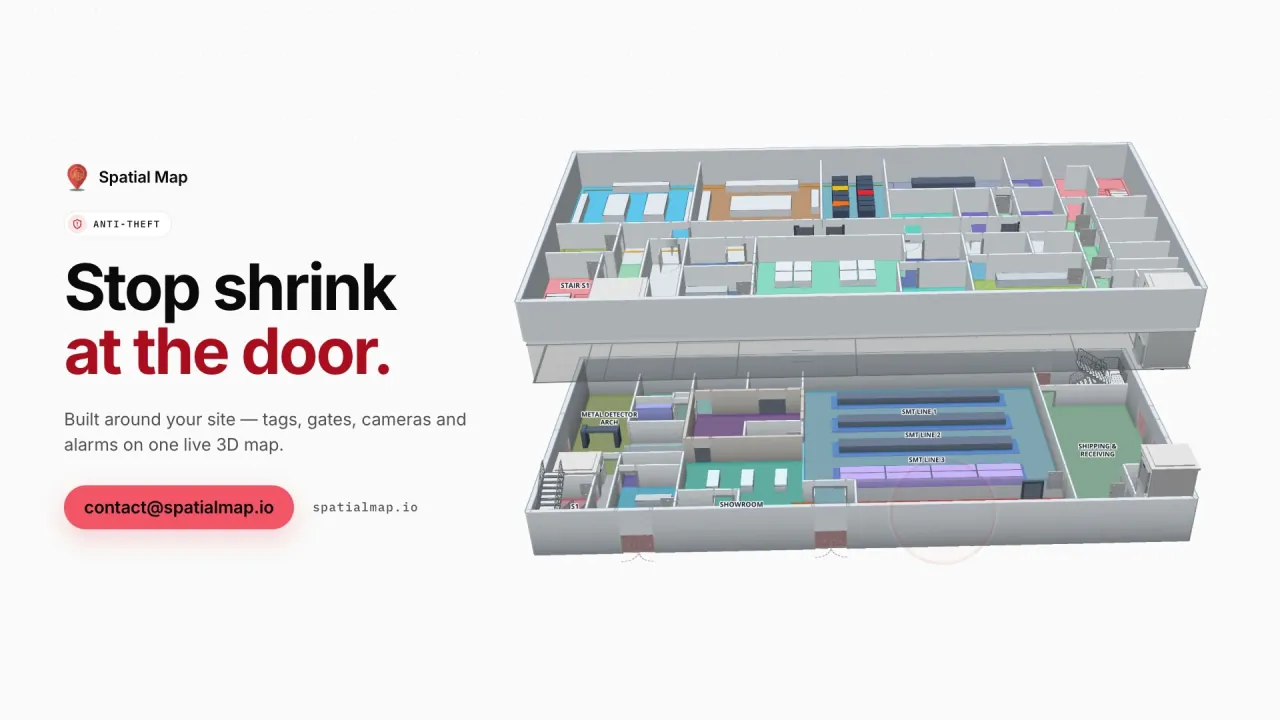
In a fulfillment center, the questions are concrete: did every carton on this trailer get read at the dock door, which totes are stuck between pick and pack, which staging lane holds the wrong order before the carrier cutoff. Spatial Map draws the building — racks with bin locations, pick modules, packing stations, staging lanes, dock doors and the trailer yard — and binds your reads to it, so a short load or a mis-staged pallet shows up as a colored lane rather than a line in an exception report.

For 3PLs, the multi-client angle matters. A read-only share link can give each client a view of the floors and layers you choose, with an expiry date and a view cap, without giving them an account in your workspace. Solutions let you group facilities, reports and data per client or program inside one workspace.

Retail loss prevention at the exits

Loss prevention teams already have EAS pedestals and, more and more, RFID readers at exits, fitting rooms and stockroom doors. Spatial Map shows each reader at its door with its last read and read count, places tagged items at the reader that last saw them, and colors offline readers so a dead portal does not go unnoticed. The Retail Mart demo runs 85 readers across three floors, with escalators and lifts. Spatial Map does not trigger alarms — your EAS and RFID systems keep doing that; it gives LP and store operations a map of what happened and a read trail for the incident file.

Pharma distribution and DSCSA context

The Drug Supply Chain Security Act (DSCSA) moves the US prescription-drug supply chain to electronic, interoperable, package-level tracing. The product identifier on a package is a 2D barcode, and the serialization and tracing records live in your traceability or EPCIS systems — not in Spatial Map, and Spatial Map does not make anyone DSCSA compliant. What it can do for a pharma distributor or cold store is show where tagged pallets, totes and quarantined stock physically sit, next to cold-room temperatures from your sensors, so the warehouse picture matches the records your QA team keeps.

Getting reads in

Spatial Map has no reader drivers. Your RFID middleware, WMS or a small relay posts batched reads to a table with the table write API — HTTPS, bearer key, bulk upsert, 60 requests a minute per key — or Spatial Map polls a REST endpoint you already expose. Reads are filtered and located by your middleware; Spatial Map shows the reader, zone or coordinates it reports, keeps every row change as history and replays it with the History player.

How Spatial Map does it

From dock-door reads to a live building map

  1. 01

    Map the building

    Import a PDF or DWG plan and draw racks, pick modules, packing, docks and the yard.

  2. 02

    Place the readers

    Add a marker or zone for each dock portal, exit reader and tunnel, named like its reader ID.

  3. 03

    Stream rows in

    Your middleware or WMS posts batched reads to a table, or Spatial Map polls its REST endpoint.

  4. 04

    Share with clients

    Build reports, export PDF or Excel, and send each client a read-only link to its own view.

RFID use cases for US operators

E-commerce fulfillment

Carton tags read at docks, lanes and packing across racks with bin locations.

3PL cross-docks

Pallets by dock door and lane, yard slots and the gate, with short loads before cutoff.

Store exits and LP

Exit, escalator and lift readers next to the stock they protect, offline readers in red.

High-value stock

Units followed reader by reader through cages and a vault, with a read trail for investigations.

Pharma cold storage

Pallets on hold and temperature zones in a cold store and QC lab.

See it on real demo facilities

Fictional names, real floor plans, live sensors, RFID, BLE tags and gateways — open any of them in the browser.

All 13 demo facilities

RFID in the USA — frequently asked questions

Yes. A read-only share link shows only the floors and layers you choose, can expire and have a view cap, and can be revoked. Clients open it in the browser without an account in your workspace.

It shows the reads your middleware collects — at receiving, in storage and at shipping — on a live map with reports. Encoding tags, meeting a retailer’s tagging specification and sending ship notices stay with your RFID and WMS systems.

No. DSCSA tracing records belong in your serialization and EPCIS systems. Spatial Map can show where tagged pallets and quarantined stock physically sit in the warehouse, alongside cold-room temperatures.

No. Your EAS pedestals and RFID systems handle alarms. Spatial Map shows exit reads, offline readers and tagged items on the map and keeps a read trail for the incident report.

In US dollars: a 7-day free trial for up to 5 facilities with no credit card, then Pro at $60 a month or $600 a year for up to 4 facilities. Multi-site networks are quoted as custom services.

Map your dock doors and exits this week.

Start a free trial and open the fulfillment and retail demos, or send us a floor plan and a sample of your read data.